WASHINGTON (AP) — The fatal shooting over the weekend of a Minneapolis man has prompted calls for a thorough independent investigation into the second death at the hands of federal immigration officers since the Trump administration began its large-scale operation in the city late last year.
But many of the investigation’s details, including the identities of the officers involved and precisely what evidence is being examined, remain unclear even as tensions soar in Minneapolis over the death of Alex Pretti, 37, an ICU nurse.
Any investigation into the details of the shooting will likely be highly scrutinized. The Trump administration has been quick to cast Pretti as an armed instigator, although videos emerging from the scene and local officials contradict that claim.
Here’s a look at what’s known about the investigation into the shooting and what’s not:
The White House says three federal investigations into the shooting are underway.
During a briefing Monday, White House press secretary Karoline Leavitt said the Department of Homeland Security and the FBI were investigating the shooting and U.S. Customs and Border Protection was “conducting their own internal review.”
“As President (Donald) Trump said yesterday, the administration is reviewing everything with respect to the shooting, and we will let that investigation play out,” Leavitt added, without providing additional details on the probes.
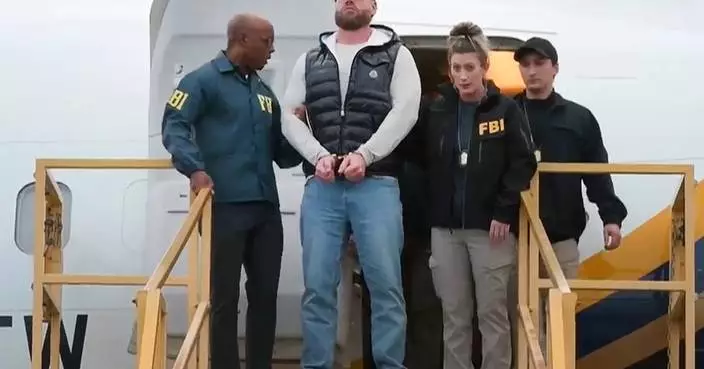
The Federal Bureau of Investigation, which normally plays a key role in any case in which a federal law enforcement officer kills a civilian, is instead only lending support in processing physical evidence from the scene, such as Pretti's gun.
Historically, the Civil Rights Division of the Justice Department investigates shootings of civilians by law enforcement officers for potential criminal violations, but there's no indication that they intend to do so in Pretti's case. In the case of Renee Good, who was shot and killed by an Immigration and Customs Enforcement agent in Minneapolis on Jan. 7, Deputy Attorney General Todd Blanche said in a statement earlier this month that “there is currently no basis for a criminal civil rights investigation.”
Gil Kerlikowske, who headed Customs and Border Protection during the Obama administration, said that when he was at the agency, if a Border Patrol agent used deadly force on the job, it would be “routine” for the FBI to conduct a criminal civil rights investigation, even in cases where the force may have been justified and even if the probe wouldn’t necessarily lead to prosecution.
Kerlikowske also questioned why Homeland Security Investigations, an arm within DHS that traditionally probes cross-border issues like drug smuggling and human trafficking, would take a lead role in this investigation.
“This isn’t something that HSI has real expertise or does at all,” said Kerlikowske. “Shooting and use of force and potential criminal liability is not something that would be in their portfolio.”
FBI Director Kash Patel said Sunday on Fox News that the agency will be assisting HSI by “processing physical evidence.”
Patel said they’re in possession of “the firearm, which is going to go to our laboratory," in reference to Pretti’s gun.
But Patel made no reference to whether the bureau had gathered the firearms of the officers or agents who were on the scene or what other evidence the FBI was processing.
DHS officials did not respond to questions Monday about whether they are in possession of Pretti’s phone or whether they have recovered the video he was recording when he was killed.
Pretti’s family told The Associated Press they don’t have the phone and don’t know where it is. Pretti’s father, Michael Pretti, said Monday the family had still not been contacted by or provided any information by federal law enforcement.
Investigators also have an extensive array of videos to sift through, including multiple videos shot by activists and protesters at the scene.
Use-of-force experts have said that bystander video undermined federal authorities’ claim that Pretti “approached” a group of lawmen with a firearm and that a Border Patrol officer opened fire “defensively.” There has been no evidence made public, they said, that supports a claim by Border Patrol senior official Greg Bovino that Pretti, who had a permit to carry a concealed handgun, intended to “massacre law enforcement.”
Investigators have video from at least four Border Patrol agents on the scene who were wearing body cameras, said DHS spokeswoman Tricia McLaughlin. Those videos have not been made public.
Neither have the identities of the Border Patrol agents involved. The officer who shot the man is an eight-year Border Patrol veteran, federal officials said Saturday.
The incident has shined a light on the increasing mistrust between officials in the state and the Trump administration over who should take the lead in investigating.
Drew Evans, superintendent of Minnesota's Bureau of Criminal Apprehension, which investigates police shootings, told reporters Saturday that federal officers had blocked his agency from the scene of the shooting even after it obtained a signed judicial warrant.
“We will continue to investigate this case and others that we have recently been involved with. But I would be remiss if I didn’t state that it would be difficult to obtain all of the evidence and information obtained without cooperation," Evans said Saturday.
A federal judge has already issued an order blocking the Trump administration from “destroying or altering evidence” related to the shooting after state and county officials sued.
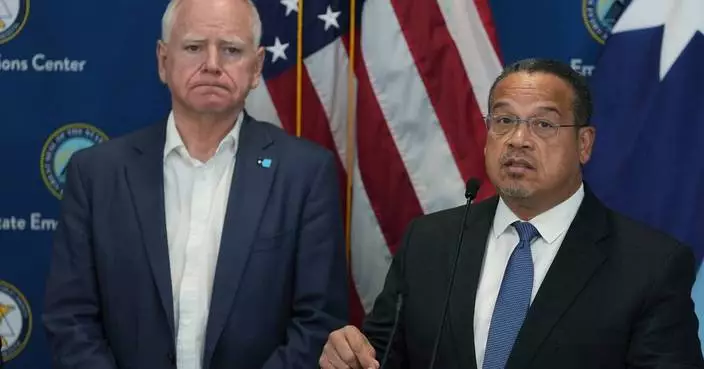
Minnesota Attorney General Keith Ellison said the lawsuit filed Saturday is meant to preserve evidence collected by federal officials that state authorities have not yet been able to inspect.
McLaughlin dismissed the lawsuit, saying claims that the federal government would destroy evidence are “a ridiculous attempt to divide the American people and distract from the fact that our law enforcement officers were attacked — and their lives were threatened.”
Minnesota's Democratic Gov. Tim Walz said he called for an impartial investigation in a phone call with Trump Monday.
Trump, in an earlier social media post, said after their call he and Walz “seemed to be on a similar wavelength,” although he did not mention the investigations. Later, Leavitt said Trump supports the probes that are underway.
Associated Press writers Michael Biesecker and Eric Tucker contributed.
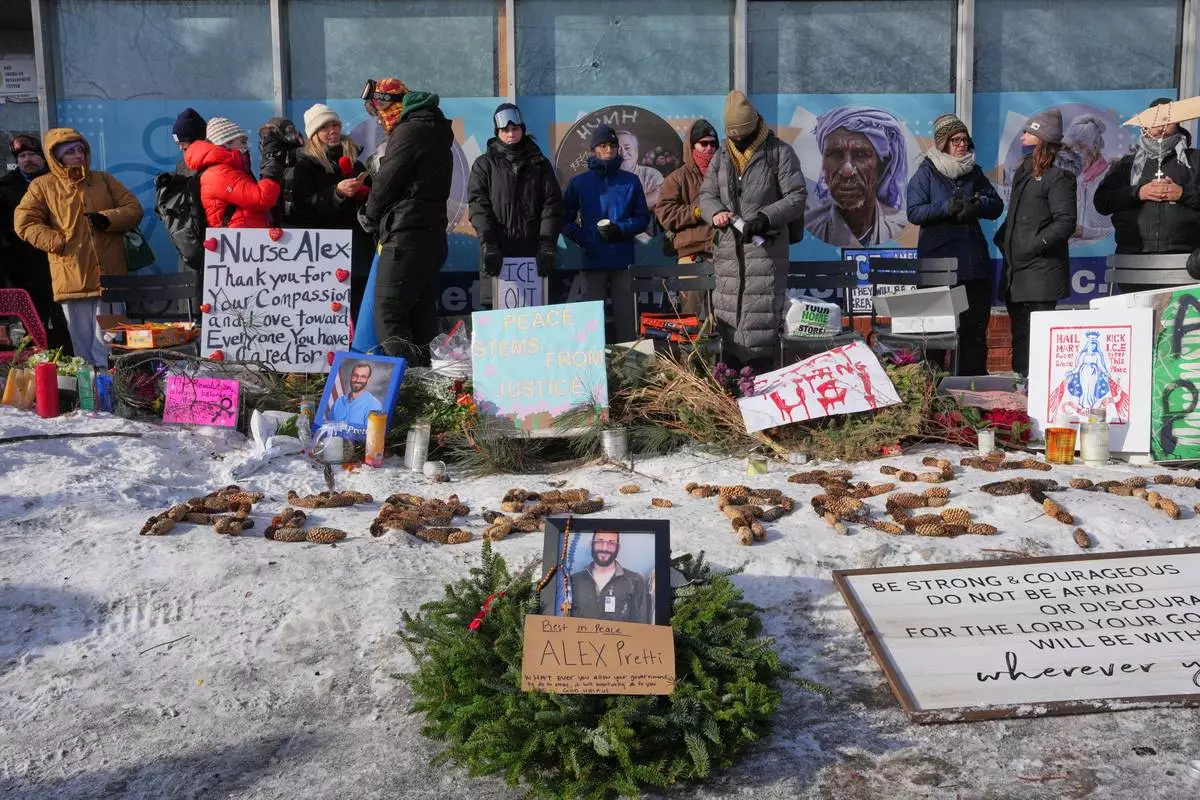
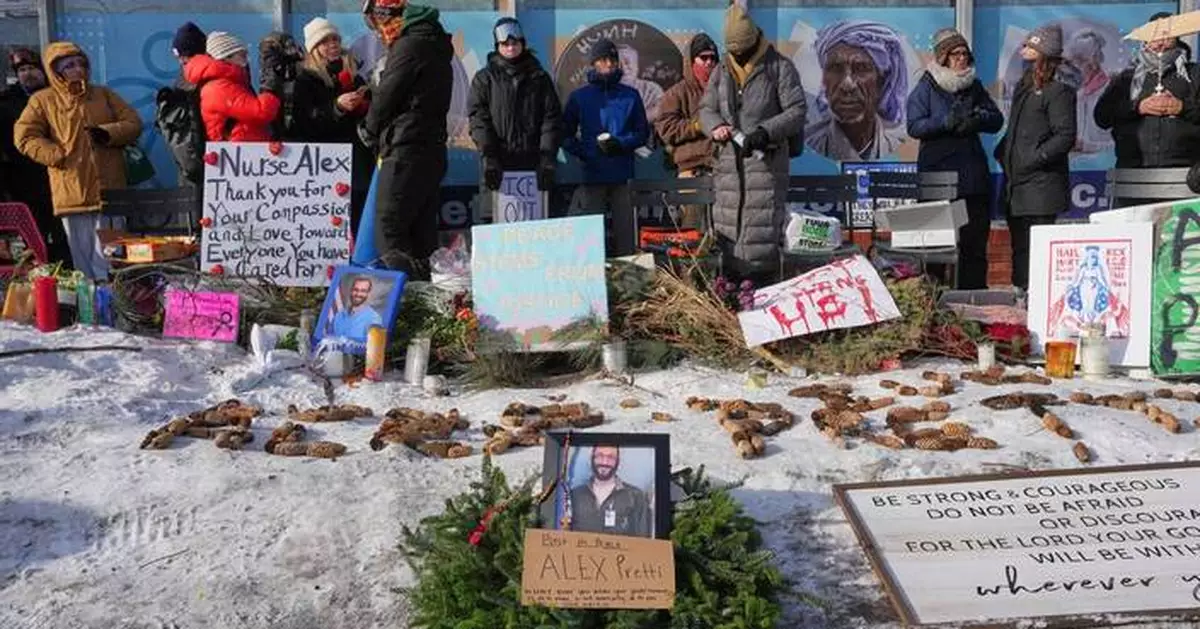
People gather near the scene where Alex Pretti was fatally shot by a U.S. Border Patrol officer yesterday, in Minneapolis, Sunday, Jan. 25, 2026. (AP Photo/Adam Gray)