Three Texas siblings who perished in an icy pond were among several dozen deaths in U.S. states gripped by frigid cold as crews scrambled Tuesday to repair hundreds of thousands of power outages in the shivering South and forecasters warned the winter weather is expected to get worse.
Brutal cold lingered in the wake of a massive storm that dumped deep snow across more than 1,300 miles (2,100 kilometers) from Arkansas to New England and left parts of the South coated in treacherous ice.
Click to Gallery
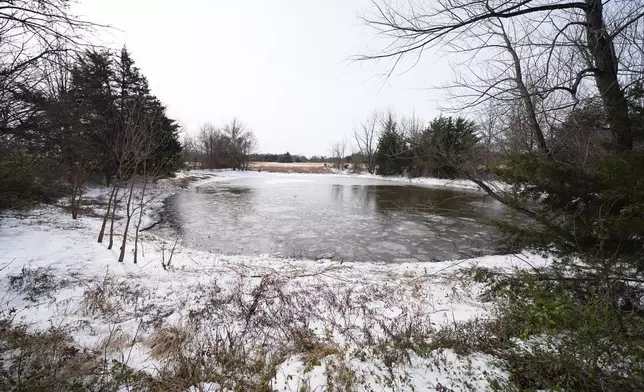
A pond where neighbors say three young boys died after falling into the water is seen Tuesday, Jan. 27, 2026, in Bonham, Texas. (AP Photo/Julio Cortez)
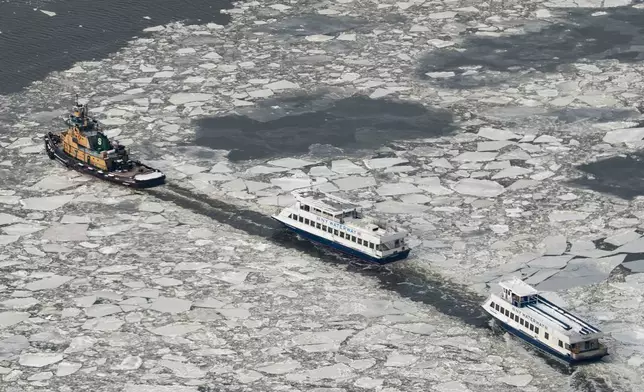
New York Waterway ferries move as ice floats on the Hudson River seen from the Edge sky deck at Hudson Yards, Tuesday, Jan. 27, 2026, in New York. (AP Photo/Yuki Iwamura)
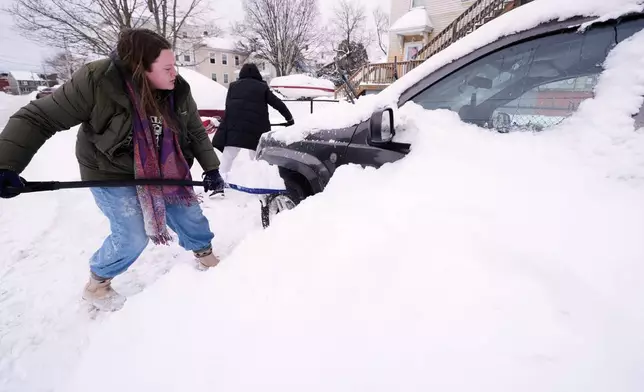
Emma Teske shovels out her car following a winter storm that dumped more than a foot and a half of snow across the region, Tuesday, Jan. 27, 2026, in Haverhill, Mass. (AP Photo/Charles Krupa)
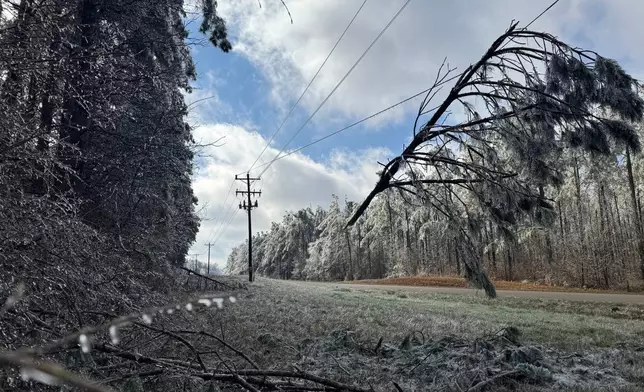
A tree limb dangles from a power line near Lexington, Miss., Tuesday, Jan. 27, 2026. (AP Photo/Sophie Bates)
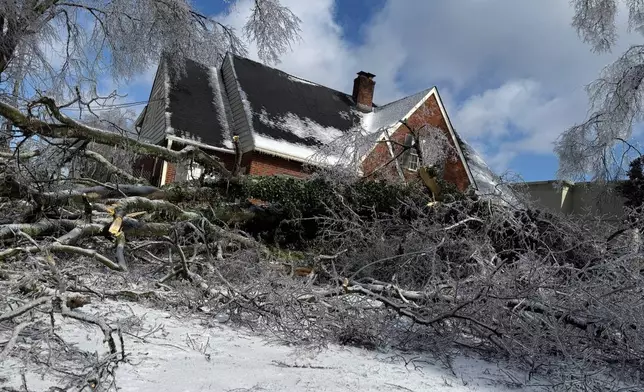
A tree downed by ice rests in a front yard just feet from a house in Nashville, Tenn., Monday, Jan. 26, 2026. (AP Photo/Travis Loller)
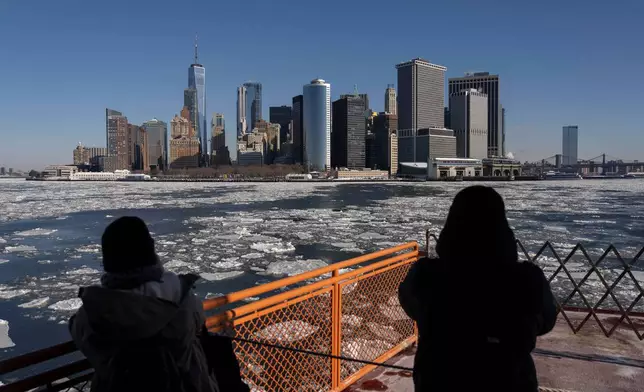
People take the Staten Island Ferry as ice floats on the Hudson River, Tuesday, Jan. 27, 2026, in New York. (AP Photo/Yuki Iwamura)
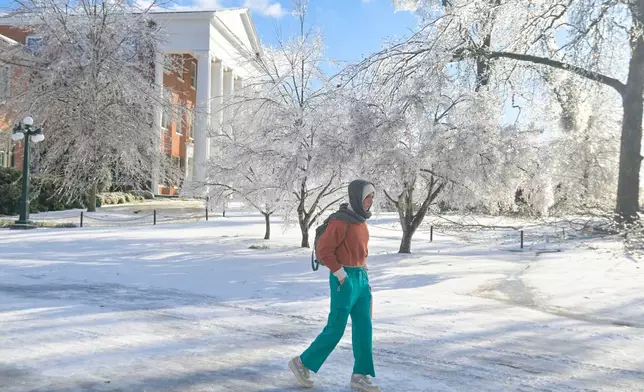
A woman walks across the campus of the University of Mississippi in Oxford, Miss. on Monday, Jan. 26, 2026, following a weekend ice storm. (AP Photo/Bruce Newman)
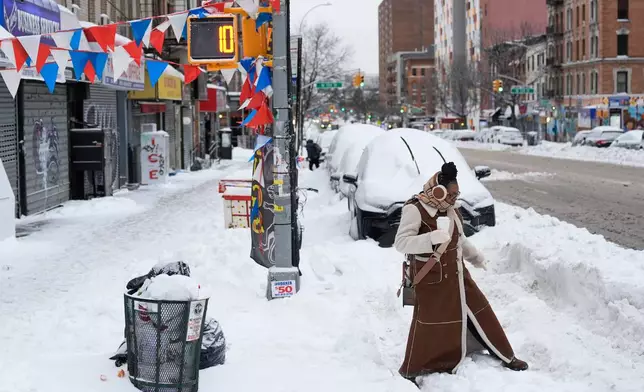
Carrie Hampton tries to navigate a snowy intersection without spilling her coffee in New York, Monday, Jan. 26, 2026. (AP Photo/Seth Wenig)
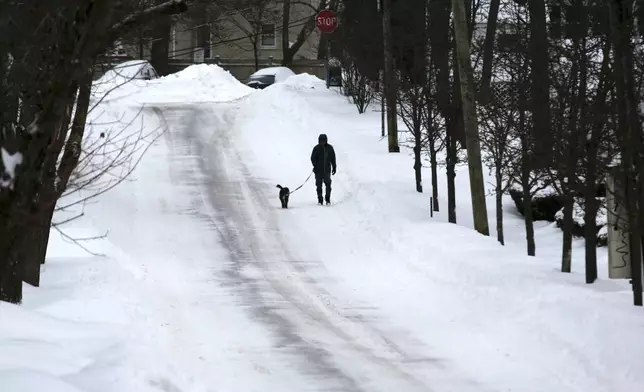
A person walks their dog in the snow after a storm in Portsmouth, N.H., Monday, Jan. 26, 2026. (AP Photo/Caleb Jones)
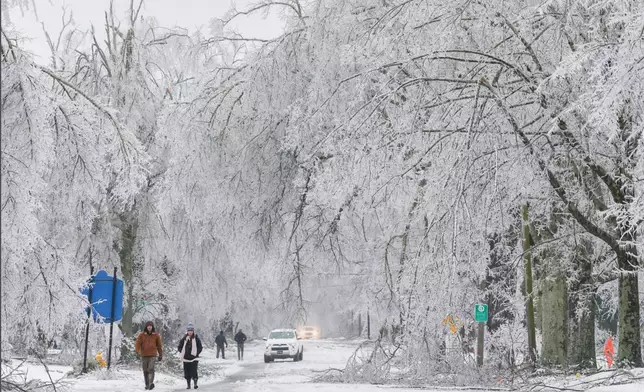
In this image provided by the City of Oxford, Miss., snow and ice cover trees and streets as a winter storm passes through, Sunday, Jan. 25, 2026, in Oxford, Miss. (Josh McCoy/City of Oxford, Miss. via AP)
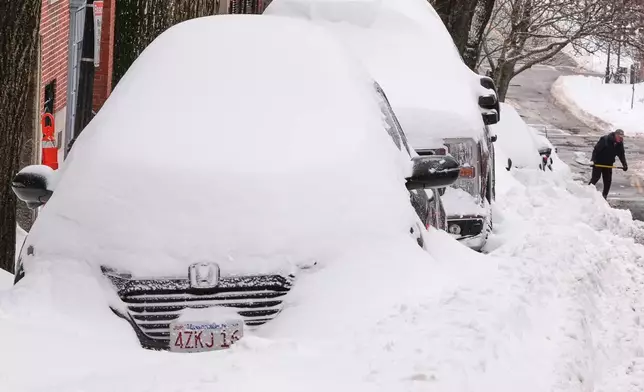
A man digs a car out of the snow on Beacon Hill following a winter storm that dumped more than a foot of snow across the region, Monday, Jan. 26, 2026, in Boston. (AP Photo/Charles Krupa)
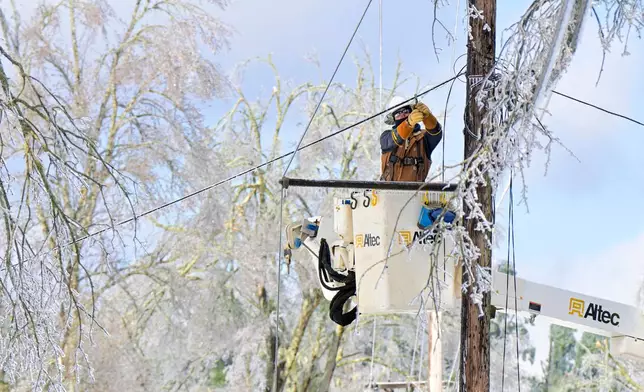
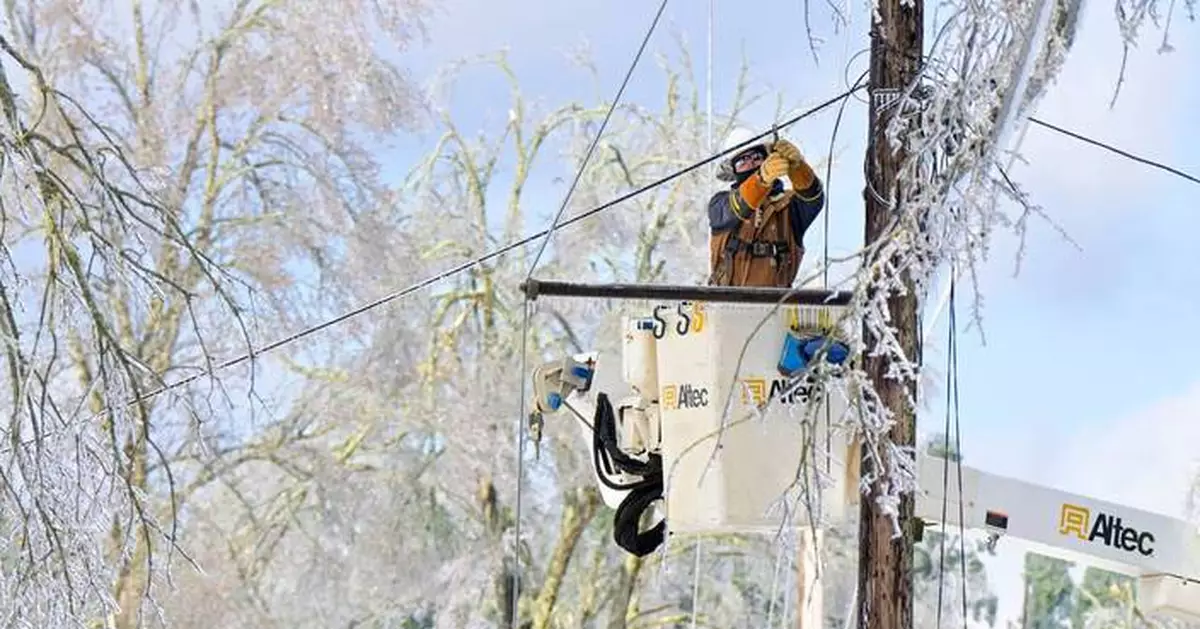
A lineman works to restore power in Oxford, Miss. on Monday, Jan. 26, 2026, following a weekend ice storm. (AP Photo/Bruce Newman)
Freezing temperatures hovered Tuesday as far south as Tennessee, Arkansas and North Carolina and were forecast to plunge again overnight. Parts of northern Florida were expected to sink to 25 degrees Fahrenheit (minus 3.9 degrees Celsius) late Tuesday into early Wednesday.
The U.S. aviation system was returning to normal after a brutal weekend that saw more than 17,000 commercial flights canceled. There were about 6,300 cancellations in the U.S. Monday and about 2,500 Tuesday, according to FlightAware, a flight tracking and data company. Less than 500 were anticipated to be canceled Wednesday.
The arctic misery over the eastern half of the U.S. was expected to worsen Friday and Saturday. The National Weather Service said another winter storm could hit parts of the East Coast this weekend, and more record lows were forecast as far south as Florida.
“This could be the coldest temperature seen in several years for some places and the longest duration of cold in several decades,” the agency’s Weather Prediction Center warned Tuesday.
Crews were working feverishly to restore power to the more than 410,000 homes and businesses without electricity Tuesday evening. Over half the outages were in Tennessee and Mississippi, where temperatures could bottom out at the end of the week. In Nashville, the low Friday night is predicted to dip to 4 F (minus 15.6 C), while Oxford, in northern Mississippi, could hit 10 F (minus 12.2 C), according to the National Weather Service.
Officials in states afflicted with severe cold reported at least 50 deaths.
Three brothers ages 6, 8 and 9 died Monday after falling through ice on a private pond near Bonham, Texas, Fannin County Sheriff Cody Shook said Tuesday. The boys' mother said she ran into the freezing lake and frantically tried to pull her sons from the water, but the ice kept breaking beneath them.
“They were just screaming, telling me to help them,” Cheyenne Hangaman told The Associated Press. “And I watched all of them struggle, struggle to stay above the water. I watched all of them fight.”
Dozens of Mississippi counties were in need of bottled water, blankets, tarps, fuel and generators, and the state’s National Guard is using aircraft to deliver supplies to hard-hit communities, Gov. Tate Reeves said Tuesday evening.
Three 18-wheeler trucks stalled on an icy Interstate 55 in northern Mississippi, causing a major backup Tuesday night, according to the state's Department of Transportation. The governor said various resources from first responders to drones and tow trucks were being deployed to clear the highway and help stranded drivers.
Jean Kirkland used a lighter and paper Tuesday to ignite her gas stovetop. Her neighborhood in Lexington, Mississippi, lost power Sunday, and Kirkland and her daughter have been relying on the stove and a couple of gas-powered heaters to keep warm.
“When you’re used to certain things, you miss them when they’re gone,” said Kirkland, who’s been getting by without hot water and lights at night.
Health officials warn against using gas-powered stoves to heat a home. They can give off fumes that increase the risk of carbon monoxide poisoning, according to the U.S. Centers for Disease Control and Prevention. At least one carbon monoxide death was reported in Louisiana, according to the state Health Department.
North Carolina’s largest public school system closed schools again on Wednesday, with the Wake County school system saying on Facebook that it was “due to the continued threat of black ice.”
More than 110,000 outages remained in Nashville, Tennessee, and neighboring communities Tuesday. Nashville Electric Service said on social media it had dispatched more than 740 workers to restore power.
Nashville officials said nearly 440 people spent Monday night at community centers being used as temporary shelters, while 1,400 more stayed at area homeless shelters. Many residents booked rooms at local hotels.
Lisa Patterson had planned to ride out the deep freeze at her family's Nashville home. But she and her husband lost power, trees fell onto their driveway and their wood stove proved no match for the cold. Along with their dog, the couple had to be rescued and taken to a warming shelter.
“I’ve been snowed in up there for almost three weeks without being able to get up and down my driveway because of the snow. I’m prepared for that. But this was unprecedented," Patterson said.
In Kentucky, Gov. Andy Beshear warned that the temperatures could become so frigid that as little as 10 minutes outside “could result in frostbite or hypothermia.”
In New York City, officials said 10 people had been found dead outdoors in the cold. More deaths were reported across a dozen states. They included two people hit by snowplows in Massachusetts and Ohio, two teenagers killed while sledding in Arkansas and Texas and a man found in his home in the Indianapolis area with no heat.
Bynum reported from Savannah, Georgia; Bates from Lexington, Mississippi; and Hall from Nashville, Tennessee. Associated Press writers around the country contributed.
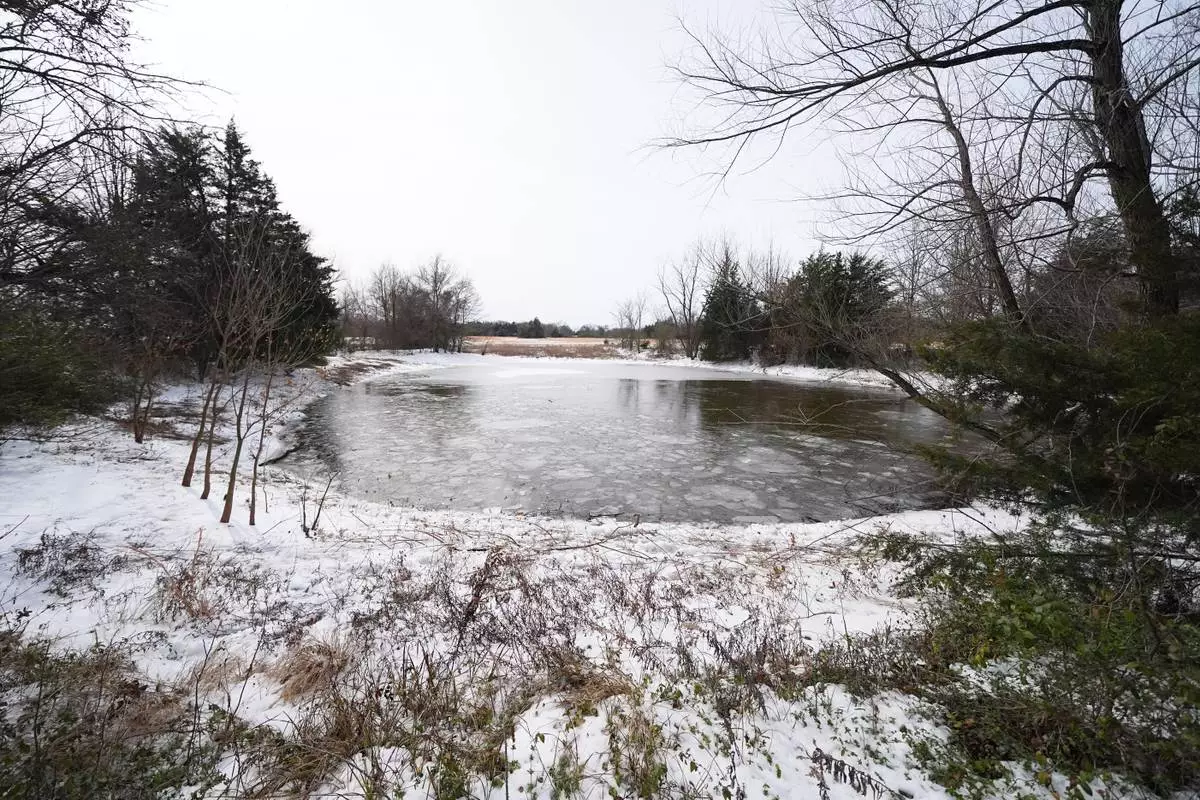
A pond where neighbors say three young boys died after falling into the water is seen Tuesday, Jan. 27, 2026, in Bonham, Texas. (AP Photo/Julio Cortez)
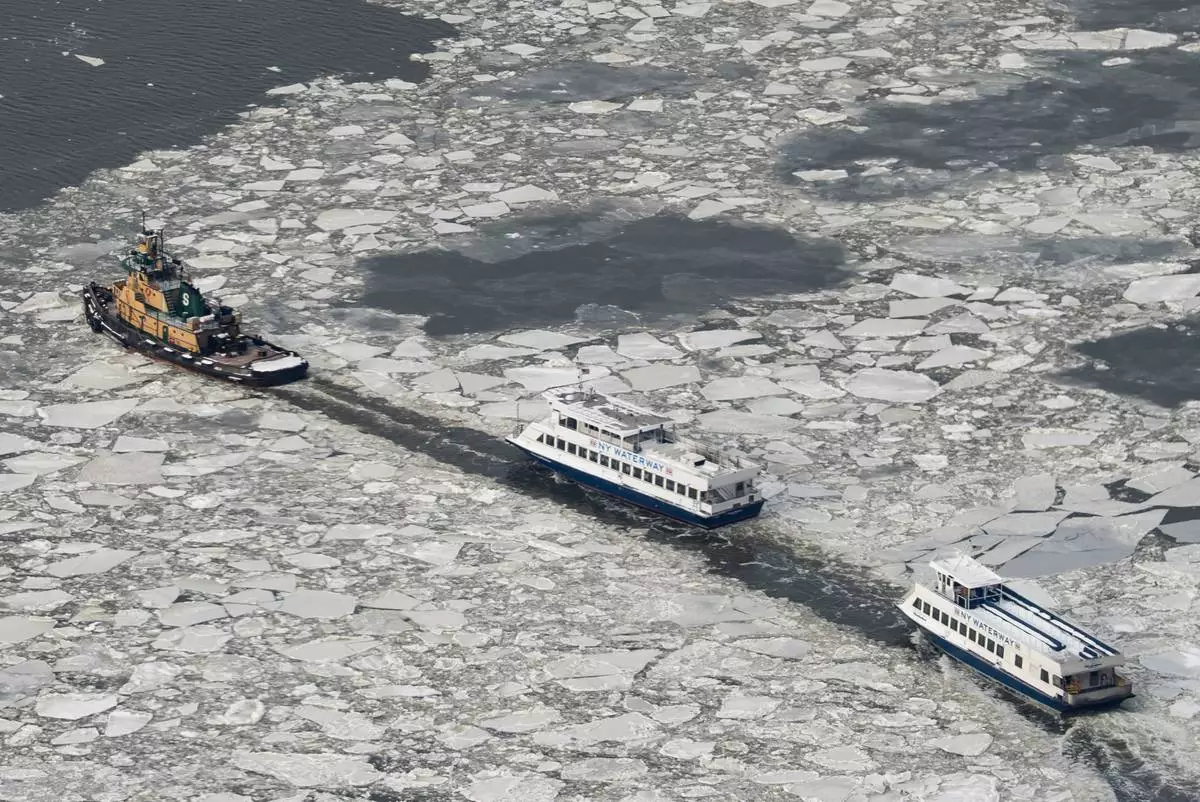
New York Waterway ferries move as ice floats on the Hudson River seen from the Edge sky deck at Hudson Yards, Tuesday, Jan. 27, 2026, in New York. (AP Photo/Yuki Iwamura)
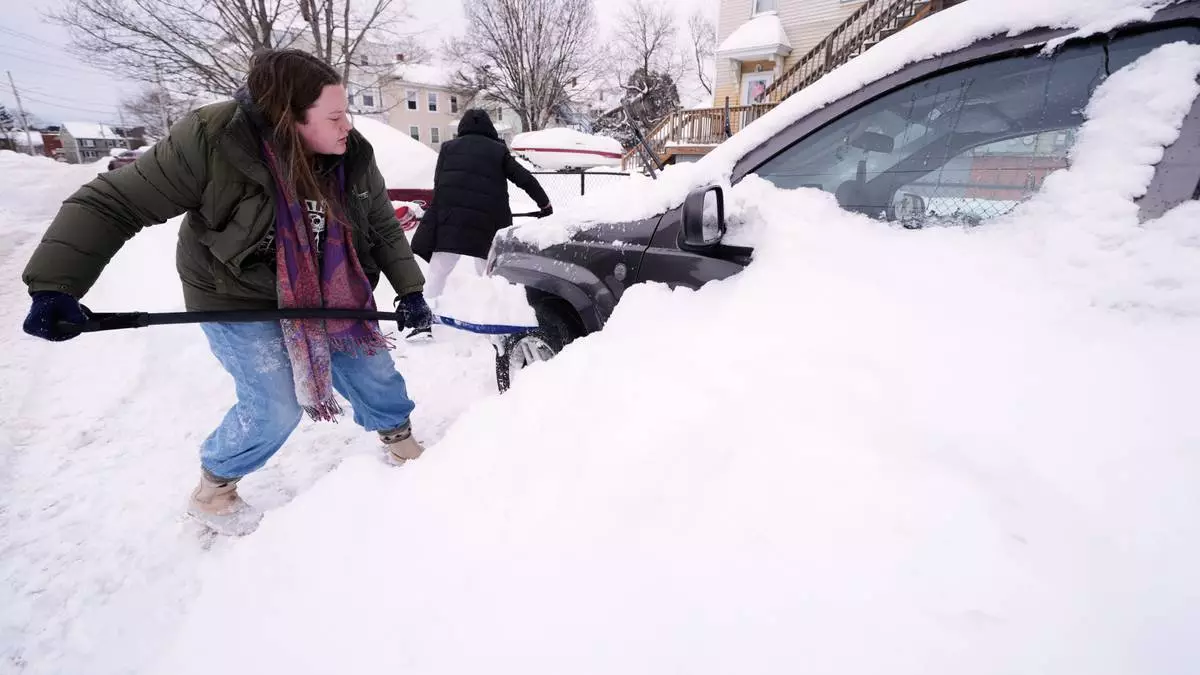
Emma Teske shovels out her car following a winter storm that dumped more than a foot and a half of snow across the region, Tuesday, Jan. 27, 2026, in Haverhill, Mass. (AP Photo/Charles Krupa)
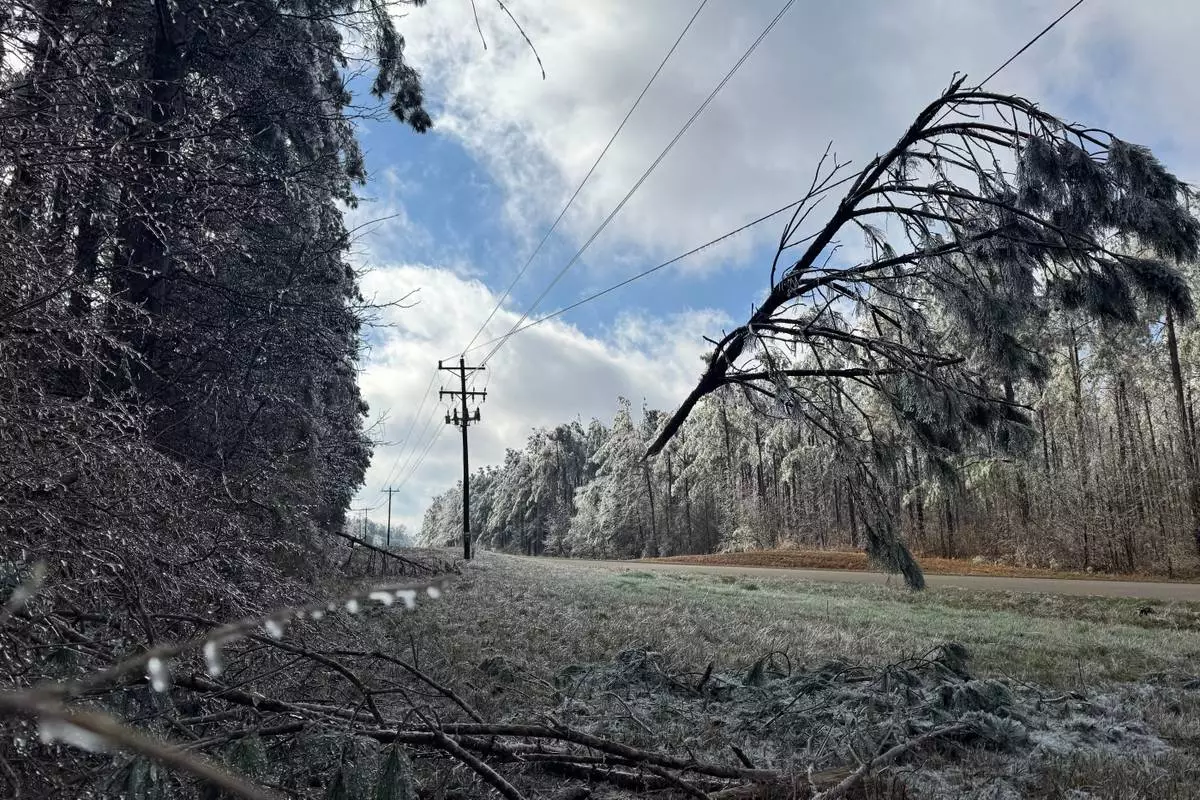
A tree limb dangles from a power line near Lexington, Miss., Tuesday, Jan. 27, 2026. (AP Photo/Sophie Bates)
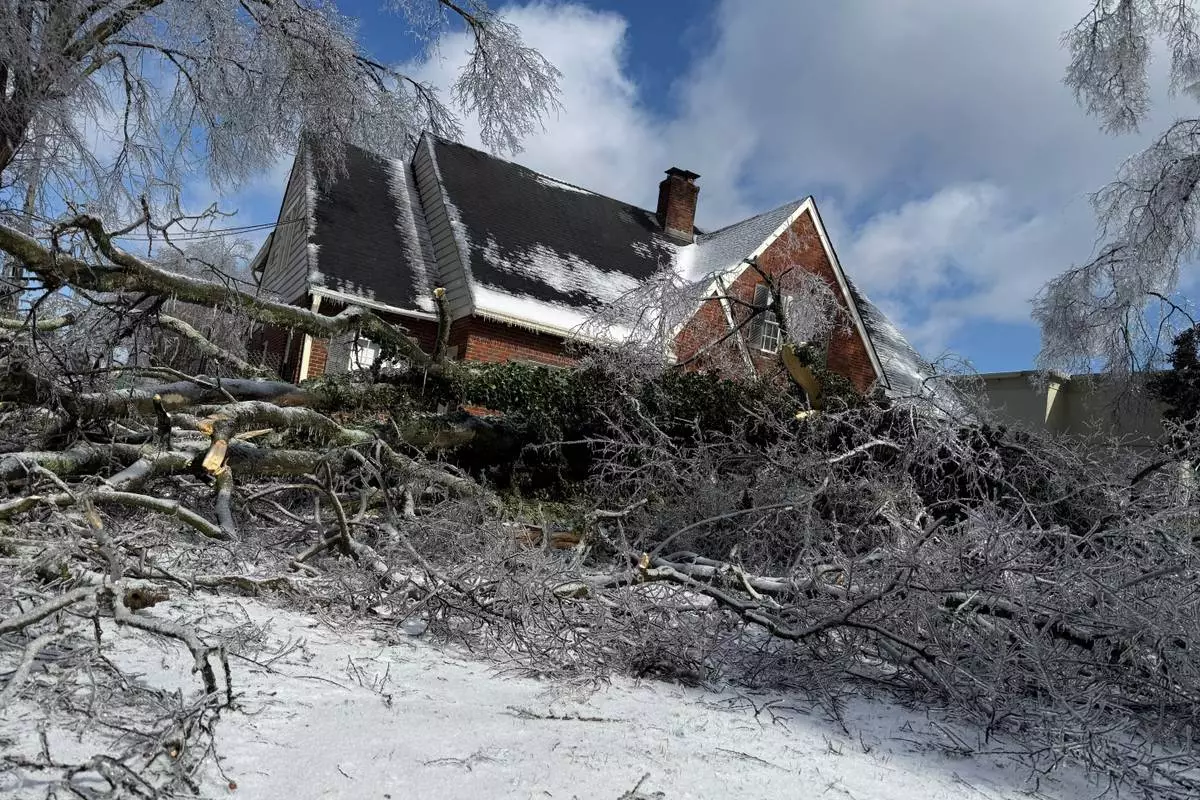
A tree downed by ice rests in a front yard just feet from a house in Nashville, Tenn., Monday, Jan. 26, 2026. (AP Photo/Travis Loller)
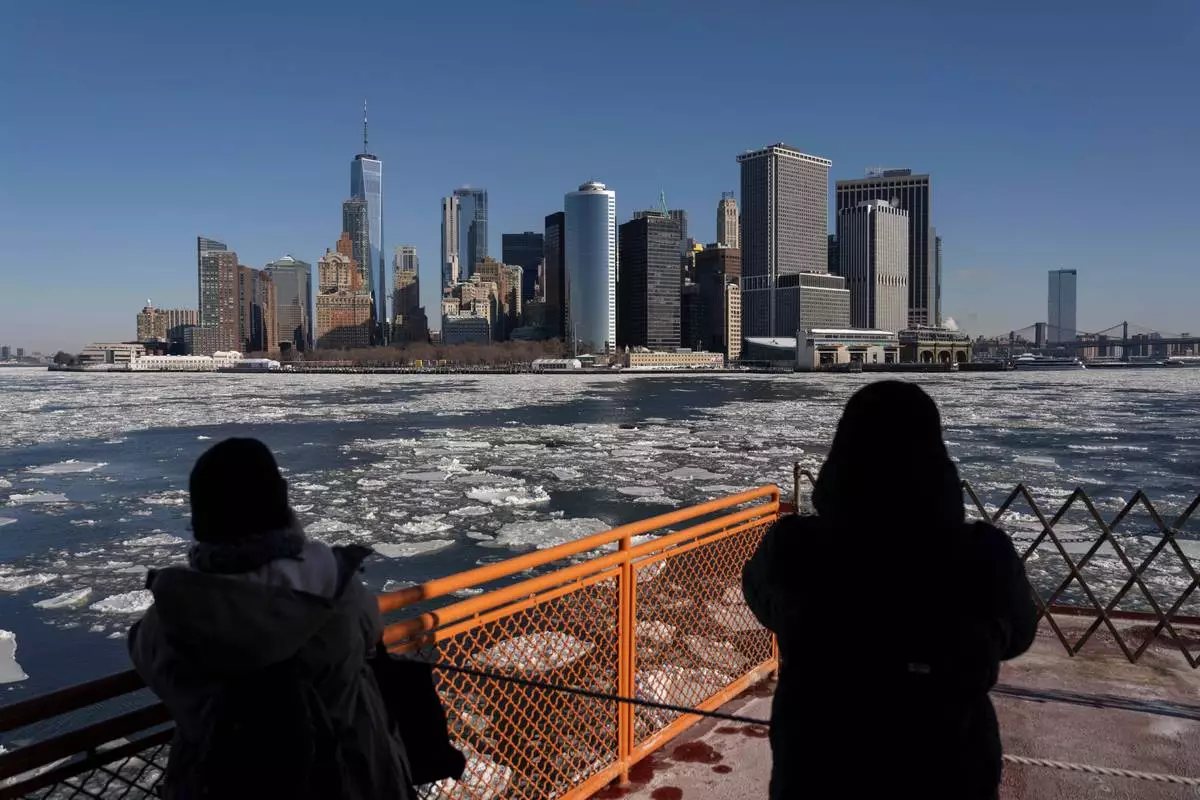
People take the Staten Island Ferry as ice floats on the Hudson River, Tuesday, Jan. 27, 2026, in New York. (AP Photo/Yuki Iwamura)
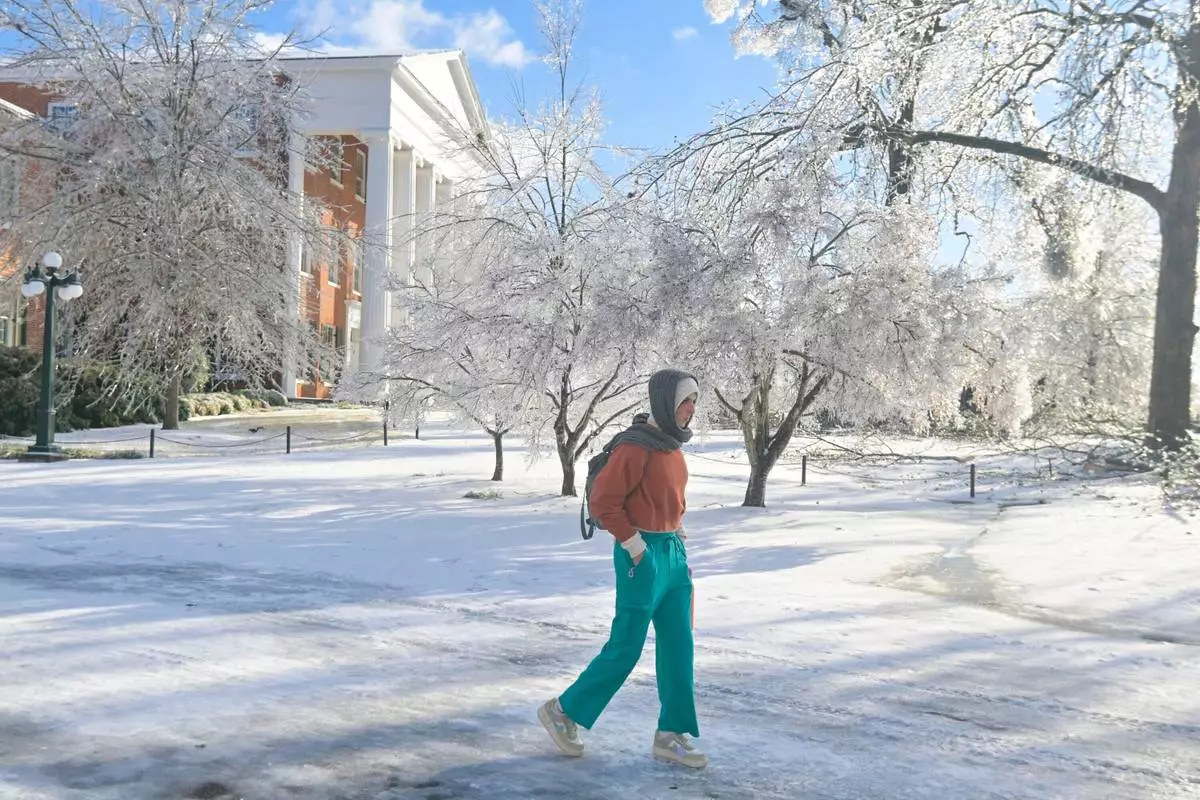
A woman walks across the campus of the University of Mississippi in Oxford, Miss. on Monday, Jan. 26, 2026, following a weekend ice storm. (AP Photo/Bruce Newman)
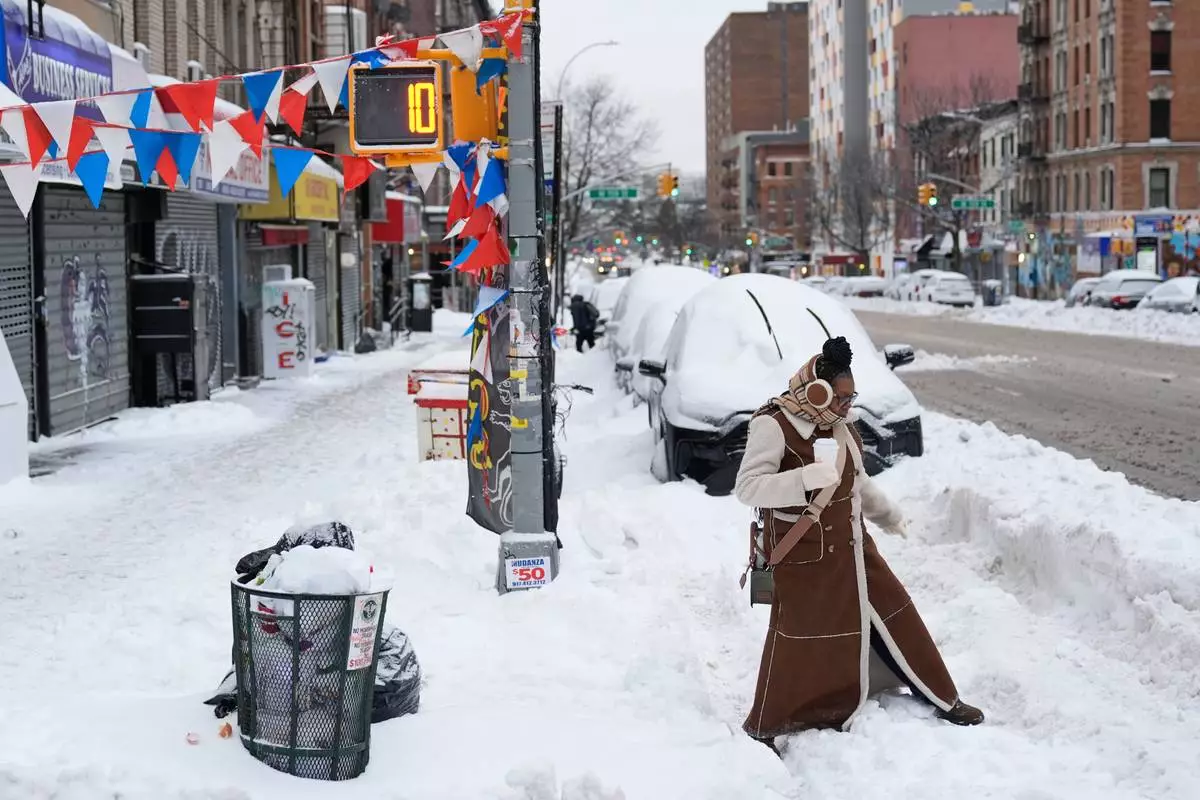
Carrie Hampton tries to navigate a snowy intersection without spilling her coffee in New York, Monday, Jan. 26, 2026. (AP Photo/Seth Wenig)
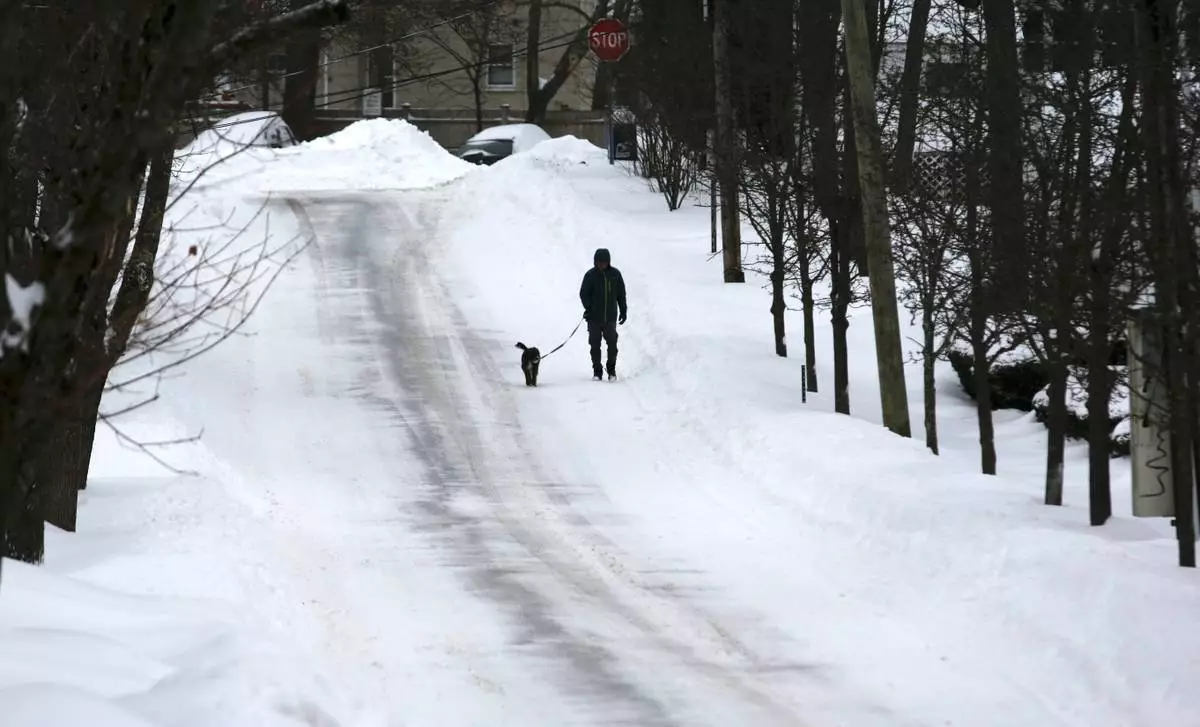
A person walks their dog in the snow after a storm in Portsmouth, N.H., Monday, Jan. 26, 2026. (AP Photo/Caleb Jones)
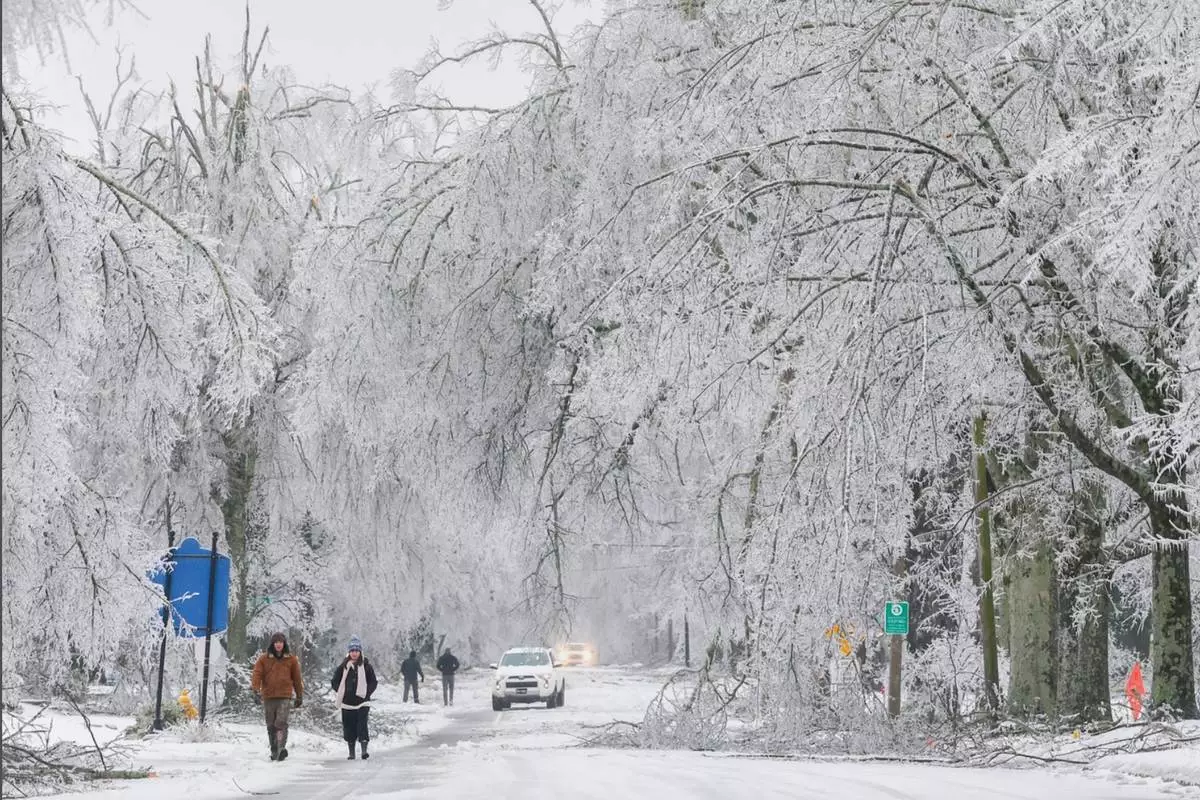
In this image provided by the City of Oxford, Miss., snow and ice cover trees and streets as a winter storm passes through, Sunday, Jan. 25, 2026, in Oxford, Miss. (Josh McCoy/City of Oxford, Miss. via AP)
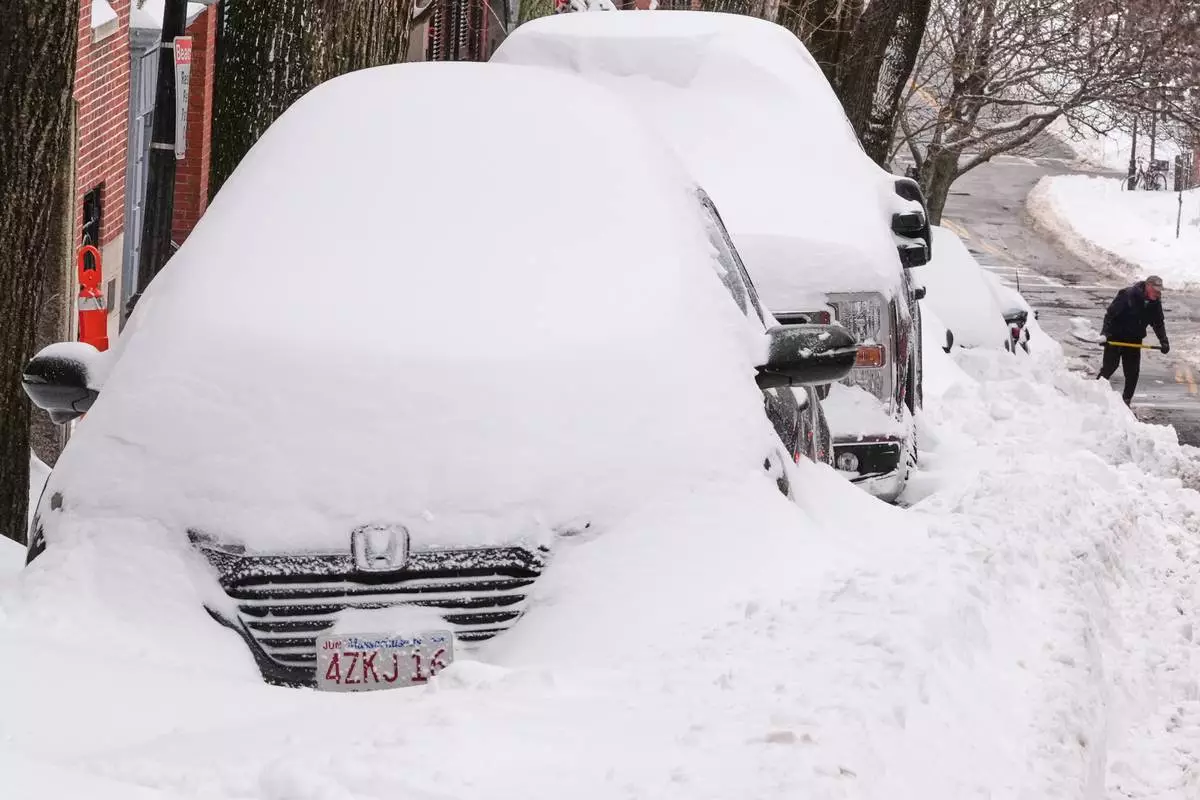
A man digs a car out of the snow on Beacon Hill following a winter storm that dumped more than a foot of snow across the region, Monday, Jan. 26, 2026, in Boston. (AP Photo/Charles Krupa)
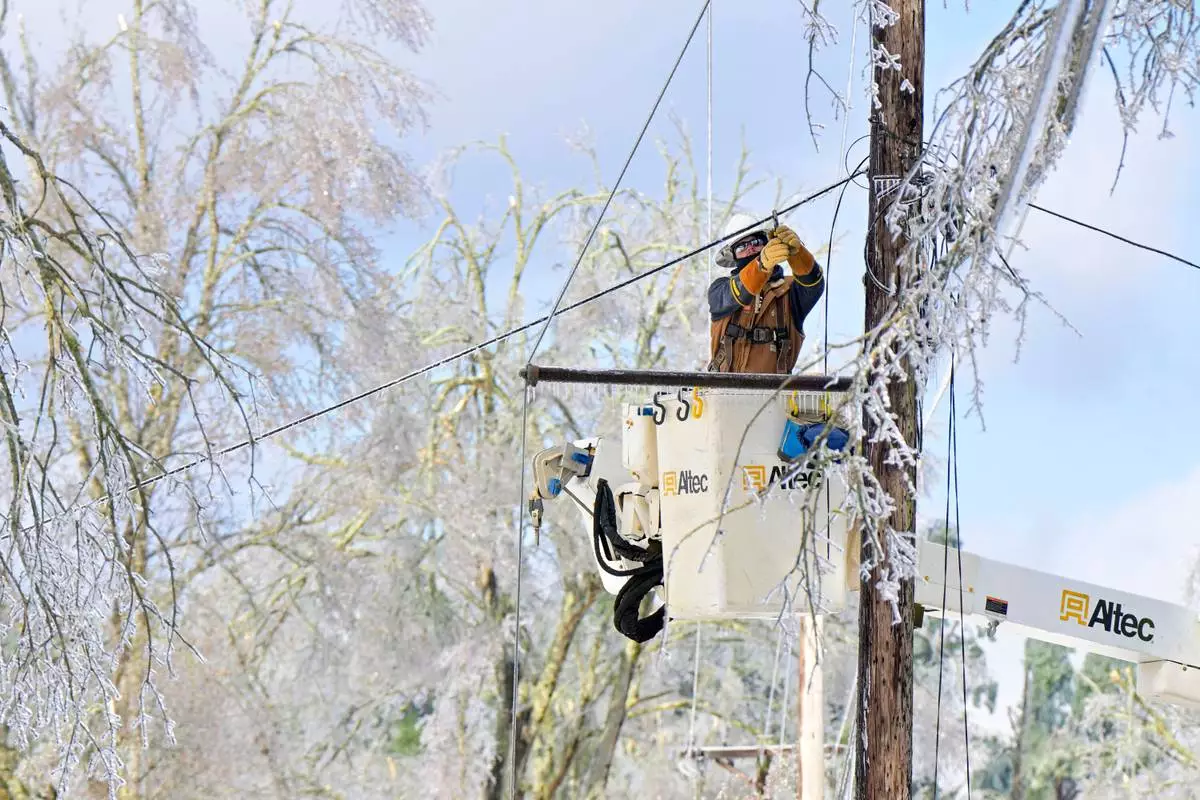
A lineman works to restore power in Oxford, Miss. on Monday, Jan. 26, 2026, following a weekend ice storm. (AP Photo/Bruce Newman)