LOS ANGELES (AP) — President Donald Trump announced Tuesday that he has signed an executive order to “cut through bureaucratic red tape” and speed up reconstruction of tens of thousands of homes destroyed by the January 2025 Los Angeles area wildfires.
Trump's order, signed Friday, seeks to allow homeowners to rebuild without contending with “unnecessary, duplicative, or obstructive” permitting requirements, the White House said in a statement.
The order directs the Federal Emergency Management Agency and the Small Business Administration to find a way to issue regulations that would preempt state and local rules for obtaining permits and allow builders to “self-certify” that they have complied with “substantive health, safety, and building standards.”
California Gov. Gavin Newsom scoffed at the idea that the federal government could issue local rebuilding permits and urged Trump to approve the state's $33.9 billion disaster aid request. Newsom has traveled to Washington, D.C., to advocate for the money, but the administration has not yet approved it.
The Democratic governor said on social media that more than 1,600 rebuilding permits have been issued in Los Angeles and officials are moving at a fast pace.
“An executive order to rebuild Mars would do just as useful,” Newsom wrote on social media. He added, “please actually help us. We are begging you.”
Fewer than a dozen homes had been rebuilt in Los Angeles County as of Jan. 7, one year after the fires began, The Associated Press found. About 900 homes were under construction.
The Palisades and Eaton fires killed 31 people and destroyed about 13,000 residential properties. The fires burned for more than three weeks and cleanup efforts took about seven months.
It wasn’t immediately clear what power the federal government could wield over local and state permitting. The order also directs federal agencies to expedite waivers, permits and approvals to work around any environmental, historic preservation or natural resource laws that might stand in the way of rebuilding.
Los Angeles Mayor Karen Bass said in a statement that instead of trying to meddle in the permitting process, the Trump administration should speed up FEMA reimbursements.
Bass called Trump's move a “political stunt” and said the president should issue an executive order “to demand the insurance industry pay people for their losses so that survivors can afford to rebuild, push the banking industry to extend mortgage forbearance by three years, tacking them on to the end of a 30-year mortgage, and bring the banks together to create a special fund to provide no-interest loans to fire survivors.”
The mayor said rebuilding plans in Pacific Palisades are being approved in half the time compared to single-family home projects citywide before the wildfires, “with more than 70% of home permit clearances no longer required.”
Permitting assistance is “always welcome,” said Joy Chen, executive director of the Eaton Fire Survivor’s Network, a coalition of more than 10,000 Eaton and Palisades fire survivors, but it’s not the primary concern for those trying to rebuild.
“The number one barrier to Eaton and Palisades fire survivors right now is money,” said Chen, as survivors struggle to secure payouts from insurance companies and face staggering gaps between the money they have to rebuild and actual construction costs.
Nearly one-third of survivors cited rebuild costs and insurance payouts as primary obstacles to rebuilding in a December survey by the Department of Angels, a nonprofit that advocates for LA fire survivors, while 21% mentioned permitting delays and barriers.
In addition, Trump's executive order also directs U.S. Homeland Security Secretary Kristi Noem and FEMA acting administrator Karen Evans to audit California’s use of Hazard Mitigation Grant Program funding, a typical add-on in major disasters that enables states to build back with greater resilience. The audit must be completed within 60 days, after which Noem and Evans are instructed to determine whether future conditions should be put on the funding or even possible “recoupment or recovery actions” should take place.
Trump has not approved a single request for HMGP funding from states since February, part of a wider effort to reduce federal funding for climate mitigation.
Aoun Angueira reported from San Diego.
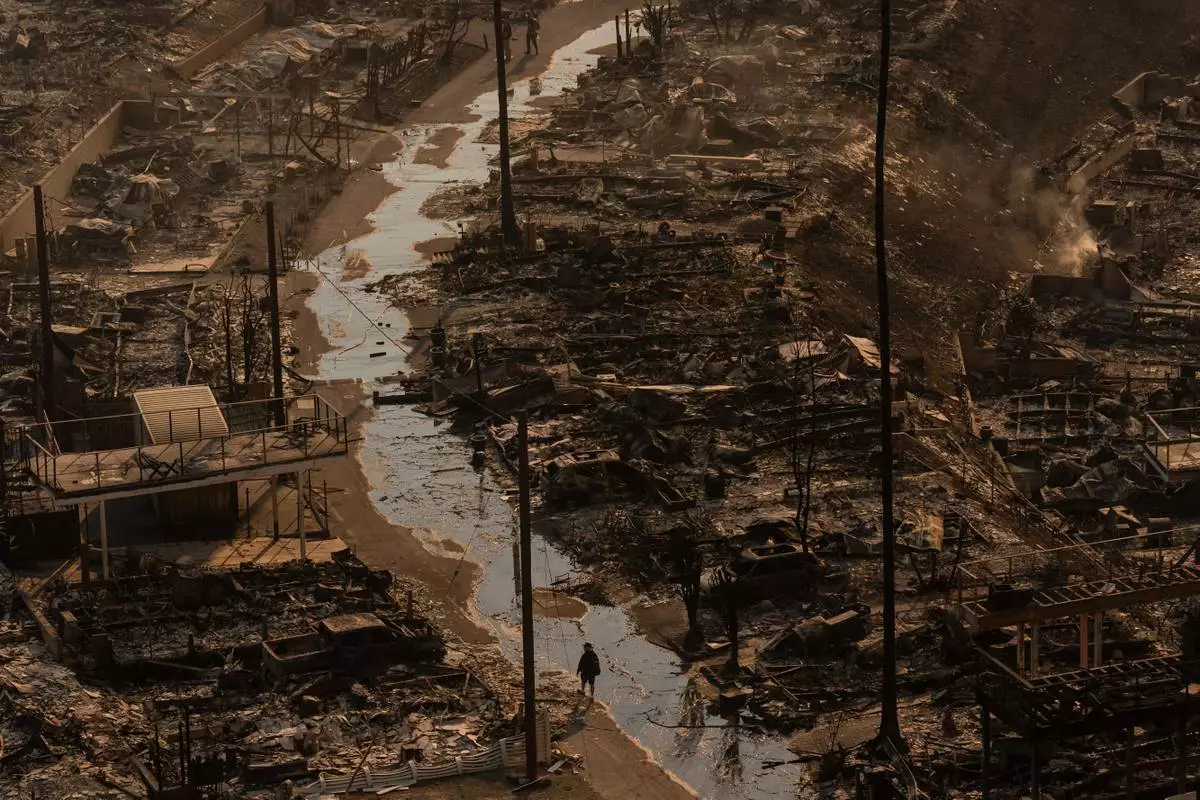
FILE - A person walks amid the destruction left behind by the Palisades Fire in the Pacific Palisades neighborhood of Los Angeles, Jan. 9, 2025. (AP Photo/Jae C. Hong, File)
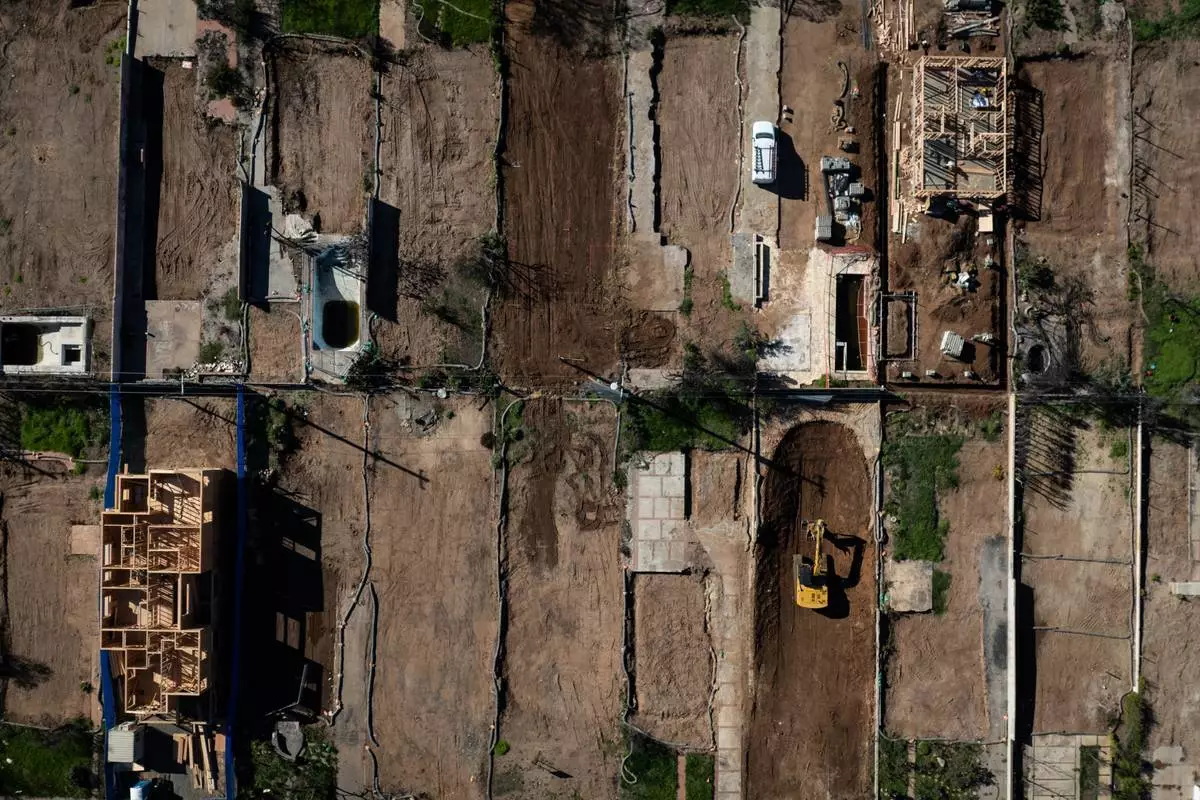
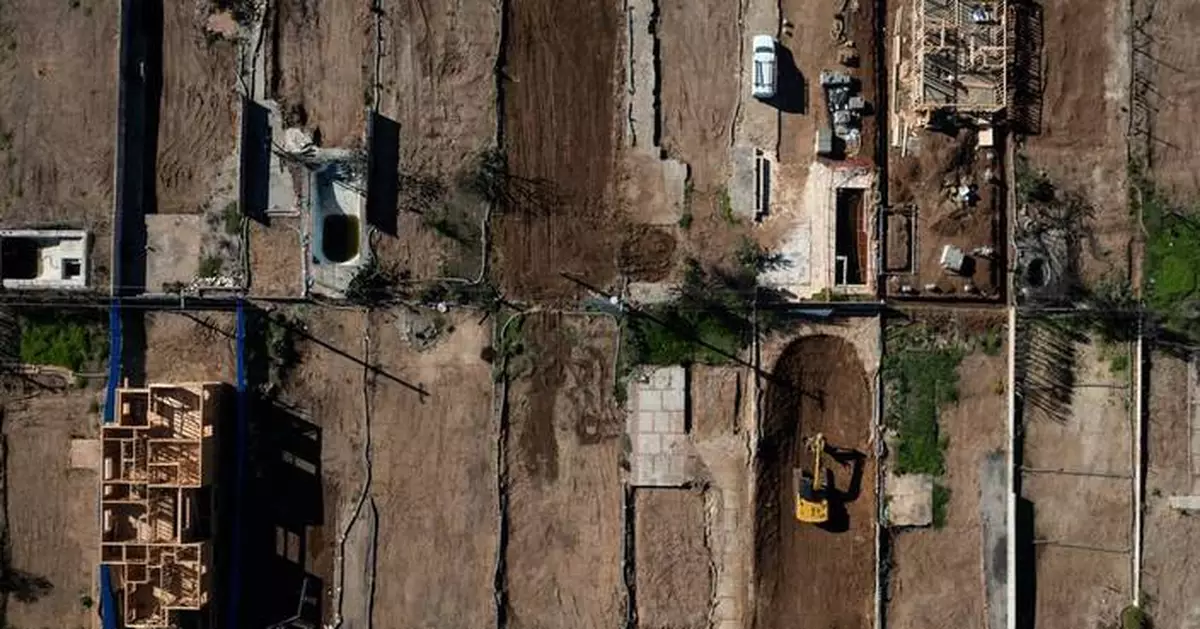
FILE - An aerial view shows houses being rebuilt on cleared lots months after the Palisades Fire, Dec. 5, 2025, in the Pacific Palisades neighborhood of Los Angeles. (AP Photo/Jae C. Hong, File)
WASHINGTON (AP) — National Transportation Safety Board members were deeply troubled Tuesday over years of ignored warnings about helicopter traffic dangers and other problems, long before last year's collision between an American Airlines jet and an Army Black Hawk, which killed 67 people.
The board heard hours of testimony from investigators who outlined their findings in the collision and subsequent crash near Reagan National Airport a year ago. Key themes emerged, including “overwhelmed” air traffic control, a failure to alert the jet's pilot about the other aircraft and a history of missed opportunities to reroute helicopter traffic.
“I’m sorry for you, as these pages of these reports are written in your family members' blood,” board member Todd Inman told the audience. “I’m sorry that we have to be here.”
Family members listened intently during the hearing. Some were escorted out, including two in tears, as an animation of the flights was displayed on video screens. Others wore black shirts bearing the names of crash victims.
“The negligence of not fixing things that needed to be fixed killed my brother and 66 other people. So I’m not very happy,” Kristen Miller-Zahn, who watched from the front row, said during a break.
The NTSB's job at this point is to determine the biggest factors in the crash and make recommendations. Victims' families say they hope there’s meaningful change.
Before hearing from investigators, Inman said “systemic issues across multiple organizations,” not an error by any individual, caused the tragedy.
Everyone aboard the jet, flying from Wichita, Kansas, and the helicopter died when the two aircraft collided and plummeted into the icy Potomac River. It was the deadliest plane crash on U.S. soil since 2001, and the victims included 28 members of the figure skating community.
The Federal Aviation Administration last week made a permanent change to ensure helicopters and planes no longer share the same airspace around the airport.
NTSB chairwoman Jennifer Homendy said she couldn’t believe the FAA didn’t realize the helicopter route in use during the crash didn’t provide adequate separation from planes landing on Reagan’s secondary runway. She noted that the FAA had refused to add detailed information about helicopter routes to pilots' charts so they could better understand the risks.
“We know over time concerns were raised repeatedly, went unheard, squashed — however you want to put it — stuck in red tape and bureaucracy of a very large organization,” Homendy said. “Repeated recommendations over the years.”
NTSB investigator Katherine Wilson said an air traffic controller felt a “little overwhelmed” when traffic volume increased to 10 aircraft about 10 to 15 minutes before the collision, but then “felt the volume was manageable when one or two helicopters left the airspace.”
Yet about 90 seconds before the collision, Wilson said, “traffic volume increased to a maximum of 12 aircraft consisting of seven airplanes and five helicopters. Radio communication showed that the local controller was shifting focus between airborne, ground and transiting aircraft.”
The workload “reduced his situational awareness,” Wilson said.
NTSB investigators showed a video animation to demonstrate how difficult it would have been for the pilots in both aircraft to spot the other amid the lights of Washington. The animation also showed how the windshields of both aircraft and the helicopter crew’s night vision goggles restricted views.
Ahead of the hearing, Rachel Feres, who lost her cousin Peter Livingston and his wife and two young daughters, said she was hoping for “clarity and urgency” from the NTSB process.
“I hope that we see a clear path through the recommendations they offer to ensure that this never happens again,” Feres said. “That nobody else has to wake up to hear that an entire branch of their family tree is gone, or their wife is gone or the child is gone.”
Whether that happens depends on how Congress, the Army and the Trump administration respond after the hearing. A pending bill would require all aircraft to have advanced locator systems to help avoid collisions.
Even before Tuesday, the NTSB had already spelled out many key factors that contributed to the crash. Investigators said controllers in the Reagan tower had been overly reliant on asking pilots to spot other aircraft and maintain visual separation.
The night of the crash, the controller approved the Black Hawk's request to do that twice. However, the investigation has shown that the helicopter pilots likely never spotted the American Airlines plane as the jet circled to land on the little-used secondary runway.
In a statement, the FAA said it has reduced hourly plane arrivals at Reagan airport from 36 to 30 and increased staff. The agency said it has 22 certified controllers in the tower and eight more in training.
“We will diligently consider any additional recommendations” from the NTSB, the FAA said.
Several high-profile crashes and close calls followed the D.C. collision, alarming the flying public. But NTSB statistics show that the total number of crashes last year was the lowest since the COVID-19 pandemic hit in 2020, with 1,405 nationwide.
Funk reported from Omaha, Nebraska, and White reported from Detroit.
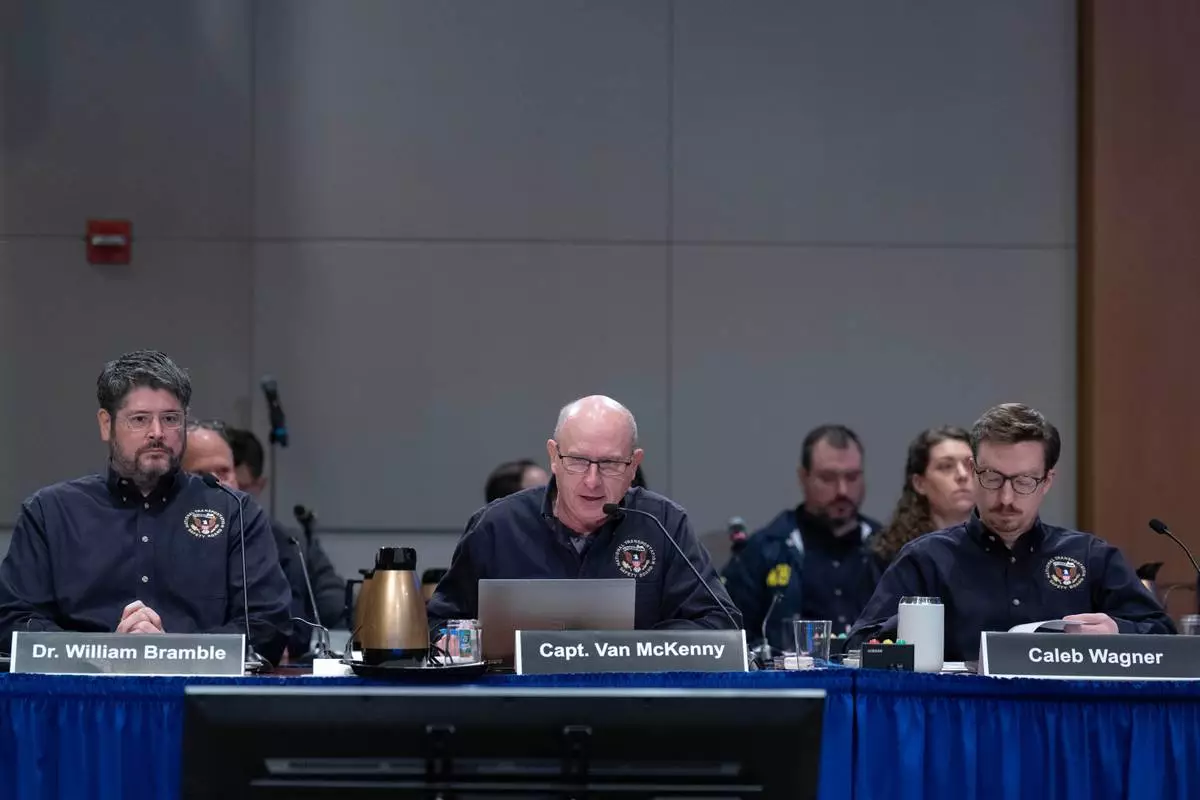
National Transportation Safety Board (NTSB) investigators William Bramble, from left, Captain Van McKenny and Caleb Wagner speak during the hearing on the midair aircraft collision that killed 67 people near Washington Reagan National Airport, in Washington, Tuesday, Jan. 27, 2026. (AP Photo/Jose Luis Magana)
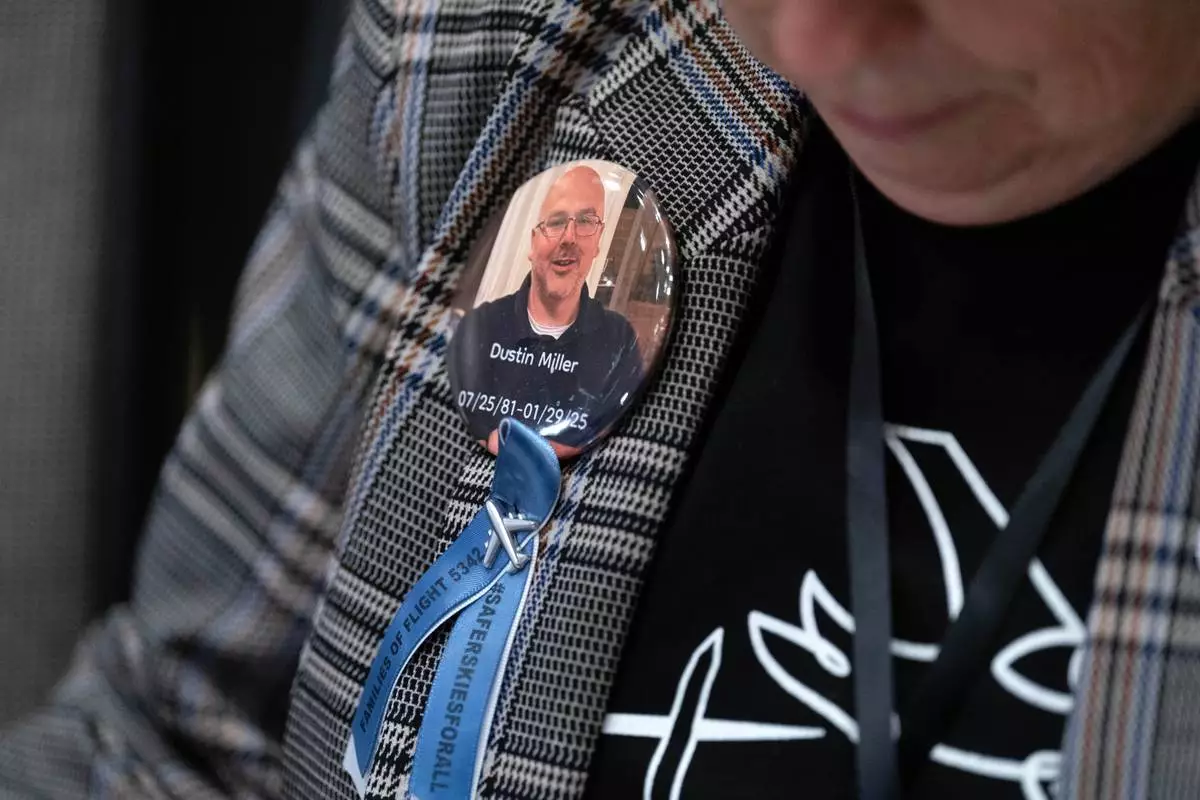
People attend the National Transportation Safety Board (NTSB) hearing on the midair aircraft collision that killed 67 people near Washington Reagan National Airport, at the National Transportation and Safety Board boardroom in Washington, Tuesday, Jan. 27, 2026. (AP Photo/Jose Luis Magana)
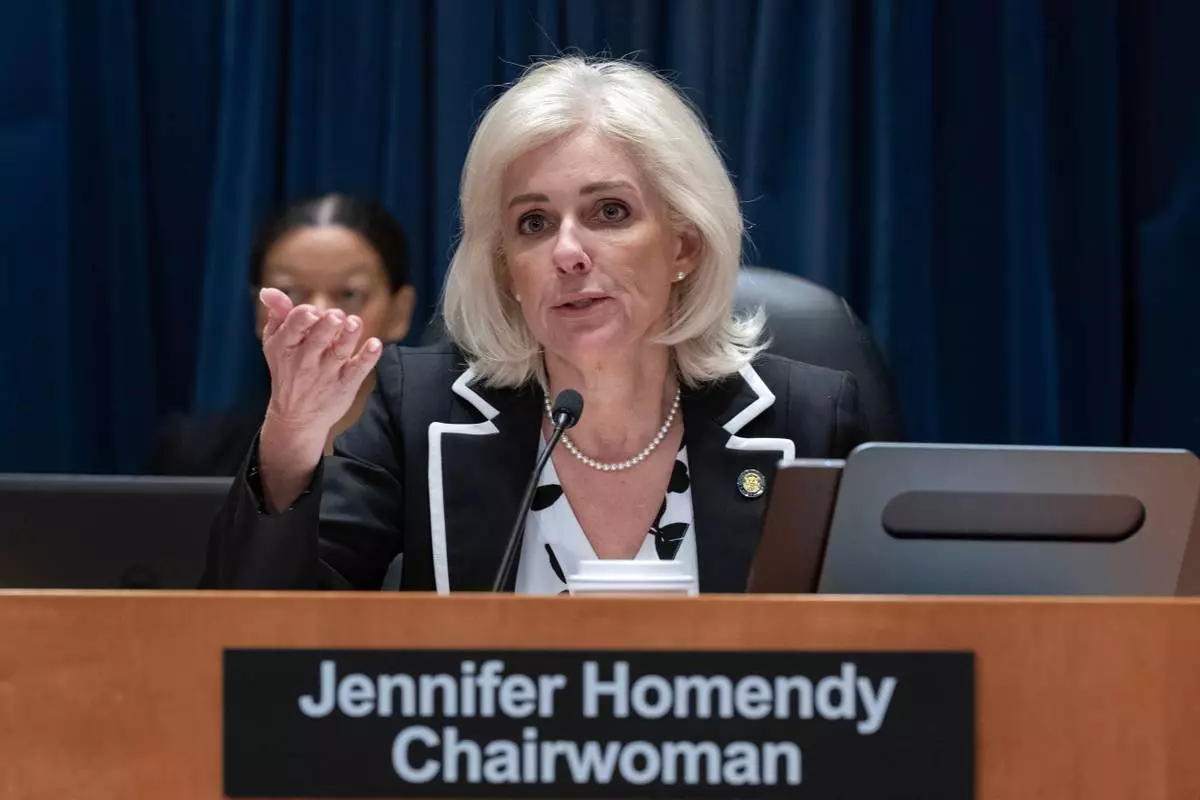
National Transportation Safety Board (NTSB) Chairwoman Jennifer Homendy presides over a NTSB hearing on the midair aircraft collision that killed 67 people near Washington Reagan National Airport, in Washington, Tuesday, Jan. 27, 2026. (AP Photo/Jose Luis Magana)
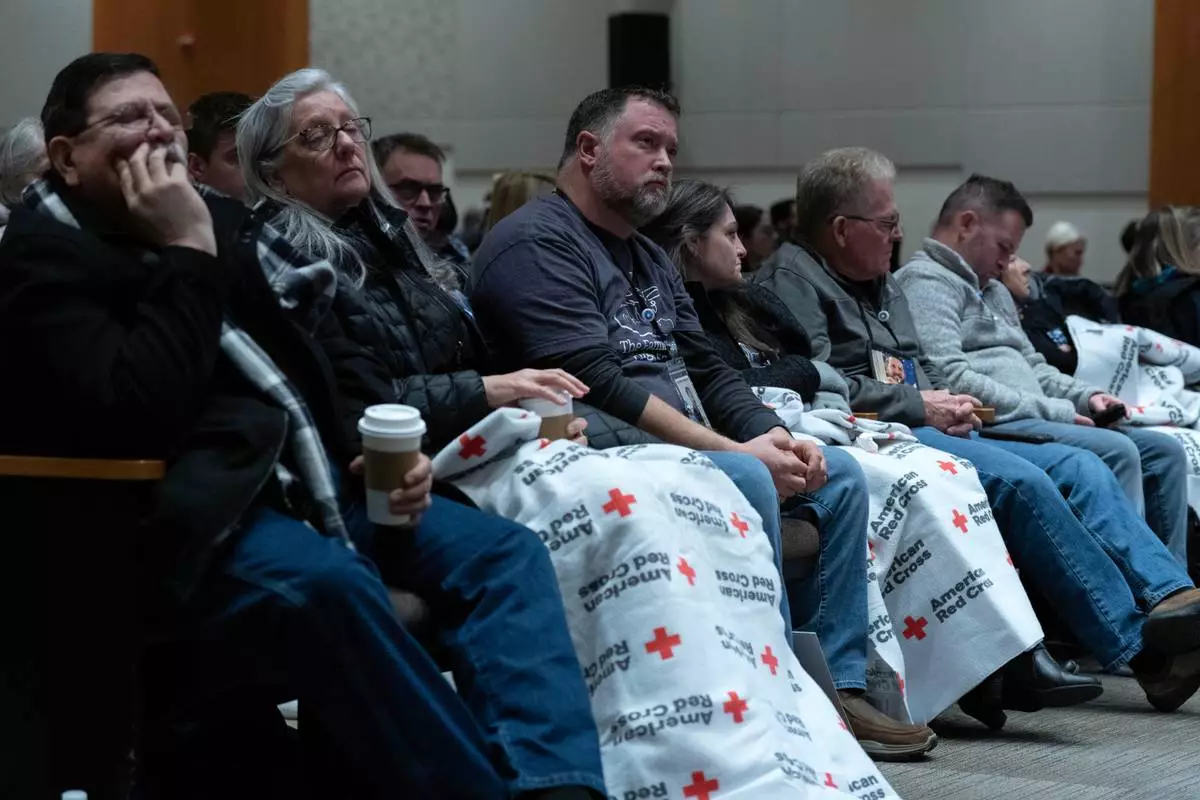
People attend the National Transportation Safety Board (NTSB) hearing on the midair aircraft collision that killed 67 people near Washington Reagan National Airport, in Washington, Tuesday, Jan. 27, 2026. (AP Photo/Jose Luis Magana)
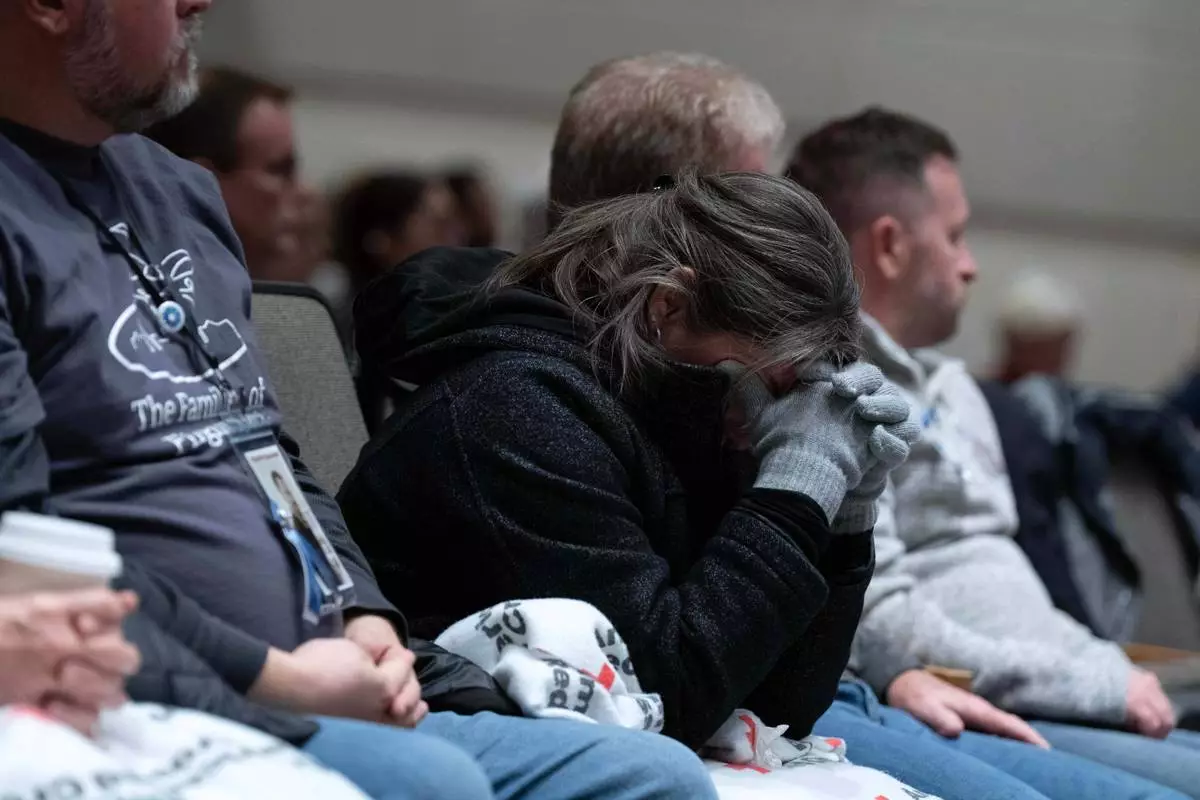
People attend the National Transportation Safety Board (NTSB) hearing on the midair aircraft collision that killed 67 people near Washington Reagan National Airport, in Washington, Tuesday, Jan. 27, 2026. (AP Photo/Jose Luis Magana)
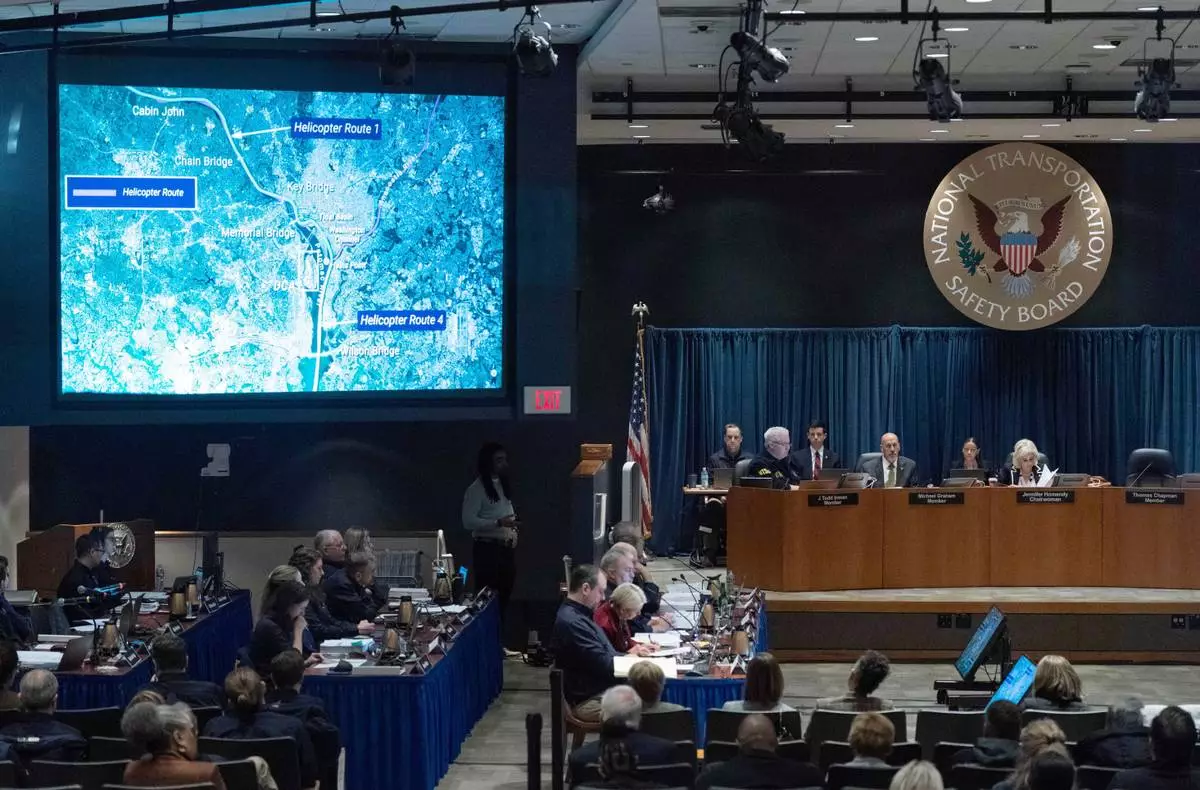
National Transportation Safety Board (NTSB) Chairwoman Jennifer Homendy presides over the NTSB fact-finding hearing on the DCA midair collision accident, at the National Transportation and Safety Board boardroom in Washington, Tuesday, Jan. 27, 2026. (AP Photo/Jose Luis Magana)
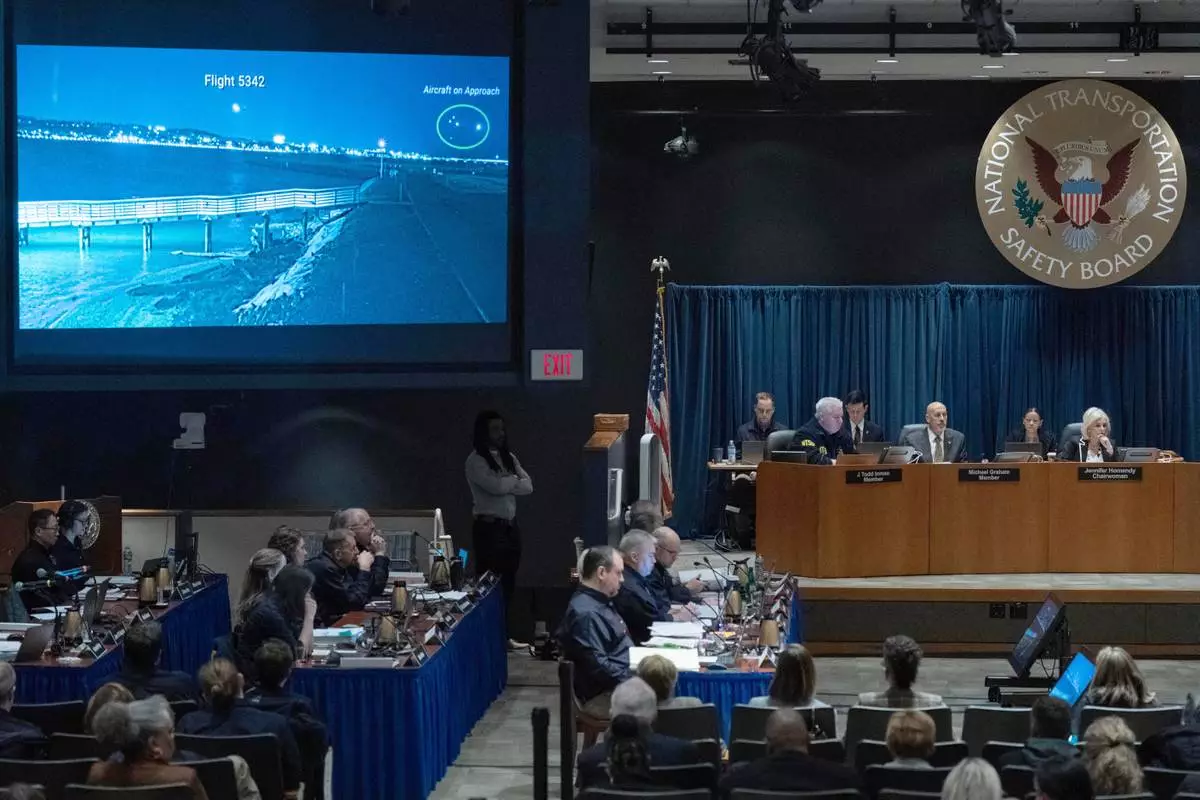
National Transportation Safety Board (NTSB) Chairwoman Jennifer Homendy presides over the NTSB fact-finding hearing on the DCA midair collision accident, at the National Transportation and Safety Board boardroom in Washington, Tuesday, Jan. 27, 2026. (AP Photo/Jose Luis Magana)
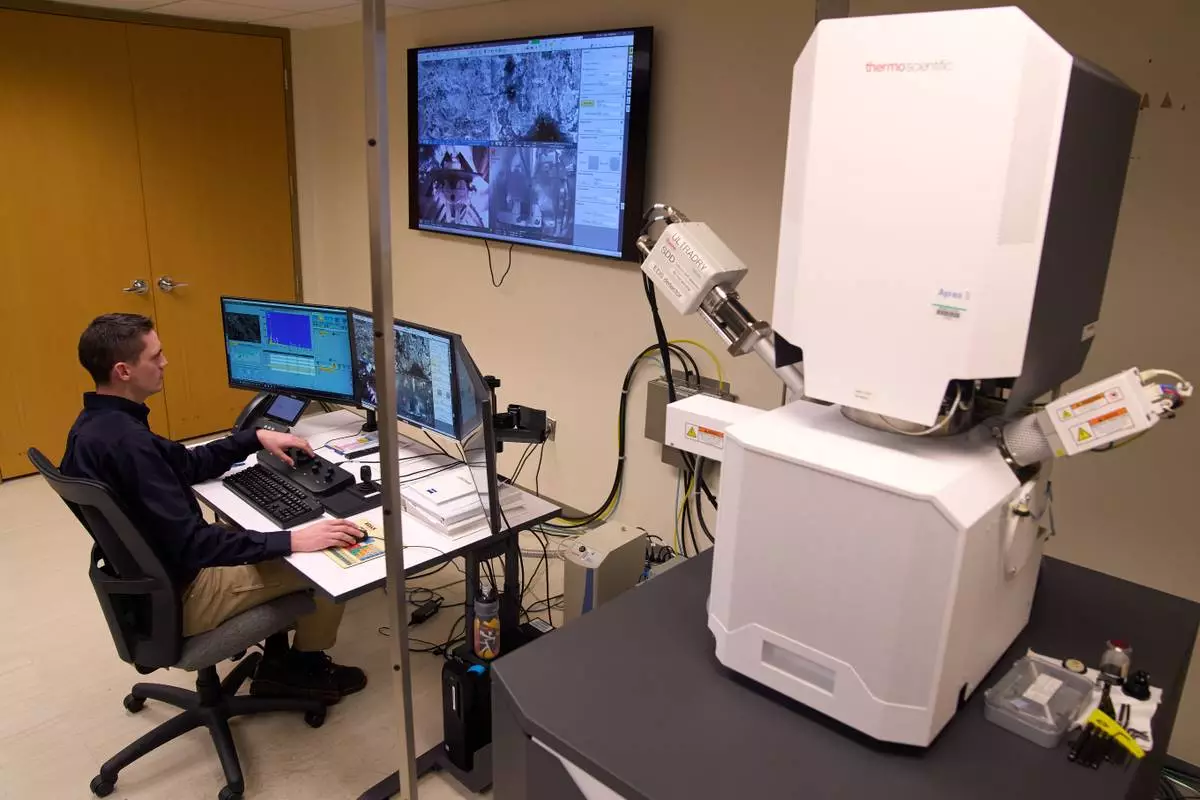
Materials Engineer Mike Meadows looks at training samples on a microelectronic microscope in the Materials Laboratory of the National Transportation Safety Board (NTSB), Tuesday, Jan. 20, 2026, in Washington. (AP Photo/Jacquelyn Martin)
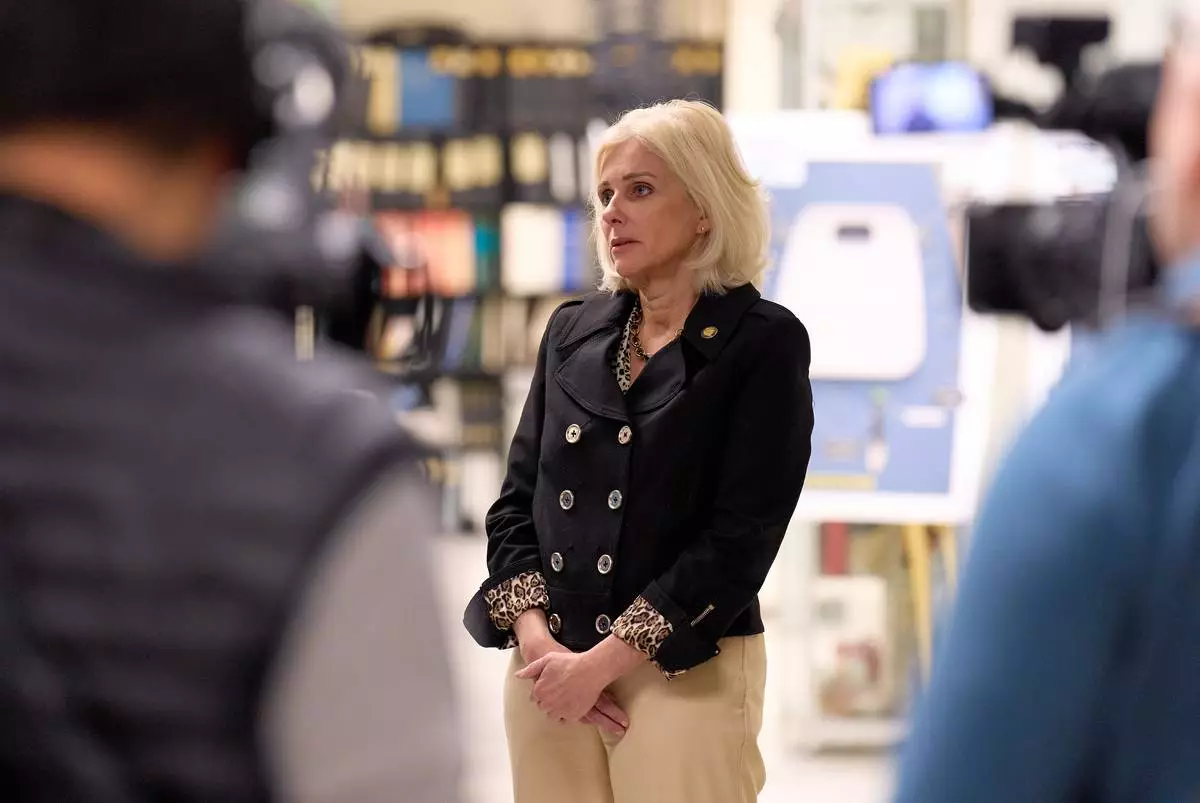
Jennifer Homendy, chair of the National Transportation Safety Board (NTSB), speaks with journalists during a tour of the NTSB's laboratories, Tuesday, Jan. 20, 2026, in Washington. (AP Photo/Jacquelyn Martin)
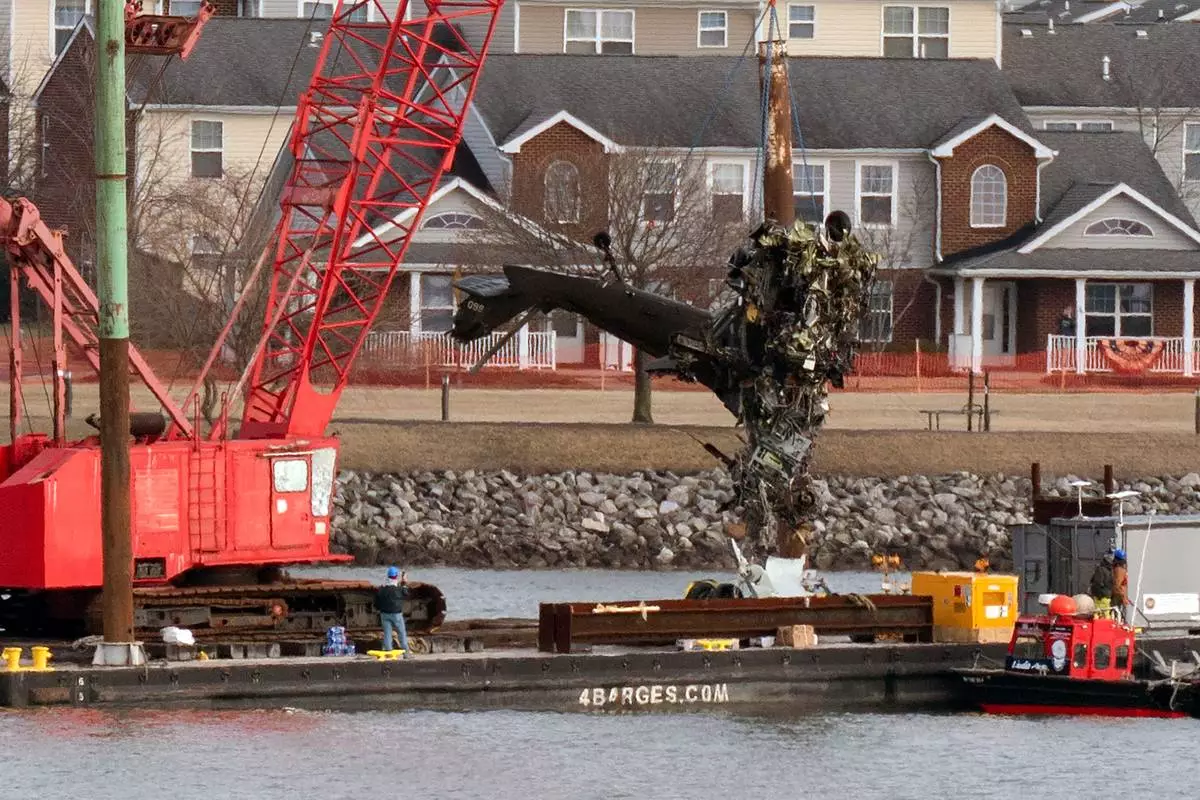
FILE - Rescue and salvage crews pull up a part of a Army Black Hawk helicopter that collided midair with an American Airlines jet, at a wreckage site in the Potomac River from Ronald Reagan Washington National Airport, Feb. 6, 2025, in Arlington, Va. (AP Photo/Jose Luis Magana, File)
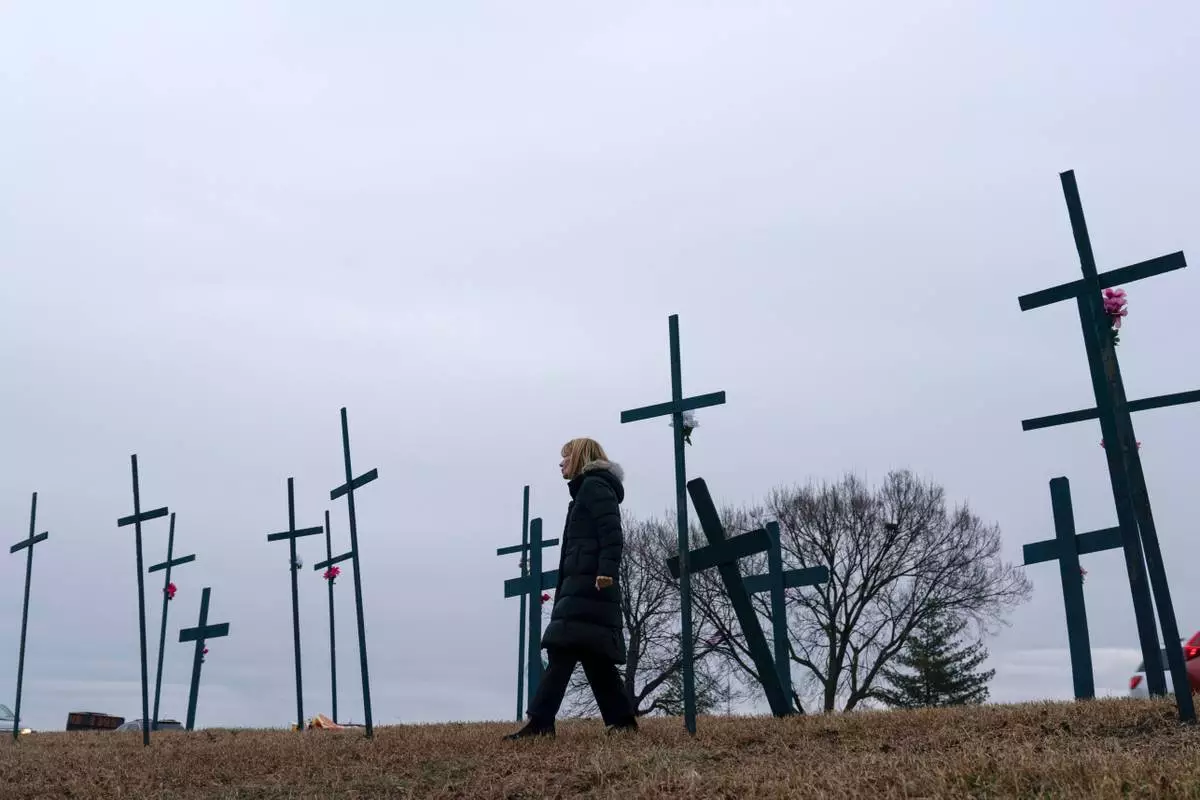
FILE - Crosses are seen at a makeshift memorial for the victims of the plane crash in the Potomac River near Ronald Reagan Washington National Airport, Jan. 31, 2025, in Arlington, Va. (AP Photo/Jose Luis Magana, File)