NAIROBI, Kenya (AP) — South Sudan’s army, following territorial losses in recent weeks, has announced a major military operation against opposition forces, raising fears for civilian safety.
In a statement on Sunday, army spokesman Lul Ruai Koang said Operation Enduring Peace would commence and ordered civilians to evacuate three counties in Jonglei state immediately. He directed aid groups to leave within 48 hours.
Koang told The Associated Press on Monday that the operation aims to recapture towns recently seized by opposition forces and “reestablish law and order.”
The announcement came a day after a senior army commander was filmed urging his troops to kill civilians and destroy property in the Jonglei offensive, drawing rebuke from the U.N. and others.
Mahmoud Ali Youssouf, who chairs the African Union Commission, said he felt “deep concern over the deteriorating security situation in parts” of South Sudan. His statement also said Youssouf was "gravely alarmed by reports of inflammatory rhetoric and actions" that could incite violence against civilians.
“It is now indisputable: South Sudan has returned to war,” said Alan Boswell of the International Crisis Group. “It is incredibly tragic for a country that only grows weaker and poorer.”
Here’s what to know about the conflict in South Sudan:
Beginning in December, a coalition of opposition forces seized a string of government outposts in central Jonglei, a region that is the homeland of the Nuer ethnic group and an opposition stronghold.
Some of those forces are loyal to opposition leader Riek Machar, while others consider themselves part of an ethnic Nuer militia called the White Army. White Army fighters have historically fought alongside Machar but consider themselves a distinct group.
Machar, an ethnic Nuer, was made the most senior of five vice presidents under a 2018 peace agreement that ended fighting between his forces and those loyal to President Salva Kiir, an ethnic Dinka, the country’s largest group. That five-year civil war was waged largely along ethnic lines, killing an estimated 400,000 people.
But there has been a resurgence of violence in the past year, with sporadic fighting.
Machar was suspended last year as South Sudan’s No. 2 after White Army fighters overran a military garrison in the town of Nasir. He now faces treason and other charges over that attack, which authorities allege Machar helped orchestrate. But Machar’s allies and some international observers say the charges are politically motivated. He remains under house arrest while his trial unfolds slowly in the capital, Juba.
Machar’s trial is widely seen as a violation of the 2018 peace agreement. Yet Kiir and his allies say the agreement is still being implemented, pointing to a faction of the opposition still in the unity government.
Forces loyal to Machar have declared the agreement dead, and have since ratcheted up pressure on the army by seizing armories and launching hit-and-run attacks on government positions. The government has relied largely on aerial bombardments to beat back a rebellion that analysts say is gaining momentum across multiple states.
After seizing the government outpost of Pajut in Jonglei on Jan. 16, opposition forces threatened to advance toward Juba. The government has responded by amassing fighters in nearby Poktap, while several thousand Ugandan soldiers defend Juba.
Army chief Paul Nang gave his troops one week to “crush the rebellion” in Jonglei.
On Saturday, a day before the army announced its offensive, a senior military commander was filmed urging his forces to kill all civilians and destroy property during operations in Jonglei. It was not clear who took the video, which has been shared on social media.
“Spare no lives,” Gen. Johnson Olony told forces in Duk county, not far from Pajut. “When we arrive there, don’t spare an elderly, don’t spare a chicken, don’t spare a house or anything.”
Armed groups in South Sudan, including the military, have repeatedly been implicated in civilian abuses, including sexual violence and forced recruitment.
Olony’s comments were particularly aggressive, and drew concern. “We are shocked, we are disturbed, we are surprised,” said Edmund Yakani, a prominent civic leader.
Olony’s words showed that government troops were being “empowered to commit atrocities, to commit crimes against humanity, and, potentially, even to commit a genocide,” he said.
The U.N. Commission on Human Rights in South Sudan expressed “grave alarm” at developments that it said “significantly heighten the risk of mass violence against civilians.”
Machar’s political group said in a statement that Olony’s words were an “early indicator of genocidal intent.”
Speaking to the AP, government spokesman Ateny Wek Ateny called Olony’s comments “uncalled for” and “a slip of the tongue.”
But he also said that while it was possible Olony was “trying to boost the morale of his forces,” his words are not indicative of government policy.
Olony, appointed assistant chief of defense forces for mobilization and disarmament a year ago, also leads a militia, known as the Agwelek, from his Shilluk tribe that agreed to integrate into the army last year.
Olony’s deployment to Nuer communities is contentious because of a separate rivalry between the Shilluk and Nuer communities. In 2022, White Army fighters razed Shilluk villages and displaced thousands of civilians before the government intervened with attack helicopters.
Olony’s forces were also involved in military operations in other Nuer communities last year.
Deploying him to Jonglei “is incendiary,” said Joshua Craze, an independent analyst and writer on South Sudan. “His presence in the state is a propaganda gift to the opposition in its mobilization efforts.”
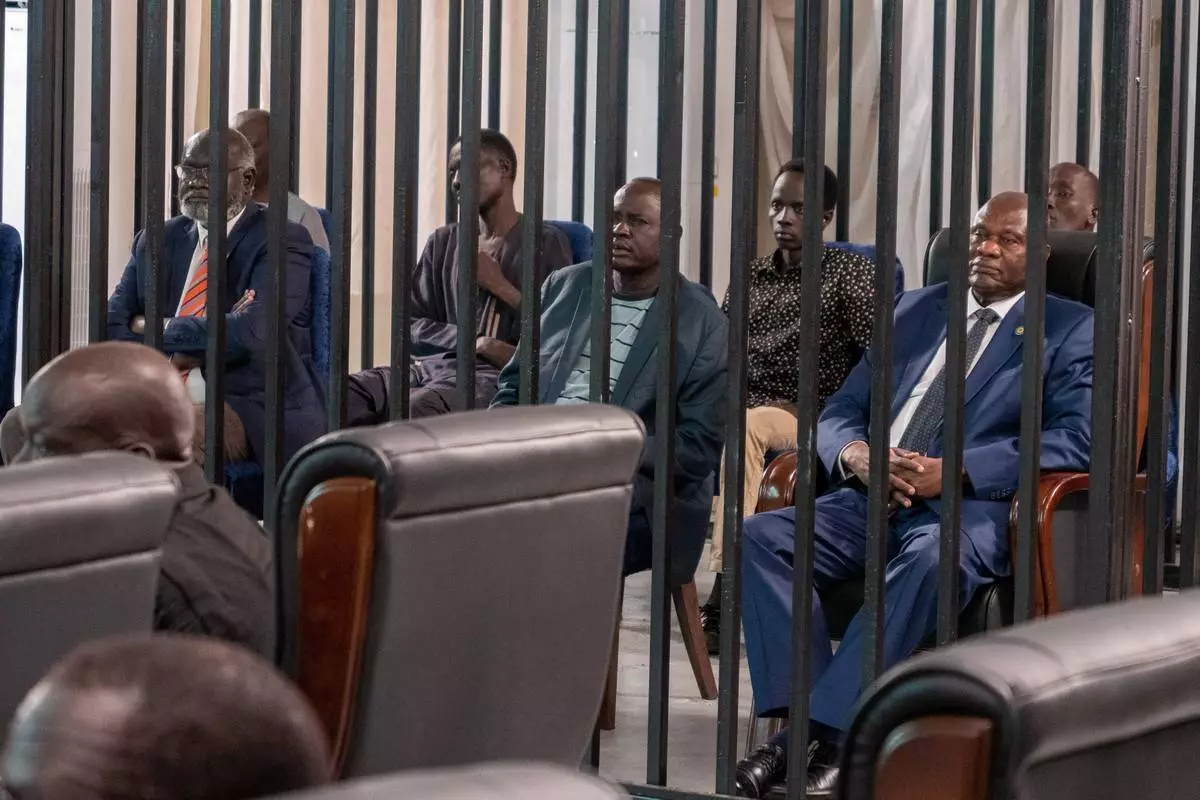
FILE - South Sudan's suspended First Vice President Riek Machar, seated at far right, is seen in the dock with seven others charged with murder, treason and crimes against humanity at the Freedom Hall in Juba, South Sudan, Sep. 24, 2025. (AP Photo/Florence Miettaux, File)
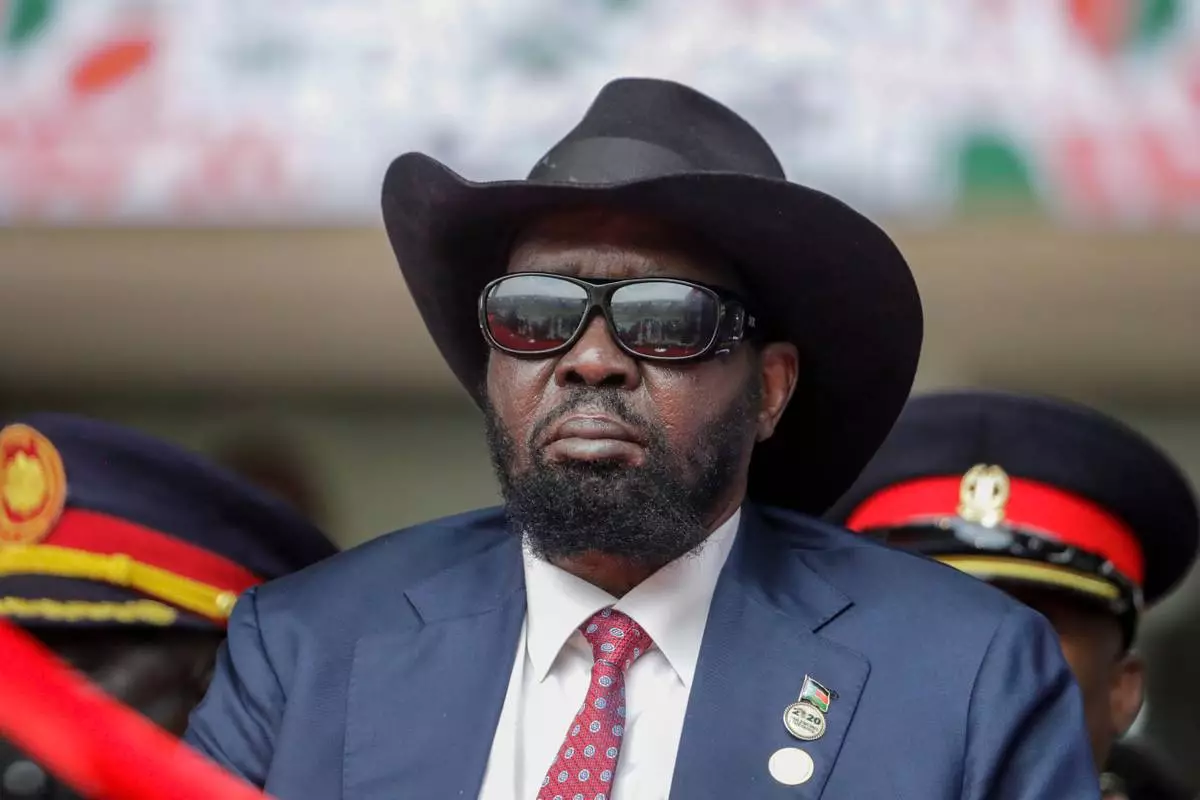
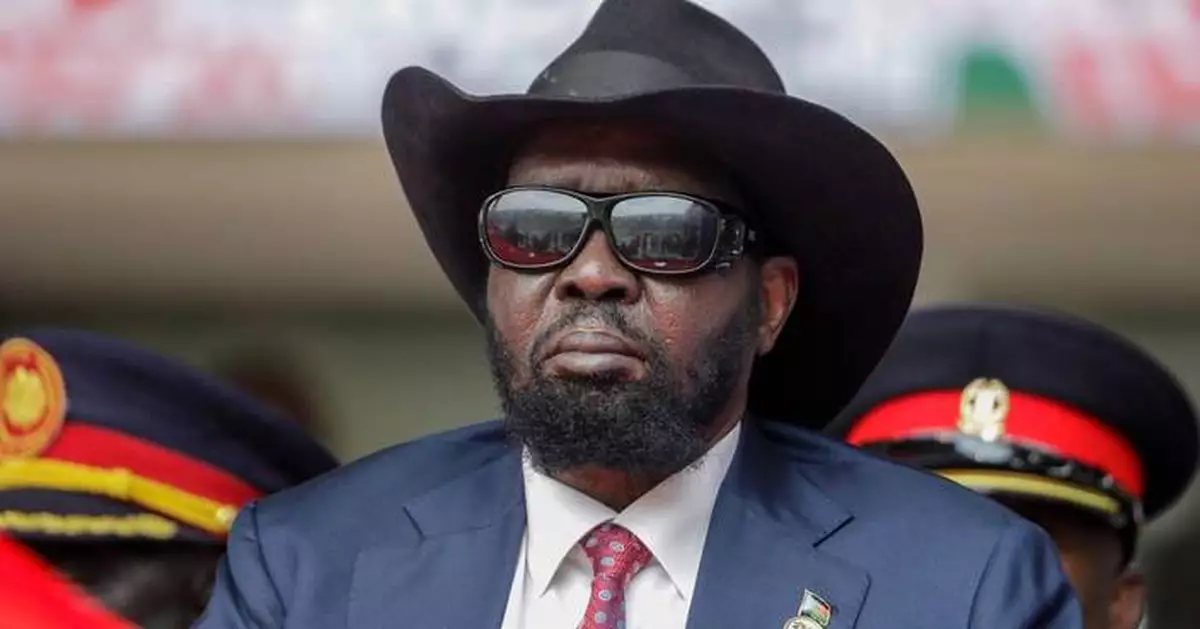
FILE - South Sudan's President Salva Kiir attends the swearing-in ceremony for Kenya's new president William Ruto, at Kasarani stadium in Nairobi, Kenya on Sept. 13, 2022. (AP Photo/Brian Inganga, File)
CREIGHTON, Neb. (AP) — Rick and Jane Saint John chose to live in the small town of Creighton, Nebraska, for one main reason: its hospital.
The couple has a child with nonverbal autism and epilepsy who requires up to three hospital visits a week. And Creighton's critical access hospital has been a lifeline for Jane: not only is she employed there, but three years ago, doctors saved her life when she contracted bacterial pneumonia. If she had waited another day for care, doctors said, her organs would have begun to shut down.
“And if we had had to drive the hour to the Yankton (South Dakota) hospital," Rick Saint John said, his voice breaking with emotion, "it could have cost her her life.”
So the Saint Johns were shocked to hear that Avera Creighton Hospital faces financial peril. A $50 billion government fund meant to transform rural health care will do little to help. It's a problem that millions of Americans in rural areas are awakening to as they realize there's no windfall coming for the vulnerable hospitals near their homes.
Hundreds of rural hospitals across the country are facing closures after years of funding problems. The issue was compounded last summer by the Trump administration's massive cuts to Medicaid, the government's safety net for low-income Americans, whose reimbursements have long helped hospitals meet their bottom lines.
Outcry over the funding cuts prompted Republican lawmakers to create $50 billion in new rural health grants, but critics say that funding is intended for innovative health care delivery solutions — not propping up hospitals buckling under current pressures.
“It won’t pay to keep the lights on. And it won’t turn the lights back on once they’ve been turned off,” said Dr. Ben Young, an infectious disease specialist and policy expert with public health advocacy group Wellness Equity Alliance.
Rural Americans’ health care worries reflect broader national concerns about access and rising prices of care as the cost of living spikes — anxieties that could prove pivotal in this year’s midterm elections.
The $50 billion Rural Health Transformation Program included in President Donald Trump's tax-and-spending law last year was billed by Republicans as a way to help hospitals in rural areas. Last summer, Health Secretary Robert F. Kennedy Jr. touted it as the “biggest infusion in history” for rural hospitals and pledged it will “restore and revitalize these communities.”
Hospitals and health industry experts have warned that while the fund — $10 billion per year allocated across all states for five years — offers some support to struggling rural hospitals, it won’t save them. One reason is that the sum doesn't come close to offsetting the $137 billion that rural hospitals expect to lose over the next decade, according to health research nonprofit KFF. Millions of people are expected to lose Medicaid benefits as a result of new Medicaid work requirements going into effect in 2027 — changes the Trump administration has maintained will crack down on fraudsters rather than cut off eligible enrollees.
Administrators say the new $50 billion fund is not meant to shore up ailing rural hospitals or maintain the status quo, but to transform rural health care through tech, workforce and other innovations. Centers for Medicare and Medicaid Services Administrator Dr. Mehmet Oz in a December video said it “gives states the tools to design solutions that last, not Band-Aids that fail.”
The White House echoed that Wednesday, saying the fund is intended to fund “big ideas” to improve rural health care access long-term.
“Decades of mismanagement by career politicians in Washington have left rural communities with limited care options," White House spokesman Kush Desai said.
State applications show a wide range of proposals. Some pitches sought to improve emergency medical services and modernize rural facilities, while others looked to make school lunches healthier, expand physical fitness programs, beef up telehealth and expand AI-driven technologies to help monitor patients.
Avera Creighton Hospital CEO Theresa Guenther argues her hospital is not in danger of closing. but conceded that Medicaid cuts will be painful — a sentiment shared by most rural hospitals, she said.
“Medicaid cuts will have an impact to us, and we — as well as many others — will have to figure out what that looks like moving forward,” she said. Her hospital hopes to get a piece of the $50 billion fund to help manage patients' chronic diseases — like diabetes — and to help cover workforce costs.
Nebraska, which received $218 million for the rural health grants' first installment, plans to spend some $90 million on healthier food options at schools, recruiting more health care workers and mobile sensors to remotely monitor chronically ill patients in rural areas, among other things. But for rural critical access hospitals at risk of closing, it offers $10 million to “right size” them by getting rid of inpatient care, where bed occupancy is typically low.
Republican state Sen. Barry DeKay said hospitals like Creighton's are vital, despite it's low occupancy rate. The hospital is in his district; even his mother received life-extending care there following a hip replacement. He's worried that the Medicaid cuts could hurt all the state's rural hospitals.
“I'll try to be working as hard as I can to get as much money to rural hospitals — whether it's in my district or any other rural district in the state,” he said.
Rick Saint John acknowledged he knows little about how Nebraska will use the federal funds, but he thinks it should go to helping hospitals like Creighton’s remain intact.
“The hospital is very important to this community, and for more than just medical care,” he said, citing job losses if the hospital loses services or closes.
The fund has seen pushback from hospital groups over an issue that's shaping up as important for 2026 voters.
The Colorado Hospital Association sent a letter in December to state lawmakers accusing them of ignoring input from rural hospitals during the application process.
The Nebraska Hospital Association, which endorsed Republican U.S. Sen. Deb Fischer’s 2024 reelection bid based on her advocacy for rural health care, has criticized both the cuts and the $50 billion fund. Fischer voted last summer for the Medicaid cuts.
That and other efforts by the state to limit Medicaid spending sends a message “that access to health care is not a priority," the group said.
Some Republican state lawmakers across the country have expressed unease with parts of the fund and have sought ways to use it to help struggling rural hospitals.
Under pressure, some rural states are making their own moves to help.
Wyoming enacted a law allowing rural hospitals to file Chapter 9 bankruptcy, normally reserved for financially stressed cities to reorganize debts and repay creditors while protecting them from legal action.
In North Dakota, during a special session to allocate the state’s federal rural health funds, the Republican-led Legislature passed an unrelated bill that aims to rescue a rural hospital with a low-interest loan of up to $5 million administered through the state-owned bank.
It's hoped the plan will keep the hospital open in a vast rural area where it employs 5% of the surrounding county's residents, hospital board member Matt Hager said.
Young, the expert with Wellness Equity Alliance, sees dark days ahead for rural hospitals.
“I am not optimistic in the short term,” he said. “Because these hospitals are facing immediate financial shortfalls, are barely financially operating currently, and they need operating support now.”
Swenson reported from New York. Associated Press writer Jack Dura contributed to this report from Bismarck, North Dakota.
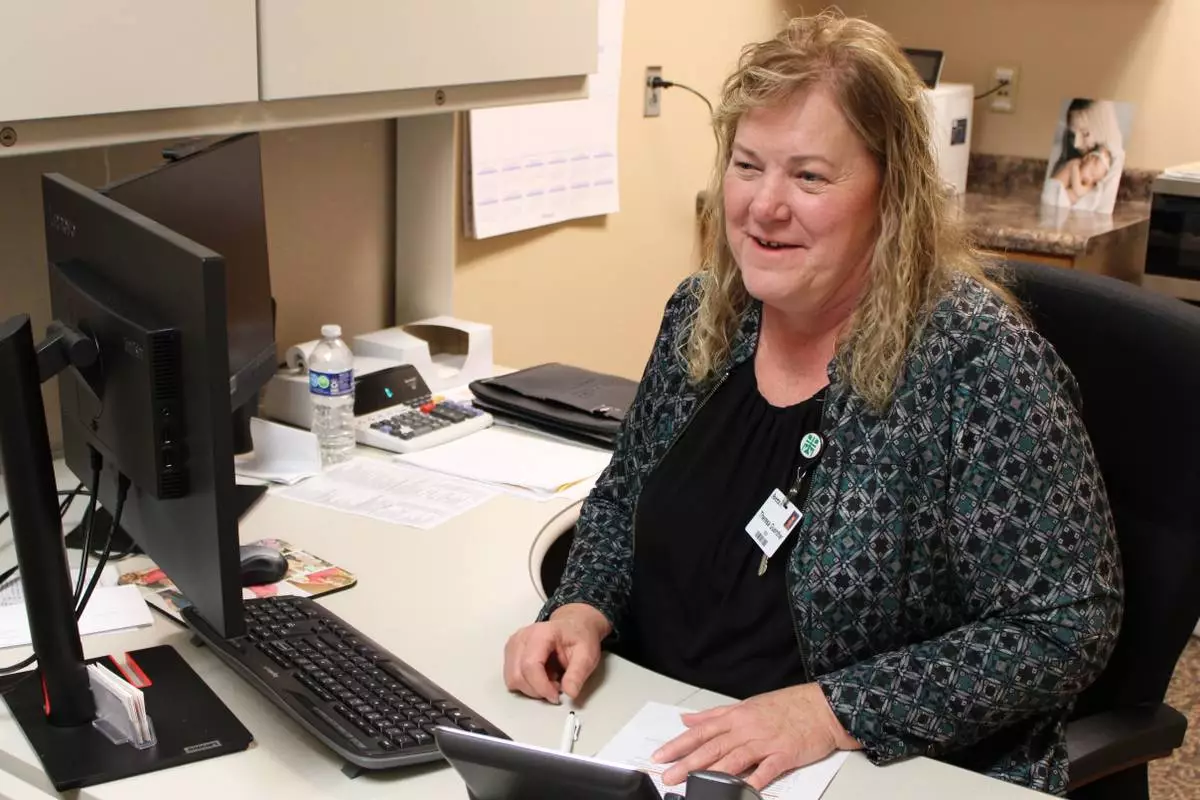
Avera Creighton Hospital CEO Theresa Guenther is seen in her office, Feb. 24, 2026, in Creighton, Neb. (AP Photo/Margery A. Beck)
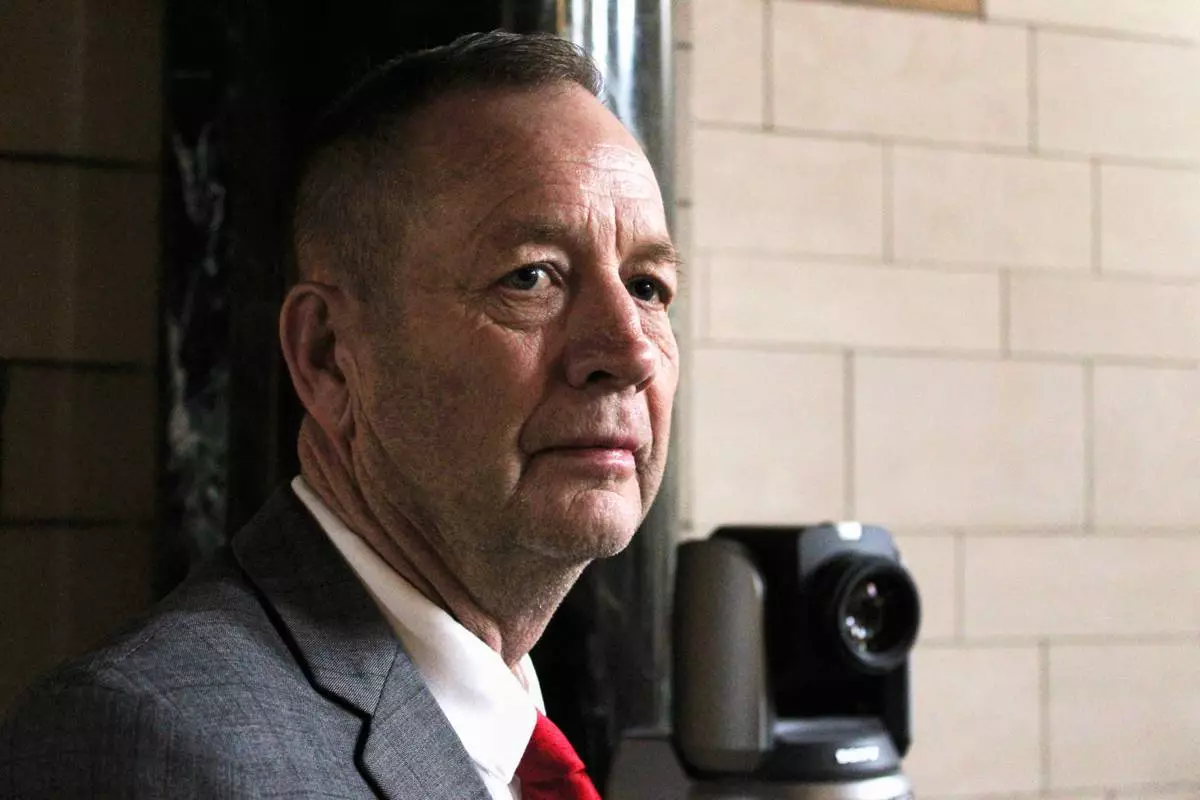
Nebraska State Sen. Barry DeKay, R-Niobrara, is seen on the floor of the Nebraska State Capitol, Feb. 5, 2026, in Lincoln, Neb. (AP Photo/Margery A. Beck)
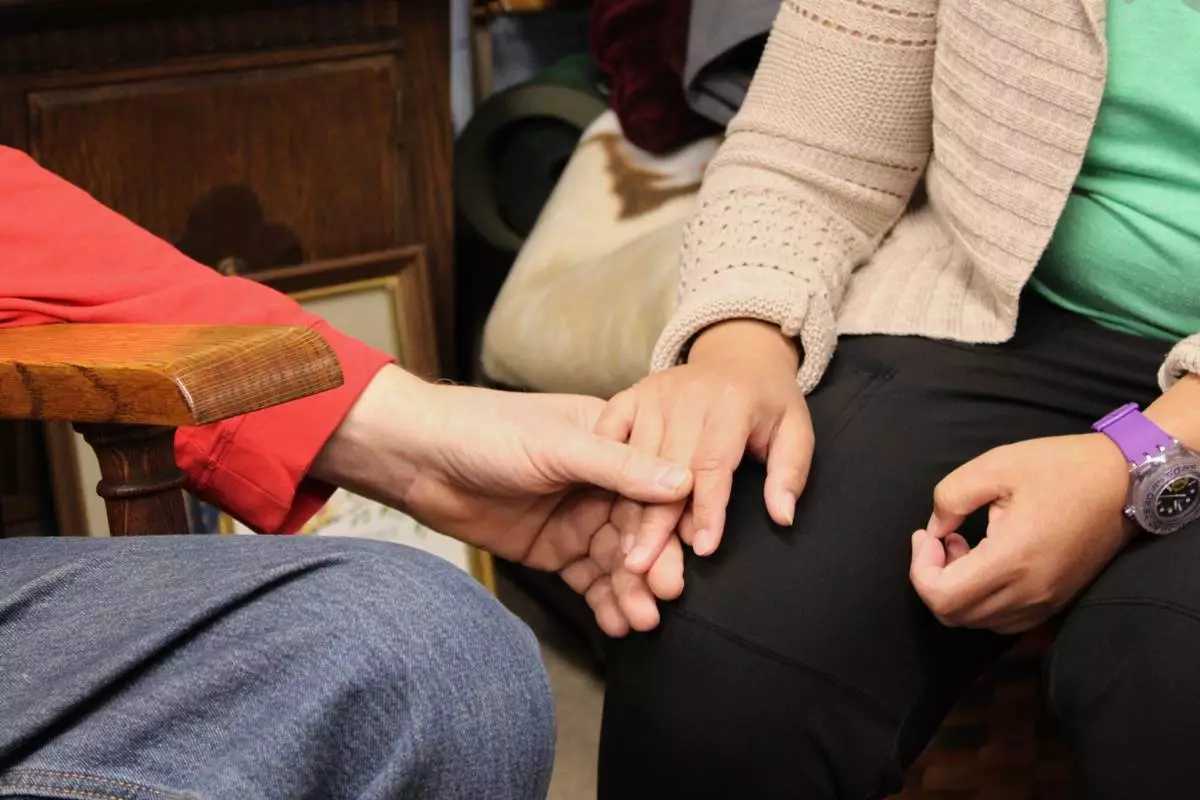
Jane and Rick Saint John hold hands on Feb. 24, 2026, as they recall how Jane received life-saving care three years ago at Avera Creighton Hospital, in rural Creighton, Neb. (AP Photo/Margery A. Beck)
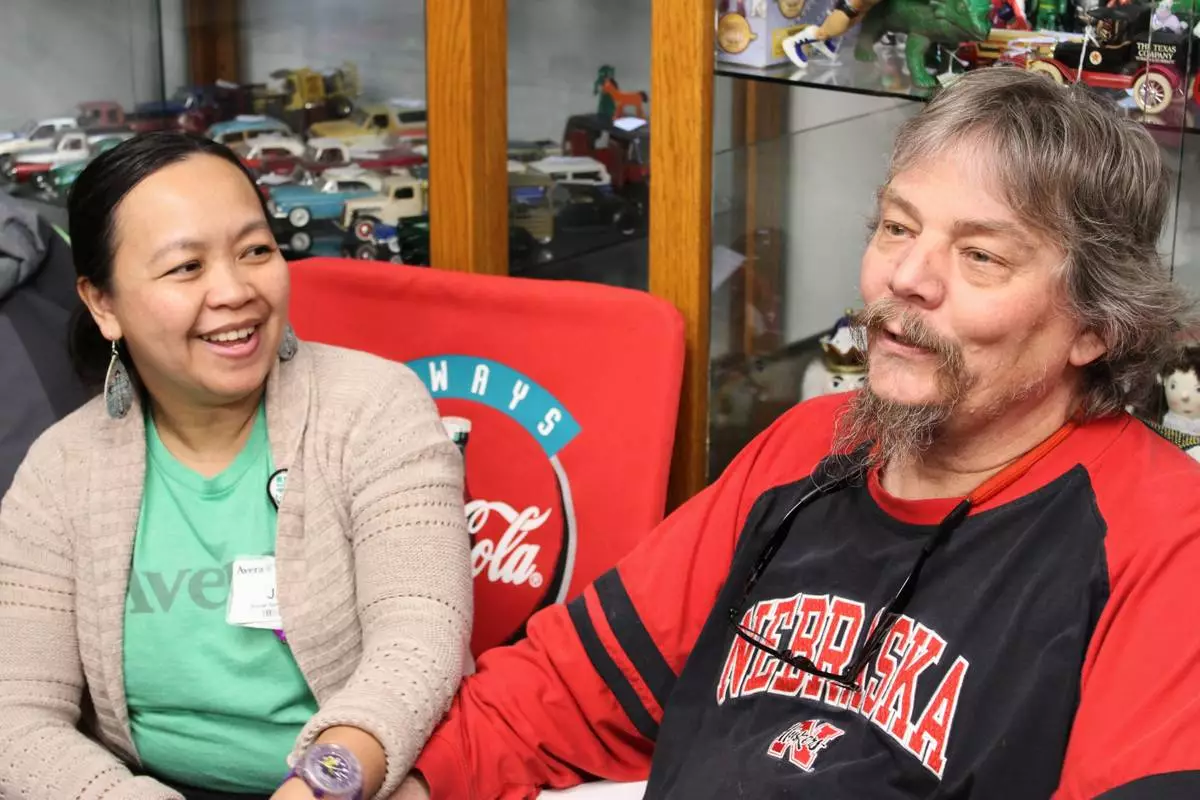
Jane and Rick Saint John discuss how important their local hospital, Avera Creighton Hospital, is in their rural community, Feb. 24, 2026, in Creighton, Neb. (AP Photo/Margery A. Beck)
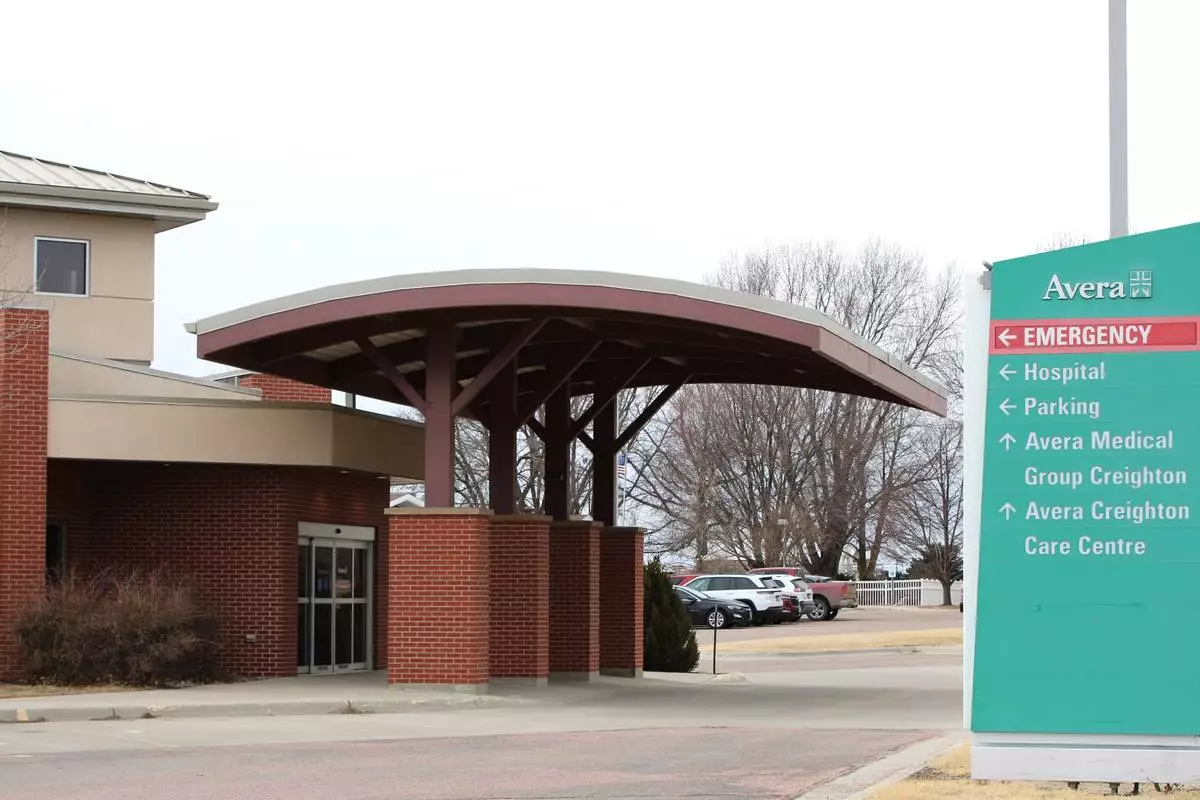
Avera Creighton Hospital is seen on Feb. 24, 2026, in Creighton, Neb. (AP Photo/Margery A. Beck)