HOUSTON (AP) — A Texas man who at one time escaped from custody and was on the run for three days after being sentenced to death for fatally shooting his ex-girlfriend and her new boyfriend nearly 27 years ago was scheduled on Wednesday to be the first person executed in the U.S. this year.
Charles Victor Thompson was condemned for the April 1998 shooting deaths of his ex-girlfriend, Glenda Dennise Hayslip, 39; and her new boyfriend, Darren Keith Cain, 30, at her apartment in the Houston suburb of Tomball.
Thompson, 55, was scheduled to receive a lethal injection Wednesday evening at the state penitentiary in Huntsville.
Prosecutors say Thompson and Hayslip had been romantically involved for a year but split after Thompson “became increasingly possessive, jealous and abusive.”
According to court records, Hayslip and Cain were dating when Thompson came to Hayslip’s apartment and began arguing with Cain around 3 a.m. the night of the killings. Police were called and told Thompson to leave the apartment complex. Thompson returned three hours later and shot both Hayslip and Cain, who died at the scene. Hayslip died in the hospital a week later.
“The Hayslip and Cain families have waited over twenty-five years for justice to occur,” prosecutors with the Harris County District Attorney’s office said in court filings.
Thompson’s attorneys have asked the U.S. Supreme Court to stay his execution, arguing Thompson was not allowed to refute or confront the prosecution's evidence that concluded Hayslip died from a gunshot wound to the face. Thompson's attorneys have argued Hayslip actually died from flawed medical care she received after the shooting that resulted in severe brain damage sustained from oxygen deprivation following a failed intubation.
The Texas Board of Pardons and Paroles on Monday denied Thompson’s request to commute his death sentence to a lesser penalty.
"If he had been able to raise a reasonable doubt as to the cause of Ms. Hayslip’s death, he would not be guilty of capital murder,” Thompson’s attorneys said in court filings with the Supreme Court.
Prosecutors said a jury has already rejected the claim and, concluded under state law that Thompson is responsible for Hayslip’s death because it “would not have occurred but for his conduct.”
Hayslip’s family had filed a lawsuit against one of her doctors, alleging medical negligence during her treatment left her brain dead. A jury in 2002 found in favor of the doctor.
Thompson had his death sentence overturned and had a new punishment trial held in November 2005. A jury again ordered him to die by lethal injection.
Shortly after being resentenced, Thompson escaped from the Harris County Jail in Houston by walking out the front door virtually unchallenged by deputies. Thompson later told The Associated Press that after meeting with his attorney in a small interview cell, he slipped out of his handcuffs and orange jail jumpsuit and left the room, which was unlocked. Thompson waived an ID badge fashioned out of his prison ID card to get past several deputies.
“I got to smell the trees, feel the wind in my hair, grass under my feet, see the stars at night. It took me straight back to childhood being outside on a summer night,” Thompson said about his three days on the run during a 2005 interview with the AP. He was arrested in Shreveport, Louisiana, while trying to arrange for wire transfers of money from overseas so he could make it to Canada.
If the execution is carried out, Thompson would be the first person put to death this year in the United States. Texas has historically held more executions than any other state, though Florida had the most executions in 2025, with 19.
Follow Juan A. Lozano: https://x.com/juanlozano70
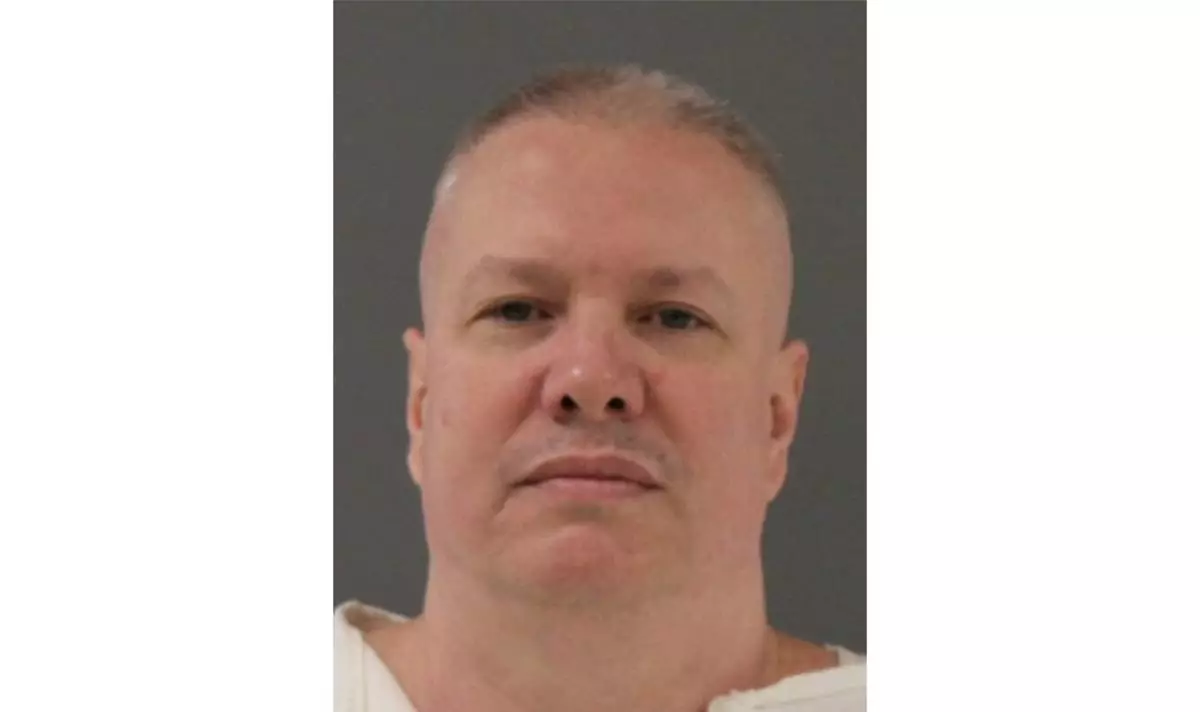
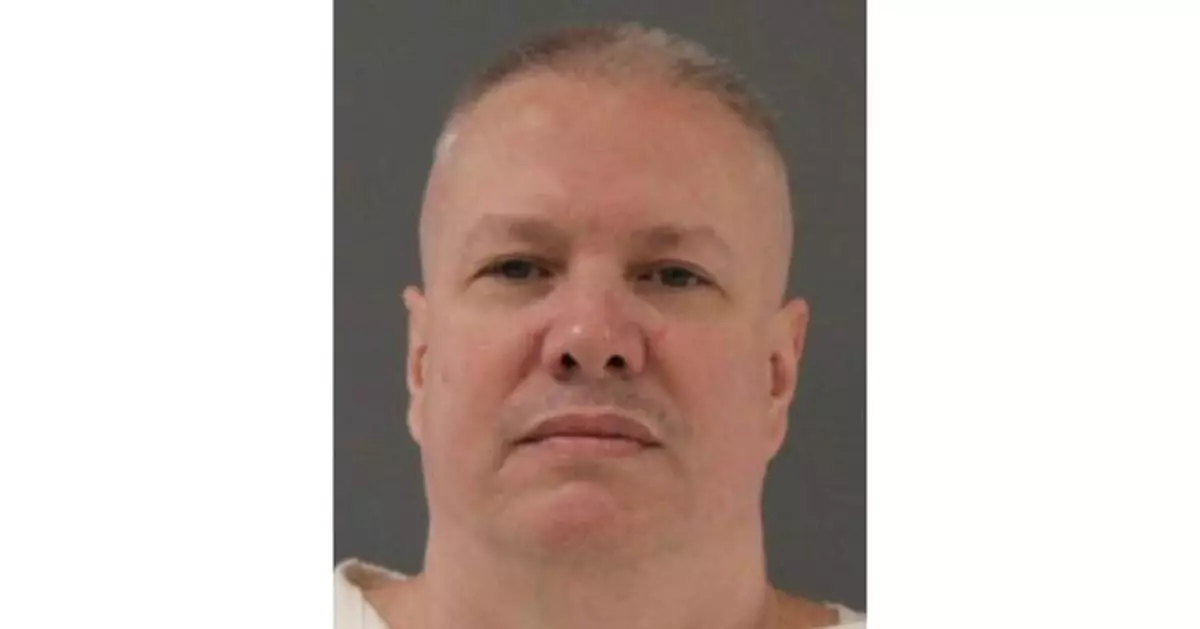
This photo provided by Texas Department of Criminal Justice. shows Texas death row inmate Charles Victor Thompson. (Texas Department of Criminal Justice via AP)
LOS ANGELES (AP) — President Donald Trump announced Tuesday that he has signed an executive order to “cut through bureaucratic red tape” and speed up reconstruction of tens of thousands of homes destroyed by the January 2025 Los Angeles area wildfires.
Trump's order, signed Friday, seeks to allow homeowners to rebuild without contending with “unnecessary, duplicative, or obstructive” permitting requirements, the White House said in a statement.
The order directs the Federal Emergency Management Agency and the Small Business Administration to find a way to issue regulations that would preempt state and local rules for obtaining permits and allow builders to “self-certify” that they have complied with “substantive health, safety, and building standards.”
California Gov. Gavin Newsom scoffed at the idea that the federal government could issue local rebuilding permits and urged Trump to approve the state's $33.9 billion disaster aid request. Newsom has traveled to Washington, D.C., to advocate for the money, but the administration has not yet approved it.
The Democratic governor said on social media that more than 1,600 rebuilding permits have been issued in Los Angeles and officials are moving at a fast pace.
“An executive order to rebuild Mars would do just as useful,” Newsom wrote on social media. He added, “please actually help us. We are begging you.”
Fewer than a dozen homes had been rebuilt in Los Angeles County as of Jan. 7, one year after the fires began, The Associated Press found. About 900 homes were under construction.
The Palisades and Eaton fires killed 31 people and destroyed about 13,000 residential properties. The fires burned for more than three weeks and cleanup efforts took about seven months.
It wasn’t immediately clear what power the federal government could wield over local and state permitting. The order also directs federal agencies to expedite waivers, permits and approvals to work around any environmental, historic preservation or natural resource laws that might stand in the way of rebuilding.
Los Angeles Mayor Karen Bass said in a statement that instead of trying to meddle in the permitting process, the Trump administration should speed up FEMA reimbursements.
Bass called Trump's move a “political stunt” and said the president should issue an executive order “to demand the insurance industry pay people for their losses so that survivors can afford to rebuild, push the banking industry to extend mortgage forbearance by three years, tacking them on to the end of a 30-year mortgage, and bring the banks together to create a special fund to provide no-interest loans to fire survivors.”
The mayor said rebuilding plans in Pacific Palisades are being approved in half the time compared to single-family home projects citywide before the wildfires, “with more than 70% of home permit clearances no longer required.”
Permitting assistance is “always welcome,” said Joy Chen, executive director of the Eaton Fire Survivor’s Network, a coalition of more than 10,000 Eaton and Palisades fire survivors, but it’s not the primary concern for those trying to rebuild.
“The number one barrier to Eaton and Palisades fire survivors right now is money,” said Chen, as survivors struggle to secure payouts from insurance companies and face staggering gaps between the money they have to rebuild and actual construction costs.
Nearly one-third of survivors cited rebuild costs and insurance payouts as primary obstacles to rebuilding in a December survey by the Department of Angels, a nonprofit that advocates for LA fire survivors, while 21% mentioned permitting delays and barriers.
In addition, Trump's executive order also directs U.S. Homeland Security Secretary Kristi Noem and FEMA acting administrator Karen Evans to audit California’s use of Hazard Mitigation Grant Program funding, a typical add-on in major disasters that enables states to build back with greater resilience. The audit must be completed within 60 days, after which Noem and Evans are instructed to determine whether future conditions should be put on the funding or even possible “recoupment or recovery actions” should take place.
Trump has not approved a single request from states for HMGP funding since March, part of a wider effort to reduce federal funding for climate mitigation.
This story has been corrected to reflect that Trump last approved an HMGP request in March, not February.
Aoun Angueira reported from San Diego.
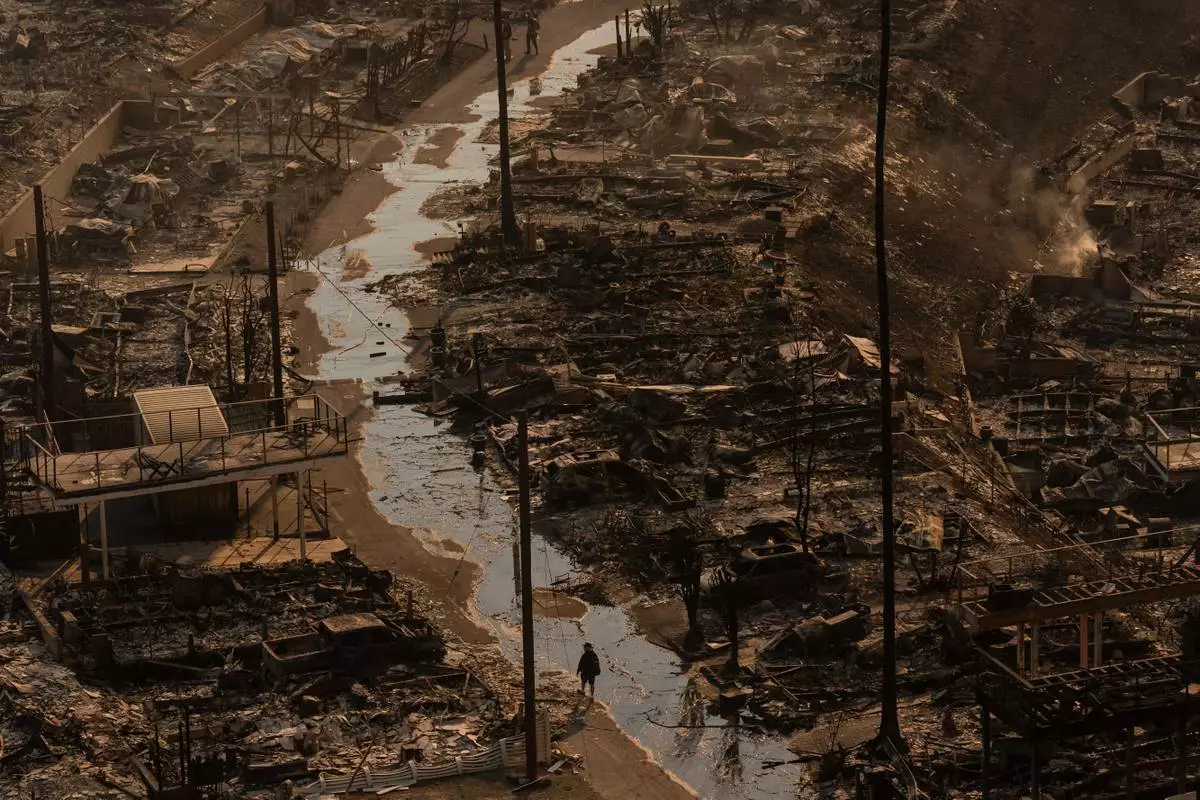
FILE - A person walks amid the destruction left behind by the Palisades Fire in the Pacific Palisades neighborhood of Los Angeles, Jan. 9, 2025. (AP Photo/Jae C. Hong, File)
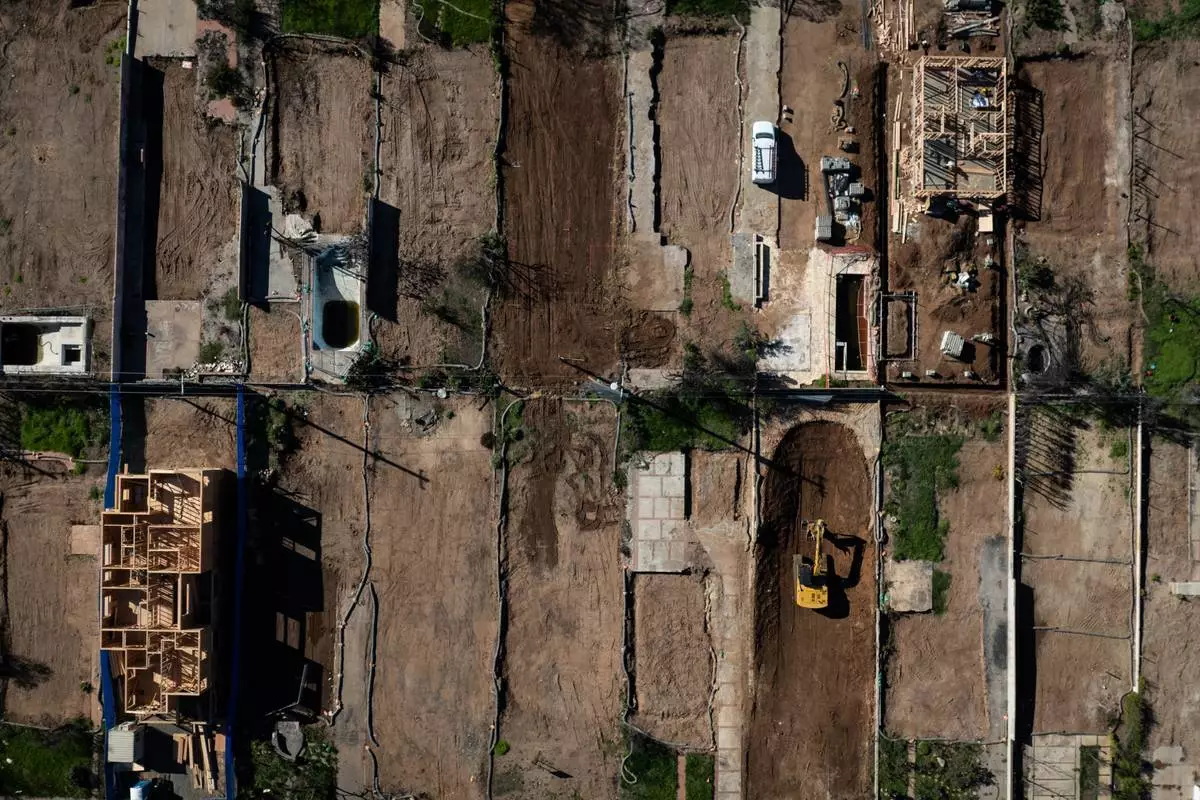
FILE - An aerial view shows houses being rebuilt on cleared lots months after the Palisades Fire, Dec. 5, 2025, in the Pacific Palisades neighborhood of Los Angeles. (AP Photo/Jae C. Hong, File)