LUGANO, Switzerland--(BUSINESS WIRE)--Jan 28, 2026--
SFI Health™ EMEA, the regional entity of SFI Health™, a global leader in natural healthcare, today is pleased to announce the launch of Equazen ® Forte in Poland, a new concentrated omega 3 product formulation to be added to the Equazen ® range designed to support the normal cognitive performance for young adults and adults.
This press release features multimedia. View the full release here: https://www.businesswire.com/news/home/20260127646023/en/
Equazen ® Forte represents a key milestone in the brand’s long-term development strategy. Traditionally recognized as a pediatric brain health expert, Equazen ® is now evolving to support consumers across different life stages, addressing changing cognitive demands from adolescence into adulthood.
Equazen ® Forte builds on more than 25 years of Equazen ® heritage and scientific expertise. Like the rest of the Equazen ® range, it features the brand’s unique and clinically researched formula of essential fatty acids, shown in multiple clinical studies to support normal cognitive brain functions. Presented in a capsule format featuring a highly concentrated intake, Equazen ® Forte, containing omega 3 fatty acids addresses increasing cognitive demands related to learning capabilities during key developmental years, while paving the way for continued support into adulthood to support normal brain performance and quality of life.
This launch is backed by the long-standing partnership with Qpharma, the company’s local distributor in Poland. Under the agreement, Equazen ® Forte will be distributed in pharmacies nationwide, leveraging Qpharma’s strong expertise and established relationships within the Polish healthcare market.
Matthew Brabazon, General Manager of SFI Health™ EMEA, commented:
“Equazen ® Forte represents a significant step forward for our brand. While Equazen ® has long been trusted by families to support children’s cognitive development, we are now evolving alongside our loyal consumers as they grow into adulthood. Poland is a key market for us, and this launch reflects our ambition to build lifelong relationships by supporting cognitive health at every stage of life.”
Zbyszek Czop, Managing Director of Qpharma Sp. z o.o., distributor of Equazen ® in Poland said: “We are proud to support the launch of a product that meaningfully expands the Equazen ® brand portfolio in Poland. Equazen ® has long been trusted for supporting children’s cognitive needs. With Equazen ® Forte, we aim to address previously unmet needs among young adults and adults. As an already well-established and trusted brand, this new product enables us to reach a broader audience, backed by strong science and a clear consumer benefit.”
Brain health and cognitive support supplements are among the fastest-growing segments of the food supplements market in Europe, driven by rising awareness of mental performance, focus and overall well-being. With Equazen ® Forte, SFI Health™ EMEA strengthens its commitment to innovation in cognition while unlocking new growth opportunities beyond the pediatric segment.
About SFI Health™
SFI Health™ is a global leader in natural healthcare, specialized in the design, development and commercialization of clinically researched products in the areas of microbiome, cognition and wellbeing.
Guided by the belief in the healing potential of natural products, SFI Health™ combines a rigorous pharma-based approach with the benefits of naturally sourced solutions.
An extensive network of trusted business partners enables the company, headquartered in Australia, to market its own brands, reaching consumers in over 50 countries. The EMEA SFI Health™ regional office in Lugano, Switzerland, manages commercial operations across Europe, Middle East and Africa.
SFI Health™ is committed to fostering confidence in natural healthcare by sharing state-of-the-art research, technical expertise and comprehensive sales & marketing resources with consumers, healthcare professionals and partners worldwide.
For more information go to sfihealth.com or follow us SFI Health on LinkedIn.
About Qpharma
Qpharma is a leading company focused on promoting third parties’ brands of pharmaceutical companies in Poland, as well as in Czech Republic and Slovakia.
Through 20 years of its presence on Polish market the company became a trusted partner who successfully launched several brands in Poland, ensuring Polish consumers and patients have the same chance to enjoy benefits these brands bring to their health as people on other markets. Equazen ® is a very good example of such brands.
Qpharma promotes its products to HCPs mainly and sells them through pharmacy channel. More info on www.qpharma.pl
About Equazen ®
Equazen ® is a science-based globally branded food supplement designed and studied to help nourish, enhance, and support the human brain’s potential across all life stages.
Each product of the Equazen ® range contains a balanced unique combination of essential fatty acids (Omega 3 and Omega 6), which has been clinically proven for more than 25 years to assist with learning capabilities, concentration and healthy brain development.
Equazen ® is available in multiple pharmaceutical formats and sizes to support optimal cognitive functions from infants to teenagers.
Currently marketed in 30 countries globally, Equazen ® is widely recommended by healthcare professionals and trusted by families for the last 25 years.
Equazen ® aims to advance human health naturally, delivering expertly formulated products that empower individuals to reach their cognitive potential.
For more info visit www.equazen.com

Equazen® Forte: a key milestone in the brand’s long-term development strategy.
CREIGHTON, Neb. (AP) — Rick and Jane Saint John chose to live in the small town of Creighton, Nebraska, for one main reason: its hospital.
The couple has a child with nonverbal autism and epilepsy who requires up to three hospital visits a week. And Creighton's critical access hospital has been a lifeline for Jane: not only is she employed there, but three years ago, doctors saved her life when she contracted bacterial pneumonia. If she had waited another day for care, doctors said, her organs would have begun to shut down.
“And if we had had to drive the hour to the Yankton (South Dakota) hospital," Rick Saint John said, his voice breaking with emotion, "it could have cost her her life.”
So the Saint Johns were shocked to hear that Avera Creighton Hospital faces financial peril. A $50 billion government fund meant to transform rural health care will do little to help. It's a problem that millions of Americans in rural areas are awakening to as they realize there's no windfall coming for the vulnerable hospitals near their homes.
Hundreds of rural hospitals across the country are facing closures after years of funding problems. The issue was compounded last summer by the Trump administration's massive cuts to Medicaid, the government's safety net for low-income Americans, whose reimbursements have long helped hospitals meet their bottom lines.
Outcry over the funding cuts prompted Republican lawmakers to create $50 billion in new rural health grants, but critics say that funding is intended for innovative health care delivery solutions — not propping up hospitals buckling under current pressures.
“It won’t pay to keep the lights on. And it won’t turn the lights back on once they’ve been turned off,” said Dr. Ben Young, an infectious disease specialist and policy expert with public health advocacy group Wellness Equity Alliance.
Rural Americans’ health care worries reflect broader national concerns about access and rising prices of care as the cost of living spikes — anxieties that could prove pivotal in this year’s midterm elections.
The $50 billion Rural Health Transformation Program included in President Donald Trump's tax-and-spending law last year was billed by Republicans as a way to help hospitals in rural areas. Last summer, Health Secretary Robert F. Kennedy Jr. touted it as the “biggest infusion in history” for rural hospitals and pledged it will “restore and revitalize these communities.”
Hospitals and health industry experts have warned that while the fund — $10 billion per year allocated across all states for five years — offers some support to struggling rural hospitals, it won’t save them. One reason is that the sum doesn't come close to offsetting the $137 billion that rural hospitals expect to lose over the next decade, according to health research nonprofit KFF. Millions of people are expected to lose Medicaid benefits as a result of new Medicaid work requirements going into effect in 2027 — changes the Trump administration has maintained will crack down on fraudsters rather than cut off eligible enrollees.
Administrators say the new $50 billion fund is not meant to shore up ailing rural hospitals or maintain the status quo, but to transform rural health care through tech, workforce and other innovations. Centers for Medicare and Medicaid Services Administrator Dr. Mehmet Oz in a December video said it “gives states the tools to design solutions that last, not Band-Aids that fail.”
The White House echoed that Wednesday, saying the fund is intended to fund “big ideas” to improve rural health care access long-term.
“Decades of mismanagement by career politicians in Washington have left rural communities with limited care options," White House spokesman Kush Desai said.
State applications show a wide range of proposals. Some pitches sought to improve emergency medical services and modernize rural facilities, while others looked to make school lunches healthier, expand physical fitness programs, beef up telehealth and expand AI-driven technologies to help monitor patients.
Avera Creighton Hospital CEO Theresa Guenther argues her hospital is not in danger of closing. but conceded that Medicaid cuts will be painful — a sentiment shared by most rural hospitals, she said.
“Medicaid cuts will have an impact to us, and we — as well as many others — will have to figure out what that looks like moving forward,” she said. Her hospital hopes to get a piece of the $50 billion fund to help manage patients' chronic diseases — like diabetes — and to help cover workforce costs.
Nebraska, which received $218 million for the rural health grants' first installment, plans to spend some $90 million on healthier food options at schools, recruiting more health care workers and mobile sensors to remotely monitor chronically ill patients in rural areas, among other things. But for rural critical access hospitals at risk of closing, it offers $10 million to “right size” them by getting rid of inpatient care, where bed occupancy is typically low.
Republican state Sen. Barry DeKay said hospitals like Creighton's are vital, despite it's low occupancy rate. The hospital is in his district; even his mother received life-extending care there following a hip replacement. He's worried that the Medicaid cuts could hurt all the state's rural hospitals.
“I'll try to be working as hard as I can to get as much money to rural hospitals — whether it's in my district or any other rural district in the state,” he said.
Rick Saint John acknowledged he knows little about how Nebraska will use the federal funds, but he thinks it should go to helping hospitals like Creighton’s remain intact.
“The hospital is very important to this community, and for more than just medical care,” he said, citing job losses if the hospital loses services or closes.
The fund has seen pushback from hospital groups over an issue that's shaping up as important for 2026 voters.
The Colorado Hospital Association sent a letter in December to state lawmakers accusing them of ignoring input from rural hospitals during the application process.
The Nebraska Hospital Association, which endorsed Republican U.S. Sen. Deb Fischer’s 2024 reelection bid based on her advocacy for rural health care, has criticized both the cuts and the $50 billion fund. Fischer voted last summer for the Medicaid cuts.
That and other efforts by the state to limit Medicaid spending sends a message “that access to health care is not a priority," the group said.
Some Republican state lawmakers across the country have expressed unease with parts of the fund and have sought ways to use it to help struggling rural hospitals.
Under pressure, some rural states are making their own moves to help.
Wyoming enacted a law allowing rural hospitals to file Chapter 9 bankruptcy, normally reserved for financially stressed cities to reorganize debts and repay creditors while protecting them from legal action.
In North Dakota, during a special session to allocate the state’s federal rural health funds, the Republican-led Legislature passed an unrelated bill that aims to rescue a rural hospital with a low-interest loan of up to $5 million administered through the state-owned bank.
It's hoped the plan will keep the hospital open in a vast rural area where it employs 5% of the surrounding county's residents, hospital board member Matt Hager said.
Young, the expert with Wellness Equity Alliance, sees dark days ahead for rural hospitals.
“I am not optimistic in the short term,” he said. “Because these hospitals are facing immediate financial shortfalls, are barely financially operating currently, and they need operating support now.”
Swenson reported from New York. Associated Press writer Jack Dura contributed to this report from Bismarck, North Dakota.
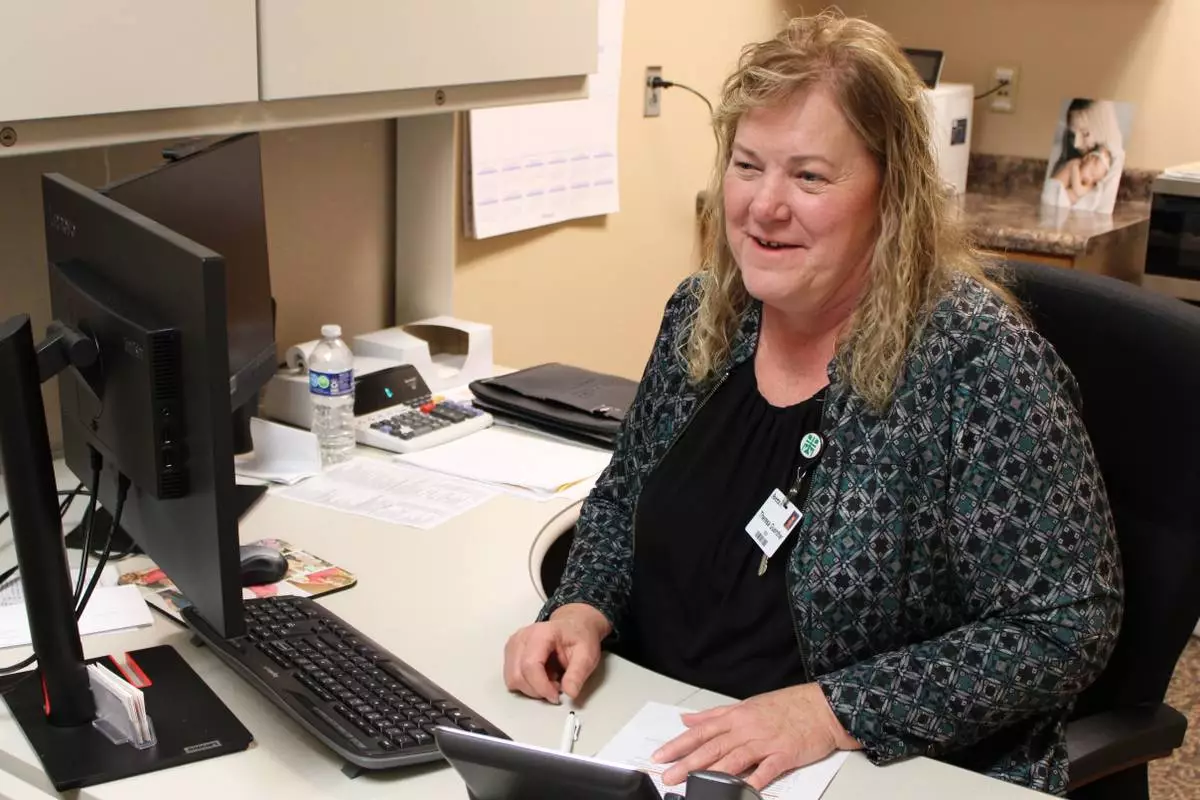
Avera Creighton Hospital CEO Theresa Guenther is seen in her office, Feb. 24, 2026, in Creighton, Neb. (AP Photo/Margery A. Beck)

Nebraska State Sen. Barry DeKay, R-Niobrara, is seen on the floor of the Nebraska State Capitol, Feb. 5, 2026, in Lincoln, Neb. (AP Photo/Margery A. Beck)

Jane and Rick Saint John hold hands on Feb. 24, 2026, as they recall how Jane received life-saving care three years ago at Avera Creighton Hospital, in rural Creighton, Neb. (AP Photo/Margery A. Beck)

Jane and Rick Saint John discuss how important their local hospital, Avera Creighton Hospital, is in their rural community, Feb. 24, 2026, in Creighton, Neb. (AP Photo/Margery A. Beck)
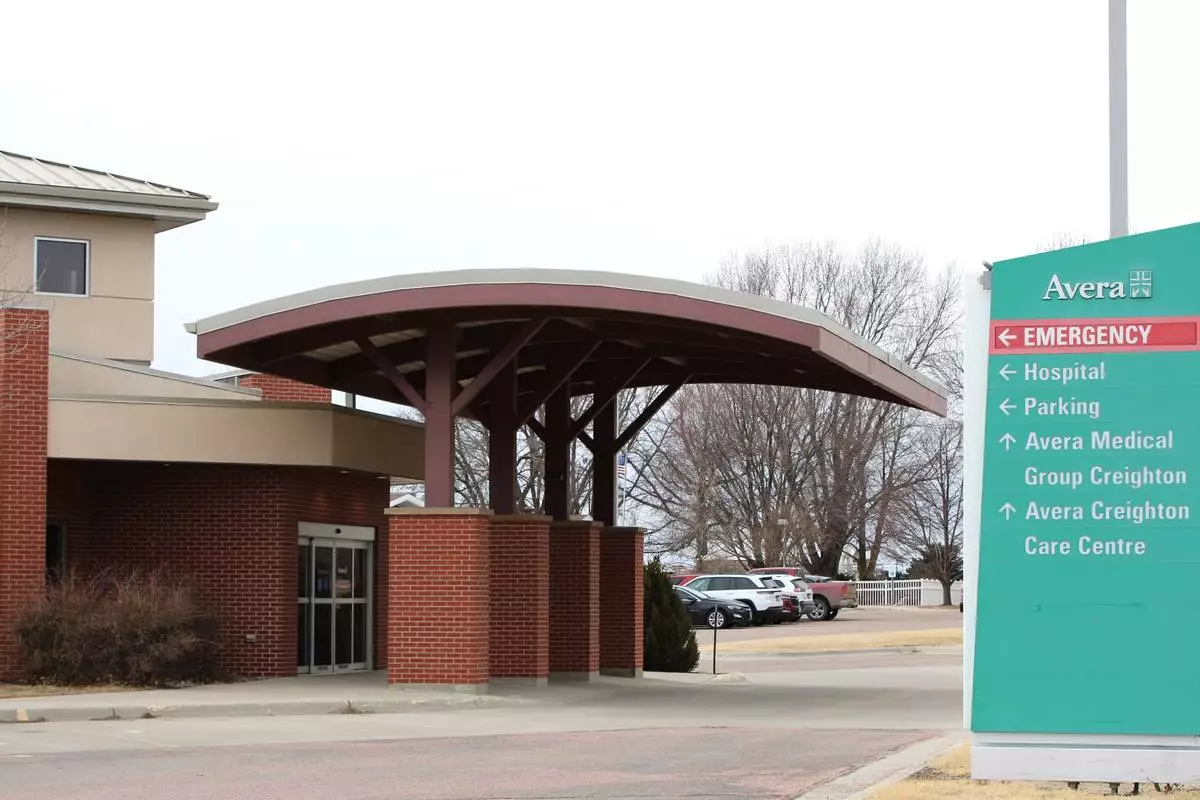
Avera Creighton Hospital is seen on Feb. 24, 2026, in Creighton, Neb. (AP Photo/Margery A. Beck)