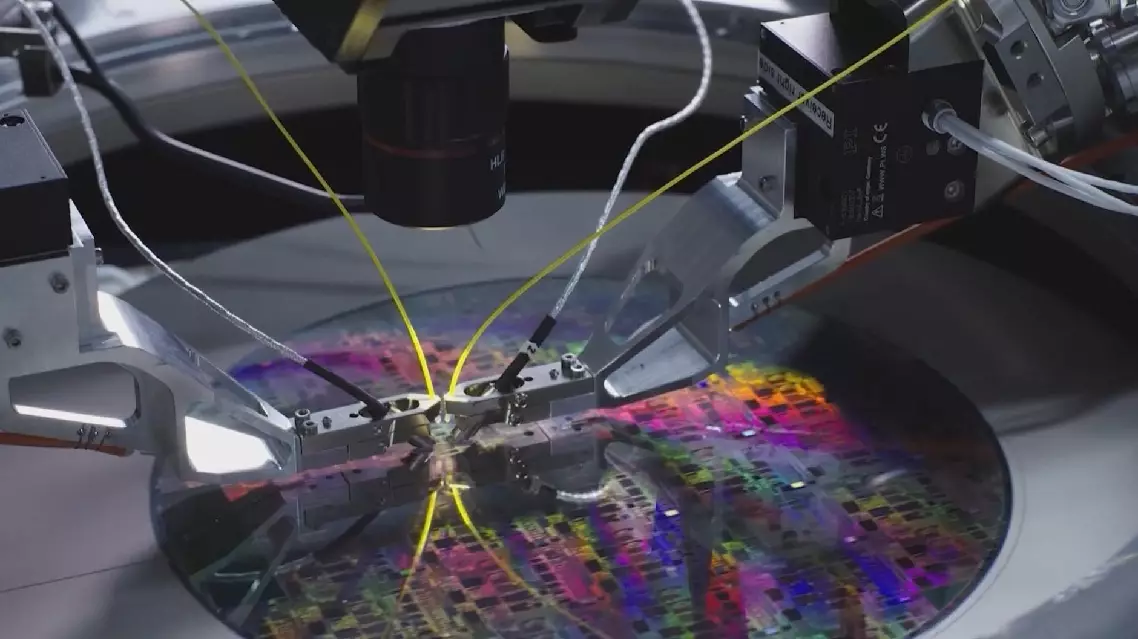
China's centrally administered state-owned enterprises spent more than 1.1 trillion yuan (over 158 billion U.S. dollars) on research and development in 2025, exceeding one trillion yuan for a fourth consecutive year, underscoring the trend to strengthen innovation among key state firms, a senior official said on Tuesday.
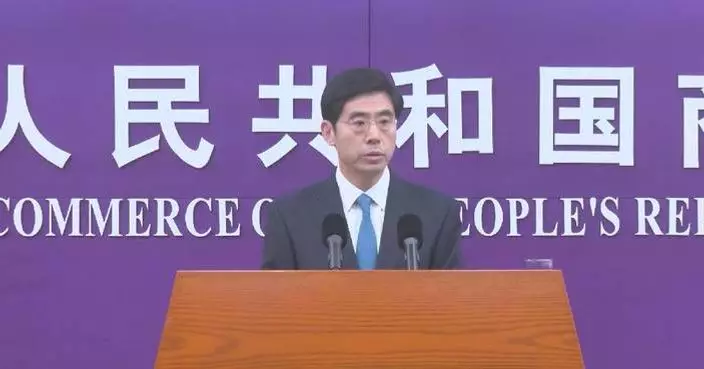
At a press conference in Beijing, officials from the State-owned Assets Supervision and Administration Commission (SASAC) briefed the media on the performance of central state-owned enterprises.
These enterprises also made steady progress in improving quality and efficiency last year, with total profits reaching 2.5 trillion yuan (about 360 billion U.S. dollars), according to official data.
"They also contributed 22 new members to the Chinese Academy of Sciences and the Chinese Academy of Engineering, a historic high. Twenty-three innovation consortiums involved more than 100 new innovation entities in key research projects. A series of breakthroughs were made in frontier fields, further highlighting the role of national strategic scientific and technological forces," said Pang Xiaogang, vice chairman of the commission.
Central state-owned enterprises employ about 1.44 million researchers, accounting for around one-fifth of China's total, and they have a total of 238 academicians, or about 13 percent of the national total, according to official data.
These enterprises have established 474 national-level research and development platforms, regrouped 91 national key laboratories, and led the construction of 10 national technology innovation centers.
The commission said state-owned enterprises are also stepping up collaboration with universities and research institutions, with eight restructured research bodies piloting industry-wide common technology research centers.
Efforts have been made to accelerate the commercialization of research outcomes, with the localization rate of the first batch of projects rising to 79 percent from 51 percent, while 134 pilot testing platforms have opened 291 specialized services.
Central state-owned enterprises have led or taken part in all the 22 major national science and technology programs, and have achieved 121 technological breakthroughs in which the country now holds a leading position.
Central SOEs' R&D spending tops 1 trln yuan again

As the Chinese New Year approaches, cities across China are bustling with festive markets, cultural fairs, and traditional activities, blending heritage with contemporary celebrations to welcome the Year of the Horse.
The Chinese New Year, or the Spring Festival, falls on Feb. 17 this year, and marks the beginning of the Year of the Horse.
In Guangzhou, south China's Guangdong Province, a cultural market featuring intangible cultural heritage items from across the country has opened, attracting over 60 master artisans. Visitors can explore local foods, traditional attire, and creative cultural products, immersing themselves in the lively pre-festival atmosphere.
"I could feel the strong Spring Festival vibe as soon as I entered. I got a 'fu' character (meaning blessing or good fortune) poster to take home and hang on my door for good luck. It's very auspicious," said You Zelin, a visitor.
Chaozhou City in Guangdong has also launched a themed event series, "City of Intangible Cultural Heritage in Daily Life," combining heritage exhibitions, hands-on activities, and cultural tourism to immerse visitors in the city's historical atmosphere.
Meanwhile, in Dali City of southwest China's Yunnan Province, a New Year market along the Erhai Lake ecological corridor is bustling with locals and tourists shopping for regional specialties, from agricultural products to Bai ethnic tie-dye items, roasted tea, and hand-brewed coffee.
"You can find everything here, and it's really lively. With Spring Festival around the corner, we came to pick up some holiday supplies," said a customer surnamed Zhu.
In Tianjin, a special "Children's Temple Fair" is allowing young participants to engage with traditional customs through hands-on activities like making velvet flowers, painting, and tasting local snacks, all designed to foster a deeper connection with cultural heritage.
Shanghai's Yuyuan Garden Lantern Festival is now lit, with displays running through the Lantern Festival on March 3. The festival has expanded beyond its traditional grounds to include six blocks stretching toward the Bund. This event features stunning lantern displays inspired by Tang dynasty horses and integrated with digital technology, offering a seamless blend of traditional craftsmanship and modern artistry.
From cultural markets and lakeside bazaars to children's fairs and radiant lantern shows, these diverse celebrations reflect the vibrant and evolving ways in which communities nationwide are ushering in the Chinese New Year.
Traditional crafts, lanterns light up Chinese New Year festivities nationwide