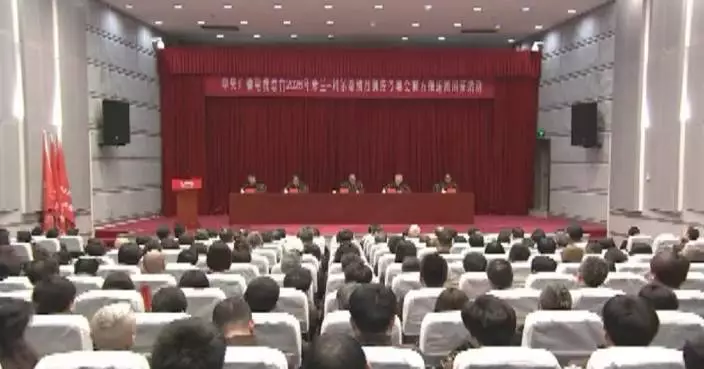
China's drive to advance high-quality Belt and Road cooperation has delivered significant results, with major gains highlighted in a new report from the Advisory Council of the Belt and Road Forum for International Cooperation on Tuesday.
The report indicates that to date, China has signed Belt and Road cooperation documents with over 150 countries and more than 30 international organizations. Belt and Road connectivity projects are advancing steadily, with total investment exceeding one trillion U.S. dollars for over 4,000 projects.
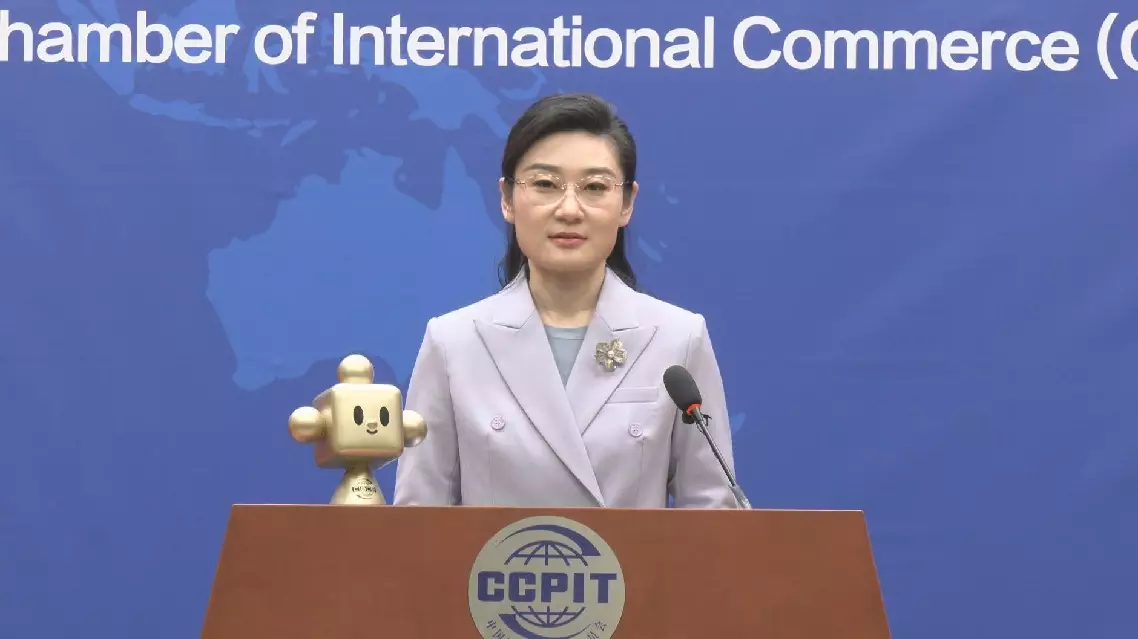
"The Belt and Road Initiative (BRI) has maximized China's cooperation with Global South countries. AS is known to all, infrastructure development remains the most critical need across the Global South. Through the BRI, we have helped Global South countries achieve infrastructure development, promoted the transformation of their resource-based economy, and advanced sustainable economic development. We have achieved a high degree of alignment and coordination with the development aspirations of the Global South. This has also driven the diversification of China's development cooperation options, thereby tangibly enhancing the resilience of China's economic development," said Professor Song Wei from the School of International Relations and Diplomacy, Beijing Foreign Studies University.
Participating countries of the BRI have enjoyed closer trade ties and deepened development cooperation, effectively boosting global trade, according to the report.
Data released by China's General Administration of Customs shows that in 2025, China's imports and exports with Belt and Road partner countries reached 23.6 trillion yuan, marking a 6.3 percent increase - 2.5 percentage points higher than the overall growth rate of China's foreign trade. In terms of share, the proportion of Belt and Road partners in China's total foreign trade, which surpassed 50 percent in 2024, further increased to 51.9 percent in 2025.
"In terms of total volume, China's trade volume with BRI partner countries actually accounts for more than half of China's overall trade. China is also the largest trading partner for many of these countries. In terms of trade structure, the growth rate of trade in key components, complete sets of equipment, and intermediate products has already surpassed that of end-consumer goods," said Song.
The report asserts that innovative forces such as the digital economy, artificial intelligence (AI), and green technology are profoundly reshaping the global trade landscape. Within the BRI framework, a multilateral dialogue and cooperation platform for digital and AI should be established to accelerate the development of the Digital Silk Road.
"AI is an emerging field where its rules are still in the process of being established. Under the Belt and Road framework, it is necessary to promote cooperation in shaping specific rules and setting relevant agendas. For instance, in areas such as personal privacy and data security, there is an urgent need to lay a solid foundation for rule-making through collaboration and practical implementation. Through cooperation, we can contribute more public goods in AI governance and ensure that rules are fairer and more equitable," said Song.

Report highlights deeper trade ties in China's Belt and Road push

Report highlights deeper trade ties in China's Belt and Road push