The global economic and trade environment remains challenging, according to the latest Global Economic and Trade Friction Index the China Council for the Promotion of International Trade (CCPIT) released on Wednesday.
Economic headwinds remained strong, according to November's index, which stands at a high level of 101. The amount of money involved in global trade friction measures grew 7.2 percent year-on-year, but down 2 percent from the previous month.
CCPIT's Global Economic and Trade Friction Index tracks trade remedy measures, import and export control measures, tariff measures, and other restrictive measures of 20 major economies.
From the country or region-specific indices the European Union (EU), the United States and the Republic of Korea ranked as the top three contributors to global trade frictions.
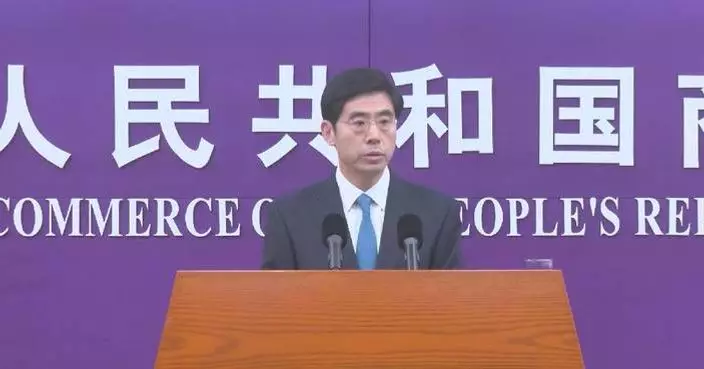
"In that month, the EU initiated multiple anti-subsidy and anti-dumping investigations, replacing the United States, which had held the top position for 16 consecutive months, in terms of the total value of global trade friction measures," said Wang Wenshuai, a spokeswoman for the CCPIT, at a press conference.
Among the 13 major industries CCPIT monitors for the index, trade friction measures were concentrated in electronics, pharmaceutical, and chemical industries, with the electronics industry ranking highest in the index.
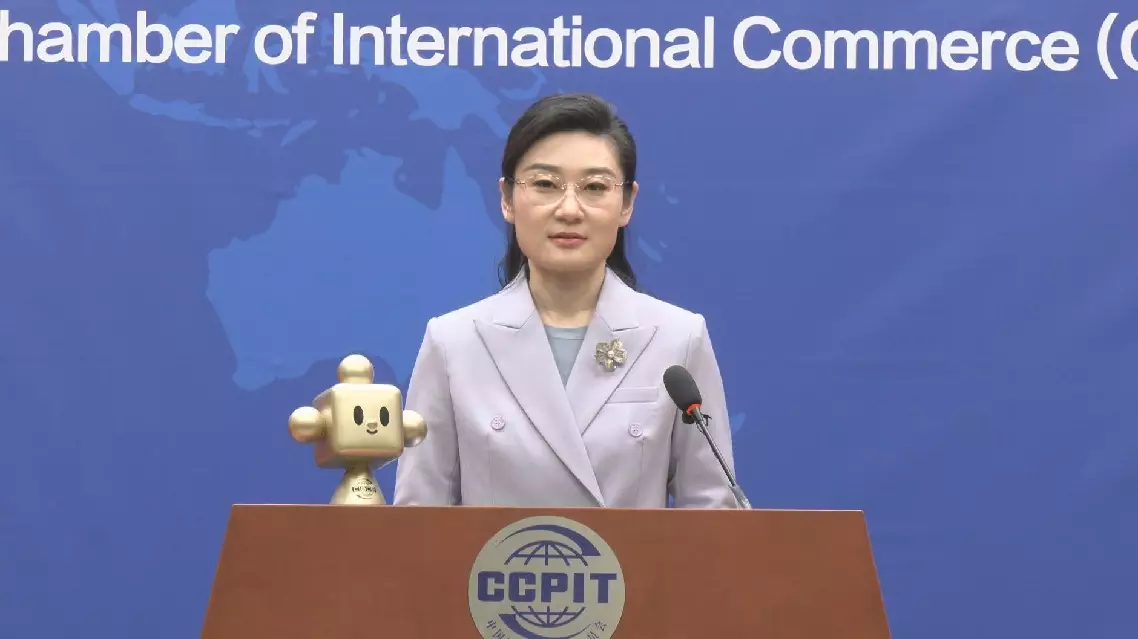
China's Global Trade Friction Index remains high in Nov
More than 20 films will hit Chinese screens during the three-day Qingming Festival holiday from Saturday to Monday, spanning genres from revolutionary historical dramas, realism movies to suspense thrillers, according to the China Film Administration on Thursday.
Revolutionary historical films such as Blood-Spattered Cliff, Eight Sons, Eight Soldiers, and Half Of The Quilt, will pay tribute to martyrs through the lens.
Three films -- It's OK, Now I Met Her, and Sunshine Women's Choir -- tell moving stories of love, growth, and reconciliation.
It's OK is a contemporary family comedy that follows a mother and daughter navigating their joyful yet turbulent relationship. Now I Met Her tells a rebellious teenager who gets to know his late mother through her old diary. Sunshine Women's Choir, a film from the Taiwan region of China, portrays the "perfect" maternal love of "imperfect mothers."
The suspense film Game of Identity tells the story of two people from different backgrounds who accidentally swap lives, setting off an unexpected adventure. The documentary films Seeking Nature: The Code of Life, and Missions to the Moon (Part One) explore the connection between humanity and science.
Imported films from different countries, including The Super Mario Bros. Movie 2, Project Hail Mary, and Hoppers, will deliver spectacular cinematic experiences to audiences.
The Qingming Festival, or Tomb-Sweeping Day, falls on April 5 this year. It is a traditional Chinese festival for honoring the deceased and paying tribute to ancestors. The holiday also provides a short break for Chinese citizens as they engage in outdoor activities and sightseeing.
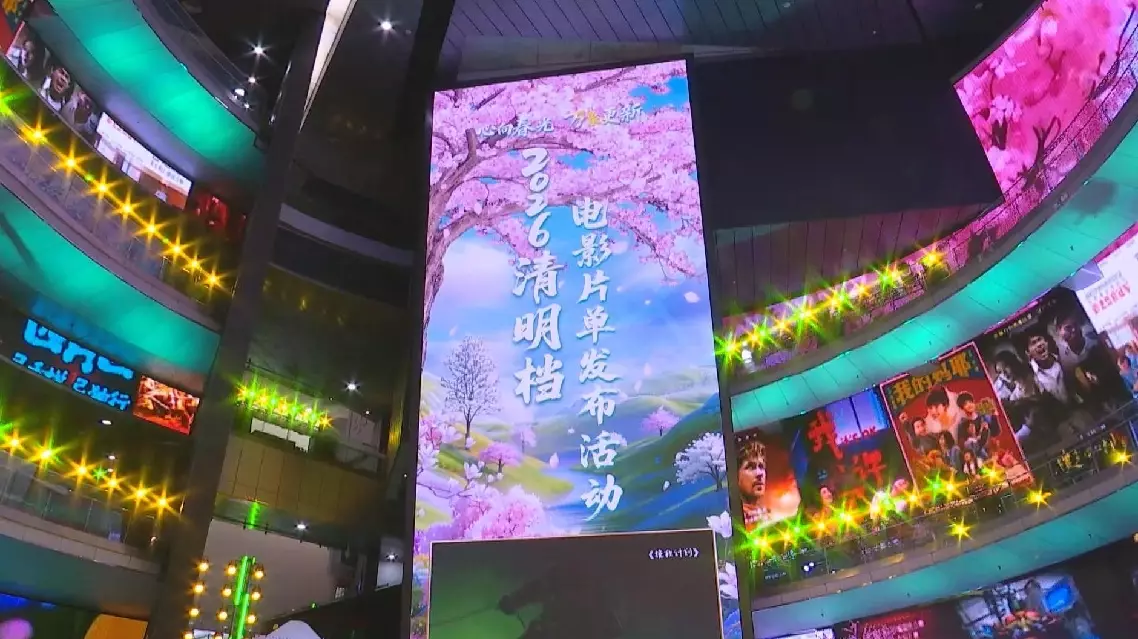
Over 20 films expected to hit Chinese screens during Qingming Festival Holiday