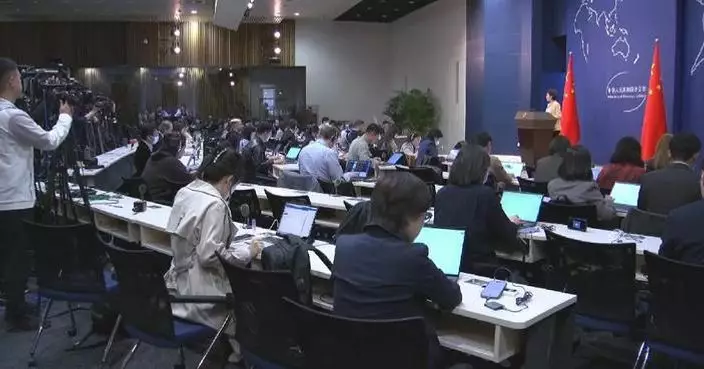
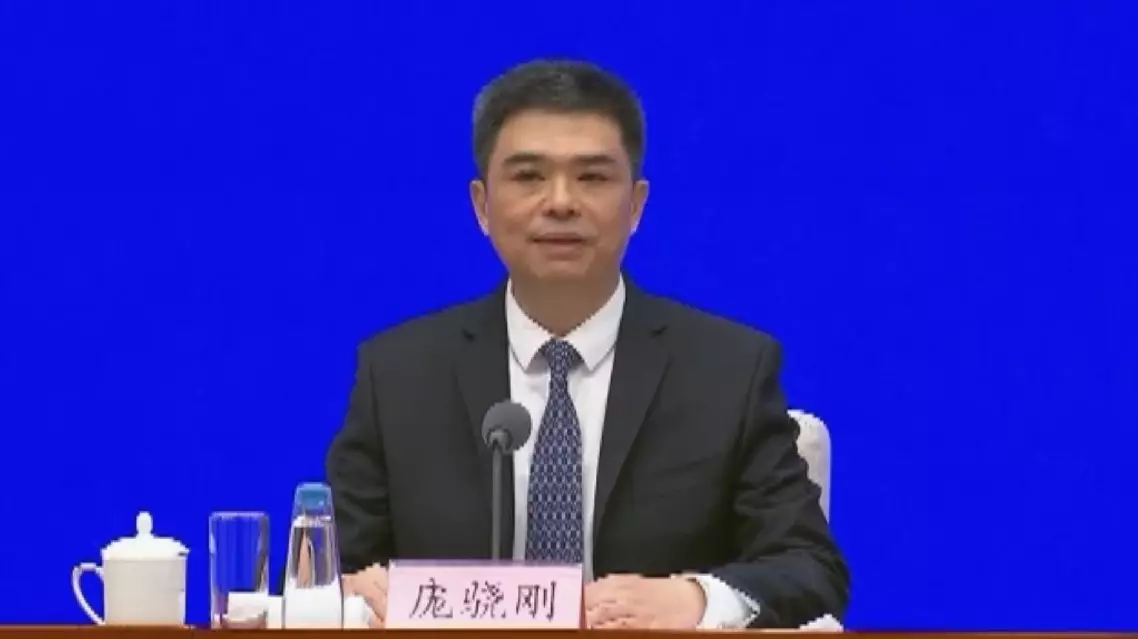
China's centrally administered state-owned enterprises (SOEs) have posted a combined total profit of 2.5 trillion yuan (about 360 billion U.S. dollars) in 2025, official data showed on Wednesday. By the end of 2025, the centrally administered SOEs' total assets have exceeded 95 trillion yuan (about 13.66 trillion U.S. dollars), while total profits have reached 2.5 trillion yuan. The investment by the central SOEs in fixed assets totaled 5.1 trillion yuan. The central SOEs have contributed more than 2.5 trillion yuan in taxes and fees during this period, effectively driving the interconnected development of both upstream and downstream businesses of the country's industrial chains, data from the state assets regulator showed. "In 2025, China's state-owned enterprises (SOEs) directly administered by the central government invested 1.1 trillion yuan (about 157.69 billion U.S. dollars) in research and development (R&D) . The R&D spending has remained above 1 trillion yuan for four consecutive years. Twenty-two new academicians were elected to the Chinese Academy of Sciences (CAS) and the Chinese Academy of Engineering (CAE), a record high in history. A total of 23 innovation consortia incorporated more than 100 new innovation entities to tackle key challenges, achieving a series of breakthroughs in frontier fields and further highlighting the pivotal role of national strategic scientific and technological capabilities," said Pang Xiaogang, deputy head of the State-owned Assets Supervision and Administration Commission of the State Council.
China's central SOEs have played an important role in advancing key technologies, fostering strategic emerging industries, and developing new quality productive forces.
In 2025, the central SOEs invested 2.5 trillion yuan in strategic emerging industries, accounting for 41.8 percent of their total investment, which has boosted the growth across upstream and downstream enterprises of the country's industrial chains, providing strong support for China's overall economic and social development.
China's central SOEs achieve 2.5 tln yuan of total profits in 2025
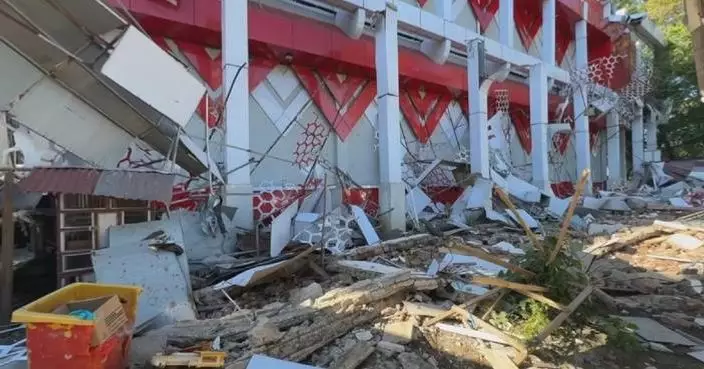
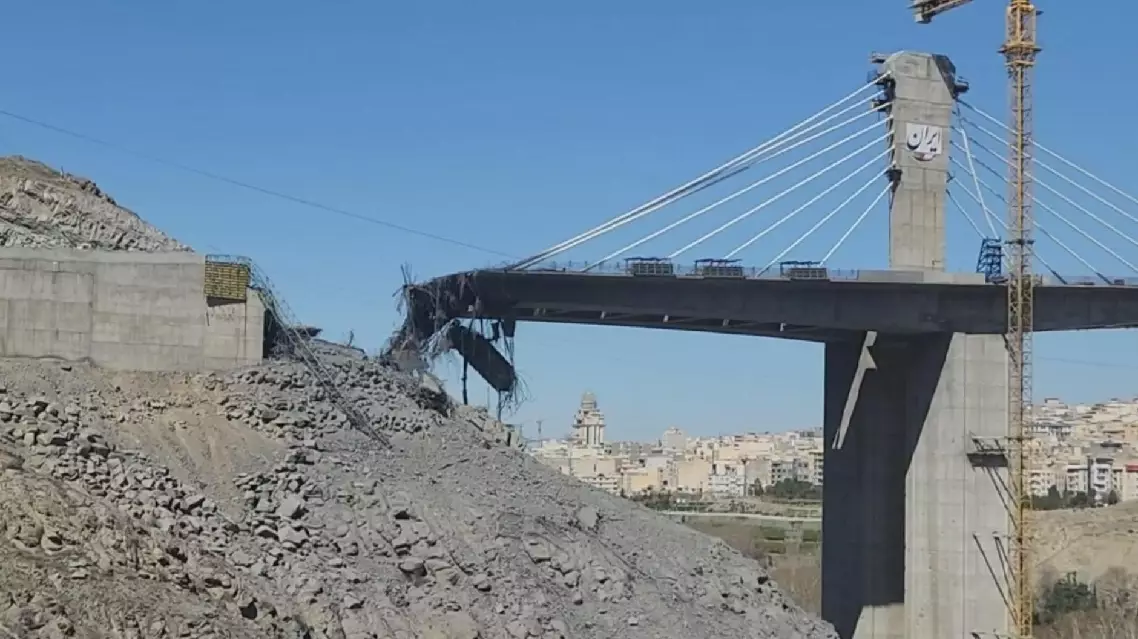
At least eight civilians were killed and 95 others wounded in U.S. and Israeli attacks on a bridge in Iran's northern Alborz province on Thursday, the official news agency IRNA reported.
According to the report, the B1 bridge, located in the provincial capital Karaj, is one of the highest bridges in the Middle East and among the most complicated projects in Iran. It was targeted twice with missiles on Thursday.
IRNA cited Qodratollah Seif, the province's deputy governor for political, security and social affairs, as saying that among those killed and injured were inhabitants of Bileqan village, passengers and the families who had gathered in the nearby areas for the Nature Day, a traditional Iranian holiday marking the end of the Nowruz holidays.
He added that there were no military activities in the areas surrounding the bridge, stressing that the structure was under construction and scheduled to be inaugurated in the coming days.
Seif said those injured in the strikes were immediately transferred to nearby medical centers, and some of them were hospitalized.
U.S. President Donald Trump posted a video on the social media Truth Social, showing smoke rising from the B1 bridge in Karaj, hours after threatening to bomb the country "back to the Stone Ages," warning of further destruction unless Iran comes to the table to end the five-week war.
Trump delivered a speech earlier on Wednesday in which he argued that the war launched by the United States and Israel was almost over -- even as he threatened to bomb Iran "extremely hard" if it did not bow to his demands.
Condemning the attacks in a post on X, Iran's Foreign Minister Seyed Abbas Araghchi said, "Striking civilian structures, including unfinished bridges, will not compel Iranians to surrender."
He added, "It only conveys the defeat and moral collapse of an enemy in disarray. Every bridge and building will be built back stronger. What will never recover: damage to America's standing."
On Feb 28, Israel and the United States launched joint attacks on Tehran and several other Iranian cities, killing Iran's then Supreme Leader Ali Khamenei, along with senior military commanders and civilians. Iran responded with waves of missile and drone strikes targeting Israel and U.S. assets in the Middle East.
8 killed, 95 wounded in US-Israeli attacks on Iran bridge