Honduras is receiving tens of thousands of migrants deported from the United States, many of whom had built their lives there over many years. In 2025, after five years living undocumented in the U.S., Jonny Vianney was arrested by U.S. immigration agents in North Carolina. He was placed in a detention center, where he spent more than three months awaiting deportation back to Honduras.
"I was put in a cell with 120 other people. It was terrifying, because you don't know what's waiting for you inside," said the Honduran deportee.
He may be back in his hometown, but his two U.S.-born children remain in America, and as he re-adapts to life in one of Latin America's most impoverished countries, providing for them from afar is almost impossible.
"There, I could earn 4,000 dollars a month, but here minimum wage is around 400 dollars. That's only just about enough to eat," he said.
Over 43,000 Hondurans were forcibly returned in 2025, a similar number as previous years - yet with one crucial difference. The changing profile of deportees, including individuals like Vianney, has turned social reintegration into a significant challenge.
"It's hard. You feel like you never move forward, like you're stuck. That's why I emigrated in the first place. Everyone wants to progress, to give their children something better," he said.
However, the Honduran government believes there is an opportunity within this new influx of human resources.
"Honduras lacks workers, because so many migrated to the United States. But as they return through deportation, we can create programs for these sectors and value a workforce that brings the experience to develop this country," said Wilson Paz, director of the National Institute of Migration of Honduras.
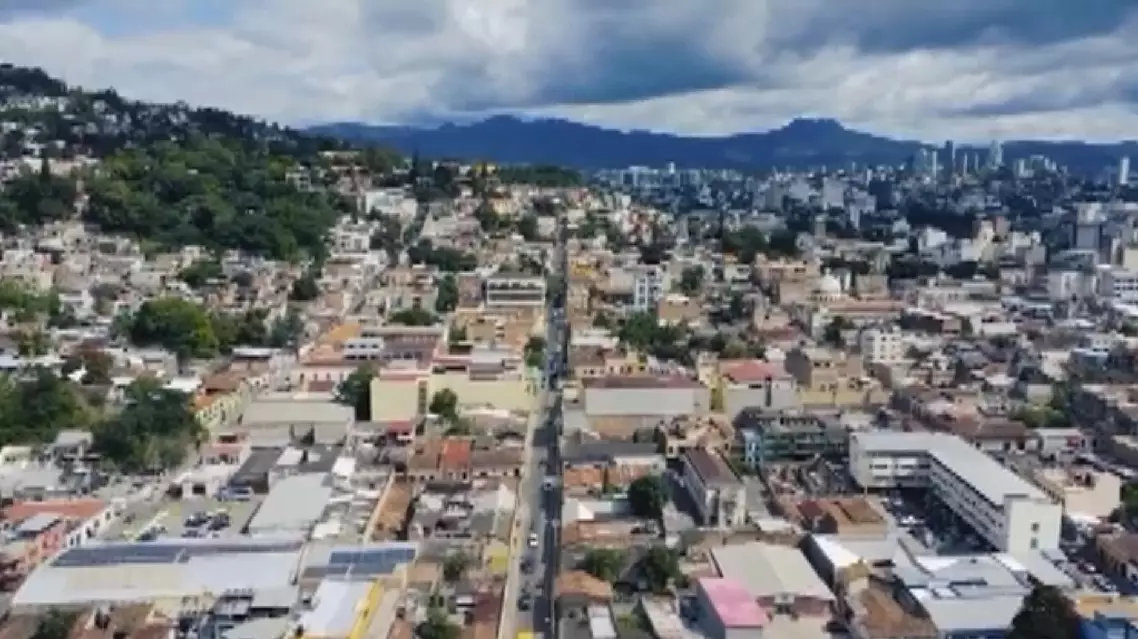
Honduras receives tens of thousands of migrants deported from USA