WASHINGTON (AP) — Elizabeth Kautz says she now carries her passport around the Minneapolis suburb where she's been the mayor since 1995.
“Those ICE agents don't know that I'm the mayor of the city of Burnsville,” Kautz, a Republican who has occasionally diverted from the Trump administration's views, said Wednesday as the United States Conference of Mayors opened its meeting in Washington. “I could be coming out of a store and be harassed so I need to make sure that I have credentials on me.”
Her comments reflected a sense of frustration and exasperation hanging over the gathering of mayors, which would typically be a venue for leaders to strategize over issues ranging from affordable housing and transit to climate change and addressing urban violence.
But much of that was overshadowed by the fallout from the killing of Alex Jeffrey Pretti by two federal agents in Minneapolis on Saturday, reigniting a national debate over the Trump administration's aggressive law enforcement tactics, which have often focused on cities.
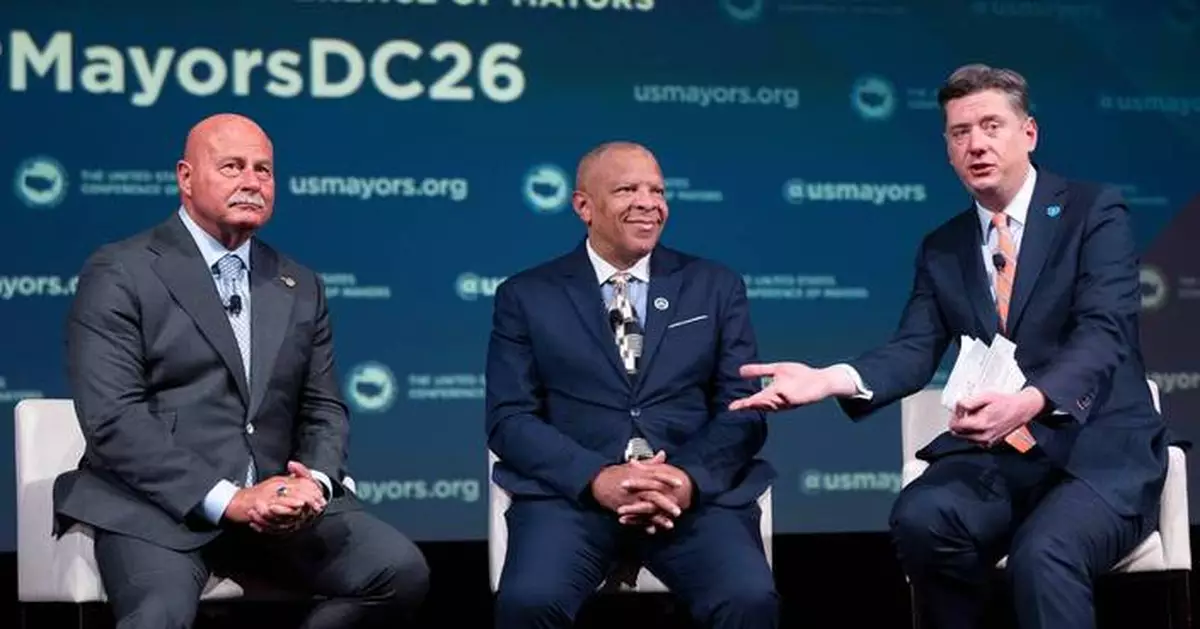
“There has been no more urgent challenge facing all Americans these past few weeks than the chaos in Minnesota stemming from an unprecedented surge in immigration enforcement,” said Oklahoma City Mayor David Holt, a Republican who is the conference's president this year.
Multiple mayors said they appreciated President Donald Trump's nod this week toward deescalating the federal government's operation in Minnesota, adding that they agreed with the administration's goal of deporting undocumented immigrants who have committed crimes.
But they also described a dynamic in which they're facing pressure from constituents to evict federal agents from their cities — something they can't do — while struggling to align with federal counterparts.
The surge has had a notable impact even in cities that haven't faced the brunt of the federal government's pressure like Minneapolis.
“When trust is lost in how laws are being enforced in one city, we feel the risks to our police officers and to our residents in all cities,” said Leirion Gaylor Baird, the Democratic mayor of Lincoln, Nebraska.
Asked about the mayors' concerns, Department of Homeland Security spokeswoman Tricia McLaughlin responded: “Have they seen the plummeting murder rates? It’s not a coincidence when you remove tens of thousands of gang members, murderers and known and suspected terrorists from the country who were here illegally.”
Holt said the White House hasn't invited the mayors for a meeting while they're in town this week. Trump has repeatedly put the onus on local officials to cooperate with federal law enforcement, saying Wednesday on social media that Minneapolis Mayor Jacob Frey was “PLAYING WITH FIRE” for saying his city won't enforce federal immigration laws.
Jerry Dyer was the police chief in Fresno, California, for 18 years before he was elected mayor in 2020 as a Republican. He said he wasn't in Washington to “bash” ICE or the administration and expressed appreciation for Trump's work to secure the U.S.-Mexico border.
But he criticized the way federal immigration enforcement has been implemented and said ICE was “being rejected” by communities across the U.S. In the process, he warned, trust in law enforcement is in peril.
“In order to gain that trust, we have to police neighborhoods with their permission,” he said. “We cannot be seen as an occupying force when we go into these neighborhoods.”
Jim Hovland, the nonpartisan mayor of Edina, Minnesota, a suburb just south of Minneapolis, described “external forces” that are tearing “at the very fabric of our communities that we're responsible for shepherding.”
“It's really hard to figure out how to deal with it,” he said.
This story has been updated to correct the spelling of Fresno Mayor Jerry Dyer’s last name.
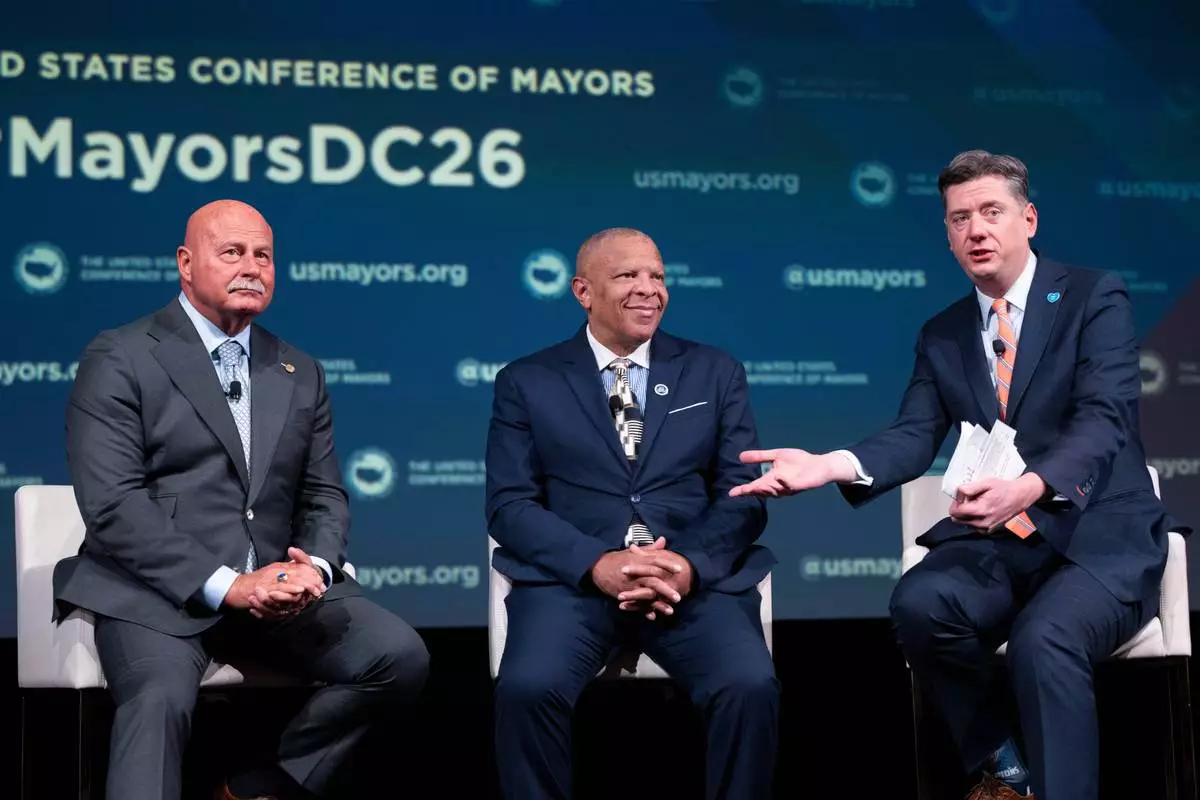
Oklahoma City Mayor David Holt, right, speaks during a panel discussion with Fresno, Calif. Mayor Jerry Dyer, left, and Omaha, Neb. Mayor John Ewing, Jr. during the 94th Winter Meeting of the U.S. Conference of Mayors, Wednesday, Jan. 28, 2026 in Washington. (AP Photo/Kevin Wolf)
Iran fired missiles at Israel and some Gulf nations while explosions could be heard around Tehran and the central Iranian city of Isfahan on Friday, as the United States prepared to further reinforce its already significant military forces in the Middle East.
As the war that began Feb. 28 was to enter its sixth week, Israel, Bahrain, Kuwait warned about incoming missile fire, although it was unclear if anything was struck. Activists reported strikes around Tehran and the central city of Isfahan but it wasn’t immediately clear what was hit.
Iran’s attacks on Gulf region energy infrastructure and its tight grip on the Strait of Hormuz, through which a fifth of the world’s oil and natural gas transits in peacetime, has sent oil prices skyrocketing.
Oil prices surged while Asian financial markets rose moderately during cautious trading. Benchmark U.S. crude rose 11.4% to $111.54 a barrel. The price of Brent crude, the international standard, jumped 7.8% to $109.03 per barrel.
U.S. President Donald Trump said U.S. forces will keep hitting Iran “very hard” in the next two or three weeks.
The largest American aircraft carrier in service sailed out of Split, in Croatia and “remains poised for full mission tasking in support of national objectives in any area of operation,” the Navy’s 6th Fleet announced.
It was unclear where it was going. The USS Abraham Lincoln remains in the Arabian Sea and the USS George H. W. Bush aircraft carrier departed Norfolk on Wednesday to head to the Mideast.
Here is the latest:
Oil prices continued to surge on worries of a prolonged Iran war but the Asian markets that were open Friday rose moderately in cautious trading, while others were closed for the Good Friday holidays.
Benchmark U.S. crude rose 11.4% to $111.54 a barrel. The price of Brent crude, the international standard, jumped 7.8% to $109.03 per barrel.
The U.S. only relies on the Persian Gulf for a fraction of the oil it imports, but oil is a commodity and prices are set in a global market.
The situation is very different in Asia. Japan, for example, relies on access to the Strait of Hormuz for much of the nation’s oil import needs and would need to rely on alternative routes. But some analysts say Japan and oher nations are counting on an agreement with Iran to allow transports.
Japan’s benchmark Nikkei 225 gained 0.9% in Friday morning trading to 52,938.62. South Korea’s Kospi jumped 2.1% to 5,344.41. The Shanghai Composite sank 0.5% to 3,899.57. Trading was closed in Hong Kong, Singapore, Australia, New Zealand, the Philippines, Indonesia and India.
Wall Street, where trading is closed Friday, finished its first winning week since the start of the Iran war, although trading started out with a decline driven by a surge in oil prices.
Bangladesh is curtailing office hours and enforcing early closure of malls and shops beginning Friday to handle its energy crisis related to the war.
The country’s cabinet ordered 30% spending cuts for fuel and power at government offices, suspended some staff training and stopped purchases of new vehicles, ships and aircraft. Decorative lighting will not be allowed for celebrations.
Bangladesh, a nation of more than 170 million people, is seeking alternative fuel sources and $2.5 billion in external financing for imports, which account for 95% of its fuel.
Australian Energy Minister Chris Bowen on Friday urged motorists getting away for a long weekend during the Easter holiday to fill up in cities because most of the nation’s fuel shortages are in rural areas.
Among 2,400 gas stations in New South Wales, Australia’s most populous state, 182 had run out of diesel by Friday.
In Australia’s second-most populous state, Victoria, 76 gas stations were out of diesel. In the remaining states ranked by the most populous first, Queensland had 75 stations without diesel, Western Australia had 37, South Australia had 28 and in Tasmania there were seven.
“For those Australians planning a road trip this weekend, given our shortages are predominantly in rural and regional Australia, it makes sense to fill up in the city to help the country if you can,” Bowen said in Sydney.
The government, which blamed regional shortages on panic buying and distribution problems, is concentrating on delivering fuel to farmers for planting crops.
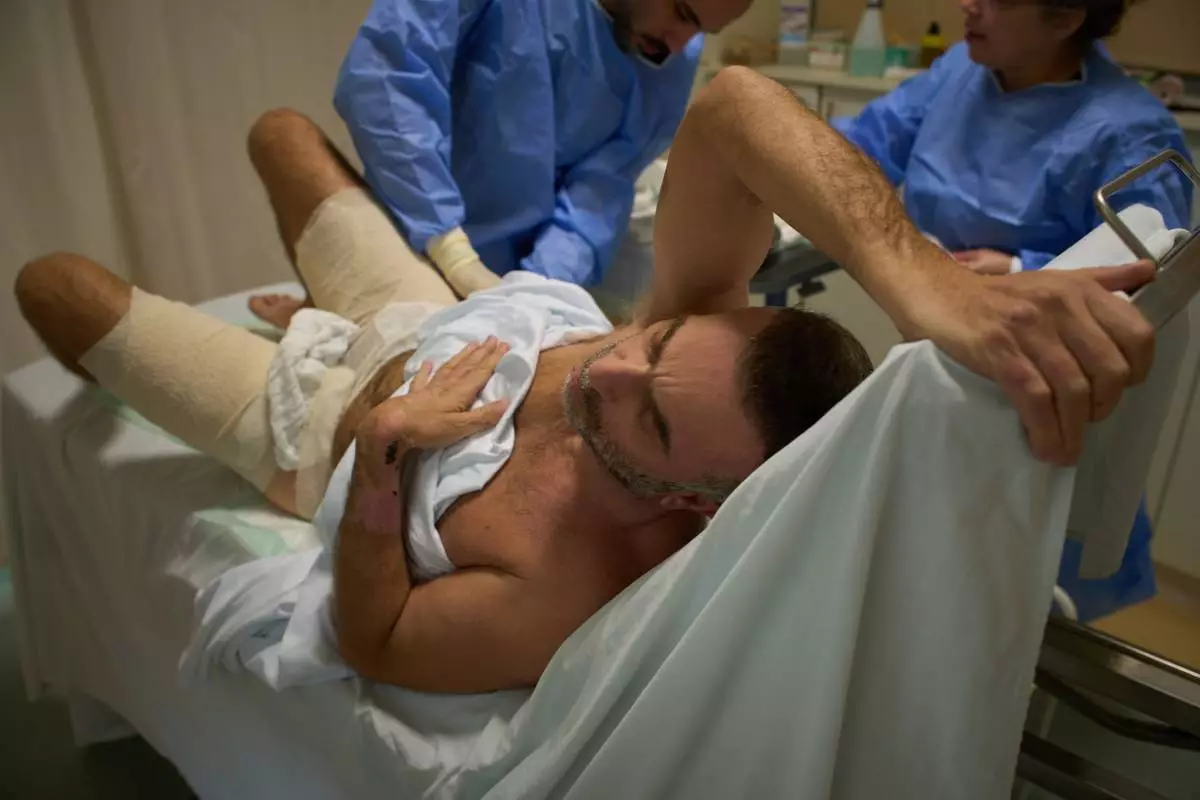
Mohammad Qubaisi, 53, with burn wounds from an Israeli airstrike on southern Lebanon undergoes surgery by Dr. Mohammed Ziara, left, and his team, at the Sidon Government Hospital in Sidon, Lebanon, Thursday, April 2, 2026. (AP Photo/Emilio Morenatti)
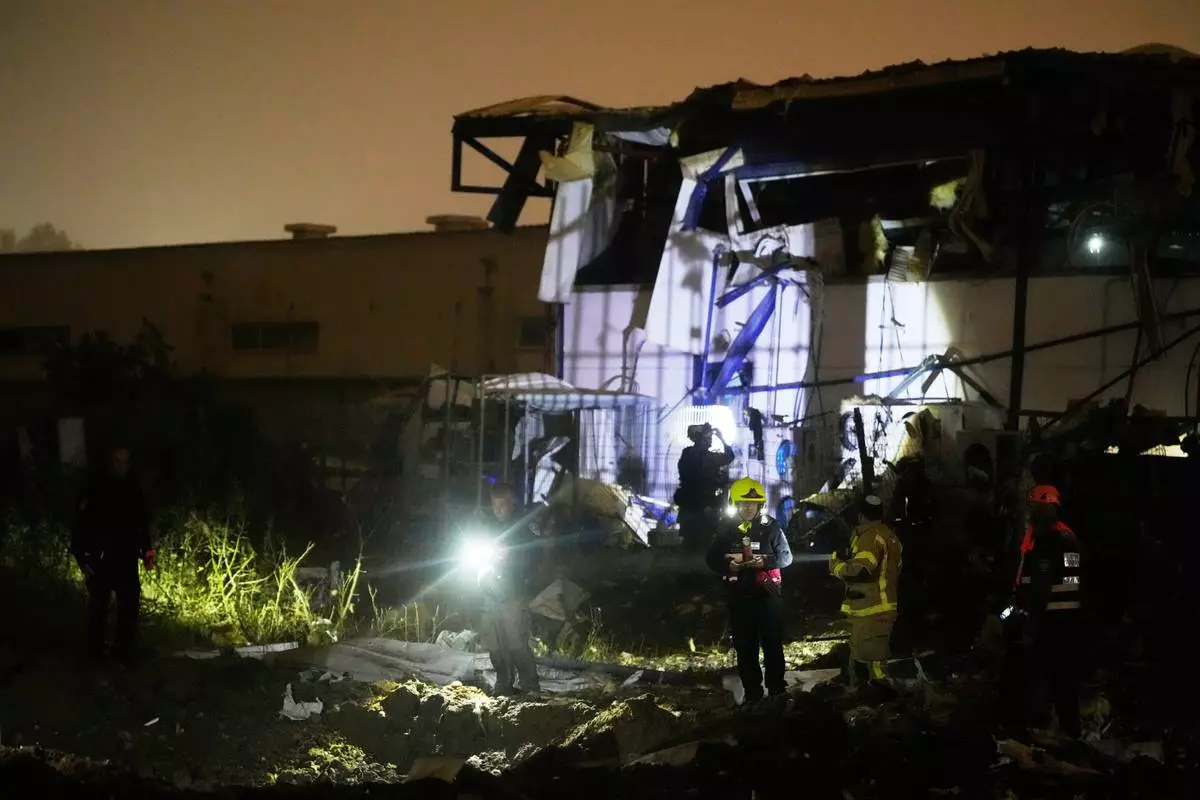
Israeli security forces and rescue teams inspect a site struck by an Iranian missile in Petah Tikva, Israel,Thursday, April 2, 2026. (AP Photo/Ohad Zwigenberg)
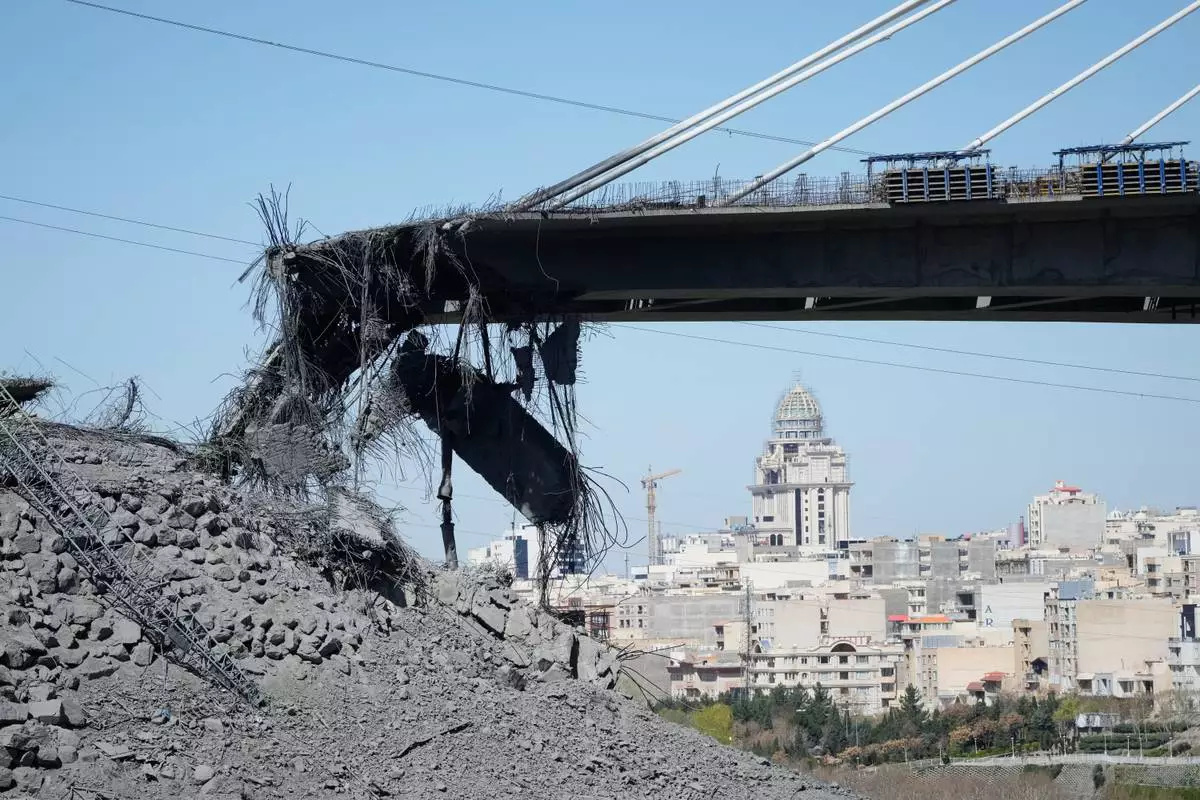
A newly constructed bridge struck by U.S. airstrikes Thursday is seen in Karaj, west of Tehran, Iran, Friday, April 3, 2026. (AP Photo/Vahid Salemi)
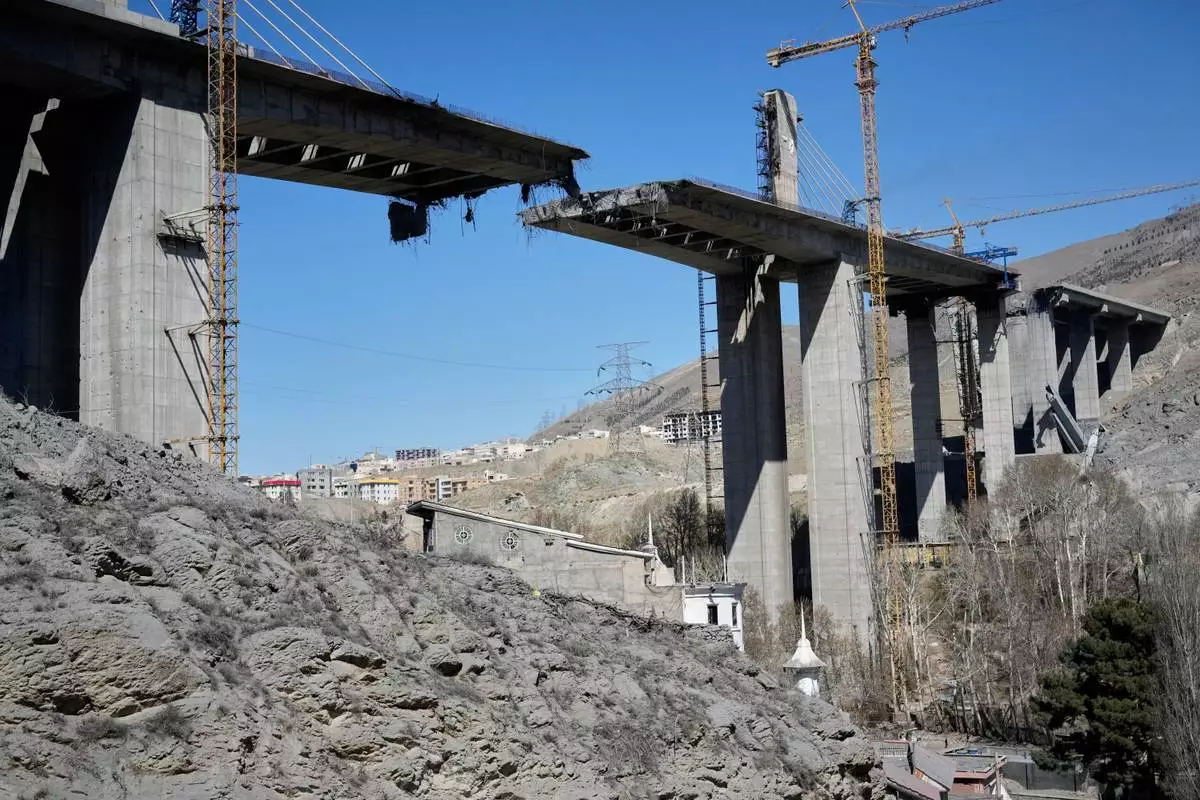
A newly constructed bridge struck by U.S. airstrikes Thursday is seen in Karaj, west of Tehran, Iran, Friday, April 3, 2026. (AP Photo/Vahid Salemi)
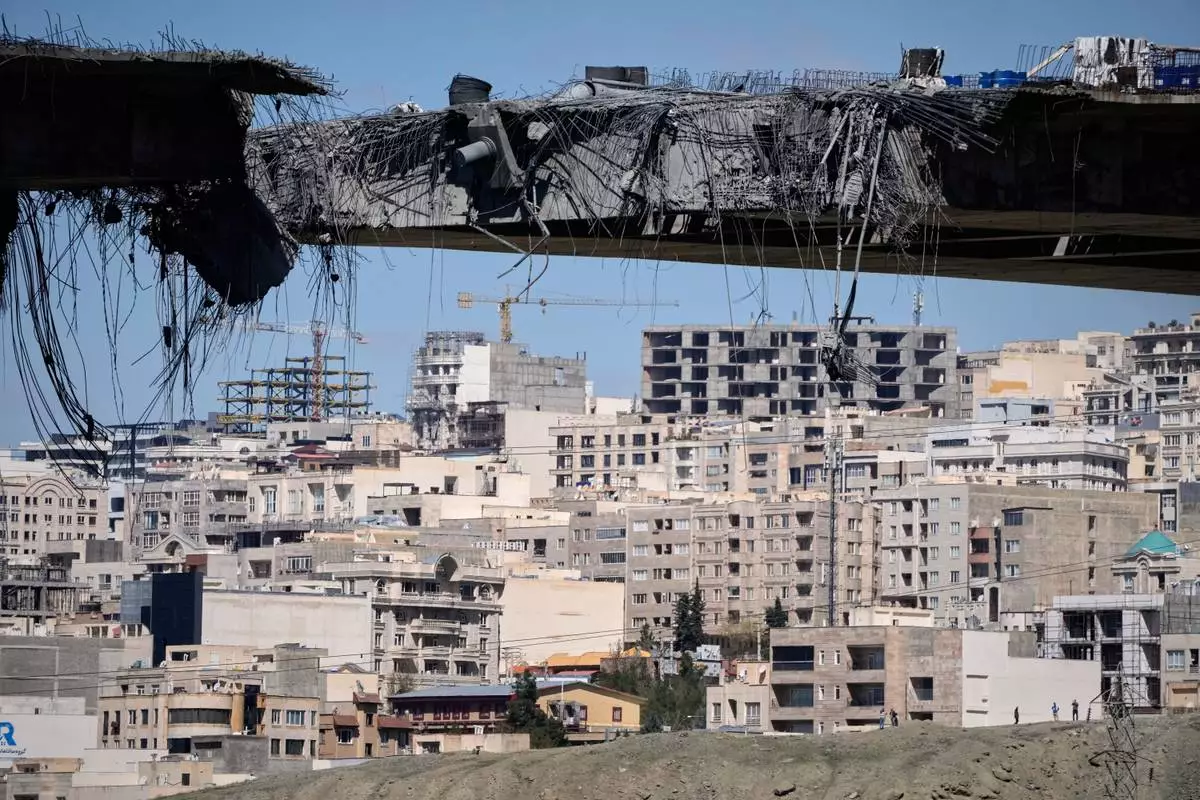
A bridge struck by U.S. airstrikes on Thursday is seen in the town of Karaj, west of Tehran, Iran, Friday, April 3, 2026. (AP Photo/Vahid Salemi)

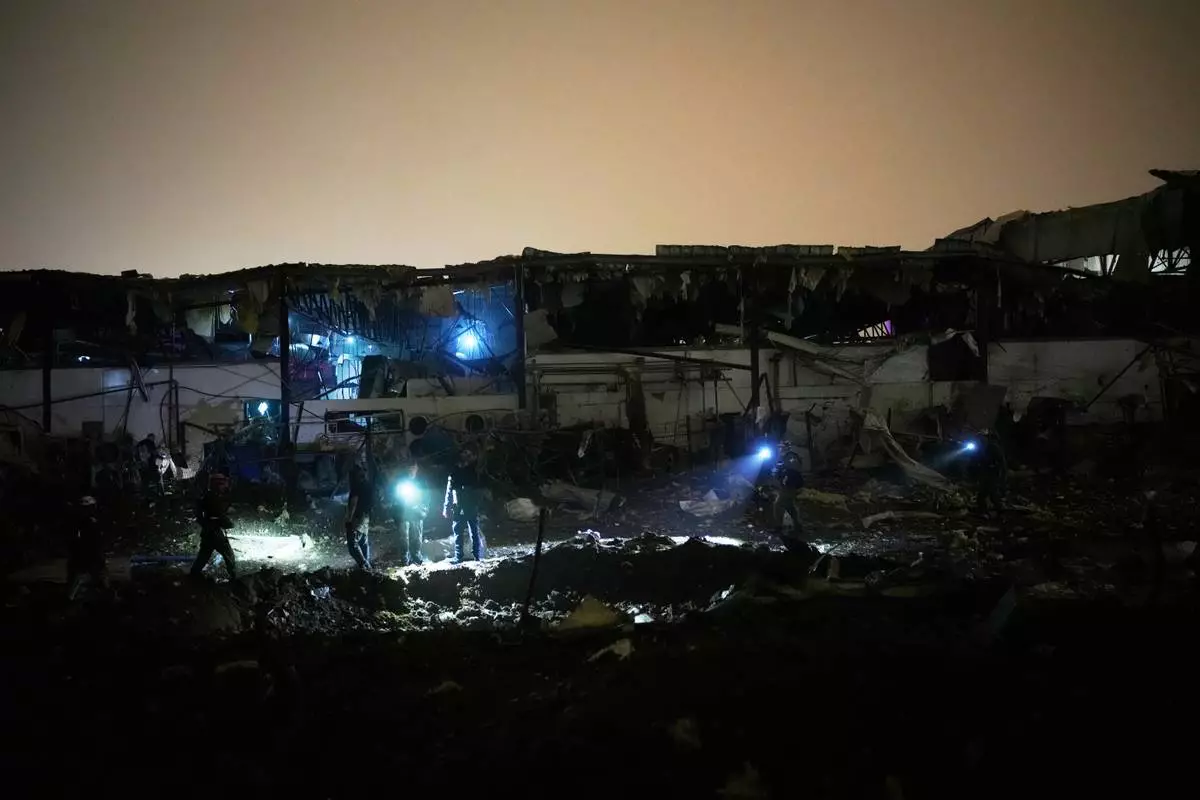
Israeli security forces and rescue teams inspect a site struck by an Iranian missile in Petah Tikva, Israel,Thursday, April 2, 2026. (AP Photo/Ohad Zwigenberg)
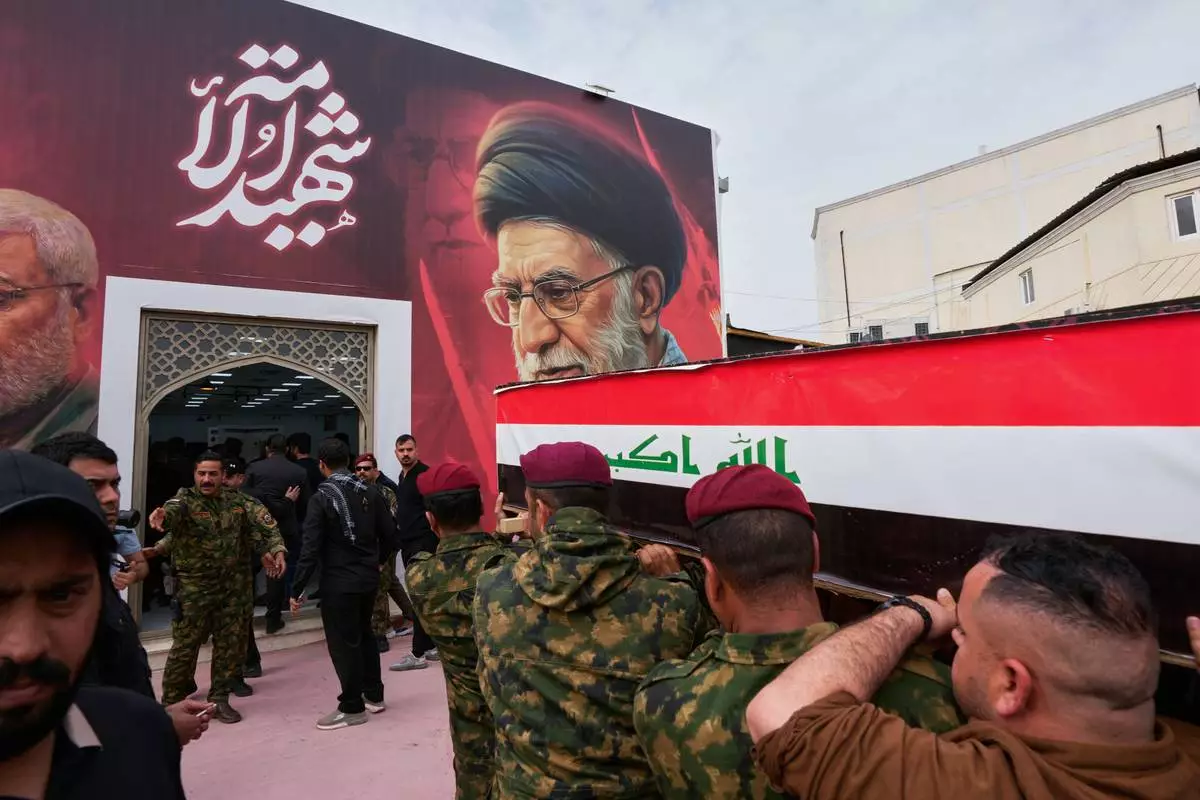
Members from the Popular Mobilization Forces attend a funeral of fighters who were killed in a U.S. airstrike, in Tal Afar, Nineveh province, north of Baghdad, Iraq, Thursday, April 2, 2026. (AP Photo/Hadi Mizban)
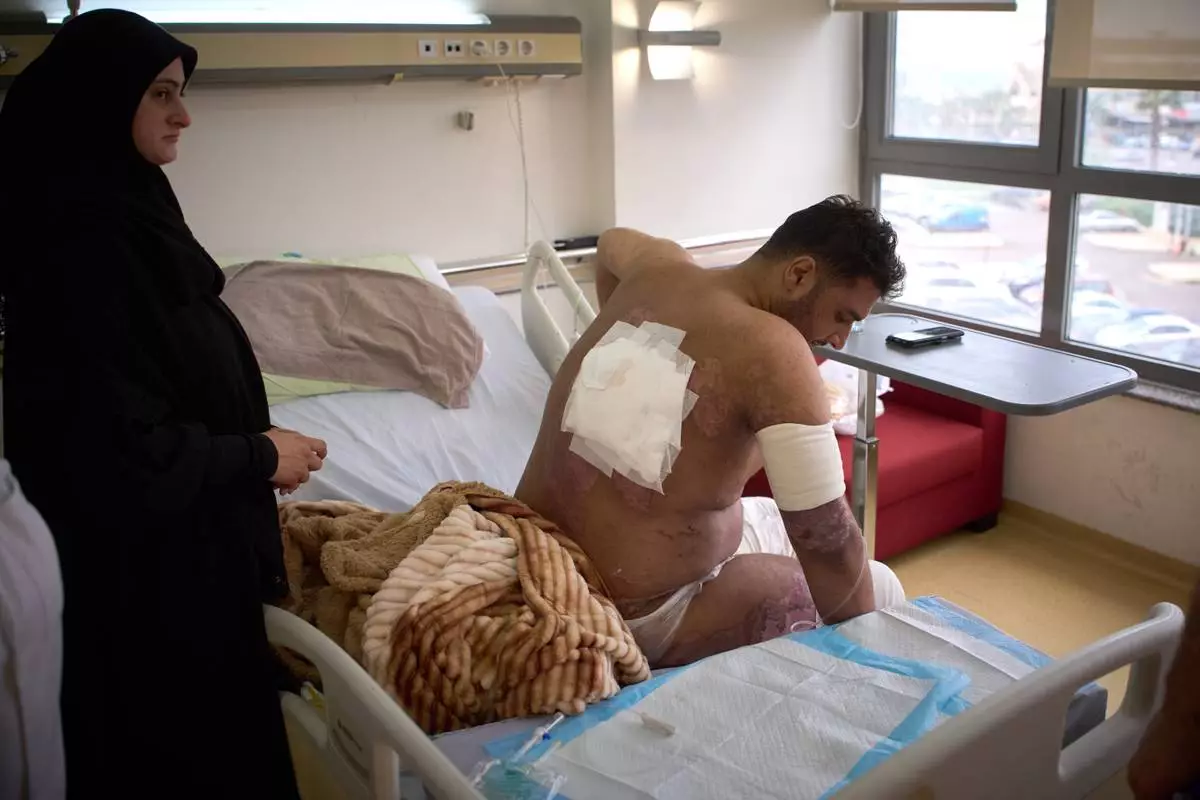
A man with burn wounds from an Israeli airstrike on southern Lebanon sits on a bed at the Sidon Government Hospital in Sidon, Lebanon, Thursday, April 2, 2026. (AP Photo/Emilio Morenatti)
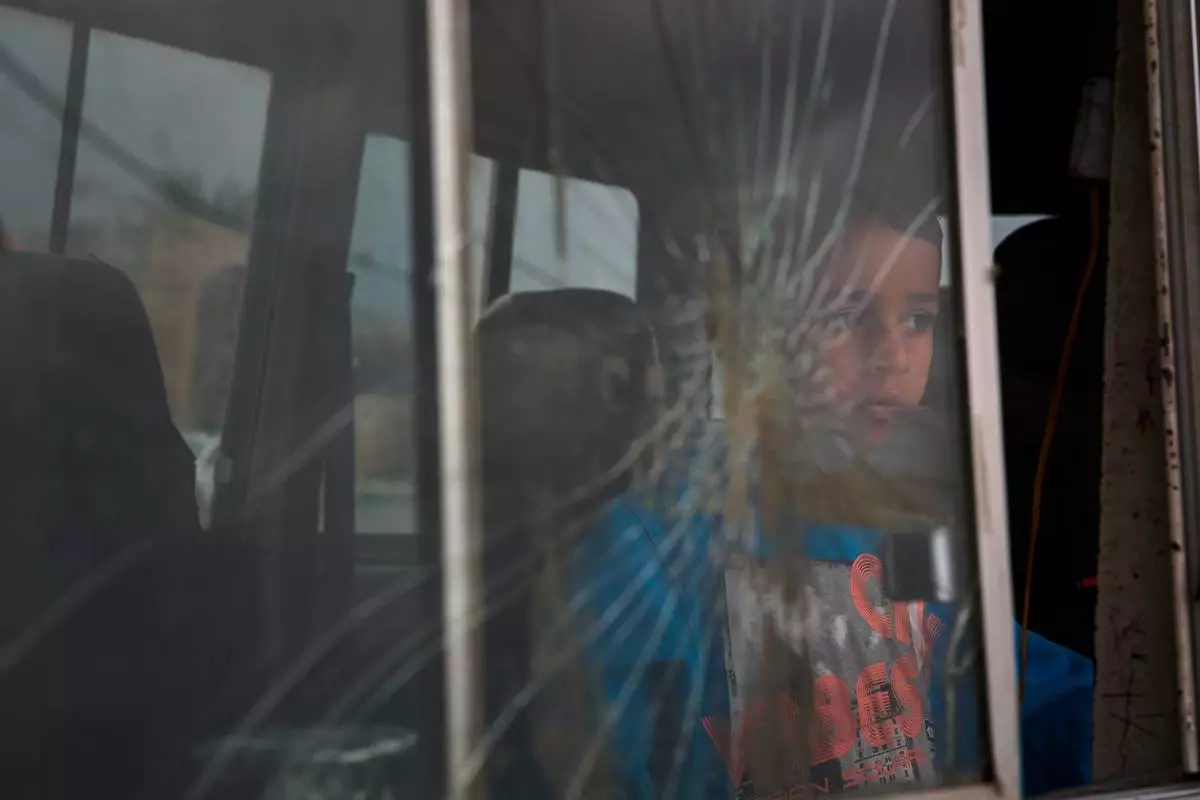
A boy who fled with his family following Israeli strikes in southern Lebanon sits inside the van they are using as shelter in Sidon, Lebanon, Thursday, April 2, 2026. (AP Photo/Emilio Morenatti)
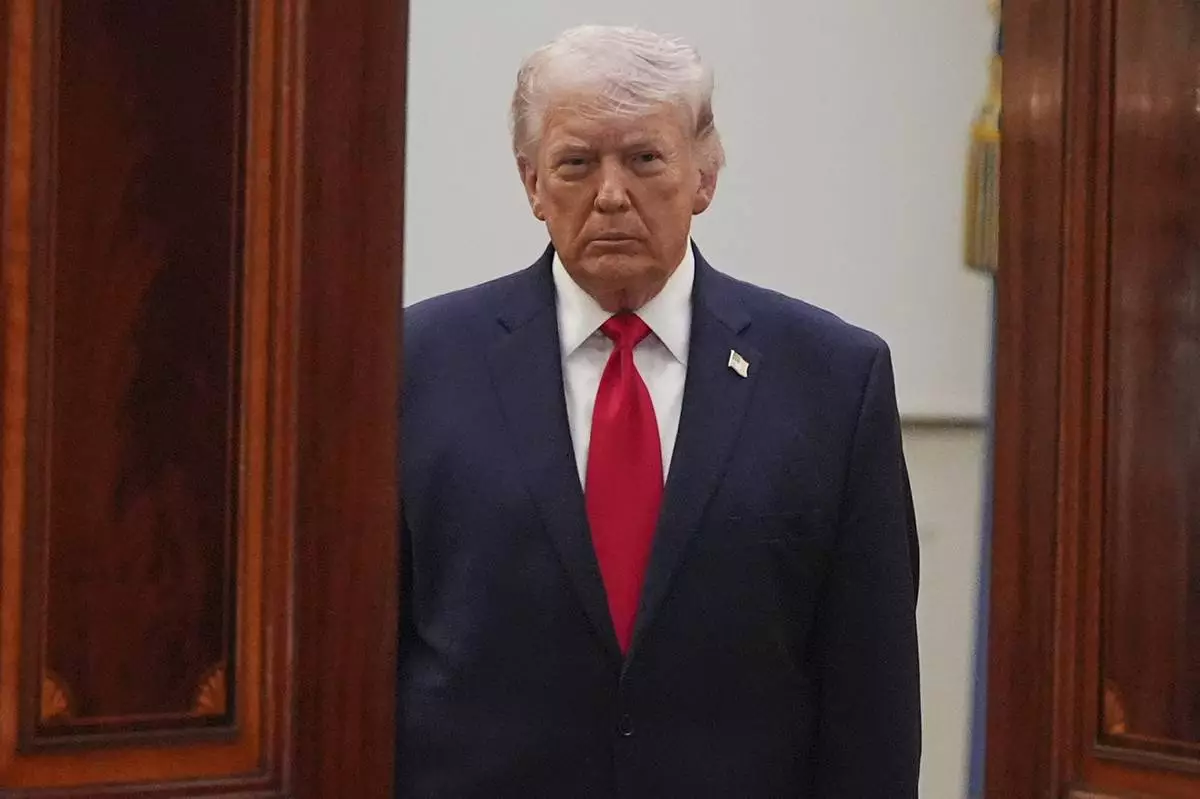
President Donald Trump arrives from the Blue Room to speak about the Iran war from the Cross Hall of the White House on Wednesday, April 1, 2026, in Washington. (AP Photo/Alex Brandon, Pool)