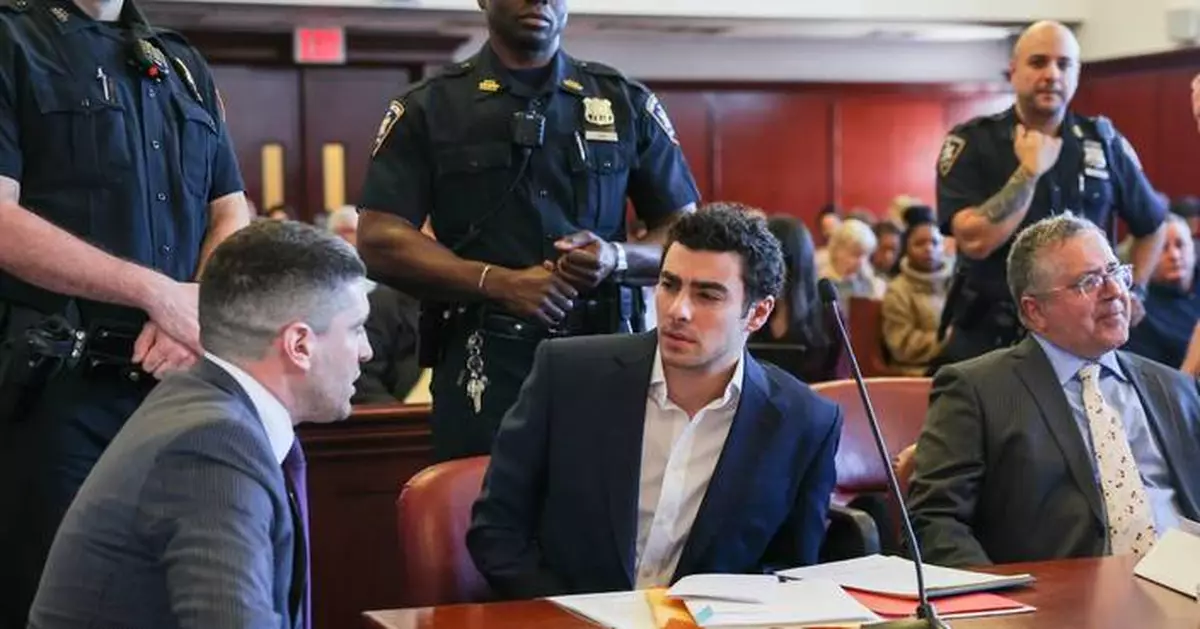
NEW YORK (AP) — Manhattan prosecutors urged a judge on Wednesday to set a July trial date in Luigi Mangione ’s state murder case in the killing of UnitedHealthcare CEO Brian Thompson, two months before jury selection in his federal death penalty case.
In a letter, Assistant District Attorney Joel Seidemann asked Judge Gregory Carro to begin the New York trial on July 1, arguing that the state's interests “would be unfairly prejudiced by an unnecessary delay” until after the federal trial.
The state trial hasn't been scheduled and the next hearing isn't until May, when Carro is expected to rule on a defense request to exclude certain evidence that prosecutors say connects Mangione to the killing.
The Manhattan district attorney’s office raised the scheduling issue days after U.S. District Judge Margaret Garnett scheduled jury selection in the federal case for Sept. 8, with the rest of the trial happening in October or January, depending on whether she allows prosecutors to seek the death penalty.
If the death penalty is still in play, the second phase of the federal trial — including opening statements and testimony — will begin Jan. 11, 2027, Garnett said in court last Friday. If it’s not, it will start Oct. 13.
Mangione’s lawyer, Karen Friedman Agnifilo, called the district attorney's request for a July state trial “unrealistic.” The defense will need the rest of the year to prepare for the federal trial, she said.
Federal prosecutors declined to comment.
In his letter to Carro, Seidemann argued that state prosecutors were involved in the investigation from the start while federal prosecutors joined the case about two weeks after Thompson’s death, jumping in to charge Mangione a day after he was indicted in state court.
“It is entirely natural then that the state case would proceed to trial prior to the federal case,” the prosecutor wrote, citing legal precedent. The state, he said, “has an overriding interest in trying this defendant for the cold-blooded execution of Brian Thompson.”
At the time of Mangione’s arrest, Manhattan’s top federal prosecutor said he anticipated the state case would go to trial first.
It isn't just a matter of scheduling. Under New York law, the district attorney’s office could be barred from trying Mangione on state murder charges if his federal trial happens first. The state’s double jeopardy protections kick in if a jury has been sworn in a prior prosecution, such as a federal case, or if that prosecution ends in a guilty plea.
Mangione is due back in court on Friday in the federal case, with Garnett set to rule soon on issues including whether it remains a capital case and whether prosecutors can show jurors some of the evidence debated in the state case.
Those items include a 9 mm handgun that prosecutors say matches the one used to kill Thompson and a notebook in which they say he described his intent to “wack” a health insurance executive.
Mangione has pleaded not guilty to federal and state murder charges; the state charges carry the possibility of life in prison. He is due back in court for a conference in the federal case on Friday.
In his letter, Seidemann told Carro that the district attorney’s office is ready for trial. Any outstanding pretrial issues can be resolved before July, he said.
After holding a three-week hearing in December on the defense’s evidence request, Carro said he wouldn't rule until May 18, “but that could change.”
Thompson, 50, was killed on Dec. 4, 2024, as he walked to a midtown Manhattan hotel for UnitedHealth Group’s annual investor conference. Surveillance video showed a masked gunman shooting him from behind. Police say “delay,” “deny” and “depose” were written on the ammunition, mimicking a phrase used to describe how insurers avoid paying claims.
Mangione, a 27-year-old Ivy League graduate from a wealthy Maryland family, was arrested five days later at a McDonald’s in Altoona, Pennsylvania, about 230 miles (about 370 kilometers) west of Manhattan.
In September, Carro threw out state terrorism charges but kept the rest of the case, including an intentional murder charge.
In the federal case, Mangione’s lawyers want prosecutors barred from seeking the death penalty, arguing that authorities prejudiced him by turning his arrest into a spectacle and by publicly declaring their desire to see him executed.
As for the evidence, Mangione’s lawyers contend Altoona police illegally searched his backpack because they had not yet obtained a warrant. Prosecutors say the search was legal. Officers were following protocols, which require promptly searching a suspect's property for dangerous items, and later obtained a warrant, prosecutors said.
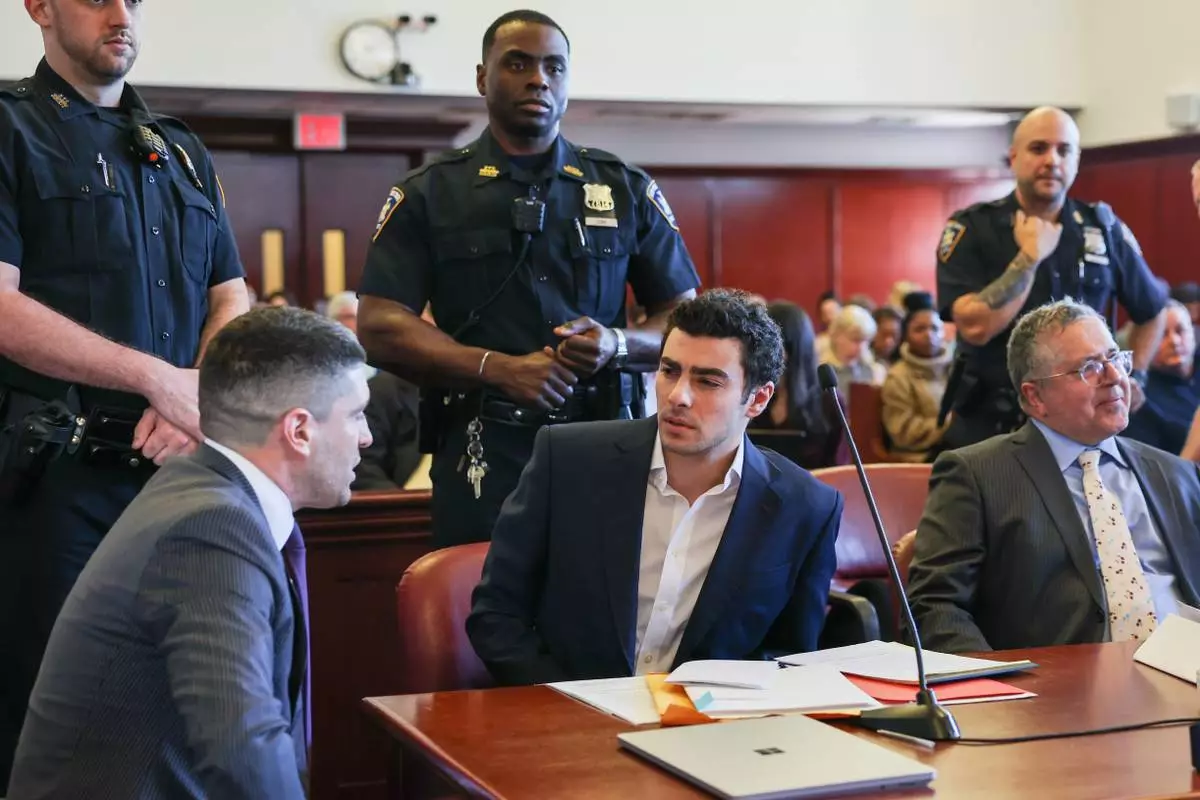
FILE - Luigi Mangione appears in Manhattan Criminal Court for an evidence hearing, Dec. 18, 2025, in New York. (Shannon Stapleton/Pool Photo via AP, File)
NASHVILLE, Tenn. (AP) — Tennessee officials were unable to put Christa Gail Pike to death Wednesday for a 1995 murder after administering two doses of a lethal drug. A death penalty expert said it was an unprecedented failure, and Tennessee Gov. Bill Lee halted the one remaining execution for the rest of the year.
Pike, 50, was alive and loudly snoring after the attempted lethal injection and taken by ambulance from the prison, her attorneys said. She was being treated at a hospital, but they said they hadn’t been told about her condition.
She had been scheduled for execution at 10 a.m. Wednesday for the killing she committed at age 18 and would have been the first woman executed in Tennessee in more than 200 years. An appeals court stopped the lethal injection just an hour before it was to start and hours later the U.S. Supreme Court overturned that stay.
Officials gave Pike two doses of pentobarbital, her attorneys said in court filings late Wednesday.
Gov. Bill Lee said in a statement that he has ordered “a comprehensive, third-party review to determine exactly what occurred” and that the remaining scheduled execution will not take place this year.
“Carrying out a lawfully imposed sentence is among the State’s most serious responsibilities, and the people of Tennessee expect it to be done in a manner that is not only legal and constitutional, but is effective,” he said.
The Tennessee Department of Correction said in a statement that it “followed every step of the State’s lawful, established execution protocol approved by the Attorney General’s Office.”
The state's execution protocol calls for a secondary set of drug syringes to be administered “if the inmate is not deceased” after the first set. It does not spell out what happens if the subject is alive after the second set.
Robin M. Maher, executive director of the Death Penalty Information Center, said what Pike experienced is “singular and unparalleled.”
Seven other people have survived medical problems due to an execution team's failure to access a vein to administer lethal injection drugs, but no one has stayed alive after receiving the drugs used in such executions, she said.
Media witnesses observing from a separate room said officials raised curtains to the execution chamber at 7:27 p.m., showing Pike strapped to a gurney.
“I’m going to leave this world the way I spent most of my life and that is in love,” she said in her “last” words. She described herself as at peace.
But Pike remained awake and at one point raised her head and asked prison officials if her arm was supposed to feel that way. It was not clear what she was referencing.
By 8:26 p.m., execution witnesses reported that the second dose of pentobarbital had been administered.
Pike continued to be heard snoring behind the closed curtain until the microphone was cut off at 8:53 p.m. At that time there was an announcement to escort media witnesses out of the area.
Lawyers for Pike filed an emergency motion late Wednesday to the Tennessee Supreme Court seeking to immediately halt and stay the execution, saying she was in “unnecessary agony” and it was violating her right to be executed free of cruel and unusual punishment. They also filed motions in the Sixth Circuit court and a district court.
It was the second time this year that Tennessee has been unable to carry out an execution: In May state officials called off the lethal injection of Tony Carruthers, who was convicted of kidnapping and killing three people in 1994, after executioners tried and failed for over an hour to place an IV to administer pentobarbital.
Pike and her boyfriend were convicted of the fatal stabbing and beating in 1995 of 19-year-old Colleen Slemmer, their classmate at a job training facility in Knoxville. The case garnered widespread attention in part because of a pentagram that was carved on Slemmer’s body, and other elements of the crime stoked fears of Satan worship during the “satanic panic” of the 1980s and 1990s.
Pike was initially scheduled to be put to death in the morning, and witnesses had gathered at the Riverbend Maximum Security Institution in Nashville when the 6th Circuit U.S. Court of Appeals voted 2-1 to issue a stay. That court said a delay was needed to consider whether Pike’s allegations of childhood sexual abuse were fully considered at her sentencing.
The attorney general’s office appealed to the Supreme Court, saying that halting the execution at the last moment traumatized Slemmer’s family and rewarded “abusive delay tactics” by Pike’s attorneys.
Later in the day, the high court cleared the way for the execution to proceed. The conservative majority did not explain their order, while the three liberal members signed a dissent that said Pike’s claims deserved a closer look.
Pike did not deny committing the killing, but her supporters argued that the state should consider her age at the time, her mental illness and her allegations of severe sexual abuse.
As the execution date drew near, debate renewed over the death penalty for young offenders.
Assistant Federal Defender Stephen Ferrell said Pike’s death sentence is an outlier because other 18-year-olds in Tennessee have had such sentences vacated.
After the killing, Pike was diagnosed with bipolar disorder and post-traumatic stress disorder. In her clemency petition, she said she only wanted to fight Slemmer but killed her in a frenzied attack when she couldn’t “put the brakes on.”
“I was a mentally ill 18-year-old kid. It took me numerous years to even realize the gravity of what I’d done,” Pike said in a statement.
Slemmer’s mother had traveled to Nashville in the hopes of witnessing the execution of her daughter’s killer. She told The Associated Press on Saturday that she had waited decades to see Pike’s sentence carried out.
“Every time I think about it, I think about Colleen feeling that pain and trying to get up and run,” May Martinez told The Associated Press in a telephone interview on Saturday.
Martinez could not be immediately reached by telephone for comment after the execution was halted.
The killing rocked the city of Knoxville. Prosecutors said Pike, fearing Slemmer was trying to steal her boyfriend, lured her to a wooded area on Jan. 12, 1995. Pike cut Slemmer with a box cutter and beat her with a large chunk of asphalt. Shipp, Pike’s boyfriend, has admitted that he was the one who carved a pentagram, a star-shaped symbol associated with Satan, into her body.
Shipp was 17 when the crime happened and received a sentence of life in prison with the possibility of parole. Pike was the only one sentenced to death.
Since the Supreme Court reinstated the death penalty in 1976, 18 women have been put to death, representing about 1% of all executions, according to the Death Penalty Information Center.
Pike would have been the 30th person executed in the U.S. this year after Florida carried out an execution on Tuesday.
Tennessee announced in 2024 that it was switching from a three-drug series for lethal injections to the single drug pentobarbital. That came more than two years after the state abruptly halted the execution of Oscar Smith and acknowledged that it had failed to ensure its lethal injection drugs were tested properly.
This story has been updated to correct that Pike had been scheduled for execution at 10 a.m. local time, not 11 a.m. and that the lawyers filed an emergency motion to the Tennessee Supreme Court, not U.S.
Associated Press writers Jeffrey Collins in Columbia, South Carolina, Ed White in Detroit, Hallie Golden in Seattle and Hannah Schoenbaum in Salt Lake City contributed.
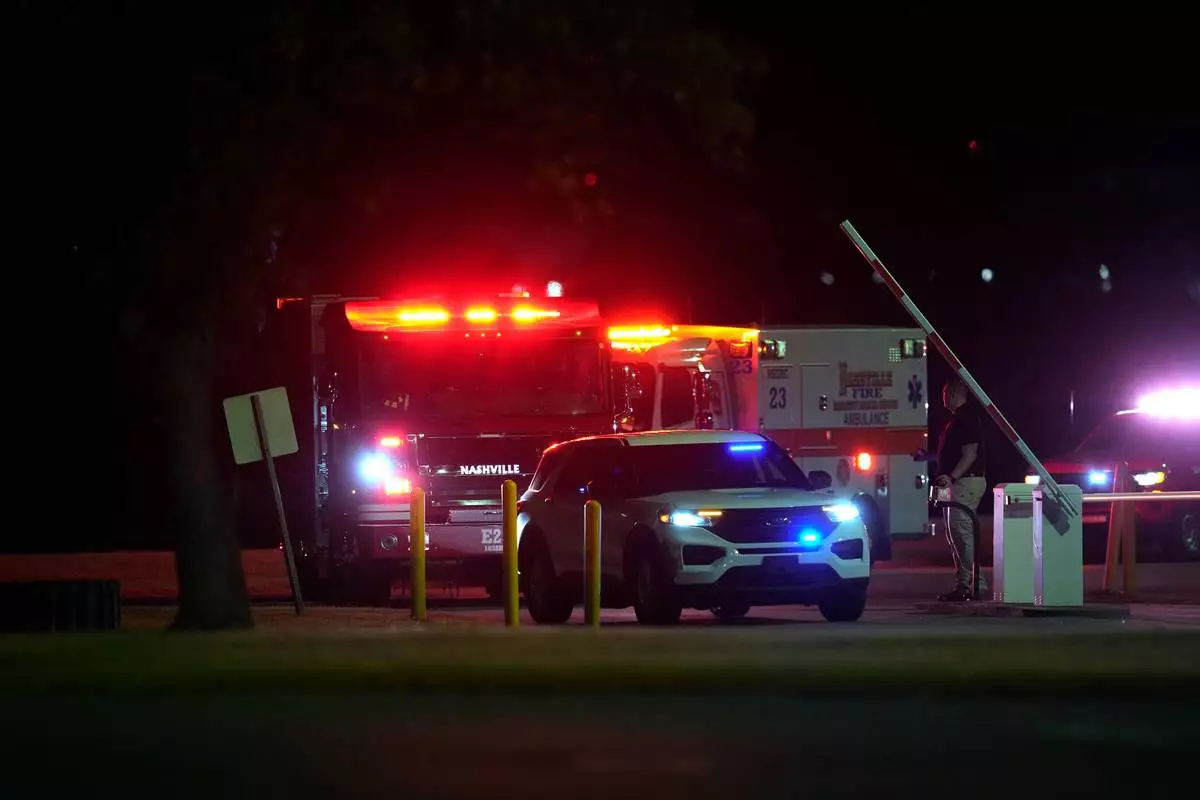
Emergency vehicles arrive at Riverbend Maximum Security Institution after the execution of Christa Pike was halted Wednesday, Sept. 30, 2026, in Nashville, Tenn. (AP Photo/George Walker IV)
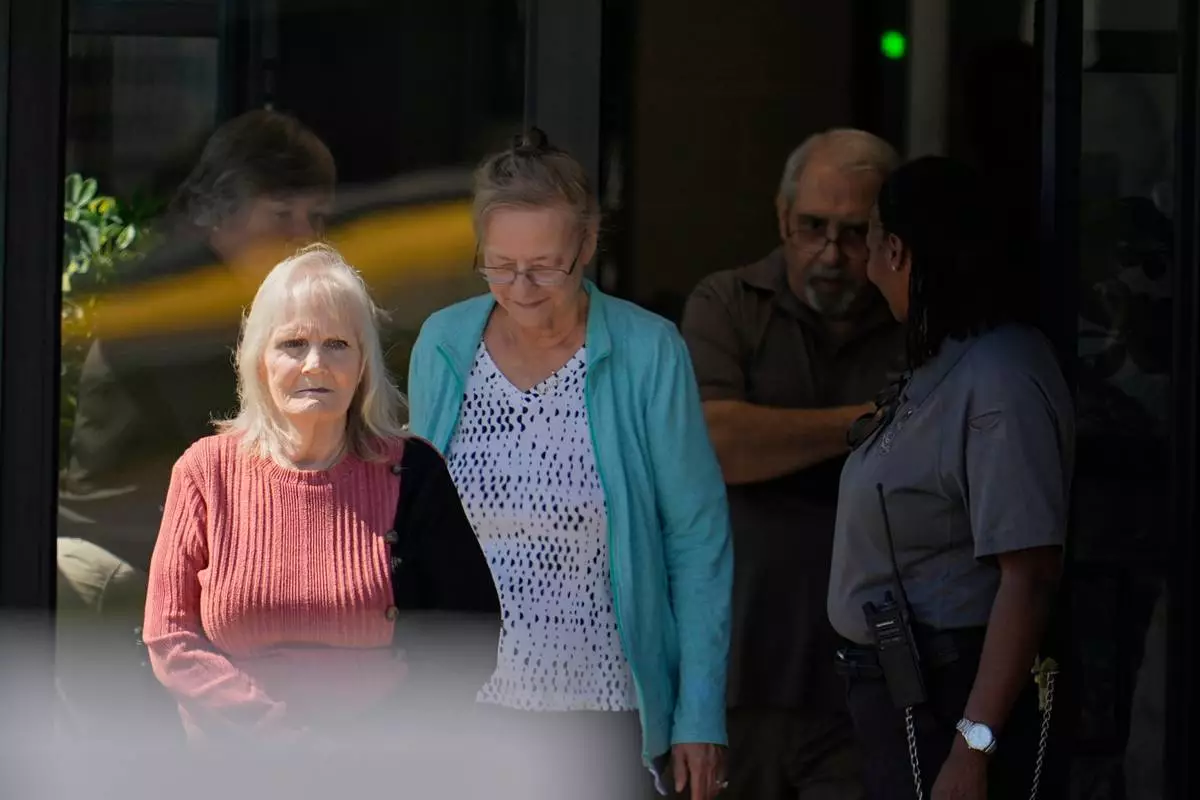
May Martinez, left, mother of murder victim Colleen Slemmer, walks out of Riverbend Maximum Security Institution during a stay of the planned execution of Christa Pike, Wednesday, Sept. 30, 2026, in Nashville, Tenn. (AP Photo/George Walker IV)
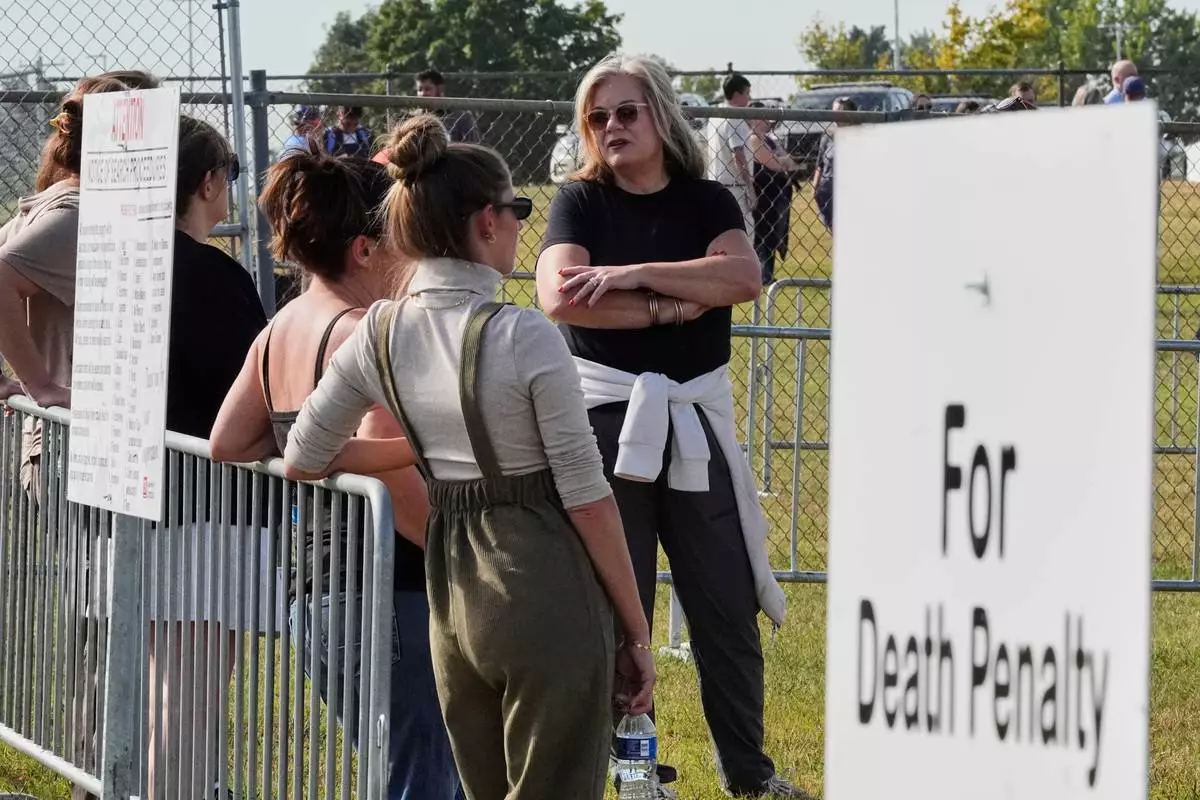
Leslie Brown, right, stands with others in the area reserved for people in favor to the death penalty outside Riverbend Maximum Security Institution before the planned execution of Christa Pike, Wednesday, Sept. 30, 2026, in Nashville, Tenn. (AP Photo/George Walker IV)
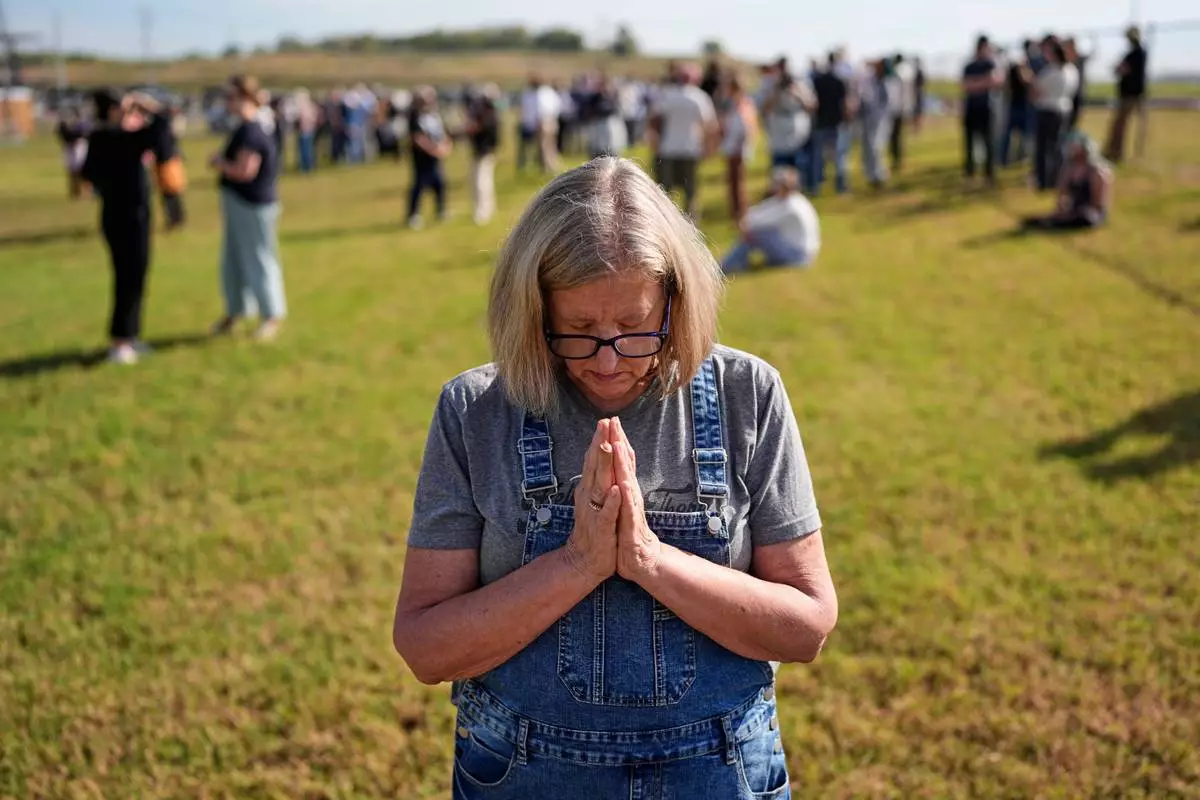
Kathleen Walter prays in the area reserved for people opposed to the death penalty outside Riverbend Maximum Security Institution before the planned execution of Christa Pike, Wednesday, Sept. 30, 2026, in Nashville, Tenn. (AP Photo/George Walker IV)
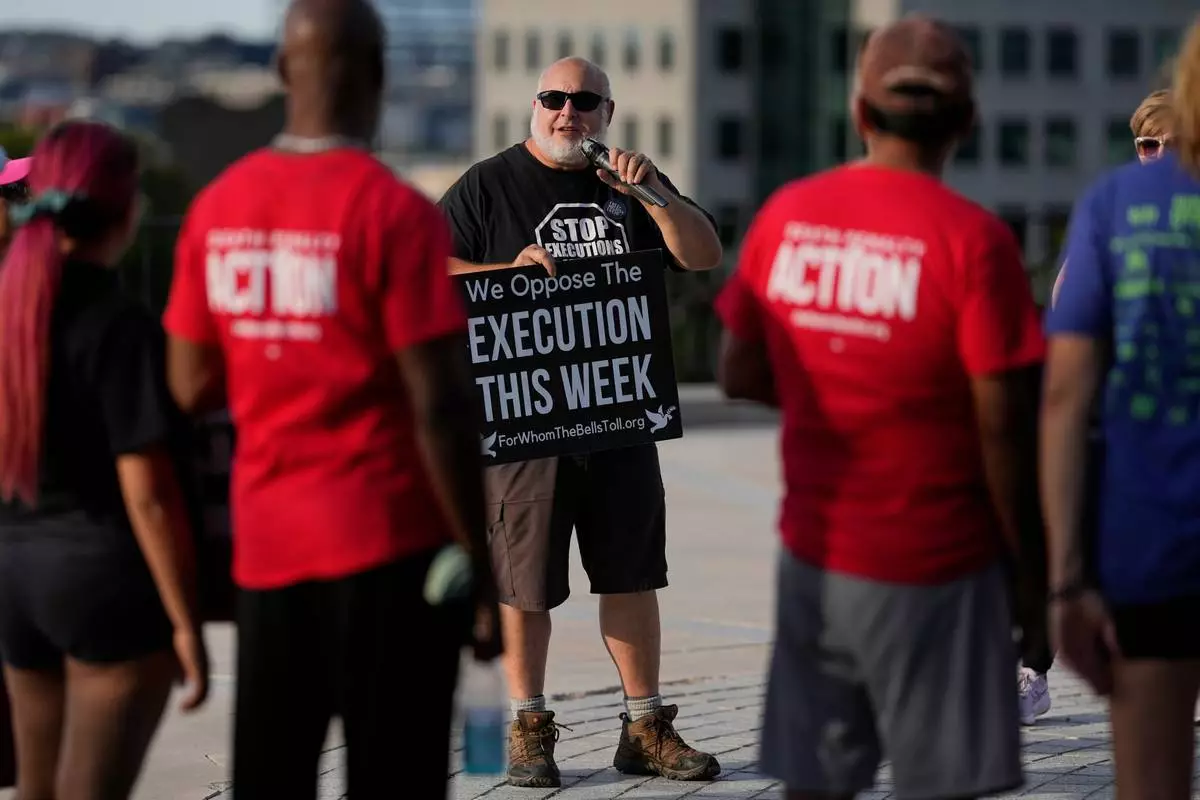
Abraham Bonowitz speaks during a March 4 Mercy protest against the death penalty at the Tennessee State Capitol, Sunday, Sept. 27, 2026, in Nashville, Tenn. ahead of the Sept. 30th scheduled execution of Christa Pike. (AP Photo/George Walker IV)
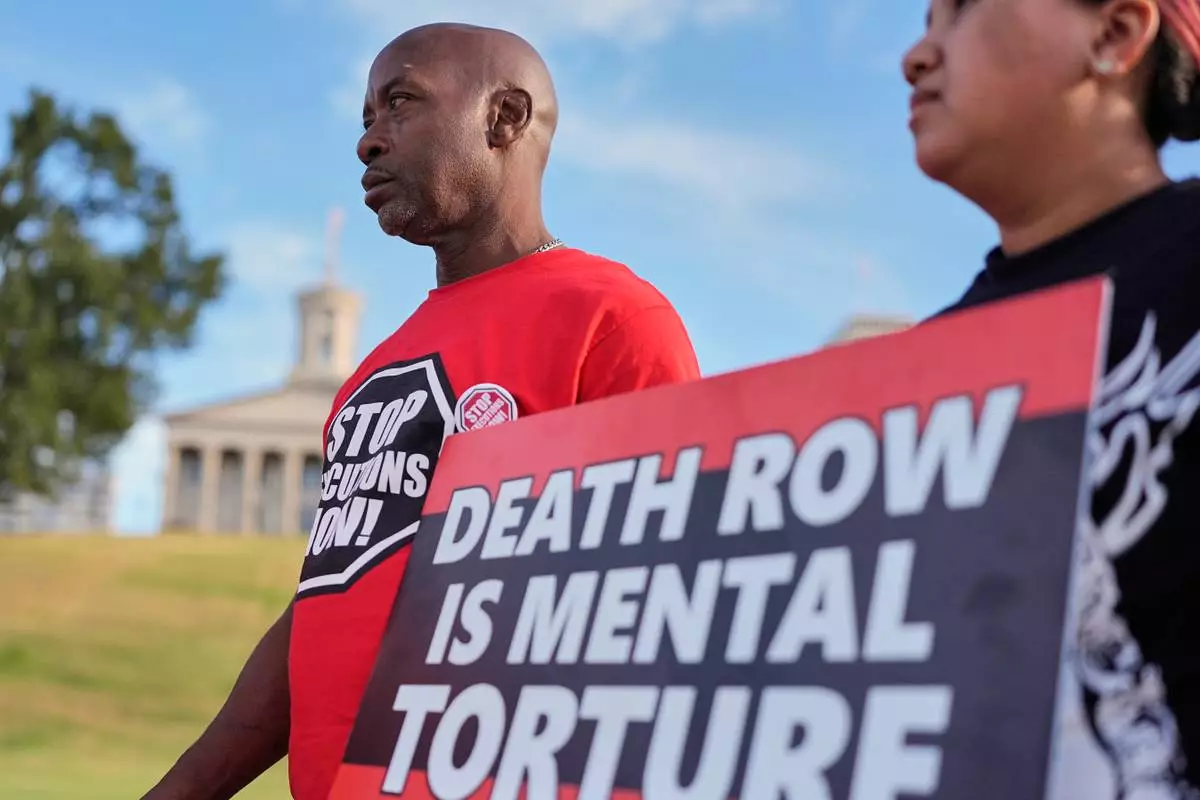
Alonzo Hughes participates in a March 4 Mercy protest against the death penalty at the Tennessee State Capitol, Sunday, Sept. 27, 2026, in Nashville, Tenn. ahead of the Sept. 30th scheduled execution of Christa Pike. (AP Photo/George Walker IV)
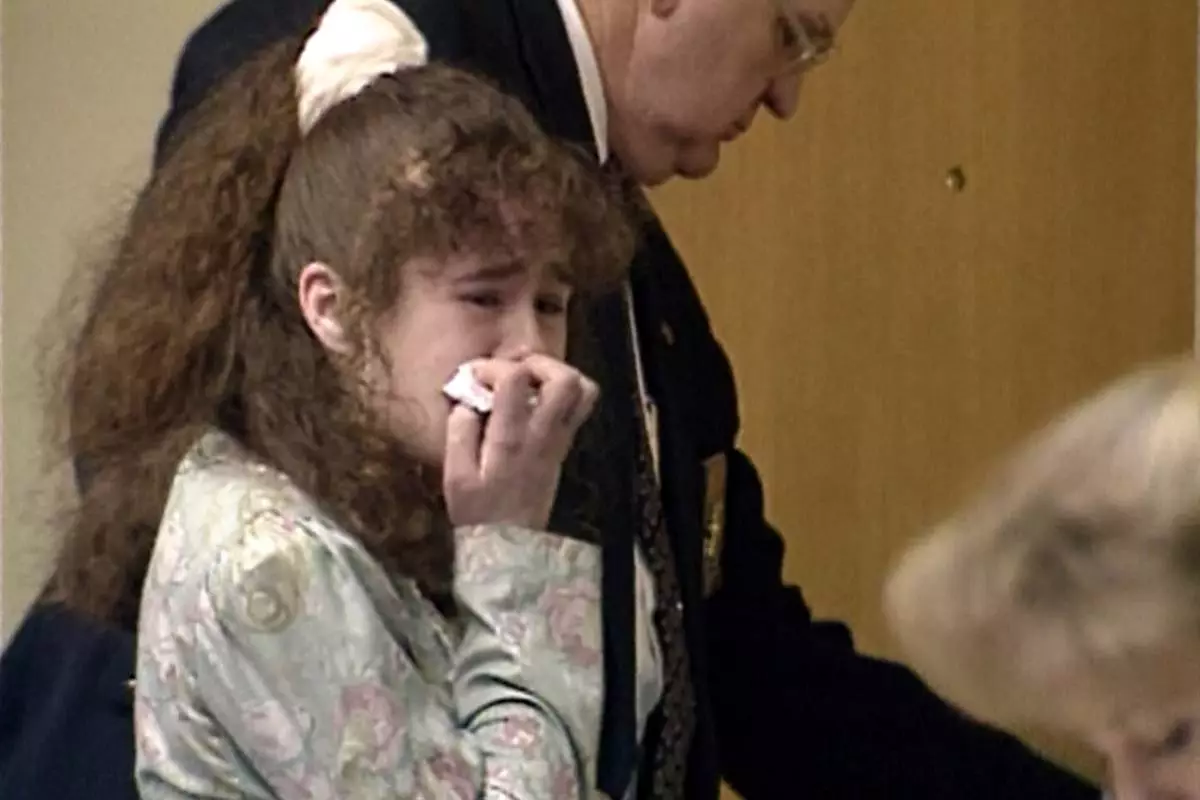
In this image from video provided by WBIR-TV, Christa Pike cries after being sentenced to death on March 30, 1996 in Knoxville, Tenn. (WBIR-TV via AP)
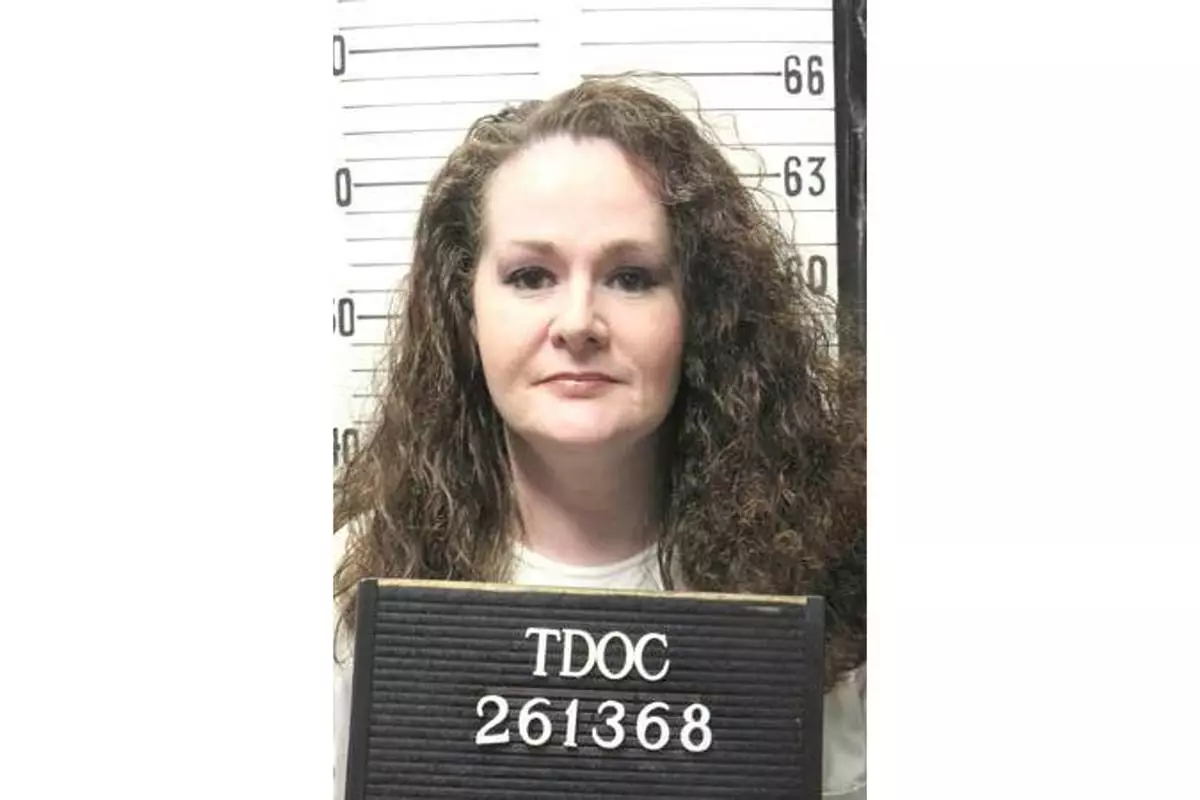
This photo provided by the Tennessee Department of Correction shows Christa Pike on Jan. 12, 2023. (TDOC via AP)