KYIV, Ukraine (AP) — A Russian drone attack killed three people in Ukraine’s southern Zaporizhzhia region overnight, authorities said Thursday, as Ukrainian President Volodymyr Zelenskyy warned that Moscow is planning another large-scale barrage despite plans for further U.S.-brokered peace talks at the weekend.
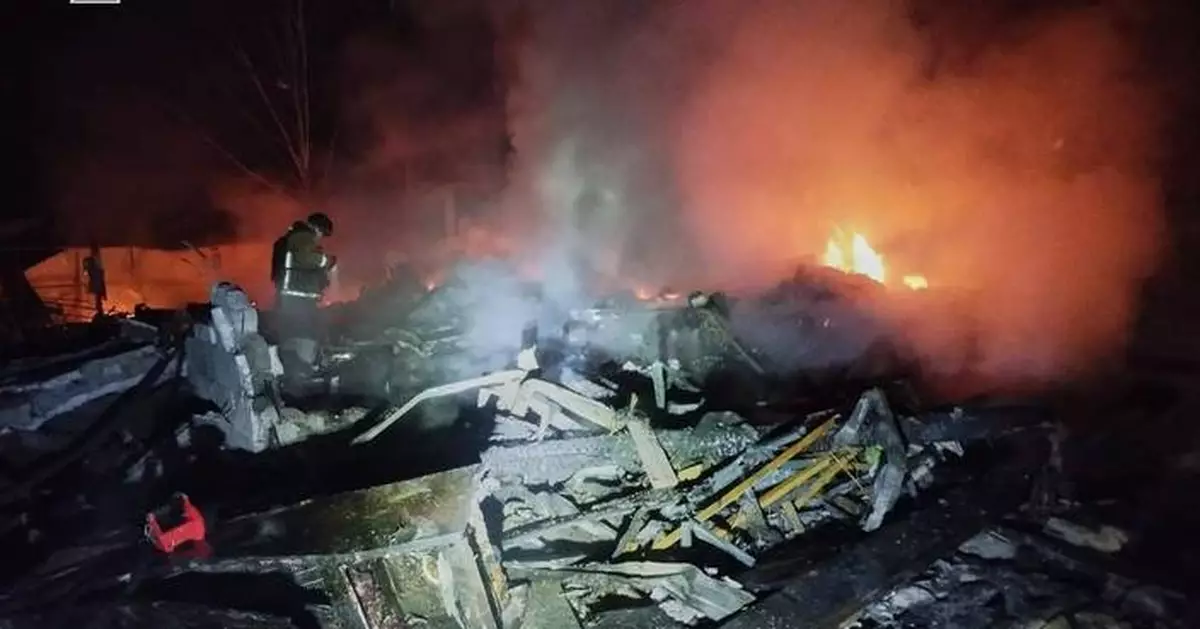
The Zaporizhzhia strike caused a major blaze in an apartment building, according to emergency services.
Firefighters also worked through the night to put out fires in the central Dnipropetrovsk region, where two people were injured, officials said.
Zelenskyy said Ukrainian intelligence reports indicate Russia is assembling forces for a major aerial attack. Previous large attacks, sometimes involving more than 800 drones as well as cruise and ballistic missiles, have targeted the Ukrainian power grid.
The ongoing attacks discredit the peace talks, Zelenskyy said. “Every single Russian strike does,” he said late Wednesday.
Russia’s daily bombardment of civilian areas behind the roughly 1,000-kilometer (600-mile) front line has continued despite international condemnation and attempts to end the fighting almost four years after Russia launched its devastating all-out invasion of Ukraine.
Negotiations between the two sides are poised to resume on Sunday amid doubts about Moscow’s commitment to a settlement.
The European Union’s top diplomat accused Russia of not taking the talks seriously, calling Thursday in Brussels for more pressure to be exerted on Moscow to press it into making concessions.
“We see them increasing their attacks on Ukraine because they can’t make moves on the battlefield. So, they are attacking civilians,” Kaja Kallas said of Russia at a meeting of EU foreign ministers.
She stressed that Europe, which sees its own future security at stake in Ukraine, must be fully involved in talks to end the war. The push for a settlement has been led over the past year by the Trump administration, and European leaders fear their concerns may not be taken into account.
The number of soldiers killed, injured or missing on both sides during the war could reach 2 million by spring, with Russia sustaining the largest number of troop deaths for any major power in any conflict since World War II, according to an international think tank report published Tuesday.
Russia launched over 6,000 drones at Ukraine over the past month alone, according to Ukraine’s Defense Minister Mykhailo Fedorov. Russia is constantly improving its drones and its tactics, he said late Wednesday, prompting Ukraine to shift its air defense strategy, though he gave no details of the changes.
Kamila Hrabchuk in Kyiv, Ukraine and Lorne Cook in Brussels contributed to this report.
Follow AP’s coverage of the war in Ukraine at https://apnews.com/hub/russia-ukraine
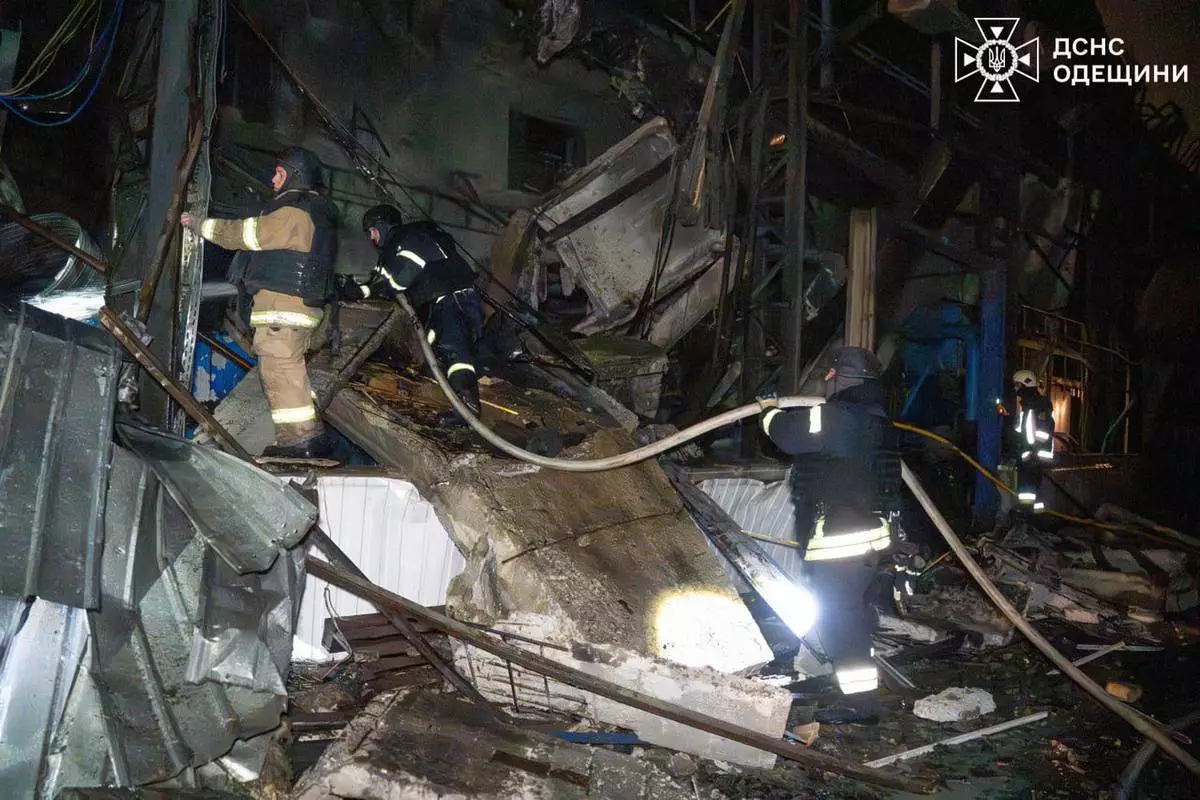
In this photo provided by the Ukrainian Emergency Service, emergency services personnel work to extinguish a fire following a Russian attack in Odesa region, Ukraine, Thursday, Jan. 29, 2026. (Ukrainian Emergency Service via AP)
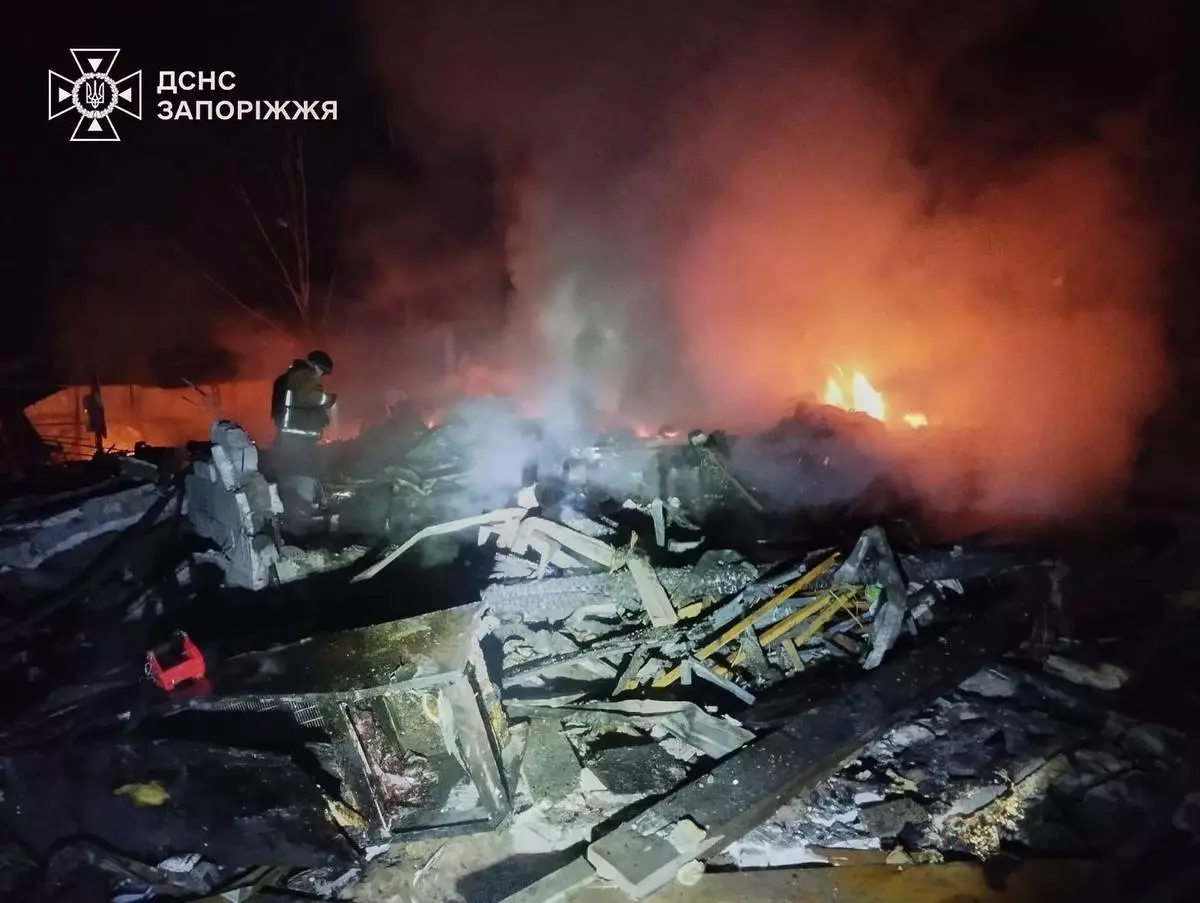
In this photo provided by the Ukrainian Emergency Service, emergency services personnel work to extinguish a fire following a Russian attack in Zaporizhzhia region, Ukraine, Thursday, Jan. 29, 2026. (Ukrainian Emergency Service via AP)
In Shaun White's early days riding snowboards, the sport was so new that his mom was still getting the hang of things after a lifetime of skiing.
Among Cathy White's rules: If Shaun, his brother and sister wanted mom to accompany them down the mountain, they had to ride “switch” — backward — so she could keep up.
That, in part, is how a snowboarding champion was born.
“All winter, we rode switch, all day, every day,” said White, the three-time Olympic gold medalist. “We're falling and figuring it out. By the end of the season, I was so proficient at riding switch. It was a real gift my mom gave me.”
Though snowboarding loves to flaunt its massive jumps and daring flips, it's the ability to spin four ways — riding forward and backward, then spinning either clockwise or counterclockwise from either direction — that is considered one of the sport's holy grails.
When the medals are handed out at the Milan Cortina Games, the riders who do this the best — or at all — will almost certainly be wearing them.
It's as difficult as it is underappreciated by casual viewers or people who've never tried it. Chloe Kim essentially spent four years mastering this art in the leadup to the Beijing Olympics. Her ability to pull it off under pressure was key to her second gold medal four years ago.
Scotty James also leans into the so-called “technical” side of riding. The Aussie, with Olympic silver and bronze medals, upped the ante at this year's X Games when he became the first rider to land consecutive backside 1440-degree jumps — one riding forward, the other riding switch. “Backside” means starting the spin with your back facing down the hill.
The 31-year-old James says he's had to adjust and go bigger in the leadup to Milan Cortina, but that working on spinning awkward ways in different directions is “what's going to fill my cup up while I'm doing the run.”
“It's the switch McTwists and all these different variations and backside riding, etc. etc.,” he said, name checking one of the many snowboard tricks that sound cool, even though only the experts really know what they mean. "That's what actually gets me excited and gets me out of bed every day.”
Ask any elite snowboarder to put into perspective the difficulty of riding backward and then, say, taking off spinning facing up the hill while ascending the 22-foot-tall wall of the halfpipe, and they will give some version of “it's a right-handed pitcher trying to throw left-handed” or “it's a right-handed person trying to sign their name with their left hand.”
Actually, it's harder than that. Maybe Kelly Clark, the 2002 Olympic halfpipe champ who added bronze medals in 2010 and 2014, put it best.
“It's not like signing your name with your left hand,” she said. “It's like trying to write an essay with your left hand and then pass it off as normal. It's, write an essay, tell everyone you did it with your dominant hand and see if you can pass it off.”
White was among a few interviewed for this story who said he was actually glad someone asked him about this subject.
“It's kind of like, if you know, you know," he said. “But if you don't know, you just say, ‘Oh, that’s cool, he spun this way.' But really, it's, ”No, that was switch."
It's hard for non-experts to tell because the front and back of a snowboard look so similar. It's easier to suss out the backward vs. forward motion in freeskiing, where the concept is the same, and every bit as difficult, but not as tricky to detect because it's easy to tell if someone's going backward on their skis.
David Wise won the second of his two Olympic gold medals in 2018 when he became the first halfpipe freeskier to put down double corks — two head-over-heels flips — while spinning in all four directions on the same run.
In explaining the magnitude of the accomplishment that day, Jonny Moseley — the freestyle skier who set the bar for progression in action sports in the early 2000s — said, simply: “It's like learning two sports.”
Eileen Gu, looking to add to her three Olympic medals with three more in Italy, can spin both ways on the halfpipe, the slopestyle course and the big air jump, where snowboarders and skiers get three chances and are required to spin different ways on at least two jumps.
“It feels unnatural. It's literally called ‘unnatural’ direction, and that's kind of what it feels like,” Gu said. “Your two sides never feel the same. If you don't ski for a long time and you come back, there's always one side that's substantially easier. The other side you just have to work harder on.”
The winning trick in men's halfpipe at the last Olympics was the triple cork by Ayumu Hirano of Japan, who beat White and several of his countrymen in a years-long race to perfect three head-over-heels flips, then land it as part of a complete run.
Fast forward four years and some riders will attempt not one, but two triple corks in their routines.
“You're going to see back-to-back triples,," said Rick Bower, the director of the U.S. snowboard program who also is the personal coach for Kim.
Anyone who can pull that off will probably win, assuming they can land three or four other complex tricks as they make their way down that halfpipe.
Most of those will involve riding switch or spinning in an unnatural way. The same goes for the slopestyle and big air, where massive jumps are only part of the winning formula.
“It’s a big part of putting together runs," said Canadian snowboarder Mark McMorris, who has won multiple X Games and three Olympic bronze medals in slopestyle. "You need to have switch stuff in there and it's damn hard. I'm actually thankful we ride both ways in snowboarding. It spices things up and it's an impressive thing to be able to do."
AP Winter Olympics: https://apnews.com/hub/milan-cortina-2026-winter-olympics
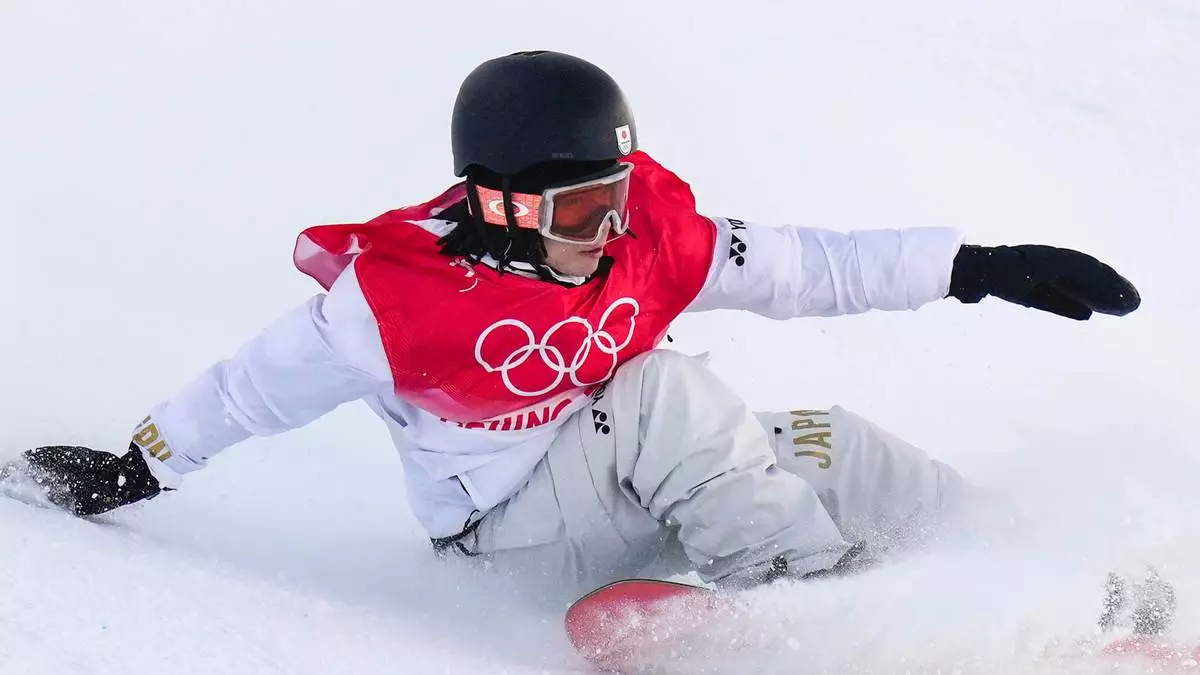
FILE - Japan's Ayumu Hirano competes in the men's halfpipe finals at the 2022 Winter Olympics, Feb. 11, 2022, in Zhangjiakou, China. (AP Photo/Francisco Seco, File)
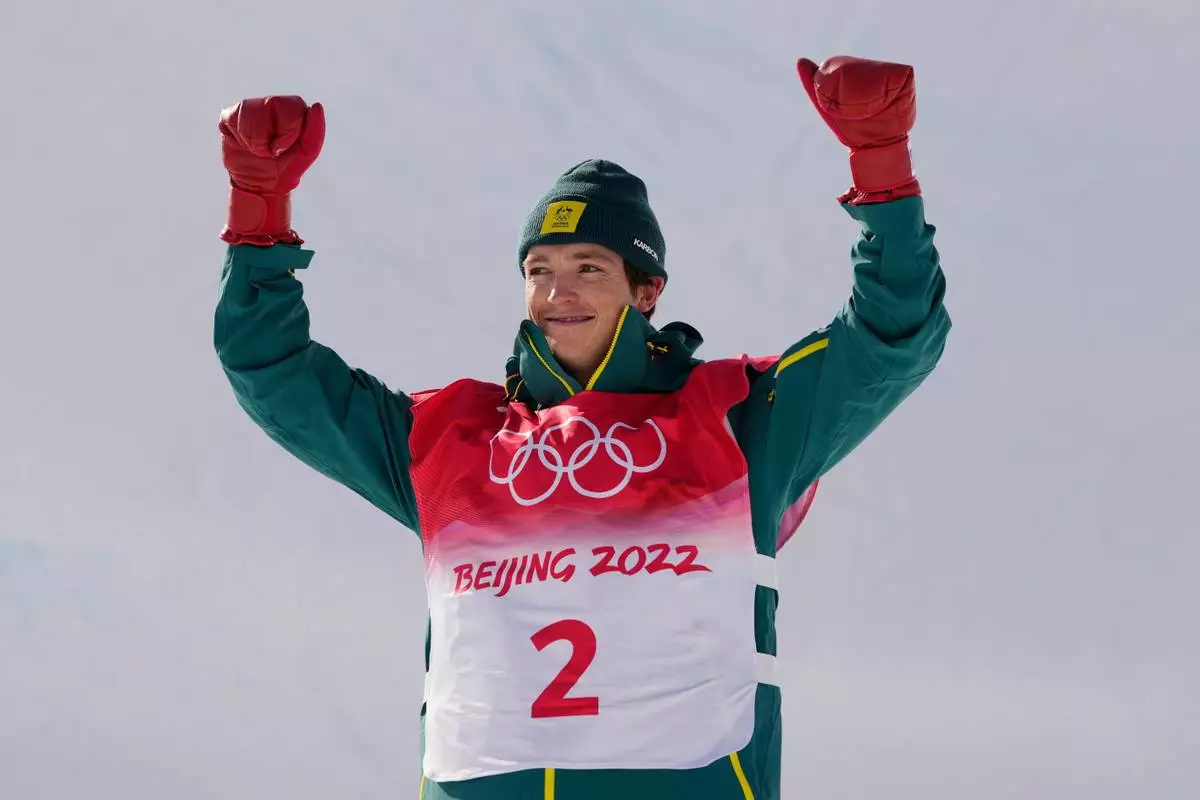
FILE - Silver medal winner Australia's Scotty James celebrates during the venue award ceremony for the men's halfpipe finals at the 2022 Winter Olympics, Feb. 11, 2022, in Zhangjiakou, China. (AP Photo/Francisco Seco, File)
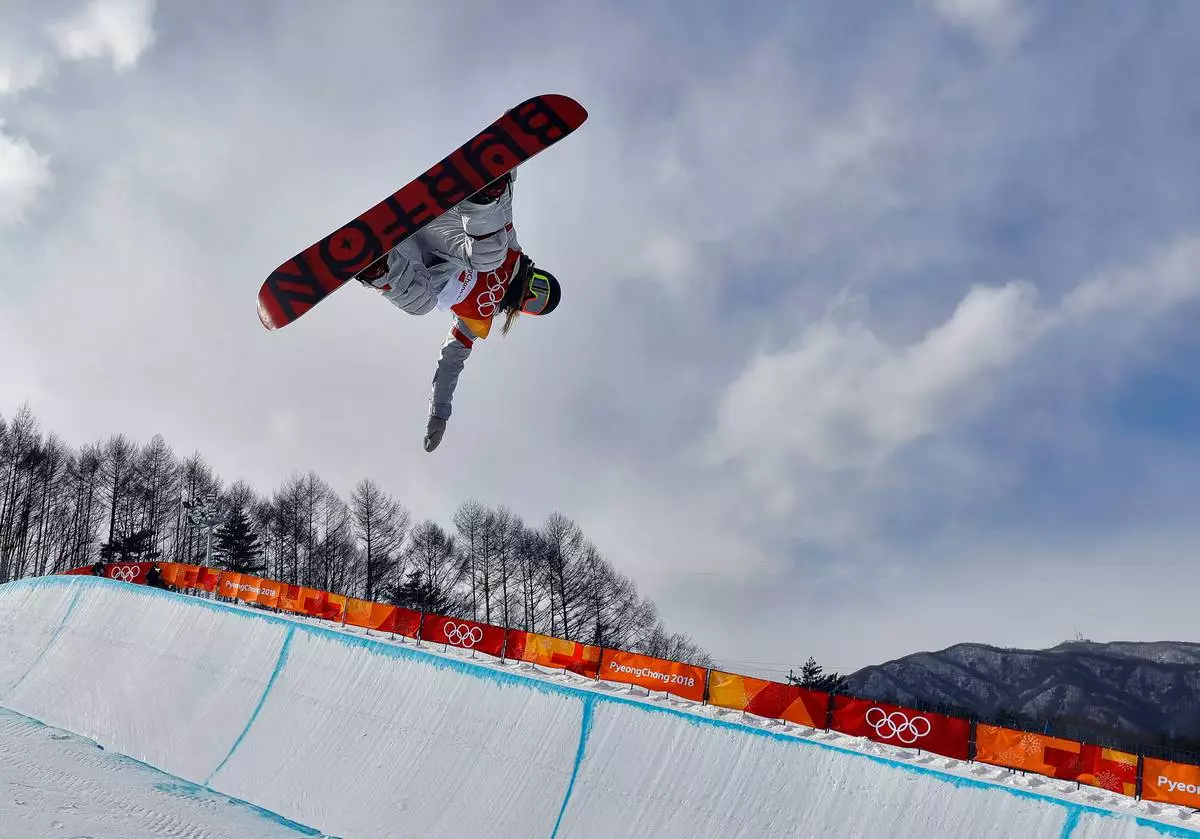
FILE - Chloe Kim, of the United States, runs the course during the women's halfpipe qualifying at Phoenix Snow Park at the 2018 Winter Olympics in Pyeongchang, South Korea, Feb. 12, 2018. (AP Photo/Kin Cheung, File)
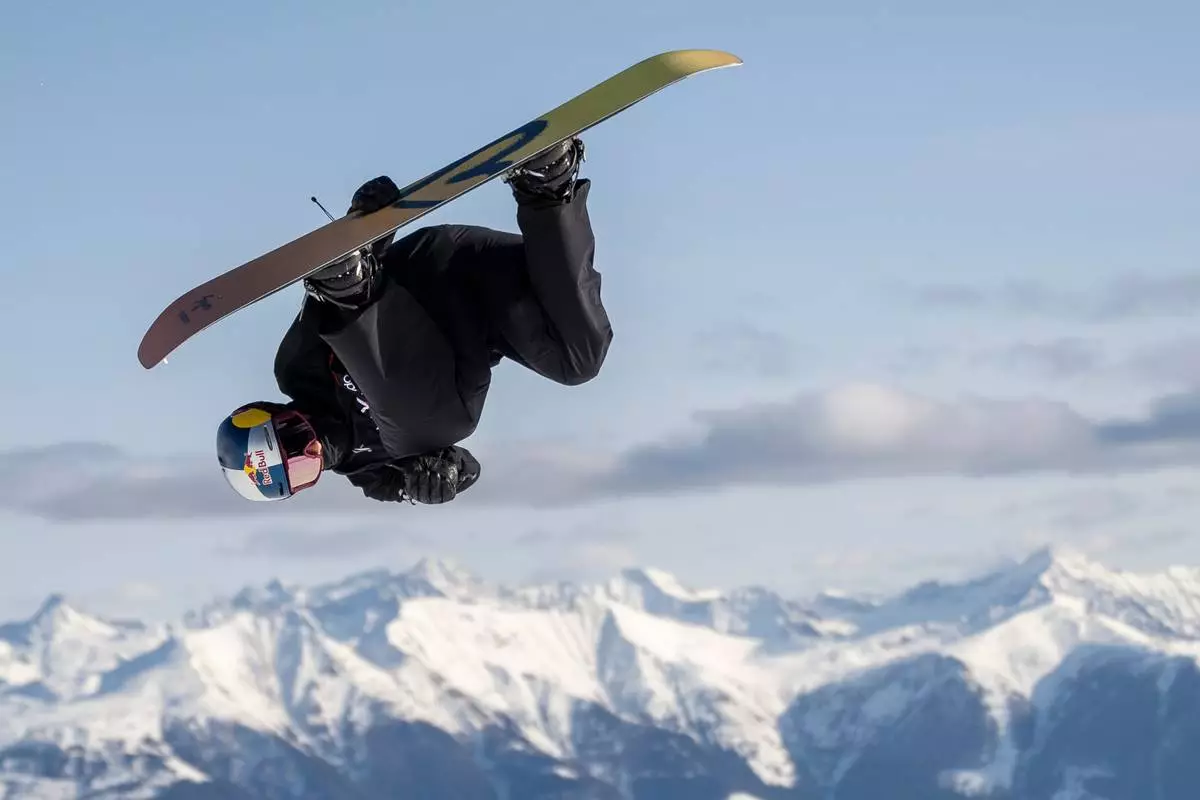
Yiming Su of China in action during the final run of the Snowboard Slopestyle World Cup at Laax Open, on Sunday, Jan. 18, 2026, in Laax, Switzerland. (Andreas Becker/Keystone via AP)