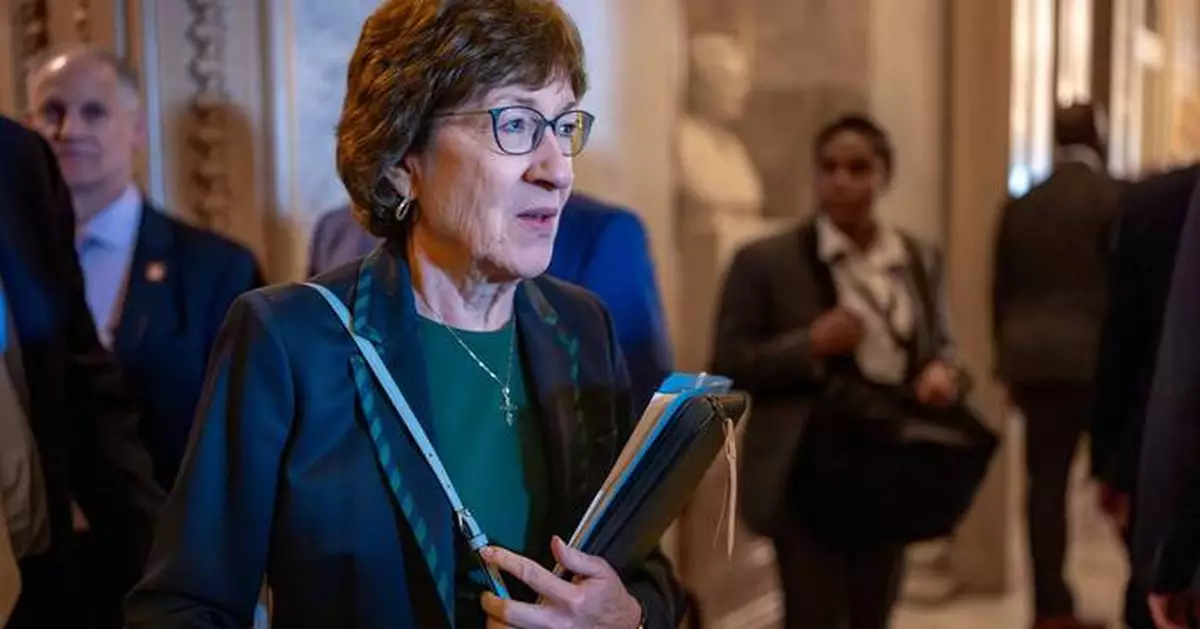
PORTLAND, Maine (AP) — Federal immigration officials have ceased their “enhanced operations” in Maine, the site of an enforcement surge and hundreds of arrests since last week, U.S. Sen. Susan Collins said Thursday.
Collins, a Republican, announced the development after saying she had spoken directly with Secretary of Homeland Security Kristi Noem.
“There are currently no ongoing or planned large-scale ICE operations here,” Collins said in a statement, referring to U.S. Immigration and Customs Enforcement. “I have been urging Secretary Noem and others in the administration to get ICE to reconsider its approach to immigration enforcement in the state.”
The announcement came after President Donald Trump seemed to signal a willingness to ease tensions in Minneapolis after a second deadly shooting there by federal immigration agents.
Collins said ICE and Border Patrol officials “will continue their normal operations that have been ongoing here for many years.”
The Department of Homeland Security said in a statement that it would “continue to enforce the law across the country, as we do every day.” ICE, which is part of DHS, said in a statement that it performed its duties despite meeting resistance from demonstrators. Neither statement addressed whether ICE was drawing down in Maine.
“The early success of this operation displays how effectively ICE officers can operate anywhere and in any environment,” said ICE Deputy Assistant Director Patricia Hyde.
Collins’ announcement comes more than a week after ICE began an operation it dubbed “Catch of the Day.”
Federal officials said about 50 arrests were made the first day and that roughly 1,400 people were operational targets in the mostly rural state of 1.4 million residents, 4% of whom are foreign-born.
In Lewiston, one of the cities targeted by ICE, Mayor Carl Sheline called the scale-down welcome news, describing the agency's operations as “disastrous” for the community.
“ICE operations in Maine have failed to improve public safety and have caused lasting damage to our communities. We will continue working to ensure that those who were wrongfully detained by ICE are returned to us,” said Sheline, who leads a city where the mayoral position is required to be nonpartisan.
ICE has also launched immigration operations in Minnesota, Chicago and other cities. While Trump has pushed to deploy National Guard troops to crack down on both immigration and crime, as of early January, the White House said it was backing down after facing several legal roadblocks.
Homeland Security Assistant Secretary Tricia McLaughlin last week said some Maine arrests were of people “convicted of horrific crimes including aggravated assault, false imprisonment, and endangering the welfare of a child.”
Court records painted a slightly different story: While some had felony convictions, others were detainees with unresolved immigration proceedings or who were arrested but never convicted of a crime.
Federal authorities highlighted the case of Elmara Correia, saying she was “arrested previously for endangering the welfare of a child.” However, Manuel Vemba, who has a four-year-old son with Correia, said Thursday that a neighbor called police about the boy playing outside with friends, and that he doesn’t believe any charges were brought.
“She does not have any criminal record, and she’s not the type of person they’re labeling her,” he said. “Elmara is a mother, just like many other mothers out there, who loves her child and has sacrificed for her child.”
Vemba described his former partner as trustworthy, hardworking and devoted to their son, who is on the autism spectrum and loves to play soccer and run.
“She did everything she could to guarantee that my son was safe and happy,” he said.
The boy is now staying with Vemba, who has told him, “Mommy’s traveling. Mommy will be back.” On Wednesday, a Massachusetts judge granted her request for a bail hearing.
Collins is up for reelection this year. Unlike a handful of Republican senators facing potentially tough campaigns, Collins has not called for Noem to step down or be fired. She's also avoided criticizing ICE tactics, beyond saying ICE should not target people who are in the U.S. legally.
Democratic Gov. Janet Mills, who announced her Senate candidacy in October and could face Collins in the general election, has challenged immigration officials to provide judicial warrants, real-time arrest numbers and basic information about who is being detained in Maine. She also accused Collins of governing “without any courage” shortly after the Republican voted in favor of funding the DHS and several other agencies Thursday.
ICE must account for its actions in Maine even if it is scaling back, Mills said Thursday.
“We still do not know critical details about the 200 individuals ICE says it has detained, many of whom appear to be here legally, who have no criminal record and who are not ‘the worst of the worst.’ The people of Maine deserve to know the identities of every person taken from here, the legal justification for doing so, where they are being held, and what the federal government’s plan for them is,” Mills said.
First-time Democratic candidate Graham Platner — who is challenging Mills in the primary — has criticized both Mills' and Collins' handling of ICE and has demanded the agency be dismantled. Platner organized a protest Thursday outside Collins' office in Portland, Maine.
This story has been corrected to show Mills accused Collins of governing “without any courage,” not “without any coverage.”
Kruesi reported from Providence, Rhode Island, and Ramer reported from Concord, New Hampshire. Associated Press writer Kathy McCormack contributed from Concord, New Hampshire.
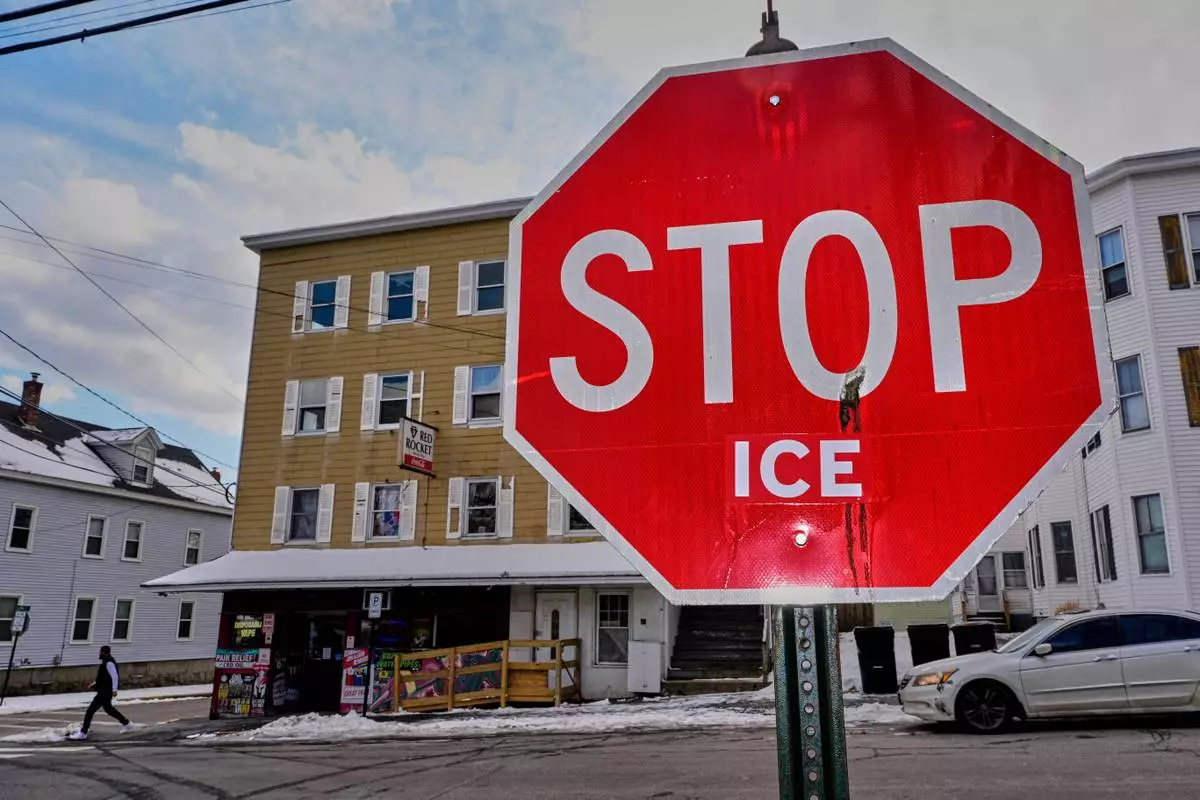
Anti-ICE sentiment is expressed on a traffic sign, Friday, Jan. 23, 2026, in Biddeford, Maine.(AP Photo/Robert F. Bukaty)
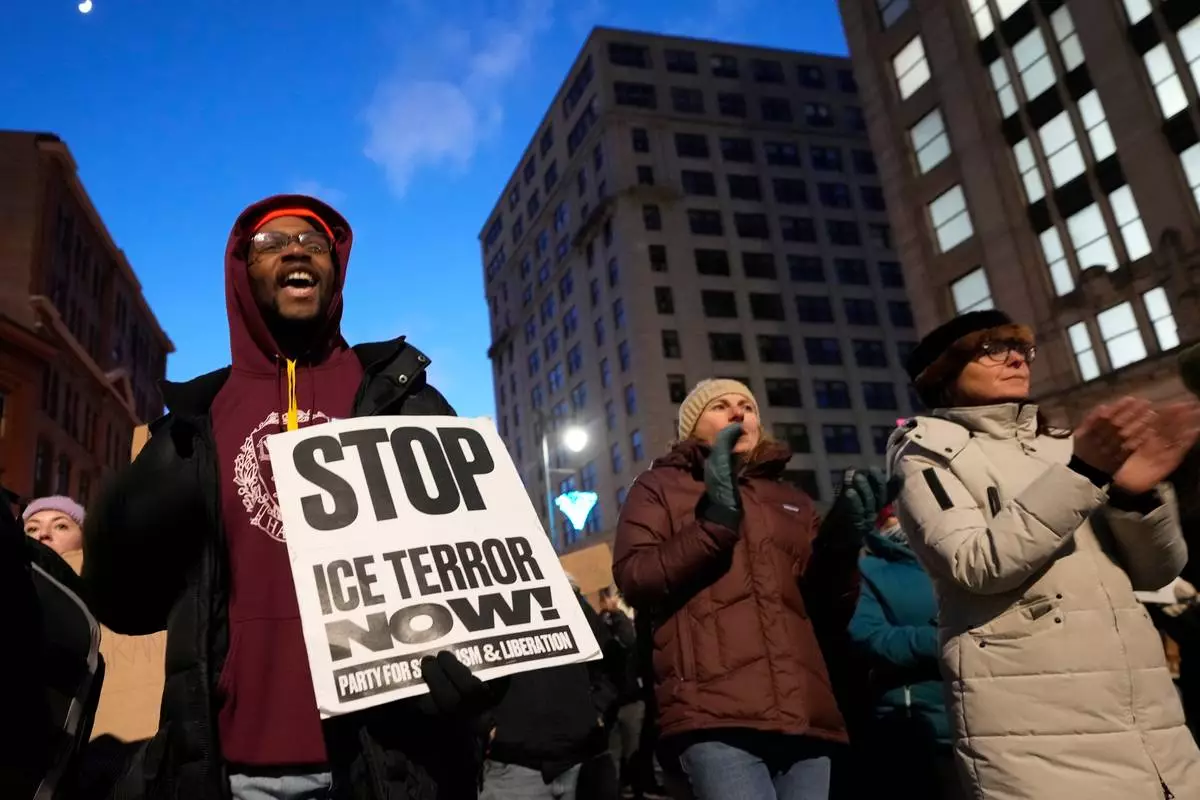
FILE - Protesters rally against the presence of U.S. Immigration Customs Enforcement in Maine, Friday, Jan. 23, 2026, in Portland, Maine. (AP Photo/Robert F. Bukaty, File)
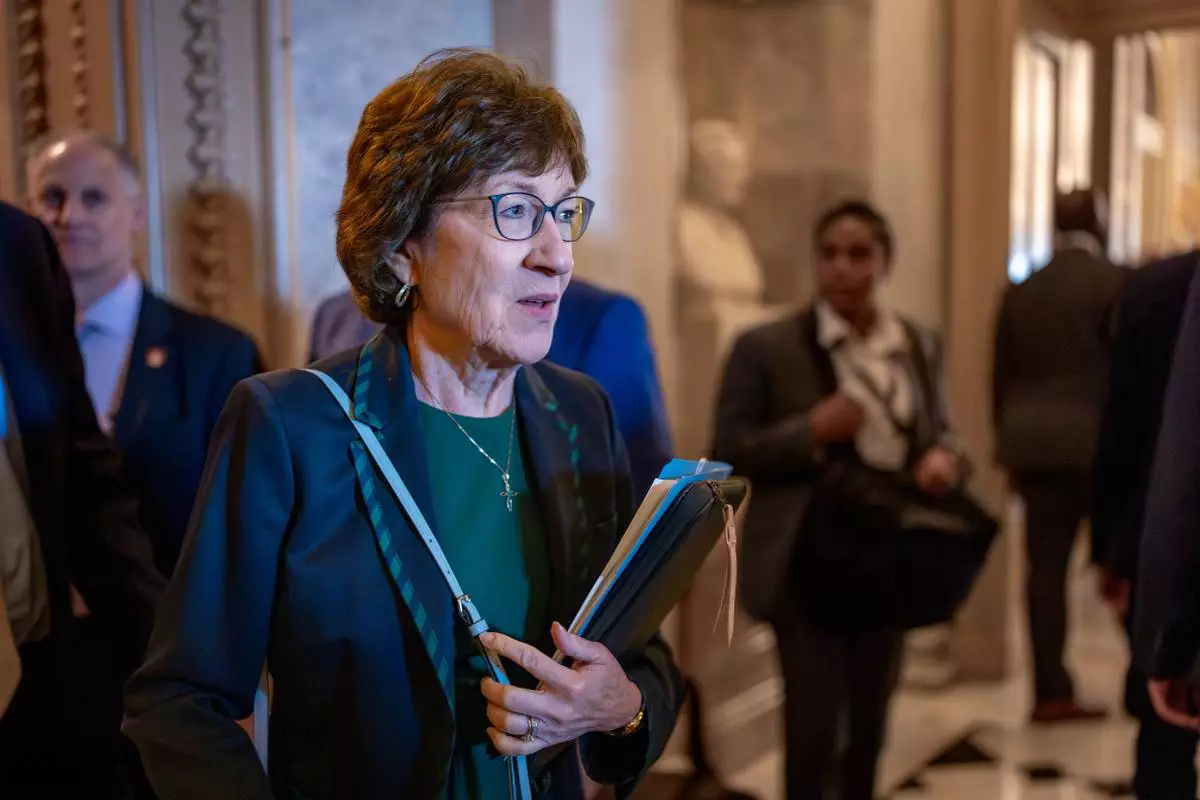
FILE - Sen. Susan Collins, R-Maine, departs the chamber at the Capitol in Washington, on July 24, 2025. (AP Photo/J. Scott Applewhite, File)
CREIGHTON, Neb. (AP) — Rick and Jane Saint John chose to live in the small town of Creighton, Nebraska, for one main reason: its hospital.
The couple has a child with nonverbal autism and epilepsy who requires up to three hospital visits a week. And Creighton's critical access hospital has been a lifeline for Jane: not only is she employed there, but three years ago, doctors saved her life when she contracted bacterial pneumonia. If she had waited another day for care, doctors said, her organs would have begun to shut down.
“And if we had had to drive the hour to the Yankton (South Dakota) hospital," Rick Saint John said, his voice breaking with emotion, "it could have cost her her life.”
So the Saint Johns were shocked to hear that Avera Creighton Hospital faces financial peril. A $50 billion government fund meant to transform rural health care will do little to help. It's a problem that millions of Americans in rural areas are awakening to as they realize there's no windfall coming for the vulnerable hospitals near their homes.
Hundreds of rural hospitals across the country are facing closures after years of funding problems. The issue was compounded last summer by the Trump administration's massive cuts to Medicaid, the government's safety net for low-income Americans, whose reimbursements have long helped hospitals meet their bottom lines.
Outcry over the funding cuts prompted Republican lawmakers to create $50 billion in new rural health grants, but critics say that funding is intended for innovative health care delivery solutions — not propping up hospitals buckling under current pressures.
“It won’t pay to keep the lights on. And it won’t turn the lights back on once they’ve been turned off,” said Dr. Ben Young, an infectious disease specialist and policy expert with public health advocacy group Wellness Equity Alliance.
Rural Americans’ health care worries reflect broader national concerns about access and rising prices of care as the cost of living spikes — anxieties that could prove pivotal in this year’s midterm elections.
The $50 billion Rural Health Transformation Program included in President Donald Trump's tax-and-spending law last year was billed by Republicans as a way to help hospitals in rural areas. Last summer, Health Secretary Robert F. Kennedy Jr. touted it as the “biggest infusion in history” for rural hospitals and pledged it will “restore and revitalize these communities.”
Hospitals and health industry experts have warned that while the fund — $10 billion per year allocated across all states for five years — offers some support to struggling rural hospitals, it won’t save them. One reason is that the sum doesn't come close to offsetting the $137 billion that rural hospitals expect to lose over the next decade, according to health research nonprofit KFF. Millions of people are expected to lose Medicaid benefits as a result of new Medicaid work requirements going into effect in 2027 — changes the Trump administration has maintained will crack down on fraudsters rather than cut off eligible enrollees.
Administrators say the new $50 billion fund is not meant to shore up ailing rural hospitals or maintain the status quo, but to transform rural health care through tech, workforce and other innovations. Centers for Medicare and Medicaid Services Administrator Dr. Mehmet Oz in a December video said it “gives states the tools to design solutions that last, not Band-Aids that fail.”
The White House echoed that Wednesday, saying the fund is intended to fund “big ideas” to improve rural health care access long-term.
“Decades of mismanagement by career politicians in Washington have left rural communities with limited care options," White House spokesman Kush Desai said.
State applications show a wide range of proposals. Some pitches sought to improve emergency medical services and modernize rural facilities, while others looked to make school lunches healthier, expand physical fitness programs, beef up telehealth and expand AI-driven technologies to help monitor patients.
Avera Creighton Hospital CEO Theresa Guenther argues her hospital is not in danger of closing. but conceded that Medicaid cuts will be painful — a sentiment shared by most rural hospitals, she said.
“Medicaid cuts will have an impact to us, and we — as well as many others — will have to figure out what that looks like moving forward,” she said. Her hospital hopes to get a piece of the $50 billion fund to help manage patients' chronic diseases — like diabetes — and to help cover workforce costs.
Nebraska, which received $218 million for the rural health grants' first installment, plans to spend some $90 million on healthier food options at schools, recruiting more health care workers and mobile sensors to remotely monitor chronically ill patients in rural areas, among other things. But for rural critical access hospitals at risk of closing, it offers $10 million to “right size” them by getting rid of inpatient care, where bed occupancy is typically low.
Republican state Sen. Barry DeKay said hospitals like Creighton's are vital, despite it's low occupancy rate. The hospital is in his district; even his mother received life-extending care there following a hip replacement. He's worried that the Medicaid cuts could hurt all the state's rural hospitals.
“I'll try to be working as hard as I can to get as much money to rural hospitals — whether it's in my district or any other rural district in the state,” he said.
Rick Saint John acknowledged he knows little about how Nebraska will use the federal funds, but he thinks it should go to helping hospitals like Creighton’s remain intact.
“The hospital is very important to this community, and for more than just medical care,” he said, citing job losses if the hospital loses services or closes.
The fund has seen pushback from hospital groups over an issue that's shaping up as important for 2026 voters.
The Colorado Hospital Association sent a letter in December to state lawmakers accusing them of ignoring input from rural hospitals during the application process.
The Nebraska Hospital Association, which endorsed Republican U.S. Sen. Deb Fischer’s 2024 reelection bid based on her advocacy for rural health care, has criticized both the cuts and the $50 billion fund. Fischer voted last summer for the Medicaid cuts.
That and other efforts by the state to limit Medicaid spending sends a message “that access to health care is not a priority," the group said.
Some Republican state lawmakers across the country have expressed unease with parts of the fund and have sought ways to use it to help struggling rural hospitals.
Under pressure, some rural states are making their own moves to help.
Wyoming enacted a law allowing rural hospitals to file Chapter 9 bankruptcy, normally reserved for financially stressed cities to reorganize debts and repay creditors while protecting them from legal action.
In North Dakota, during a special session to allocate the state’s federal rural health funds, the Republican-led Legislature passed an unrelated bill that aims to rescue a rural hospital with a low-interest loan of up to $5 million administered through the state-owned bank.
It's hoped the plan will keep the hospital open in a vast rural area where it employs 5% of the surrounding county's residents, hospital board member Matt Hager said.
Young, the expert with Wellness Equity Alliance, sees dark days ahead for rural hospitals.
“I am not optimistic in the short term,” he said. “Because these hospitals are facing immediate financial shortfalls, are barely financially operating currently, and they need operating support now.”
Swenson reported from New York. Associated Press writer Jack Dura contributed to this report from Bismarck, North Dakota.
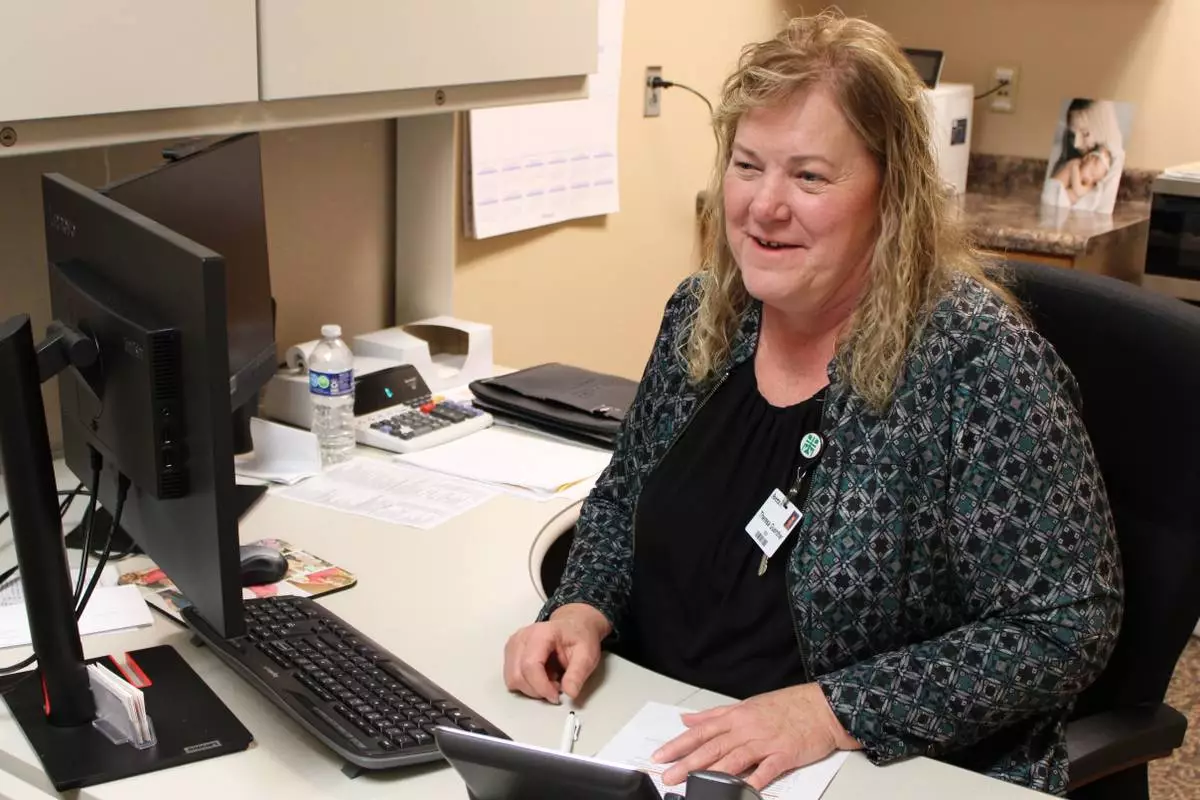
Avera Creighton Hospital CEO Theresa Guenther is seen in her office, Feb. 24, 2026, in Creighton, Neb. (AP Photo/Margery A. Beck)
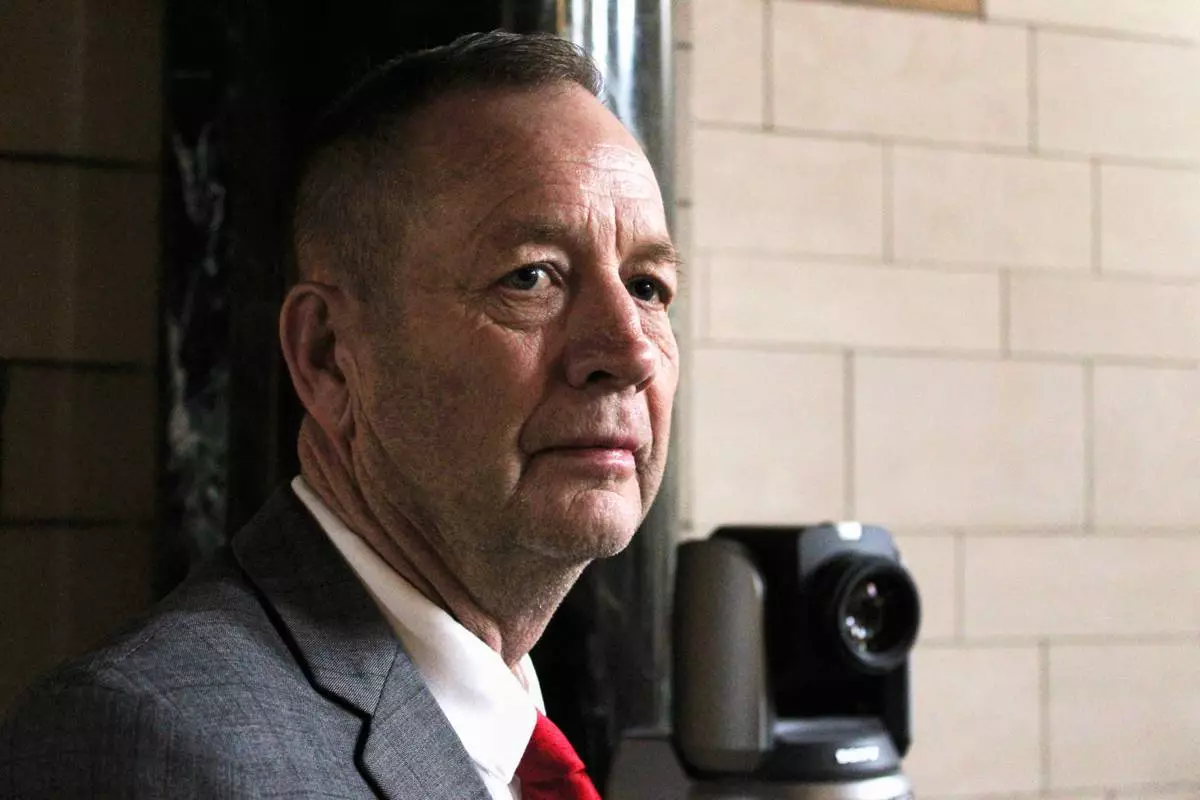
Nebraska State Sen. Barry DeKay, R-Niobrara, is seen on the floor of the Nebraska State Capitol, Feb. 5, 2026, in Lincoln, Neb. (AP Photo/Margery A. Beck)
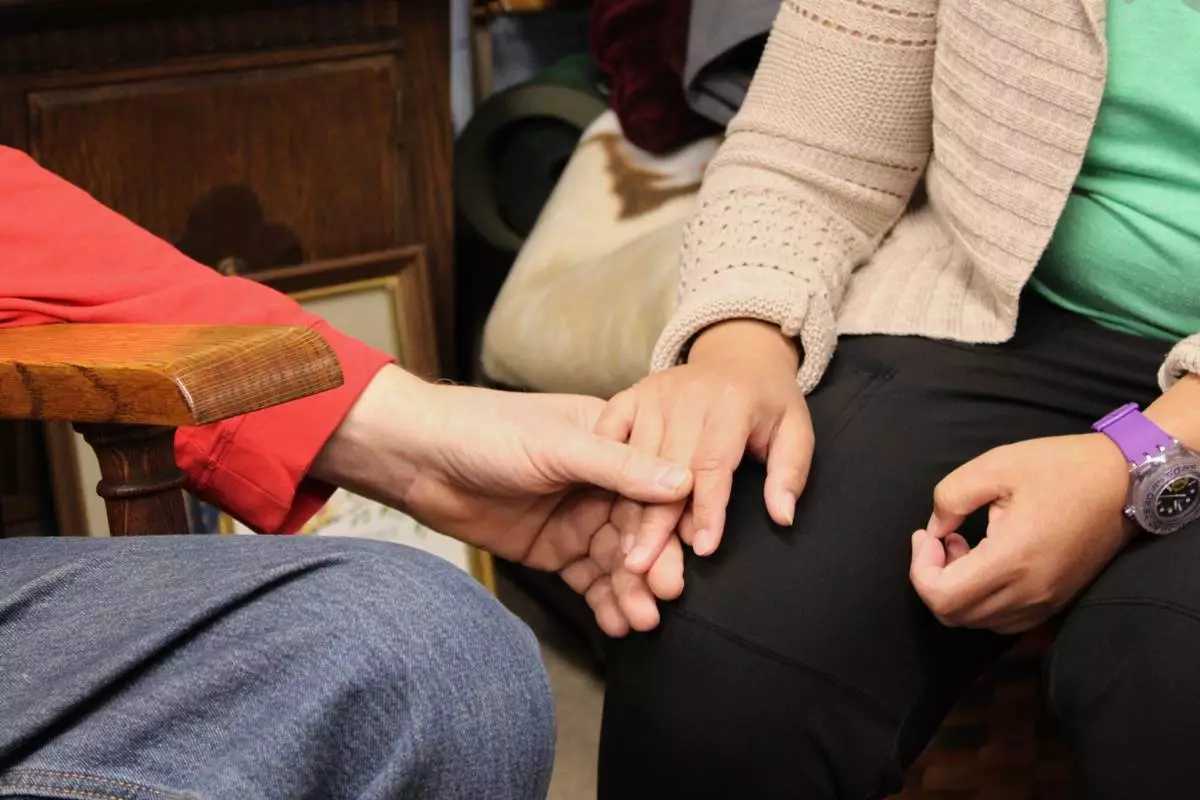
Jane and Rick Saint John hold hands on Feb. 24, 2026, as they recall how Jane received life-saving care three years ago at Avera Creighton Hospital, in rural Creighton, Neb. (AP Photo/Margery A. Beck)
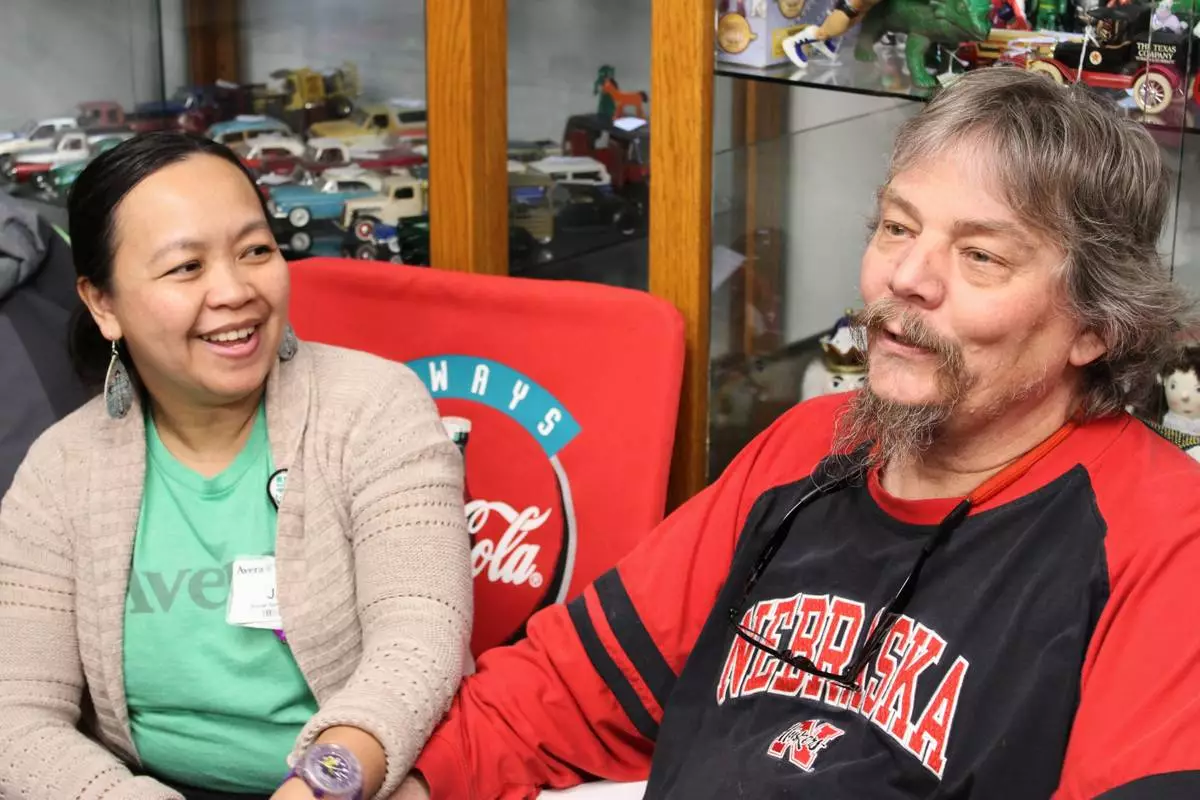
Jane and Rick Saint John discuss how important their local hospital, Avera Creighton Hospital, is in their rural community, Feb. 24, 2026, in Creighton, Neb. (AP Photo/Margery A. Beck)
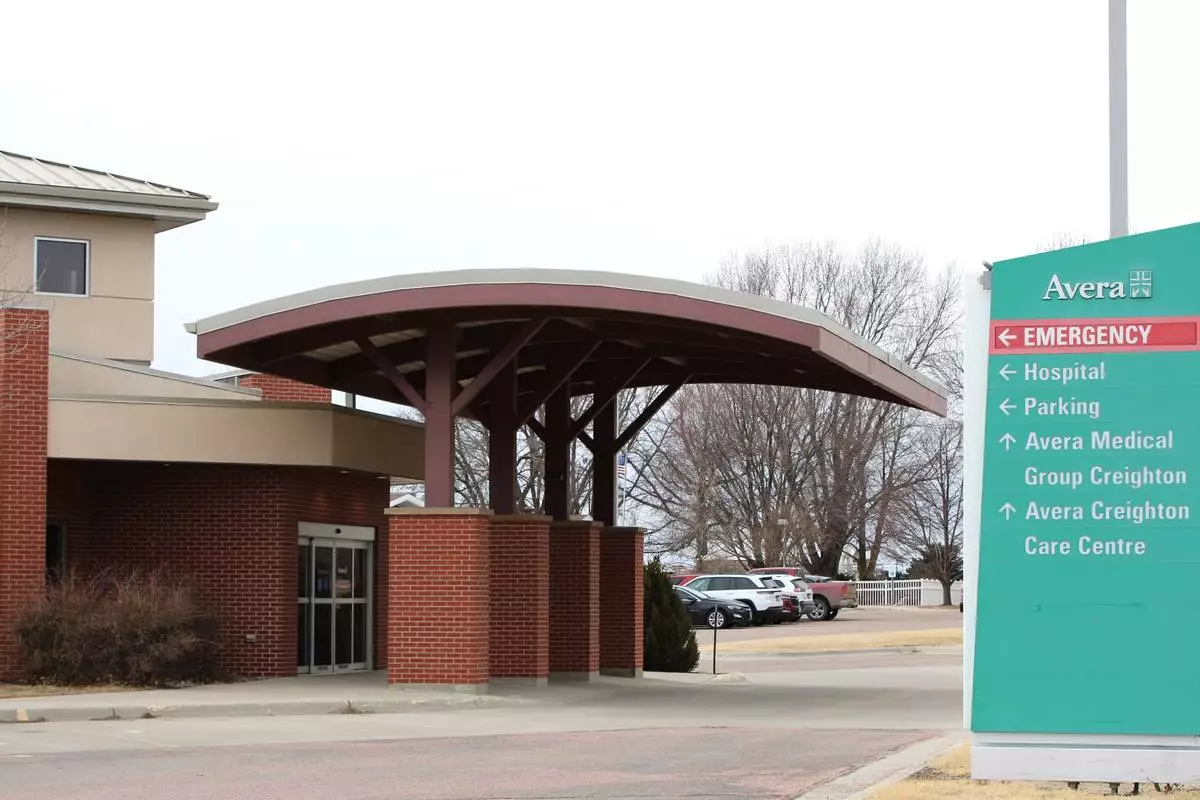
Avera Creighton Hospital is seen on Feb. 24, 2026, in Creighton, Neb. (AP Photo/Margery A. Beck)