Skip to Content Facebook Feature Image

Trump's border czar suggests a possible drawdown in Minnesota, but only after ‘cooperation’

News

Trump's border czar suggests a possible drawdown in Minnesota, but only after ‘cooperation’
News

News

Trump's border czar suggests a possible drawdown in Minnesota, but only after ‘cooperation’

2026-01-30 05:38 Last Updated At:05:41

MINNEAPOLIS (AP) — The Trump administration could reduce the number of immigration enforcement officers in Minnesota, but only if state and local officials cooperate, the president's border czar said Thursday, noting he has “zero tolerance” for protesters who assault federal officers or impede the ongoing Twin Cities operation.

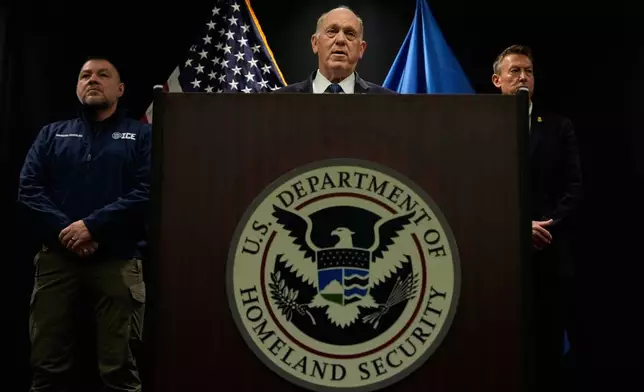
Tom Homan addressed reporters for the first time since the president sent him to Minneapolis following last weekend's fatal shooting of protester Alex Pretti, the second this month by federal officers carrying out the operation. His comments came after President Donald Trump seemed to signal a willingness to ease tensions in the Minneapolis and St. Paul area and as the administration ended its “enhanced operations” in Maine.

More Images
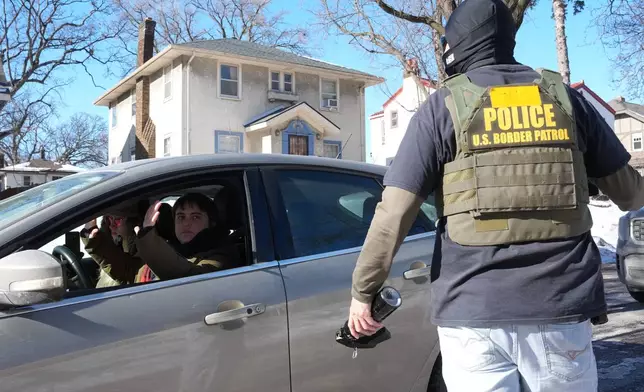
A federal agent approaches a vehicle on Thursday, Jan. 29, 2026, in Minneapolis. (AP Photo/Adam Gray)
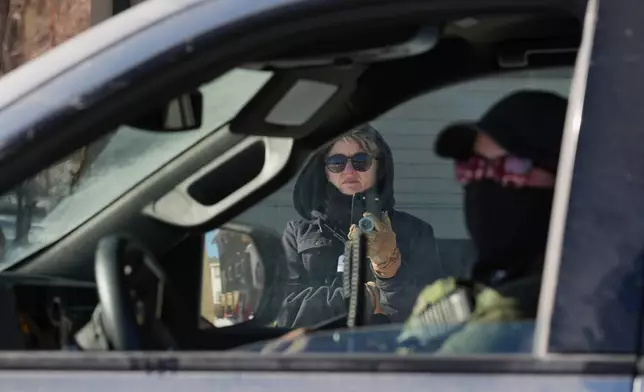
A federal agent approaches a vehicle on Thursday, Jan. 29, 2026, in Minneapolis. (AP Photo/Adam Gray)

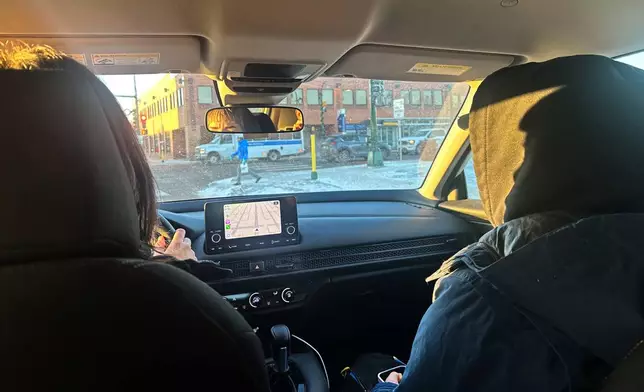
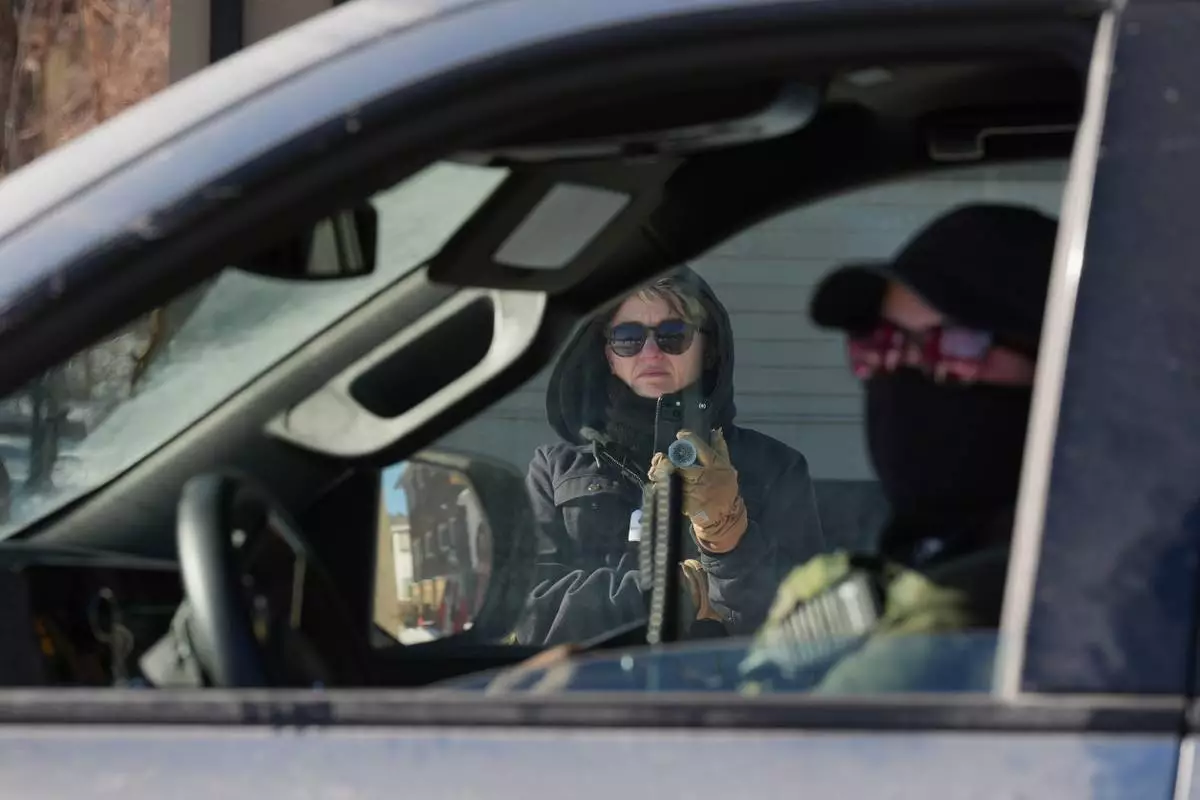
A person photographs a federal agent inside their vehicle on Thursday, Jan. 29, 2026, in North Minneapolis. (AP Photo/Adam Gray)
A person photographs a federal agent inside their vehicle on Thursday, Jan. 29, 2026, in North Minneapolis. (AP Photo/Adam Gray)

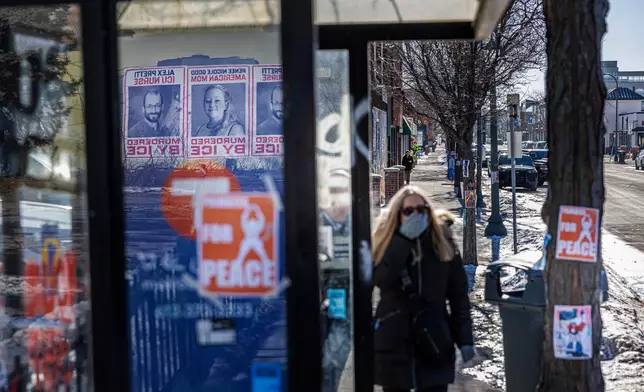
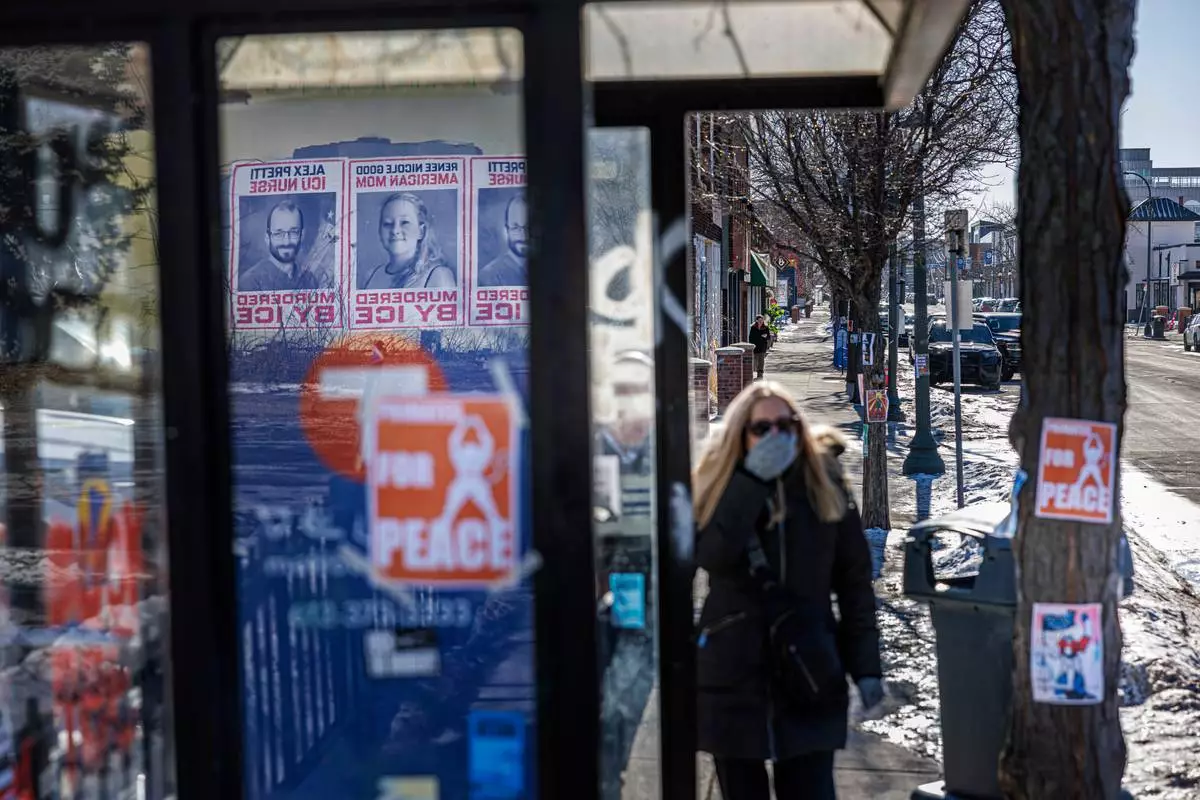
Posters depicting Alex Pretti and Renee Nicole Good are displayed inside a bus shelter across the street from the site where Pretti, a 37-year-old ICU nurse, was fatally shot by federal immigration agents, in Minneapolis, Minn., Thursday, Jan. 29, 2026. (Kerem Yücel/Minnesota Public Radio via AP)
Posters depicting Alex Pretti and Renee Nicole Good are displayed inside a bus shelter across the street from the site where Pretti, a 37-year-old ICU nurse, was fatally shot by federal immigration agents, in Minneapolis, Minn., Thursday, Jan. 29, 2026. (Kerem Yücel/Minnesota Public Radio via AP)
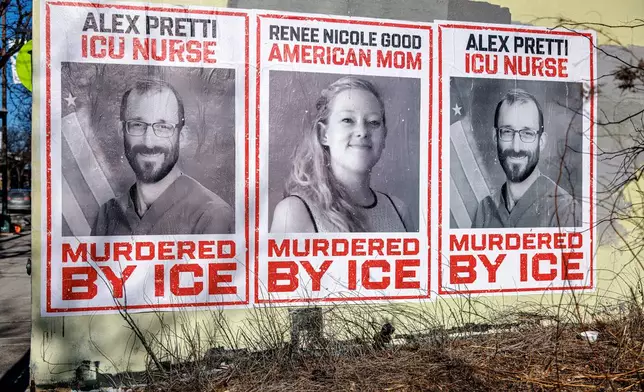
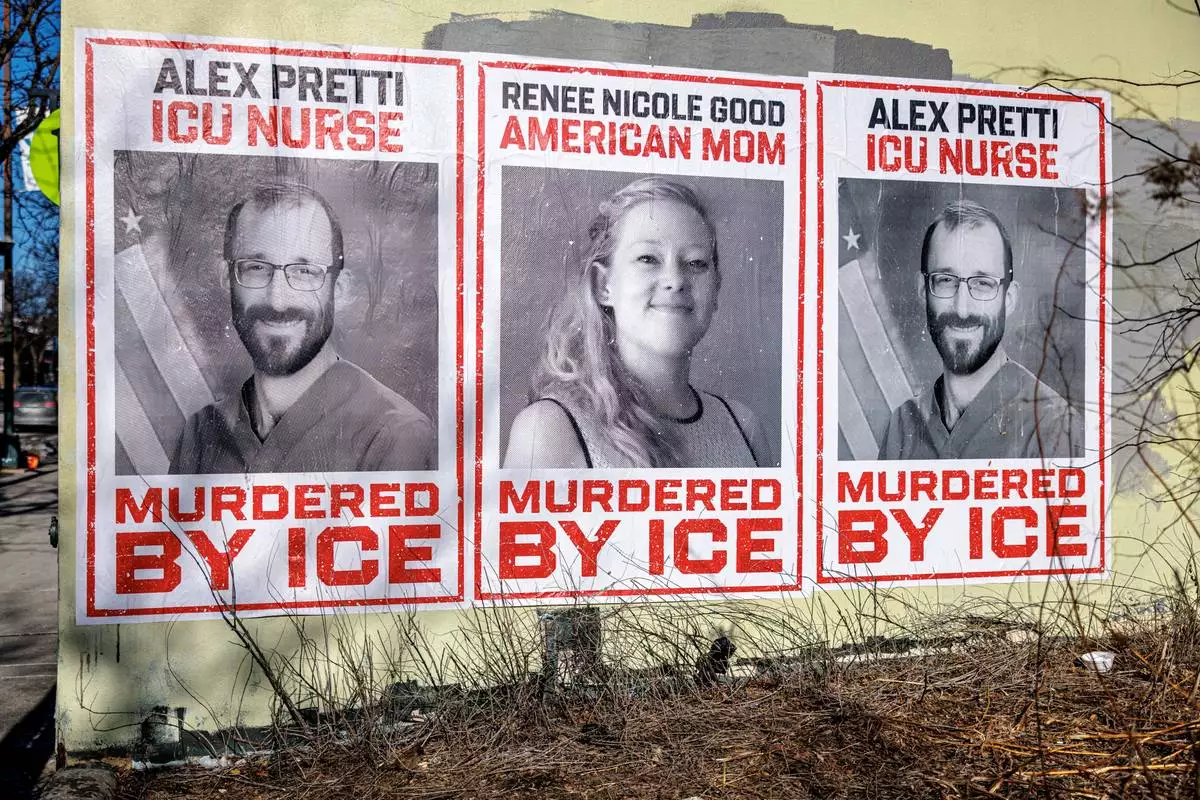
Posters depicting Alex Pretti and Renee Nicole Good are displayed on a wall near the site where Pretti, a 37-year-old ICU nurse, was fatally shot by federal immigration agents, in Minneapolis, Minn., Thursday, Jan. 29, 2026. (Kerem Yücel/Minnesota Public Radio via AP)

Posters depicting Alex Pretti and Renee Nicole Good are displayed on a wall near the site where Pretti, a 37-year-old ICU nurse, was fatally shot by federal immigration agents, in Minneapolis, Minn., Thursday, Jan. 29, 2026. (Kerem Yücel/Minnesota Public Radio via AP)

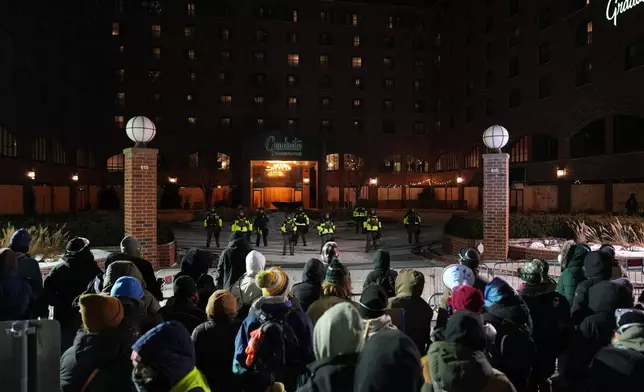
People participate during a noise demonstration outside the Graduate by Hilton Minneapolis hotel on Wednesday, Jan. 28, 2026, in Minneapolis. (AP Photo/Adam Gray)
People participate during a noise demonstration outside the Graduate by Hilton Minneapolis hotel on Wednesday, Jan. 28, 2026, in Minneapolis. (AP Photo/Adam Gray)

A pair of volunteer observers patrol south Minneapolis neighborhoods Tuesday, Jan 27, 2026, looking for signs of activity by federal immigration officers. (AP Photo/Tim Sullivan)
A pair of volunteer observers patrol south Minneapolis neighborhoods Tuesday, Jan 27, 2026, looking for signs of activity by federal immigration officers. (AP Photo/Tim Sullivan)

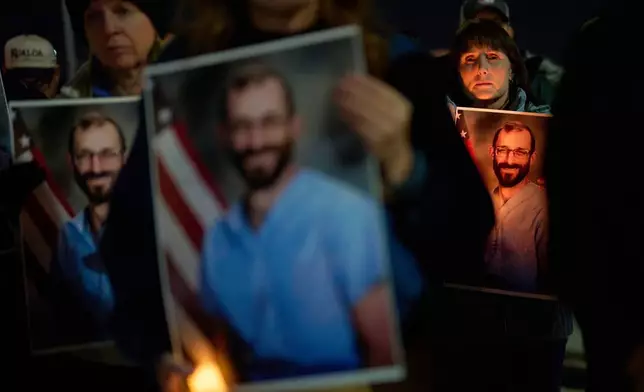
People hold up photos during a vigil for Alex Pretti, who was shot and killed by federal immigration enforcement in Minneapolis, Wednesday, Jan. 28, 2026, in Henderson, Nev. (AP Photo/John Locher)
People hold up photos during a vigil for Alex Pretti, who was shot and killed by federal immigration enforcement in Minneapolis, Wednesday, Jan. 28, 2026, in Henderson, Nev. (AP Photo/John Locher)

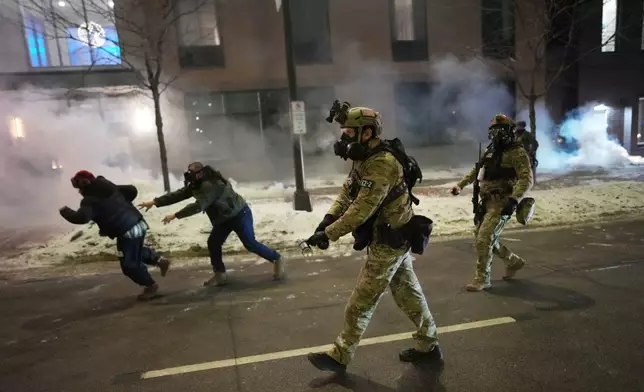
Federal agents try to clear demonstrators near a hotel, using tear gas during a noise demonstration protest in response to federal immigration enforcement operations in the city Sunday, Jan. 25, 2026, in Minneapolis. (AP Photo/Adam Gray)
Federal agents try to clear demonstrators near a hotel, using tear gas during a noise demonstration protest in response to federal immigration enforcement operations in the city Sunday, Jan. 25, 2026, in Minneapolis. (AP Photo/Adam Gray)

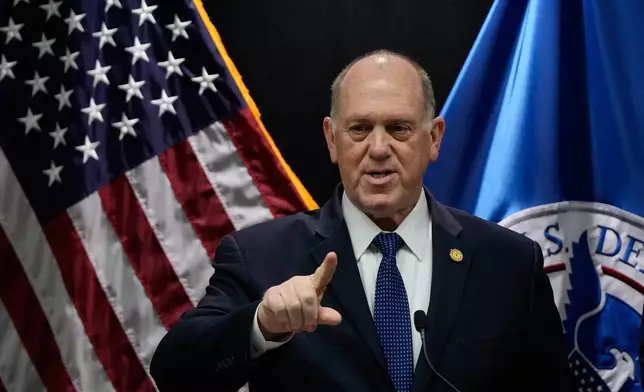
White House border czar Tom Homan holds a news conference as Marcos Charles and Rodney Scott, listen, at the Bishop Whipple Federal building on Thursday, Jan. 29, 2026 in Minneapolis. (AP Photo/Julia Demaree Nikhinson)
White House border czar Tom Homan holds a news conference as Marcos Charles and Rodney Scott, listen, at the Bishop Whipple Federal building on Thursday, Jan. 29, 2026 in Minneapolis. (AP Photo/Julia Demaree Nikhinson)

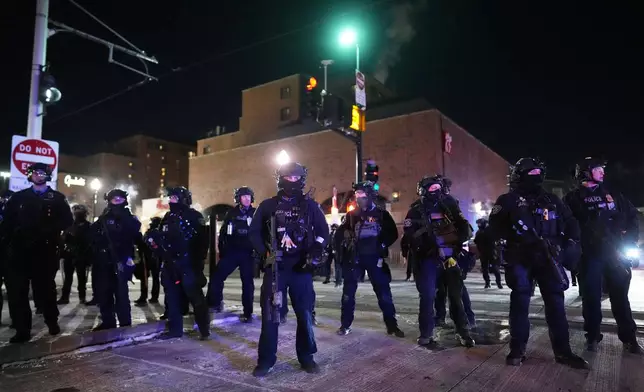
Law enforcement officers prepare to make arrests after declaring an unlawful assembly during a noise demonstration outside the Graduate by Hilton Minneapolis hotel on Wednesday, Jan. 28, 2026, in Minneapolis. (AP Photo/Adam Gray)
Law enforcement officers prepare to make arrests after declaring an unlawful assembly during a noise demonstration outside the Graduate by Hilton Minneapolis hotel on Wednesday, Jan. 28, 2026, in Minneapolis. (AP Photo/Adam Gray)

White House border czar Tom Homan holds a news conference at the Bishop Whipple Federal building on Thursday, Jan. 29, 2026 in Minneapolis. (AP Photo/Julia Demaree Nikhinson)
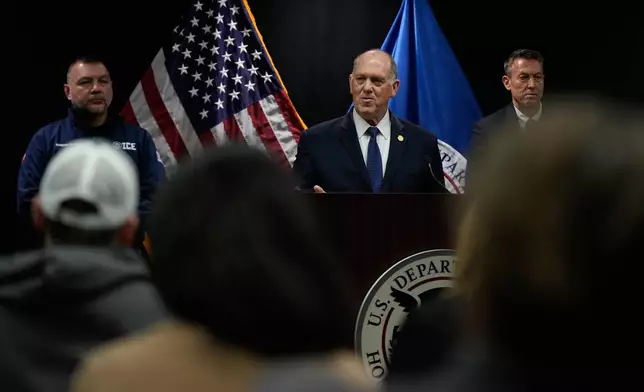
White House border czar Tom Homan holds a news conference at the Bishop Whipple Federal building on Thursday, Jan. 29, 2026 in Minneapolis. (AP Photo/Julia Demaree Nikhinson)
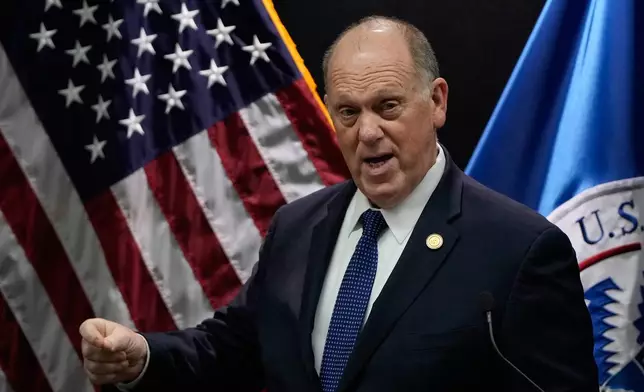
White House border czar Tom Homan holds a news conference as Marcos Charles and Rodney Scott, listen, at the Bishop Whipple Federal building on Thursday, Jan. 29, 2026 in Minneapolis. (AP Photo/Julia Demaree Nikhinson)
White House border czar Tom Homan holds a news conference as Marcos Charles and Rodney Scott, listen, at the Bishop Whipple Federal building on Thursday, Jan. 29, 2026 in Minneapolis. (AP Photo/Julia Demaree Nikhinson)

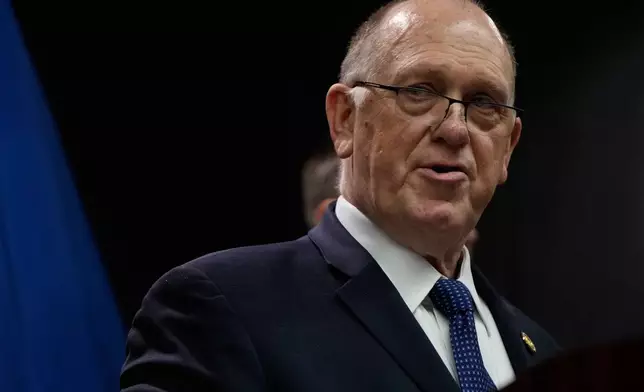
White House border czar Tom Homan holds a news conference at the Bishop Whipple Federal building on Thursday, Jan. 29, 2026 in Minneapolis. (AP Photo/Julia Demaree Nikhinson)

White House border czar Tom Homan holds a news conference at the Bishop Whipple Federal building on Thursday, Jan. 29, 2026 in Minneapolis. (AP Photo/Julia Demaree Nikhinson)

White House border czar Tom Homan holds a news conference at the Bishop Whipple Federal building on Thursday, Jan. 29, 2026 in Minneapolis. (AP Photo/Julia Demaree Nikhinson)

White House border czar Tom Homan holds a news conference at the Bishop Whipple Federal building on Thursday, Jan. 29, 2026 in Minneapolis. (AP Photo/Julia Demaree Nikhinson)

Homan, who said he wouldn't address the shootings, emphasized that the administration isn't relenting on its immigration crackdown and warned that protesters could face consequences if they interfere with federal officers.

But he seemed to acknowledge there had been missteps.

“I do not want to hear that everything that’s been done here has been perfect. Nothing’s ever perfect,” he said.

Homan hinted at the prospect of pulling out many of the roughly 3,000 federal officers taking part in the operation, but he seemed to tie that to cooperation from state and local leaders and a reduction in protester interference.

“The drawdown is going to happen based on these agreements," he said. "But the drawdown can happen even more if the hateful rhetoric and the impediment and interference will stop.”

He also said he would oversee internal changes in federal immigration law enforcement, but he gave few specifics.

“The mission is going to improve because of the changes we’re making internally,” he said. “No agency organization is perfect. And President Trump and I, along with others in the administration, have recognized that certain improvements could and should be made.”

Minneapolis Mayor Jacob Frey told reporters in Washington on Thursday he was “hopeful” that the number of federal officers in the city would be reduced. He said police would do their jobs but not “somebody else's,” referring to federal law enforcement.

Despite Trump softening his rhetoric about Minnesota officials — he said this week they were on a “similar wavelength” — there has been no visible sign of any big changes to the operation. On Thursday, as the Justice Department charged a man accused of squirting vinegar on Democratic Rep. Ilhan Omar, a smattering of protesters braved the frigid temperatures to demonstrate outside of the federal facility that has been serving as the operation's main hub.

Pretti, 37, was fatally shot Saturday during a scuffle with the Border Patrol. Earlier this month, 37-year-old Renee Good was shot in her vehicle by an Immigration and Customs Enforcement officer.

Homan doubled down on the need for jails to alert ICE to inmates who could be deported, saying transferring such inmates to the agency is safer because it means fewer officers have to be out looking for people in the country illegally.

The White House has long blamed problems arresting criminal immigrants on so-called sanctuary jurisdictions, a term generally applied to state and local governments that limit law enforcement cooperation with the Department of Homeland Security.

Homan reiterated that, saying, “Give us access to illegal aliens, public safety threats in the safety and security of a jail.”

But Minnesota officials say this is already happening.

“At best, DHS fundamentally misunderstands Minnesota’s correctional system,” Paul Schnell, chief of the state Department of Corrections, told reporters last week, pushing back against the federal narrative. “At worst, it is pure propaganda.”

State prisons, he noted, always honor “detainers,” or federal requests to hold an arrested immigrant until agents can take custody of them.

“This occurs every time without exception,” he said, noting that “the vast majority,” of the state’s county sheriffs also cooperate with immigration authorities about immigrants in their jails.

Some do not, including the jails in Hennepin County, which serves Minneapolis, and Ramsey County, which serves St. Paul. However, both do hand over inmates to federal authorities if an arrest warrant has been signed by a judge.

Homan, whose arrival followed the departure of the Trump administration’s on-the-ground leader of the operation, Border Patrol chief Greg Bovino, also seemed to suggest a renewed focus on what ICE calls “targeted operations” focused on apprehending immigrants who have committed crimes. He said the agency would conduct “targeted strategic enforcement operations” prioritizing “public safety threats.”

It remains to be seen whether ICE's renewed focus on “targeted operations” might reduce tensions.

ICE and Homan have long said the Trump administration's primary focus is to arrest people in the country illegally who have a criminal history or pose a threat to public safety. But they acknowledge they'll also arrest anyone else found to be in the U.S. illegally.

They argue that ICE operations target specific people, as opposed to carrying out indiscriminate raids where officers round up everyone and demand their papers.

Sameera Hafiz, policy director with the Immigrant Legal Resource Center, said Homan's comments seemed to reflect a recognition that public opinion has turned against ICE, but she questioned his argument that carrying out targeted operations would make the country safer.

“His comments still seem to be based on the false premise that deporting people or deportation will make our community safer,” she said. “All the evidence and data has shown that deportations don’t make our communities safer. They destabilize families, they tear communities apart, they hurt our economy.”

Homan didn't give a specific timeline for how long he would stay in Minnesota.

“I’m staying until the problem’s gone,” he said, adding that he has met with community, law enforcement and elected leaders in the hopes of finding common ground and suggested that he’s made some progress.

Santana reported from Washington. Associated Press reporters Tim Sullivan in Minneapolis, Mike Catalini in Trenton, New Jersey, and Steven Sloan in Washington contributed.
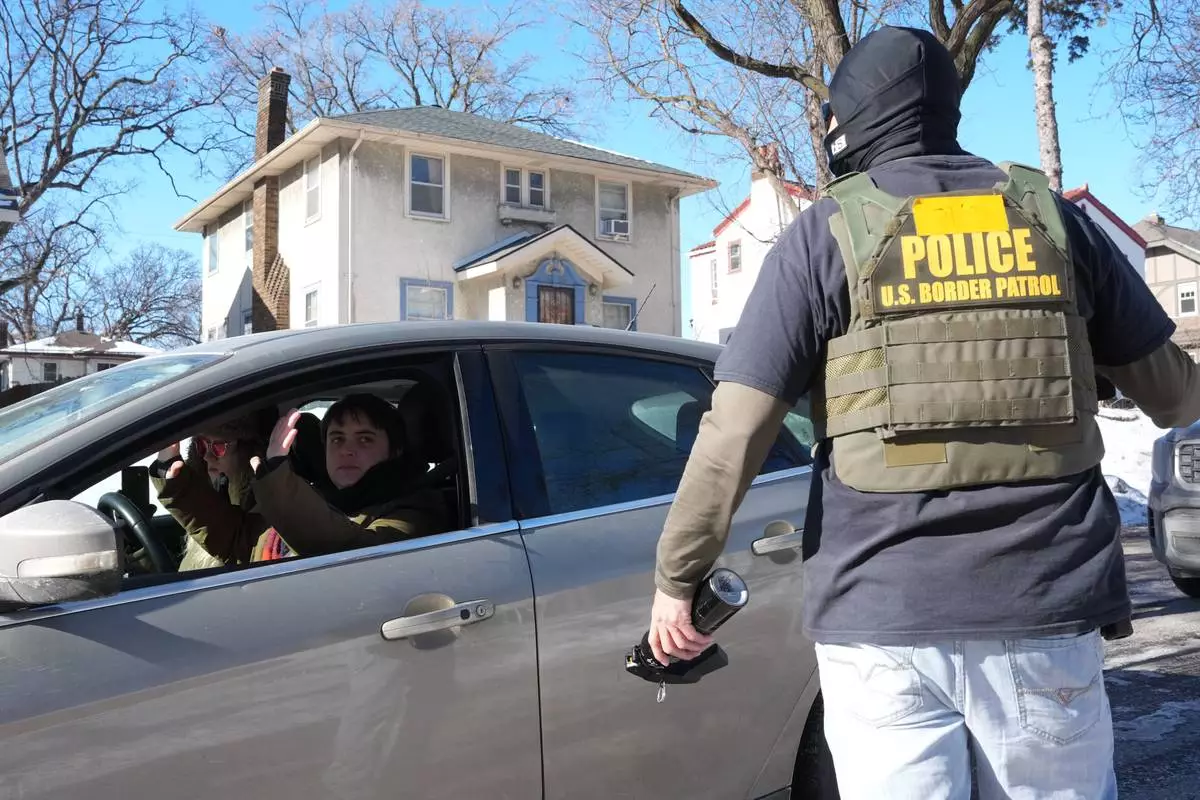
A federal agent approaches a vehicle on Thursday, Jan. 29, 2026, in Minneapolis. (AP Photo/Adam Gray)
A federal agent approaches a vehicle on Thursday, Jan. 29, 2026, in Minneapolis. (AP Photo/Adam Gray)

A person photographs a federal agent inside their vehicle on Thursday, Jan. 29, 2026, in North Minneapolis. (AP Photo/Adam Gray)
A person photographs a federal agent inside their vehicle on Thursday, Jan. 29, 2026, in North Minneapolis. (AP Photo/Adam Gray)

Posters depicting Alex Pretti and Renee Nicole Good are displayed inside a bus shelter across the street from the site where Pretti, a 37-year-old ICU nurse, was fatally shot by federal immigration agents, in Minneapolis, Minn., Thursday, Jan. 29, 2026. (Kerem Yücel/Minnesota Public Radio via AP)
Posters depicting Alex Pretti and Renee Nicole Good are displayed inside a bus shelter across the street from the site where Pretti, a 37-year-old ICU nurse, was fatally shot by federal immigration agents, in Minneapolis, Minn., Thursday, Jan. 29, 2026. (Kerem Yücel/Minnesota Public Radio via AP)
Posters depicting Alex Pretti and Renee Nicole Good are displayed on a wall near the site where Pretti, a 37-year-old ICU nurse, was fatally shot by federal immigration agents, in Minneapolis, Minn., Thursday, Jan. 29, 2026. (Kerem Yücel/Minnesota Public Radio via AP)

Posters depicting Alex Pretti and Renee Nicole Good are displayed on a wall near the site where Pretti, a 37-year-old ICU nurse, was fatally shot by federal immigration agents, in Minneapolis, Minn., Thursday, Jan. 29, 2026. (Kerem Yücel/Minnesota Public Radio via AP)

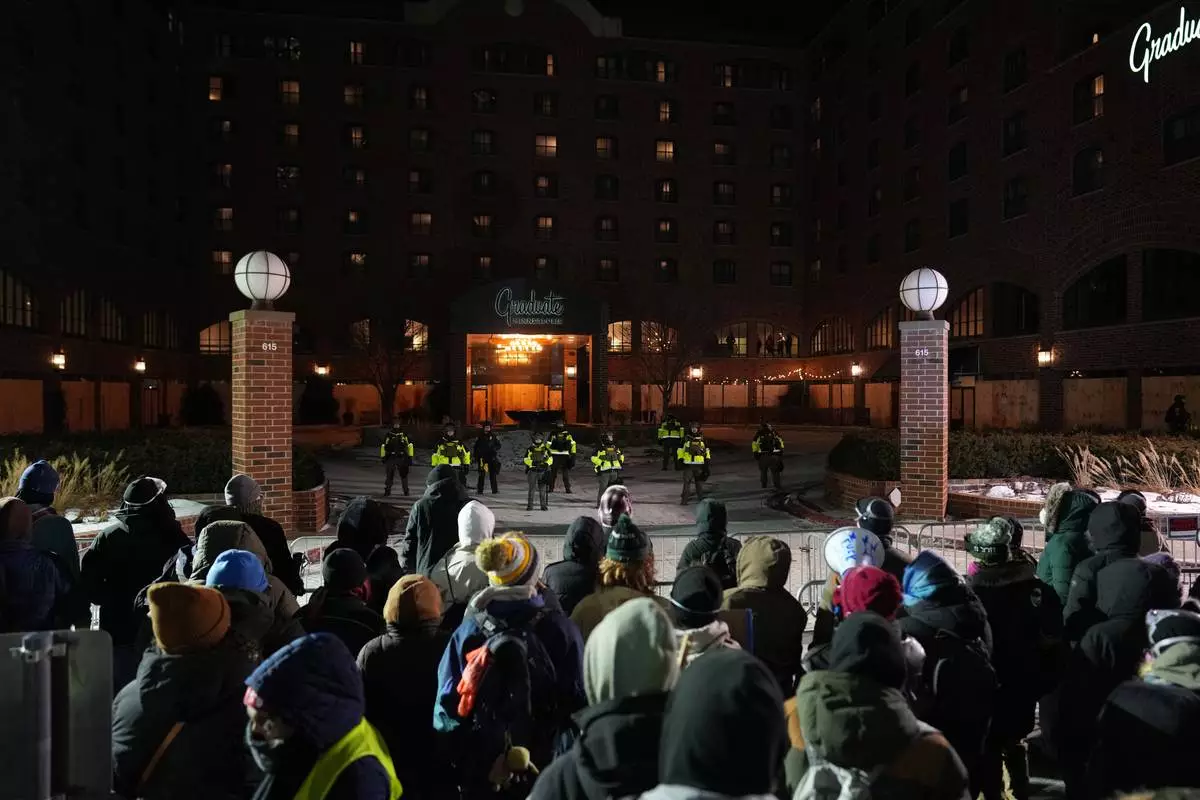
People participate during a noise demonstration outside the Graduate by Hilton Minneapolis hotel on Wednesday, Jan. 28, 2026, in Minneapolis. (AP Photo/Adam Gray)
People participate during a noise demonstration outside the Graduate by Hilton Minneapolis hotel on Wednesday, Jan. 28, 2026, in Minneapolis. (AP Photo/Adam Gray)

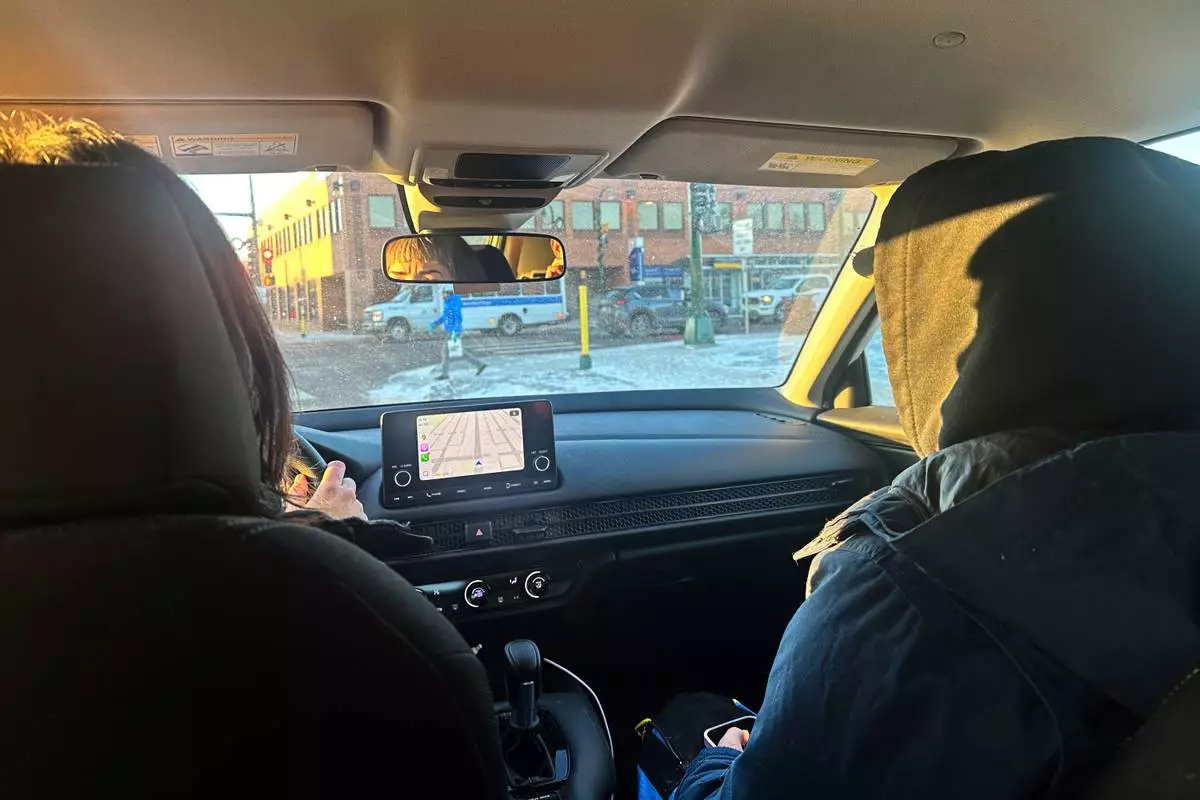
A pair of volunteer observers patrol south Minneapolis neighborhoods Tuesday, Jan 27, 2026, looking for signs of activity by federal immigration officers. (AP Photo/Tim Sullivan)
A pair of volunteer observers patrol south Minneapolis neighborhoods Tuesday, Jan 27, 2026, looking for signs of activity by federal immigration officers. (AP Photo/Tim Sullivan)

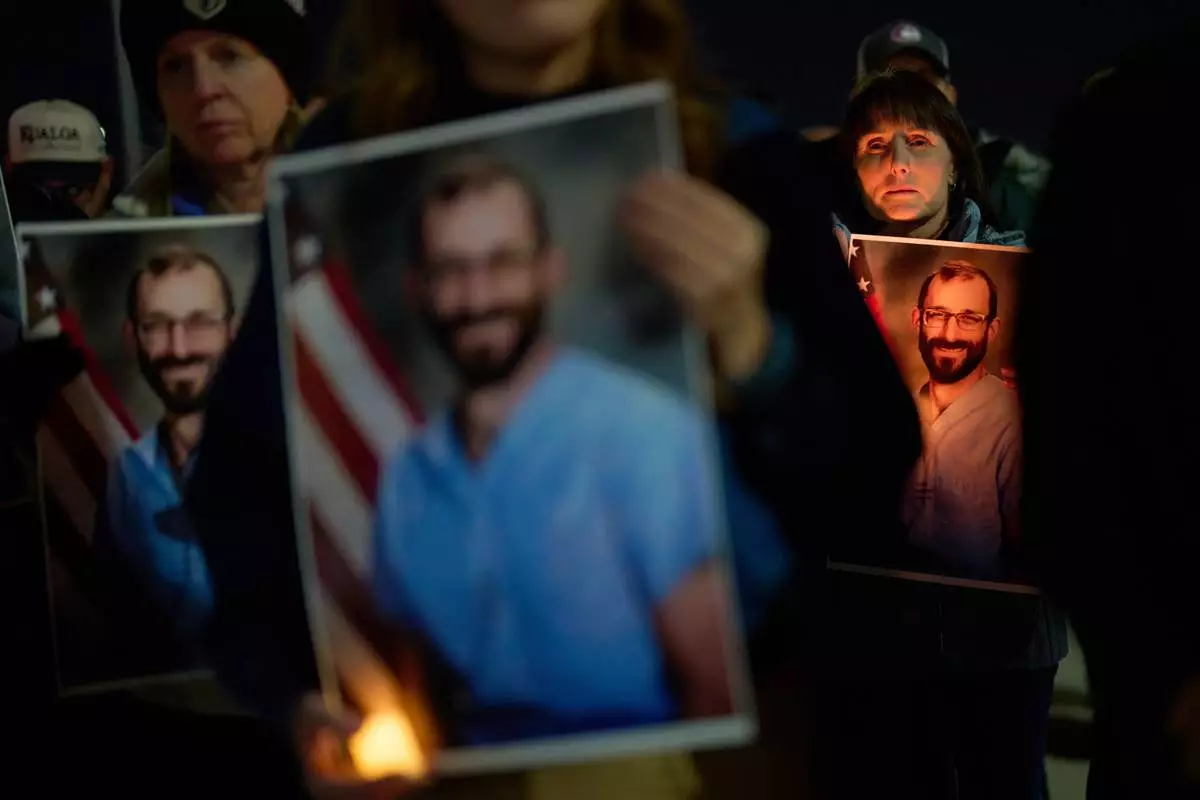
People hold up photos during a vigil for Alex Pretti, who was shot and killed by federal immigration enforcement in Minneapolis, Wednesday, Jan. 28, 2026, in Henderson, Nev. (AP Photo/John Locher)
People hold up photos during a vigil for Alex Pretti, who was shot and killed by federal immigration enforcement in Minneapolis, Wednesday, Jan. 28, 2026, in Henderson, Nev. (AP Photo/John Locher)

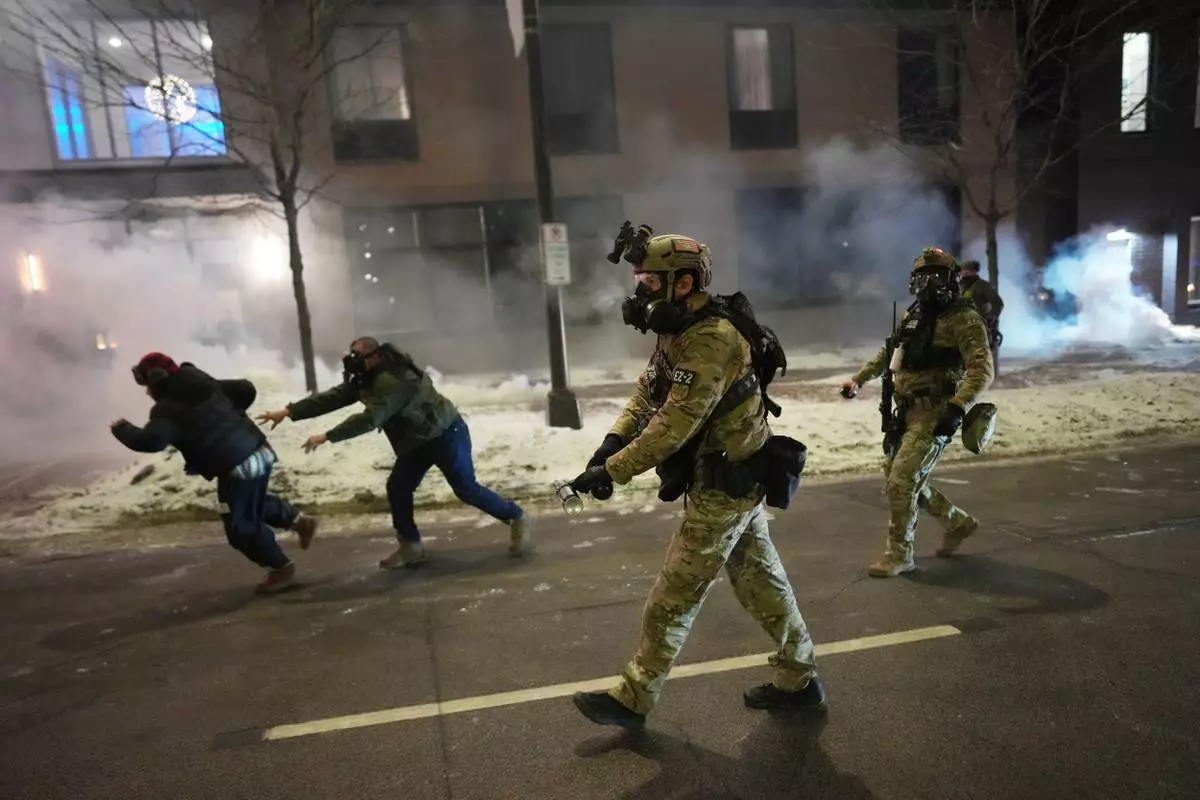
Federal agents try to clear demonstrators near a hotel, using tear gas during a noise demonstration protest in response to federal immigration enforcement operations in the city Sunday, Jan. 25, 2026, in Minneapolis. (AP Photo/Adam Gray)
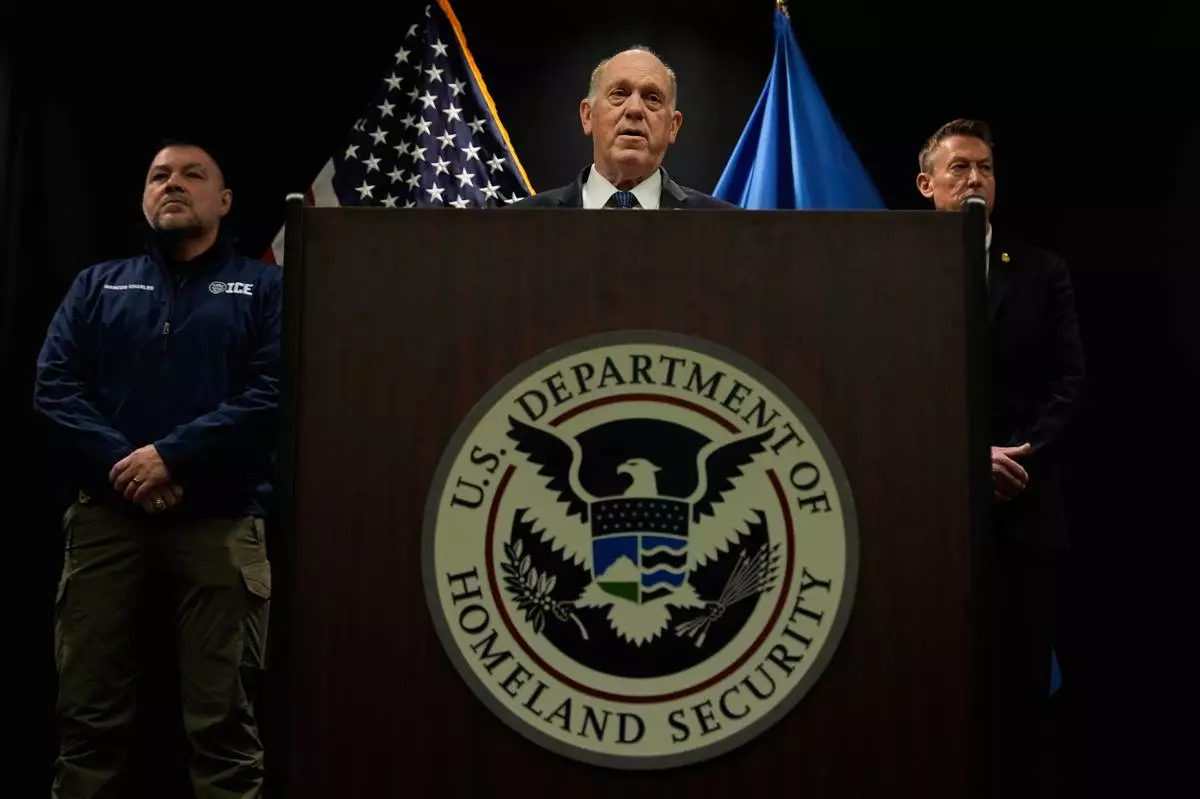
Federal agents try to clear demonstrators near a hotel, using tear gas during a noise demonstration protest in response to federal immigration enforcement operations in the city Sunday, Jan. 25, 2026, in Minneapolis. (AP Photo/Adam Gray)

White House border czar Tom Homan holds a news conference as Marcos Charles and Rodney Scott, listen, at the Bishop Whipple Federal building on Thursday, Jan. 29, 2026 in Minneapolis. (AP Photo/Julia Demaree Nikhinson)
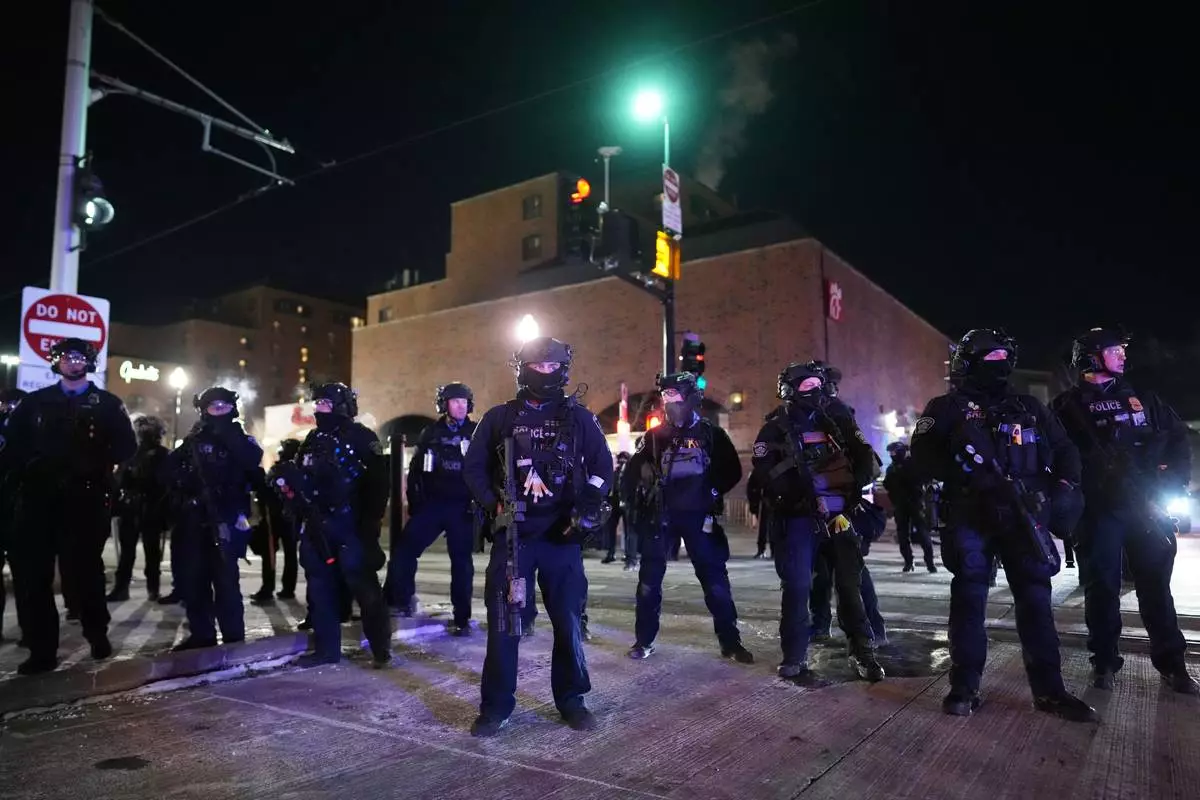
White House border czar Tom Homan holds a news conference as Marcos Charles and Rodney Scott, listen, at the Bishop Whipple Federal building on Thursday, Jan. 29, 2026 in Minneapolis. (AP Photo/Julia Demaree Nikhinson)

Law enforcement officers prepare to make arrests after declaring an unlawful assembly during a noise demonstration outside the Graduate by Hilton Minneapolis hotel on Wednesday, Jan. 28, 2026, in Minneapolis. (AP Photo/Adam Gray)
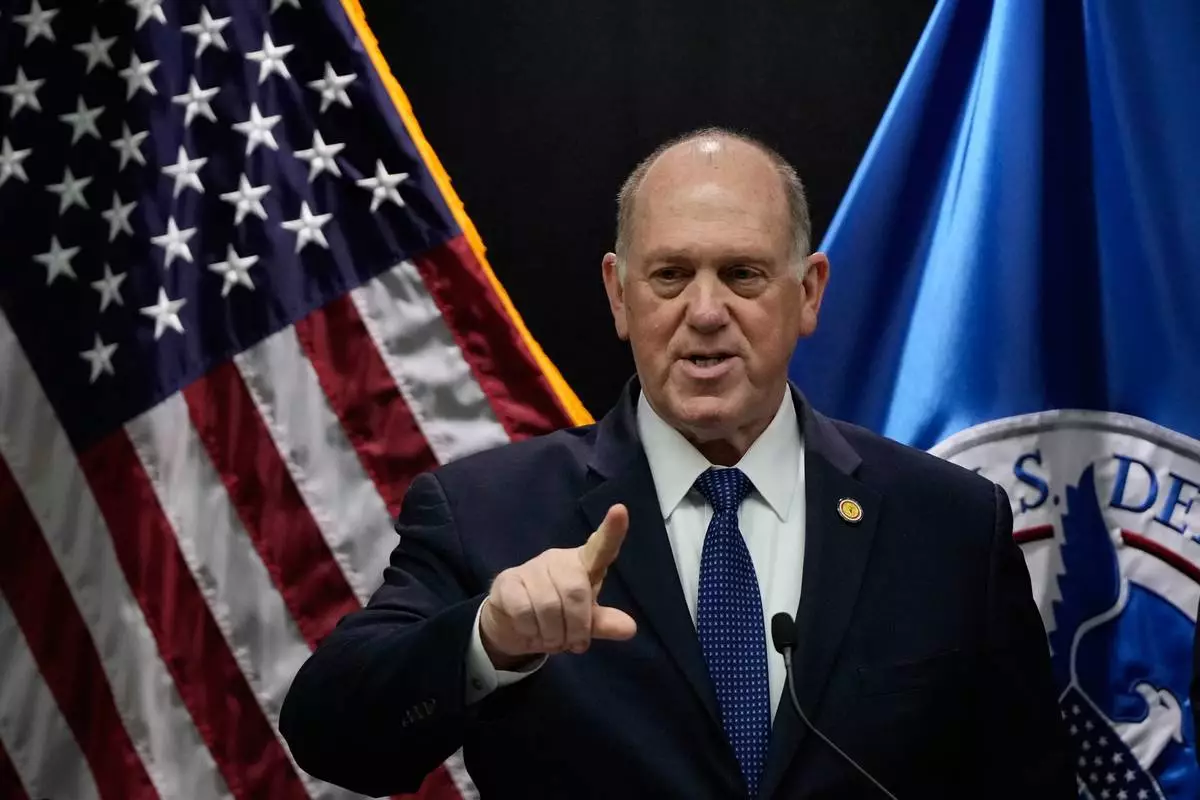
Law enforcement officers prepare to make arrests after declaring an unlawful assembly during a noise demonstration outside the Graduate by Hilton Minneapolis hotel on Wednesday, Jan. 28, 2026, in Minneapolis. (AP Photo/Adam Gray)

White House border czar Tom Homan holds a news conference at the Bishop Whipple Federal building on Thursday, Jan. 29, 2026 in Minneapolis. (AP Photo/Julia Demaree Nikhinson)
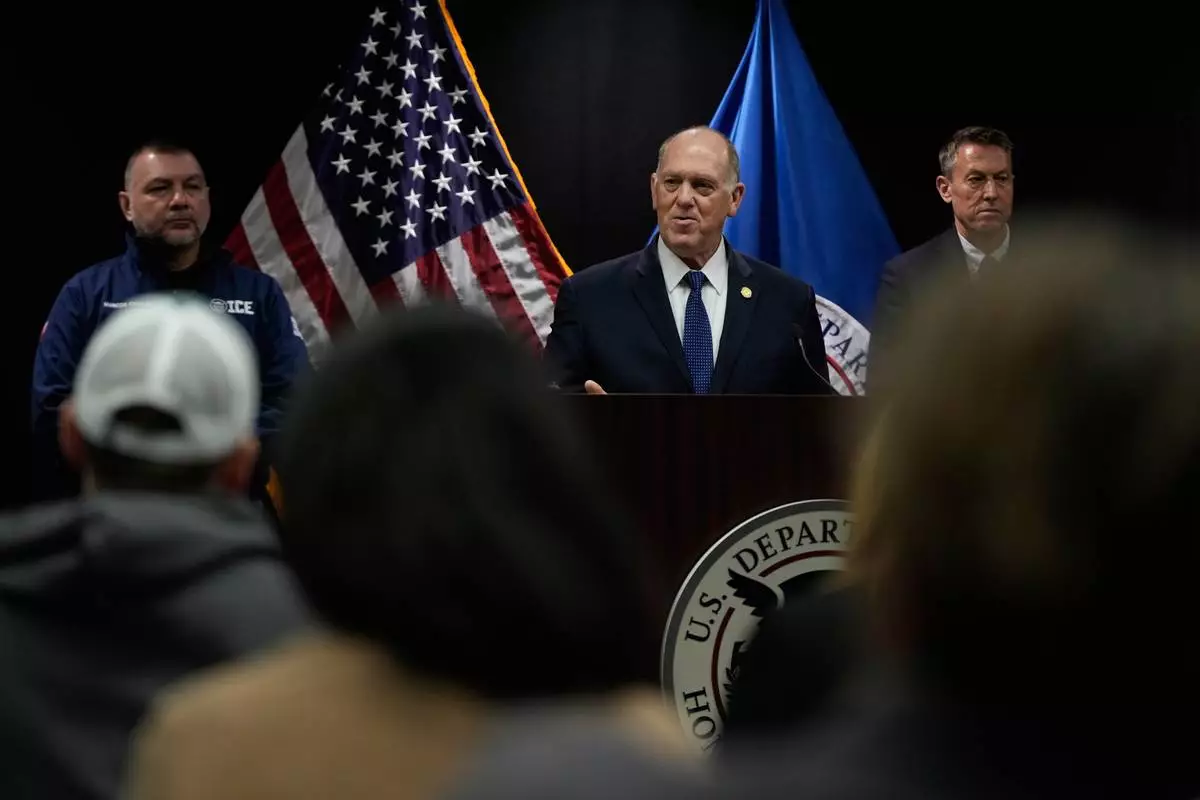
White House border czar Tom Homan holds a news conference at the Bishop Whipple Federal building on Thursday, Jan. 29, 2026 in Minneapolis. (AP Photo/Julia Demaree Nikhinson)
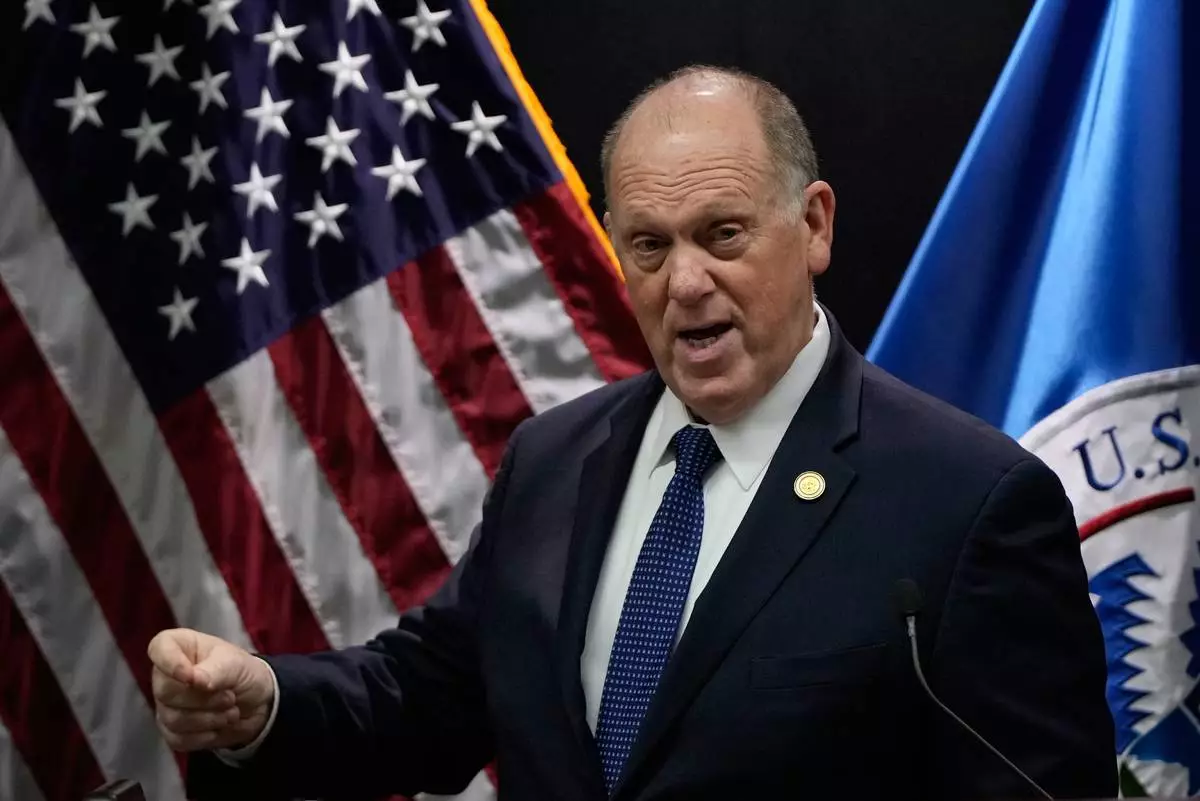
White House border czar Tom Homan holds a news conference as Marcos Charles and Rodney Scott, listen, at the Bishop Whipple Federal building on Thursday, Jan. 29, 2026 in Minneapolis. (AP Photo/Julia Demaree Nikhinson)
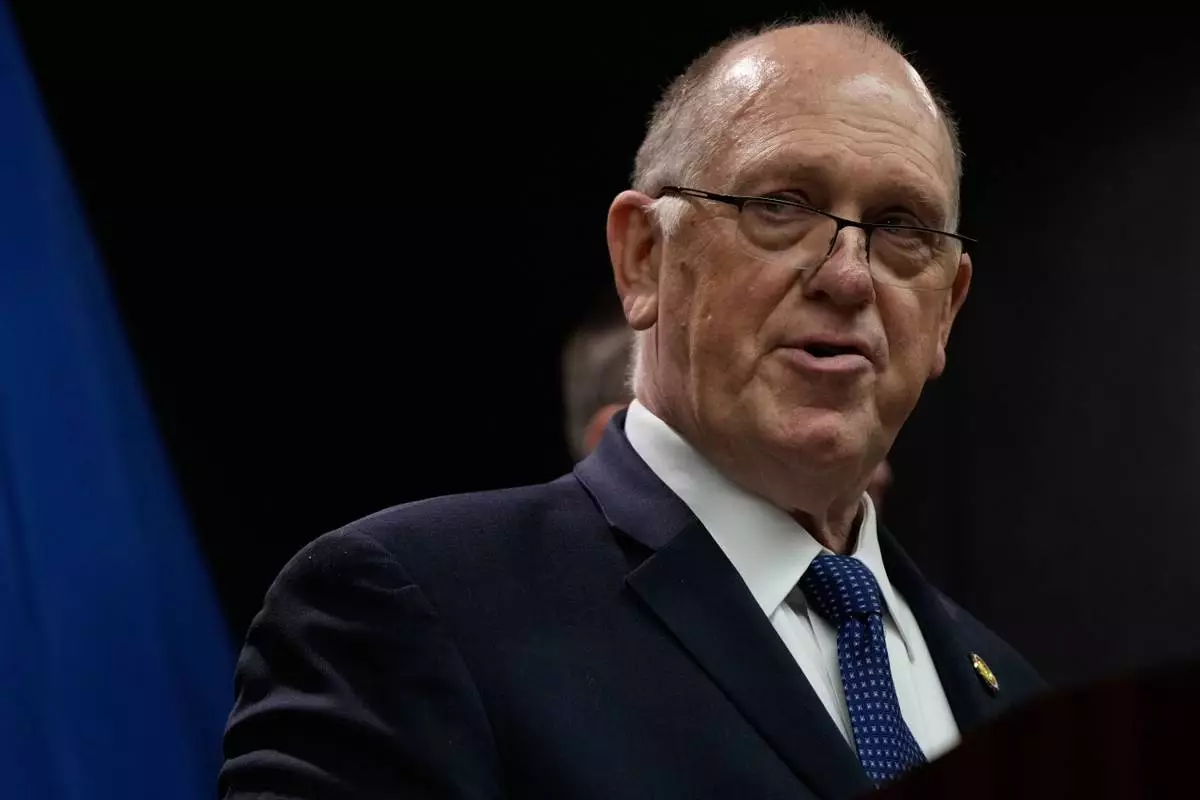
White House border czar Tom Homan holds a news conference as Marcos Charles and Rodney Scott, listen, at the Bishop Whipple Federal building on Thursday, Jan. 29, 2026 in Minneapolis. (AP Photo/Julia Demaree Nikhinson)

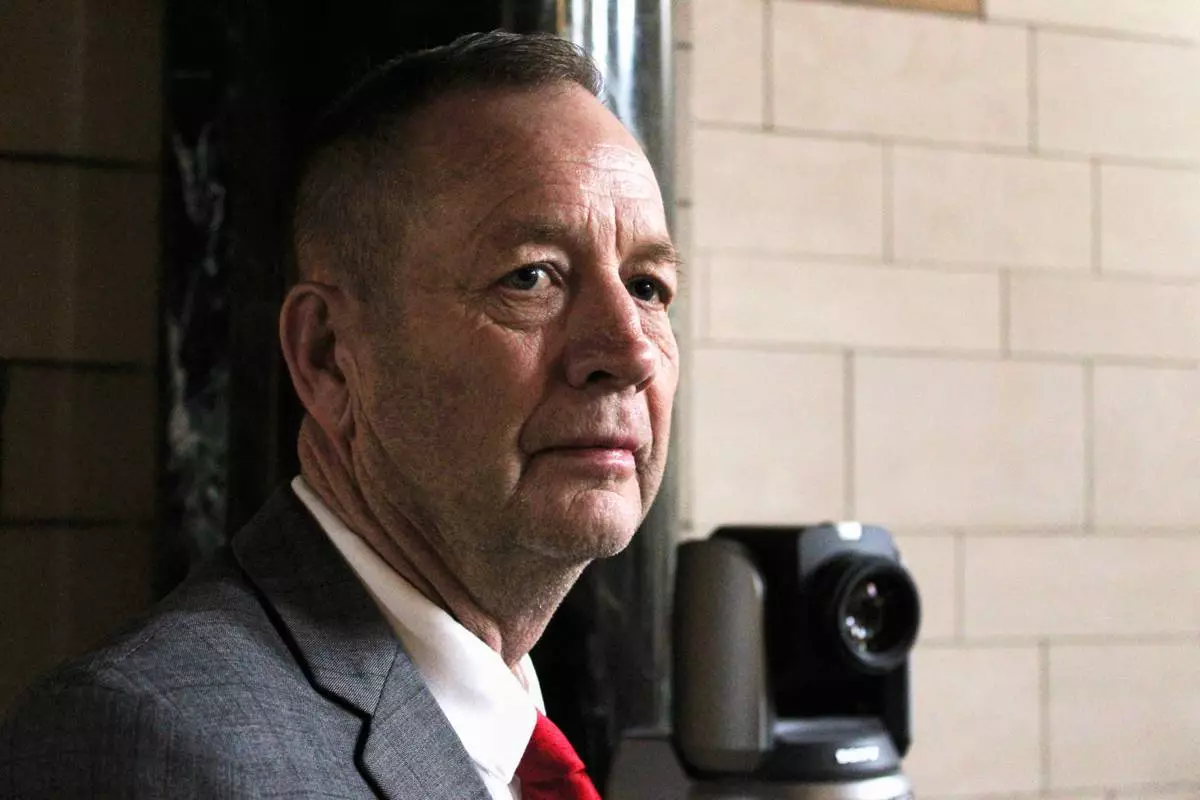
White House border czar Tom Homan holds a news conference at the Bishop Whipple Federal building on Thursday, Jan. 29, 2026 in Minneapolis. (AP Photo/Julia Demaree Nikhinson)

White House border czar Tom Homan holds a news conference at the Bishop Whipple Federal building on Thursday, Jan. 29, 2026 in Minneapolis. (AP Photo/Julia Demaree Nikhinson)

White House border czar Tom Homan holds a news conference at the Bishop Whipple Federal building on Thursday, Jan. 29, 2026 in Minneapolis. (AP Photo/Julia Demaree Nikhinson)
White House border czar Tom Homan holds a news conference at the Bishop Whipple Federal building on Thursday, Jan. 29, 2026 in Minneapolis. (AP Photo/Julia Demaree Nikhinson)
CARACAS, Venezuela (AP) — Venezuela’s legislature on Thursday approved opening the nation’s oil sector to privatization, reversing a tenet of the self-proclaimed socialist movement that has ruled the country for more than two decades.

The National Assembly approved the overhaul of the energy industry law less than a month after the brazen seizure of then-President Nicolás Maduro in a U.S. military attack in Venezuela’s capital.

The bill now awaits the signature of acting President Delcy Rodríguez, who proposed the changes in the days after U.S. President Donald Trump said his administration would take control of Venezuela’s oil exports and revitalize the ailing industry by luring foreign investment.

The legislation promises to give private companies control over the production and sale of oil and allow for independent arbitration of disputes.

Rodríguez’s government expects the changes to serve as assurances for major U.S. oil companies that have so far hesitated about returning to the volatile country. Some of those companies lost investments when the ruling party enacted the existing law two decades ago to favor Venezuela’s state-run oil company, Petróleos de Venezuela SA, or PDVSA.

The revised law would modify extraction taxes, setting a royalty cap rate of 30% and allowing the executive branch to set percentages for every project based on capital investment needs, competitiveness and other factors.

It also removes the mandate for disputes to be settled only in Venezuelan courts, which are controlled by the ruling party. Foreign investors have long viewed the involvement of independent courts as crucial to guard against future expropriation.

Ruling-party lawmaker Orlando Camacho, head of the assembly’s oil committee, said the reform “will change the country’s economy.”

Meanwhile, opposition lawmaker Antonio Ecarri urged the assembly to add transparency and accountability provisions to the law, including the creation of a website to make funding and other information public. He noted that the current lack of oversight has led to systemic corruption and argued that these provisions can also be considered judicial guarantees.

Those guarantees are among the key changes foreign investors are looking for as they weigh entering the Venezuelan market.

“Let the light shine on in the oil industry,” Ecarri said.

Oil workers dressed in red jumpsuits and hard hats celebrated the bill’s approval, waving a Venezuelan flag inside the legislative palace and then joining lawmakers to a demonstration with ruling-party supporters.

The law was last altered two decades ago as Maduro’s mentor and predecessor, the late Hugo Chávez, made heavy state control over the oil industry a pillar of his socialist-inspired revolution.

In the early years of his tenure, a massive windfall in petrodollars thanks to record-high global oil prices turned PDVSA into the main source of government revenue and the backbone of Venezuela’s economy.

Chávez’s 2006 changes to the hydrocarbons law required PDVSA to be the principal stakeholder in all major oil projects.

In tearing up the contracts that foreign companies signed in the 1990s, Chávez nationalized huge assets belonging to American and other Western firms that refused to comply, including ExxonMobil and ConocoPhillips. They are still waiting to receive billions of dollars in arbitration awards.

From those heady days of lavish state spending, PDVSA’s fortunes turned — along with the country’s — as oil prices dropped and government mismanagement eroded profits and hurt production, first under Chávez, then Maduro.

The nation home to the world’s biggest proven crude reserves underwent a dire economic crisis that drove over 7 million Venezuelans to flee since 2014. Sanctions imposed by successive U.S. administrations further crippled the oil industry.

Follow AP’s coverage of Latin America and the Caribbean at https://apnews.com/hub/latin-america

Venezuela's acting President Delcy Rodriguez delivers her first state of the union address at the National Assembly in Caracas, Venezuela, Thursday, Jan. 15, 2026. (AP Photo/Ariana Cubillos)

Venezuela's acting President Delcy Rodriguez delivers her first state of the union address at the National Assembly in Caracas, Venezuela, Thursday, Jan. 15, 2026. (AP Photo/Ariana Cubillos)

Workers of Venezuela's state-owned PDVSA oil company rally to back an oil reform bill proposed by acting President Delcy Rodriguez to loosen state control and open the industry to private and foreign investment in Caracas, Venezuela, Thursday, Jan. 29, 2026. (AP Photo/Ariana Cubillos)

Workers of Venezuela's state-owned PDVSA oil company rally to back an oil reform bill proposed by acting President Delcy Rodriguez to loosen state control and open the industry to private and foreign investment in Caracas, Venezuela, Thursday, Jan. 29, 2026. (AP Photo/Ariana Cubillos)

Workers of Venezuela's state-owned PDVSA oil company rally to back an oil reform bill proposed by acting President Delcy Rodriguez to loosen state control and open the industry to private and foreign investment in Caracas, Venezuela, Thursday, Jan. 29, 2026. (AP Photo/Ariana Cubillos)

Workers of Venezuela's state-owned PDVSA oil company rally to back an oil reform bill proposed by acting President Delcy Rodriguez to loosen state control and open the industry to private and foreign investment in Caracas, Venezuela, Thursday, Jan. 29, 2026. (AP Photo/Ariana Cubillos)

Workers of Venezuela's state-owned PDVSA oil company rally to back an oil reform bill proposed by acting President Delcy Rodriguez to loosen state control and open the industry to private and foreign investment in Caracas, Venezuela, Thursday, Jan. 29, 2026. (AP Photo/Ariana Cubillos)

Workers of Venezuela's state-owned PDVSA oil company rally to back an oil reform bill proposed by acting President Delcy Rodriguez to loosen state control and open the industry to private and foreign investment in Caracas, Venezuela, Thursday, Jan. 29, 2026. (AP Photo/Ariana Cubillos)

Recommended Articles