DUBAI, United Arab Emirates (AP) — Iran's paramilitary Revolutionary Guard has grown into a powerful force within the country's theocracy, answering only to its supreme leader and overseeing its ballistic missile arsenal and launching attacks overseas.
The force was in the spotlight on Thursday as the European Union moved to declare it a terrorist organization over its part in the bloody crackdown on nationwide protests in Iran earlier this month.
Here's what to know about the Guard.
The Guard rose out of Iran’s 1979 Islamic Revolution as a force meant to protect the country's Shiite cleric-overseen government and later became enshrined in its constitution. It operated parallel to Iran's regular armed forces, growing in prominence and power during a long and ruinous war with Iraq in the 1980s.
Though it faced possible disbandment after the war, Supreme Leader Ayatollah Ali Khamenei granted it powers to expand into private enterprise, allowing the force to thrive.
The Guard runs a massive construction company called Khatam al-Anbia and has firms that also build roads, man ports, run telecommunication networks and even offer laser eye surgery.
The Guard's expeditionary Quds Force was key in creating what Iran describes as its “Axis of Resistance” against Israel and the United States. It backed Syria's former President Bashar Assad, Lebanon's militant Hezbollah group, Yemen's Houthi rebels and other groups in the region, growing in power in the wake of the U.S.-led invasion of Iraq in 2003.
U.S. officials say the Guard taught Iraqi militants how to manufacture and use especially deadly roadside bombs against U.S. troops there. The Quds Force, as well as Iranian intelligence agencies, are believed to have hired criminal gangs and others to target dissidents and Iran's perceived enemies abroad.
Since the latest Israel-Hamas war, Israel has arrested citizens it has accused of receiving orders from Iran to surveil targets or conduct vandalism. Iran has denied being involved in those plots. The Guard is also believed to be heavily involved in smuggling throughout the Middle East.
The Guard also operates its own intelligence services and has been behind a series of arrests and convictions of dual nationals and those with Western ties on espionage charges in closed hearings.
Western nations and others described Iran as using those prisoners as bargaining chips in negotiations, particularly over its nuclear program.
The Guard's carefully laid “Axis of Resistance” has faced its greatest challenge in the wake of the Oct. 7, 2023, Hamas attack on Israel that triggered the war in Gaza. The Palestinian militant Hamas group is among those backed by Iran. Israel is still battling Hamas in Gaza even as it has targeted other Iranian-backed groups, decimating Hezbollah and repeatedly targeting the Houthis in Yemen.
In Syria, Assad's government fell in December 2024, taking away a key ally for Tehran and the Guard. Israel and Iran exchanged missile fire, something overseen by the Guard.
In June, Israel launched a massive airstrike campaign targeting Iran. In its first day, those strikes killed top generals in the Guard, throwing the force into disarray. Israeli attacks also destroyed ballistic missile sites and launchers, as well as Guard-manned air defense systems.
In Iran, one of the main ways its theocracy can squash demonstrations is through the Basij, the Guard’s all-volunteer arm.
Videos from the protests that began on Dec. 28 show Basij members holding long guns, batons and pellet guns. Their forces have been seen beating protesters and chasing them through the streets. One well-known Basij commander even went on state television to warn parents to keep their children at home as he called for the force's members to assemble to put down the demonstrations.
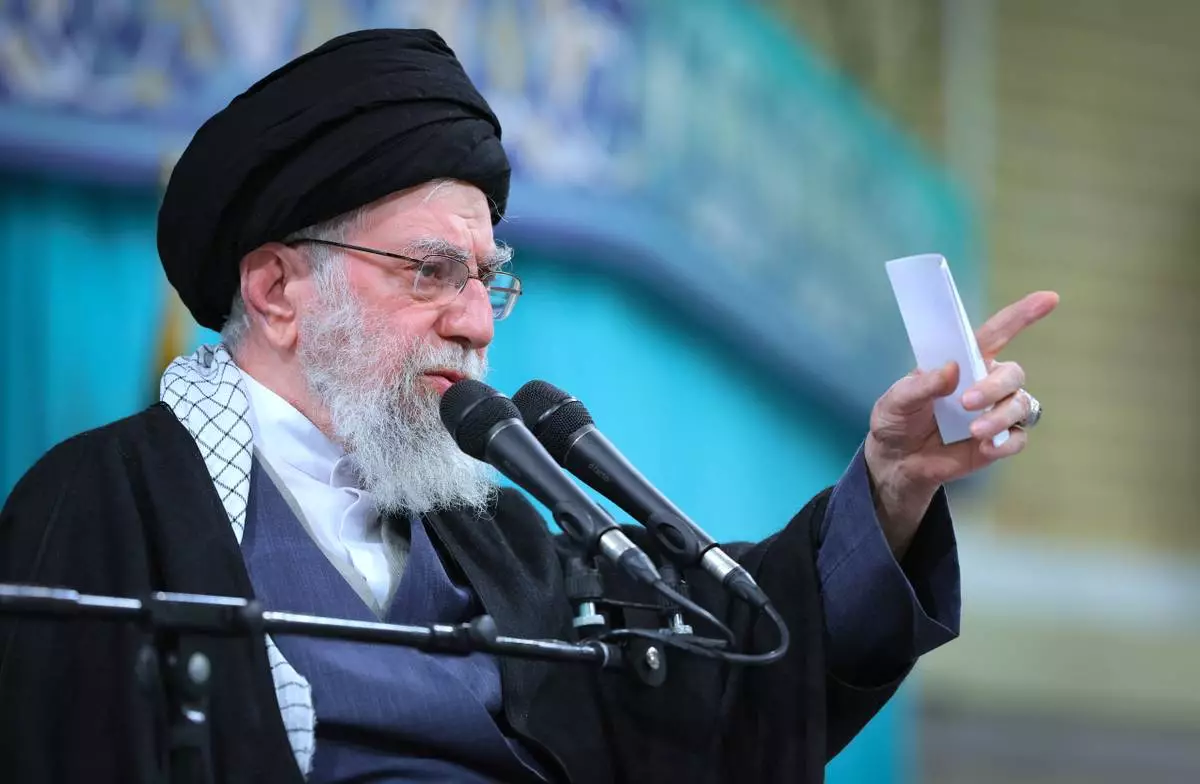
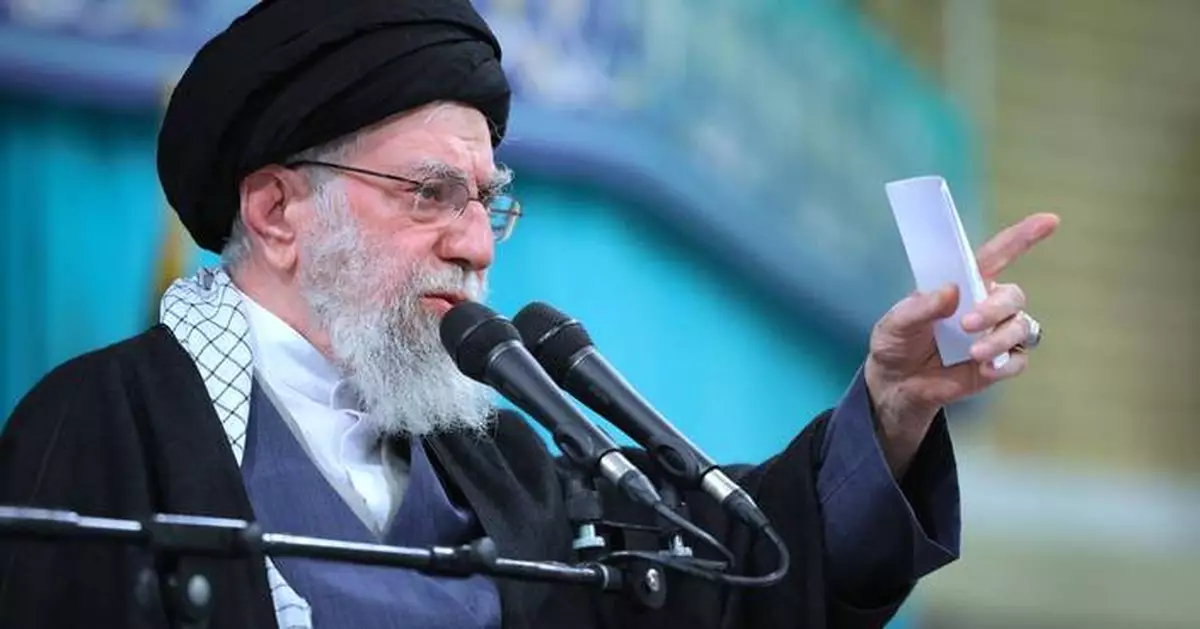
In this photo released by an official website of the office of the Iranian supreme leader, Supreme Leader Ayatollah Ali Khamenei speaks in a meeting, in Tehran, Iran, Saturday, Jan. 17, 2026. (Office of the Iranian Supreme Leader via AP)
MINNEAPOLIS (AP) — The Trump administration could reduce the number of immigration enforcement officers in Minnesota, but only if state and local officials cooperate, the president's border czar said Thursday, noting he has “zero tolerance” for protesters who assault federal officers or impede the ongoing operation in the Twin Cities.
Tom Homan addressed reporters for the first time since the president sent him to Minneapolis following last weekend's fatal shooting of protester Alex Pretti, the second this month by federal officers carrying out the operation. His comments came after President Donald Trump seemed to signal a willingness to ease tensions in the Minneapolis and St. Paul area and as the administration ended its “enhanced operations” in Maine.
Homan emphasized that the administration isn't relenting on its immigration crackdown and warned that protesters could face consequences if they interfere with federal officers.
But he seemed to acknowledge there had been missteps.
“I do not want to hear that everything that’s been done here has been perfect. Nothing’s ever perfect,” he said.
Homan hinted at the prospect of drawing down many of the roughly 3,000 federal officers taking part in the operation, but he seemed to tie that to cooperation from state and local leaders and a reduction in protester interference.
“When the violence decreases, we can draw down the resources,” he said. “The drawdown is going to happen based on these agreements. But the drawdown can happen even more if the hateful rhetoric and the impediment and interference will stop.”
He also said he would oversee internal changes in federal immigration law enforcement, but he gave few specifics.
“The mission is going to improve because of the changes we’re making internally,” he said. “No agency organization is perfect. And President Trump and I, along with others in the administration, have recognized that certain improvements could and should be made.”
Despite Trump softening his rhetoric about Minnesota officials — he said this week they were on a “similar wavelength” — there has been little sign on the ground of any big changes to the operation. On Thursday, a smattering of protesters braved the frigid temperatures to demonstrate outside of the federal facility that has been serving as the operation's main hub.
Pretti, 37, was fatally shot Saturday during a scuffle with the Border Patrol. Earlier this month, 37-year-old Renee Good was shot in her vehicle by an Immigration and Customs Enforcement officer.
On Thursday, Homan doubled down on the need for jails to alert ICE to inmates who could be deported, saying that transferring such inmates to the agency while they’re still in jail is safer because it means fewer officers have to be out on the streets looking for people who are in the country illegally. ICE has historically relied on cooperation from local and state jails to notify the agency about such inmates.
“Give us access to illegal aliens, public safety threats in the safety and security of a jail,” he said.
Homan also seemed to suggest a renewed focus on what ICE calls “targeted operations” designed to focus its efforts on apprehending immigrants who have committed crimes. He said the agency would conduct “targeted strategic enforcement operations” prioritizing “public safety threats.”
Homan's arrival in Minnesota followed the departure of the Trump administration's on-the-ground leader of the operation, Greg Bovino. Homan didn't give a specific timeline for how long he would stay in Minnesota.
“I’m staying until the problem’s gone,” he said, adding that he has met with community, law enforcement and elected leaders in the hopes of finding common ground and suggested that he’s made some progress.
Operation Metro Surge began in December with scattered arrests, as Trump repeatedly disparaged the state’s large Somali community. But the operation ramped up dramatically after a right-wing influencer’s January report on Minnesota’s sprawling human services fraud scandal, which centers around the Somali community.
Federal officials announced thousands of immigration agents were being deployed, with FBI Director Kash Patel saying they would “dismantle large-scale fraud schemes exploiting federal programs.”
But talk of the scandals was almost immediately forgotten, with federal authorities instead focusing on immigrants in the country illegally and so-called sanctuary agreements that limit cooperation between local law enforcement agencies and jails with immigration authorities.
Santana reported from Washington. Associated Press reporters Tim Sullivan in Minneapolis and Mike Catalini in Trenton, New Jersey, contributed.
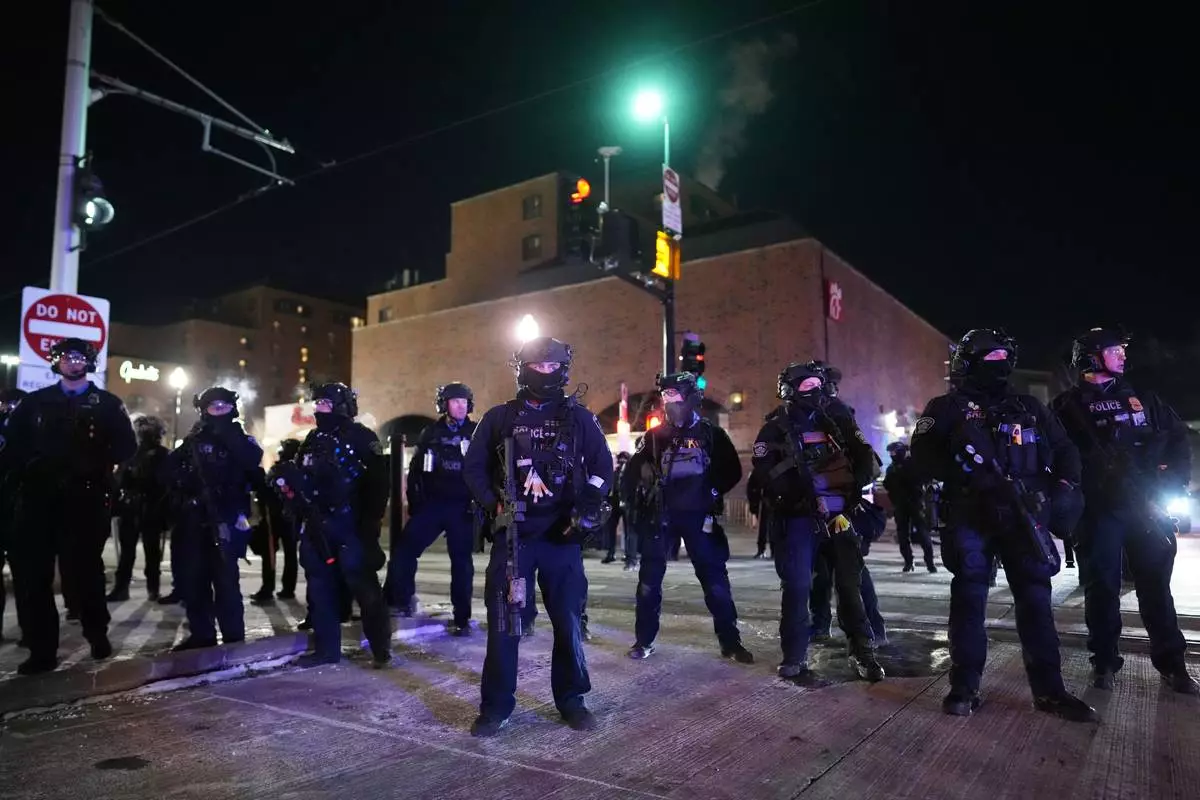
Law enforcement officers prepare to make arrests after declaring an unlawful assembly during a noise demonstration outside the Graduate by Hilton Minneapolis hotel on Wednesday, Jan. 28, 2026, in Minneapolis. (AP Photo/Adam Gray)
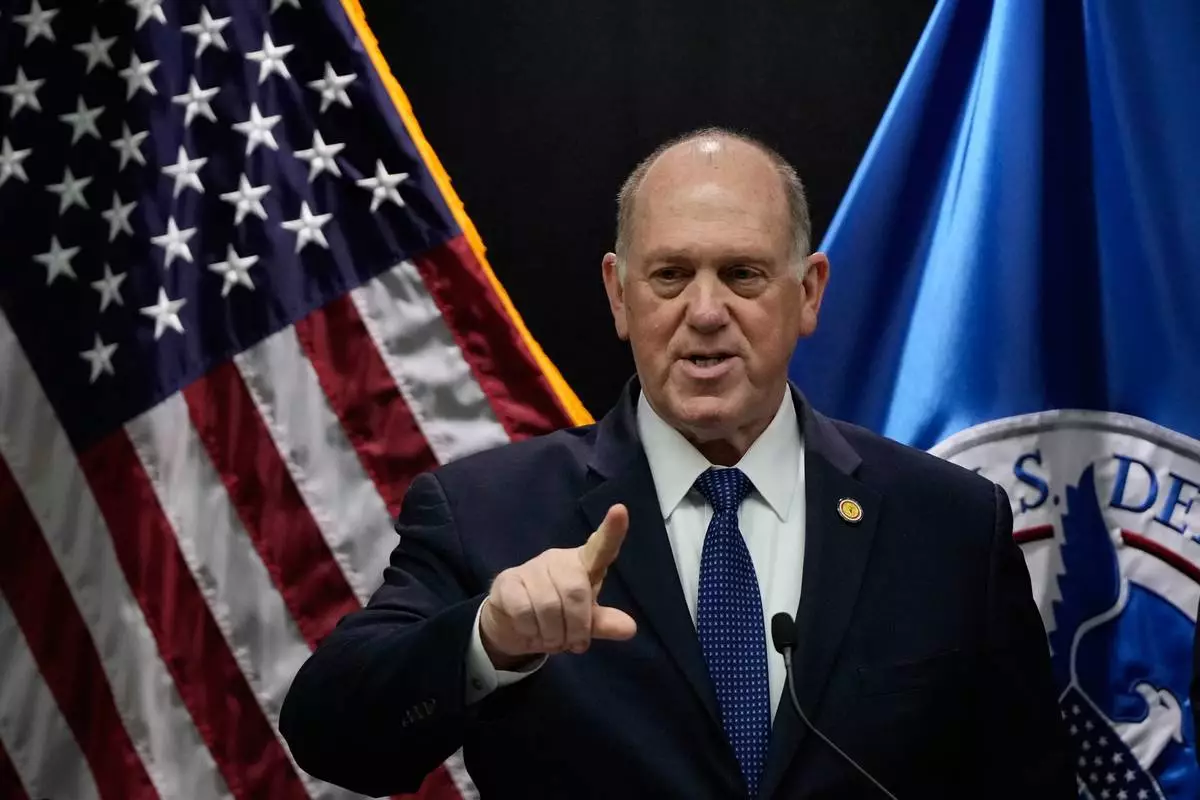
White House border czar Tom Homan holds a news conference at the Bishop Whipple Federal building on Thursday, Jan. 29, 2026 in Minneapolis. (AP Photo/Julia Demaree Nikhinson)
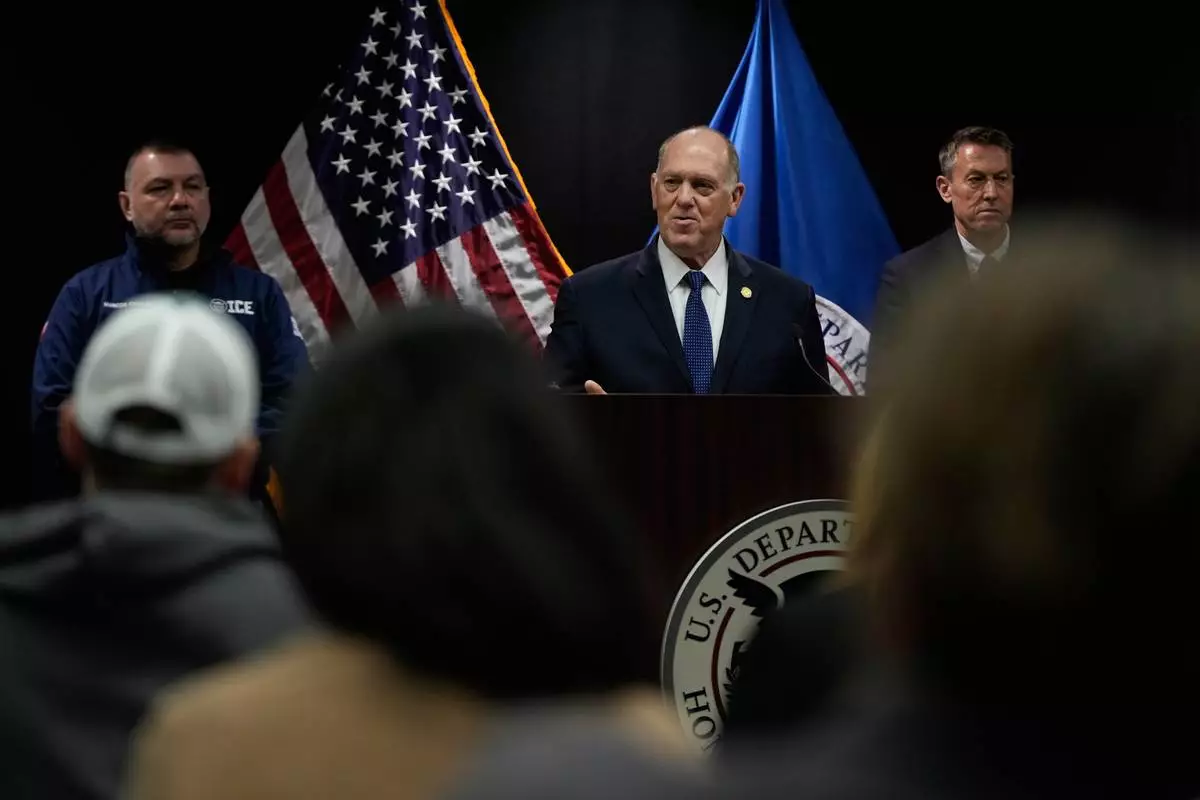
White House border czar Tom Homan holds a news conference as Marcos Charles and Rodney Scott, listen, at the Bishop Whipple Federal building on Thursday, Jan. 29, 2026 in Minneapolis. (AP Photo/Julia Demaree Nikhinson)
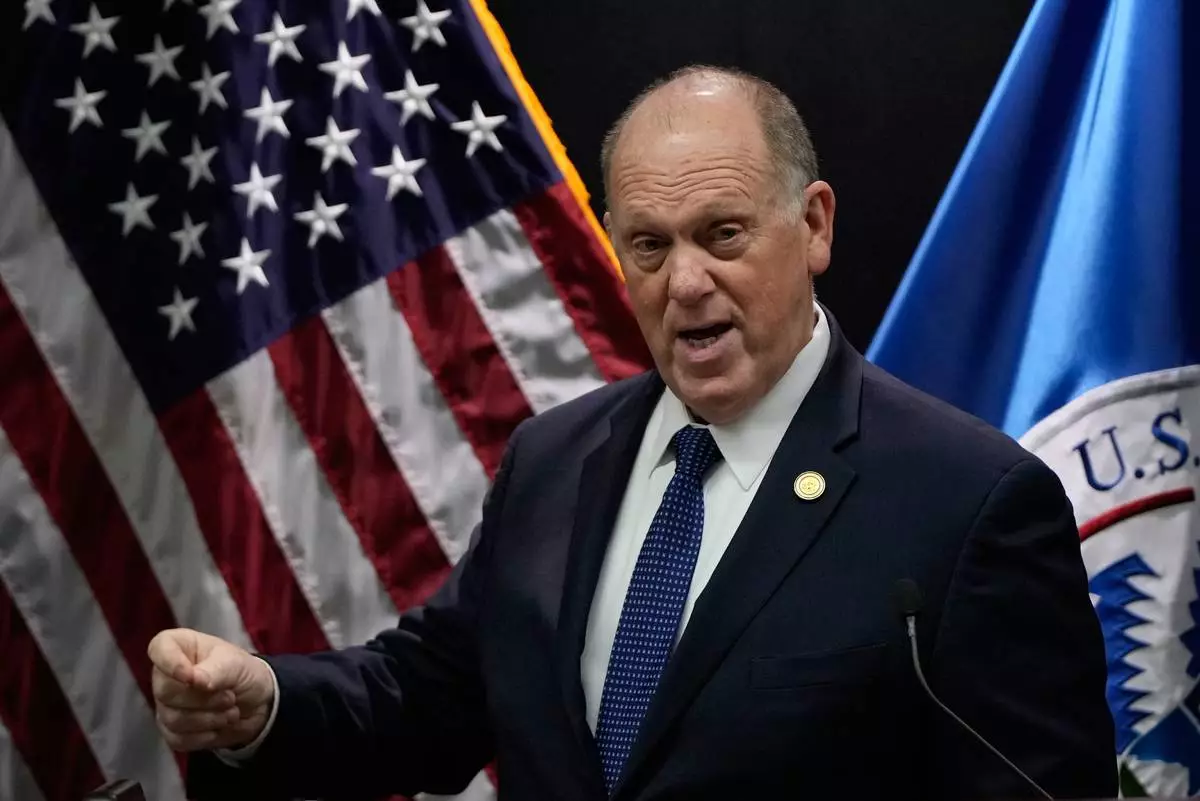
White House border czar Tom Homan holds a news conference at the Bishop Whipple Federal building on Thursday, Jan. 29, 2026 in Minneapolis. (AP Photo/Julia Demaree Nikhinson)
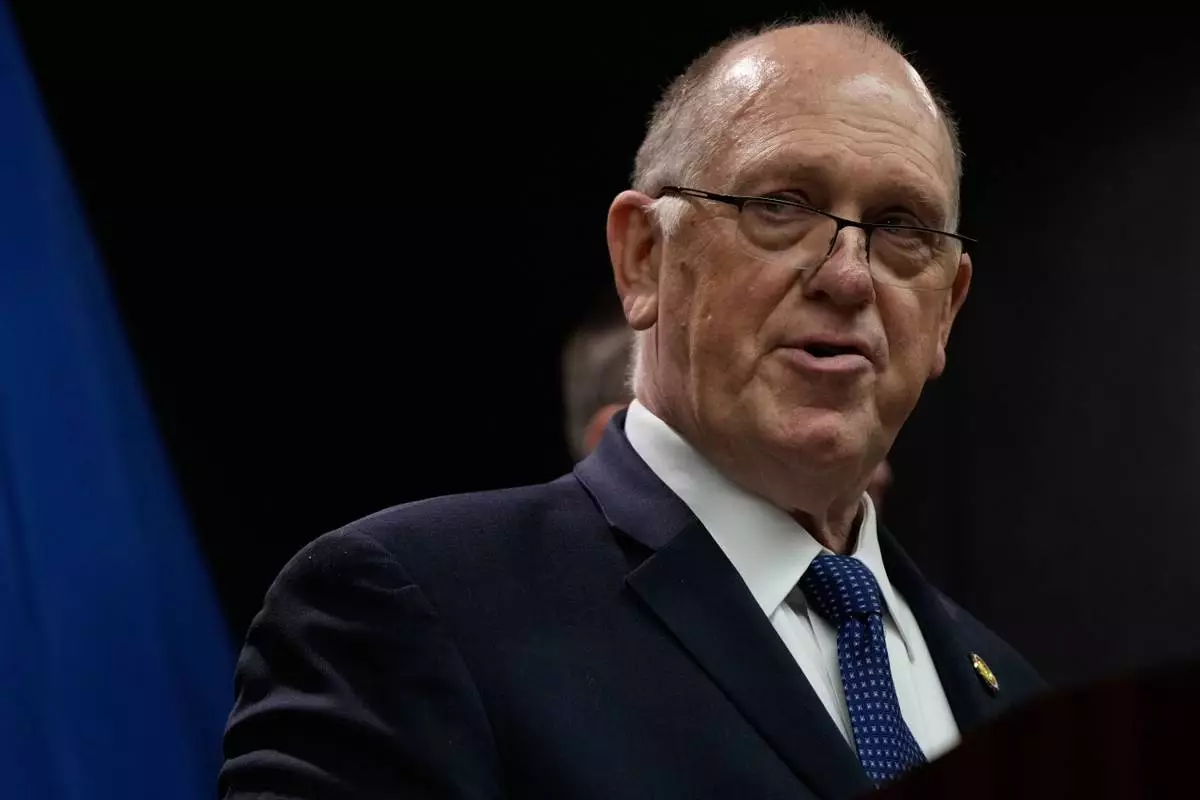
White House border czar Tom Homan holds a news conference at the Bishop Whipple Federal building on Thursday, Jan. 29, 2026 in Minneapolis. (AP Photo/Julia Demaree Nikhinson)