AUBURN, Ala. (AP) — Joyce Edwards scored 20 points, Tessa Johnson added 13 and No. 3 South Carolina handled Auburn 81-51 on Thursday night.
Edwards, the team’s top scorer, made 9 of 14 shots to go along with five rebounds. Johnson chipped in five assists and three rebounds for the Gamecocks (21-2, 7-1 Southeastern Conference), and Maddy McDaniel made all three of her 3-pointers for nine points.
Auburn (13-9, 2-6) shot 30% from the field in its third straight home matchup with a team ranked in the AP Top 25.
The Gamecocks started hot, going on a 14-0 run that took up nearly five minutes of action in the first quarter before Ja’Mia Harris knocked down a 3-pointer for the Tigers.
South Carolina forced 15 turnovers and scored 16 points off those giveaways.
Auburn was able to hold South Carolina scoreless for more than four minutes in the second quarter but didn’t find enough offense to get back into the game, mustering only six points in the quarter.
The Gamecocks took a 38-16 lead into halftime and shot 50% from the field in the first half and found more success in the second half.
South Carolina’s size proved to be an issue for the Tigers. The Gamecocks held a 40-22 scoring advantage in the paint.
Harissoum Coulibaly, Auburn’s leading scorer, was held to 10 points on 5-of-16 shooting. She also had five turnovers. Syriah Daniels scored 11 points, and Khady Leye had nine points and seven rebounds.
South Carolina plays at Texas A&M on Monday.
Auburn visits No. 17 Ole Miss the same night.
Get poll alerts and updates on the AP Top 25 throughout the season. Sign up here and here (AP News mobile app). AP women’s college basketball: https://apnews.com/hub/ap-top-25-womens-college-basketball-poll and https://apnews.com/hub/womens-college-basketball

South Carolina forward Joyce Edwards (8) looks to shoot around Auburn forward Khady Leye (6) during the first period of an NCAA college basketball game Thursday, Jan. 29, 2026, in Auburn, Ala. (AP Photo/Butch Dill)
WASHINGTON (AP) — President Donald Trump on Thursday signed an executive order that would impose a tariff on any goods from countries that sell or provide oil to Cuba, a move that could further cripple an island plagued by a deepening energy crisis.
The order would primarily put pressure on Mexico, a government that has acted as an oil lifeline for Cuba and has constantly voiced solidarity for the U.S. adversary even as President Claudia Sheinbaum has sought to build a strong relationship with Trump.
Trump was asked by a reporter Thursday whether he was trying to “choke off” Cuba, which he called a “failing nation.”
“The word ‘choke off’ is awfully tough,” Trump said. “I’m not trying to, but, it looks like it’s something that’s just not going to be able to survive."
Trump and Sheinbaum spoke by phone Thursday morning. Afterward, asked by a reporter if they had discussed Cuba, Sheinbaum said no.
“We didn’t address the issue of Cuba,” Sheinbaum said, adding that Mexico’s foreign affairs secretary had discussed with U.S. Secretary of State Marco Rubio that it was “very important” for Mexico to maintain its humanitarian aid to Cuba and Mexico was willing to serve as an intermediary between the U.S. and Cuba.
This week has been marked by speculation that Mexico would slash oil shipments to Cuba under mounting pressure by Trump to distance itself from the Cuban government.
In its deepening energy and economic crisis, fueled in part by strict economic sanctions by the U.S., Cuba has relied heavily on foreign assistance and oil shipments from allies like Mexico, Russia and Venezuela before a U.S. military operation ousted former Venezuelan President Nicolás Maduro. Since the Venezuela operation, Trump has said that no more Venezuelan oil will go to Cuba and the Cuban government is ready to fall.
In its most recent report, Mexico's state-owned oil company Pemex said it shipped nearly 20,000 barrels of oil per day to Cuba from January through Sept. 30, 2025. That month, U.S. Secretary of State Marco Rubio visited Mexico City. Afterward, Jorge Piñon, an expert at the University of Texas Energy Institute who tracks shipments using satellite technology, said the figure had fallen to about 7,000 barrels.
Sheinbaum has been incredibly vague about where her country stood, and this week has given roundabout and ambiguous answers to inquiries about the shipments, and dodged reporters questions in her morning press briefings.
On Tuesday, Sheinbaum said that Pemex, had at least temporarily paused some oil shipments to Cuba, but struck an ambiguous tone, saying the pause was part of general fluctuations in oil supplies and that it was a “sovereign decision” not made under pressure from the United States. Sheinbaum has said that Mexico would continue to show solidarity with Havana, but didn’t clarify what kind of support Mexico would offer.
On Wednesday, the Latin American leader claimed she never said that Mexico has completely “suspended” shipments and that “humanitarian aid" to Cuba would continue and that decisions about shipments to Cuba were determined by Pemex contracts.
“So the contract determines when shipments are sent and when they are not sent,” Sheinbaum said.
The lack of clarity from the leader has underscored the extreme pressure Mexico and other Latin American nations are under as Trump has grown more confrontational following the Venezuelan operation.
It remains unclear what the Thursday order by Trump will mean for Cuba, which has been roiled by crisis for years and a U.S. embargo. Anxieties were already simmering on the Caribbean island as many drivers sat in long lines this week for gasoline, many unsure of what would come next.
Cuban authorities did not immediately respond to a request for comment.
Janetsky reported from Mexico City. Associated Press journalist Andrea Rodríguez contributed to this report from Havana.
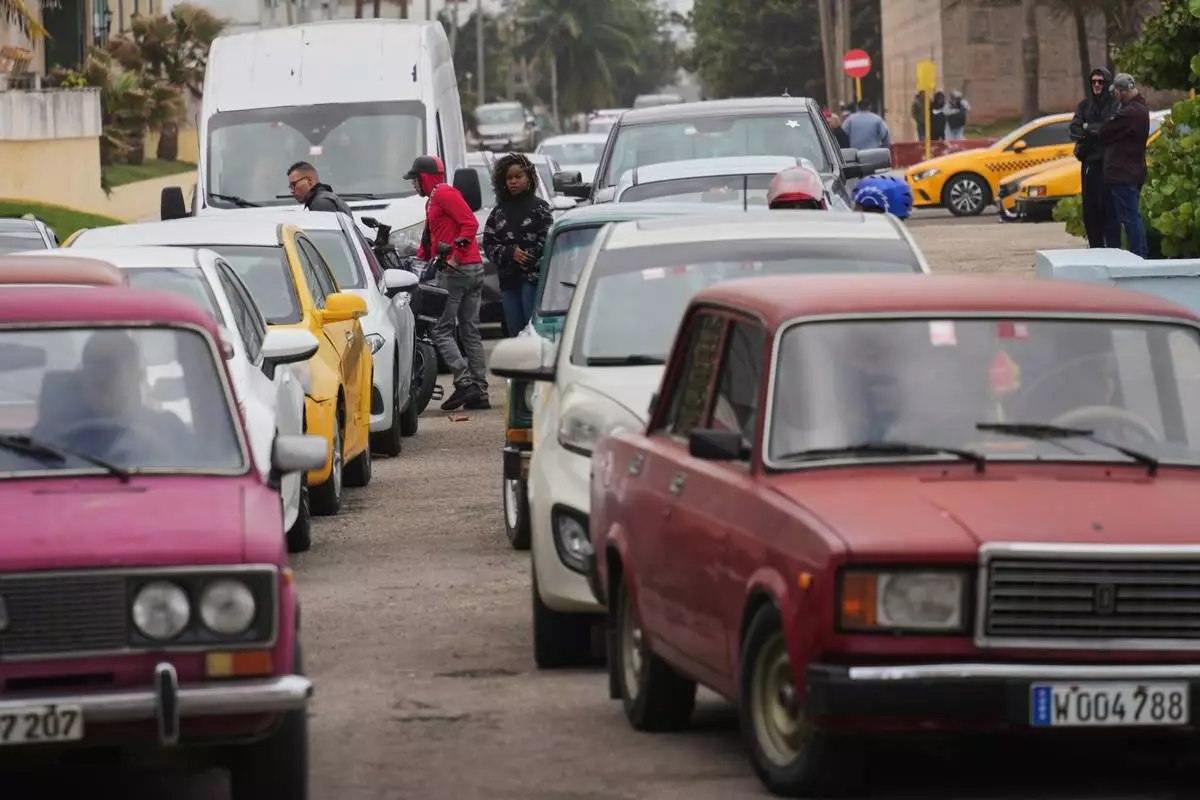
Drivers wait in line to fill up at a gas station in Havana, Cuba, Tuesday, Jan. 27, 2026. (AP Photo/Ramon Espinosa)
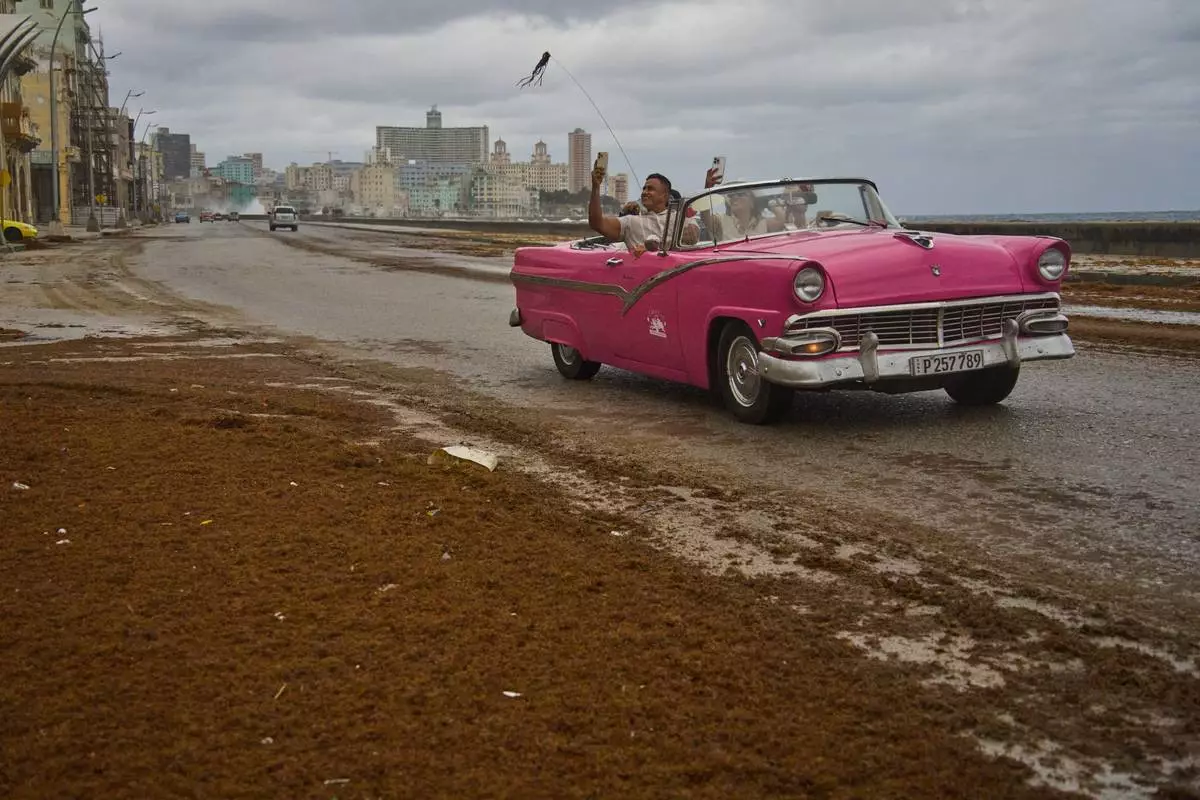
Tourists travel in a classic American car along the Malecon littered with sargassum seaweed, in Havana, Cuba, Wednesday, Jan. 28, 2026. (AP Photo/Ramon Espinosa)
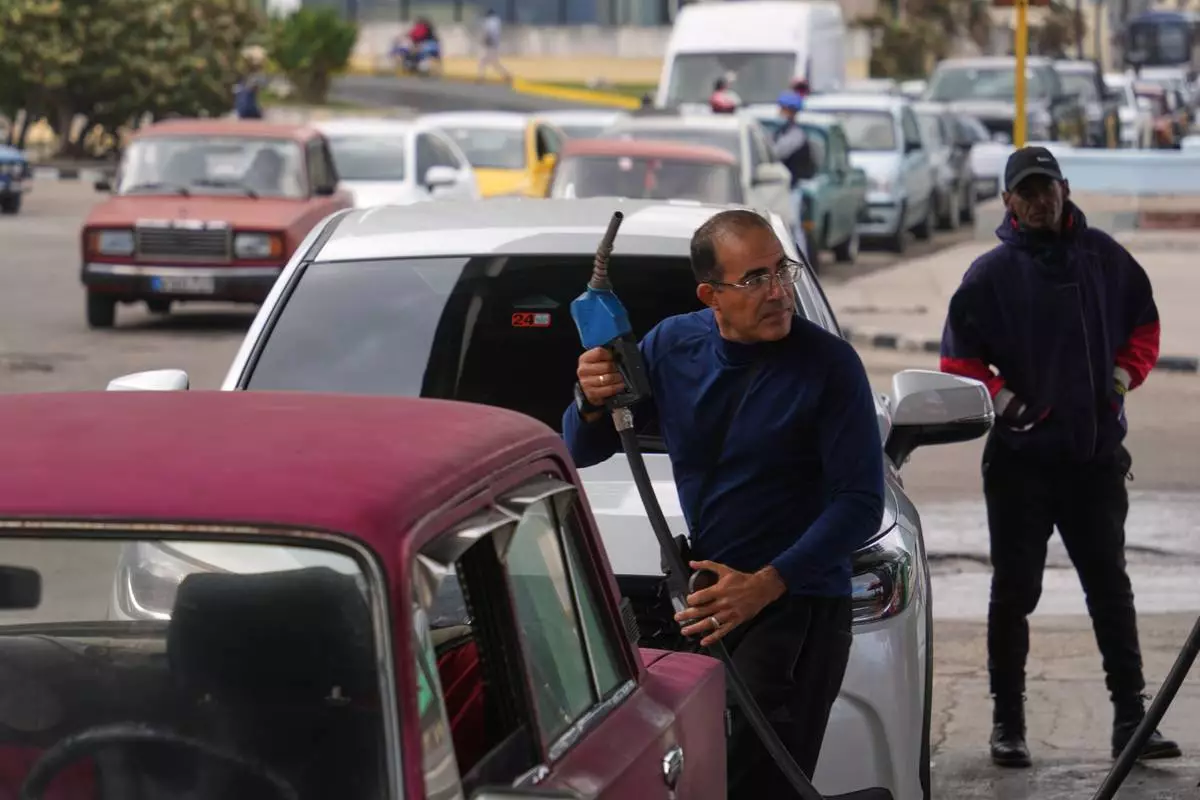
A driver refuels others wait in a long line behind to fill up at a gas station in Havana, Cuba, Tuesday, Jan. 27, 2026. (AP Photo/Ramon Espinosa)
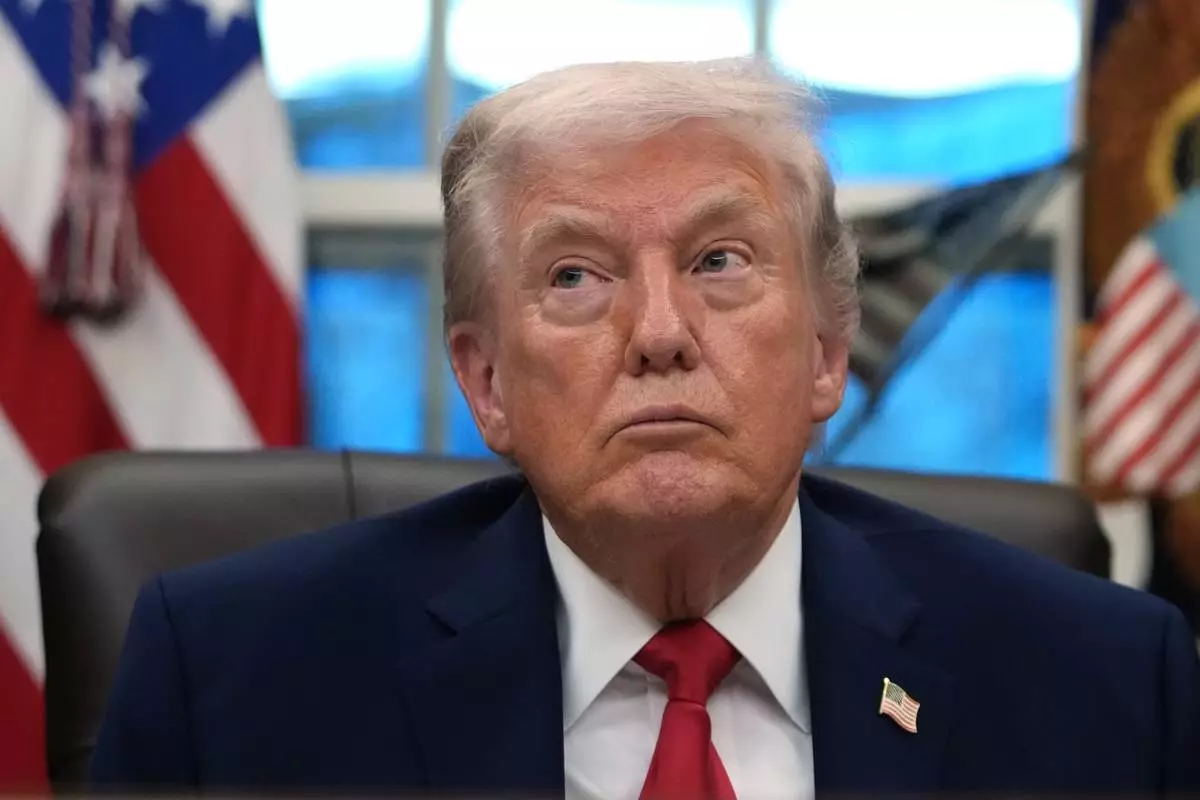
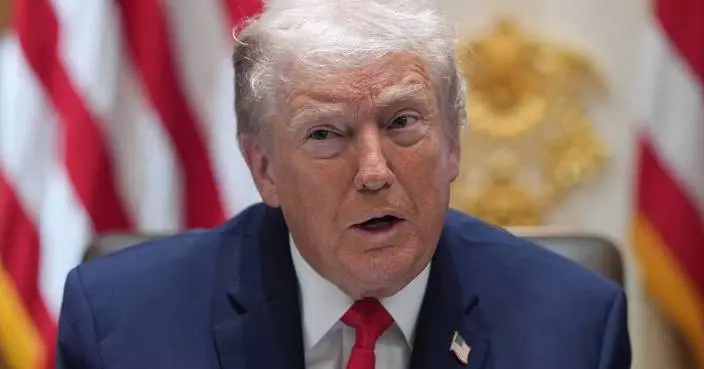
President Donald Trump listens during an event on addiction recovery in the Oval Office of the White House, Thursday, Jan. 29, 2026, in Washington. (AP Photo/Allison Robbert)