A series of tragic train accidents in January has left Spain reeling and raised widespread concerns among citizens about railway safety, while high-speed rail transit remains affected.
On Jan. 18, a fatal incident occurred around 20:00 local time (1900 GMT) near the town of Amaduz in the province of Cordoba, when a Malaga-Madrid train left the tracks and struck another train travelling in the opposite direction, causing both to derail. At least 45 people were confirmed dead and over 100 others were injured.
Two days later, two separate trains derailed in the country's northeastern region of Catalonia, killing one driver and injuring at least 20, local authorities said.
Following the accident in Cordoba, the Spanish railway authority suspended all high-speed train services between the capital Madrid and the southern Andalusia region. Additionally, speed limits were imposed on several high-speed rail lines across the country.
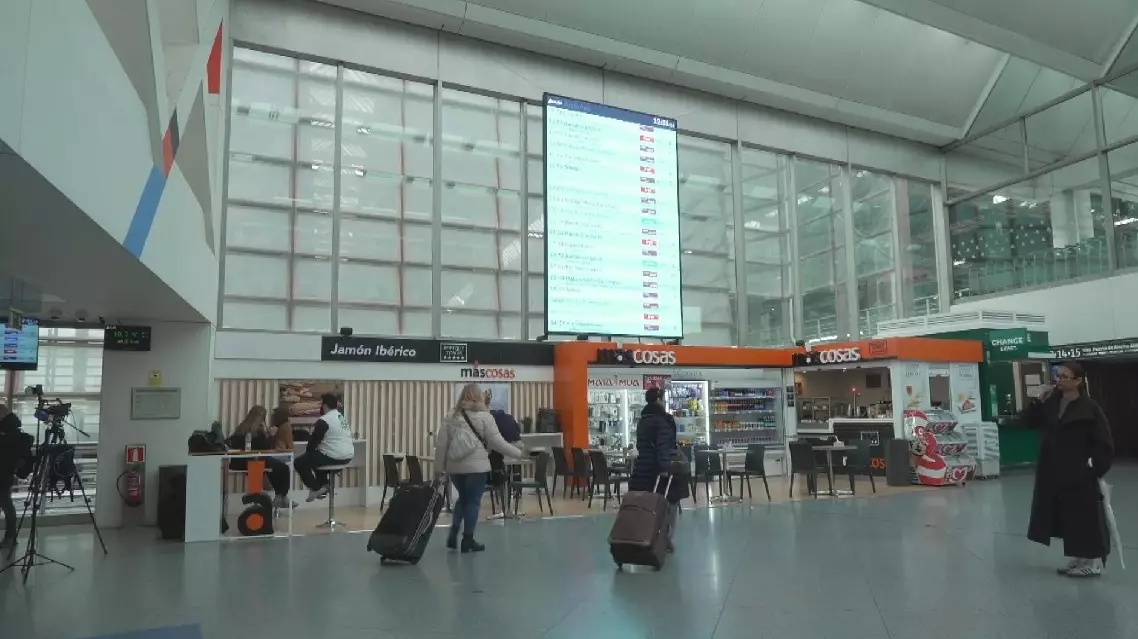
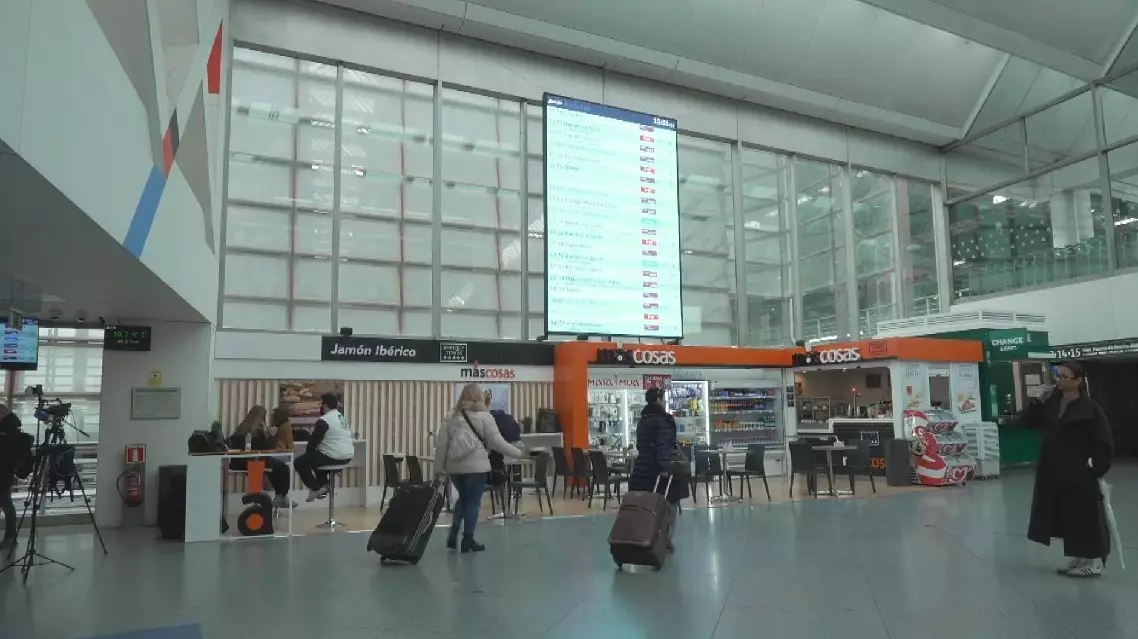
At Madrid's Atocha railway station, most high-speed services between Madrid and Andalusia remain suspended. Meanwhile, routes between Madrid and cities such as Barcelona continue to experience significant delays.
"The train I was on was scheduled to arrive in Madrid at 11:20, but it's now 12:45 and I'm just getting out of the station. The delay totaled 1 hour and 20 minutes. Its operating speed dropped to 120 kilometers per hour, and at times fell to between 60 and 80 kilometers per hour. It's really terrible," said a passenger.
"I would rather the train move a bit slower, as I hope no accidents occur. But I sincerely wish they could restore normal operations as soon as possible. After all, at its current speed, this is no longer a high-speed train," added another passenger.
According to experts, the accidents were primarily caused by poor planning in the high-speed rail sector and insufficient funding for track maintenance.
"Spain's high-speed rail sector adopted a low-cost model and introduced two new operators. This led to a significant increase in rail traffic and heavier trains. However, infrastructure maintenance funding has remained unchanged for years, which directly contributed to the deterioration of track conditions," explained Alex Cunillera, a Spanish PhD candidate at the Department of Transport and Planning at Delft University of Technology in the Netherlands.
On Thursday, Spain's People's Party announced it would establish an accident investigation committee in the Senate to investigate the two recent major rail accidents and overall railway safety across the country. The Spanish government also approved an emergency aid package of 20 million euros to support the victims and families affected by the Cordoba high-speed rail tragedy.
Consecutive high-speed rail accidents raise nationwide concerns in Spain
Consecutive high-speed rail accidents raise nationwide concerns in Spain