MILAN (AP) — Nestled in a lakeside town in northern Italy is Australia's “home away from home” for the Milan Cortina Olympics — right down to the coffee and Vegemite.
Nearly 15 years ago, the Australian Institute of Sport opened the European Training Centre in Gavirate, about an hour’s drive from Milan.
Click to Gallery
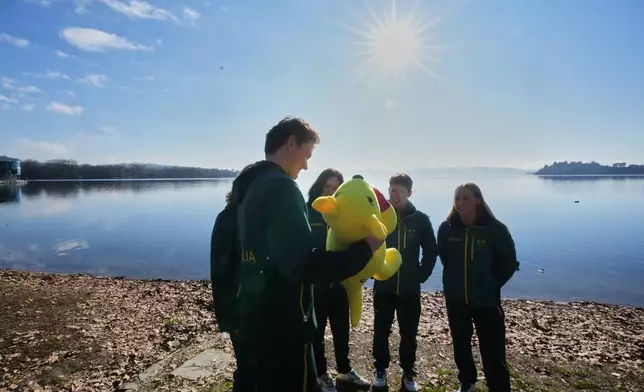
Australia's Winter Olympics team athletes stand at the AIS European Training Centre in Gavirate, on the Varese lake, northern Italy, Monday, Jan. 26, 2026. (AP Photo/Antonio Calanni)
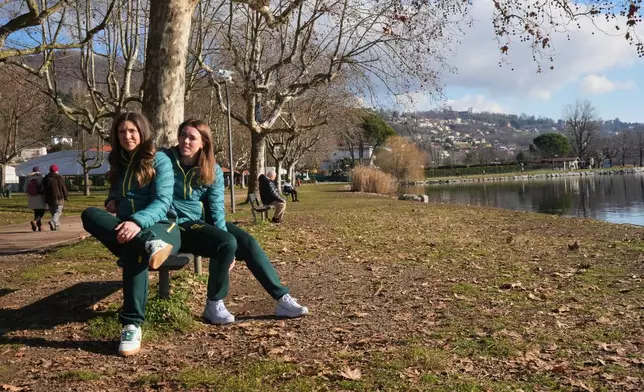
Australia's Breeana Walker, left, and Kiara Reddingius sit at the AIS European Training Centre in Gavirate, on the Varese lake, northern Italy, Monday, Jan. 26, 2026. (AP Photo/Antonio Calanni)
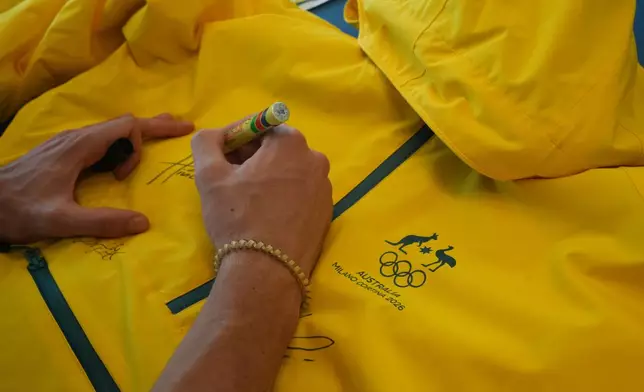
Australia's Hugo Hinckfuss signs the jacket at the AIS European Training Centre in Gavirate, on the Varese lake, northern Italy, Monday, Jan. 26, 2026. (AP Photo/Antonio Calanni)
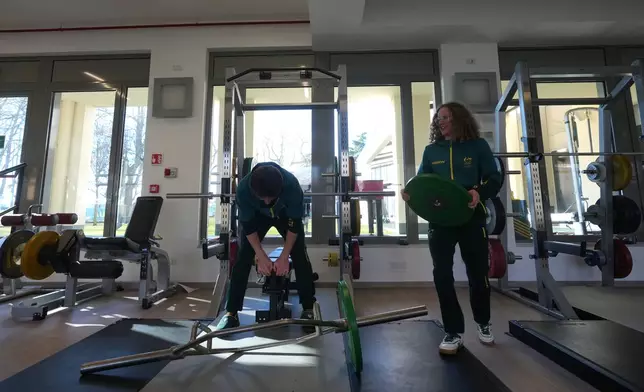
Australia's Rosie Fordham, right, and Seve de Campo train at the AIS European Training Centre in Gavirate, on the Varese lake, northern Italy, Monday, Jan. 26, 2026. (AP Photo/Antonio Calanni)
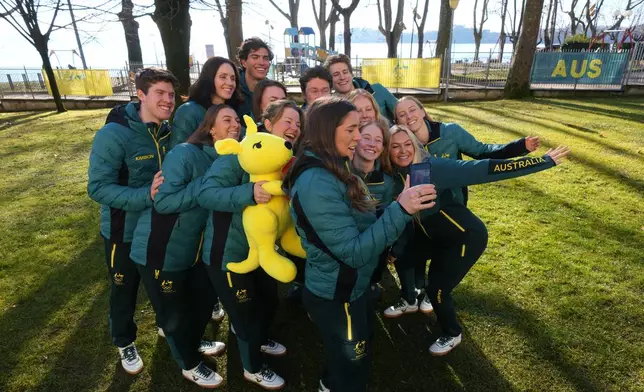
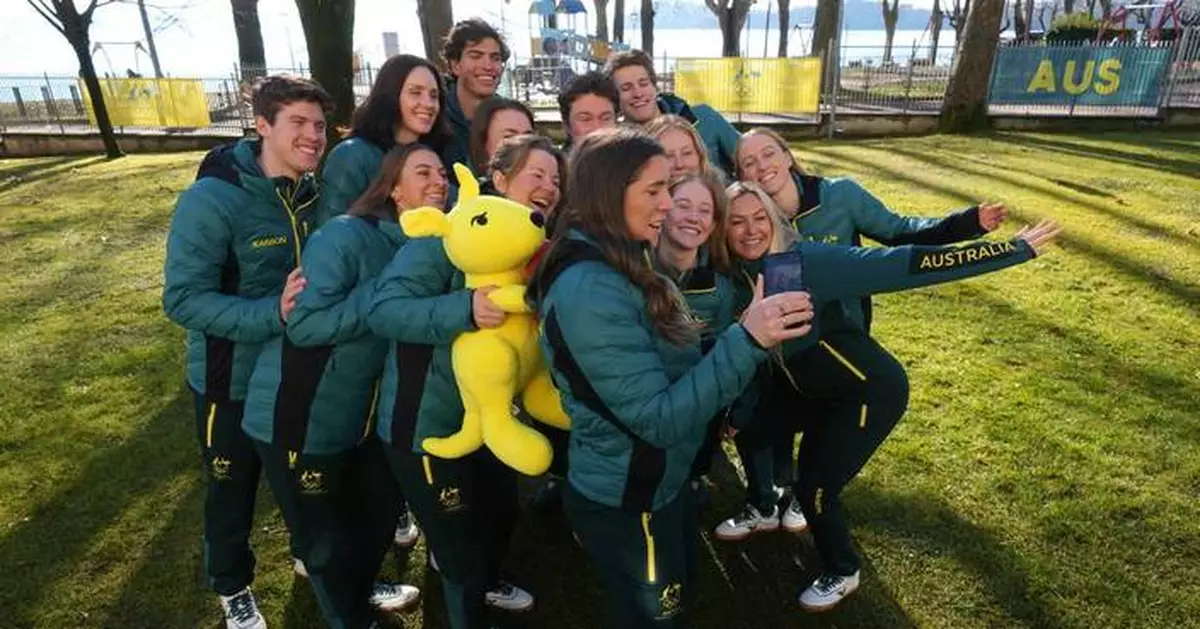
Australia's winter olympic athletes pose for photographers at the AIS European Training Centre in Gavirate, on the Varese lake, northern Italy, Monday, Jan. 26, 2026. (AP Photo/Antonio Calanni)
With a fully equipped gym as well as a games room with a pool table, it offers a base to train and relax for the 3,000 Australian athletes traveling through Europe in any given year.
“It was a strategic vision because we knew that Australian athletes, one of the biggest troubles for them was the tyranny of distance of traveling” the center’s director, Fiona de Jong, told The Associated Press.
“So 24-hour flight to Europe from Australia means that you can’t do that time and time again if you’re trying to compete at the highest level. It was our answer to our unique problem as a sporting country.”
The AIS has turned the center into a little slice of Australia right from the moment athletes arrive at the facility.
Statues of a kangaroo and an emu, sporting Australia scarves, stand proudly at the entrance and inside there is an abundance of pictures and maps of Australia and plenty of green and gold — the Australian colors.
“It’s amazing for us that the long-term investment between Italy and Australia is really working in our favor for these Games,” said Alisa Camplin, the chef de mission of Australia's Olympic team. “It’s like we’ve got a home away from home, it’s like a little sanctuary where we can prepare to be excellent.”
Former aerial skier Camplin is well aware of the needs of Olympic athletes. At the 2002 Games, she and short-track speed skater Steven Bradbury claimed Australia’s first-ever gold medals at the Winter Olympics. Camplin also won bronze in Turin four years later.
“This place is a haven on the other side of the world for us as Aussies and it’s always nice for us to be able to stop in wherever we’re traveling through Europe to come back and have home care, home food, a sense of Australia,” Camplin said.
“And with the green and gold magic everywhere it’s probably gone next level but that’s what you want for the Games, you want it to feel more special than anything you’ve ever experienced before.”
The AIS chose the location long before the 2026 Olympics were awarded to Italy, but it has proven to be a happy coincidence.
“As a summer country, and we’re host to Brisbane 2032, this is as close as we’ll ever get to a home Winter Olympic Games because we don’t have natural assets like snow and mountains to ever host a Winter Olympic Games,” De Jong added.
She said they looked at sites in Spain and France before deciding on Italy “for the beautiful weather, the lovely warm people and the great food.”
And while the athletes do enjoy the Italian cuisine, the cupboards are also well stocked with home favorites such as Vegemite — the salty, brown spread beloved in Australia.
Even the coffee is from a Melbourne roaster, something that is particularly striking considering Italy is the country that gave the world espresso.
“It’s a home away from home here. We absolutely love it. You can grab some delicious pizza or some Vegemite out of the cupboard. It’s the best of both worlds,” said aerial skier Danielle Scott, who is chasing an elusive Olympic medal at her fourth games, to add to her three medals from world championships.
“We’ve come through during World Cup circuits ... just to get that refresher, work hard in the gym, relax by the beautiful lake and it’s a really awesome place for us.”
The picturesque, small town of Gavirate with a population of less than 10,000 might seem like an incongruous place for Australia to have its European base.
“I’m often asked why (here),” De Jong said with a laugh before explaining that two of the main reasons were its proximity to Milan’s main airport and the location on a lake, to help Australia’s athletes in equipment-intensive sports such as rowing and canoeing.
Another reason was that the province “were very collaborative” and enthusiastic about the center.
And the athletes have been embraced warmly by the locals. The ice cream shop proudly displays a signed shirt given to it by the athletes, and the pizzeria also has Australian memorabilia.
“I feel like the locals get kind of excited about this place. So hopefully they’ll be supporting us as well,” said cross-country skier Rosie Fordham.
The mayor of Gavirate, Massimo Parola, is certainly excited to have Australia in his town, exclaiming proudly: “Gavirate can now call itself an Olympic city.”
AP Olympics: https://apnews.com/hub/milan-cortina-2026-winter-olympics
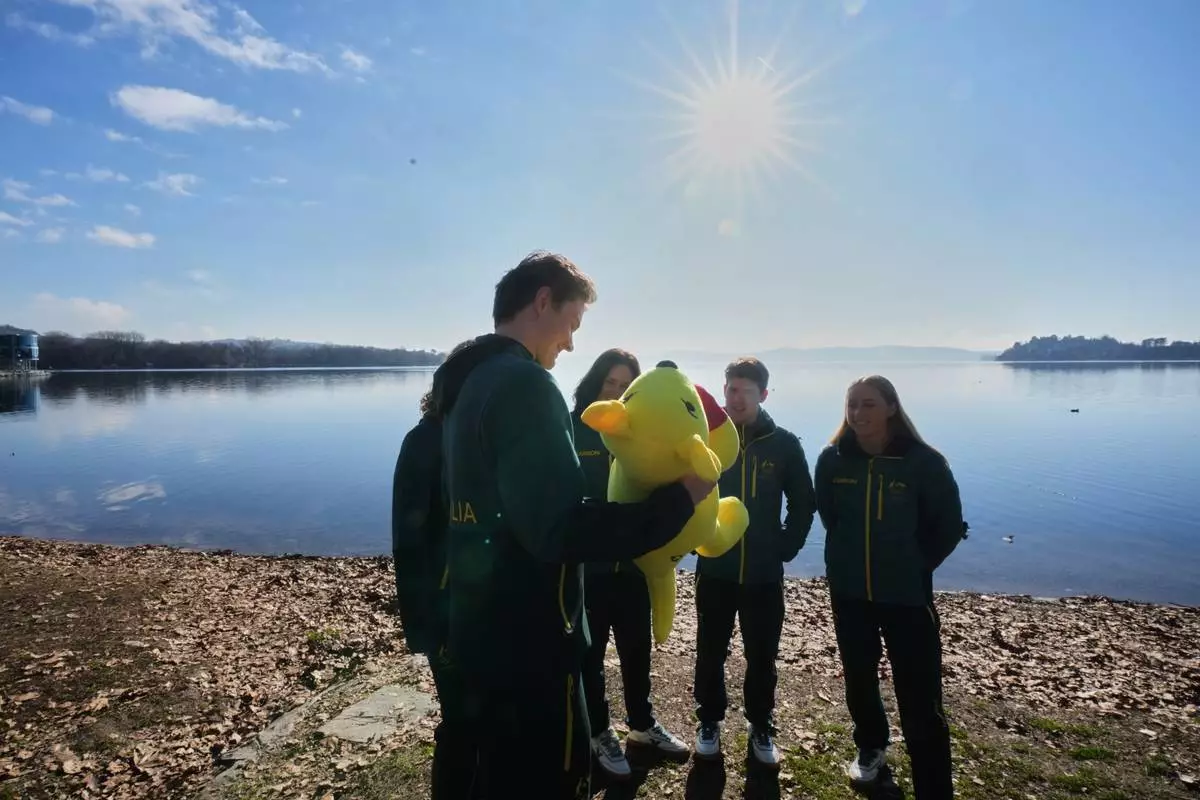
Australia's Winter Olympics team athletes stand at the AIS European Training Centre in Gavirate, on the Varese lake, northern Italy, Monday, Jan. 26, 2026. (AP Photo/Antonio Calanni)
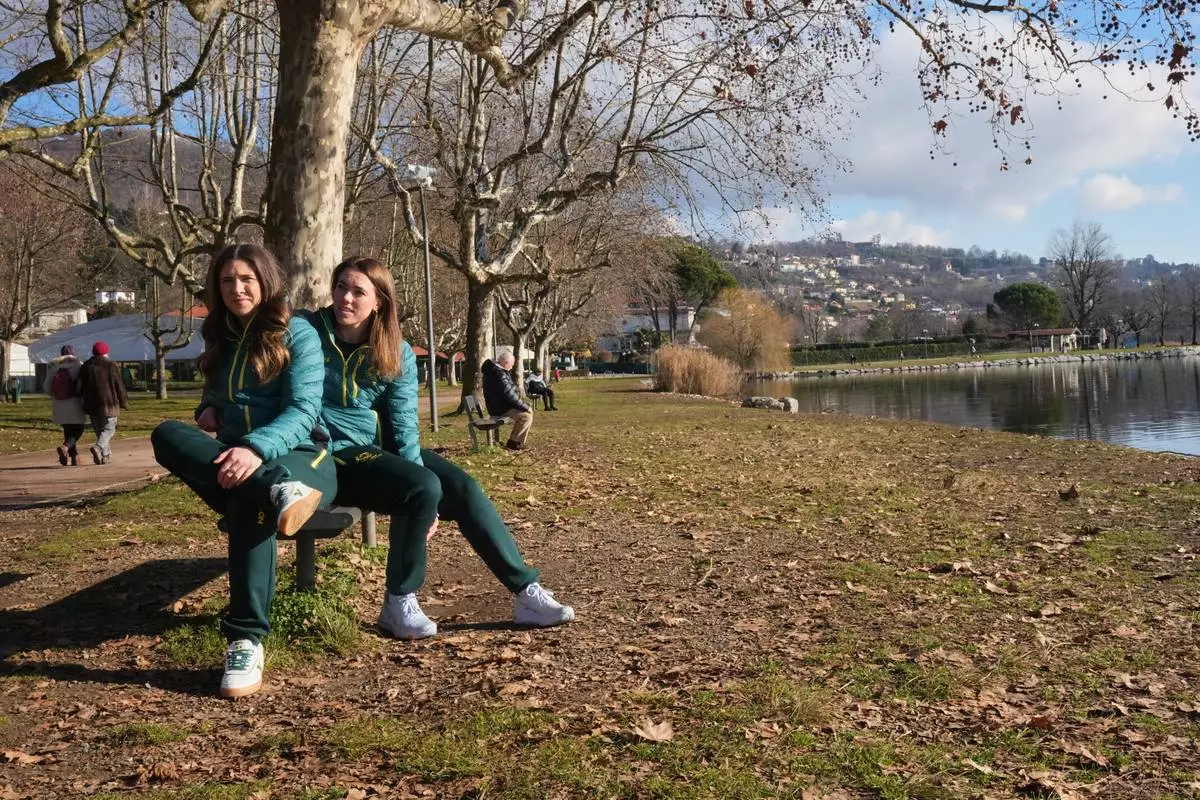
Australia's Breeana Walker, left, and Kiara Reddingius sit at the AIS European Training Centre in Gavirate, on the Varese lake, northern Italy, Monday, Jan. 26, 2026. (AP Photo/Antonio Calanni)
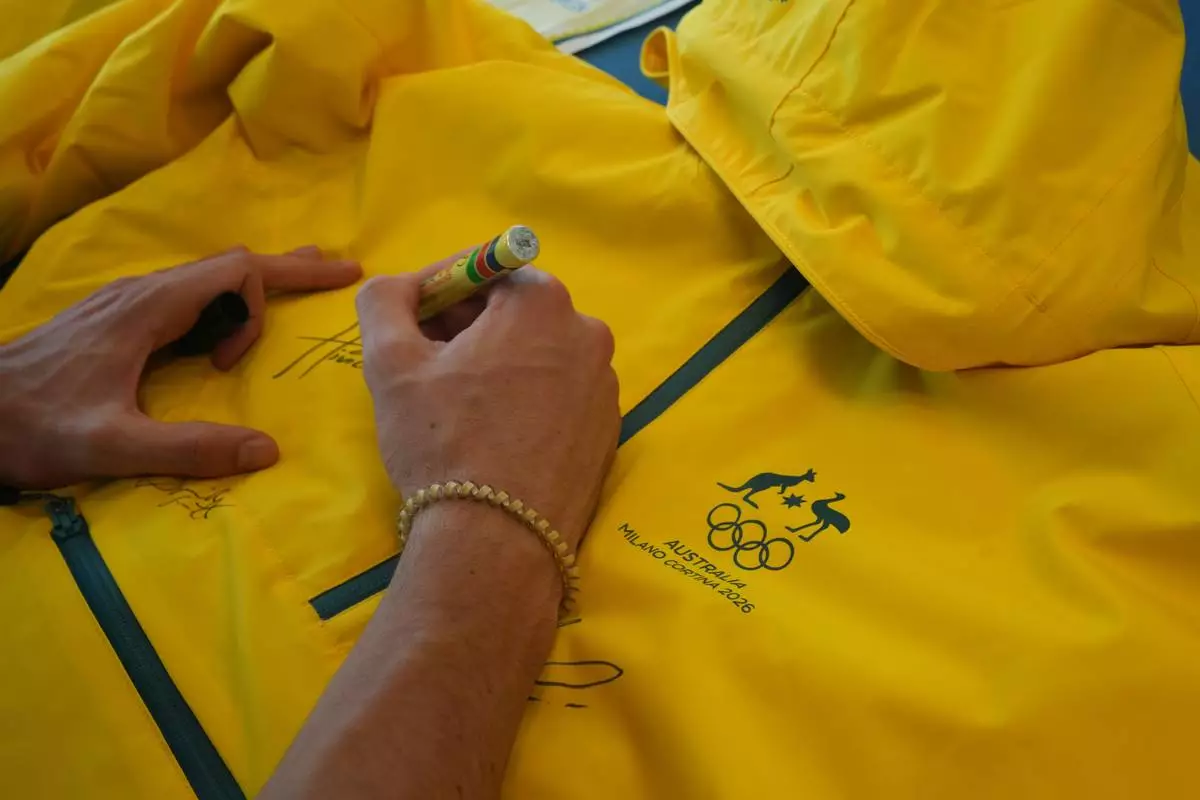
Australia's Hugo Hinckfuss signs the jacket at the AIS European Training Centre in Gavirate, on the Varese lake, northern Italy, Monday, Jan. 26, 2026. (AP Photo/Antonio Calanni)
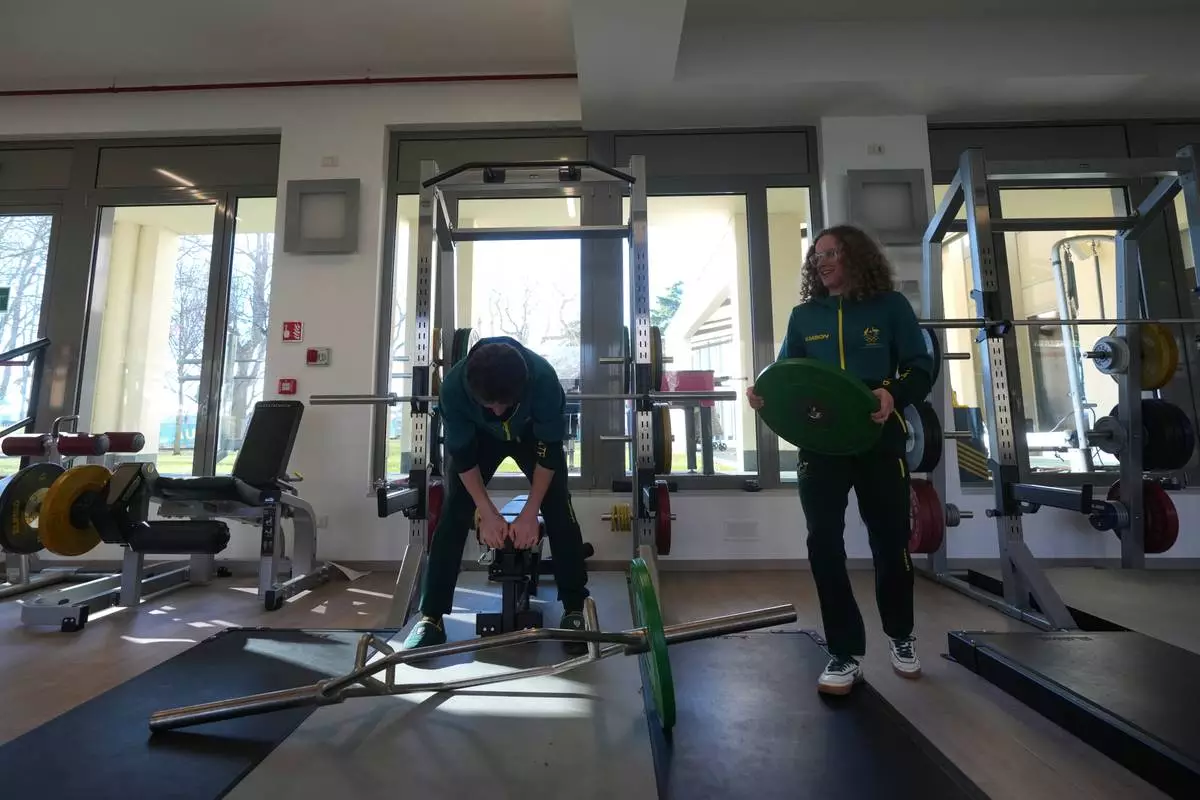
Australia's Rosie Fordham, right, and Seve de Campo train at the AIS European Training Centre in Gavirate, on the Varese lake, northern Italy, Monday, Jan. 26, 2026. (AP Photo/Antonio Calanni)
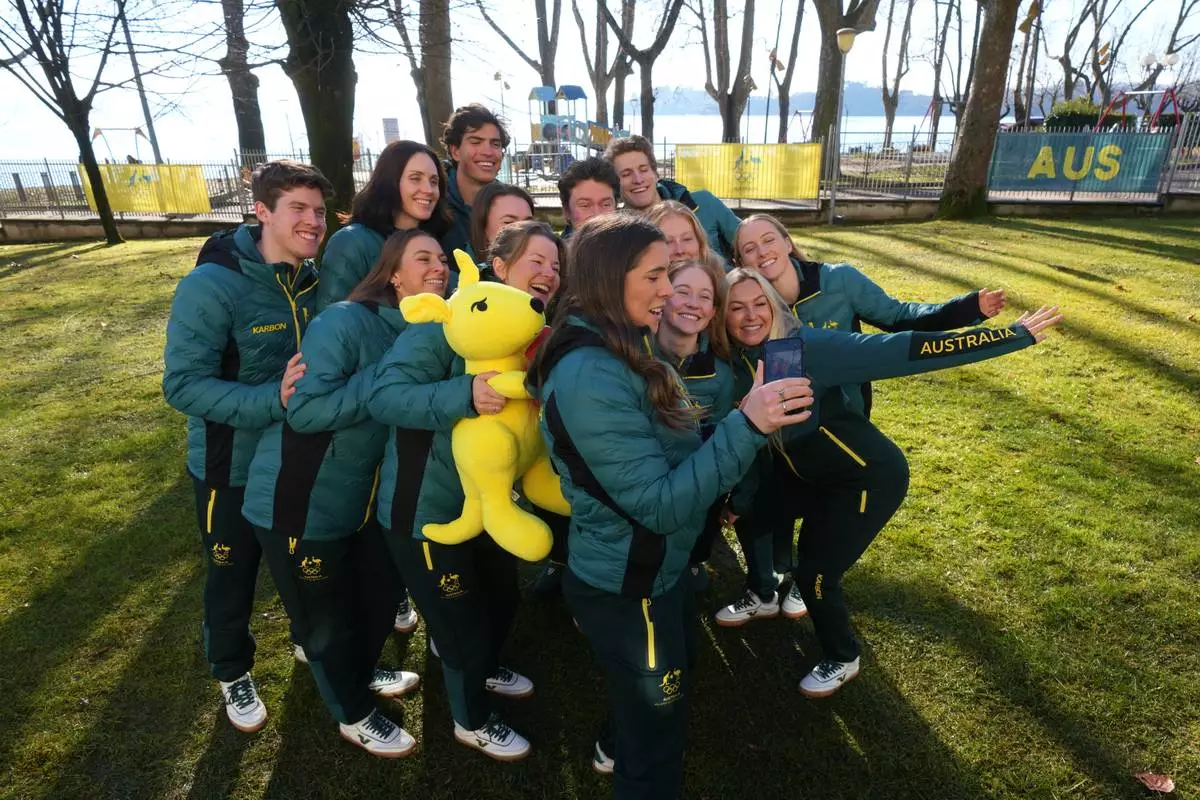
Australia's winter olympic athletes pose for photographers at the AIS European Training Centre in Gavirate, on the Varese lake, northern Italy, Monday, Jan. 26, 2026. (AP Photo/Antonio Calanni)