Skip to Content Facebook Feature Image

ICE claim that a man shattered his skull running into wall triggers tension at a Minnesota hospital

News

ICE claim that a man shattered his skull running into wall triggers tension at a Minnesota hospital
News

News

ICE claim that a man shattered his skull running into wall triggers tension at a Minnesota hospital

2026-01-31 23:12 Last Updated At:23:20

MINNEAPOLIS (AP) — Intensive care nurses immediately doubted the word of federal immigration officers when they arrived at a Minneapolis hospital with a Mexican immigrant who had broken bones in his face and skull.

Immigration and Customs Enforcement agents initially claimed Alberto Castañeda Mondragón had tried to flee while handcuffed and “purposefully ran headfirst into a brick wall,” according to court documents filed by a lawyer seeking his release.

More Images
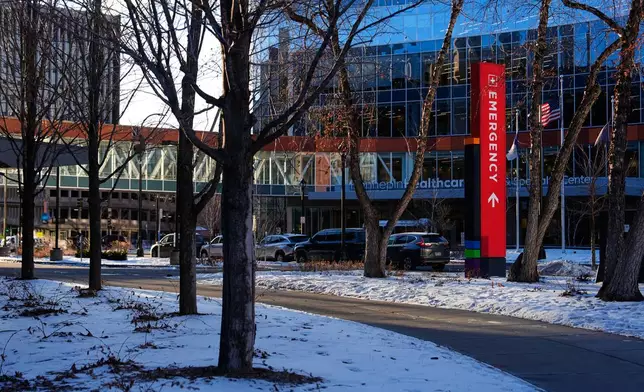
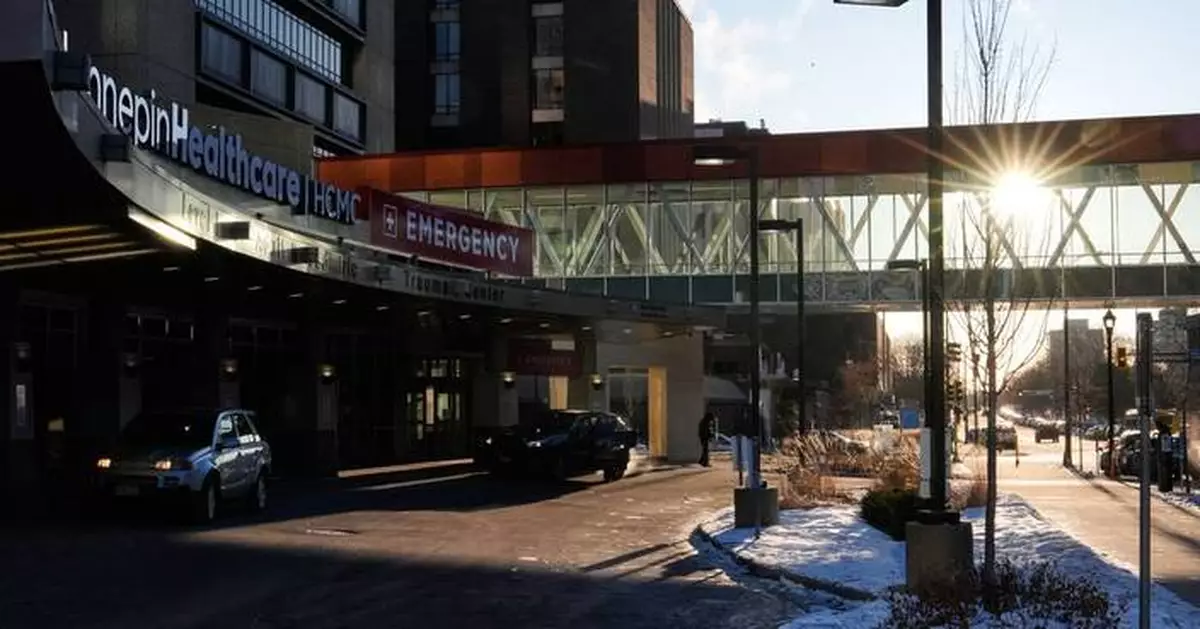
The Hennepin County Medical Center emergency department sign is seen Friday, Jan. 30, 2026, in Minneapolis. (AP Photo/Julia Demaree Nikhinson)
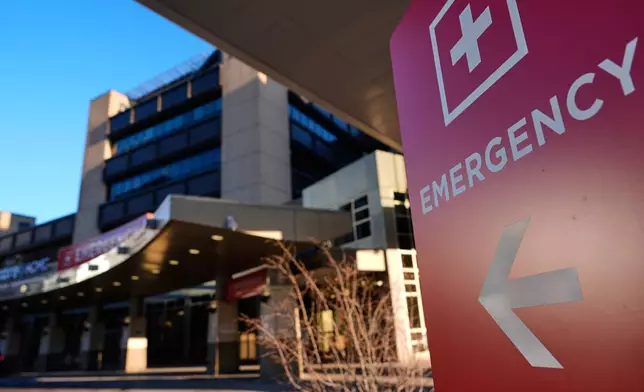
The Hennepin County Medical Center emergency department sign is seen Friday, Jan. 30, 2026, in Minneapolis. (AP Photo/Julia Demaree Nikhinson)
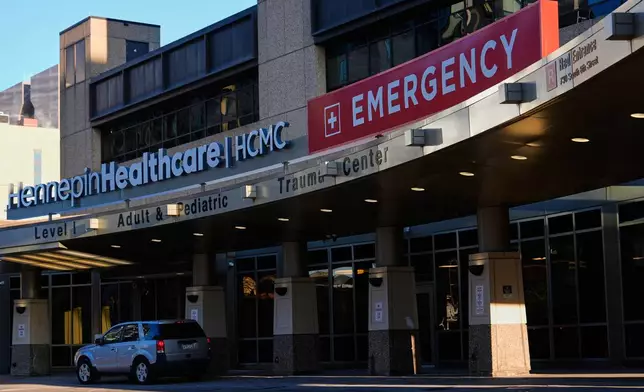
The Hennepin County Medical Center emergency department sign is seen Friday, Jan. 30, 2026, in Minneapolis. (AP Photo/Julia Demaree Nikhinson)

The Hennepin County Medical Center emergency department sign is seen Friday, Jan. 30, 2026, in Minneapolis. (AP Photo/Julia Demaree Nikhinson)

The Hennepin County Medical Center emergency department is seen Friday, Jan. 30, 2026, in Minneapolis. (AP Photo/Julia Demaree Nikhinson)
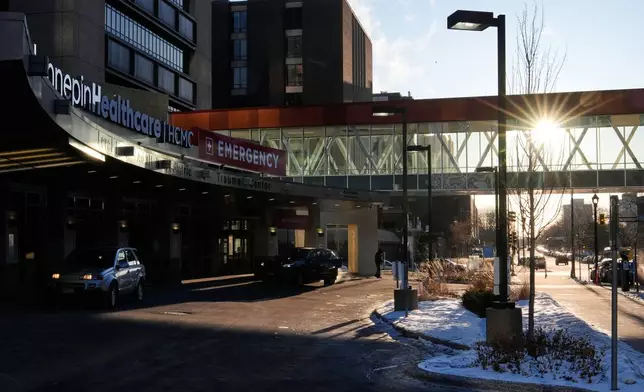
The Hennepin County Medical Center emergency department is seen Friday, Jan. 30, 2026, in Minneapolis. (AP Photo/Julia Demaree Nikhinson)

The Hennepin County Medical Center emergency department is seen Friday, Jan. 30, 2026, in Minneapolis. (AP Photo/Julia Demaree Nikhinson)

The Hennepin County Medical Center emergency department is seen Friday, Jan. 30, 2026, in Minneapolis. (AP Photo/Julia Demaree Nikhinson)

But staff members at Hennepin County Medical Center determined that could not possibly account for the fractures and bleeding throughout the 31-year-old's brain, said three nurses familiar with the case.

“It was laughable, if there was something to laugh about,” said one of the nurses, who spoke to The Associated Press on the condition of anonymity because they were not authorized to discuss patient care. “There was no way this person ran headfirst into a wall.”

The explanation from ICE is an example of recent run-ins between immigration officers and health care workers that have contributed to mounting friction at Minneapolis hospitals. Workers at the Hennepin County facility say ICE officers have restrained patients in defiance of hospital rules and stayed at their sides for days. The agents have also lingered around the campus and pressed people for proof of citizenship.

Since the start of Operation Metro Surge, President Donald Trump’s immigration crackdown in Minnesota, ICE officers have become such a fixture at the hospital that administrators issued new protocols for how employees should engage with them. Some employees complain that they have been intimidated to the point that they avoid crossing paths with agents while at work and use encrypted communications to guard against any electronic eavesdropping.

Similar operations have been carried out by federal agents in Los Angeles, Chicago and other cities, where opponents have criticized what they say are overly aggressive tactics. It's not clear how many people have required hospital care while in detention.

The AP interviewed a doctor and five nurses who work at HCMC, who spoke on condition of anonymity to talk about Castañeda Mondragón’s case and conditions inside the hospital. The AP also consulted with an outside physician who affirmed his injuries were inconsistent with an accidental fall or running into a wall.

ICE’s account of how he was hurt evolved during the time that federal officers were at his bedside. At least one ICE officer told caregivers that Castañeda Mondragón "got his (expletive) rocked” after his Jan. 8 arrest near a St. Paul shopping center, the court filings and a hospital staff member said. His arrest happened a day after the first of two fatal shootings in Minneapolis by immigration officers.

The situation reached a head when ICE insisted on using handcuffs to shackle his ankles to the bed, prompting a heated encounter with hospital staff, according to the court records and the hospital employees familiar with the incident.

At the time, Castañeda Mondragón was so disoriented he did not know what year it was and could not recall how he was injured, one of the nurses said. ICE officers believed he was attempting to escape after he got up and took a few steps.

“We were basically trying to explain to ICE that this is how someone with a traumatic brain injury is — they’re impulsive,” the nurse said. “We didn't think he was making a run for the door.”

Security responded to the scene, followed by the hospital's CEO and attorney, who huddled in a doctor's office to discuss options for dealing with ICE, the nurse said.

“We eventually agreed with ICE that we would have a nursing assistant sit with the patient to prevent him from leaving,” the nurse said. “They agreed a little while later to take the shackles off.”

The Department of Homeland Security, which includes ICE, did not respond to repeated requests for comment on Castañeda Mondragón's injuries. A deportation officer skirted the issue in the court documents, saying that during the intake process at an ICE detention center, it was determined he “had a head injury that required emergency medical treatment.”

Gregorio Castañeda Mondragón said his older brother is from Veracruz, Mexico, and worked as a roofer. He has a 10-year-old daughter living in his hometown he helps support.

According to his lawyers, Alberto Castañeda Mondragón entered the U.S. in 2022 with valid immigration documents. Minnesota incorporation filings show he founded a company called Castañeda Construction the following year with an address listed in St. Paul.

He appears to have no criminal record. His lawyers told a court that Castañeda Mondragón was racially profiled during the crackdown, and that officers determined only after his arrest that he had overstayed his visa.

“He was a brown-skinned, Latino Spanish speaker at a location immigration agents arbitrarily decided to target,” his lawyers wrote in a petition seeking his release from ICE custody.

Castañeda Mondragón was initially taken to an ICE processing center at the edge of Minneapolis. Court records include an arrest warrant signed upon his arrival by an ICE officer, not an immigration judge.

About four hours after his arrest, he was taken to a hospital emergency room in suburban Edina with swelling and bruising around his right eye and bleeding. A CT scan revealed at least eight skull fractures and life-threatening hemorrhages in at least five areas of his brain, according to court documents. He was then transferred to HCMC.

Castañeda Mondragón was alert and speaking, telling staff he was “dragged and mistreated by federal agents,” though his condition quickly deteriorated, the documents show.

The following week, a Jan. 16 court filing described his condition as minimally responsive and communicative, disoriented and heavily sedated.

AP shared the details of Castañeda Mondragón’s injuries with Dr. Lindsey C. Thomas, a board-certified forensic pathologist who worked as a medical examiner in Minnesota for more than 30 years. She agreed with the assessment of hospital staff.

“I am pretty sure a person could not get these kinds of extensive injuries from running into a wall,” Thomas said, adding that she would need to see the CT scans to make a more definitive finding.

“I almost think one doesn’t have to be a physician to conclude that a person can’t get skull fractures on both the right and left sides of their head and from front to back by running themselves into a wall," she said.

ICE officers have entered the hospital with seriously injured detainees and stayed at their bedside day after day, staffers said. The crackdown has been unsettling to hospital employees, who said ICE agents have been seen loitering on hospital grounds and asking patients and employees for proof of citizenship.

Hospital staff members said they were uncomfortable with the presence of armed agents they did not trust and who appeared to be untrained.

The nurses interviewed by AP said they felt intimidated by ICE’s presence in the critical care unit and had even been told to avoid a certain bathroom to minimize encounters with officers. They said staff members are using an encrypted messaging app to compare notes and share information out of fear that the government might be monitoring their communications.

The hospital reminded employees that ICE officers are not permitted to access patients or protected information without a warrant or court order.

“Patients under federal custody are first and foremost patients,” hospital officials wrote in a bulletin outlining new protocols. The hospital’s written policy also states that no shackles or other restraints should be used unless medically necessary.

“We have our policies, but ICE personnel as federal officers don't necessarily comply with those, and that introduces tension,” said a doctor who spoke on condition of anonymity because they were not authorized to comment for the hospital.

Hospital spokeswoman Alisa Harris said ICE agents “have not entered our facilities looking for individuals."

On Saturday, more than two weeks after Castañeda Mondragón was arrested, a U.S. District Court judge ordered him released from ICE custody.

“We are encouraged by the court’s order, which affirms that the rule of law applies to all people, in every corner of our country, including federal officers,” said Jeanette Boerner, director of Hennepin County Adult Representation Services, which filed the lawsuit on Castañeda Mondragón’s behalf.

To the surprise of some who treated him, Castañeda Mondragón was discharged from the hospital Tuesday. A hospital spokeswoman said she had no information about him.

The Justice Department filed court documents this week affirming Castañeda Mondragón is no longer in custody. Prosecutors did not respond to a request for comment on the man's injuries.

Castañeda Mondragón has no family in Minnesota and coworkers have taken him in, the man's brother said. He has significant memory loss and a long recovery ahead. He won't be able to work for the foreseeable future, and his friends and family worry about paying for his care.

“He still doesn’t remember things that happened. I think (he remembers) 20% of the 100% he had,” said Gregorio Castañeda Mondragón, who lives in Mexico. “It’s sad that instead of having good memories of the United States, you’re left with a bad taste in your mouth about that country because they’re treating them like animals.”

Mustian reported from New York, and Biesecker reported from Washington.

Associated Press reporters Steve Karnowski and Sarah Raza in Minneapolis, Valerie Gonzalez in McAllen, Texas, and Joshua Goodman in Miami contributed.
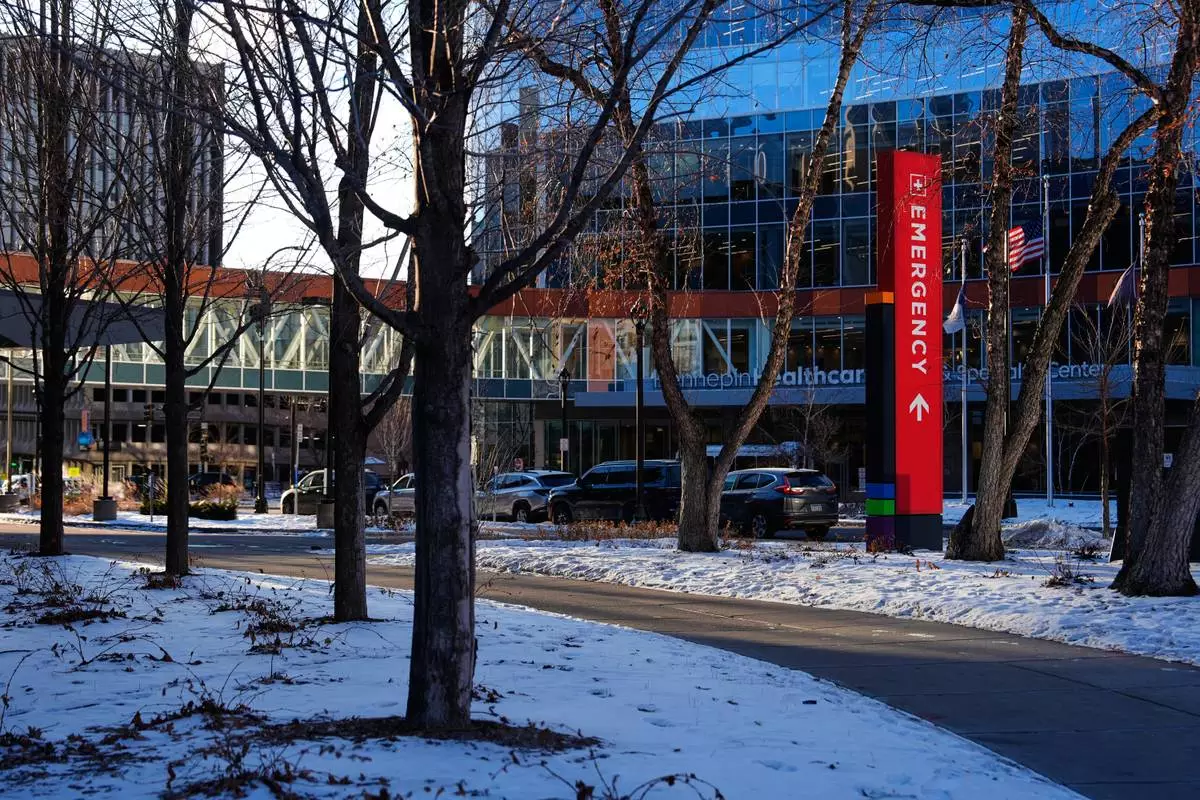
The Hennepin County Medical Center emergency department sign is seen Friday, Jan. 30, 2026, in Minneapolis. (AP Photo/Julia Demaree Nikhinson)
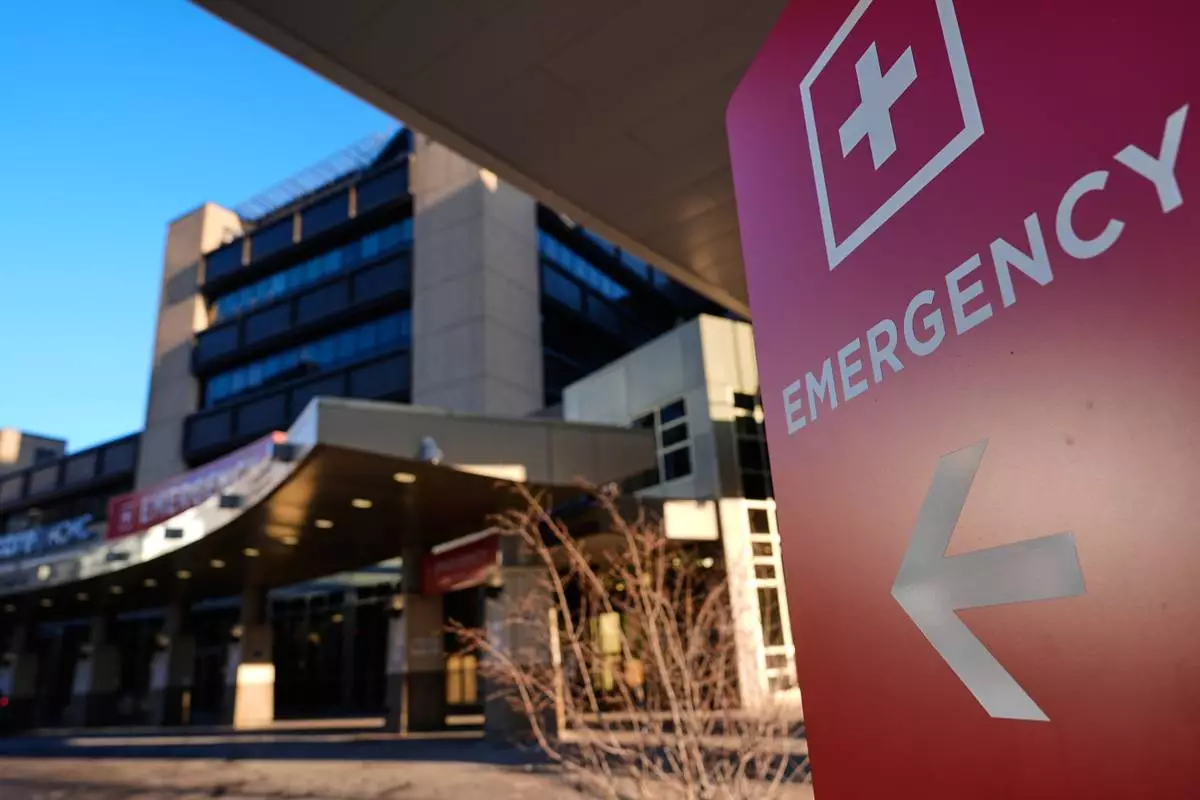
The Hennepin County Medical Center emergency department sign is seen Friday, Jan. 30, 2026, in Minneapolis. (AP Photo/Julia Demaree Nikhinson)
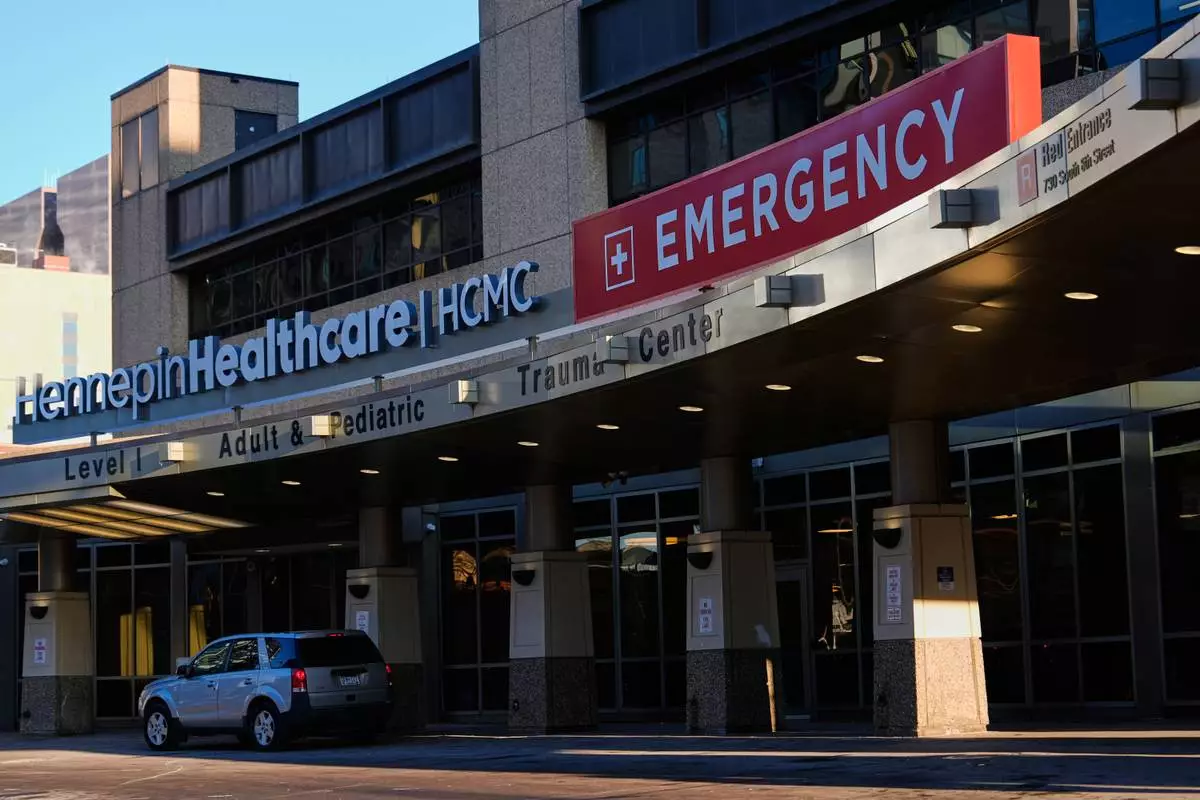
The Hennepin County Medical Center emergency department sign is seen Friday, Jan. 30, 2026, in Minneapolis. (AP Photo/Julia Demaree Nikhinson)

The Hennepin County Medical Center emergency department sign is seen Friday, Jan. 30, 2026, in Minneapolis. (AP Photo/Julia Demaree Nikhinson)

The Hennepin County Medical Center emergency department is seen Friday, Jan. 30, 2026, in Minneapolis. (AP Photo/Julia Demaree Nikhinson)
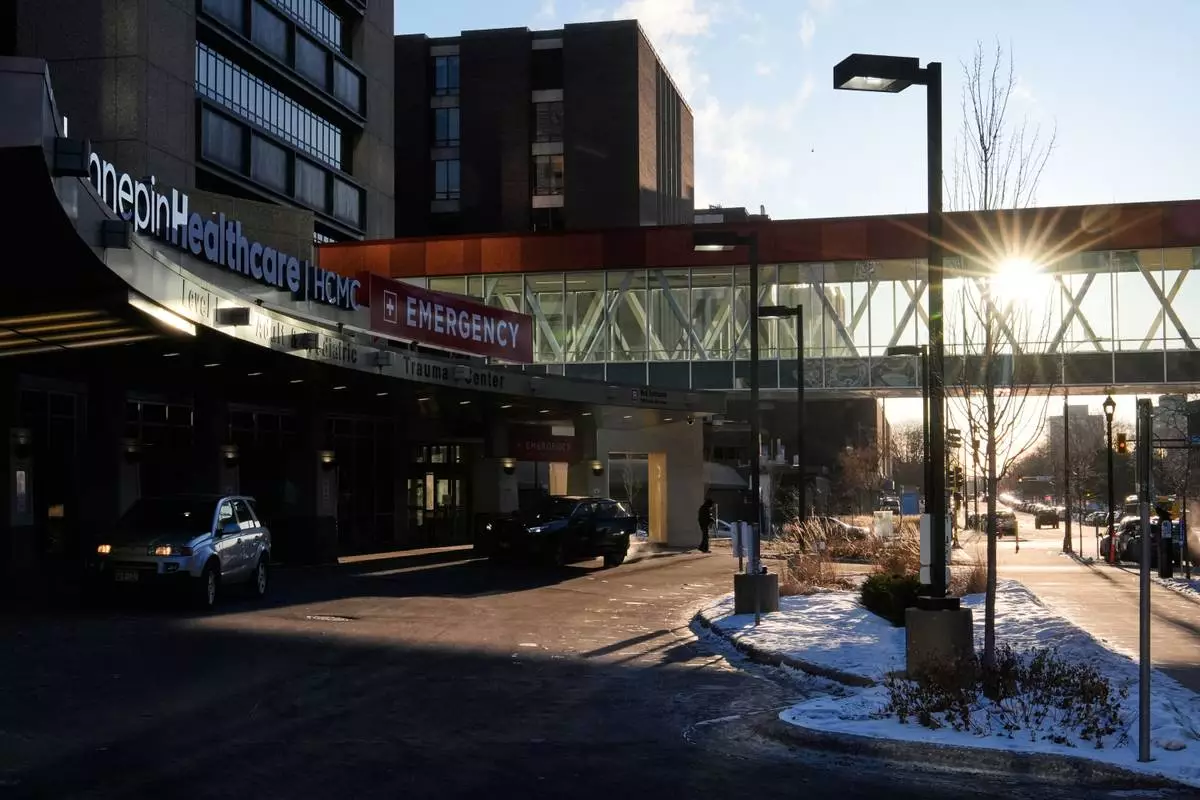
The Hennepin County Medical Center emergency department is seen Friday, Jan. 30, 2026, in Minneapolis. (AP Photo/Julia Demaree Nikhinson)
The Hennepin County Medical Center emergency department is seen Friday, Jan. 30, 2026, in Minneapolis. (AP Photo/Julia Demaree Nikhinson)
The Hennepin County Medical Center emergency department is seen Friday, Jan. 30, 2026, in Minneapolis. (AP Photo/Julia Demaree Nikhinson)
Iran fired missiles at Israel and some Gulf nations while explosions could be heard around Tehran and the central Iranian city of Isfahan on Friday, as the United States prepared to further reinforce its already significant military forces in the Middle East.

As the war that began Feb. 28 was to enter its sixth week, Israel, Bahrain, Kuwait warned about incoming missile fire, although it was unclear if anything was struck. Activists reported strikes around Tehran and the central city of Isfahan but it wasn’t immediately clear what was hit.

Iran’s attacks on Gulf region energy infrastructure and its tight grip on the Strait of Hormuz, through which a fifth of the world’s oil and natural gas transits in peacetime, has sent oil prices skyrocketing.

Oil prices surged while Asian financial markets rose moderately during cautious trading. Benchmark U.S. crude rose 11.4% to $111.54 a barrel. The price of Brent crude, the international standard, jumped 7.8% to $109.03 per barrel.

U.S. President Donald Trump said U.S. forces will keep hitting Iran “very hard” in the next two or three weeks.

The largest American aircraft carrier in service sailed out of Split, in Croatia and “remains poised for full mission tasking in support of national objectives in any area of operation,” the Navy’s 6th Fleet announced.

It was unclear where it was going. The USS Abraham Lincoln remains in the Arabian Sea and the USS George H. W. Bush aircraft carrier departed Norfolk on Wednesday to head to the Mideast.

Here is the latest:

Oil prices continued to surge on worries of a prolonged Iran war but the Asian markets that were open Friday rose moderately in cautious trading, while others were closed for the Good Friday holidays.

Benchmark U.S. crude rose 11.4% to $111.54 a barrel. The price of Brent crude, the international standard, jumped 7.8% to $109.03 per barrel.

The U.S. only relies on the Persian Gulf for a fraction of the oil it imports, but oil is a commodity and prices are set in a global market.

The situation is very different in Asia. Japan, for example, relies on access to the Strait of Hormuz for much of the nation’s oil import needs and would need to rely on alternative routes. But some analysts say Japan and oher nations are counting on an agreement with Iran to allow transports.

Japan’s benchmark Nikkei 225 gained 0.9% in Friday morning trading to 52,938.62. South Korea’s Kospi jumped 2.1% to 5,344.41. The Shanghai Composite sank 0.5% to 3,899.57. Trading was closed in Hong Kong, Singapore, Australia, New Zealand, the Philippines, Indonesia and India.

Wall Street, where trading is closed Friday, finished its first winning week since the start of the Iran war, although trading started out with a decline driven by a surge in oil prices.

Bangladesh is curtailing office hours and enforcing early closure of malls and shops beginning Friday to handle its energy crisis related to the war.

The country’s cabinet ordered 30% spending cuts for fuel and power at government offices, suspended some staff training and stopped purchases of new vehicles, ships and aircraft. Decorative lighting will not be allowed for celebrations.

Bangladesh, a nation of more than 170 million people, is seeking alternative fuel sources and $2.5 billion in external financing for imports, which account for 95% of its fuel.

Australian Energy Minister Chris Bowen on Friday urged motorists getting away for a long weekend during the Easter holiday to fill up in cities because most of the nation’s fuel shortages are in rural areas.

Among 2,400 gas stations in New South Wales, Australia’s most populous state, 182 had run out of diesel by Friday.

In Australia’s second-most populous state, Victoria, 76 gas stations were out of diesel. In the remaining states ranked by the most populous first, Queensland had 75 stations without diesel, Western Australia had 37, South Australia had 28 and in Tasmania there were seven.

“For those Australians planning a road trip this weekend, given our shortages are predominantly in rural and regional Australia, it makes sense to fill up in the city to help the country if you can,” Bowen said in Sydney.

The government, which blamed regional shortages on panic buying and distribution problems, is concentrating on delivering fuel to farmers for planting crops.

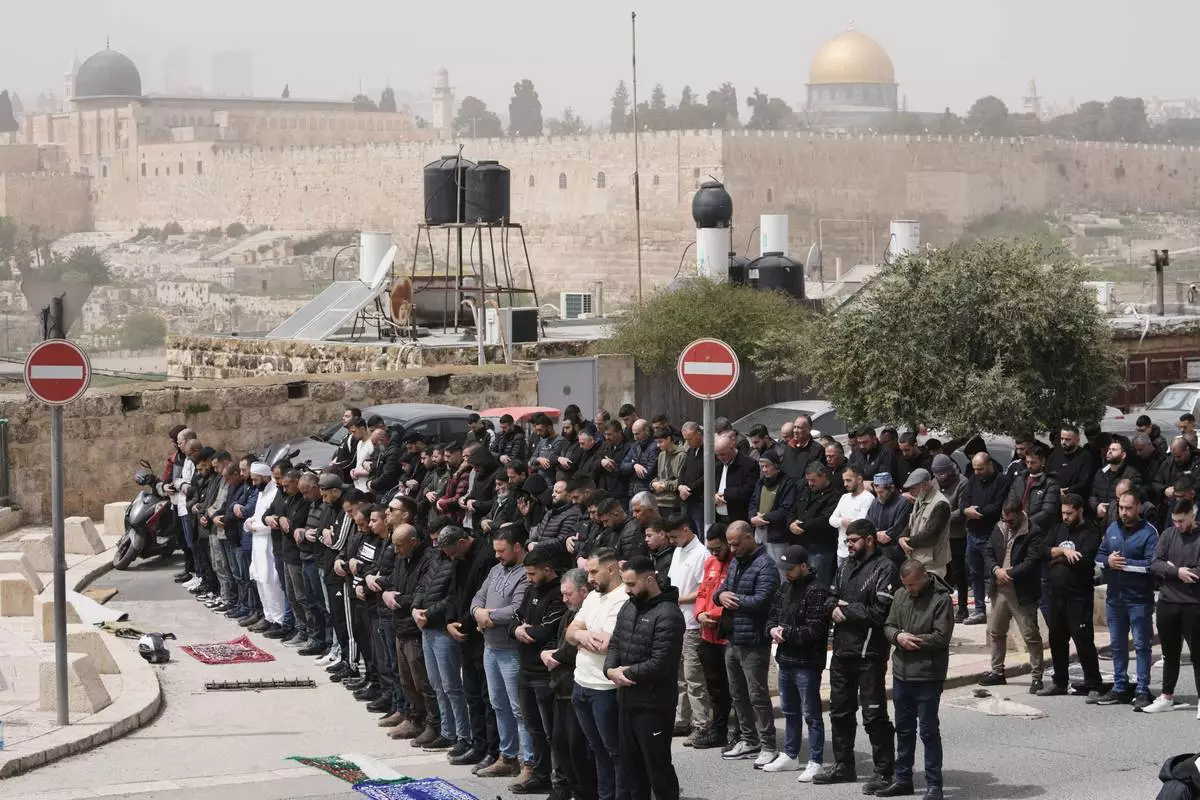
Palestinian Muslims attend Friday prayers outside Jerusalem's Old City due to restrictions linked to the Iran war, April 3, 2026. (AP Photo/Mahmoud Illean)

Palestinian Muslims attend Friday prayers outside Jerusalem's Old City due to restrictions linked to the Iran war, April 3, 2026. (AP Photo/Mahmoud Illean)

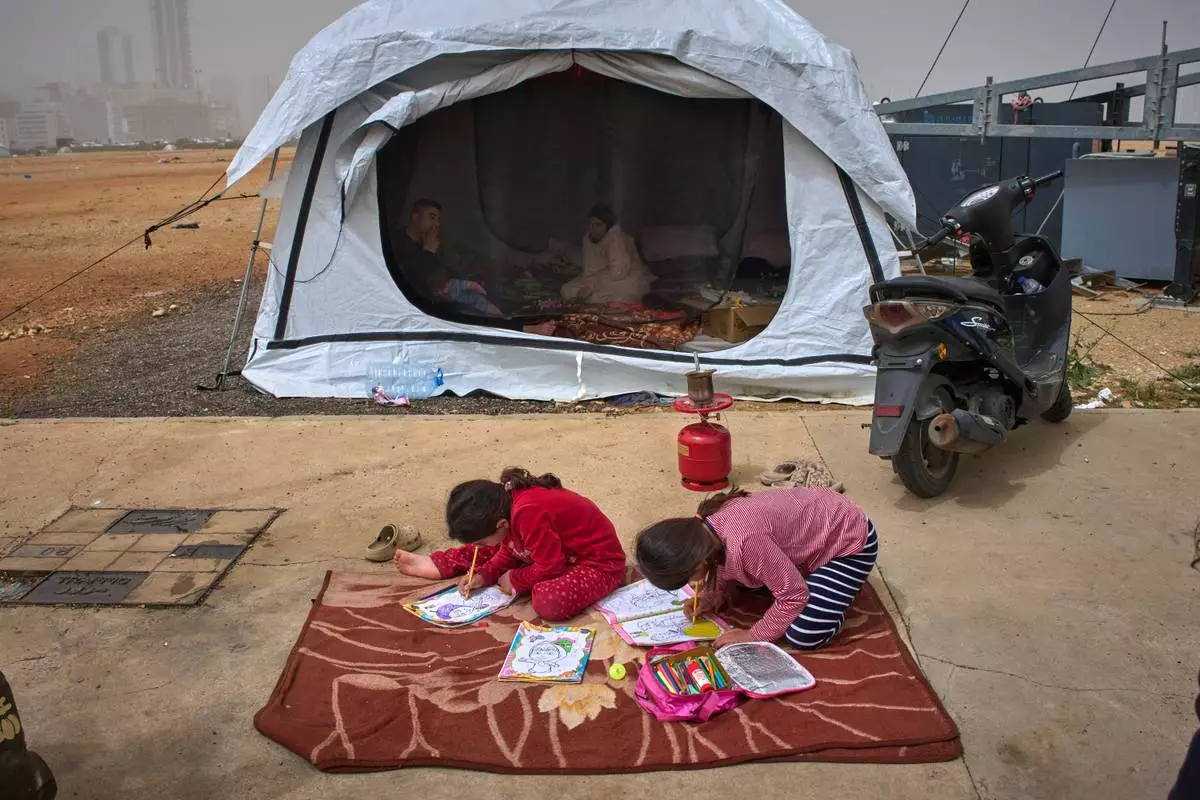
Tamara and her sister Amal color pictures on the floor as their parents, Sara and Ahmed, who fled their village of Khiyam in southern Lebanon due to Israeli bombardment, sit inside a tent used as a shelter in Beirut, Lebanon, Friday, April 3, 2026. (AP Photo/Emilio Morenatti)

Tamara and her sister Amal color pictures on the floor as their parents, Sara and Ahmed, who fled their village of Khiyam in southern Lebanon due to Israeli bombardment, sit inside a tent used as a shelter in Beirut, Lebanon, Friday, April 3, 2026. (AP Photo/Emilio Morenatti)

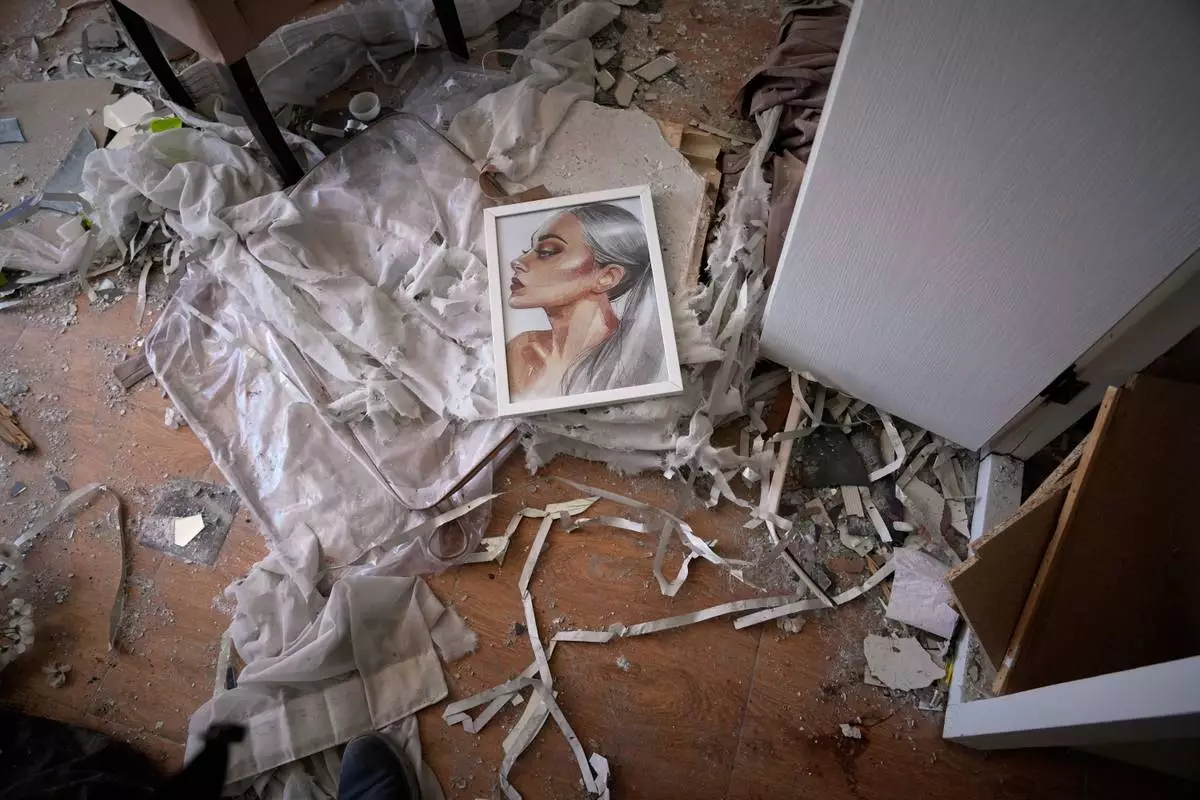
A painting lies on the floor of a residential building damaged by recent U.S.-Israeli strikes in Fardis, west of Tehran, Iran, Friday, April 3, 2026. (AP Photo/Vahid Salemi)

A painting lies on the floor of a residential building damaged by recent U.S.-Israeli strikes in Fardis, west of Tehran, Iran, Friday, April 3, 2026. (AP Photo/Vahid Salemi)

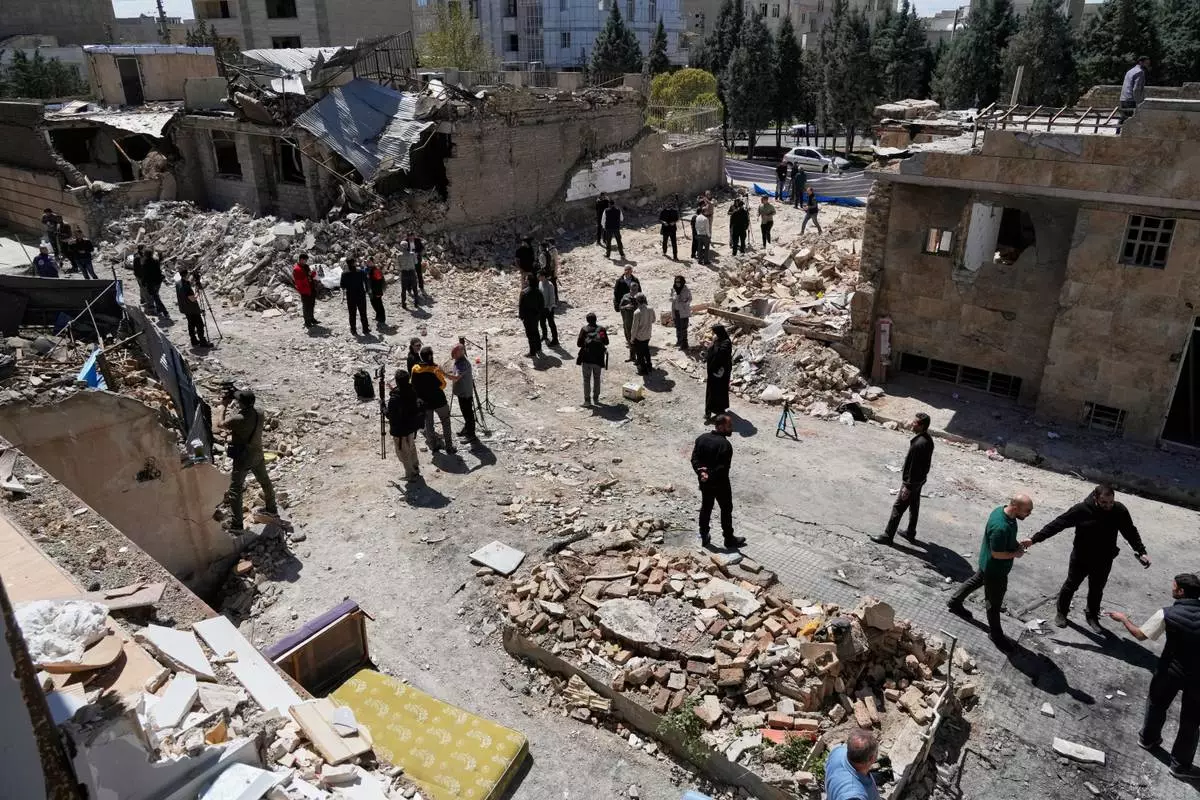
Journalists from foreign media based in Tehran document damage from U.S.-Israeli strikes in a residential area of the town of Fardis, west of Tehran, Iran, Friday, April 3, 2026. (AP Photo/Vahid Salemi)

Journalists from foreign media based in Tehran document damage from U.S.-Israeli strikes in a residential area of the town of Fardis, west of Tehran, Iran, Friday, April 3, 2026. (AP Photo/Vahid Salemi)

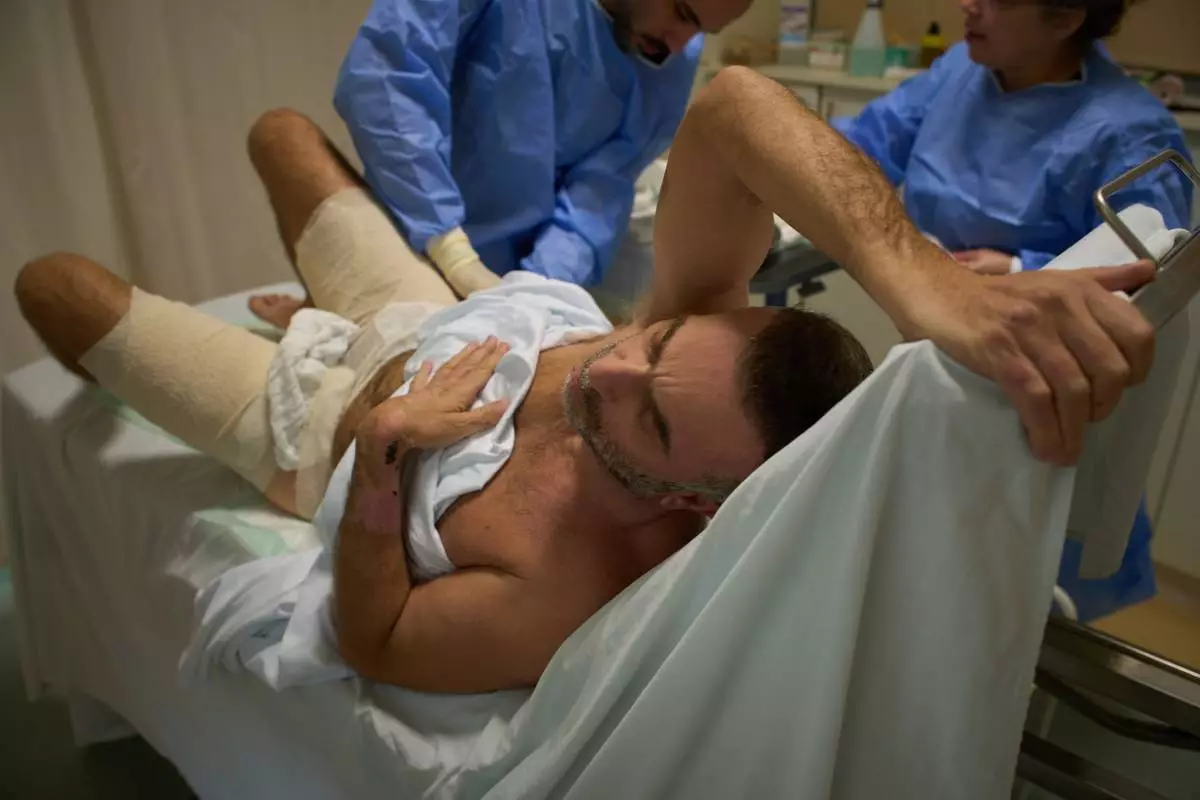
Mohammad Qubaisi, 53, with burn wounds from an Israeli airstrike on southern Lebanon undergoes surgery by Dr. Mohammed Ziara, left, and his team, at the Sidon Government Hospital in Sidon, Lebanon, Thursday, April 2, 2026. (AP Photo/Emilio Morenatti)

Mohammad Qubaisi, 53, with burn wounds from an Israeli airstrike on southern Lebanon undergoes surgery by Dr. Mohammed Ziara, left, and his team, at the Sidon Government Hospital in Sidon, Lebanon, Thursday, April 2, 2026. (AP Photo/Emilio Morenatti)

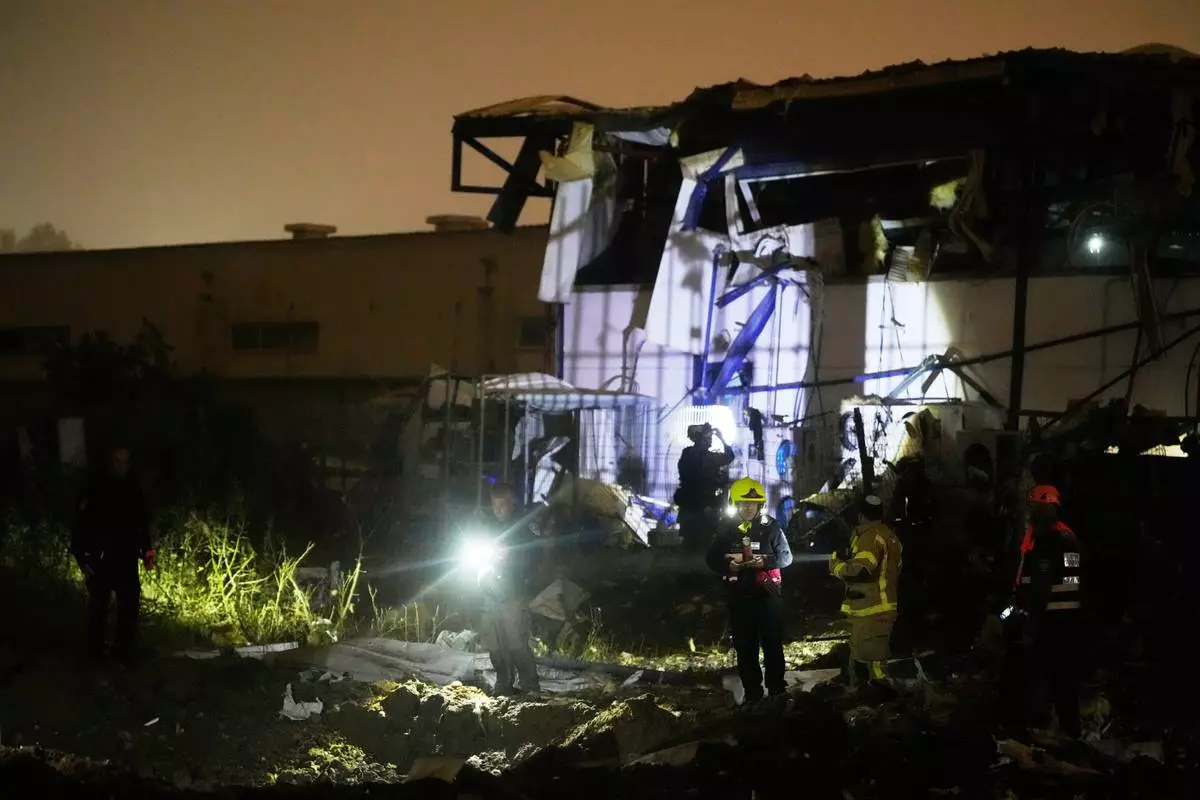
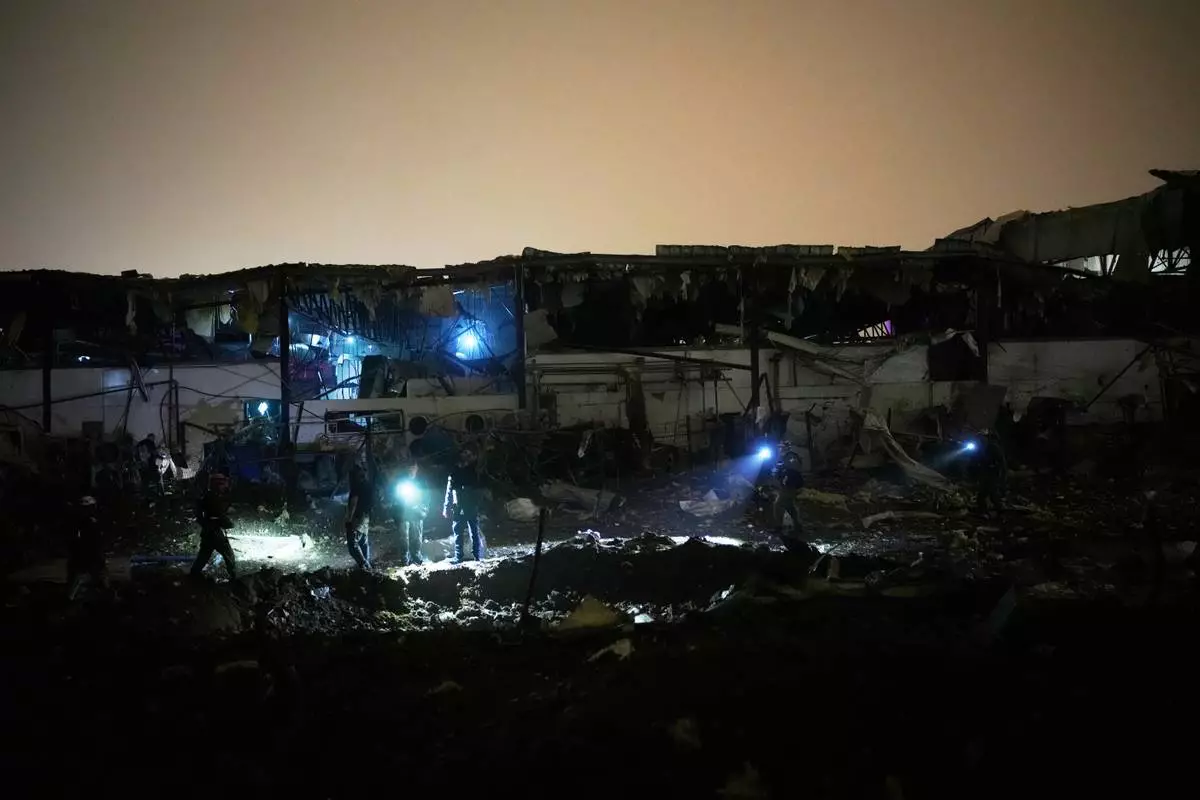
Israeli security forces and rescue teams inspect a site struck by an Iranian missile in Petah Tikva, Israel,Thursday, April 2, 2026. (AP Photo/Ohad Zwigenberg)

Israeli security forces and rescue teams inspect a site struck by an Iranian missile in Petah Tikva, Israel,Thursday, April 2, 2026. (AP Photo/Ohad Zwigenberg)

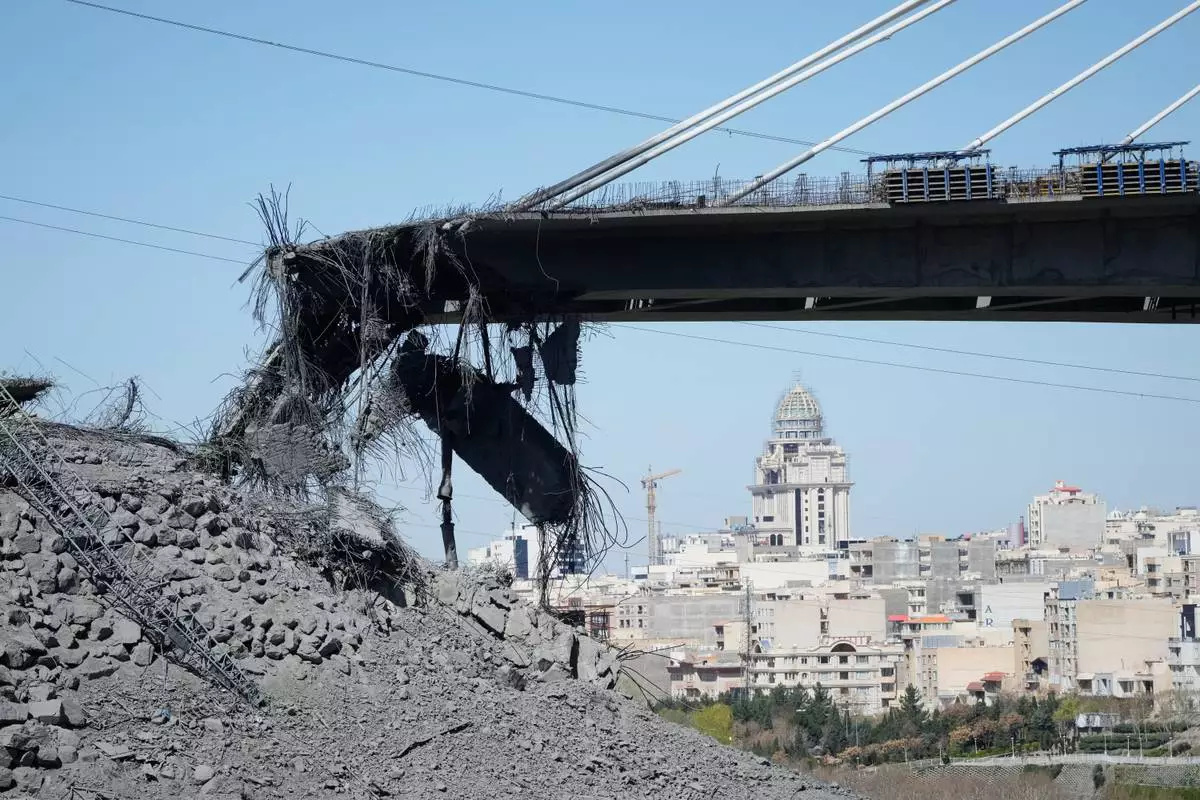
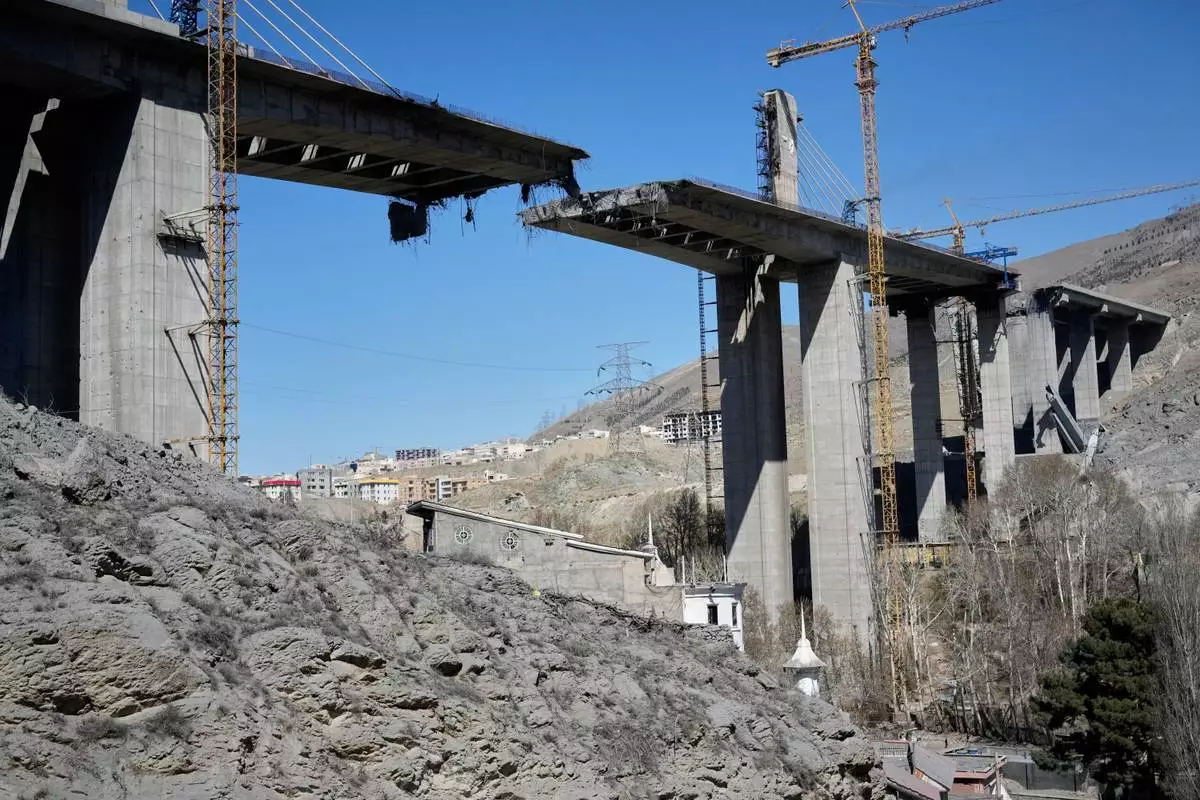
A newly constructed bridge struck by U.S. airstrikes Thursday is seen in Karaj, west of Tehran, Iran, Friday, April 3, 2026. (AP Photo/Vahid Salemi)

A newly constructed bridge struck by U.S. airstrikes Thursday is seen in Karaj, west of Tehran, Iran, Friday, April 3, 2026. (AP Photo/Vahid Salemi)

A newly constructed bridge struck by U.S. airstrikes Thursday is seen in Karaj, west of Tehran, Iran, Friday, April 3, 2026. (AP Photo/Vahid Salemi)

A newly constructed bridge struck by U.S. airstrikes Thursday is seen in Karaj, west of Tehran, Iran, Friday, April 3, 2026. (AP Photo/Vahid Salemi)

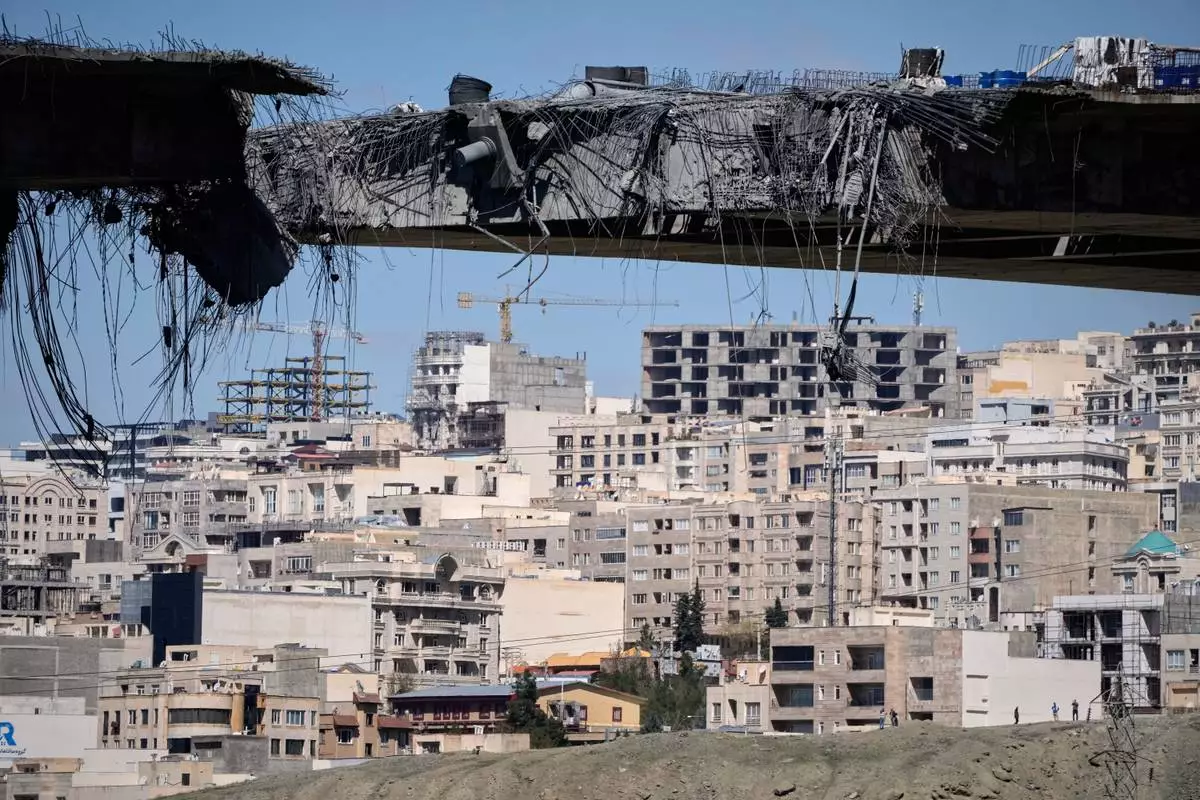
A bridge struck by U.S. airstrikes on Thursday is seen in the town of Karaj, west of Tehran, Iran, Friday, April 3, 2026. (AP Photo/Vahid Salemi)

A bridge struck by U.S. airstrikes on Thursday is seen in the town of Karaj, west of Tehran, Iran, Friday, April 3, 2026. (AP Photo/Vahid Salemi)

Israeli security forces and rescue teams inspect a site struck by an Iranian missile in Petah Tikva, Israel,Thursday, April 2, 2026. (AP Photo/Ohad Zwigenberg)

Israeli security forces and rescue teams inspect a site struck by an Iranian missile in Petah Tikva, Israel,Thursday, April 2, 2026. (AP Photo/Ohad Zwigenberg)

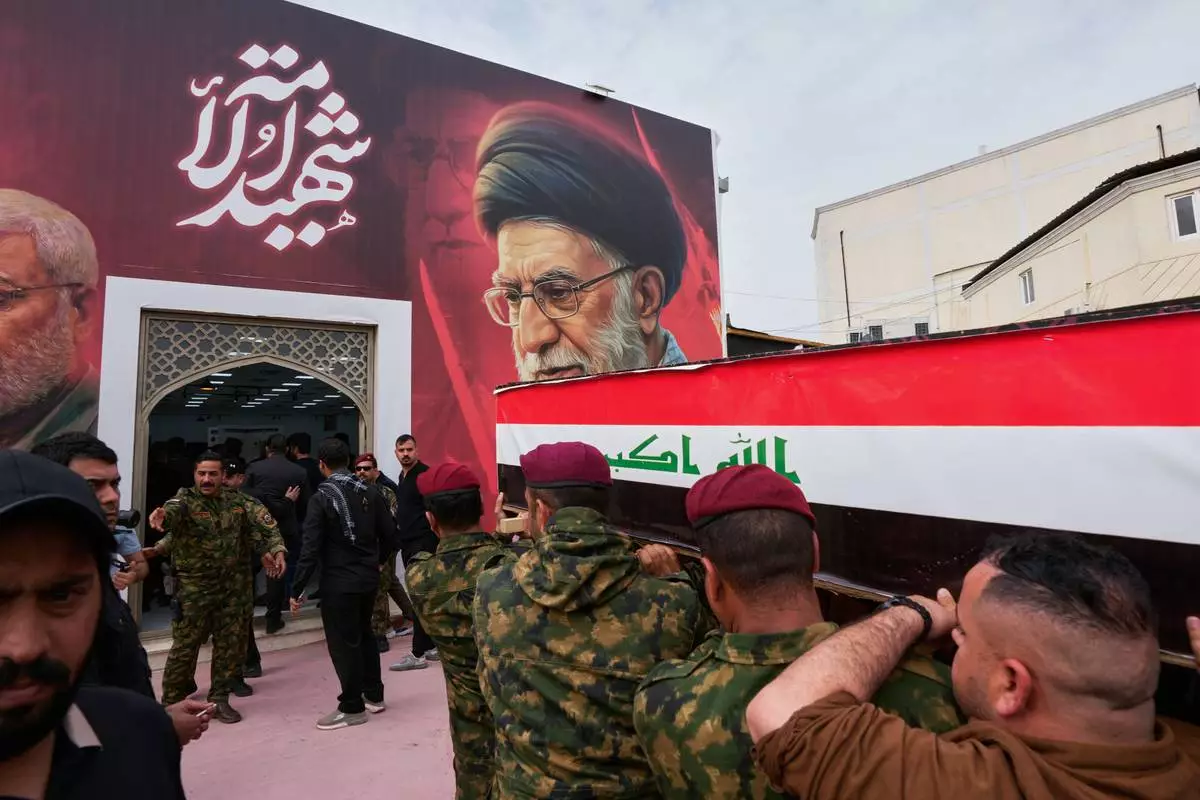
Members from the Popular Mobilization Forces attend a funeral of fighters who were killed in a U.S. airstrike, in Tal Afar, Nineveh province, north of Baghdad, Iraq, Thursday, April 2, 2026. (AP Photo/Hadi Mizban)

Members from the Popular Mobilization Forces attend a funeral of fighters who were killed in a U.S. airstrike, in Tal Afar, Nineveh province, north of Baghdad, Iraq, Thursday, April 2, 2026. (AP Photo/Hadi Mizban)

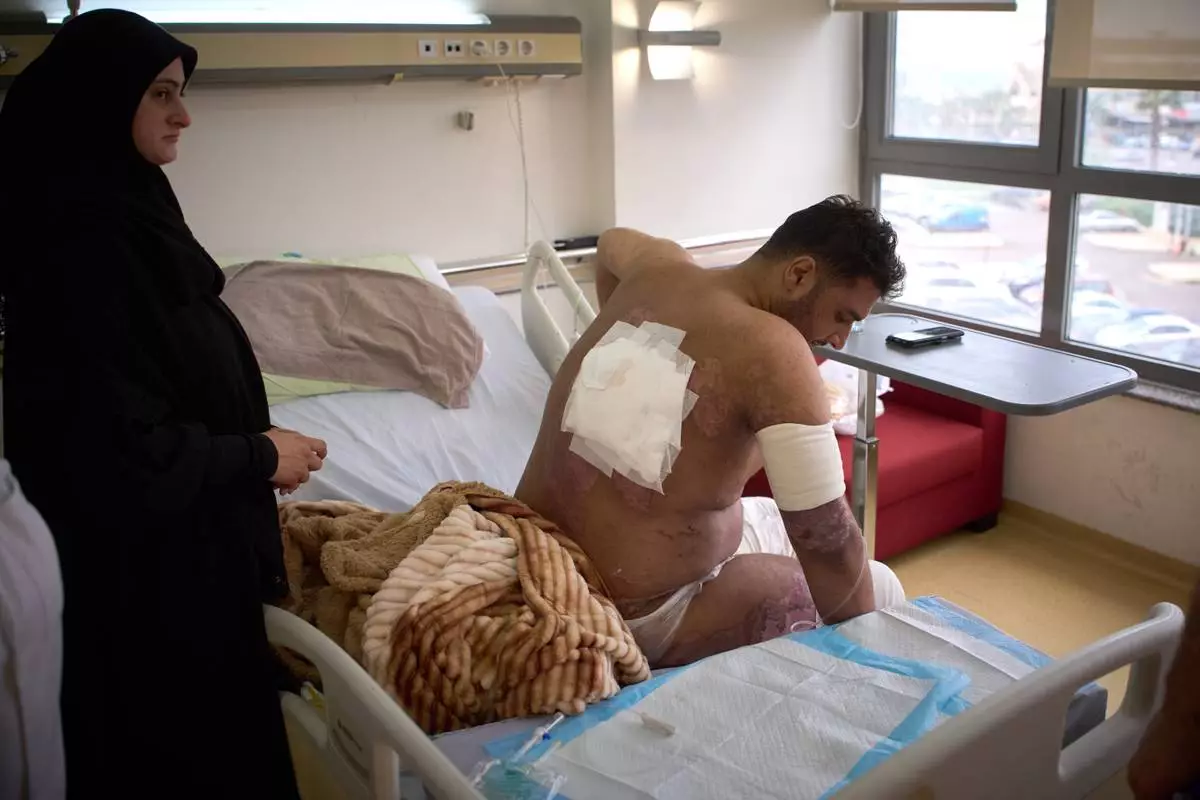
A man with burn wounds from an Israeli airstrike on southern Lebanon sits on a bed at the Sidon Government Hospital in Sidon, Lebanon, Thursday, April 2, 2026. (AP Photo/Emilio Morenatti)

A man with burn wounds from an Israeli airstrike on southern Lebanon sits on a bed at the Sidon Government Hospital in Sidon, Lebanon, Thursday, April 2, 2026. (AP Photo/Emilio Morenatti)

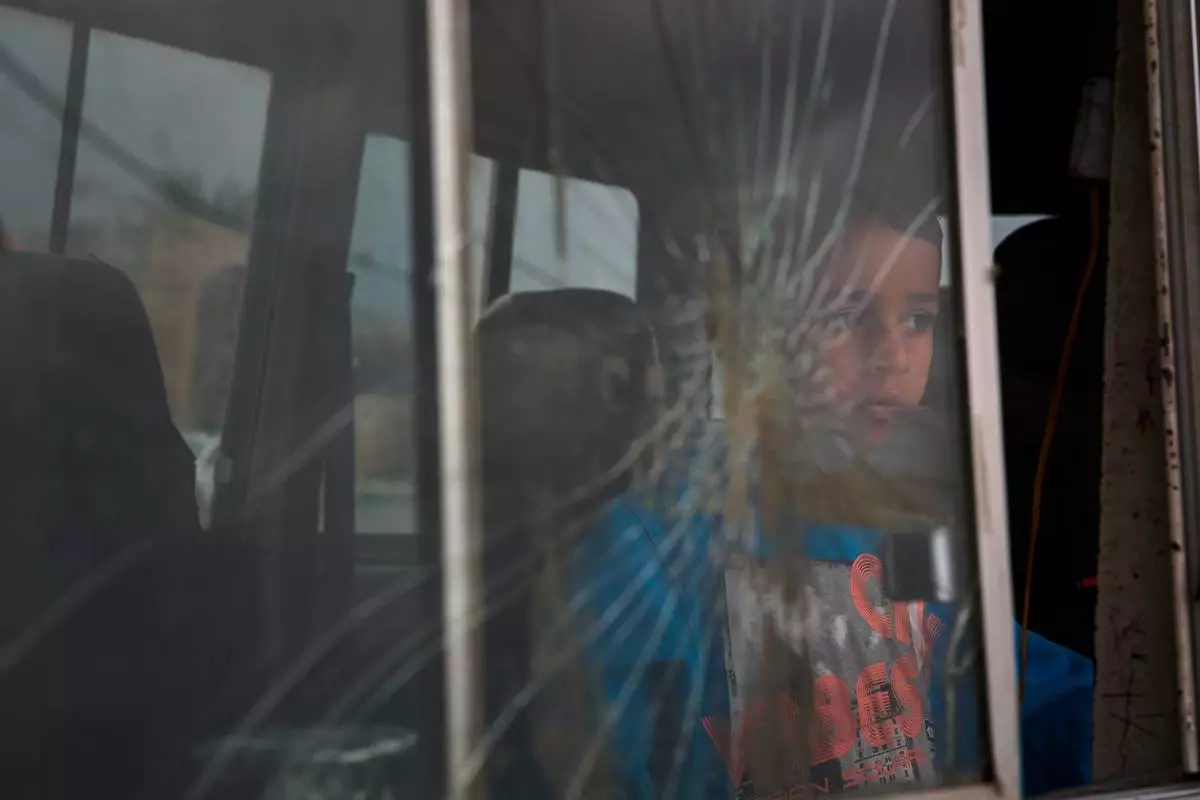
A boy who fled with his family following Israeli strikes in southern Lebanon sits inside the van they are using as shelter in Sidon, Lebanon, Thursday, April 2, 2026. (AP Photo/Emilio Morenatti)

A boy who fled with his family following Israeli strikes in southern Lebanon sits inside the van they are using as shelter in Sidon, Lebanon, Thursday, April 2, 2026. (AP Photo/Emilio Morenatti)

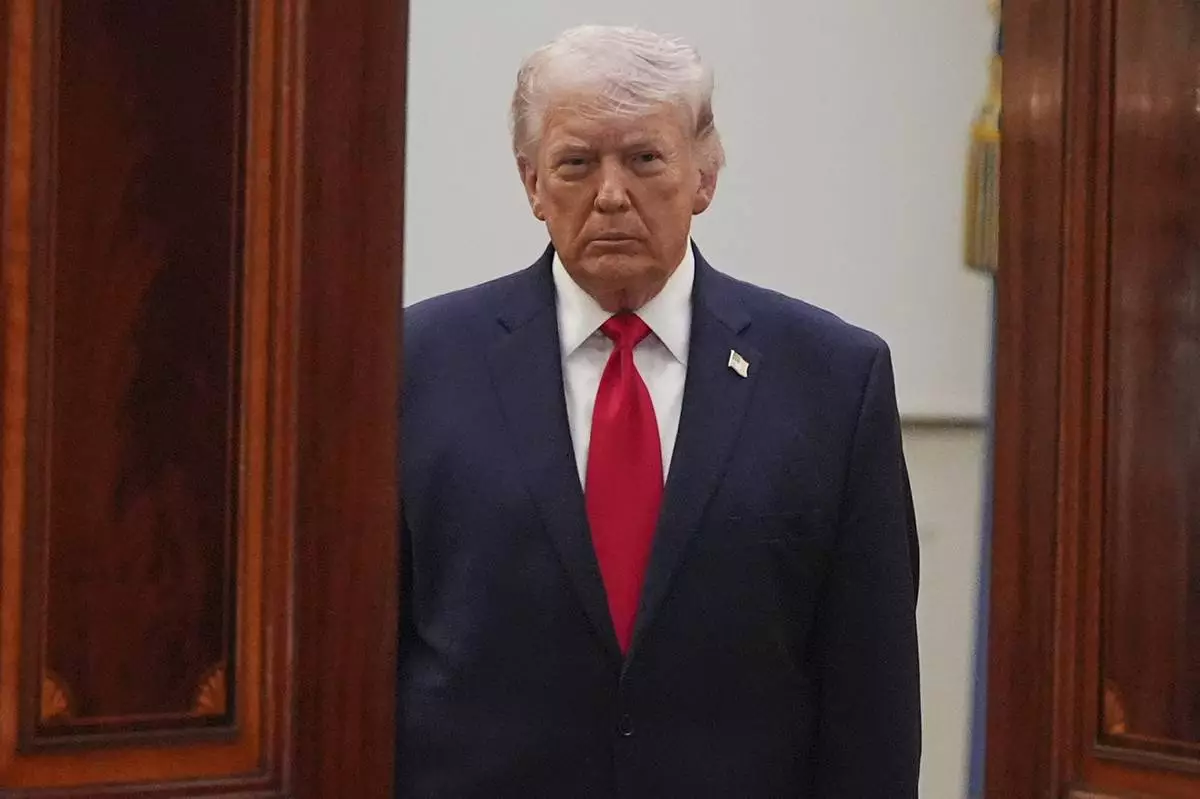
President Donald Trump arrives from the Blue Room to speak about the Iran war from the Cross Hall of the White House on Wednesday, April 1, 2026, in Washington. (AP Photo/Alex Brandon, Pool)

President Donald Trump arrives from the Blue Room to speak about the Iran war from the Cross Hall of the White House on Wednesday, April 1, 2026, in Washington. (AP Photo/Alex Brandon, Pool)

Recommended Articles