CARACAS, Venezuela (AP) — Time in Venezuela feels like it’s moving both too fast and too slow. The pillars of the country’s self-proclaimed socialist government are falling at a dizzying pace or not quickly enough. Economic relief is finally on the horizon or already too late.
Thirty days after the U.S. raid and capture of then-President Nicolás Maduro upended Venezuela, adults and children alike are still unsure of what exactly is happening around them. And as the initial shock gives way to a mix of uncertainty, hope and disappointment, a pervasive fear of another attack or more government repression continues to hang over them.
In the capital, Caracas, where government-sponsored billboards and graffiti demand that the U.S. free Maduro, many residents wonder whether his successor, acting President Delcy Rodríguez has any autonomy or is capitulating to White House demands; whether she is Maduro by another name, and — crucial to their immediate needs — whether to believe, as indicated by her, that a long-sought wage increase is on the horizon. Meanwhile, long-silent opposition leaders have finally emerged to speak publicly.
“It’s an important change, certainly, but everything is the same, everything,” retiree Julio Castillo, 74, said of the removal of Maduro from office. “I feel as if nothing much has happened.”
Venezuela’s government and its supporters consider the capture of Maduro and first lady Cilia Flores a kidnapping. Rodríguez and senior officials have pledged to fight for the couple’s freedom since U.S. President Donald Trump first announced their seizure in the early hours of Jan. 3.
The ruling party has organized demonstrations to show their loyalty to Maduro, whom the fiery Hugo Chávez anointed as his self-proclaimed socialist revolution’s torchbearer before dying in 2013. It has also adjusted its messaging from threatening a Vietnam-like war with the U.S. to admitting being militarily outmatched and needing to transform the relationship with Goliath.
Supporters — a minority compared to the crowds during Chávez’s presidency — see Rodríguez as lacking free will but trust that she can carry Chavismo, their political movement, through the next diplomatic battle.
“The Venezuelan state, and Venezuelans, are accepting this new situation in which we are acting under coercion,” José Vivens, a Maduro loyalist, said of Rodríguez’s decision to allow the Trump administration to control Venezuela’s oil money, the country’s engine. “They kidnapped our commander. And we have to give in because we have to live for another battle.”
Vivens, a justice of the peace, was in his apartment's parking lot in Caracas when he heard a loud whistle, then a deafening explosion the night of the attack. He ducked behind his car, and when he looked up, helicopters were flying unnervingly close to his building.
“They’ve invaded us,” was Vivens' immediate thought. Not exactly, but he would learn a few hours later that the U.S. military’s elite had captured Maduro at a nearby compound and loaded him onto a helicopter.
Rodríguez has used public events and gatherings with Venezuela’s private sector to assure anyone listening that she, not the Trump administration, is governing the South American country, even if she later acknowledges having a mutual agenda with the U.S., which was unthinkable weeks earlier.
“The people of Venezuela do not accept orders from any external factor,” she said during a meeting with oil executives to discuss an overhaul of the country’s energy law. “The people of Venezuela have a government, and this government obeys the people.”
Her proposed overhaul, which lawmakers swiftly approved and she signed into law Thursday, opens the nation’s oil sector to privatization, abandoning a pillar of Chavismo.
She introduced it following Trump’s assertion that his administration would take control of Venezuela’s oil exports and revitalize the ailing industry by luring foreign investment.
Many within the opposition had long expected that Maduro’s ouster, especially if led by Trump, would immediately result in one of their own taking the reins of the country. Trump’s decision to work with Rodríguez, instead of opposition leader and Nobel Peace Prize laureate María Corina Machado, continues to leave them baffled.
But as Machado’s supporters keep looking for signs that the White House will incorporate her meaningfully into its plans for their country, Venezuelans have begun testing Rodríguez’s commitment to what she has called “a new political moment” for Venezuela.
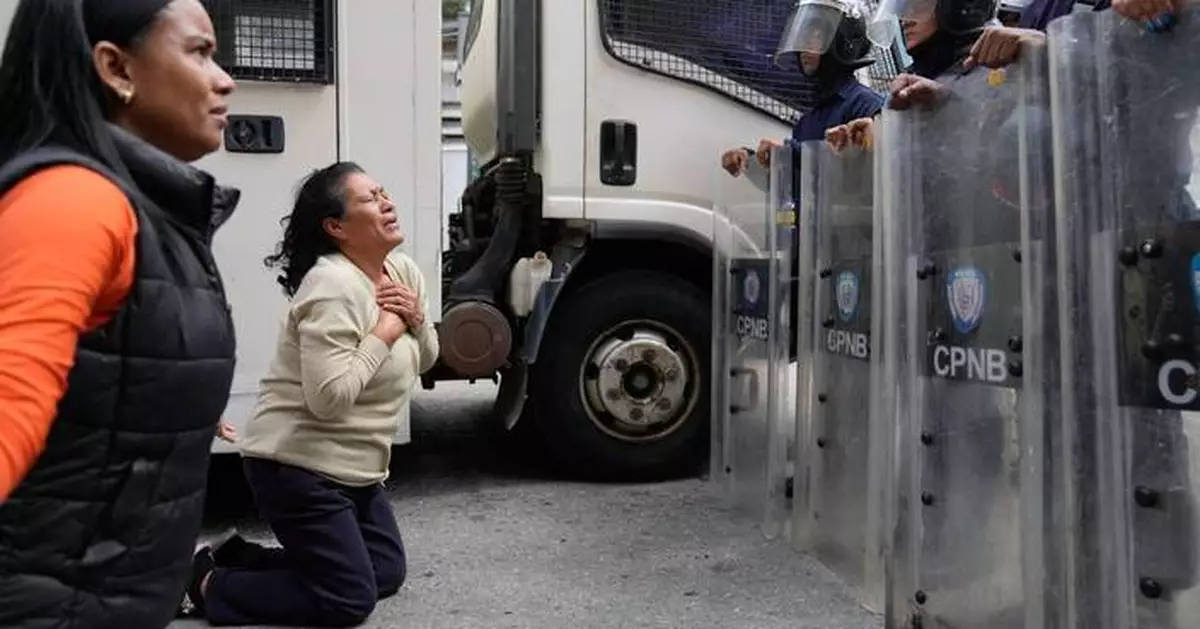
For days, dozens of people have kept vigil outside prisons demanding the release of loved ones they believe were detained for political reasons, including journalists, human rights advocates and members of the military. A handful of opposition leaders who had not been seen in public in Venezuela or made any statements for more than a year have spoken out.
“I believe that Venezuela’s destiny cannot be an oil agreement and a dictatorship headed by Delcy Rodríguez, because we could simply define that as a continuation of the dictatorship,” opposition leader Andrés Velásquez told reporters, reemerging after more than a year in hiding.
A privately owned television channel with national reach on Wednesday even aired a clip of Machado addressing reporters in Washington. Neither public nor private media outlets had shown a similar segment in years.
Still, many Venezuelans continue to self-censor as they remain deeply fearful of government repression. Their social media posts make no mention of politics. Written or audio messages on WhatsApp do not criticize the government. Some video calls involve writing and erasing information on whiteboards as an extra layer of protection.
There have been no large demonstrations calling for a new government or a presidential election. Nor has anyone dared to publicly celebrate Maduro’s capture — even if many had long hoped to see him handcuffed.
Many opposition leaders remain in exile. Wanted posters of Edmundo González, the opposition's candidate during the 2024 presidential election, are still on display at airports and government offices.
Margaret García’s son could not sleep for days after Jan.3. He also did not want to go back to school fearful of not knowing what to do if another attack happened.
“We thought we were going to die,” she said of the moment her family heard a helicopter open fire near their 15-story apartment building near where Maduro was captured.
Her son's fear was far from unique. Some Venezuelans still fear a second attack if Rodríguez’s government does not meet U.S. expectations — even as Washington has indicated it has no plans for further escalation.
“I can tell you right now with full certainty, we are not postured to nor do we intend or expect to have to take any military action in Venezuela at any time,” U.S. Secretary of State Marco Rubio told a U.S. Senate committee on Wednesday.
García, a teacher, said she could not understand how anyone could find satisfaction in the U.S. operation that killed dozens. Still, she said she believes that under Rodríguez’s watch, the country could see the lasting economic improvements that workers have hoped for more than a decade.
Like García, many public sector workers survive on roughly $160 per month, while the average private sector employee earned about $237 a month last year. Venezuela’s monthly minimum wage of 130 bolivars, or $0.35, has not increased since 2022, putting it well below the United Nations’ measure of extreme poverty of $2.15 a day.
“We see that a negative moment has brought us positive things,” she said of the potential changes that Rodríguez has signaled will come with an envisioned oil boom.
Follow AP’s coverage of Latin America and the Caribbean at https://apnews.com/hub/latin-america
This story is part of an ongoing collaboration between The Associated Press and FRONTLINE (PBS) that includes an upcoming documentary.
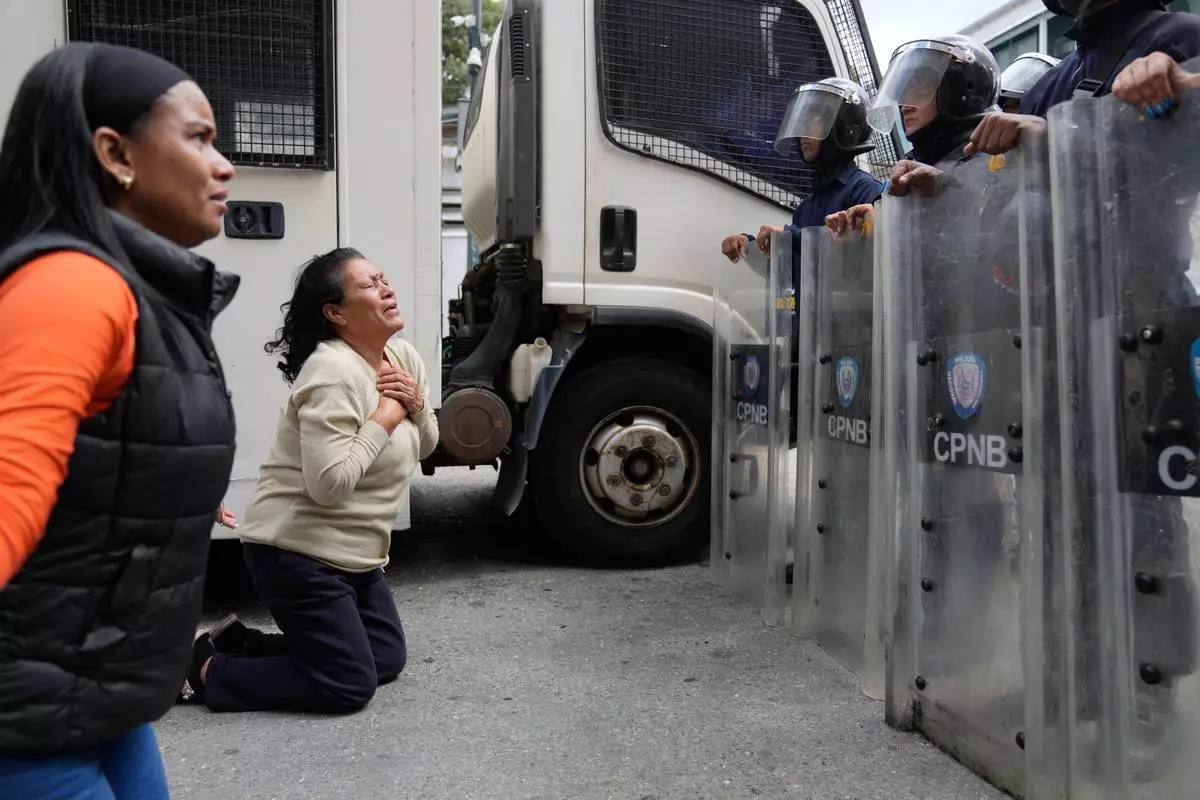
Relatives of people they consider to be detained for political reasons kneel in front of police guarding the Zona 7 Bolivarian National Police detention center in Caracas, Venezuela, Tuesday, Jan. 20, 2026. (AP Photo/Ariana Cubillos)
CREIGHTON, Neb. (AP) — Rick and Jane Saint John chose to live in the small town of Creighton, Nebraska, for one main reason: its hospital.
The couple has a child with nonverbal autism and epilepsy who requires up to three hospital visits a week. And Creighton's critical access hospital has been a lifeline for Jane: not only is she employed there, but three years ago, doctors saved her life when she contracted bacterial pneumonia. If she had waited another day for care, doctors said, her organs would have begun to shut down.
“And if we had had to drive the hour to the Yankton (South Dakota) hospital," Rick Saint John said, his voice breaking with emotion, "it could have cost her her life.”
So the Saint Johns were shocked to hear that Avera Creighton Hospital faces financial peril. A $50 billion government fund meant to transform rural health care will do little to help. It's a problem that millions of Americans in rural areas are awakening to as they realize there's no windfall coming for the vulnerable hospitals near their homes.
Hundreds of rural hospitals across the country are facing closures after years of funding problems. The issue was compounded last summer by the Trump administration's massive cuts to Medicaid, the government's safety net for low-income Americans, whose reimbursements have long helped hospitals meet their bottom lines.
Outcry over the funding cuts prompted Republican lawmakers to create $50 billion in new rural health grants, but critics say that funding is intended for innovative health care delivery solutions — not propping up hospitals buckling under current pressures.
“It won’t pay to keep the lights on. And it won’t turn the lights back on once they’ve been turned off,” said Dr. Ben Young, an infectious disease specialist and policy expert with public health advocacy group Wellness Equity Alliance.
Rural Americans’ health care worries reflect broader national concerns about access and rising prices of care as the cost of living spikes — anxieties that could prove pivotal in this year’s midterm elections.
The $50 billion Rural Health Transformation Program included in President Donald Trump's tax-and-spending law last year was billed by Republicans as a way to help hospitals in rural areas. Last summer, Health Secretary Robert F. Kennedy Jr. touted it as the “biggest infusion in history” for rural hospitals and pledged it will “restore and revitalize these communities.”
Hospitals and health industry experts have warned that while the fund — $10 billion per year allocated across all states for five years — offers some support to struggling rural hospitals, it won’t save them. One reason is that the sum doesn't come close to offsetting the $137 billion that rural hospitals expect to lose over the next decade, according to health research nonprofit KFF. Millions of people are expected to lose Medicaid benefits as a result of new Medicaid work requirements going into effect in 2027 — changes the Trump administration has maintained will crack down on fraudsters rather than cut off eligible enrollees.
Administrators say the new $50 billion fund is not meant to shore up ailing rural hospitals or maintain the status quo, but to transform rural health care through tech, workforce and other innovations. Centers for Medicare and Medicaid Services Administrator Dr. Mehmet Oz in a December video said it “gives states the tools to design solutions that last, not Band-Aids that fail.”
The White House echoed that Wednesday, saying the fund is intended to fund “big ideas” to improve rural health care access long-term.
“Decades of mismanagement by career politicians in Washington have left rural communities with limited care options," White House spokesman Kush Desai said.
State applications show a wide range of proposals. Some pitches sought to improve emergency medical services and modernize rural facilities, while others looked to make school lunches healthier, expand physical fitness programs, beef up telehealth and expand AI-driven technologies to help monitor patients.
Avera Creighton Hospital CEO Theresa Guenther argues her hospital is not in danger of closing. but conceded that Medicaid cuts will be painful — a sentiment shared by most rural hospitals, she said.
“Medicaid cuts will have an impact to us, and we — as well as many others — will have to figure out what that looks like moving forward,” she said. Her hospital hopes to get a piece of the $50 billion fund to help manage patients' chronic diseases — like diabetes — and to help cover workforce costs.
Nebraska, which received $218 million for the rural health grants' first installment, plans to spend some $90 million on healthier food options at schools, recruiting more health care workers and mobile sensors to remotely monitor chronically ill patients in rural areas, among other things. But for rural critical access hospitals at risk of closing, it offers $10 million to “right size” them by getting rid of inpatient care, where bed occupancy is typically low.
Republican state Sen. Barry DeKay said hospitals like Creighton's are vital, despite it's low occupancy rate. The hospital is in his district; even his mother received life-extending care there following a hip replacement. He's worried that the Medicaid cuts could hurt all the state's rural hospitals.
“I'll try to be working as hard as I can to get as much money to rural hospitals — whether it's in my district or any other rural district in the state,” he said.
Rick Saint John acknowledged he knows little about how Nebraska will use the federal funds, but he thinks it should go to helping hospitals like Creighton’s remain intact.
“The hospital is very important to this community, and for more than just medical care,” he said, citing job losses if the hospital loses services or closes.
The fund has seen pushback from hospital groups over an issue that's shaping up as important for 2026 voters.
The Colorado Hospital Association sent a letter in December to state lawmakers accusing them of ignoring input from rural hospitals during the application process.
The Nebraska Hospital Association, which endorsed Republican U.S. Sen. Deb Fischer’s 2024 reelection bid based on her advocacy for rural health care, has criticized both the cuts and the $50 billion fund. Fischer voted last summer for the Medicaid cuts.
That and other efforts by the state to limit Medicaid spending sends a message “that access to health care is not a priority," the group said.
Some Republican state lawmakers across the country have expressed unease with parts of the fund and have sought ways to use it to help struggling rural hospitals.
Under pressure, some rural states are making their own moves to help.
Wyoming enacted a law allowing rural hospitals to file Chapter 9 bankruptcy, normally reserved for financially stressed cities to reorganize debts and repay creditors while protecting them from legal action.
In North Dakota, during a special session to allocate the state’s federal rural health funds, the Republican-led Legislature passed an unrelated bill that aims to rescue a rural hospital with a low-interest loan of up to $5 million administered through the state-owned bank.
It's hoped the plan will keep the hospital open in a vast rural area where it employs 5% of the surrounding county's residents, hospital board member Matt Hager said.
Young, the expert with Wellness Equity Alliance, sees dark days ahead for rural hospitals.
“I am not optimistic in the short term,” he said. “Because these hospitals are facing immediate financial shortfalls, are barely financially operating currently, and they need operating support now.”
Swenson reported from New York. Associated Press writer Jack Dura contributed to this report from Bismarck, North Dakota.
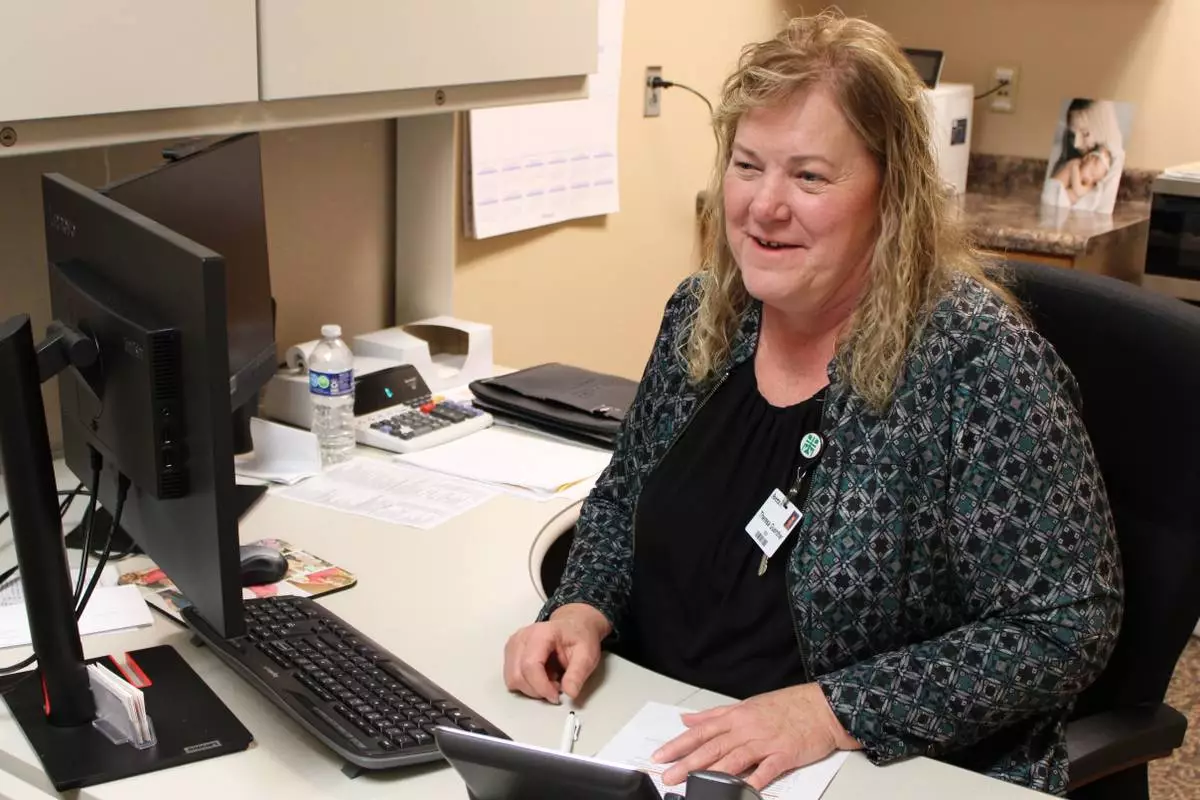
Avera Creighton Hospital CEO Theresa Guenther is seen in her office, Feb. 24, 2026, in Creighton, Neb. (AP Photo/Margery A. Beck)
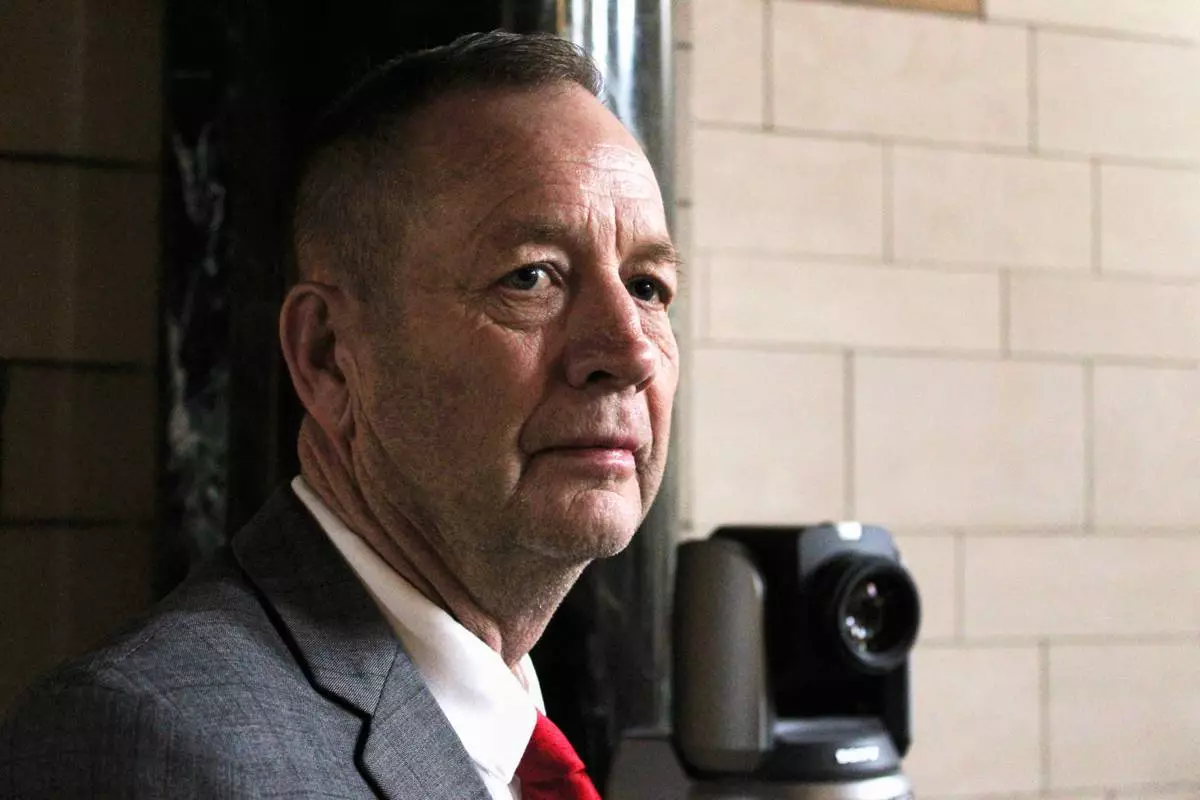
Nebraska State Sen. Barry DeKay, R-Niobrara, is seen on the floor of the Nebraska State Capitol, Feb. 5, 2026, in Lincoln, Neb. (AP Photo/Margery A. Beck)
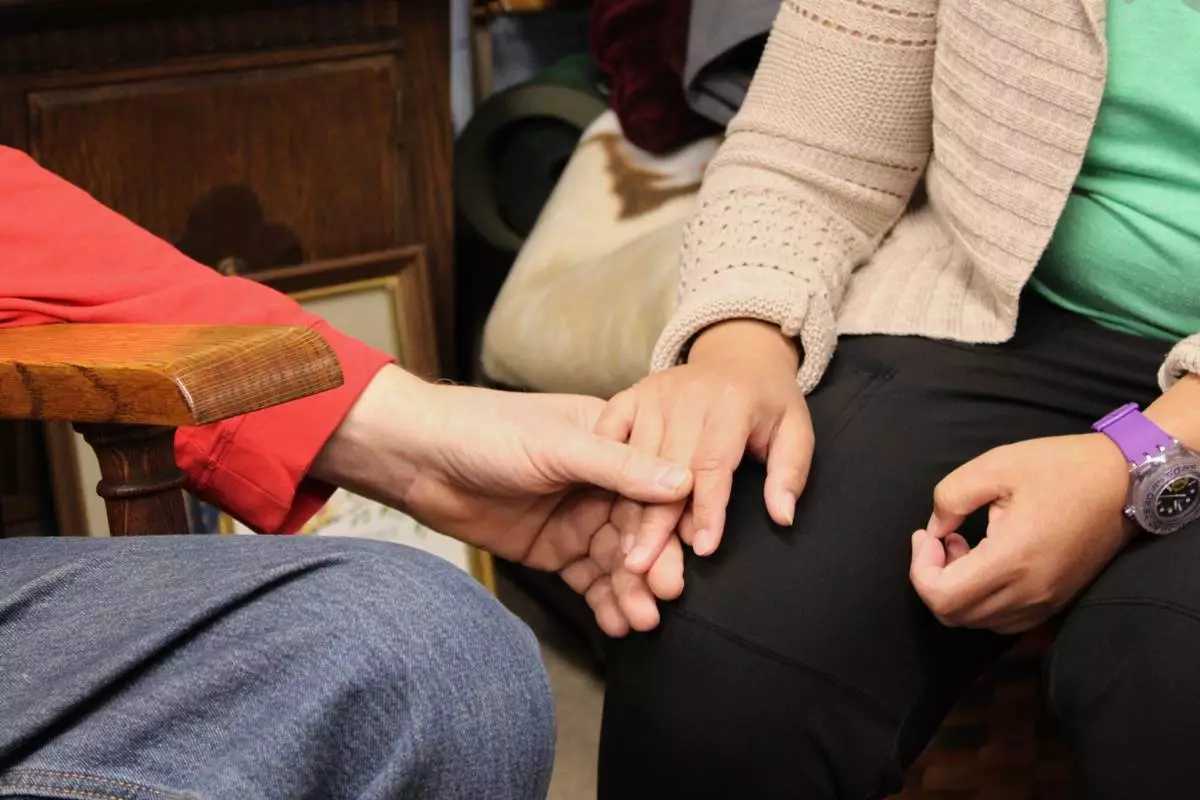
Jane and Rick Saint John hold hands on Feb. 24, 2026, as they recall how Jane received life-saving care three years ago at Avera Creighton Hospital, in rural Creighton, Neb. (AP Photo/Margery A. Beck)
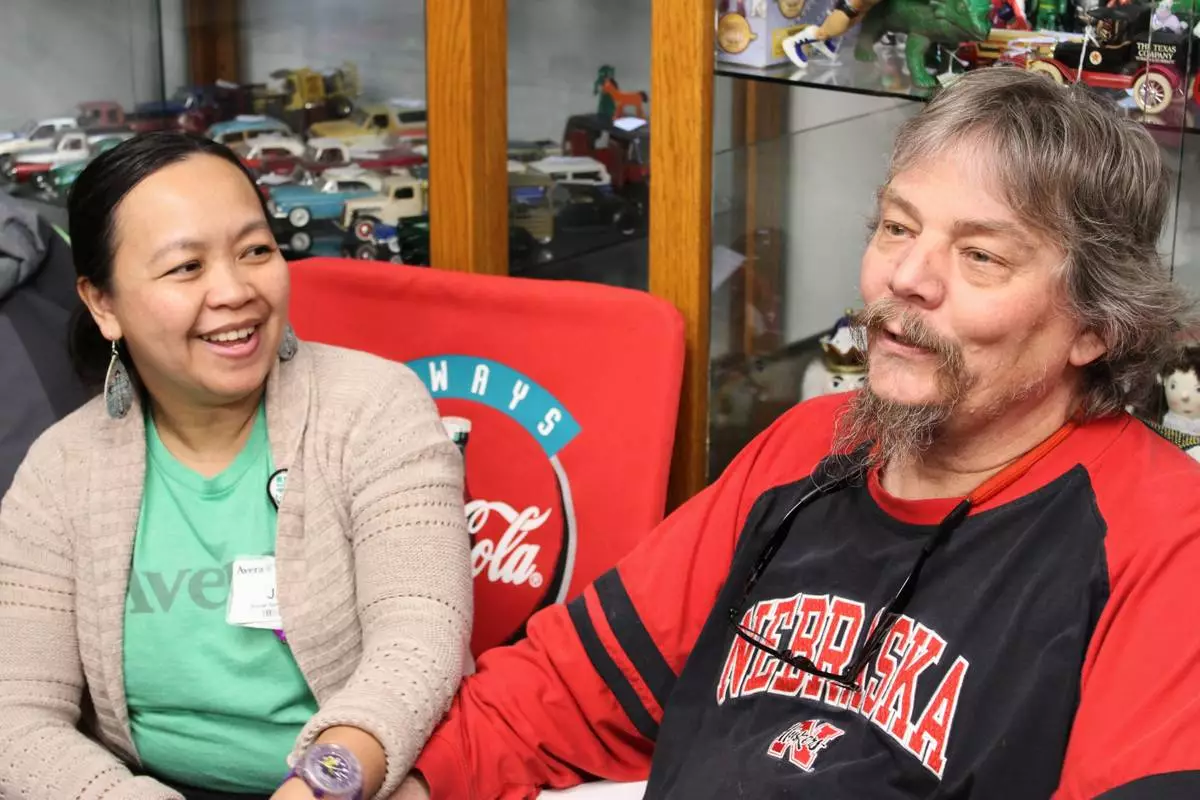
Jane and Rick Saint John discuss how important their local hospital, Avera Creighton Hospital, is in their rural community, Feb. 24, 2026, in Creighton, Neb. (AP Photo/Margery A. Beck)
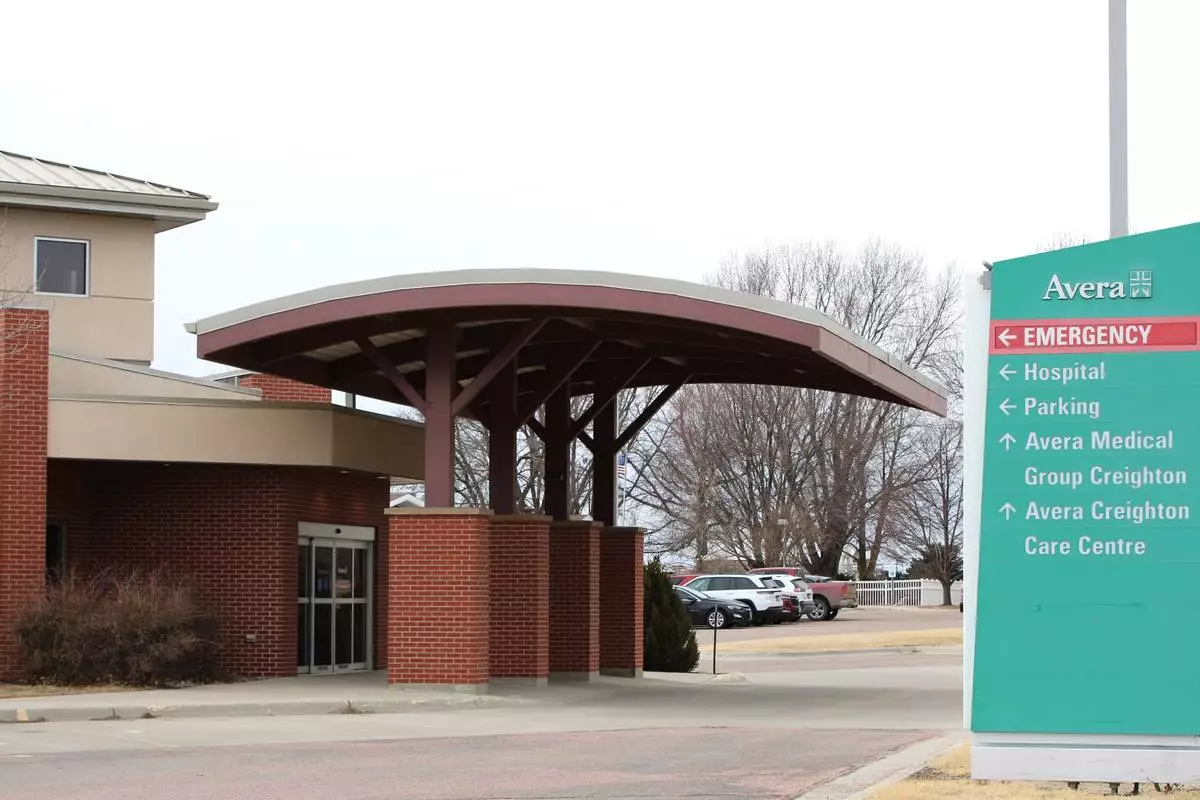
Avera Creighton Hospital is seen on Feb. 24, 2026, in Creighton, Neb. (AP Photo/Margery A. Beck)