PROVO, Utah (AP) — Graphic videos showing the killing of conservative activist Charlie Kirk while he spoke to a crowd on a Utah college campus quickly went viral, drawing millions of views.
Screenshots from such videos were offered Tuesday as evidence in the murder case against Tyler Robinson, the man charged in Kirk’s killing. But the full videos were not shown in court, after defense attorneys objected out of concern that the footage would undermine Robinson's right to a fair trial.
Click to Gallery
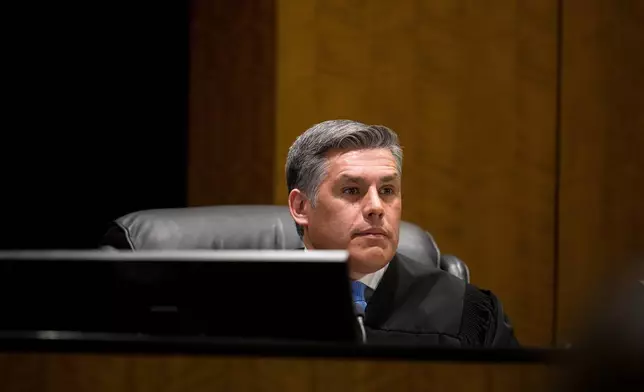
Fourth District Court Judge Tony Graf presides over a hearing for Tyler Robinson, accused in the fatal shooting of conservative activist Charlie Kirk, in 4th District Court, Tuesday, Feb. 3, 2026, in Provo, Utah. (Trent Nelson/The Salt Lake Tribune via AP, Pool)
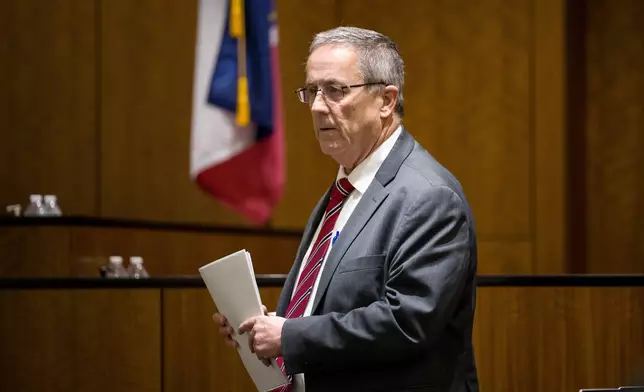
Utah County Attorney Jeff Gray stands during a hearing on the shooting of conservative activist Charlie Kirk in 4th District Court, in Provo, Utah, Tuesday, Feb. 3, 2026. (Trent Nelson/The Salt Lake Tribune via AP, Pool)
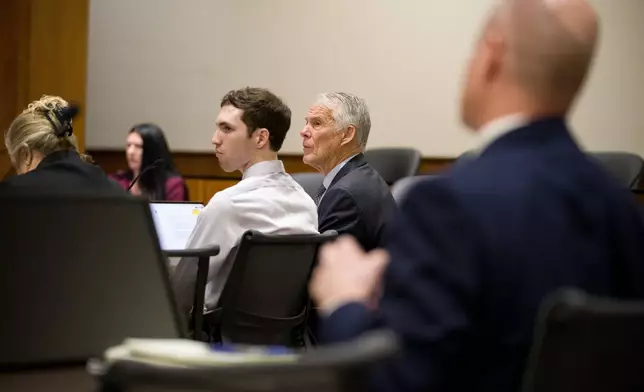
Tyler Robinson, center left, accused in the fatal shooting of Charlie Kirk, appears during a hearing in 4th District Court, in Provo, Utah, Tuesday, Feb. 3, 2026. (Trent Nelson/The Salt Lake Tribune via AP, Pool)
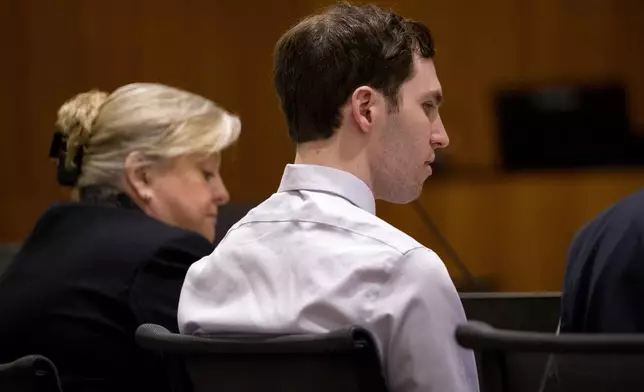
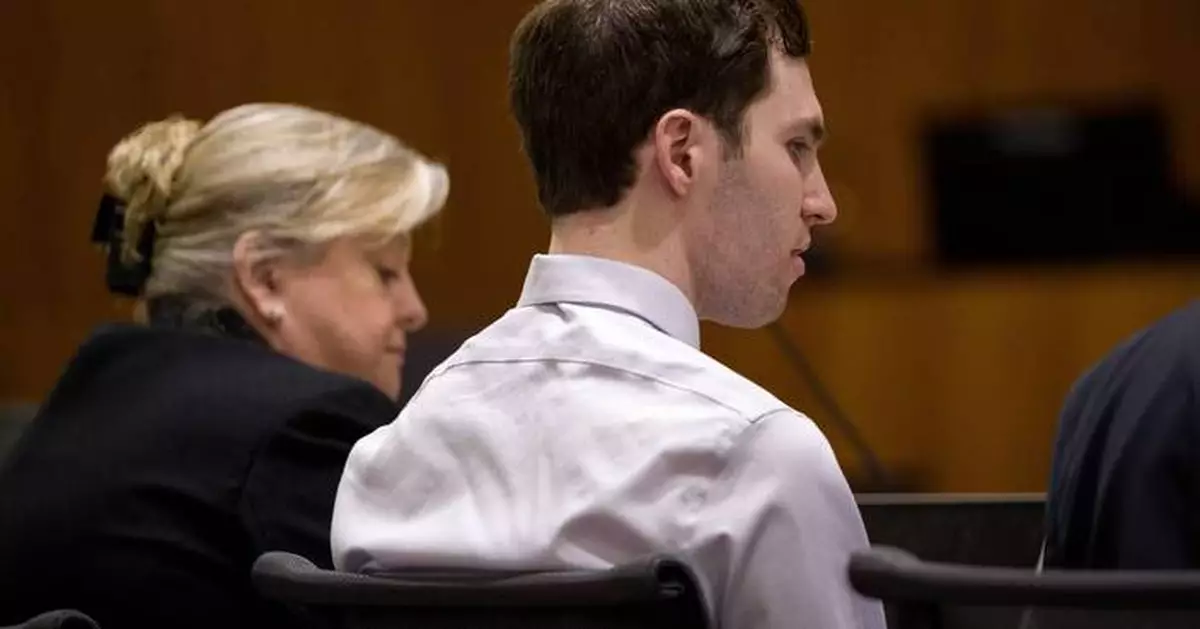
Tyler Robinson, accused in the fatal shooting of Charlie Kirk, sits to the right of defense attorney Kathryn Nester during a hearing in 4th District Court, in Provo, Utah, Tuesday, Feb. 3, 2026. (Trent Nelson/The Salt Lake Tribune via AP, Pool)
Legal experts say the defense team’s worries are real: Media coverage in high-profile cases like Robinson's can have a direct “biasing effect” on potential jurors, said Cornell Law School Professor Valerie Hans.
“There were videos about the killing, and pictures and analysis (and) the entire saga of how this particular defendant came to turn himself in,” said Hans, a leading expert on the jury system. “When jurors come to a trial with this kind of background information from the media, it shapes how they see the evidence that is presented in the courtroom.”
Defense attorneys also want to oust TV and still cameras from the courtroom, arguing that “highly biased” news outlets risk tainting the case.
Prosecutors, attorneys for news organizations, and Kirk’s widow urged state District Judge Tony Graf to keep the proceedings open.
“In the absence of transparency, speculation, misinformation, and conspiracy theories are likely to proliferate, eroding public confidence in the judicial process,” Erika Kirk's attorney wrote in a court filing.
Prosecutors intend to seek the death penalty for Robinson, 22, who is charged with aggravated murder in the Sept. 10 shooting of Kirk on the Utah Valley University campus in Orem. He has not yet entered a plea.
An estimated 3,000 people attended the outdoor rally to hear Kirk, a co-founder of Turning Point USA, who helped mobilize young people to vote for President Donald Trump.
To secure a death sentence in Utah, prosecutors must demonstrate aggravating circumstances, such as that the crime was especially heinous or atrocious. That’s where the graphic videos could come into play.
Watching those videos might make people think, "'Yeah, this was especially heinous, atrocious or cruel,'” Hans said.
Utah County Attorney Jeffrey Gray testified Tuesday that he thought about seeking the death penalty before an arrest had been made. He could not recall exactly when he told the governor and federal officials about his plan. Asked why he announced so early his intent to seek the death penalty, Gray said the case was already drawing enormous public attention.
“The more delay, then it just creates all this unnecessary public speculation,” he said, adding that he didn’t want Erika Kirk to have to sit with the uncertainty.
Defense attorneys are seeking to disqualify local prosecutors because the adult daughter of Chad Grunander, a deputy county attorney helping prosecute the case, attended the rally where Kirk was shot. The defense alleges the relationship represents a conflict of interest.
Grunander's daughter testified Tuesday that she did not video the shooting or the aftermath. She said she was looking at the crowd when she heard a loud pop and a man sitting nearby shouted, “He’s been shot.” She never turned to look back at Kirk and did not know he was the person shot until after she ran to safety, she said.
Judge Graf said he would issue his ruling on whether to disqualify prosecutors on Feb. 24.
Utah State Bureau of Investigation agent David Hull testified Tuesday that DNA on a firearm found wrapped in a black towel in a wooded area just off campus matched Robinson’s. Robinson also reportedly texted his romantic partner that he targeted Kirk because he “had enough of his hatred.”
Robinson's attorneys have ramped up claims of bias as the case has advanced, even accusing news outlets of using lip readers to deduce what the defendant is whispering to his attorneys during hearings.
“Rather than being a beacon for truth and openness, the News Media have simply become a financial investor in this case,” defense attorneys wrote in a request for the court to seal some of their accusations of media bias.
Further complicating efforts to ensure a fair trial is the rhetoric swirling around Kirk's death because of his political prominence. Even before Robinson was charged, people jumped to conclusions about who the shooter could be and what kind of politics he espoused.
“People are just projecting a lot of their own sense of what they think was going on, and that really creates concerns about whether they can be open to hearing the actual evidence that’s presented,” said University of Utah law professor Teneille Brown.
Brown reported from Billings, Montana.
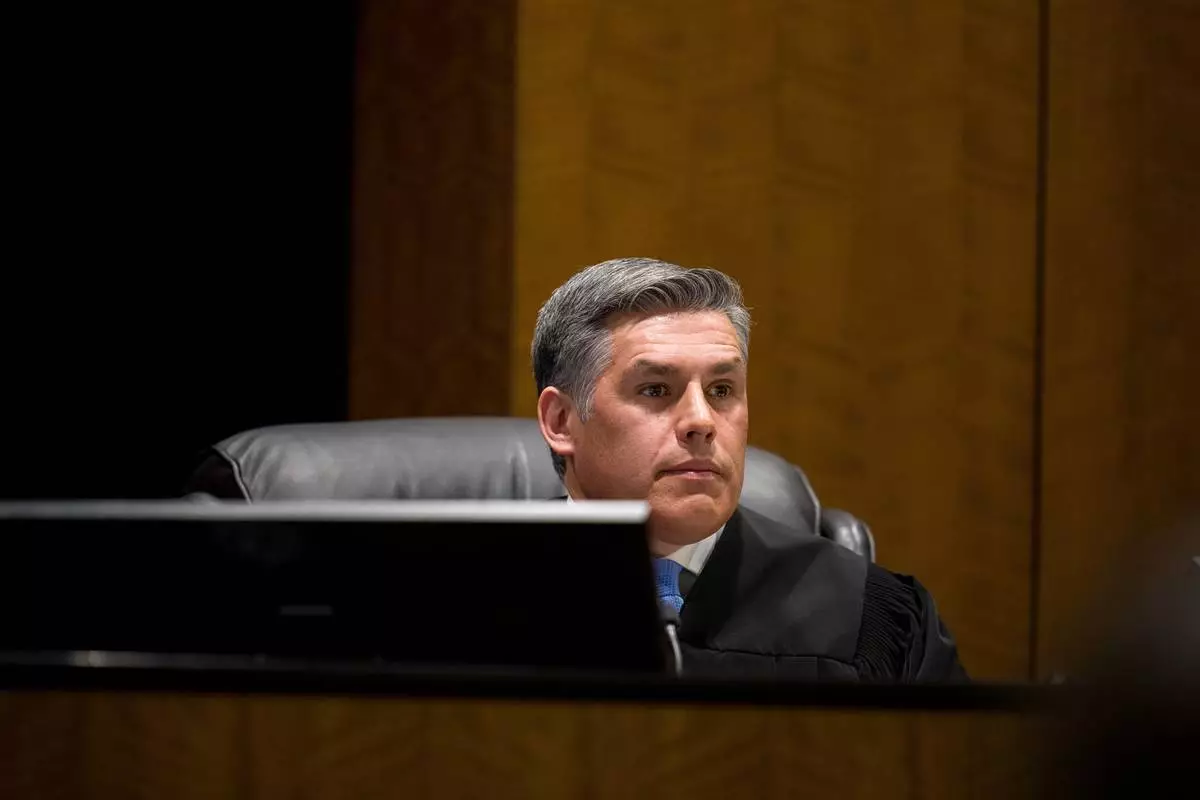
Fourth District Court Judge Tony Graf presides over a hearing for Tyler Robinson, accused in the fatal shooting of conservative activist Charlie Kirk, in 4th District Court, Tuesday, Feb. 3, 2026, in Provo, Utah. (Trent Nelson/The Salt Lake Tribune via AP, Pool)
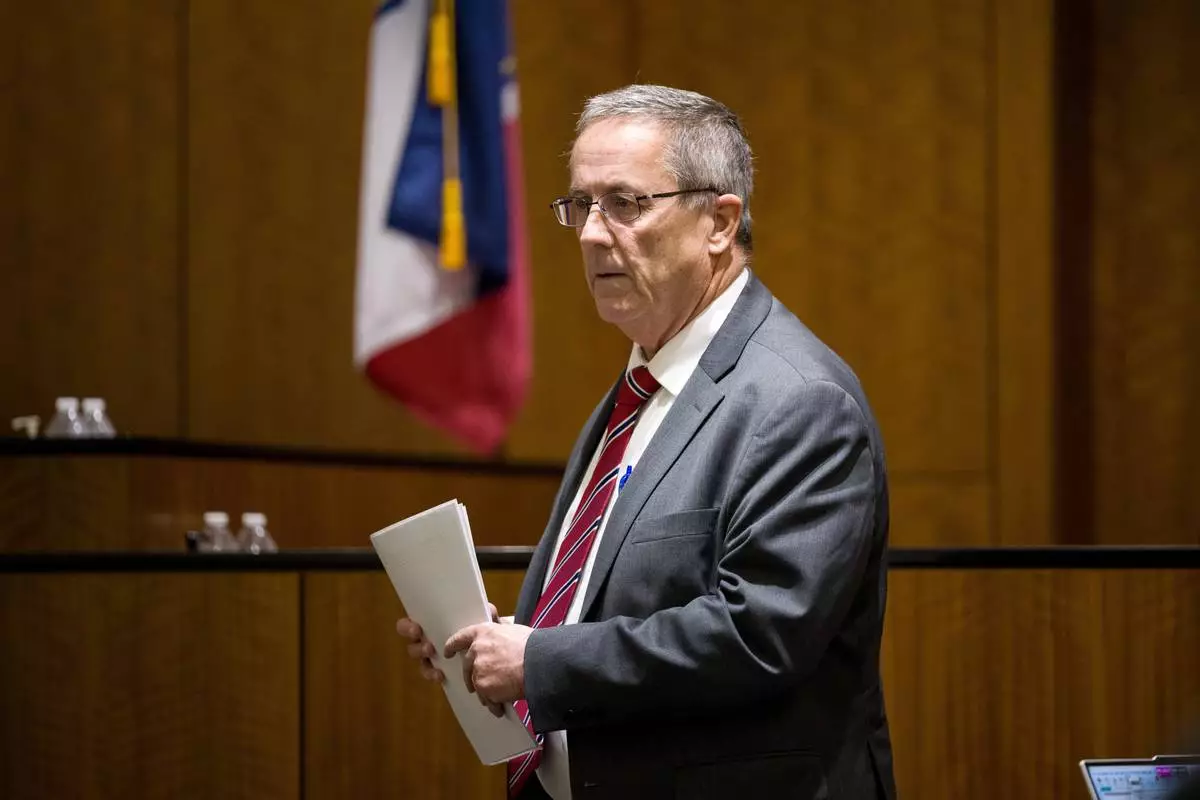
Utah County Attorney Jeff Gray stands during a hearing on the shooting of conservative activist Charlie Kirk in 4th District Court, in Provo, Utah, Tuesday, Feb. 3, 2026. (Trent Nelson/The Salt Lake Tribune via AP, Pool)
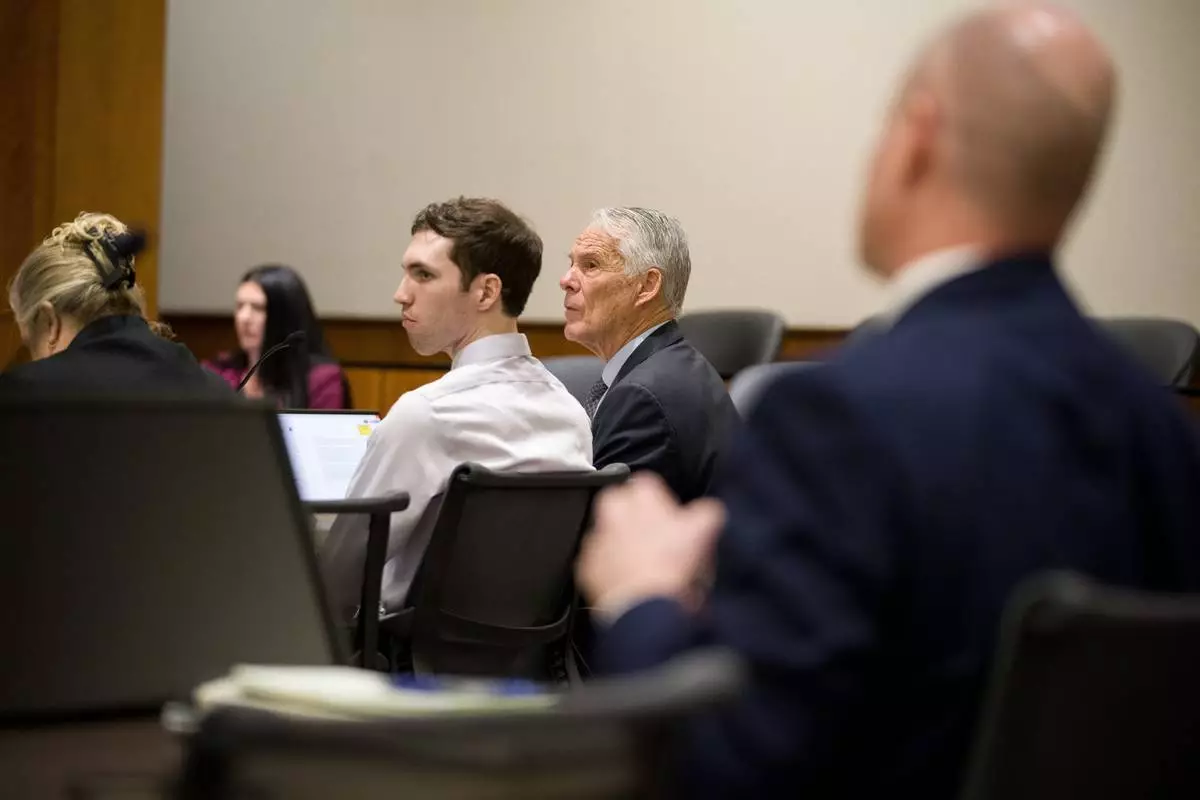
Tyler Robinson, center left, accused in the fatal shooting of Charlie Kirk, appears during a hearing in 4th District Court, in Provo, Utah, Tuesday, Feb. 3, 2026. (Trent Nelson/The Salt Lake Tribune via AP, Pool)
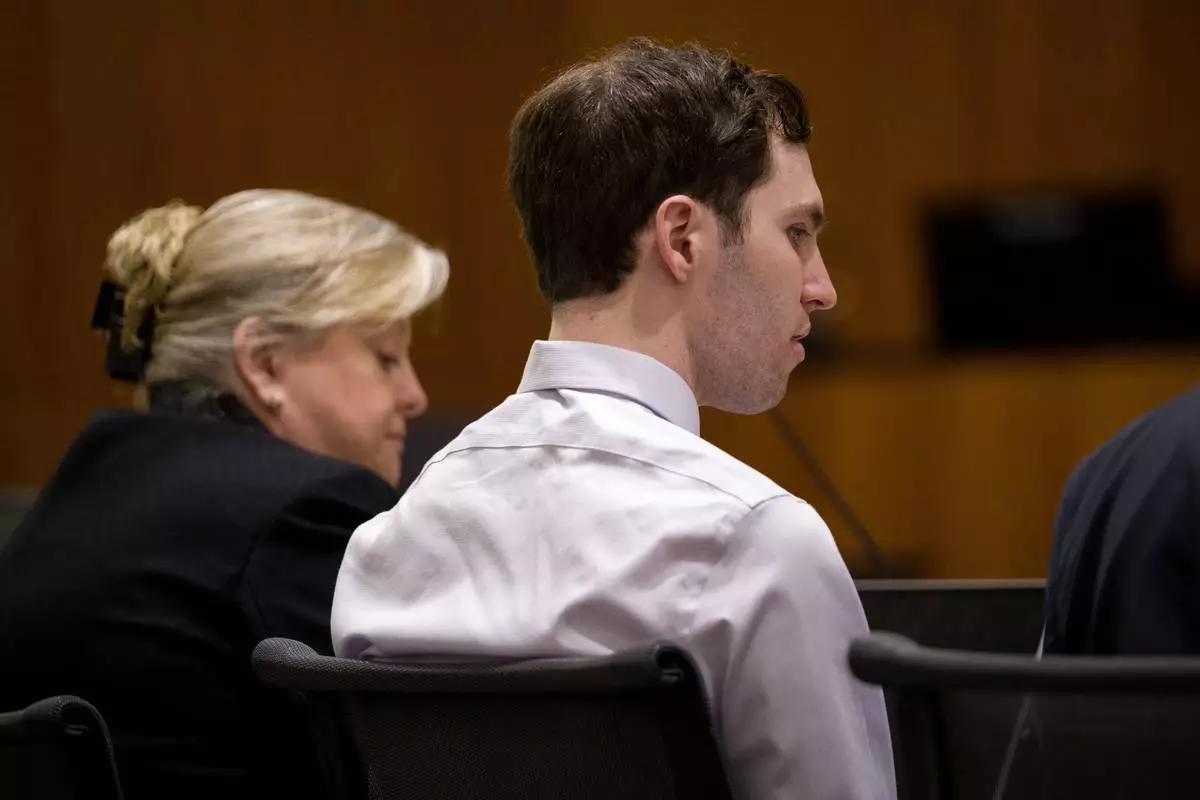
Tyler Robinson, accused in the fatal shooting of Charlie Kirk, sits to the right of defense attorney Kathryn Nester during a hearing in 4th District Court, in Provo, Utah, Tuesday, Feb. 3, 2026. (Trent Nelson/The Salt Lake Tribune via AP, Pool)