Chinese people are celebrating Lichun, or the Beginning of Spring in the traditional Chinese calendar, with folk activities and special seasonal foods across the country.
Lichun, which falls on February 4 this year and is also the first of the 24 solar terms in the Chinese calendar, marks the end of winter and the start of spring.
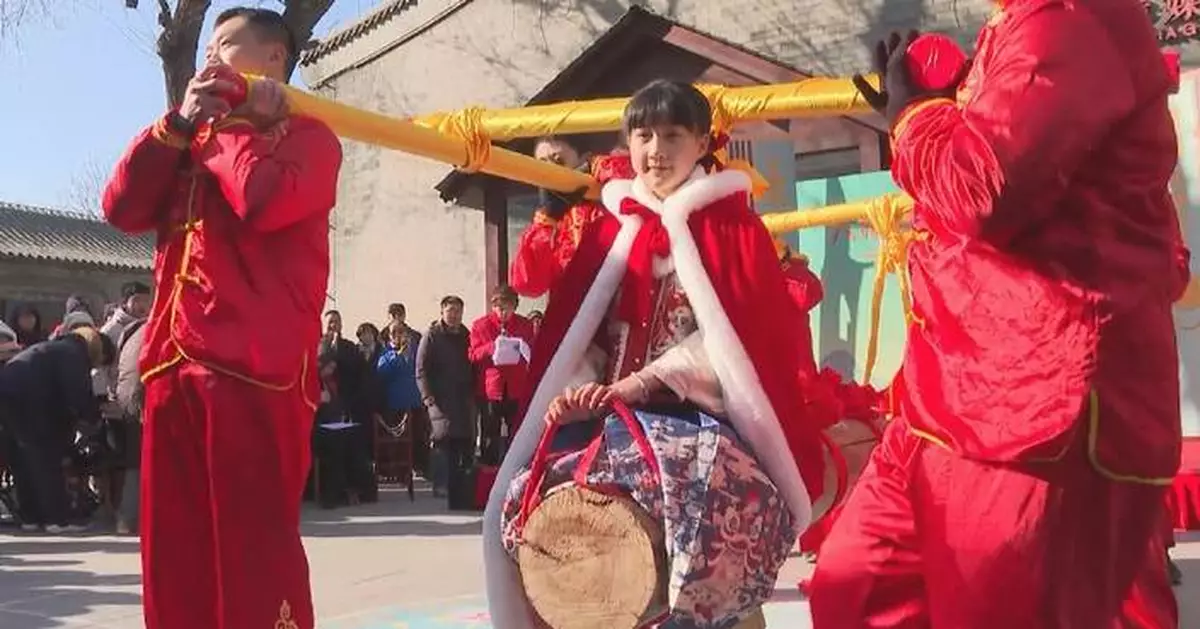
In Dongsi Neighborhood of Beijing City, local people practiced the "Spring Ushering" tradition involving a ridgepole greeting ceremony. The rhythmic beats of drums and gongs added to the festive atmosphere at the event.
In Zaozhuang City of eastern China's Shandong Province, colorful handmade "spring roosters" at a folk culture exhibition attracted many visitors. Traditionally, local parents would sew the roosters on their kids' clothes, extending good wishes for the coming spring.
"When I was a child, my grandmother also sewed one of the 'spring roosters' for me. It feels incredibly nostalgic and meaningful," said tourist Han Qi.
In Longnan City of northwest China's Gansu Province, a vast area of blooming rapeseed flowers has attracted visitors to come for hiking and sightseeing, bringing good business opportunities for local restaurants.
"Smoked pork ribs, free-range chicken, and seasonal vegetables grown in our own yard are particularly popular and widely enjoyed. During peak periods, we serve about 10 tables a day. With each table typically spending around 300 to 400 yuan, daily revenue reaches about 3,000 to 4,000 yuan," said Yuan Mingjun, a local restaurant owner.
In Shanghai, the financial, industrial and commercial center of China, seasonal vegetables like bamboo shoots, fava beans and Chinese wolfberry shoots are attracting customers in markets, adding a distinct "taste of spring" to people's lives.
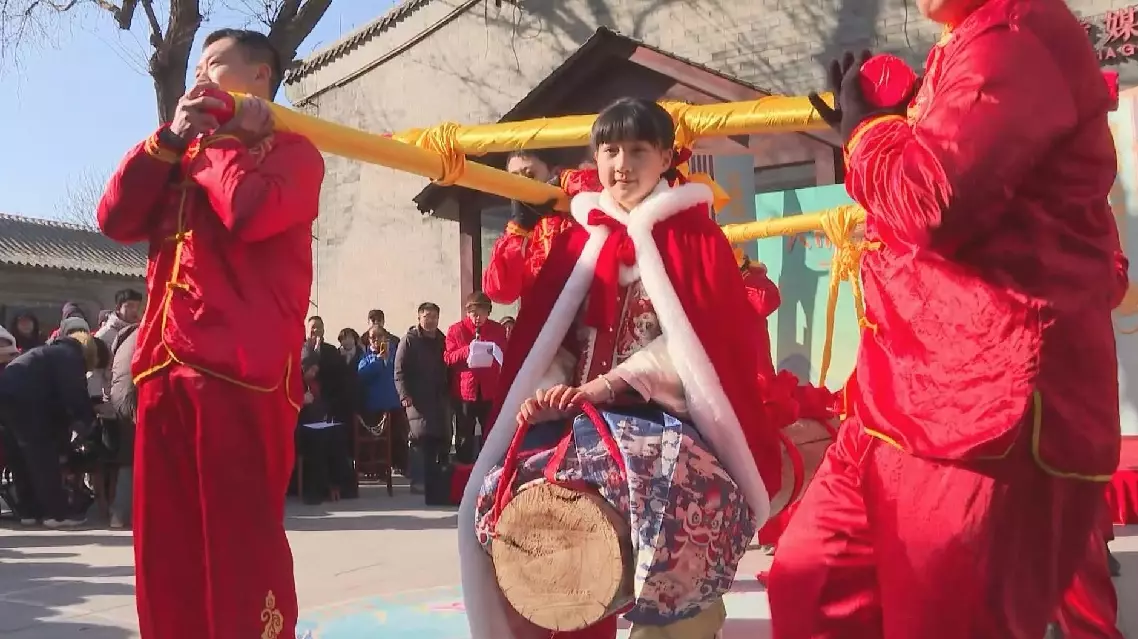
Chinese celebrate start of spring with folk activities, seasonal foods
The 32nd Asia-Pacific Economic Cooperation (APEC) Ministers Responsible for Trade Meeting concluded in east China's Suzhou on Saturday, yielding fruitful results and laying significant groundwork for the APEC Economic Leaders' Meeting in November.
The trade ministers' meeting focused on "building an open and predictable regional and multilateral economic and trade order" and "fostering new engines of innovative and dynamic trade and investment cooperation."
Chinese Commerce Minister Wang Wentao briefed the media on the meeting's outcomes at a press conference.
Wang said the meeting issued a joint statement titled the Suzhou Statement, and approved the latest edition of the APEC Roadmap for Innovative, Competitive and Resilient Services.
All parties agreed to advance policy innovation and reform in services trade, build an open and predictable investment environment, improve regional trade facilitation and supply chain resilience, strengthen standards coordination, and enhance intellectual property protection, Wang told the media.
He also said that substantial progress was made on a framework document for regional digital trade cooperation and the ministers emphasized promoting inclusive AI development, strengthening AI-related trade, and bridging the digital divide to ensure shared benefits from digital transformation.
The minister noted that the outcomes of the meeting demonstrated strong cooperation willingness, highlighted an innovation-oriented approach, and reflected inclusiveness and shared benefits. "The fact that Asia-Pacific economies can come together, uphold the original aspiration of promoting trade and investment liberalization and facilitation while supporting economic growth and prosperity, and engage in in-depth discussions on the important issue of 'where multilateral and regional economic and trade cooperation is headed,' fully demonstrates that open regionalism and true multilateralism enjoy broad support, and that mutual success and shared development serve the fundamental interests of all economies," Wang said.
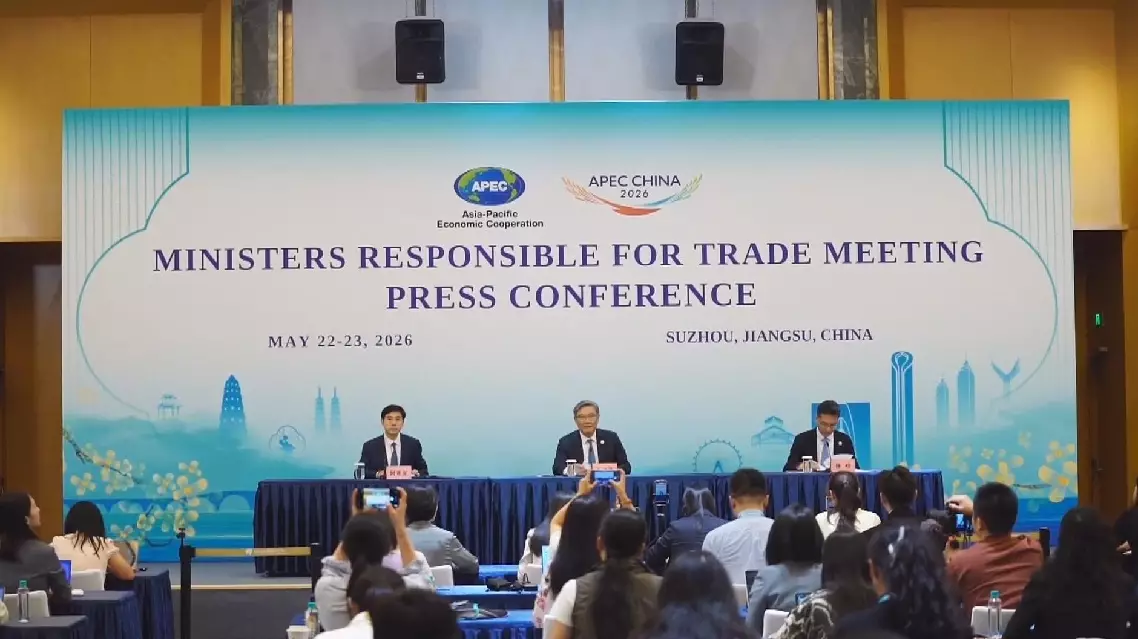
2026 APEC trade ministers' meeting concludes with fruitful results