Skip to Content Facebook Feature Image

Homeland Security shutdown grows more likely as Republicans rebuff Democrats' ICE demands

News

Homeland Security shutdown grows more likely as Republicans rebuff Democrats' ICE demands
News

News

Homeland Security shutdown grows more likely as Republicans rebuff Democrats' ICE demands

2026-02-06 07:26 Last Updated At:07:30

WASHINGTON (AP) — Senate Majority Leader John Thune said Thursday that demands made by Democrats for new restrictions on federal immigration officers are “unrealistic” and warned that the Department of Homeland Security will shut down next week if they do not work with Republicans and the White House.

Democrats say they will not vote for a DHS spending bill when funding runs out unless there are “dramatic changes” at U.S. Immigration and Customs Enforcement and other federal law enforcement agencies in the wake of the fatal shootings of two protesters in Minneapolis last month.

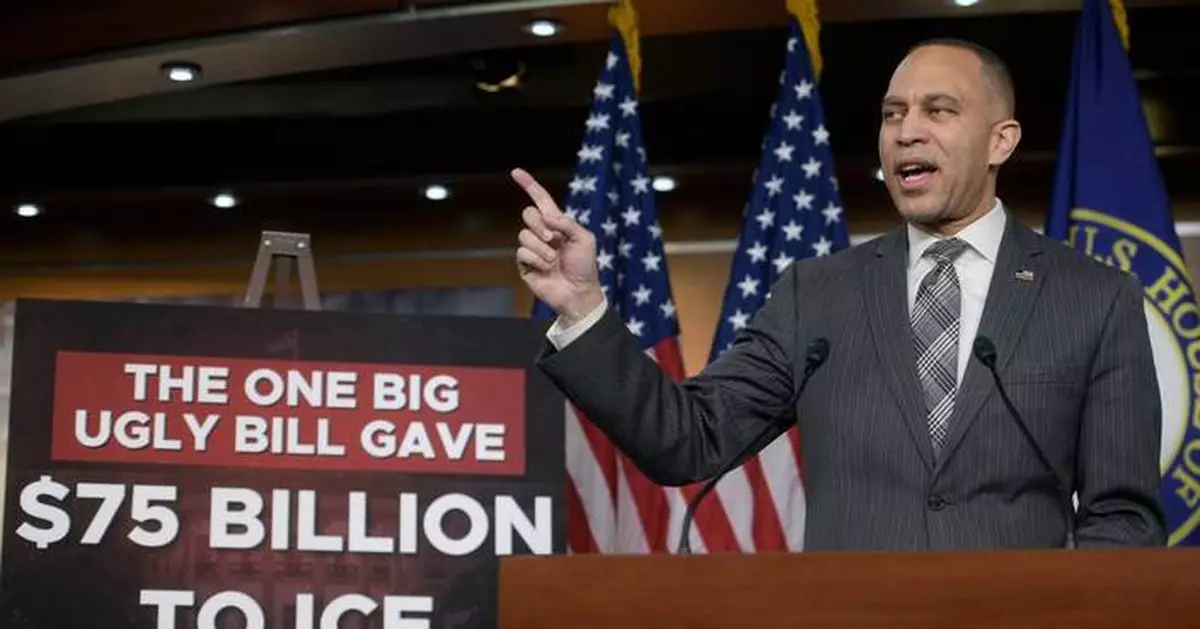
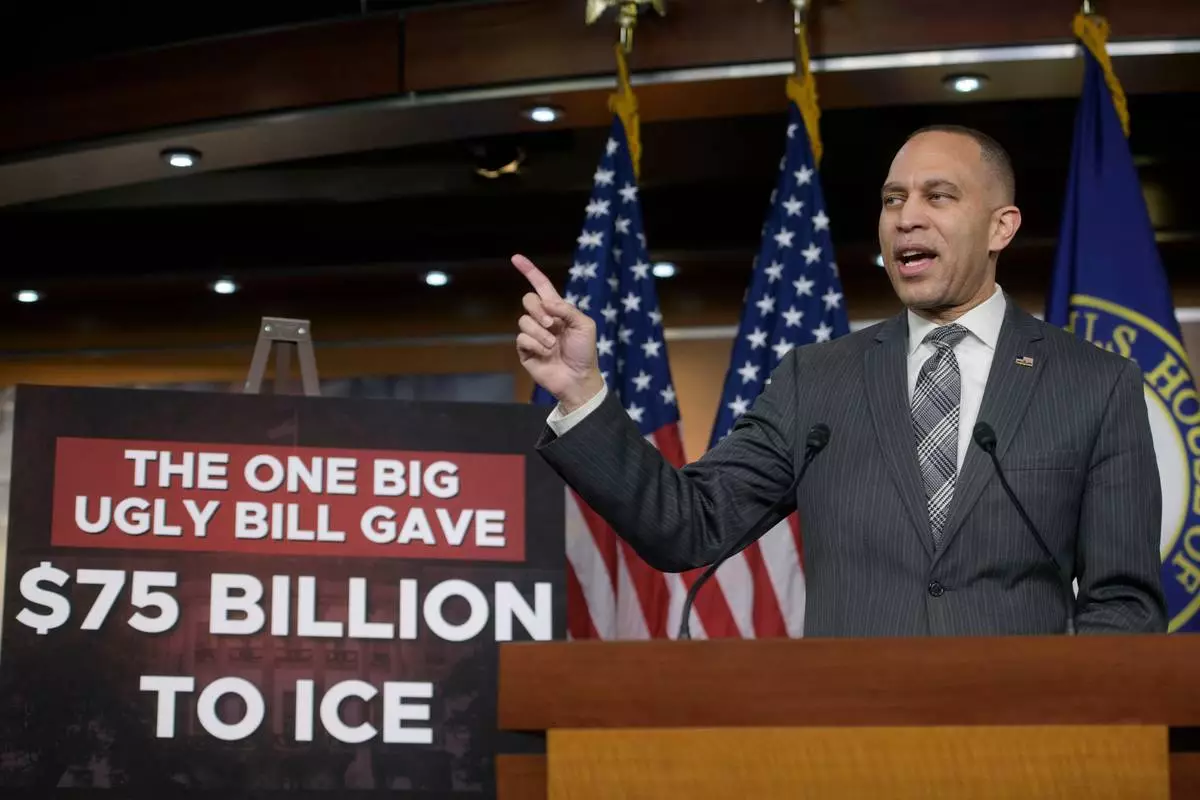
The Democratic leaders, Sen. Chuck Schumer and Rep. Hakeem Jeffries, released an expanded list of 10 detailed proposals on Wednesday night for restraining President Donald Trump’s aggressive campaign of immigration enforcement. Among the demands are a requirement for judicial warrants, better identification of DHS officers, new use of force standards and a stop to racial profiling.

Congress is trying to renegotiate the DHS spending bill after Trump last week agreed to a Democratic request that it be separated from a larger spending measure and extended at current levels for two weeks while the two parties negotiate. The deal came after ICU nurse Alex Pretti was shot and killed by a U.S. Border Patrol officer in Minneapolis on Jan. 24, and some Republicans agreed that new restrictions were necessary.

But with nearly a week gone, a shutdown is becoming increasingly likely starting Feb. 14 as Republicans have been cool to most of the Democrats’ requests.

“This is not a blank check situation where Republicans just do agree to a list of Democrat demands,” said Thune, R-S.D. “The only way to get reforms to ICE is to agree to a bill.”

As of now, Thune said, “we aren’t anywhere close to having any sort of an agreement.”

In addition to ICE and U.S. Customs and Border Protection, the homeland security bill includes funding for the Federal Emergency Management Agency and the Transportation Security Administration. If DHS shuts down, Thune said, “there’s a very good chance we could see more travel problems” similar to the 43-day government closure last year.

Schumer, D-N.Y., said he is “astounded to hear” Republicans say his party’s proposals were political or unworkable.

“It’s about people’s basic rights, it’s about people’s safety,” Schumer said. If Republicans do not like the ideas, he said, “they need to explain why.”

Schumer and Jeffries, D-N.Y., have made several demands, including no masks for officers, judicial warrants and better federal coordination with local authorities. The list they released Wednesday added several new items, including a stricter use-of-force policy, legal safeguards at detention centers and a prohibition on tracking protesters with body-worn cameras.

Democrats say Congress should end indiscriminate arrests, “improve warrant procedures and standards,” ensure the law is clear that officers cannot enter private property without a judicial warrant and require that before a person can be detained, it's verified that the person is not a U.S. citizen.

They also want an end to racial profiling, saying DHS officers should be prohibited from stopping, questioning or searching people "based on an individual’s presence at certain locations, their job, their spoken language and accent or their race and ethnicity.”

For officers conducting immigration enforcement, Democrats say that in addition to officers taking off their masks and showing identification, DHS should regulate and standardize uniforms and equipment to bring them in line with other law enforcement agencies.

Schumer called it a “gut check moment for Congress" as the immigration enforcement operations have rocked Minneapolis and other U.S. cities. But Republicans were dismissive.

Wyoming's John Barrasso, the No. 2 Republican senator, said the demands are “radical and extreme” and a “far-left wish list.”

Sen. Katie Britt, who is helping lead negotiations, said the list is “a ridiculous Christmas list of demands" and warned that time is running out before the deadline.

“I encourage them to talk to the White House,” she said. “We only have one week left.”

Thune has also encouraged Democrats and the White House to talk. It is unclear whether they are or whether Democrats would be willing to back down on any of their demands.

Some Republicans have demands of their own, including adding legislation that would require proof of citizenship before Americans register to vote and restrictions on cities that they say do not do enough to crack down on illegal immigration.

Sen. Chris Murphy, D-Conn., said it is up to Republicans to ensure the government doesn't shut down because they are in charge.

“The American people want this abuse to stop,” Murphy said.

Other lawmakers are searching for options to prevent another partial shutdown.

One idea being floated is to essentially fund some of the other agencies within DHS -– the Coast Guard, airport operations under TSA and disaster assistance from FEMA.

“Why not take that off the table?” said Republican Sen. Thom Tillis of North Carolina, whose state is in need of FEMA funds from recent disasters.

“If it doesn’t look like they can get it done,” he said about the immigration enforcement overhaul. “I really think they should look at a la carte funding of agencies.”

Some Democrats have said they agree, but Thune said Thursday that splitting apart the DHS appropriations bill to single out ICE would “defund law enforcement.”

Splitting the bill would mean essentially cutting ICE loose by allowing it to go without its routine federal funding because the agency already has such a robust budget from Trump’s tax and spending cut bill from last year.

ICE is expected to receive about $10 billion in the annual appropriations bill, a fraction of the $175 billion-plus for homeland security for the administration’s mass deportation agenda.

Associated Press writer Stephen Groves contributed to this report.
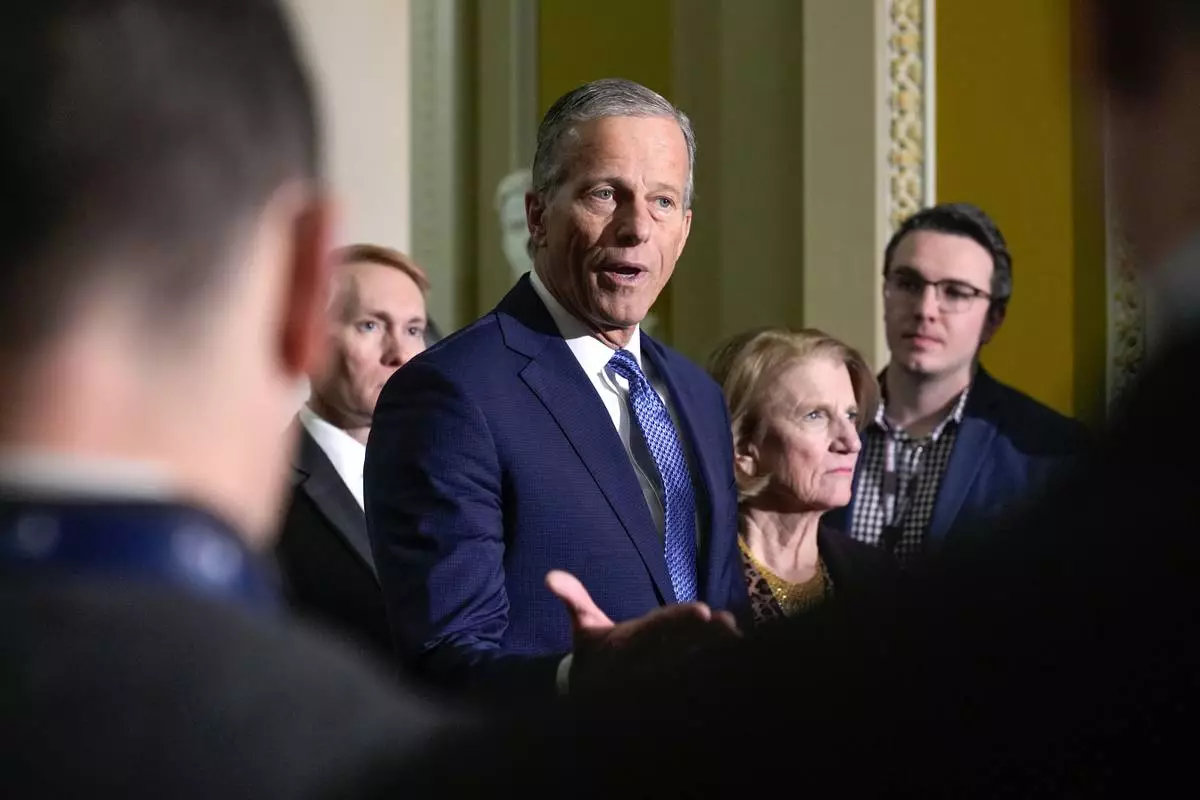
Senate Majority Leader John Thune, R-S.D., speaks during a news conference after a policy luncheon on Capitol Hill, Tuesday, Feb. 3, 2026, in Washington. (AP Photo/Mariam Zuhaib)
Senate Majority Leader John Thune, R-S.D., speaks during a news conference after a policy luncheon on Capitol Hill, Tuesday, Feb. 3, 2026, in Washington. (AP Photo/Mariam Zuhaib)

House Minority Leader Rep. Hakeem Jeffries, D-N.Y., speaks during a news conference at the U.S. Capitol, Monday, Feb. 2, 2026, in Washington. (AP Photo/Rod Lamkey, Jr.)
House Minority Leader Rep. Hakeem Jeffries, D-N.Y., speaks during a news conference at the U.S. Capitol, Monday, Feb. 2, 2026, in Washington. (AP Photo/Rod Lamkey, Jr.)
Iran fired missiles at Israel and some Gulf nations while explosions could be heard around Tehran and the central Iranian city of Isfahan on Friday, as the United States prepared to further reinforce its already significant military forces in the Middle East.

As the war that began Feb. 28 was to enter its sixth week, Israel, Bahrain, Kuwait warned about incoming missile fire, although it was unclear if anything was struck. Activists reported strikes around Tehran and the central city of Isfahan but it wasn’t immediately clear what was hit.

Iran’s attacks on Gulf region energy infrastructure and its tight grip on the Strait of Hormuz, through which a fifth of the world’s oil and natural gas transits in peacetime, has sent oil prices skyrocketing.

Oil prices surged while Asian financial markets rose moderately during cautious trading. Benchmark U.S. crude rose 11.4% to $111.54 a barrel. The price of Brent crude, the international standard, jumped 7.8% to $109.03 per barrel.

U.S. President Donald Trump said U.S. forces will keep hitting Iran “very hard” in the next two or three weeks.

The largest American aircraft carrier in service sailed out of Split, in Croatia and “remains poised for full mission tasking in support of national objectives in any area of operation,” the Navy’s 6th Fleet announced.

It was unclear where it was going. The USS Abraham Lincoln remains in the Arabian Sea and the USS George H. W. Bush aircraft carrier departed Norfolk on Wednesday to head to the Mideast.

Here is the latest:

Oil prices continued to surge on worries of a prolonged Iran war but the Asian markets that were open Friday rose moderately in cautious trading, while others were closed for the Good Friday holidays.

Benchmark U.S. crude rose 11.4% to $111.54 a barrel. The price of Brent crude, the international standard, jumped 7.8% to $109.03 per barrel.

The U.S. only relies on the Persian Gulf for a fraction of the oil it imports, but oil is a commodity and prices are set in a global market.

The situation is very different in Asia. Japan, for example, relies on access to the Strait of Hormuz for much of the nation’s oil import needs and would need to rely on alternative routes. But some analysts say Japan and oher nations are counting on an agreement with Iran to allow transports.

Japan’s benchmark Nikkei 225 gained 0.9% in Friday morning trading to 52,938.62. South Korea’s Kospi jumped 2.1% to 5,344.41. The Shanghai Composite sank 0.5% to 3,899.57. Trading was closed in Hong Kong, Singapore, Australia, New Zealand, the Philippines, Indonesia and India.

Wall Street, where trading is closed Friday, finished its first winning week since the start of the Iran war, although trading started out with a decline driven by a surge in oil prices.

Bangladesh is curtailing office hours and enforcing early closure of malls and shops beginning Friday to handle its energy crisis related to the war.

The country’s cabinet ordered 30% spending cuts for fuel and power at government offices, suspended some staff training and stopped purchases of new vehicles, ships and aircraft. Decorative lighting will not be allowed for celebrations.

Bangladesh, a nation of more than 170 million people, is seeking alternative fuel sources and $2.5 billion in external financing for imports, which account for 95% of its fuel.

Australian Energy Minister Chris Bowen on Friday urged motorists getting away for a long weekend during the Easter holiday to fill up in cities because most of the nation’s fuel shortages are in rural areas.

Among 2,400 gas stations in New South Wales, Australia’s most populous state, 182 had run out of diesel by Friday.

In Australia’s second-most populous state, Victoria, 76 gas stations were out of diesel. In the remaining states ranked by the most populous first, Queensland had 75 stations without diesel, Western Australia had 37, South Australia had 28 and in Tasmania there were seven.

“For those Australians planning a road trip this weekend, given our shortages are predominantly in rural and regional Australia, it makes sense to fill up in the city to help the country if you can,” Bowen said in Sydney.

The government, which blamed regional shortages on panic buying and distribution problems, is concentrating on delivering fuel to farmers for planting crops.

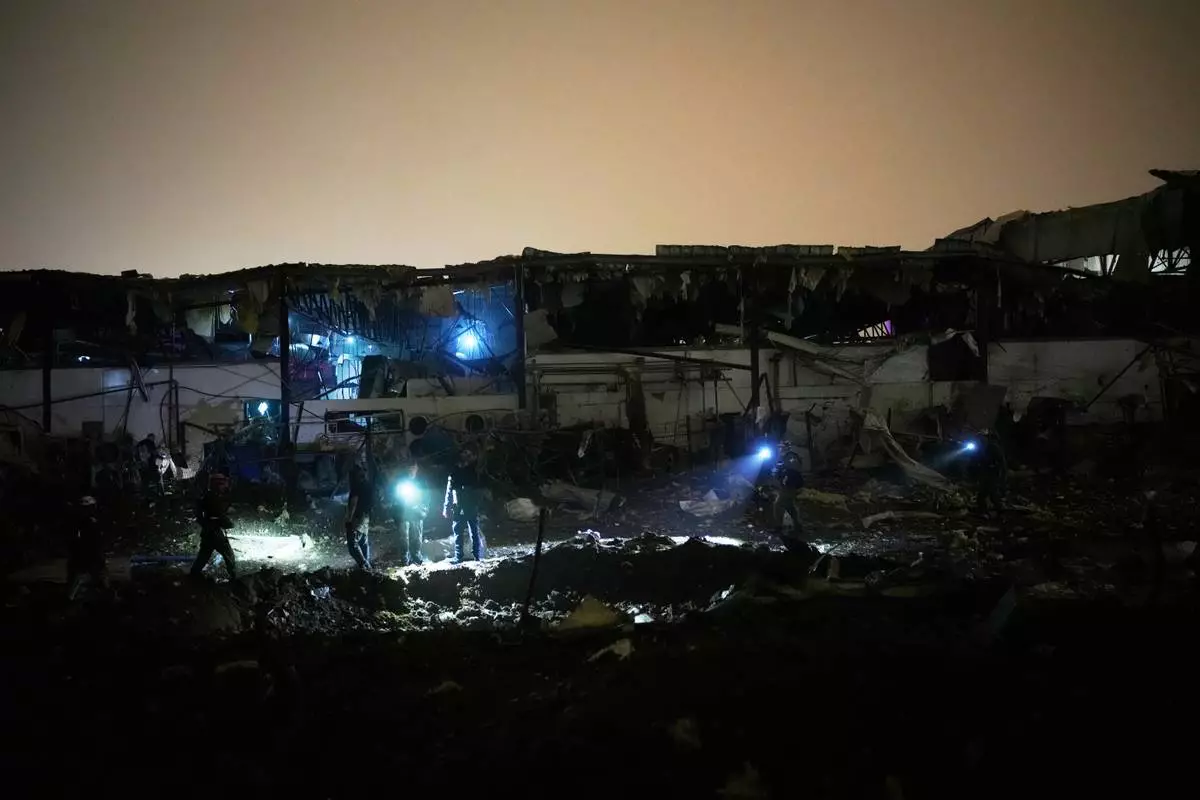
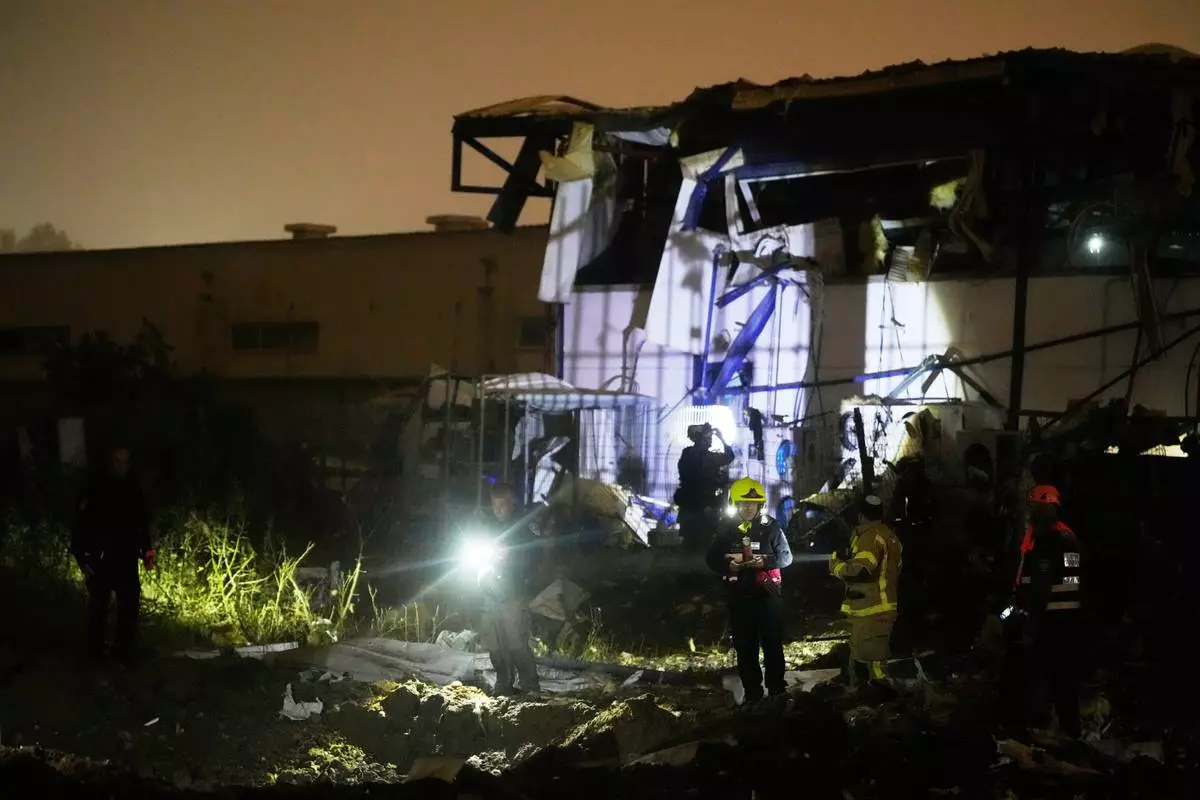
Israeli security forces and rescue teams inspect a site struck by an Iranian missile in Petah Tikva, Israel,Thursday, April 2, 2026. (AP Photo/Ohad Zwigenberg)

Israeli security forces and rescue teams inspect a site struck by an Iranian missile in Petah Tikva, Israel,Thursday, April 2, 2026. (AP Photo/Ohad Zwigenberg)

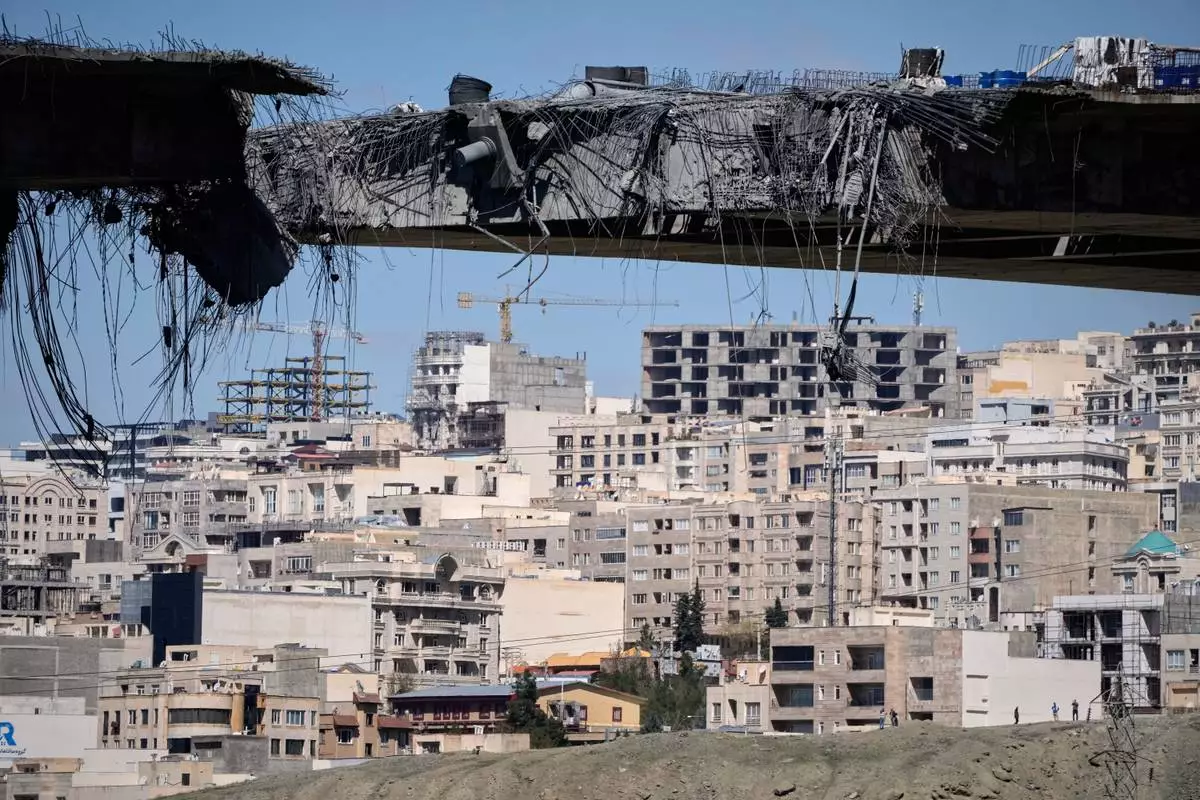
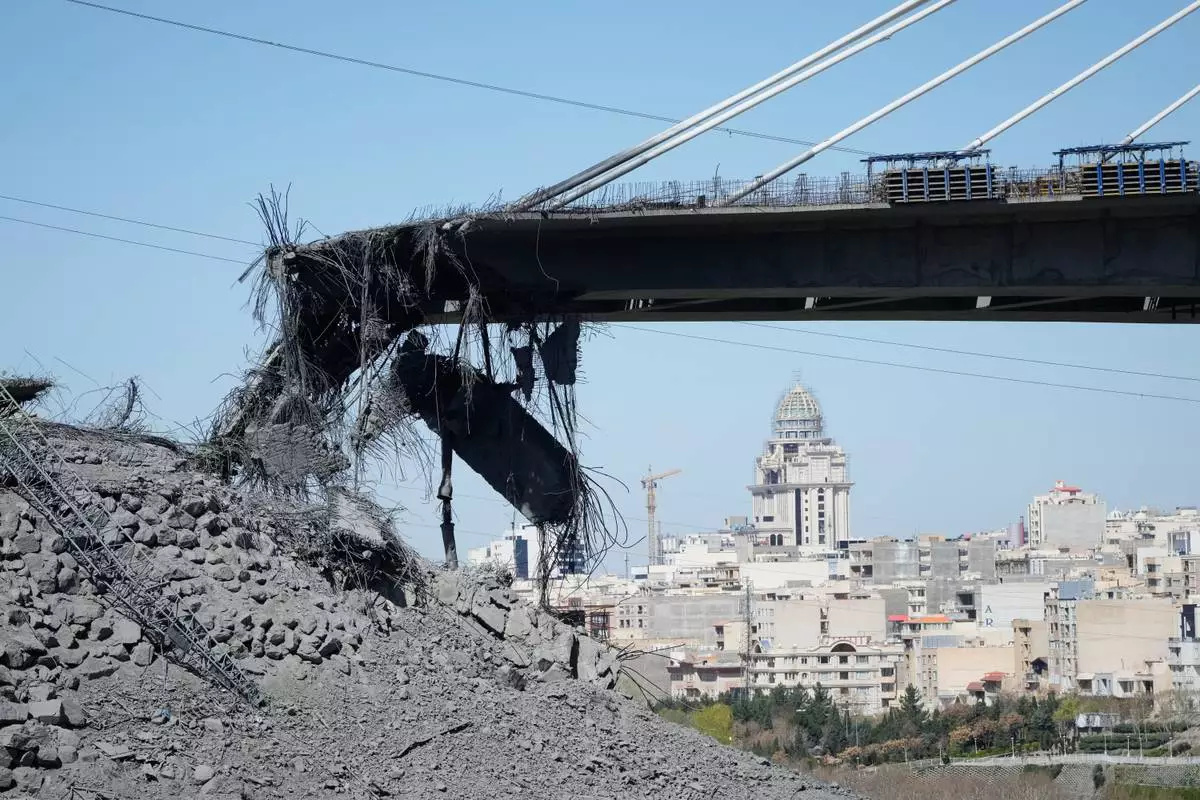
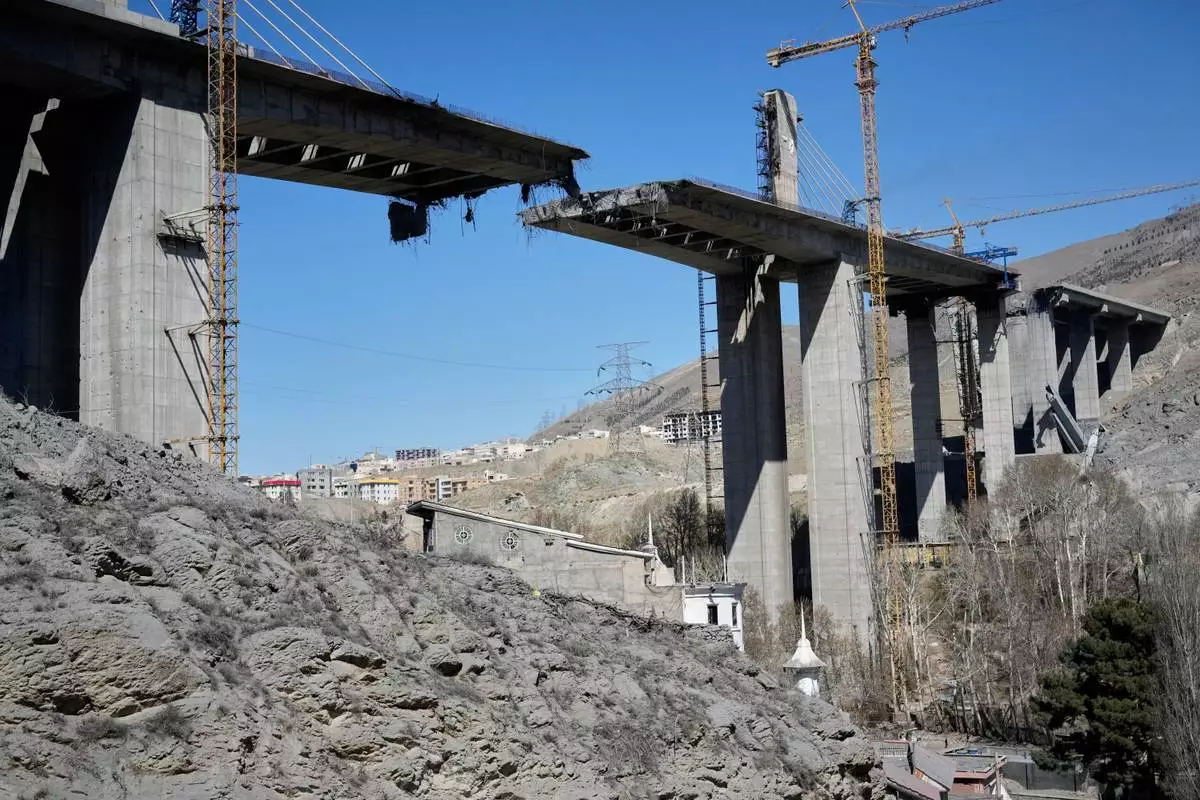
A newly constructed bridge struck by U.S. airstrikes Thursday is seen in Karaj, west of Tehran, Iran, Friday, April 3, 2026. (AP Photo/Vahid Salemi)

A newly constructed bridge struck by U.S. airstrikes Thursday is seen in Karaj, west of Tehran, Iran, Friday, April 3, 2026. (AP Photo/Vahid Salemi)

A newly constructed bridge struck by U.S. airstrikes Thursday is seen in Karaj, west of Tehran, Iran, Friday, April 3, 2026. (AP Photo/Vahid Salemi)

A newly constructed bridge struck by U.S. airstrikes Thursday is seen in Karaj, west of Tehran, Iran, Friday, April 3, 2026. (AP Photo/Vahid Salemi)

A bridge struck by U.S. airstrikes on Thursday is seen in the town of Karaj, west of Tehran, Iran, Friday, April 3, 2026. (AP Photo/Vahid Salemi)

A bridge struck by U.S. airstrikes on Thursday is seen in the town of Karaj, west of Tehran, Iran, Friday, April 3, 2026. (AP Photo/Vahid Salemi)

Israeli security forces and rescue teams inspect a site struck by an Iranian missile in Petah Tikva, Israel,Thursday, April 2, 2026. (AP Photo/Ohad Zwigenberg)

Israeli security forces and rescue teams inspect a site struck by an Iranian missile in Petah Tikva, Israel,Thursday, April 2, 2026. (AP Photo/Ohad Zwigenberg)

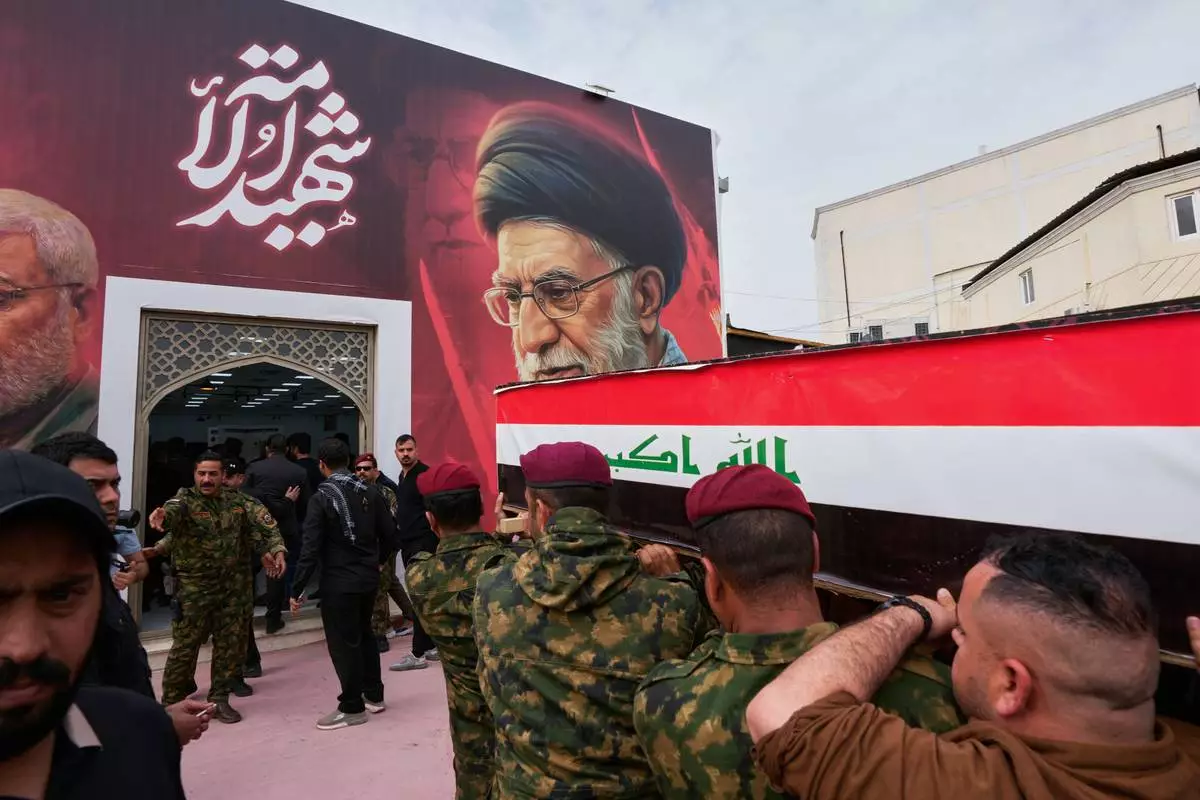
Members from the Popular Mobilization Forces attend a funeral of fighters who were killed in a U.S. airstrike, in Tal Afar, Nineveh province, north of Baghdad, Iraq, Thursday, April 2, 2026. (AP Photo/Hadi Mizban)

Members from the Popular Mobilization Forces attend a funeral of fighters who were killed in a U.S. airstrike, in Tal Afar, Nineveh province, north of Baghdad, Iraq, Thursday, April 2, 2026. (AP Photo/Hadi Mizban)

A man with burn wounds from an Israeli airstrike on southern Lebanon sits on a bed at the Sidon Government Hospital in Sidon, Lebanon, Thursday, April 2, 2026. (AP Photo/Emilio Morenatti)

A man with burn wounds from an Israeli airstrike on southern Lebanon sits on a bed at the Sidon Government Hospital in Sidon, Lebanon, Thursday, April 2, 2026. (AP Photo/Emilio Morenatti)

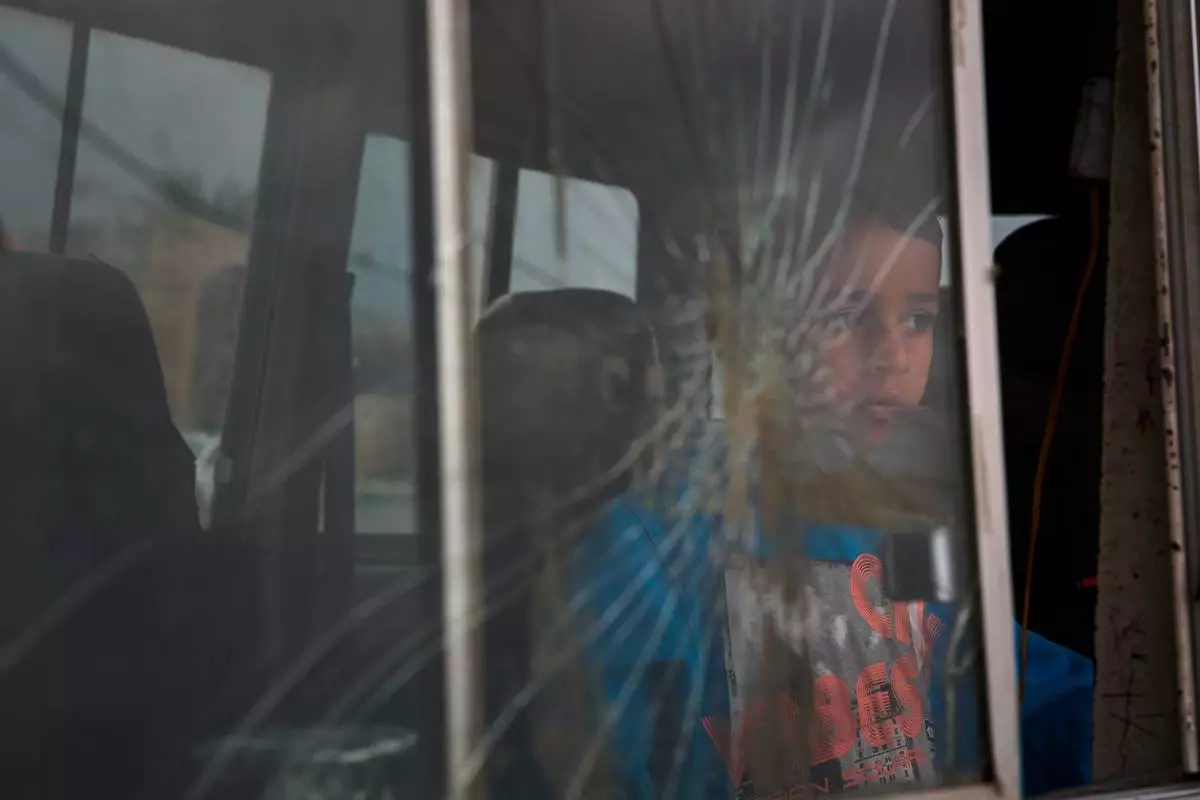
A boy who fled with his family following Israeli strikes in southern Lebanon sits inside the van they are using as shelter in Sidon, Lebanon, Thursday, April 2, 2026. (AP Photo/Emilio Morenatti)

A boy who fled with his family following Israeli strikes in southern Lebanon sits inside the van they are using as shelter in Sidon, Lebanon, Thursday, April 2, 2026. (AP Photo/Emilio Morenatti)

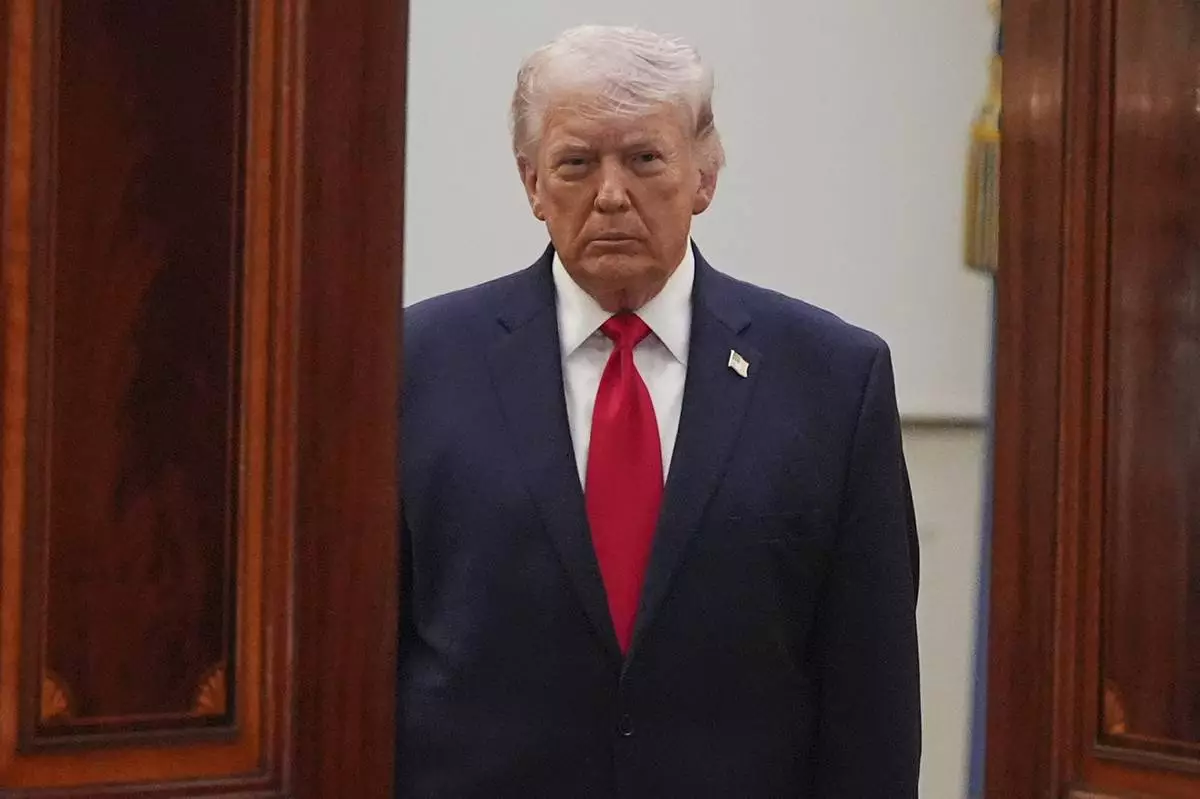
President Donald Trump arrives from the Blue Room to speak about the Iran war from the Cross Hall of the White House on Wednesday, April 1, 2026, in Washington. (AP Photo/Alex Brandon, Pool)

President Donald Trump arrives from the Blue Room to speak about the Iran war from the Cross Hall of the White House on Wednesday, April 1, 2026, in Washington. (AP Photo/Alex Brandon, Pool)

Recommended Articles