Toddler suspected of Cereulide poisoning caused by Bacillus cereus after consuming powdered infant and young children formula
The Centre for Health Protection (CHP) of the Department of Health (DH) today (February 6) is investigating a suspected case of poisoning due to Cereulide produced by Bacillus cereus involving a one-year-old girl who consumed NAN INFINIPRO2 7HMO powdered formula. She experienced diarrhoea a number of times. Since she stopped consuming the powdered formula concerned, her health condition has improved and she did not require hospitalisation. The CHP reminds the public not to feed infants or young children any batches of powdered infant and young children formula currently subject to a precautionary recall, and urges all doctors in Hong Kong to be vigilant for related cases.

NAN INFINIPRO2 7HMO powdered formula
The CHP received the case referral from the Centre for Food Safety (CFS) of the Food and Environmental Hygiene Departmentyesterday (February 5). Preliminary investigation revealed that the girl's parents purchased a can of the powdered formula in question on December 30 last year and began feeding it to the girl on the same day. A few hours after consuming the powdered formula, the girl developed watery diarrhoea, experiencing it up to five times a day. During this period, she did not have a fever or other symptoms. As the girl developed diarrhoea, her parents stopped feeding her the powdered formula concerned on January 1 this year. The girl was taken to a private doctor the following day. She did not require hospitalisation. Her diarrhoea gradually improved after she stopped consuming the powdered formula concerned and switched to another unaffected product. She has not presented any symptoms now.
The CHP's investigation revealed that the batch number of the powdered formula consumed by the girl was 53070742F1, which is part of a global precautionary recall earlier this year due to the possible presence of Cereulide produced by Bacillus cereus in the individual raw materials. The CFS also announced earlier this week that samples from the same batch tested positive for Cereulide.
"Given the girl's persistent symptoms after consuming the powdered formula concerned, and the compatibility of the timing and symptoms with Cereulide poisoning, we cannot rule out the possibility that she developed Cereulide poisoning from consuming the above mentioned powdered infant and young children formula. Bacillus cereus is commonly found in the environment and may proliferate during food processing and storage if hygiene conditions are poor. Some strains can produce Cereulide in contaminated food. Ingestion of food contaminated with excessive Bacillus cereus may cause symptoms of acute gastroenteritis, with the main symptoms being vomiting and diarrhoea, which usually appear within hours of consumption. Infants and young children are more susceptible to dehydration and complications. Therefore, parents should seek medical attention promptly if their infants or young children experience discomfort after consuming powdered infant and young children formula. The CHP has recently issued a letter to all doctors in Hong Kong to remind them to be vigilant about the situation regarding powdered infant and young children formula and to report suspected cases of Cereulide poisoning to the CHP," the Controller of the CHP, Dr Edwin Tsui, said.

The Centre for Health Protection (CHP), Photo source: HKSAR Government Release
As at 5pm yesterday, the DH has received a total of about 50 referrals of suspected discomfort in infants following consumption of powdered formula (including the abovementioned case). Except for this one-year-old girl, the symptoms in the other cases did not match those of acute Cereulide poisoning. Most cases experienced one or two times of vomiting or loose stools, which were not persistent and did not develop any other symptoms. In a few cases with persistent symptoms, the time of symptom onset did not correlate with consumption of the products.
In addition, the DH has received 159 enquiries related to the affected powdered formula, mostly related to switching to a different powdered formula. Healthcare professionals have provided appropriate health advice and assessments. The DH reminds parents to seek medical advice promptly if their infants or young children show any symptoms of gastroenteritis after consuming the affected products, including arranging for sample tests to rule out the possibility of other communicable diseases.
The DH will continue to monitor developments and take appropriate follow-up actions.
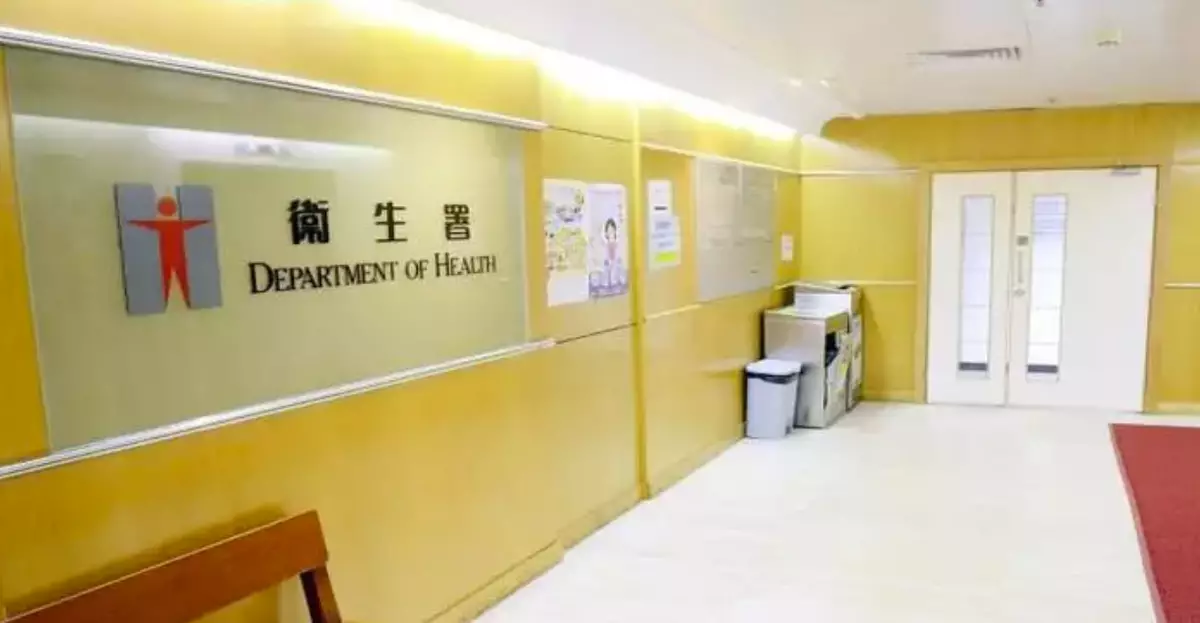
The Department of Health (DH), Photo source: reference image