Research Introduces 577 Epigenetic Mechanism for Asian Skin
SHANGHAI, Feb. 7, 2026 /PRNewswire/ -- The IMCAS World Congress 2026, an internationally recognized forum for aesthetic medicine and clinical research, opened on January 31 in Paris. As a global platform supporting collaboration in dermatology, plastic surgery, and aging science, IMCAS facilitates the exchange of interdisciplinary research and clinical best practices. This year, Chinese skincare brand CHANDO participated in the congress by presenting a long-term research outcome: the identification of a novel epigenetic pathway for skin brightening, termed the 4-Butylresorcinol (577) Pigment Management Mechanism. The research presentation reflects the continued engagement of Chinese industry and research organizations in international scientific dialogue on precision skincare.
Global Forum for Scientific Exchange: CHANDO Research Presented at IMCAS
The IMCAS World Congress serves as a professional convening platform for plastic surgeons, dermatologists, and aesthetic practitioners, supporting the dissemination of medical research and clinical innovation at an international level. The event is designed to encourage professional exchange, continuing education, and the sharing of evidence-based technologies across disciplines.
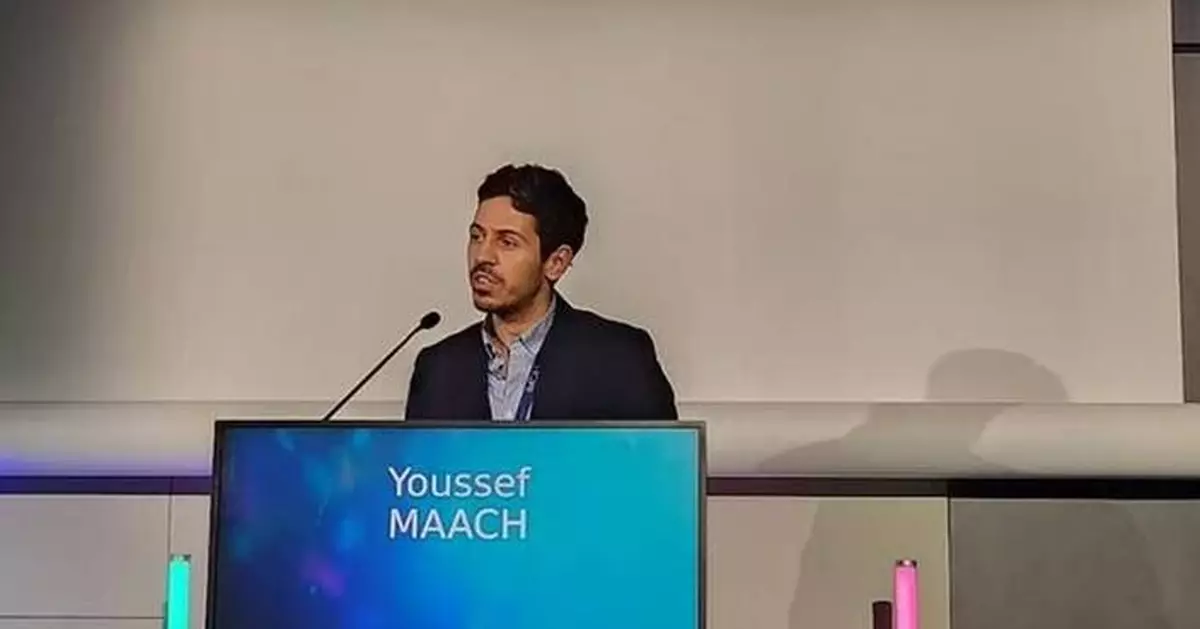
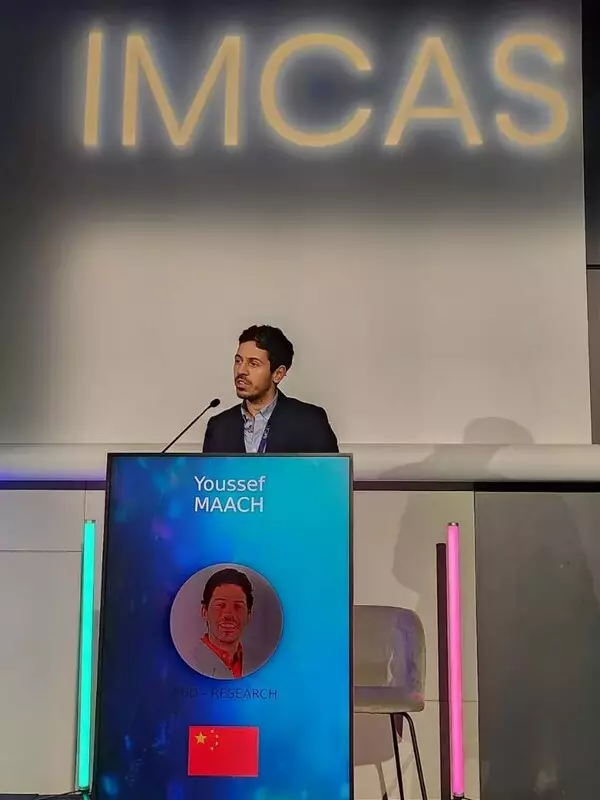
At this year's congress, which hosted 225 scientific sessions and attracted 21,764 professionals, CHANDO's research was reviewed through the IMCAS scientific evaluation process. Selected for a keynote presentation in the main forum, CHANDO skin research scientist Dr. Youssef introduced the study titled "Epigenetic Skincare: A Novel Root-Cause Brightening Mechanism of 4-Butylresorcinol (577) via microRNA Regulation in Asian Populations." The presentation outlined the company's long-term research approach to the epigenetic factors influencing skin pigmentation in Asian populations.
Decoding the Biology of Asian Skin: A Targeted Research Approach to Brightening
CHANDO's research focused on three persistent challenges identified through long-term observation of Asian skin characteristics: stubborn dark spots, susceptibility to sallowness, and a fragile barrier that often leads to rebound darkening. While conventional brightening ingredients tend to take a generalized approach, CHANDO directed its research toward underlying biological mechanisms, studying how environmental factors like UV exposure influence gene expression. In his address, Dr. Youssef explained that since 2014, CHANDO has employed high-throughput sequencing and bioinformatics to analyze Asian skin. The team pinpointed a specific microRNA that plays a central role in UV-induced pigmentation by regulating three key enzymes (MITF, TYR, TYRP1) involved in melanin production.
The pivotal finding: CHANDO's signature ingredient, 4-Butylresorcinol (577), was shown in laboratory and clinical testing to inhibit this microRNA's abnormal expression, curbing melanin overproduction at its source. This mechanism differentiates 577 from conventional brightening approaches and provides a targeted strategy relevant to post-sun or post-procedure pigmentation management in Asian skin. Notably, the ingredient also demonstrated high tolerability in clinical testing, making it suitable for sensitive skin types prone to irritation. It effectively reduced dark spots and sallowness while minimizing common side effects like redness or rebound pigmentation.[1]
This recognition follows CHANDO's earlier designation as the "Global 577 Brightening Leader" by Shangpu Group, an independent research organization, based on the ingredient's technological innovation and commercial impact.[2] The IMCAS presentation represents an additional instance of consumer-facing research from China contributing to international scientific exchange.
A Decade of Science-Based Research for Asian Skin
For over ten years, CHANDO has invested in foundational research focused on the physiological characteristics of Asian skin. The 577 compound represents more than a functional ingredient—it reflects an applied research outcome derived from epigenetic study and skin biology. Today, 577 is integrated into CHANDO's Cellcrystal Whitening Radiance Series, demonstrating how laboratory research has been translated into consumer skincare applications designed for pigment management at the biological source.
Looking ahead, CHANDO has indicated its intention to continue participating in skin science research, with the goal of supporting clinically evaluated skincare development and ongoing international collaboration.
Notes:
[1] Data from third-party testing. Among 32 subjects aged 18–60 using the Cellcrystal Whitening Radiance Rejuvenating Serum for 4 weeks, instrumental measurement showed a 21.47% reduction in skin melanin and a 34.92% improvement in brightness. Results may vary individually.
[2] Shangpu Group's research, finalized April 2025, compared global market performance of 577-based facial brightening products (Jan 1–Dec 31, 2024). CHANDO was recognized as the Global 577 Brightening Leader based on market presence, technology, and product influence.
** The press release content is from PR Newswire. Bastille Post is not involved in its creation. **
CHANDO Presents Decade-Long Skin Brightening Research at IMCAS