Skip to Content Facebook Feature Image

Valentine flower imports increase at Miami airport, despite tariffs and higher costs, officials say

ENT

Valentine flower imports increase at Miami airport, despite tariffs and higher costs, officials say
ENT

ENT

Valentine flower imports increase at Miami airport, despite tariffs and higher costs, officials say

2026-02-07 08:35 Last Updated At:08:41

MIAMI (AP) — Winged babies shooting heart-shaped arrows might get most of the credit on Valentine’s Day, but the real magic behind millions of romantic bouquets happens in a cargo warehouse at a South Florida airport.

Agricultural specialists at Miami International Airport will process about 990 million stems of cut flowers in the weeks before Feb. 14, according to U.S. Customs and Border Protection. Around 90% of the fresh cut flowers being sold for Valentine's Day in the United States come through Miami, while the other 10% pass through Los Angeles.

More Images
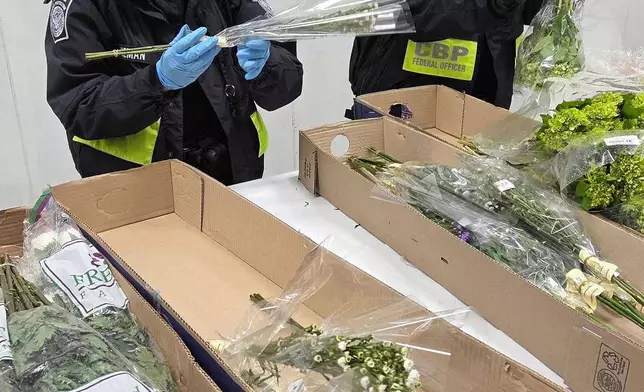
Valentine's Day flowers are unwrapped and inspected by U.S. Customs and Border Protection agriculture specialists at Miami International Airport, on Friday, Feb. 6, 2026, in Miami. (AP Photo/David Fischer)
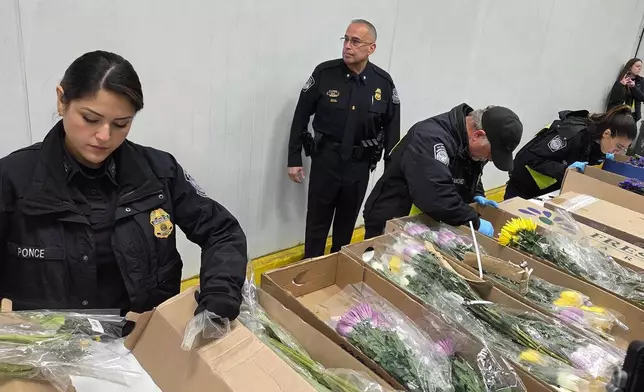
Valentine's Day flowers are unwrapped and inspected by U.S. Customs and Border Protection agriculture specialists at Miami International Airport, on Friday, Feb. 6, 2026, in Miami. (AP Photo/David Fischer)
Valentine's Day flowers are unwrapped and inspected by U.S. Customs and Border Protection agriculture specialists at Miami International Airport, on Friday, Feb. 6, 2026, in Miami. (AP Photo/David Fischer)
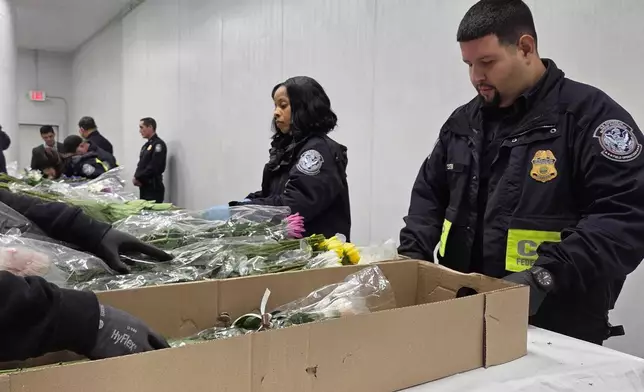
Valentine's Day flowers are unwrapped and inspected by U.S. Customs and Border Protection agriculture specialists at Miami International Airport, on Friday, Feb. 6, 2026, in Miami. (AP Photo/David Fischer)
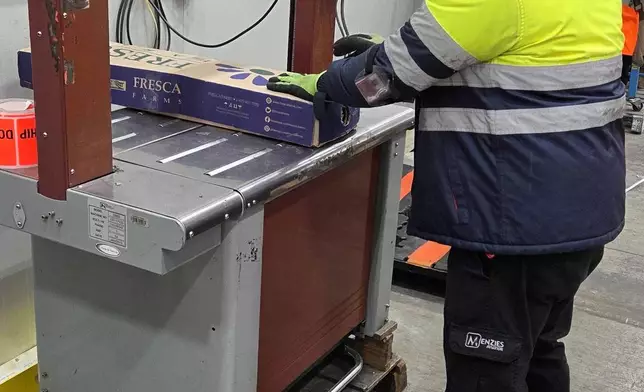
An Avianca Cargo worker rewraps Valentine's Day flowers after they were inspected by U.S. Customs and Border Protection agriculture specialists at Miami International Airport, on Friday, Feb. 6, 2026, in Miami. (AP Photo/David Fischer)
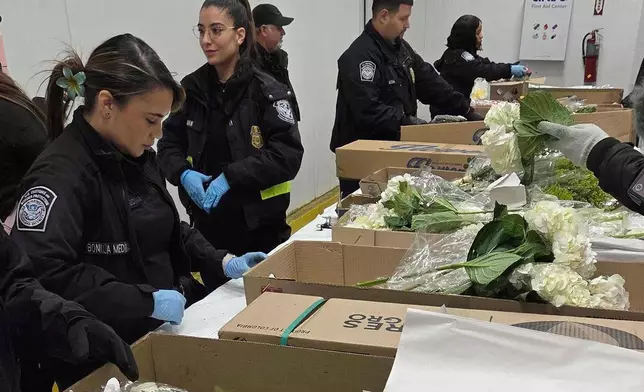
An Avianca Cargo worker rewraps Valentine's Day flowers after they were inspected by U.S. Customs and Border Protection agriculture specialists at Miami International Airport, on Friday, Feb. 6, 2026, in Miami. (AP Photo/David Fischer)
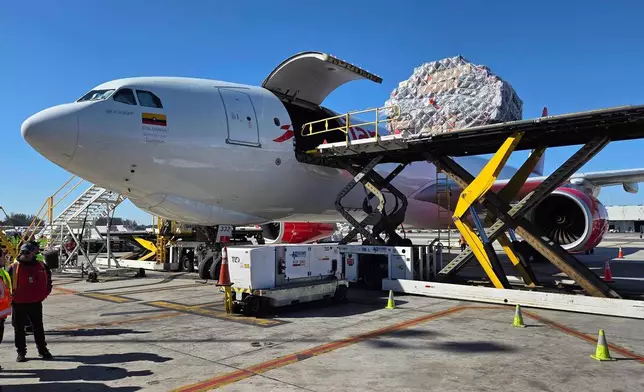
Valentine's Day flowers are unwrapped and inspected by U.S. Customs and Border Protection agriculture specialists at Miami International Airport, on Friday, Feb. 6, 2026, in Miami. (AP Photo/David Fischer)

Valentine's Day flowers are unwrapped and inspected by U.S. Customs and Border Protection agriculture specialists at Miami International Airport, on Friday, Feb. 6, 2026, in Miami. (AP Photo/David Fischer)

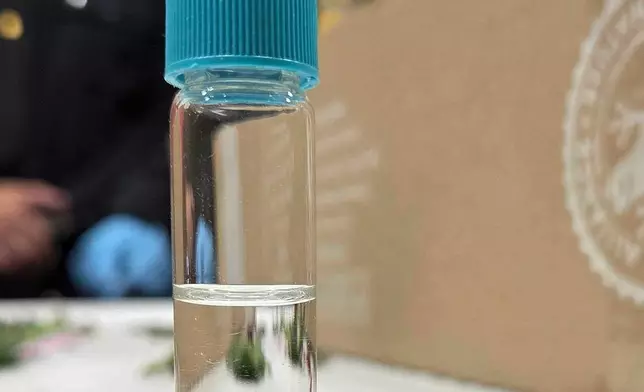
A test tube containing an insect larvae discovered by U.S. Customs and Border Protection agriculture specialists at Miami International Airport, on Friday, Feb. 6, 2026, in Miami. (AP Photo/David Fischer)

A test tube containing an insect larvae discovered by U.S. Customs and Border Protection agriculture specialists at Miami International Airport, on Friday, Feb. 6, 2026, in Miami. (AP Photo/David Fischer)

Valentine's Day flowers are unwrapped and inspected by U.S. Customs and Border Protection agriculture specialists at Miami International Airport, on Friday, Feb. 6, 2026, in Miami. (AP Photo/David Fischer)

Valentine's Day flowers are unwrapped and inspected by U.S. Customs and Border Protection agriculture specialists at Miami International Airport, on Friday, Feb. 6, 2026, in Miami. (AP Photo/David Fischer)

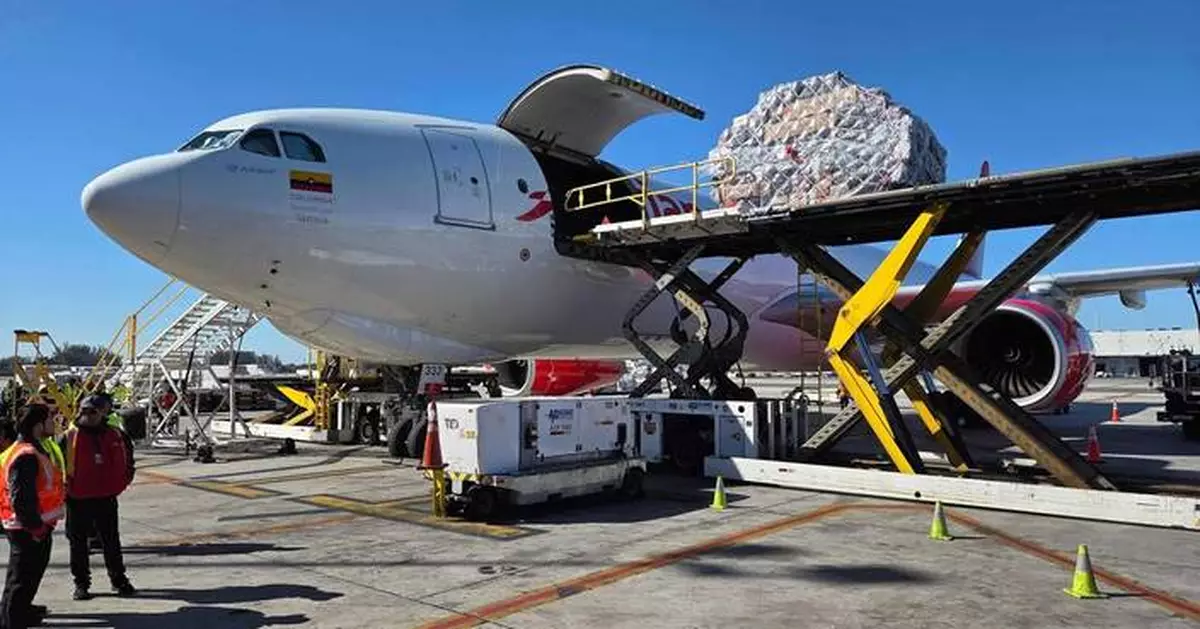
Boxes of Valentine's Day flowers arrive from Colombia at Miami International Airport, on Friday, Feb. 6, 2026, in Miami. (AP Photo/David Fischer)

Boxes of Valentine's Day flowers arrive from Colombia at Miami International Airport, on Friday, Feb. 6, 2026, in Miami. (AP Photo/David Fischer)

Roses, carnations, pompons, hydrangeas, chrysanthemums and gypsophila arrive on hundreds of flights, mostly from Colombia and Ecuador, to Miami on their journey to florists and supermarkets across the U.S. and Canada.

Miami's largest flower importer is Avianca Cargo, based in Medellín, Colombia. In preparation for Valentine's Day, the company is transporting about 19,000 tons of flowers on 320 full cargo flights, CEO Diogo Elias said Friday in Miami. They're running more than twice as many flights compared to normal.

“We fly flowers for the whole year, but Valentine’s is special,” Elias said. “Much more concentrated on roses, red roses especially. More than 50-60% are red roses at this time.”

Customers buying flowers will likely see an increase in price this year. Christine Boldt, executive vice president for the Association of Floral Importers of America, said the cause is largely related to tariffs placed last year on imports from Colombia and Ecuador, along with a new minimum wage enacted this year in Colombia.

“This adds significant dollars to the bouquets that are coming in,” Boldt said. “Every consumer is gonna have to face additional costs.”

Despite higher prices, Flowers continue to make up one of MIA's largest imports, airport director Ralph Cutié said. The airport received almost 3.5 million tons of cargo last year, with flowers accounting for about 400,000 tons. More than a quarter of those flowers are shipped before Valentine's Day, marking a 6% increase over last year.

“The mother, the wife, the girlfriend in Omaha, Nebraska, that gets their flowers for either Valentine’s or Mother’s Day, chances are those flowers passed through our airport,” Cutié said. “And that’s something we take a lot of pride in.”

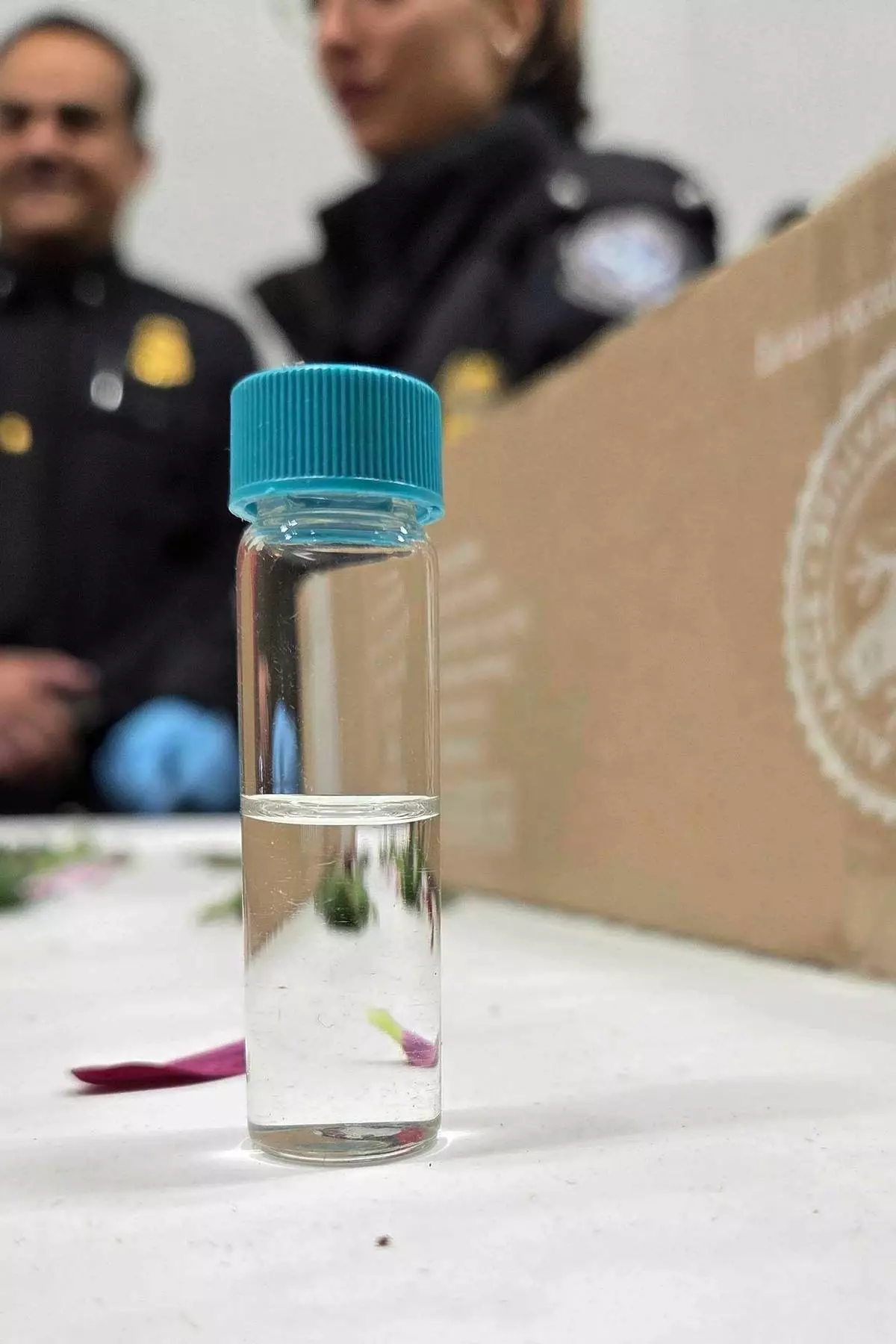
CBP agriculture specialists check the bundles of flowers for potentially harmful plant, pest and foreign animal diseases from entering the country, CBP senior official Daniel Alonso said. Inspectors on average find about 40-50 plant pests a day, the most common being moths. Pests are turned over to the U.S. Department of Agriculture, which determines the potential threat.

“Our rigorous process is vital to safeguarding the floral and agricultural industries, ensuring that our imported flowers are not introducing any pests or harmful diseases,” Alonso said.
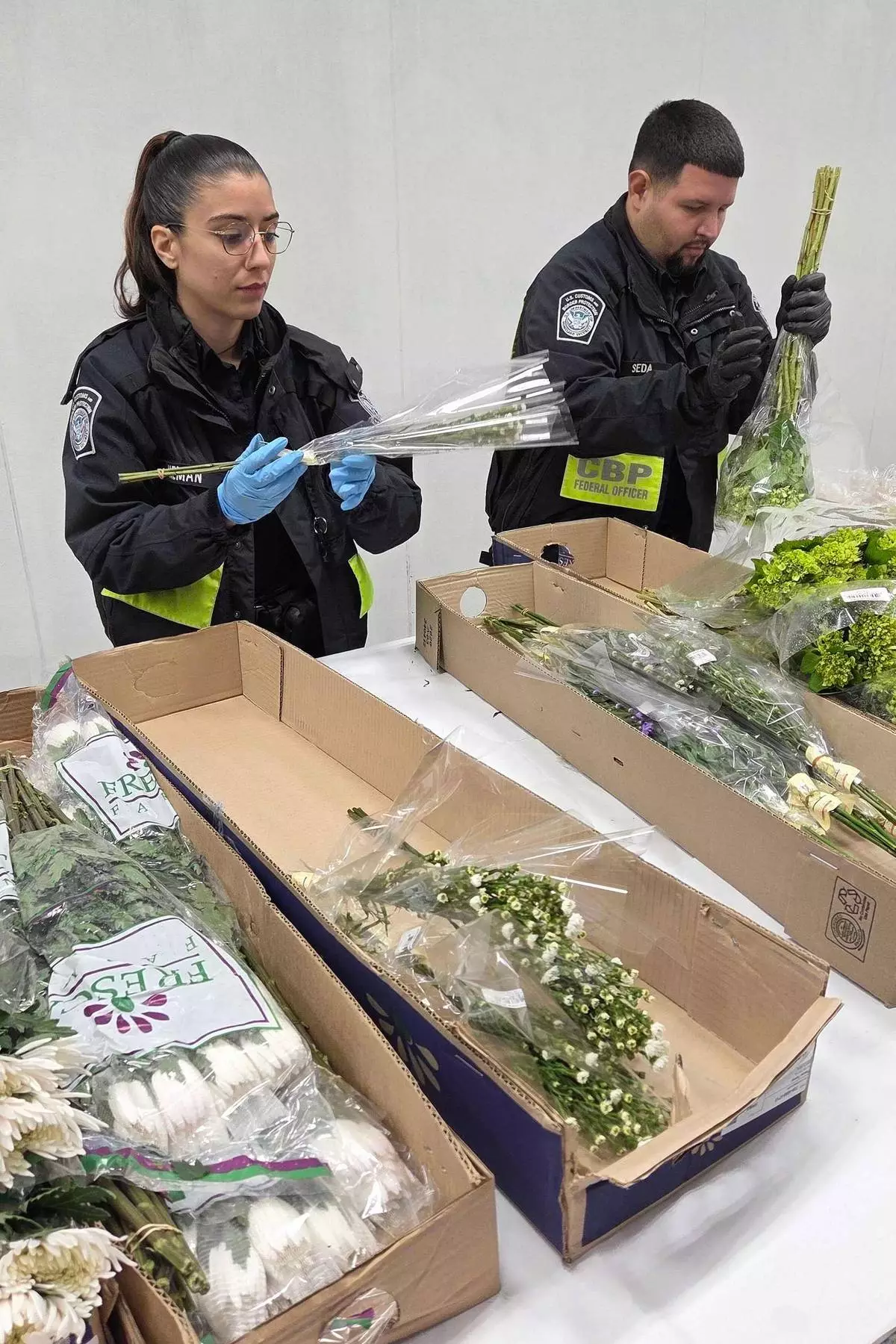
Valentine's Day flowers are unwrapped and inspected by U.S. Customs and Border Protection agriculture specialists at Miami International Airport, on Friday, Feb. 6, 2026, in Miami. (AP Photo/David Fischer)
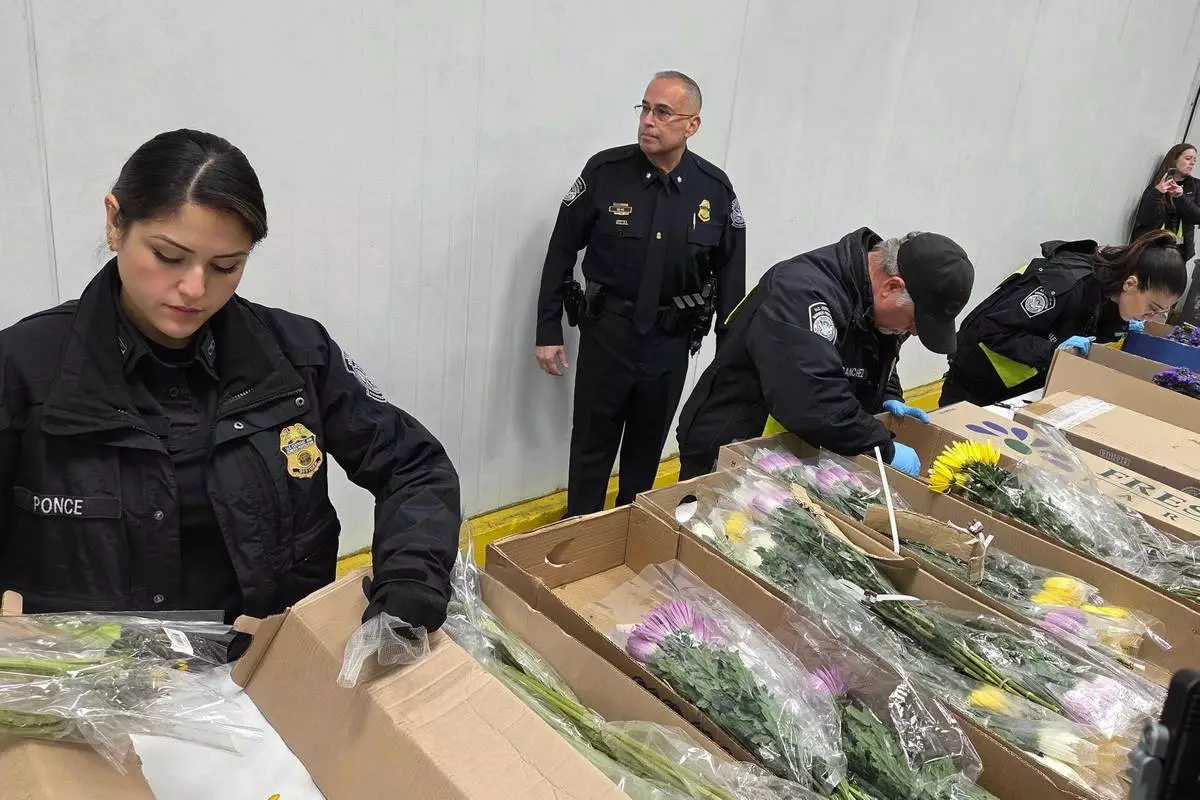
Valentine's Day flowers are unwrapped and inspected by U.S. Customs and Border Protection agriculture specialists at Miami International Airport, on Friday, Feb. 6, 2026, in Miami. (AP Photo/David Fischer)
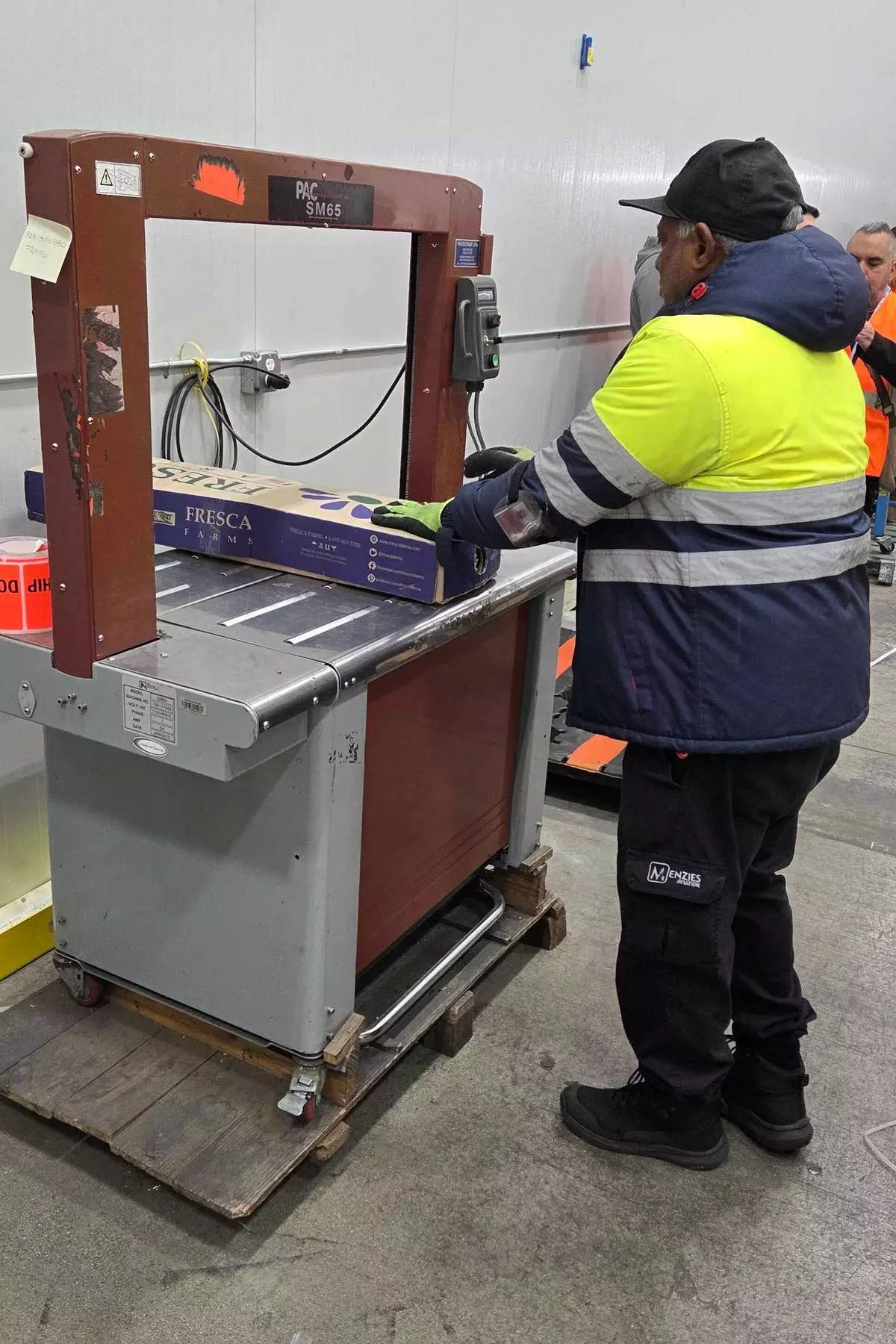
Valentine's Day flowers are unwrapped and inspected by U.S. Customs and Border Protection agriculture specialists at Miami International Airport, on Friday, Feb. 6, 2026, in Miami. (AP Photo/David Fischer)
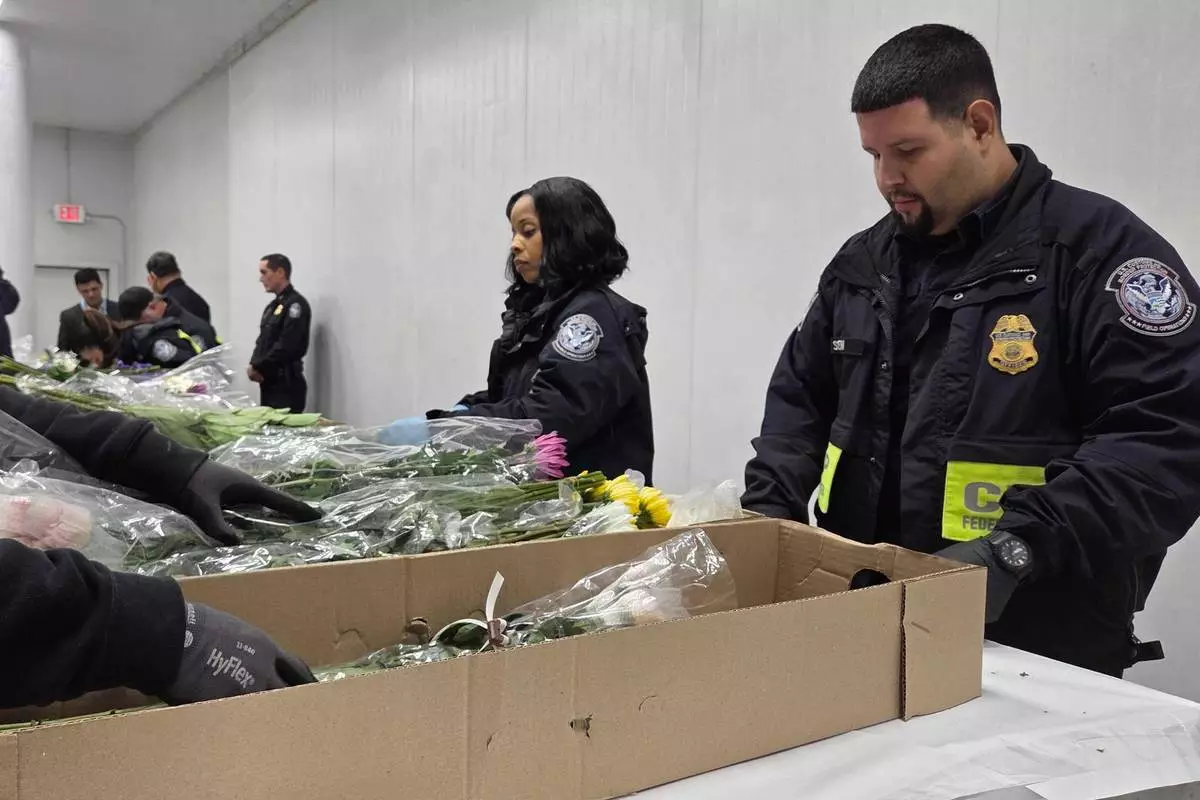
Valentine's Day flowers are unwrapped and inspected by U.S. Customs and Border Protection agriculture specialists at Miami International Airport, on Friday, Feb. 6, 2026, in Miami. (AP Photo/David Fischer)
An Avianca Cargo worker rewraps Valentine's Day flowers after they were inspected by U.S. Customs and Border Protection agriculture specialists at Miami International Airport, on Friday, Feb. 6, 2026, in Miami. (AP Photo/David Fischer)
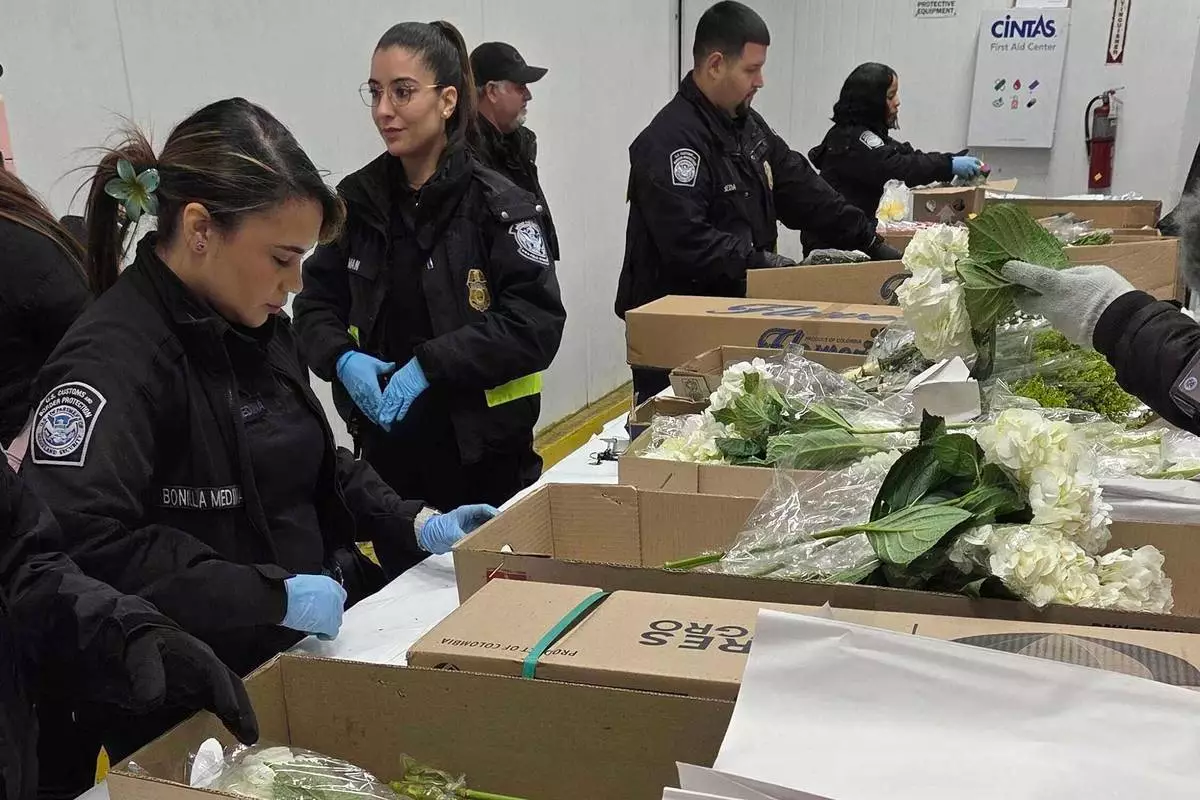
An Avianca Cargo worker rewraps Valentine's Day flowers after they were inspected by U.S. Customs and Border Protection agriculture specialists at Miami International Airport, on Friday, Feb. 6, 2026, in Miami. (AP Photo/David Fischer)
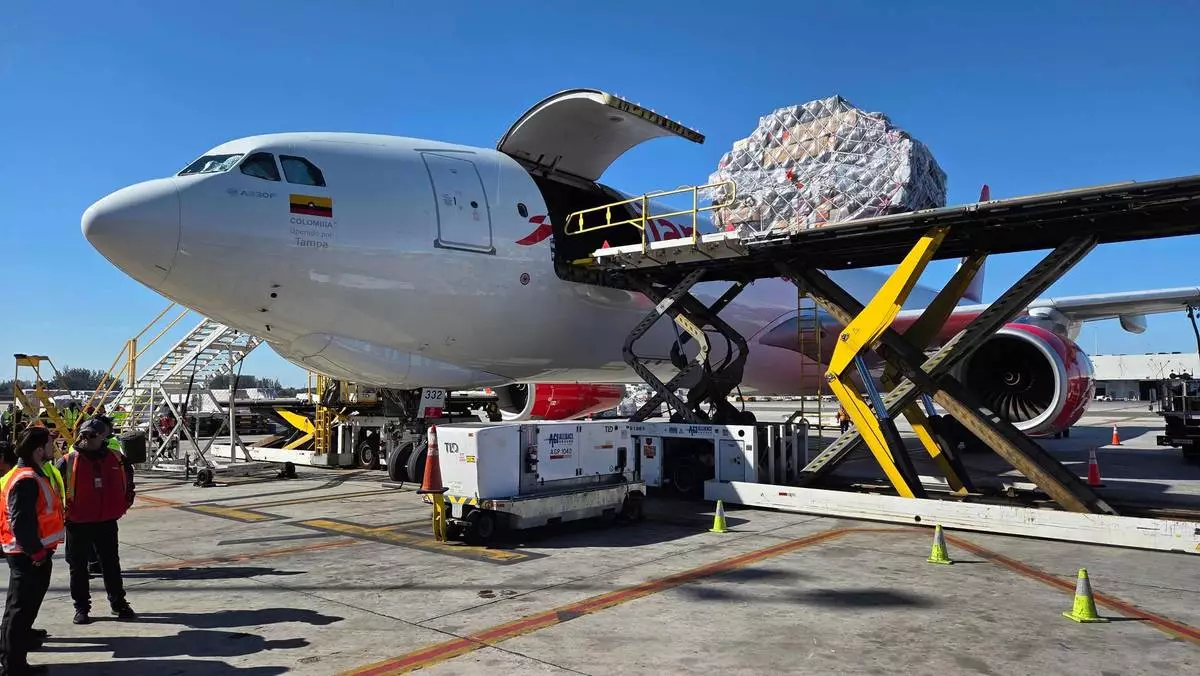
Valentine's Day flowers are unwrapped and inspected by U.S. Customs and Border Protection agriculture specialists at Miami International Airport, on Friday, Feb. 6, 2026, in Miami. (AP Photo/David Fischer)

Valentine's Day flowers are unwrapped and inspected by U.S. Customs and Border Protection agriculture specialists at Miami International Airport, on Friday, Feb. 6, 2026, in Miami. (AP Photo/David Fischer)

A test tube containing an insect larvae discovered by U.S. Customs and Border Protection agriculture specialists at Miami International Airport, on Friday, Feb. 6, 2026, in Miami. (AP Photo/David Fischer)

A test tube containing an insect larvae discovered by U.S. Customs and Border Protection agriculture specialists at Miami International Airport, on Friday, Feb. 6, 2026, in Miami. (AP Photo/David Fischer)

Valentine's Day flowers are unwrapped and inspected by U.S. Customs and Border Protection agriculture specialists at Miami International Airport, on Friday, Feb. 6, 2026, in Miami. (AP Photo/David Fischer)

Valentine's Day flowers are unwrapped and inspected by U.S. Customs and Border Protection agriculture specialists at Miami International Airport, on Friday, Feb. 6, 2026, in Miami. (AP Photo/David Fischer)

Boxes of Valentine's Day flowers arrive from Colombia at Miami International Airport, on Friday, Feb. 6, 2026, in Miami. (AP Photo/David Fischer)
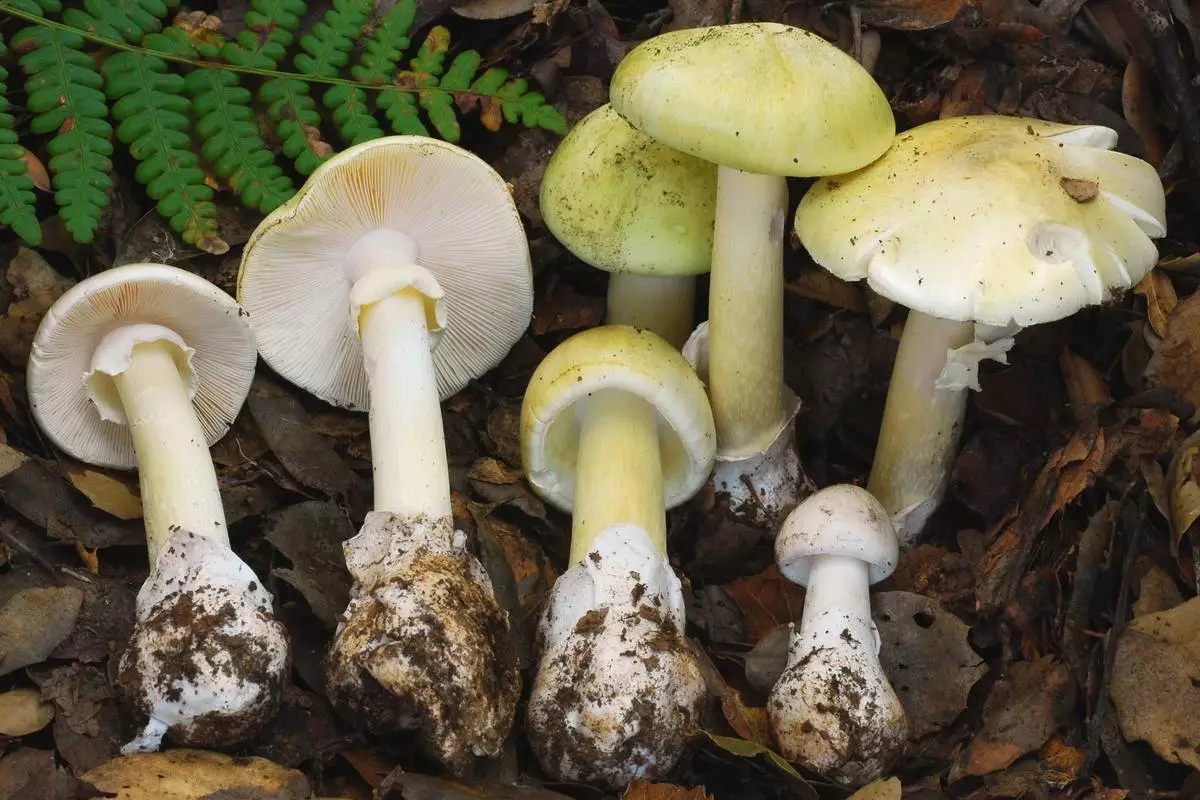

Boxes of Valentine's Day flowers arrive from Colombia at Miami International Airport, on Friday, Feb. 6, 2026, in Miami. (AP Photo/David Fischer)
SAN DIEGO (AP) — Four people have died and three others have required liver transplants after eating the aptly named death cap mushroom that is proliferating in California following a rainy winter.

The California Department of Public Health is urging people to avoid mushroom foraging altogether this year because death cap mushrooms are easily confused with safe, edible varieties.

Since Nov. 18 there have been more than three dozen cases of death cap poisonings reported, including the four deaths and three liver transplants, according to the health department. Many who sought medical attention suffered from rapidly evolving acute liver injury and liver failure. Several patients required admission to an intensive care unit. They have ranged in age from 19 months to 67 years old.

The death cap is one of the most poisonous mushrooms in the world and is part of a small group of mushrooms containing amatoxins, which are highly potent compounds causing 90% of fatal mushroom poisonings globally. They are in city parks and in forests, often under oak trees.

In a typical year there are between two and five death cap poisonings, said Dr. Craig Smollin, medical director for the San Francisco Division of the California Poison Control System.

“The main thing this year is just the magnitude, the number of people ingesting this mushroom,” Smollin said. “Having almost 40 is very unusual.”

Warm, fall temperatures coupled with early rains are leading to a kind of “super bloom” of death caps in California this year, experts say.

Eating even a small amount can be fatal, and experts warn that a mushroom’s color is not a reliable way of detecting its toxicity, and whether the death cap variety is raw, dried or cooked does not make a difference.

Laura Marcelino told the San Francisco Chronicle that her family in the Northern California town of Salinas gathered mushrooms that looked like the ones she and her husband used to forage in their native Oaxaca, a state in Southern Mexico.

“We thought it was safe,” Marcelino, 36, said in Spanish.

Her husband was dizzy and tired the next day, but Marcelino felt fine, and they ate the mushrooms again, heating them up in a soup with tortillas. Their kids don't like mushrooms and so didn't have any. The next day, both adults, seasonal farmworkers, became ill with vomiting and stayed home from work.

Marcelino spent five days in the hospital, while her husband had to undergo a liver transplant.

People can have stomach cramping, nausea, diarrhea or vomiting within 24 hours after ingesting a toxic mushroom and the situation can quickly deteriorate after that, experts say. Early symptoms may also go away within a day, but serious to fatal liver damage can still develop within 2 to 3 days.

Death cap mushrooms have been collected in local and national parks across Northern California and the Central Coast. Clusters have been identified in the Monterey and San Francisco Bay areas as well.

The public health department said those poisoned have included many Spanish, Mixteco, and Mandarin Chinese speakers and the state in response has expanded their warnings in different languages.

Spanish was the primary language for more than 60% of people poisoned, according to the health department.

The death cap resembles many fungi varieties from around the world that are safe to eat, and it changes in appearance in different stages, Smollin said, going from a brownish-white cap to a greenish cap.

“Unless you're an expert who studies mushrooms it can be very difficult to know,” Smollin said.

Children have been among those poisoned this year. Officials advise keeping an eye on children and pets outside where mushrooms grow, and buying mushrooms from trusted grocery stores and sellers.

Treatment is more difficult once symptoms start so doctors advise people to seek medical care once someone becomes aware that they have eaten a poisonous mushroom or suspect they have.

U.S. Poison Centers said in an email to The Associated Press it has seen an increase in exposures of all varieties of mushrooms — not just the death cap — from September through January by 40% from the same period the previous year. Exposures do not always result in illness or poisoning.

U.S. Poison Control Centers can be reached in case of an emergency poisoning or for questions about mushrooms at 1-800-222-1222 or PoisonHelp.org.

This photo provided by the California Department of Public Health shows Death Cap mushrooms. (CDPH viua AP)

This photo provided by the California Department of Public Health shows Death Cap mushrooms. (CDPH viua AP)

Recommended Articles