Iran is ready to continue nuclear talks with the United States, but will not compromise on key national interests, Iranian officials and analysts said following the indirect negotiations in the Omani capital Muscat on Friday.
The indirect talks between Iran and the U.S. were described by Iranian Foreign Minister Seyed Abbas Araghchi as "a good start", with both sides agreeing to continue negotiations. Speaking after the talks, Araghchi said consultations would first be held in Washington and Tehran, before the timing and format of the next round are set.
Meanwhile, according to a report by Iran's official news agency IRNA, Araghchi said the Friday talks focused solely on the nuclear issues, and that Tehran did not discuss "any other topics" with Washington. He emphasized that refraining from threats and pressure must be a prerequisite for any meaningful dialogue.
Omani Foreign Minister Sayyid Badr bin Hamad Al Busaidi reportedly facilitated the dialogue by holding separate meetings with both delegations. In a post on social media platform X, Al Busaidi called the discussions "very serious" and "useful", noting that they helped both sides clarify their positions and identify possible areas of progress. He added that talks are expected to resume "in due course" after internal review by both sides.
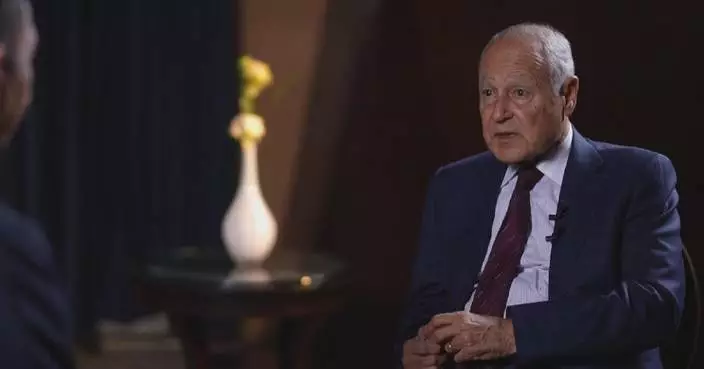
However, Iranian political analyst Mohammad Marandi warned that Iran will not negotiate away its sovereign rights or security priorities, even amid growing diplomatic engagement.
"Iran wants successful negotiations. Iran wants an agreement. But Iran's rights will have to be preserved. And the United States should not think that it can gain any concessions from Iran that are beyond the rights of Iran within the framework of international law. So Iran will not negotiate its military capabilities, its alliances, or its right to have a peaceful nuclear program," said Marandi.
Marandi said that since an Israeli strike sparked a 12-day war in June 2025, Iran has strengthened its defense capabilities and views military deterrence as a cornerstone of national security, especially given ongoing distrust between Iran and the United States.
"The Americans will have to learn to live with it, because Iran will not only just preserve its missile capabilities, it is going to enhance its missile capabilities. So the Americans are going to have to learn to live with a strong Iran. If they want to have an agreement, we're open to an agreement, but we know that if we are weakened militarily, the United States and the Israeli regime will attack us. So there is not a chance in the world that we're going to sacrifice our defensive and offensive capabilities to make sure the United States does not carry out aggression," said Marandi. Marandi underlined that Iran has remained committed to dialogue since the 2015 nuclear deal, formally known as the Joint Comprehensive Plan of Action, but blames the U.S. for repeated violations.
"We don't trust the United States, but we are at the negotiating table. It's not Iran that will leave the negotiating table. Every step that the United States takes in the right direction, we will take a step to push forward peace. But if the United States moves in the wrong direction, we will protect ourselves," said Marandi.
Iranian analysts believe that, against the backdrop of ongoing military tensions between Iran and the U.S., the latest round of talks has helped ease tensions to some extent. But in terms of substance, the discussions were limited to an exchange of views, with no agreement reached on a negotiation framework, agenda, or timeline for the next round. As a result, the outcome of the negotiations remains uncertain.
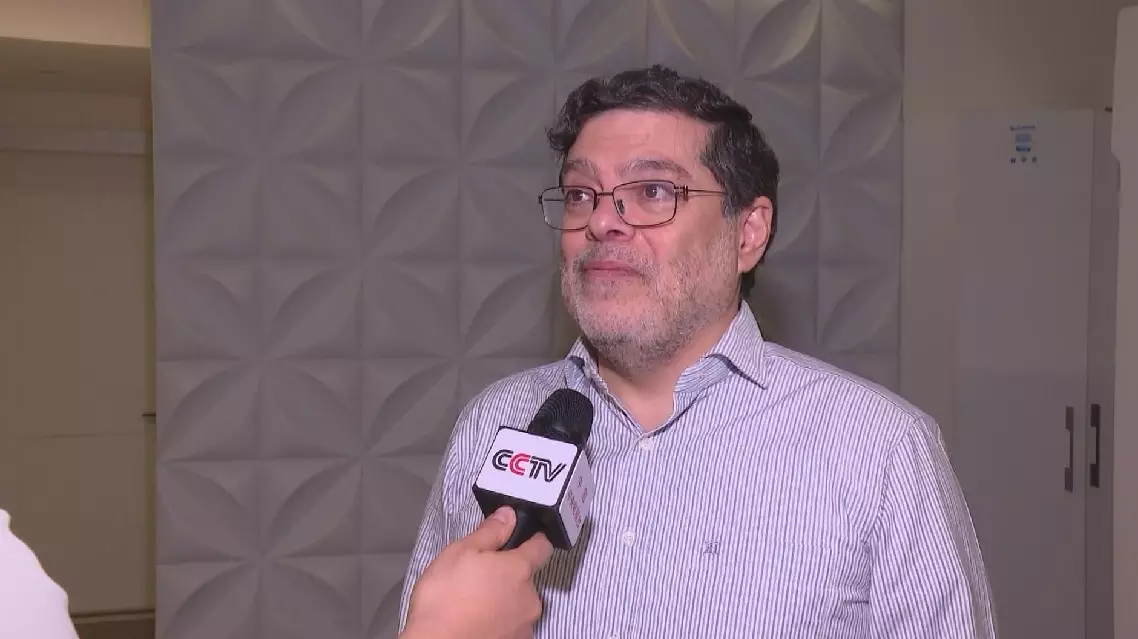
Iran open to deal but firm on core issues: analyst