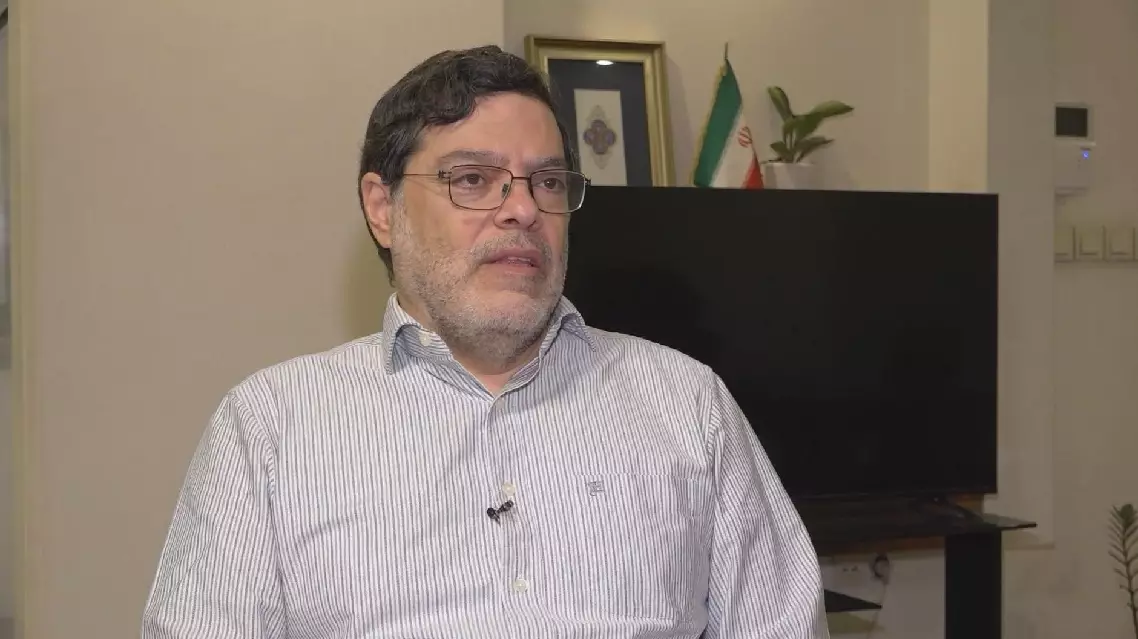
Iran will never negotiate its missile program with the United States and will vigorously fight and prevail in any conflict initiated by the U.S., said Seyed Mohammad Marandi, a professor of English literature and orientalism at the University of Tehran.
The U.S. has been calling on Iran to curb its missile program over the past months, a demand Tehran has firmly rejected.
On Saturday, Iran's Foreign Minister Seyed Abbas Araghchi said that the country's missile program is "never negotiable."
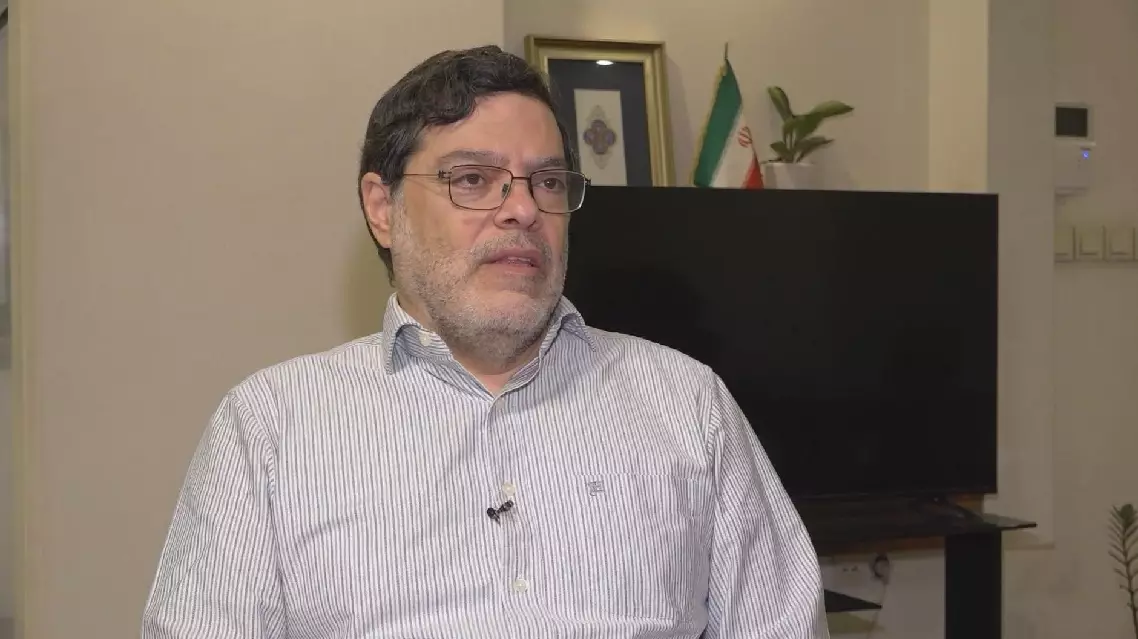
In an interview with China Global Television Network (CGTN), Prof. Marandi reiterated that negotiating the missile program is "out of the question" as Iran's military capability is a crucial defense against potential U.S. aggression.
"Negotiating the missile program is a red line. It will not happen today; it will not happen next month, and it will not happen next year. That is out of the question. The Americans would like to see such a thing happen, but it is impossible. What has protected Iran from U.S. aggression is its military capability. We have no illusions about what the United States would do if it could do it. And what prevents it from attacking us is our missile and drone capabilities, which we are going to strengthen rather than pull back on," said Marandi.
Marandi emphasized that while Iran does not seek war and has never initiated conflict with the U.S. or Israel, an attack from the U.S. would lead to a fierce fight for survival, given Iran's strong defenses in the Persian Gulf.
"What Iran has that can be used against the United States is much greater than what it has that can be used against the Israeli regime, because its defenses alongside the Persian Gulf are very enormous and diverse: short-range missiles, medium-range missiles, countless drones, submarines. Everything in the Persian Gulf and on the other side of the Persian Gulf, where the U.S. bases exist, can be easily destroyed. This is not a war that the United States can win. We don't want war, and we have never initiated a conflict, neither with the United States nor with the Israeli regime. But if the United States attacks Iran, it will be a fight for our survival, and we will pull no punches," he said.
The U.S. and Iranian delegations held indirect negotiations on Friday, marking a renewed diplomatic effort amid heightened tensions between Tehran and Washington in view of the latter's military buildup in the region.
On Saturday, commenting on the negotiations between the two countries that focused solely on Iran's nuclear issue, Araghchi said they were a good "start," but there is a long way ahead to build trust.
Iran never to negotiate missile program with US: professor
Iran never to negotiate missile program with US: professor