Leaders in China's recreational transportation industry are optimistic about market prospects after the Ministry of Commerce on Friday announced that the country will take multiple measures to promote the development of service consumption.
China released a work plan last week outlining measures to optimize and expand the supply of services, foster new growth drivers in service consumption, and promote higher-quality development in the sector.
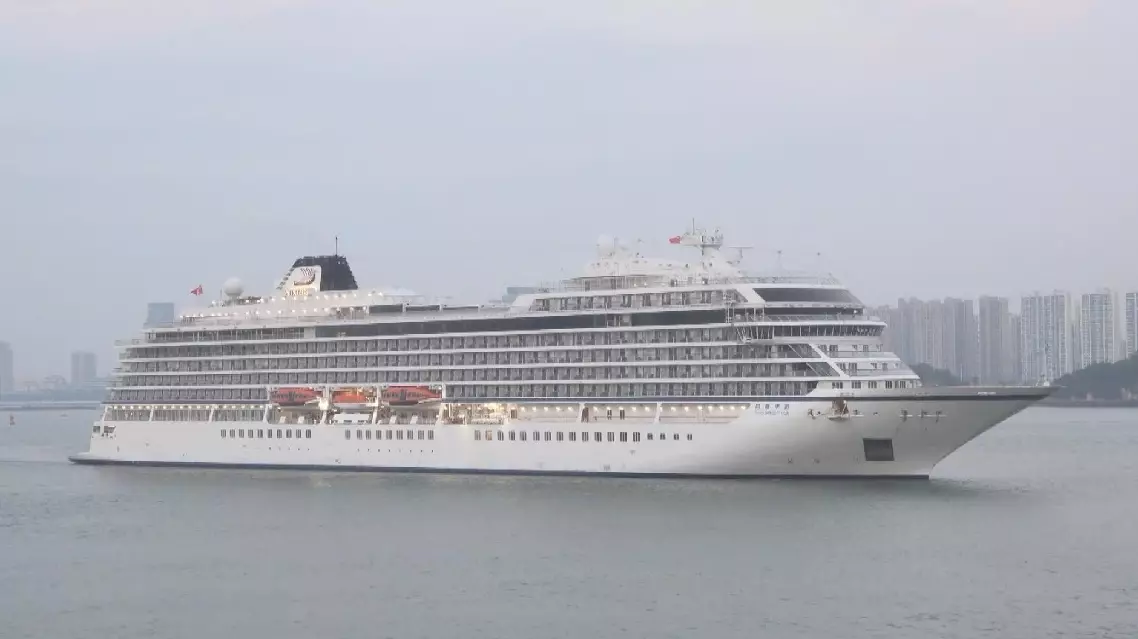
Among the targeted sectors is the rapidly expanding cruise liner industry. The work plan emphasizes supporting local initiatives in pioneering new forms of consumption the cruise industry, enhancing service standards, creating integrated consumption environments, and developing immersive, diversified cruise products.
Brendan Tansey, Managing Director of Viking Cruises China, remarked that this new policy marks a positive signal for the industry.
"That's usually encouraging to me. It's probably on the back of the recognition of china meeting this milestone had been the second biggest cruise market in the world. And we work very closely with the Hong Kong government, the government here, and those policies are a tailwind. I think the the size of the market is the obvious one. If you look at a company like ours, which is turning to those highly educated, retired, wealthy individuals, China has a huge market of that specific target audience," said Tansey.
The work plan further requires strengthening the construction of recreational vehicle (RV) camping facilities, alongside the research and improvement of related management systems and technical standards.
Zhang Zhenhan, General Manager of China Asteem RV Shandong Co., Ltd, noted that the establishment of more RV camping bases will benefit not only manufacturers but the entire tourism sector.
"In my view, the policies recently issued by the State Council are both crucial and timely. The recreational vehicle (RV) industry does not operate in isolation. As China's camping network improves and usage guidelines become clearer, this will not only drive RV sales but also invigorate cultural and tourism consumption nationwide. Ultimately, the positive impact will extend far beyond companies like ours," said Zhang.
The two executives also expressed strong confidence in the future of their operations in China.
"There's a degree of in depth planning you don't see from other governments. And I think that's a great competitive advantage for China as a nation. And I think it's a great roadmap for businesses to work along with as well. And that's why we feel at ease about investing in China. We see the company quadrupling from where it is now in China by 2030. So we see big growth prospects," said Tansey.
"With national policies becoming clearer, the ongoing upgrade in cultural tourism consumption, and evolving lifestyles among young people, I am very optimistic about the development of China's RV industry over the next three to five years. This market will undoubtedly mature through a long-term, sustainable, and steady process," said Zhang.
RV, cruise industries eye bright future as China announces promotional measures