QUEBEC CITY--(BUSINESS WIRE)--Feb 9, 2026--
Kobo Resources Inc. (" Kobo” or the " Company ") ( TSX.V: KRI ) is pleased to report diamond drill results from six additional holes completed at the Jagger and Road Cut Zones at its 100%-owned Kossou Gold Project (“ Kossou ”) in Côte d’Ivoire. The results confirm depth continuity within the established shear systems and extend mineralisation along the Contact Zone Fault.
Click to Gallery
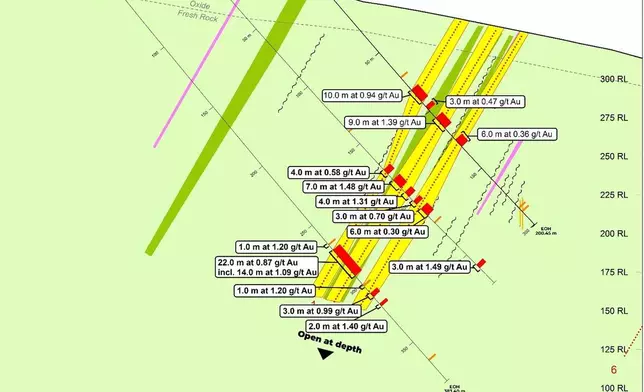
Figure 5: Jagger Zone Simplified Cross Section – JZ900
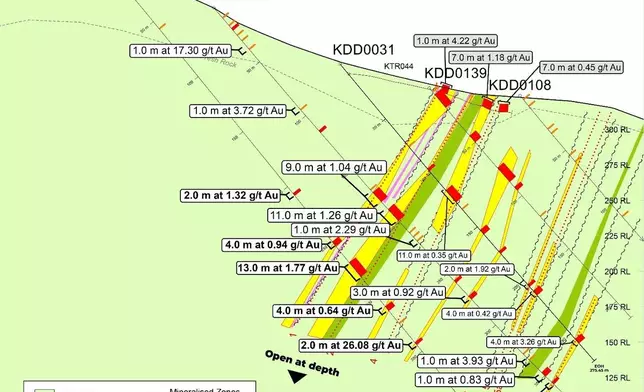
Figure 4: Jagger Zone Simplified Cross Section – JZ750
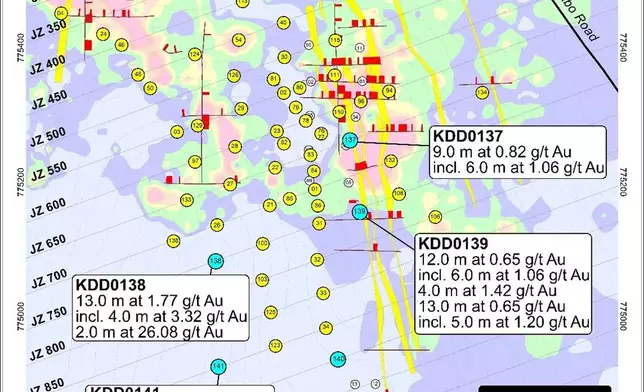
Figure 3: Jagger Zone Drill Hole Locations and Simplified Geology
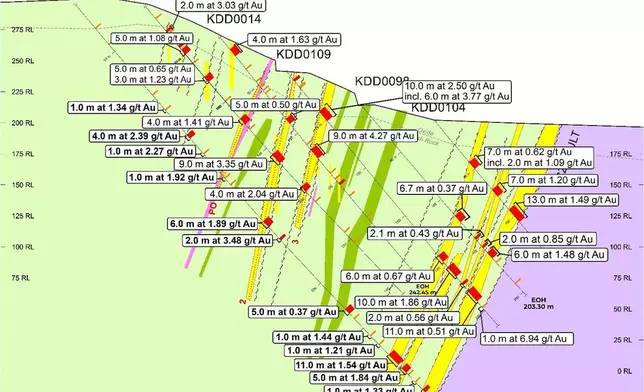
Figure 2: Road Cut Zone Simplified Cross Section – RCZ600
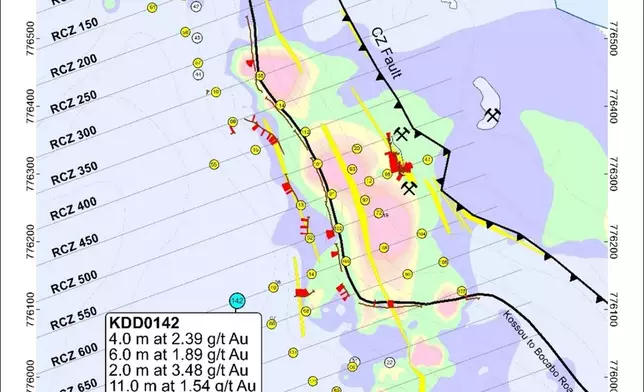
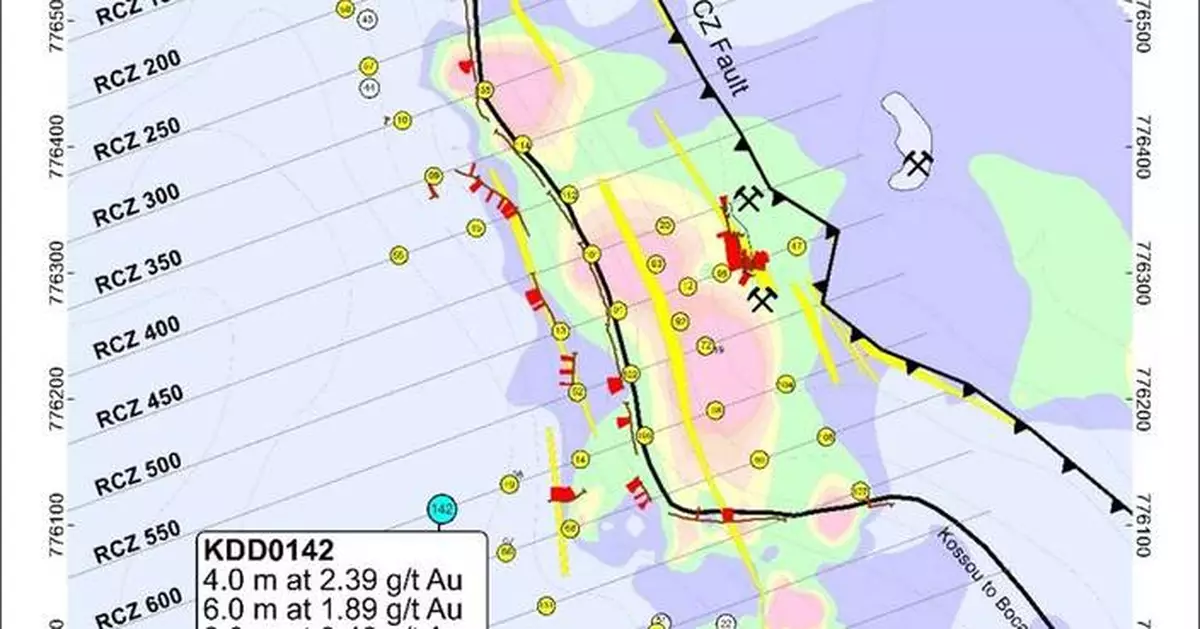
Figure 1: Road Cut Zone Drill Hole Locations and Simplified Geology
This press release features multimedia. View the full release here: https://www.businesswire.com/news/home/20260209917232/en/
Diamond Drill Results – Highlights:
Road Cut Zone:
Jagger Zone :
Edward Gosselin, CEO and Director of Kobo commented: “These results continue to confirm the strength and continuity of gold mineralisation within both the Jagger and Road Cut shear systems at our Kossou Gold Project. At the Road Cut Zone, drilling has extended mineralisation more than 150 m down-dip along the Contact Zone Fault, reinforcing its significance as a key structural control. At the Jagger Zone, broad zones of mineralisation and high-grade intercepts at depth continue to demonstrate the scale and vertical continuity of the system. Importantly, we remain highly encouraged that mineralisation remains open, and we will continue our systematic drilling strategy to expand both zones as we advance toward resource definition in 2026.”
Road Cut Zone: KDD0142 Confirms Down-Dip Extension of Contact Zone Fault Mineralisation
KDD0142 was drilled on section RCZ600 to test the down-dip extension of gold mineralisation associated with the Contact Zone Fault and has successfully extended the system to more than 150 m below surface (see Figure 2).
The hole intersected multiple mineralised zones across the shear system, including 6.0 m at 1.89 g/t Au from 232.0 m, 11.0 m at 1.54 g/t Au from 380.0 m, and 5.0 m at 1.84 g/t Au from 395.0 m. These results build on earlier intersections from KDD0109, which returned 10.0 m at 1.86 g/t Au from 204.0 m ( see news release dated October 30, 2025 ). To the north on section RCZ550, previous results include KDD0052 that returned multiple gold zones associated with the Contact Zone Fault shear system including 5.0 m at 1.01 g/t Au from 228.0, 6.0 m at 1.26 g/t Au from 244.0 m and 6.0 m at 1.94 g/t Au from 264.0 m (see press release dated January 13, 2025 for details).
Together, these results confirm depth continuity of mineralisation along the Contact Zone Fault target. These results further prioritize the Contact Zone Fault as a key mineralised structure at the Road Cut Zone. The area remains open along strike and at depth, and additional drilling is planned to further define and extend mineralisation to the north, south and down dip.
Jagger Zone: Broad Mineralised Zones Confirm Depth Continuity
Drill hole KDD0138 on section JZ750 intersected 13.0 m at 1.77 g/t Au from 269.0 m, confirming the continuation of mineralisation below KDD0100, which returned 11.0 m at 1.26 g/t Au ( see news release dated October 30, 2025 ). These results extend gold mineralisation on the section to more than 150 m below surface.
The hole also intersected a narrow but high-grade structure, returning 2.0 m at 26.08 g/t Au from 342.0 m, demonstrating the presence of higher-grade individual structures within the broader Jagger Shear system (see Figures 3 and 4).
On section JZ900, drill hole KDD0141 intersected a broad zone averaging 22.0 m at 0.87 g/t Au from 270.0 m, including 14.0 m at 1.09 g/t Au from 279.0 m, confirming continuity of the mineralised shear system to approximately 180 m below surface (see Figure 5). Drill hole KDD0123, located immediately above, previously returned 7.0 m at 1.48 g/t Au and 4.0 m at 1.31 g/t Au ( see news release dated January 14, 2026 ), further supporting vertical continuity.
Mineralisation remains open at depth on both sections. Full assay results from all six holes are presented in Table 1.
Table 1: Summary of Significant Diamond Drill Hole Results
An accurate dip and strike and controls of mineralisation are unconfirmed and mineralised zones are reported as downhole lengths. Drill holes are planned to intersect mineralised zones perpendicular to interpreted targets. All intercepts reported are downhole distances, true widths are unknown.
Sampling, QA/QC, and Analytical Procedures
Drill core was logged and sampled by Kobo personnel at site. Drill cores were sawn in half, with one half remaining in the core box and the other half secured into new plastic sample bags with sample number tickets. Core samples are drilled using HQ core barrels to below the level of oxidation and then reduced to NQ core barrels for the remainder of the bore hole. Samples are transported to the SGS Côte d’Ivoire facility in Yamoussoukro by Kobo personnel where the entire sample was prepared for analysis (prep code PRP86/PRP94). Sample splits of 50 grams were then analysed for gold using 50g Fire Assay as per SGS Geochem Method FAA505. QA/QC procedures for the drill program include insertion of a certificated standards every 20 samples, a blank every 20 samples and a duplicate sample every 20 samples. All QAQC control samples returned values within acceptable limits.
Review of Technical Information
The scientific and technical information in this press release has been reviewed and approved by Paul Sarjeant, P.Geo., who is a Qualified Persons as defined in National Instrument 43-101. Mr. Sarjeant is the President and Chief Operating Officer and Director of Kobo.
About Kobo Resources Inc.
Kobo Resources is a growth-focused gold exploration company with a compelling gold discovery in Côte d'Ivoire, one of West Africa’s most prolific gold districts, hosting several multi-million-ounce gold mines. The Company’s 100%-owned Kossou Gold Project is located approximately 20 km northwest of the capital city of Yamoussoukro and is directly adjacent to one of the region’s largest gold mines with established processing facilities.
With over 31,000 metres of diamond drilling, nearly 5,887 metres of reverse circulation (RC) drilling, and 7,100+ metres of trenching completed since 2023, Kobo has made significant progress in defining the scale and prospectivity of its Kossou Gold Project. Exploration has focused on multiple high-priority targets within a 9+ km strike length of highly prospective gold-in-soil geochemical anomalies, with drilling confirming extensive mineralisation at the Jagger, Road Cut, and Kadie Zones. The latest phase of drilling has further refined structural controls on gold mineralisation, setting the stage for the next phase of systematic exploration and resource development.
Beyond Kossou, the Company is advancing exploration at its Kotobi Permit and is actively expanding its land position in Côte d'Ivoire with prospective ground, aligning with its strategic vision for long-term growth in-country. Kobo remains committed to identifying and developing new opportunities to enhance its exploration portfolio within highly prospective gold regions of West Africa. Kobo offers investors the exciting combination of high-quality gold prospects led by an experienced leadership team with in-country experience. Kobo’s common shares trade on the TSX Venture Exchange under the symbol "KRI”. For more information, please visit www.koboresources.com.
NEITHER THE TSXV NOR ITS REGULATION SERVICES PROVIDER (AS THAT TERM IS DEFINED IN THE POLICIES OF THE TSXV) ACCEPTS RESPONSIBILITY FOR THE ADEQUACY OR ACCURACY OF THIS RELEASE.
Cautionary Statement on Forward-looking Information:
This news release contains “forward-looking information” and “forward-looking statements” (collectively, “forward-looking statements”) within the meaning of the applicable Canadian securities legislation. All statements, other than statements of historical fact, are forward-looking statements and are based on expectations, estimates and projections as at the date of this news release. Any statement that involves discussions with respect to predictions, expectations, beliefs, plans, projections, objectives, assumptions, future events or performance (often but not always using phrases such as “expects”, or “does not expect”, “is expected”, “anticipates” or “does not anticipate”, “plans”, “budget”, “scheduled”, “forecasts”, “estimates”, “believes” or “intends” or variations of such words and phrases or stating that certain actions, events or results “may” or “could”, “would”, “might” or “will” be taken to occur or be achieved) are not statements of historical fact and may be forward-looking statements Forward-looking statements are necessarily based upon a number of estimates and assumptions that, while considered reasonable, are subject to known and unknown risks, uncertainties, and other factors which may cause the actual results and future events to differ materially from those expressed or implied by such forward-looking statements. Such factors include, but are not limited to: general business, economic, competitive, political and social uncertainties; and the delay or failure to receive board, shareholder or regulatory approvals. There can be no assurance that such statements will prove to be accurate, as actual results and future events could differ materially from those anticipated in such statements. Accordingly, readers should not place undue reliance on the forward-looking statements and information contained in this news release. Except as required by law, Kobo assumes no obligation and/or liability to update the forward-looking statements of beliefs, opinions, projections, or other factors, should they change, except as required by law.
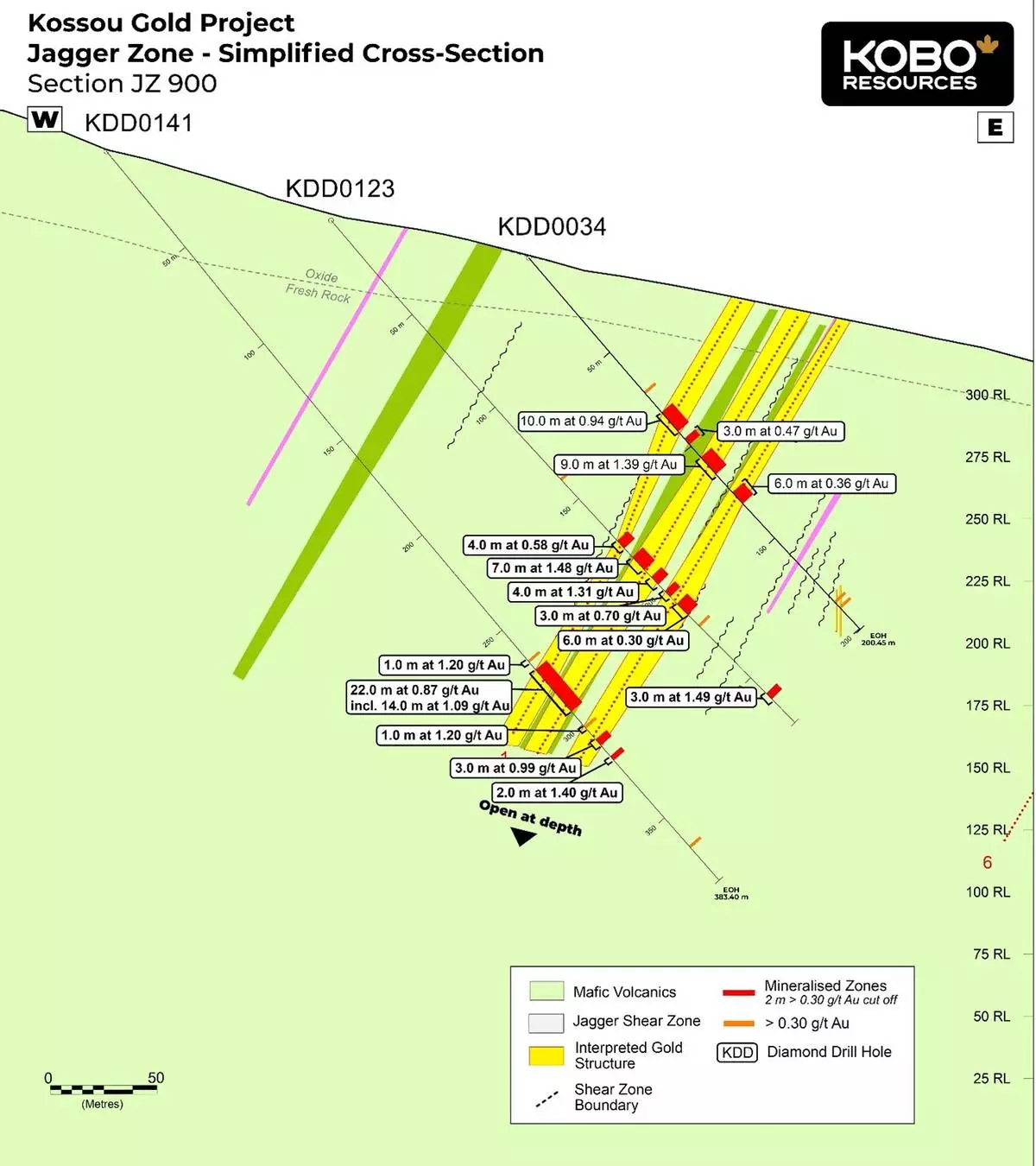
Figure 5: Jagger Zone Simplified Cross Section – JZ900
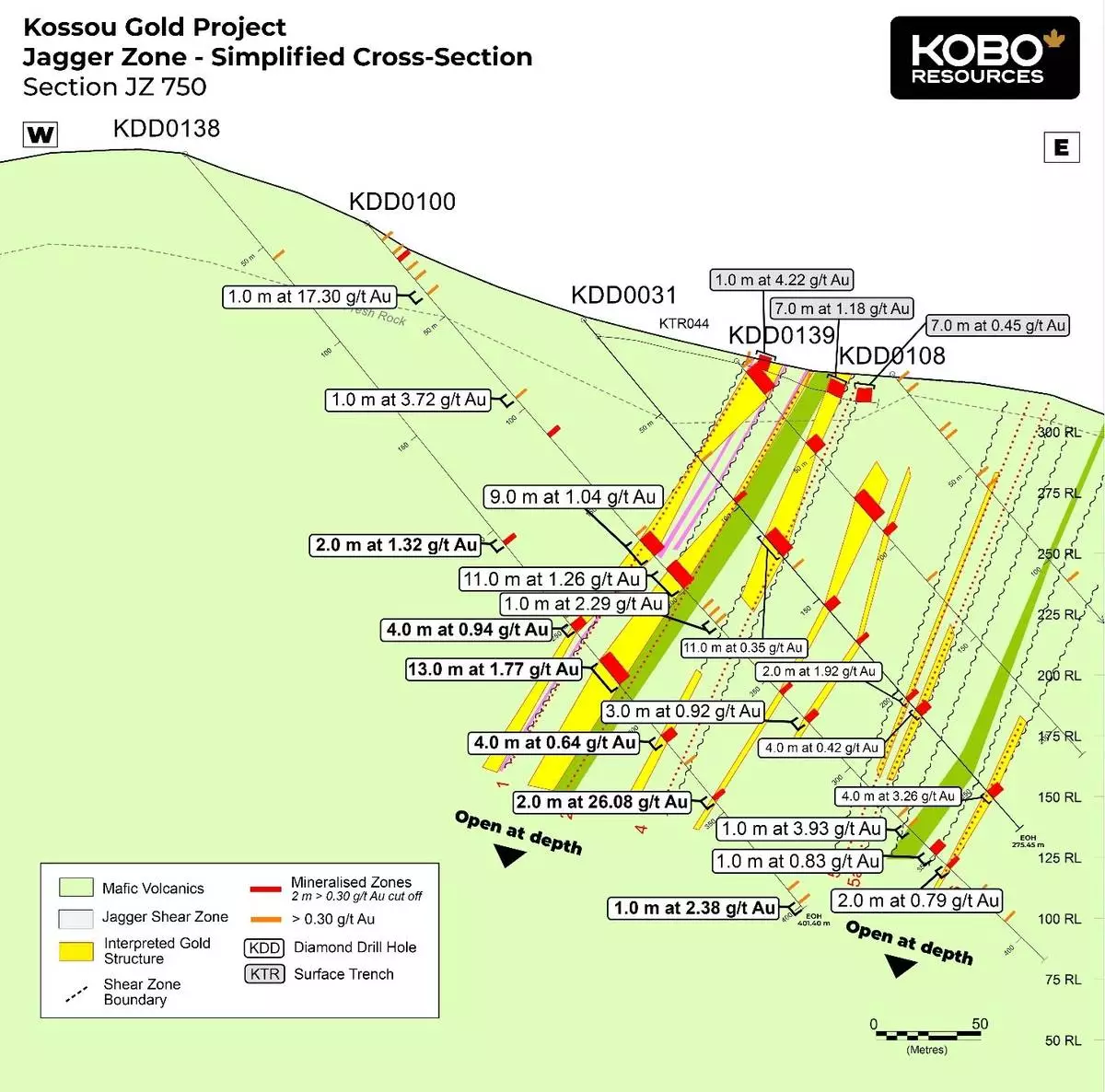
Figure 4: Jagger Zone Simplified Cross Section – JZ750
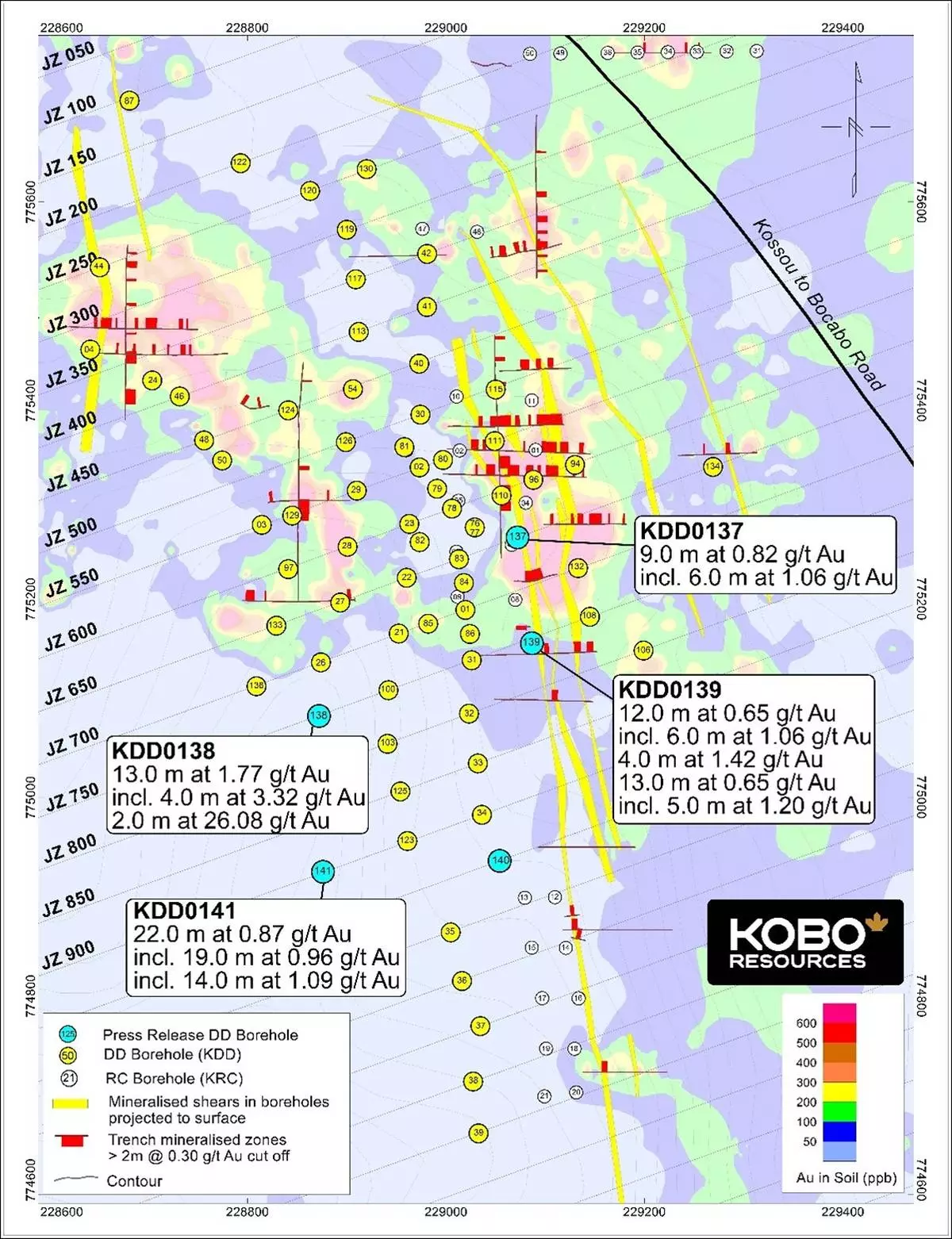
Figure 3: Jagger Zone Drill Hole Locations and Simplified Geology
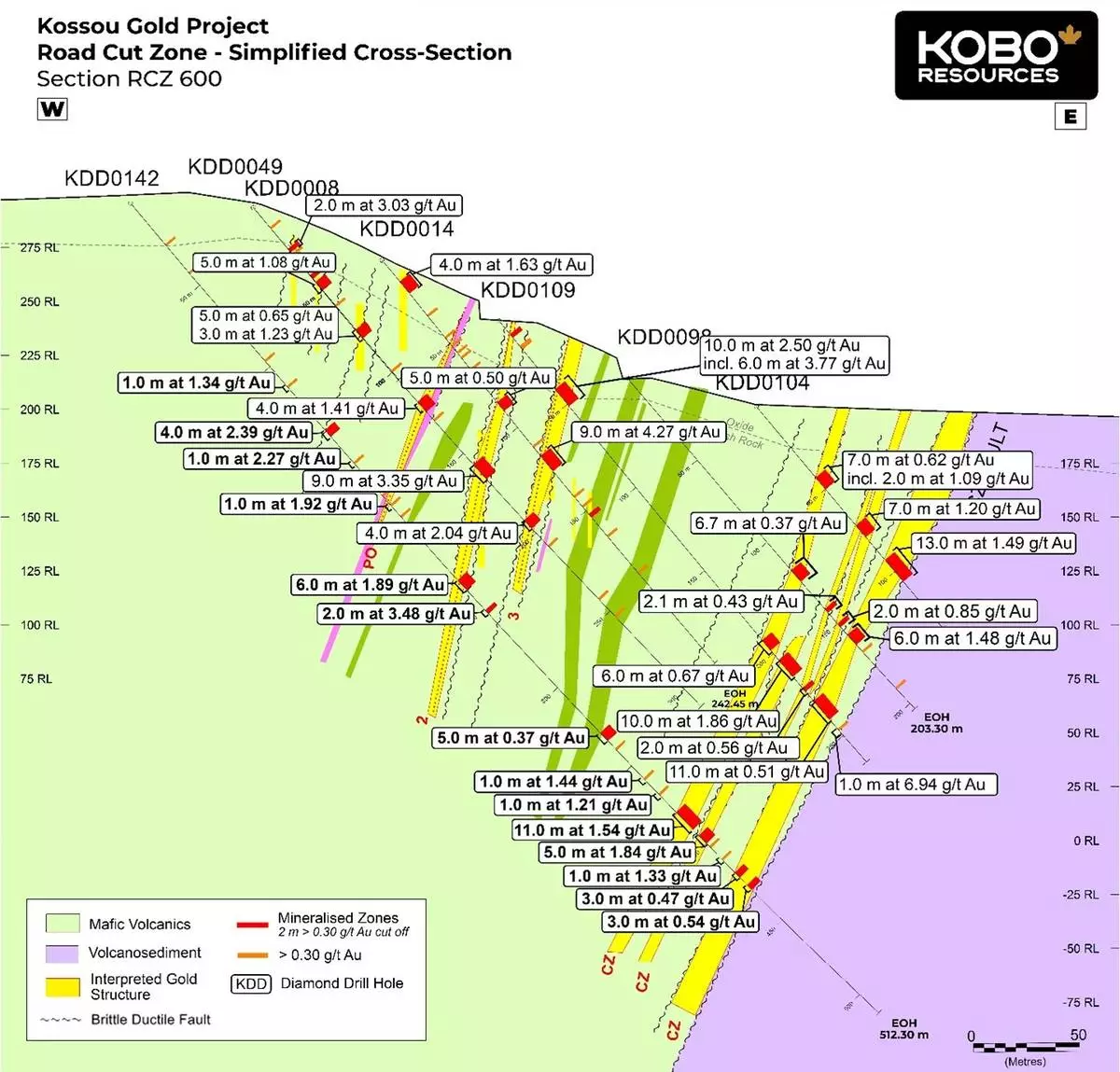
Figure 2: Road Cut Zone Simplified Cross Section – RCZ600
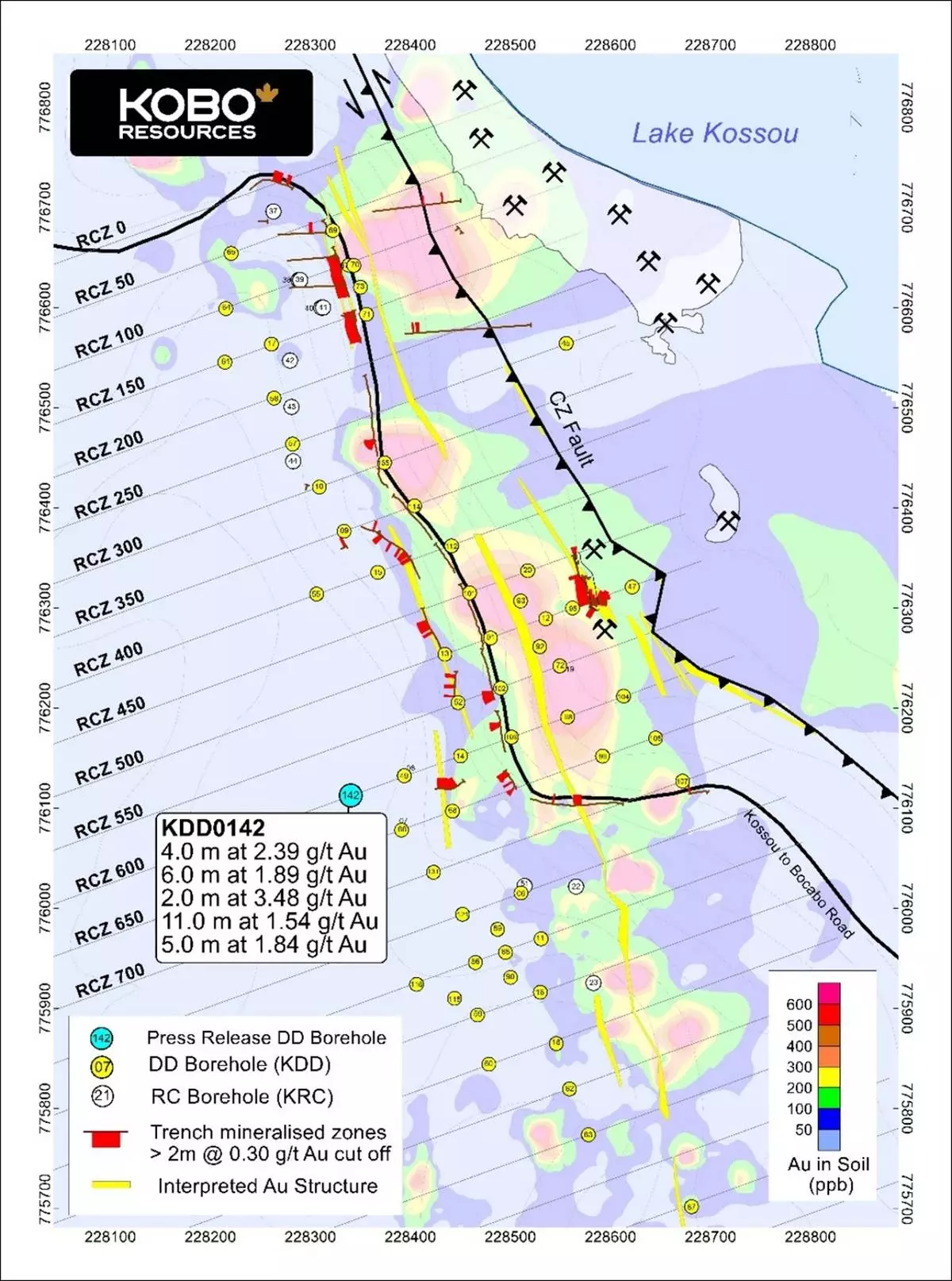
Figure 1: Road Cut Zone Drill Hole Locations and Simplified Geology