CHP reminds public not to consume raw oysters and observe food safety as two more food poisoning clusters reported
The Centre for Health Protection (CHP) of the Department of Health is today (February 9) investigating two epidemiologically linked food poisoning clusters affecting a total of eight persons. The CHP reminded the public to maintain personal, food and environmental hygiene to prevent foodborne diseases.
New food poisoning clusters
------------------------------------
The clusters involve five males and three females aged between 28 and 29. They developed diarrhoea, abdominal pain, vomiting and fever about 25 to 75 hours after having dinner at Clipper Lounge, Mandarin Oriental Hotel, 5 Connaught Road Central, Central, on January 31 and February 2 respectively.
Four of the affected persons sought medical advice but did not require hospitalisation.All of the affected individuals are currently in stable condition.
A preliminary investigation revealed that the food items that the affected individuals had in common include raw oyster, salmon sashimi, crab leg and brown crab at the aforementioned restaurant. Officers of the Food and Environmental Hygiene Department (including personnel of the Centre for Food Safety (CFS) and the Environmental Hygiene Branch) conducted an investigation and examined the handling processes and food hygiene at the restaurant on February 6 and collected food and environmental samples for testing. The CFS's field investigation revealed that the affected persons may have contracted food poisoning from consuming raw food. The CFS immediately instructed the premises concerned to suspend serving the incriminated food items and to carry out cleaning and disinfection of the premises. The officers have also provided health education related to food safety and environmental hygiene to the staff of the premises. All of the newly reported cases consumed raw food concerned before preventive and control measures instituted by the CFS.
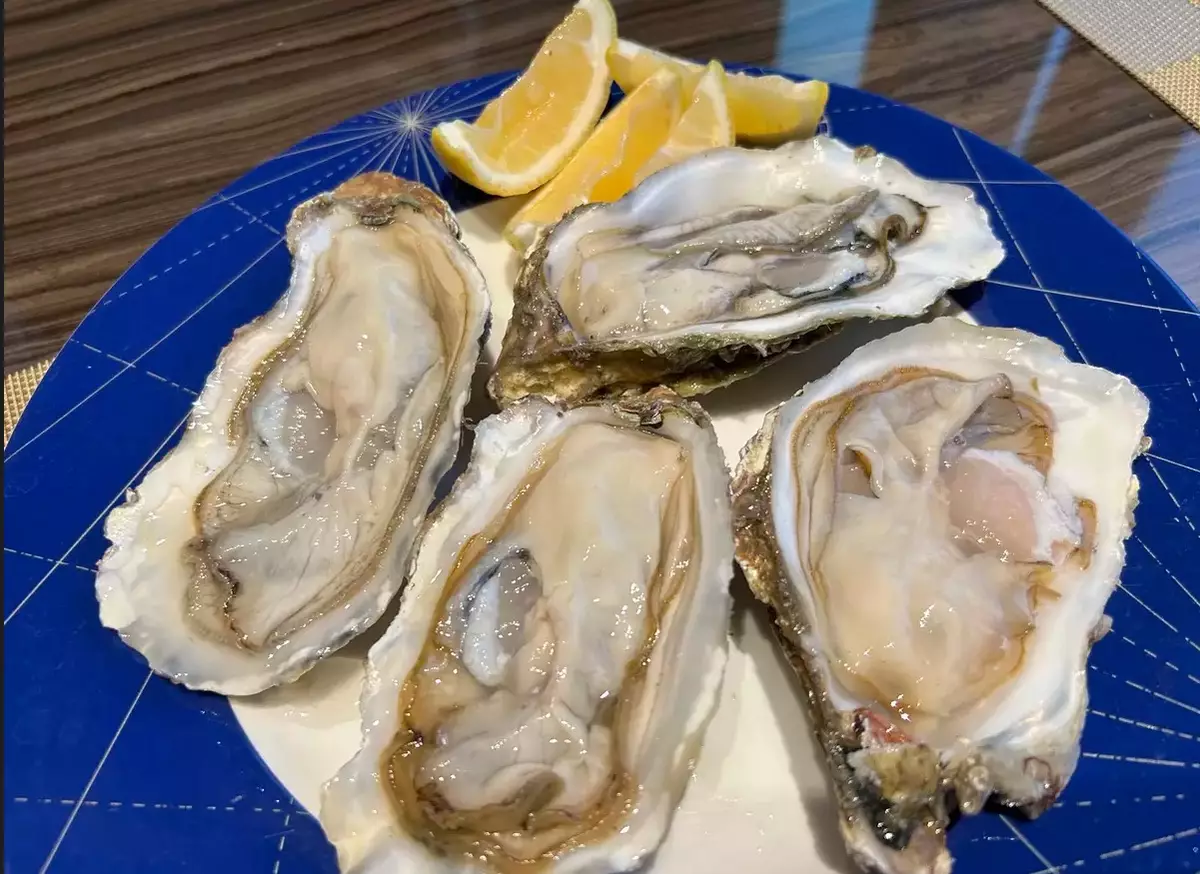
Raw oysters, Photo by Bastille Post
The investigation of the CHP and the CFS is ongoing.
Recent surge in norovirus-related food poisoning cases
------------------------------------------------------------------
"Food poisoning cases have continuously increased over the past few weeks, rising from one case a week on average in late December last year to four cases a week on average in January. A total of 30 cases have been recorded since February. Between January 18 and February 9, the CHP has recorded 37 food poisoning cases, affecting 115 persons. Among which, 33 cases (89 per cent) were related to norovirus, affecting 101 persons. Epidemiological investigation showed that all the affected persons of the food poisoning cases related to norovirus had consumed raw oysters during the incubation period. Among the affected persons, five persons were hospitalised for treatment. All are in stable condition. The CHP has notified the CFS on all the food poisoning cases for follow up," the Controller of the CHP, Dr Edwin Tsui, said.
"As oysters feed by filtering a large volume of seawater, pathogens can accumulate in them if they are grown in or harvested from contaminated water. Raw and partially cooked oysters are considered a high-risk food. Persons who consume undercooked or contaminated oysters may contract food-borne diseases such as norovirus, hepatitis A virus or other bacteria. In view of the drastic increase in food poisoning cases related to consumption of raw oysters recently, members of the public, especially pregnant women, young children, the elderly and people with weakened immune systems or liver diseases, shall stay vigilant and avoid consumption of raw oysters or partially cooked bivalve shellfish to prevent infection," Dr Tsui explained.
"In addition to food poisoning, norovirus can also cause acute gastroenteritis (AGE). According to the CHP's surveillance data, the AGE activity level has continued to increase since early January, including AGE outbreaksin institutions and schools. Laboratory testing indicated that over 60 per cent of the outbreaks were caused by norovirus.In addition, there have been increases in the norovirus activity in other popular travel destinations for Hong Kong citizens, including Japan and Korea. Members of the public should remain vigilant and maintain personal, environmental and food hygiene at all times to minimise the risk of being infected while travelling," Dr Tsui added.
Preventive measures to be taken by the public
----------------------------------------------------------
Norovirus infection typically causes food poisoning and AGE with symptoms including nausea, vomiting, diarrhoea, abdominal pain, low-grade fever and malaise. The symptoms are usually self-limiting and most people will get better within one to three days.
In general, norovirus is more active in winter (around December to March). As norovirus is highly contagious, individuals may become infected after being exposed to even a small amount of norovirus. The virus can be transmitted through various means, such as eating contaminated food, contacting with the vomit or excreta of infected persons, and contacting with contaminated objects. In settings where people are staying close together such as schools, elderly homes etc., there is a possibility of a large-scale outbreak.
"As the Lunar New Year holiday is approaching, members of the public have more opportunities to have parties with food delivery services or hotpot. To prevent food poisoning, apart from maintaining personal hygiene, they should also consume thoroughly washed and cooked food. For shellfish, the shells should be well scrubbed and the internal organs be removed before consumption. To prevent AGE and norovirus infection, members of public should perform hand hygiene frequently, especially before handling food or eating, and after using the toilet. Wash hands with liquid soap and water, and rub for at least 20 seconds, then rinse with water and dry with a disposable paper towel or hand dryer. Since alcohol is not effective in killing norovirus, alcohol-based handrubs are not a substitute for handwashing with soap and water," said Dr Tsui.

The Centre for Health Protection (CHP), Photo source: HKSAR Government Press Release