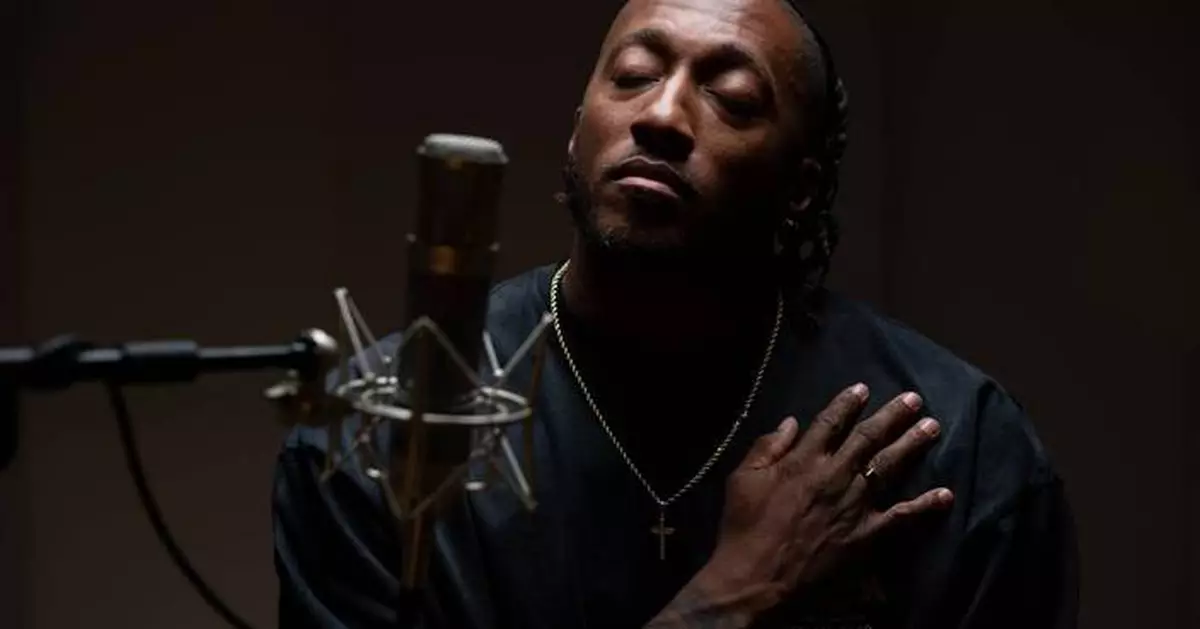
A new wave of artists is transcending traditional notions of Christian music, drawing young global audiences to faith-based rap, Afrobeats and R&B.
Often boosted by social media, many of them got their start with independent labels or by uploading self-made songs to streaming platforms. Now, bigger labels and streaming services are catching on.
People are looking for “something soul-feeding, something forward-looking, positive,” said James “Trig” Rosseau Sr., CEO of Holy Culture Radio. “They find a sonic coziness, but then a message that is feeding that need.”
Interest in the music has proliferated since 2022, said representatives at Spotify and Amazon Music. However, breaking into the mainstream has been challenging for this group of mostly Black and/or African artists who are making music that can't always be defined and that hasn't been well-represented in the Christian music industry.
“Over the last two years, there’s something happening momentum-wise, and it still feels underground, but now it’s starting to get the visibility that it’s deserving,” said Angela Jollivette, who previously oversaw the Grammy Awards' Gospel/Contemporary Christian categories and runs Moonbaby Media, a music supervision and production company.
Christian rap’s star rose around 2013 when rapper Lecrae Moore won his first Grammy. Today, newer artists are modernizing Christian hip-hop. Florida rappers Caleb Gordon and Alex Jean are among those leaning into rap’s subgenres as well as Afrobeats, the popular blend of West African music styles. Nigerian Christian Afrobeats pioneer Limoblaze is now signed to Moore’s Reach Records label, and Afrobeats artists such as CalledOut Music and “The Voice UK” winner Annatoria are on the rise.
“I think the world is now like, we can hear ourselves represented,” Moore said. “To me, that is a picture of the faith. We’re a global faith.”
Dallas-based Ghanaian Canadian artist Ryan Ofei, a former member of Christian act Maverick City Music, pivoted to Afrobeats-R&B fusion, releasing his first solo album in 2024. He said the growing vein of Christian music is less “preachy” but still a “massive evangelistic tool” for nonchurchgoers.
“You can bob your head, you can have a long drive,” Ofei said. “But the whole time, you’re still edified, and you can still feel the presence of the Lord.”
Christian rap, R&B and Afrobeats artists say they want to write music they can play around their children — but without sacrificing the craft.
“I’m giving them sounds that are ghetto and cool, but not profane,” said rapper Jackie Hill Perry. She called Christian rap today less intellectual and more “vibe-driven” than when she started more than a decade ago.
Rapper Childlike CiCi got her start as a secular artist recording in “trap houses,” a term for drug-selling homes where some of hip-hop’s biggest names also propelled trap music to popularity. A few years after becoming a Christian in 2019, Childlike CiCi sought to make music she couldn’t find — rooted in faith but inspired by trap and its more aggressive counterpart, drill.
“When people think of Christian hip-hop, they expect it to just be like Kidz Bop,” she said. “I think it’s bigger than that. Like, the Bible is not Kidz Bop.”
Some artists found Christian rap corny at first. But London-based Limoblaze said Moore’s music transformed his faith “from a religious practice to an actual relationship with Jesus.”
Capitalizing on Afrobeats' global popularity and his own growing audience, Limoblaze met with Spotify, Apple Music, YouTube and Amazon about three years ago. Months later, Amazon launched its first Afrogospel playlist, he said.
“I think Christian Afrobeats is slowly but eventually going to be on a mainstream level, at least in the African music scene,” said Limoblaze.
Compared to mainstream counterparts, streaming numbers for these subgenres remain smaller, but their fanbases' dedication is outsized, said Lauren Stellato, programming lead for Christian and gospel music at Amazon Music.
“These young artists and young fans are bringing faith into sounds and spaces that they really already live in,” she said. “The audiences are responding to it because it feels natural.”
Some artists have collaborated with popular Christian acts like Forrest Frank, and Christian rap is breaking into secular, mainstream spaces. Christian rappers Gordon, Jean, nobigdyl., Hulvey, Jon Keith and GAWVI performed at the 2024 Rolling Loud Miami festival. Months later, Rolling Loud gave a solo set to Christian rapper Miles Minnick, who spoke this year on a Grammy panel and performed at a Super Bowl event.
Churches have long resisted acts that veer from tradition, like Kirk Franklin's modern gospel sound in the 1990s, said Emmett G. Price III, dean of Africana studies at Berklee College of Music. Price added that although there is still resistance, newer artists are important because “you don’t have a homogenous Black church.”
When traditional worship songs don’t resonate, there’s nothing “ungodly” about wanting God in other music, Moore said.
Artist CèJae said her R&B songs are still rooted in the Bible, but they also explore personal themes like heartbreak and struggling to pray regularly.
“We don’t get the feeling part sometimes,” she said of traditional gospel. “Or if we do, it sometimes seems like a recycled message.”
U.K.-based alternative artist Sondae said the sonic diversity helps people find music they can connect with — whether that’s gospel, Afrobeats or contemporary worship songs that appeal more to white audiences.
“I feel like God has blessed his harvest in such a way that there’s different flavors of fruits popping up everywhere, and everyone’s getting blessed,” he said.
Christian rap, R&B and Afrobeats artists still lack the same industry buy-in, financial resources and radio exposure contemporary Christian and secular artists have, said Jollivette, who is working with the Recording Academy to develop a rhythm and praise Grammy. Some have won in existing faith-based Grammy categories by competing against artists with vastly different sounds.
Christian music is also a lyric-based term, so categorizing artists in a “generation that doesn’t really draw genre distinctions” is challenging, said Mat Anderson, senior vice president of label strategy and operations at Sony Music Entertainment's Provident Entertainment.
Observers say the quality of Christian hip-hop and its counterparts has improved over the years, but skeptics remain.
Christian rapper Torey D’Shaun said on rapper nobigdyl.'s podcast that even rap he admired artistically didn’t resonate at first. A Kendrick Lamar lyric led D'Shaun to faith after hearing his East St. Louis upbringing reflected on Lamar’s “good kid, m.A.A.d city” album, with parallel tales in Los Angeles, he said.
“We should be allowed to make denser music than youth group music,” said D’Shaun, a member of nobigdyl.’s indie tribe rap collective
CèJae said streaming representatives have told her more platform playlists would help the genre take off, but there's not enough Christian R&B music yet. Anderson from Sony Music said that’s starting to change.
Still, in a self-focused industry where it can be hard to make money and break out, Hill Perry said it’s important to heed the Bible’s call to humility. She advises artists to avoid obsessing over numbers and practice humility daily, which will translate into their careers. Limoblaze agrees.
“It’s such a resolve for me, knowing that whatever is going to happen is going to happen because of the Spirit of God and not because I am powerful, talented,” he said.
Kramon is a corps member for The Associated Press/Report for America Statehouse News Initiative. Report for America is a nonprofit national service program that places journalists in local newsrooms to report on undercovered issues.
Associated Press religion coverage receives support through the AP’s collaboration with The Conversation US, with funding from Lilly Endowment Inc. The AP is solely responsible for this content.
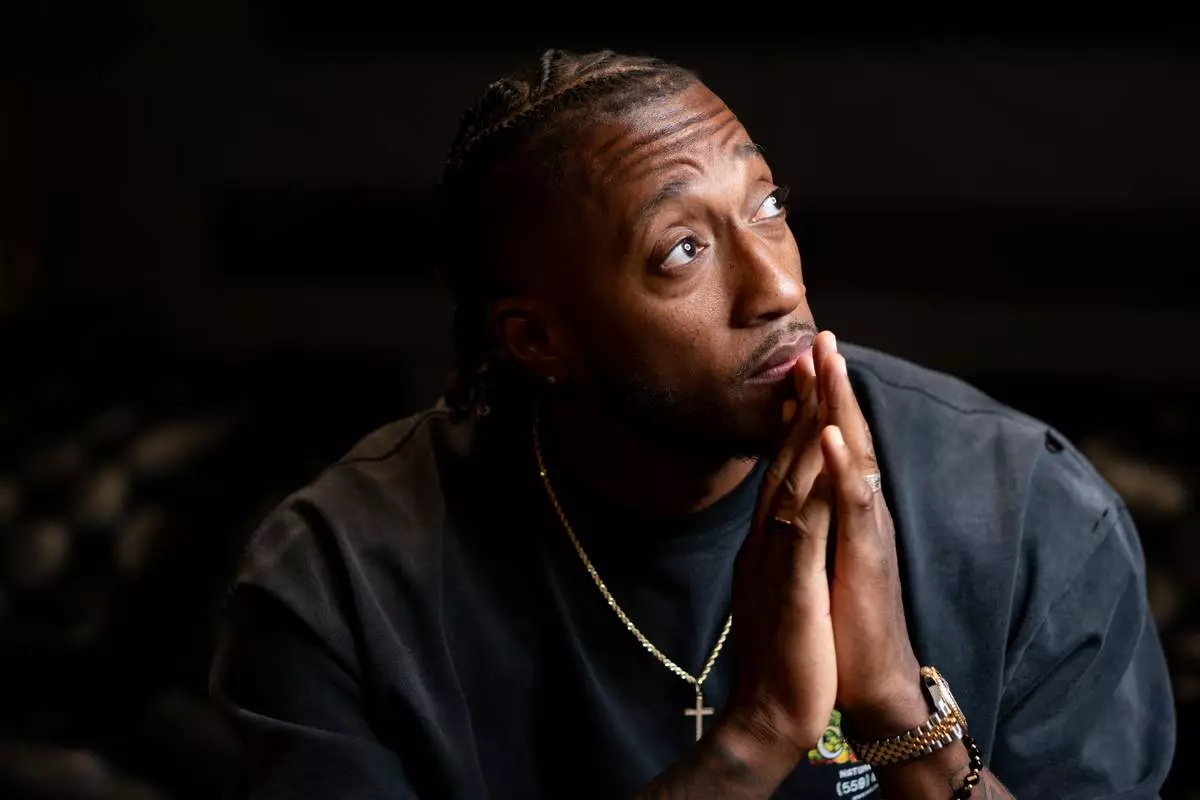
Christian rapper and influencer Lecrae Devaughn Moore photographed in Atlanta on Wednesday, Nov. 5, 2025. (AP Photo/Ben Gray)
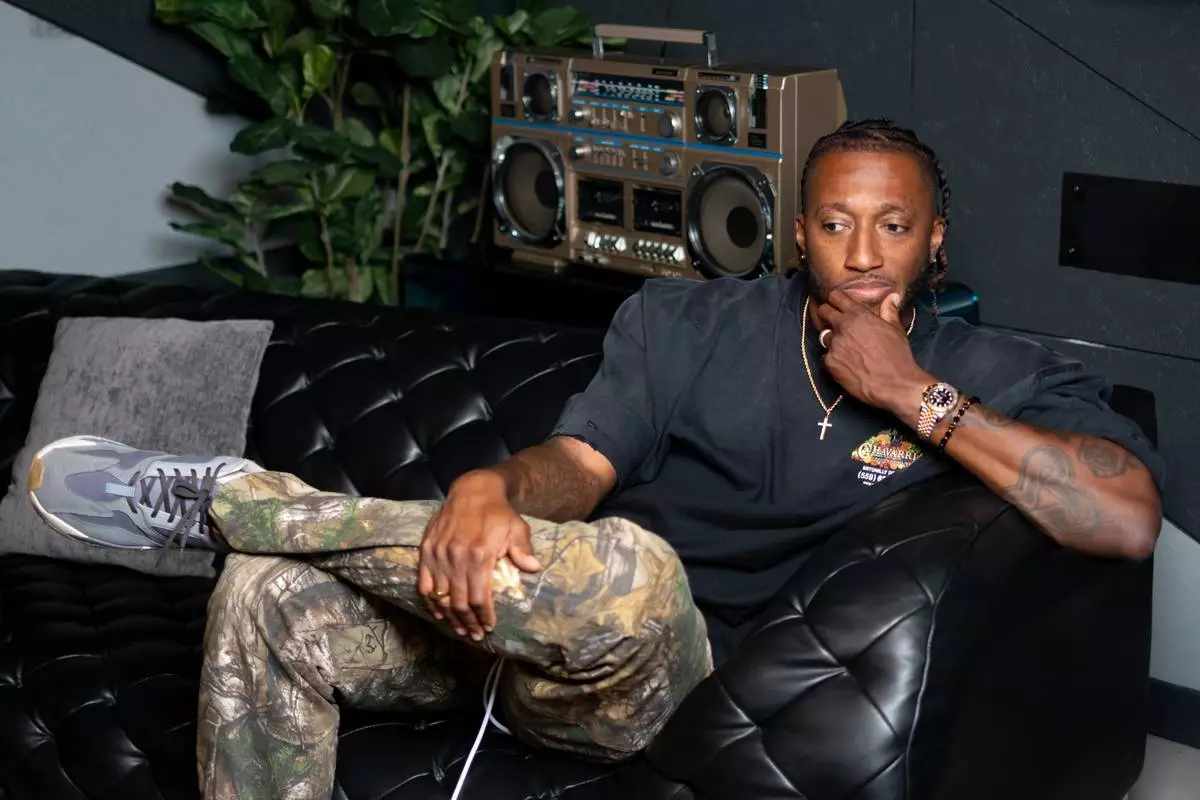
Christian rapper and influencer Lecrae Devaughn Moore photographed in Atlanta on Wednesday, Nov. 5, 2025. (AP Photo/Ben Gray)
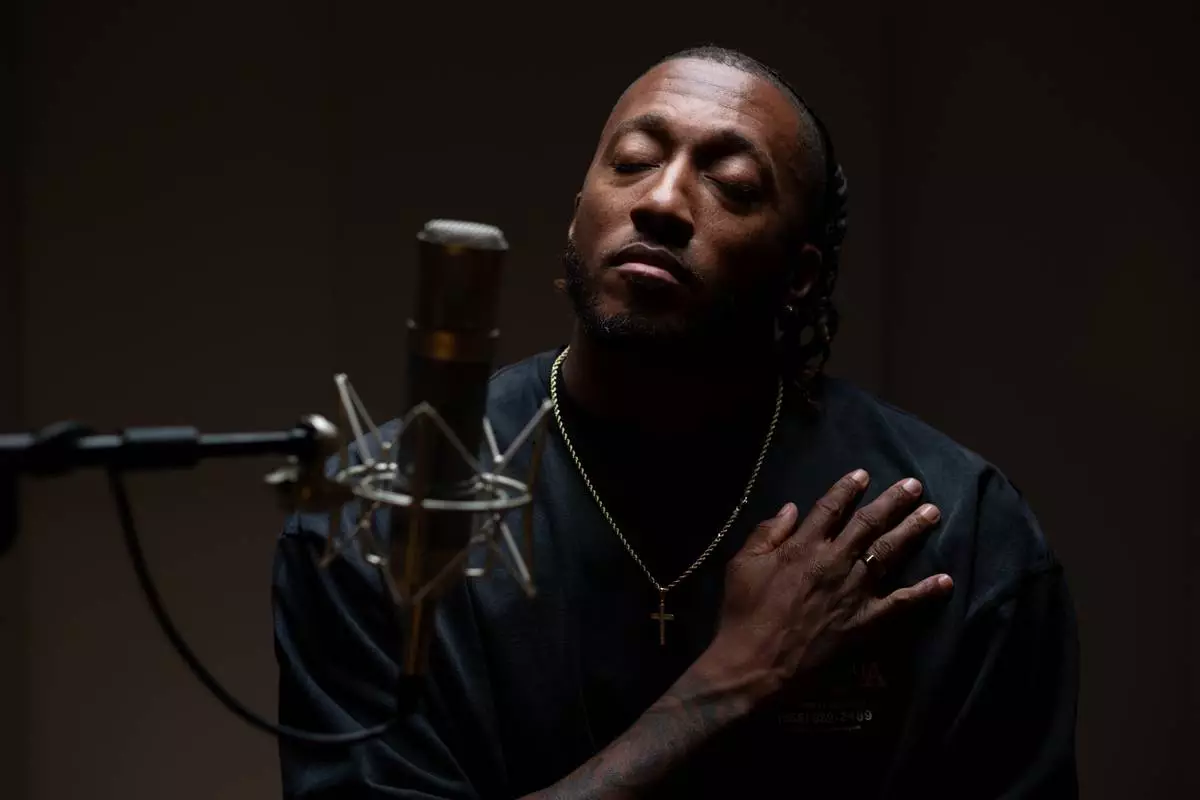
Christian rapper and influencer Lecrae Devaughn Moore photographed in Atlanta on Wednesday, Nov. 5, 2025. (AP Photo/Ben Gray)