Skip to Content Facebook Feature Image

China's Spring Festival web gala blends traditional, modern art

China

China

China

China's Spring Festival web gala blends traditional, modern art

2026-02-11 02:07 Last Updated At:20:07

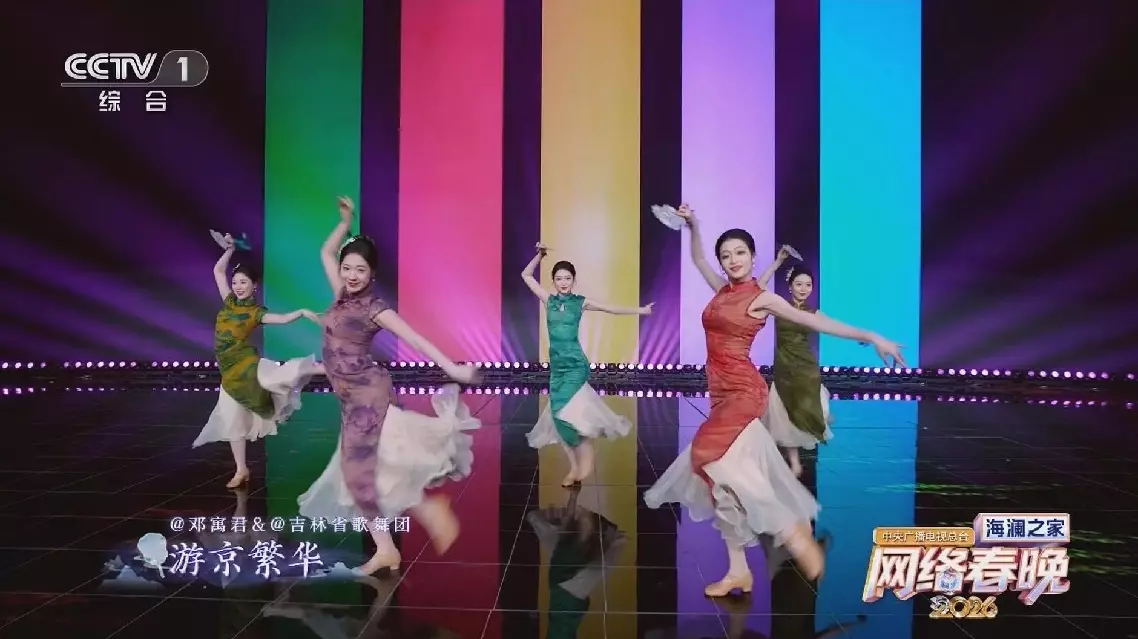
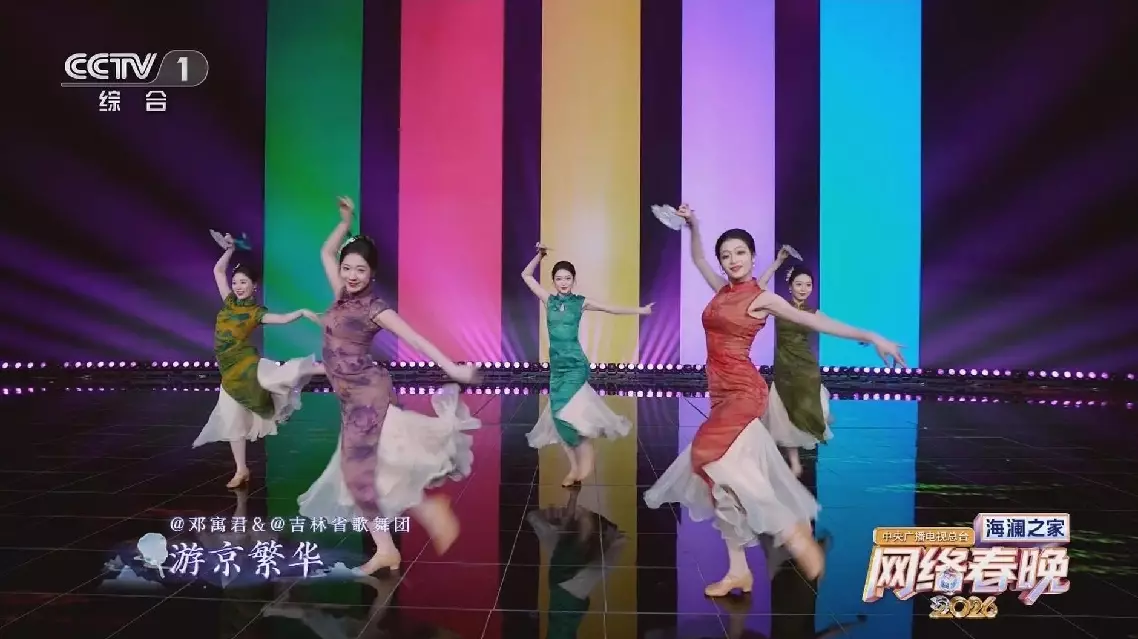
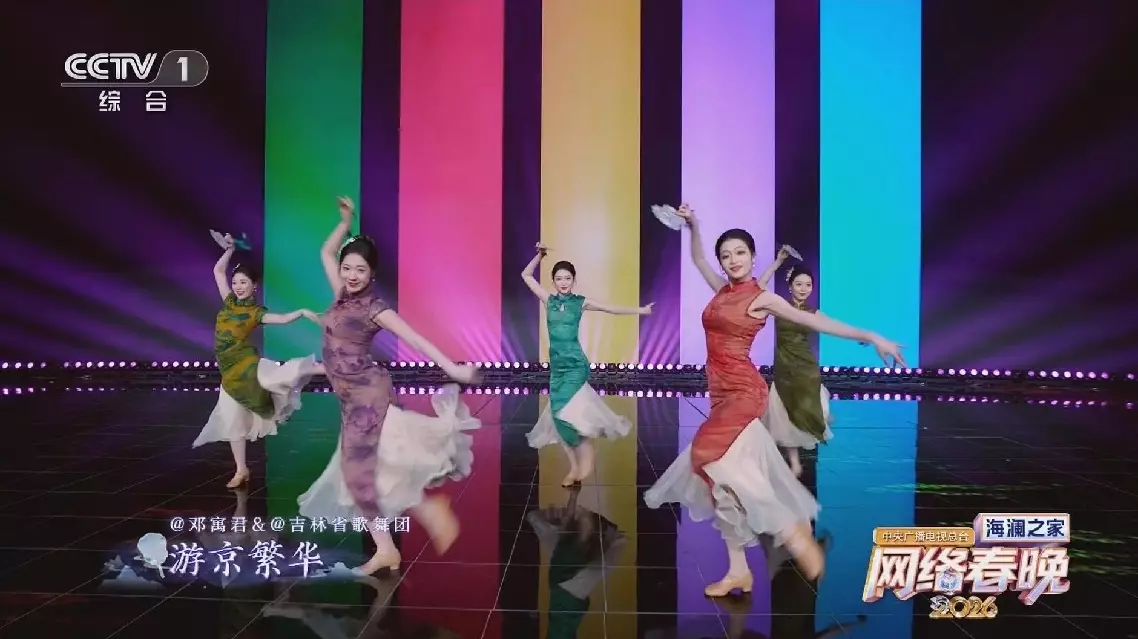
The China Media Group (CMG)'s 2026 Spring Festival Web Gala broadcast on Tuesday night featured a blend of traditional and modern arts, offering the audience a seasonal feast of rich cultural heritage.

The gala was broadcast on CCTV-1, CCTV-3 and CMG digital platforms from 20:00 Beijing time. Featuring dances, songs and other performances, this year's show mixed pop culture and traditional Chinese arts, incorporating artificial intelligence, virtual reality and 3D technology for an enhanced audiovisual experience.

One segment of the show featured traditional Chinese arts such as face changing and Nuo opera alongside modern street dance, with another segment presenting ancient Chinese calligraphy and painting.

A dance performance told the story of "Zhaoling Liujun", the six stone horse reliefs on the Zhao Mausoleum, which have a unique place in Chinese sculptural history because of their realism and exquisite carving techniques.

Watching the annual show has become a tradition in China since its debut in 2011, especially among younger audiences.

The gala was broadcast on the day of the Xiaonian Festival, literally the "Little New Year," which is also known as the Kitchen God Festival, marking the start of the countdown to this year’s Chinese New Year on Feb 17.

This Spring Festival, the most important holiday in China, will usher in the Year of the Horse, the seventh animal in the 12-year Chinese zodiac cycle.
China's Spring Festival web gala blends traditional, modern art
China's Spring Festival web gala blends traditional, modern art
China's Spring Festival web gala blends traditional, modern art
China's Spring Festival web gala blends traditional, modern art
China's Spring Festival web gala blends traditional, modern art
China's Spring Festival web gala blends traditional, modern art
Global food commodity prices climbed for a second consecutive month in March, driven mainly by higher energy costs linked to escalating conflict in the Middle East, the Food and Agriculture Organization of the United Nations (FAO) said in report released on Friday.

The FAO Food Price Index, which tracks monthly changes in the international prices of a basket of globally traded food commodities, averaged 128.5 points in March, up 2.4 percent from February and 1.0 percent above its level a year ago.

According to the report, the FAO Vegetable Oil Index and Sugar Price Index showed the largest increases, up 5.1 percent and 7.2 percent, respectively.

The FAO Cereal Price Index increased by 1.5 percent from the previous month, driven primarily by higher world wheat prices, which rose 4.3 percent.

The FAO Meat Price Index rose by 1.0 percent from the previous month, and the FAO All-Rice Price Index declined by 3.0 percent in March, according to the report.

FAO stated that rising energy and fertilizer prices have been driving up agricultural input costs.

If the conflict stretches beyond 40 days, farmers will have to choose to farm the same with fewer inputs, plant less, or switch to less intensive fertilizer crops, according to FAO Chief Economist Maximo Torero.

These choices will hit future yields and shape food supply and commodity prices for the rest of this year and beyond, Torero said.

Global food prices rise for 2nd consecutive month in March amid Middle East conflict: FAO

Global food prices rise for 2nd consecutive month in March amid Middle East conflict: FAO

Recommended Articles