DHAKA, Bangladesh (AP) — When Tarique Rahman, the son of a former prime minister of Bangladesh, returned to the country in December after 17 years of self-imposed exile, he declared to his supporters: “I have a plan.”
Rahman returned at a time of upheaval. Bangladesh was seemingly adrift under an interim administration as it inched closer to a nationwide poll. Many Bangladeshis felt his return offered the country a new chance. His fiercest rival, the former Prime Minister Sheikh Hasina, would be absent from the election after being toppled by a violent student-led revolt in 2024.
Click to Gallery
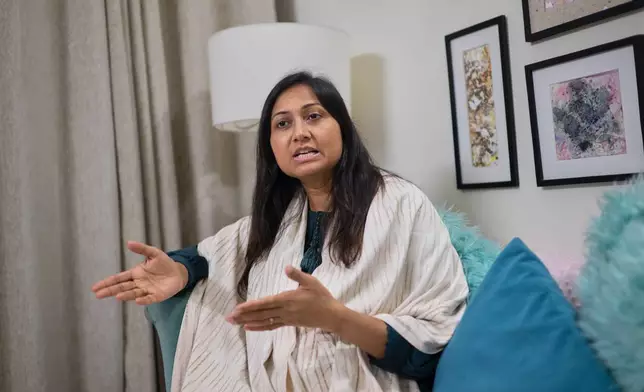
Roksana Anzuman Nicole, a popular Dhaka talk-show host, talks to The Associated Press in Dhaka, Bangladesh, Feb. 5, 2026. (AP Photo/Mahmud Hossain Opu)
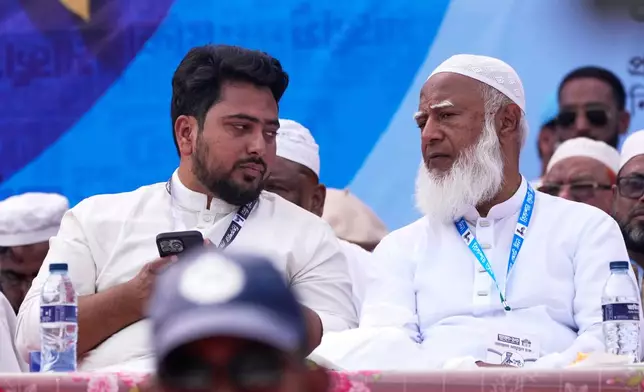
National Citizen Party (NCP) convener Nahid Islam, left, talks to Jamaat-e-Islami leader Shafiqur Rahman during an election rally in Dhaka, Bangladesh, on Feb. 9, 2026. (AP Photo/Anupam Nath)
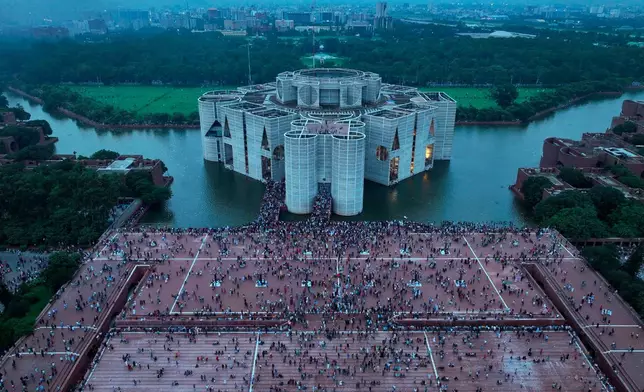
FILE - Protesters celebrate at the Parliament House premise after news of Prime Minister Sheikh Hasina's resignation, in Dhaka, Bangladesh, on Aug. 5, 2024. (AP Photo/Fatima Tuj Johora, File)
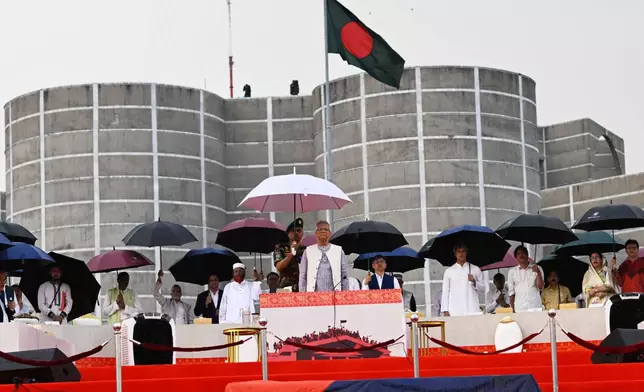
FILE - Head of the Bangladesh's interim government and Nobel laureate Dr. Muhammad Yunus attends an event during where the signing of a political charter called July National Charter was announced, outside Bangladesh's national parliament complex in Dhaka, Bangladesh, on Oct. 17, 2025. (AP Photo/Mahmud Hossain Opu, File)
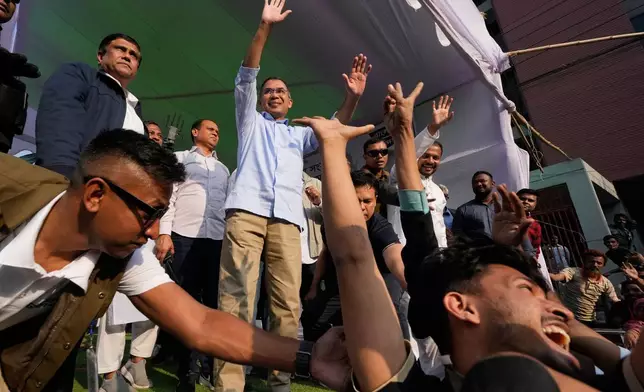
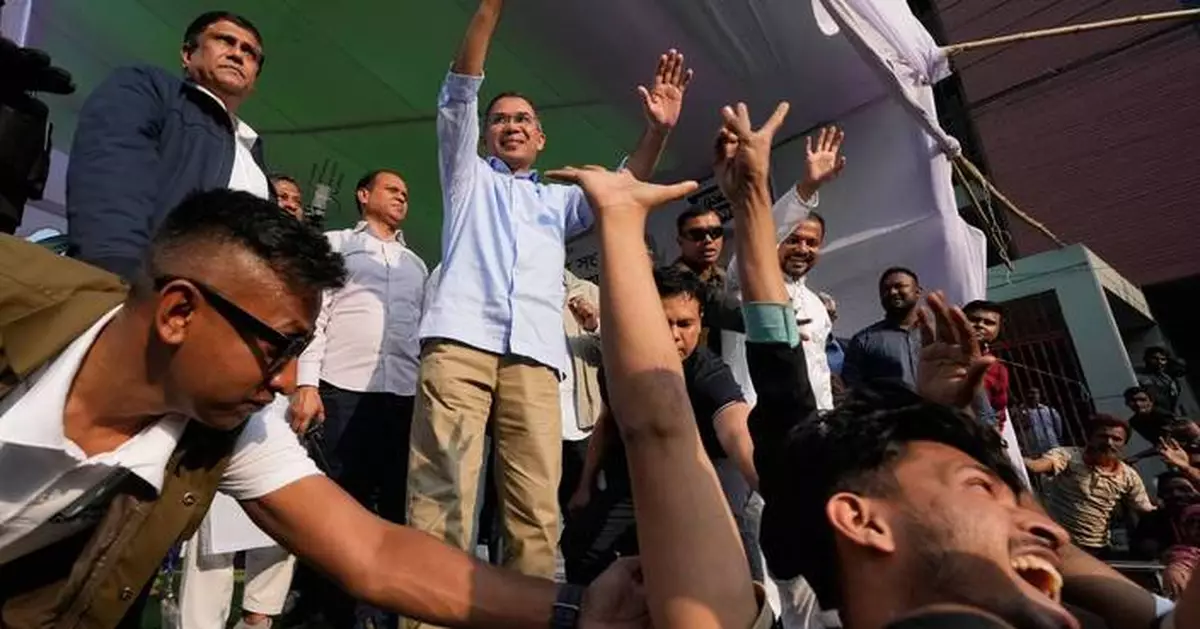
Tarique Rahman, the son of former Prime Minister Khaleda Zia and chairman of the Bangladesh Nationalist Party (BNP), attends an election rally ahead of national election in Dhaka, Bangladesh, on Feb. 8, 2026. (AP Photo/Anupam Nath)
Barely two months later, Rahman is widely seen as the front-runner in Thursday’s election. He restated his ambitions at a campaign rally in Dhaka on Monday, arriving at the podium under heavy security as supporters spilled into a public park, dancing and cheering.
“The main goal and objective of this plan is to change the fate of the people and of this country,” he told the crowd.
That task will not be easy for whoever wins.
The election in Bangladesh follows a tumultuous period that has been marked by mob violence, rising religious intolerance, attacks on the press, the rise of Islamists and the fraying of the rule of law. A fair election will be a major challenge. Governing in its aftermath may prove an even sterner test for democratic institutions weakened by more than a decade of disputed polls and shrinking political space.
“An election with relatively little violence in which people are able to vote freely and all sides accept the outcome would be a significant step forward,” said Thomas Kean of the International Crisis Group, a think tank devoted to resolving conflicts. Yet he cautioned that the restoration of democracy, after facing severe strains under Hasina’s rule, would be a long-term challenge.
That process, Kean said, has “only just started.”
Rahman — the 60-year-old son of former Prime Minister Khaleda Zia — has been promising job creation, greater freedom of speech, law and order, and an end to corruption. His campaign seeks to portray him as a bulwark of democracy in a political landscape long dominated by entrenched parties, military coups and vote rigging.
Though Rahman never held office in his mother’s governments, many Bangladeshis saw him as wielding considerable influence within her Bangladesh Nationalist Party until her death in December.
BNP’s main opponent is an 11-party coalition led by Jamaat-e-Islami, the country’s foremost Islamist party, still shadowed by its collaboration with Pakistan during the 1971 war of independence. On Monday, its chief Shafiqur Rahman told supporters at a rally that the alliance has come together “with the dream of building a new Bangladesh.”
With Hasina’s Awami League party absent from the poll and calling on its supporters to stay away, Jamaat-e-Islami is seeking to expand its reach. The conservative party claims it would govern with restraint if elected to power, but its ascent has sparked unease, particularly over its views on women. The party chief has said women are biologically weaker than men and should not work eight hours a day like men, raising fears it could restrict the fundamental rights of women.
Anxieties over Bangladesh’s future are echoed particularly by those who were part of the uprising that paved the way for the election.
When Nobel Peace Prize laureate Muhammad Yunus assumed office three days after Hasina’s ouster, there was optimism among many. Later, student leaders of the uprising launched a new political outfit, the National Citizen Party, styling itself as a clean break from the old political order.
That promise faded after the party joined the Jamaat-e-Islami-led alliance, leading to disillusion among some leaders, several of whom quit.
Tasnim Jara, a public health expert who resigned from the NCP and is running as an independent candidate, said the uprising had “opened a window” for people like her to enter politics and help reshape its culture. But that hope faded once the NCP aligned itself with the Islamists.
She said it became hard for her to see how a genuinely new political culture that many in Bangladesh have long sought could emerge from such an arrangement.
“I struggled to see how a new political culture could genuinely thrive within that framework,” she said.
Arafat Imran, a student at Dhaka University, said he joined the uprising expecting change, but feels that the aspirations that led to the protests “have not been realized."
Imran noted that though the uprising brought new political faces, the core machinery of the state — the military, police and bureaucracy — remains largely unchanged.
True reform or meaningful change, Imran said, would require overhauling the entire system, adding that “holding elections every five years alone cannot sustain democracy.”
“Alongside elections, it is essential to guarantee the rule of law and civil rights. Had these been ensured, there might have been grounds for satisfaction regarding the elections,” he said.
Worries have also spilled into other areas crucial to a healthy democracy.
Roksana Anzuman Nicole, a popular Dhaka talk-show host, became a rare media voice during the uprising, challenging security forces as hundreds were killed on the streets.
After Hasina’s ouster, hopes that such freedoms would expand also faded. Nicole is now off air, confined to her home, and fearful for her safety after a heated debate with a guest defending mob attacks led to threats against her, her family and colleagues.
“A major pillar of that movement was the belief that everyone would be able to speak freely, that people would enjoy freedom of expression. Sheikh Hasina left on August 5, and just 10 days later, my dreams collapsed,” she said.
Her experience is shared by others too. In December, a pro-uprising cultural activist was shot dead in central Dhaka, and protesters set fire to the offices of the country’s two largest newspapers, trapping staff inside. Last week, 21 journalists from an online outlet reporting critically on the military were briefly detained.
Many journalists told The Associated Press they have curtailed their movements or stopped going to work altogether. Many have lost their jobs as they have been branded by pro-uprising activists as collaborators of Hasina. Global human rights groups have expressed their concerns over press freedom under the Yunus-led administration.
“A free press is vital for a flourishing democracy,” said Catherine Cooper of the Robert & Ethel Kennedy Human Rights Center, one of the groups observing the election. “Protecting freedom of expression should be a top priority.”
Many Bangladeshis are putting their trust in the election. The vote will also include a referendum for political reforms that include prime ministerial term limits and stronger checks on executive power.
There is, however, uncertainty over how the nation’s democracy would look in the years to come.
Iftekhar Zaman, a Bangladeshi political analyst, said for the first time in 16 years, Bangladeshis will have a genuine chance to vote, after three elections under Hasina were marred by allegations of rigging or opposition boycotts. He described the poll as “extraordinary,” but warned that reinforcing democratic institutions would take time.
Kean of the International Crisis Group said while some of the proposed reforms are “significant and meaningful,” they won’t be enough.
“The political culture has to change as well, and we are only seeing the first signs of that,” he said.
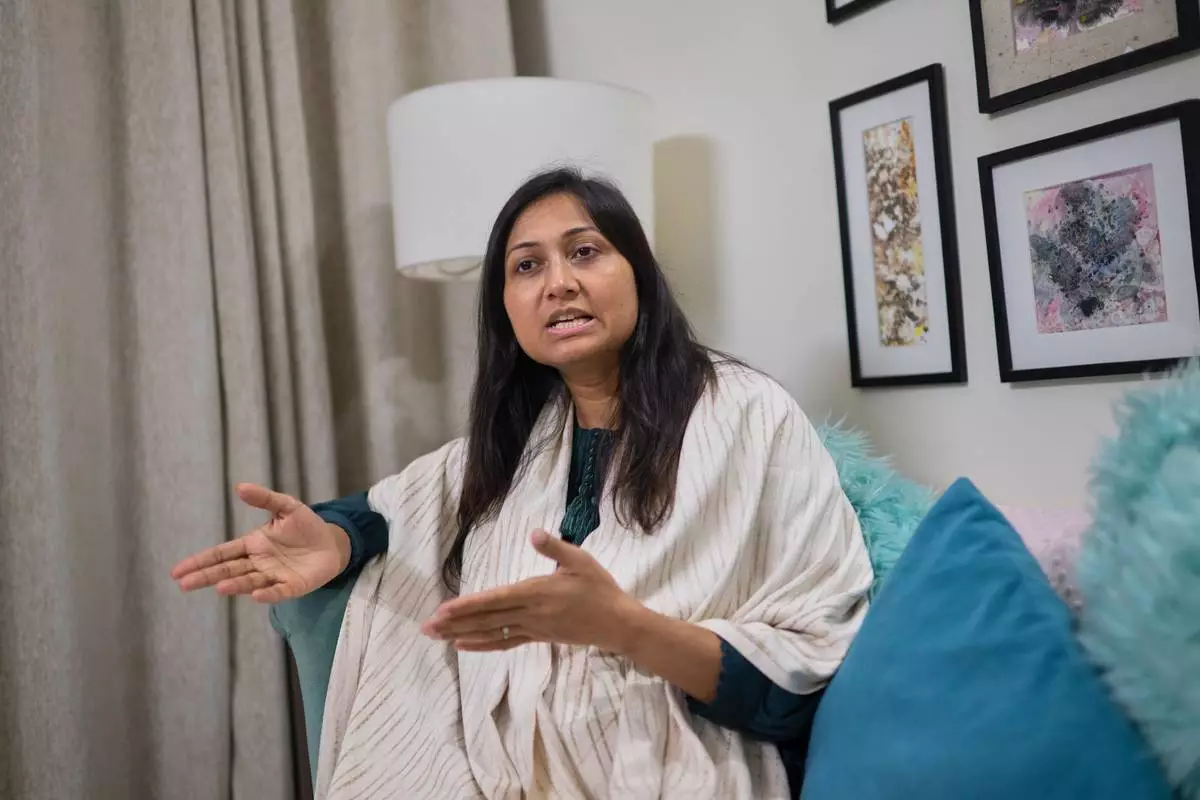
Roksana Anzuman Nicole, a popular Dhaka talk-show host, talks to The Associated Press in Dhaka, Bangladesh, Feb. 5, 2026. (AP Photo/Mahmud Hossain Opu)
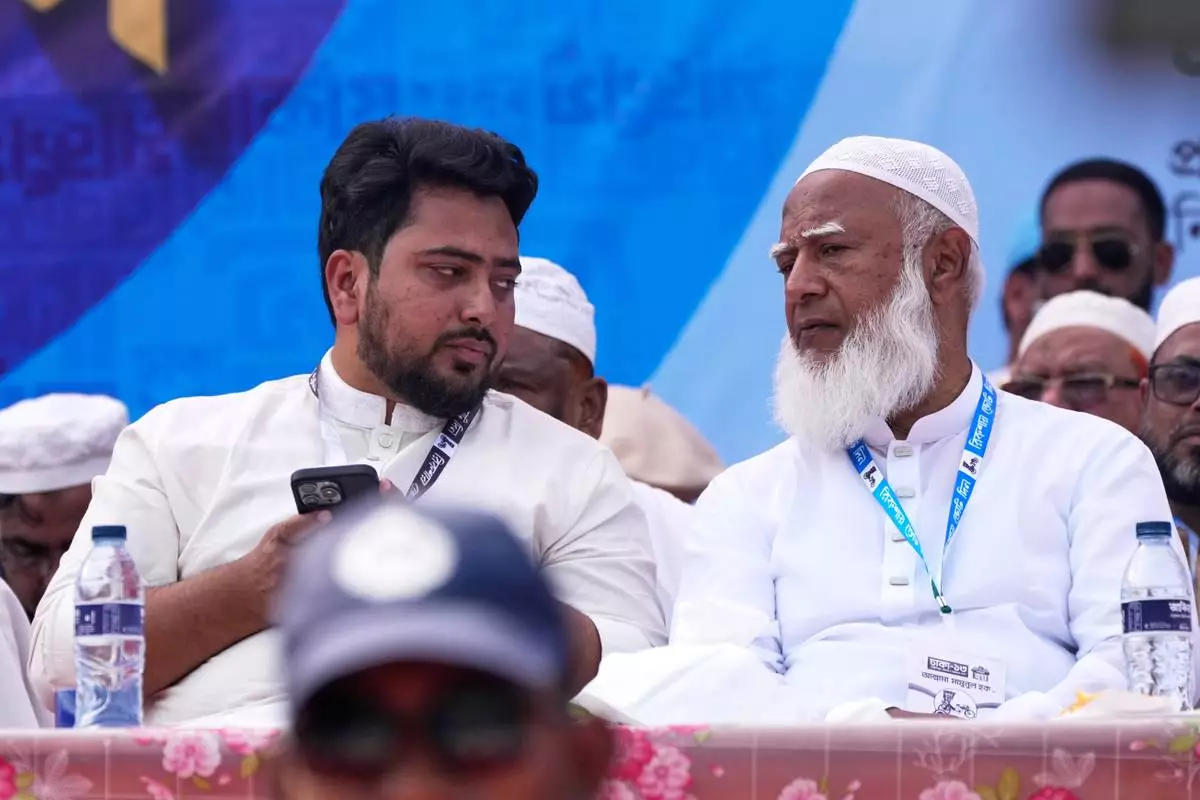
National Citizen Party (NCP) convener Nahid Islam, left, talks to Jamaat-e-Islami leader Shafiqur Rahman during an election rally in Dhaka, Bangladesh, on Feb. 9, 2026. (AP Photo/Anupam Nath)
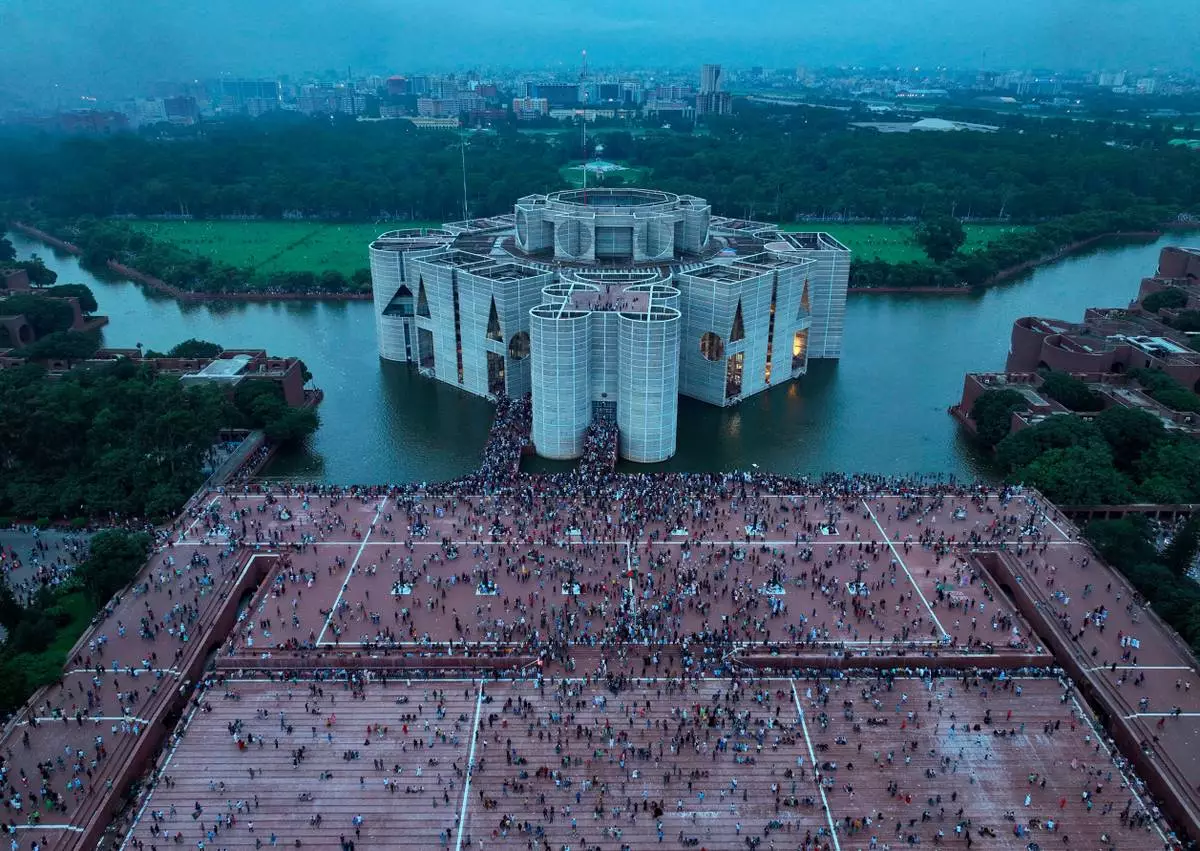
FILE - Protesters celebrate at the Parliament House premise after news of Prime Minister Sheikh Hasina's resignation, in Dhaka, Bangladesh, on Aug. 5, 2024. (AP Photo/Fatima Tuj Johora, File)
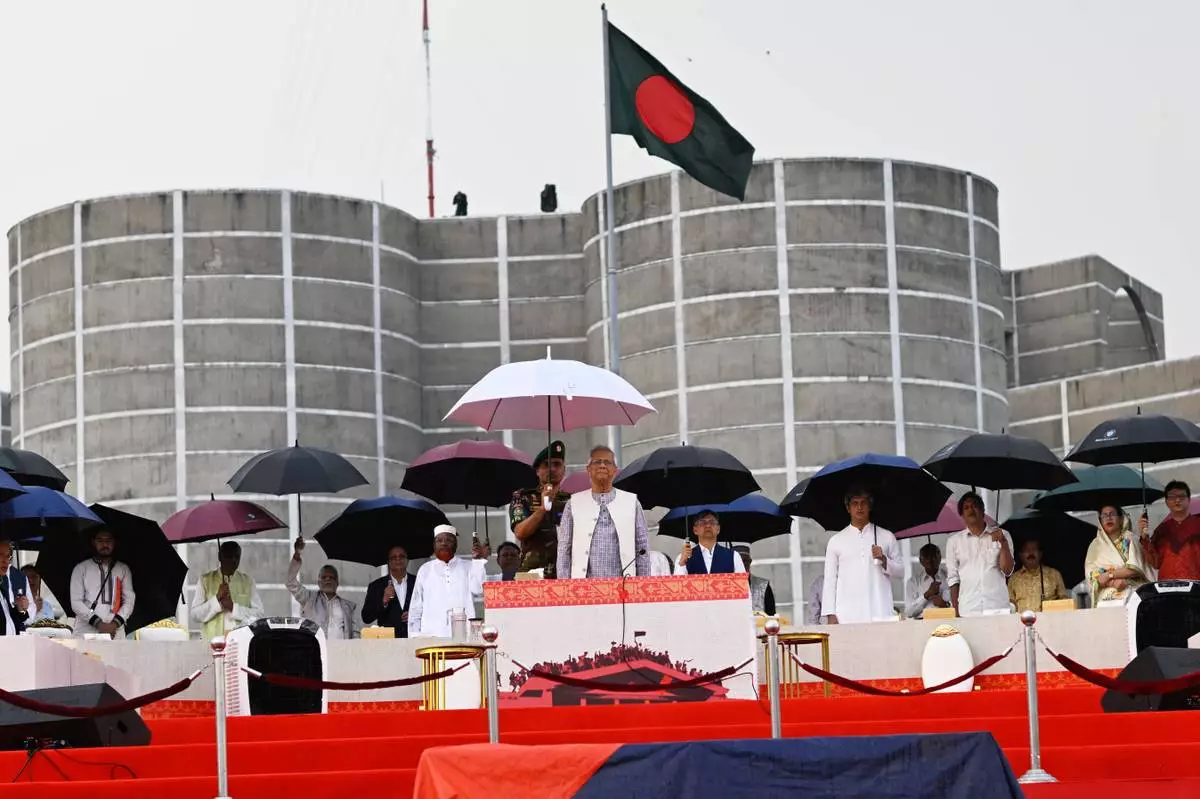
FILE - Head of the Bangladesh's interim government and Nobel laureate Dr. Muhammad Yunus attends an event during where the signing of a political charter called July National Charter was announced, outside Bangladesh's national parliament complex in Dhaka, Bangladesh, on Oct. 17, 2025. (AP Photo/Mahmud Hossain Opu, File)
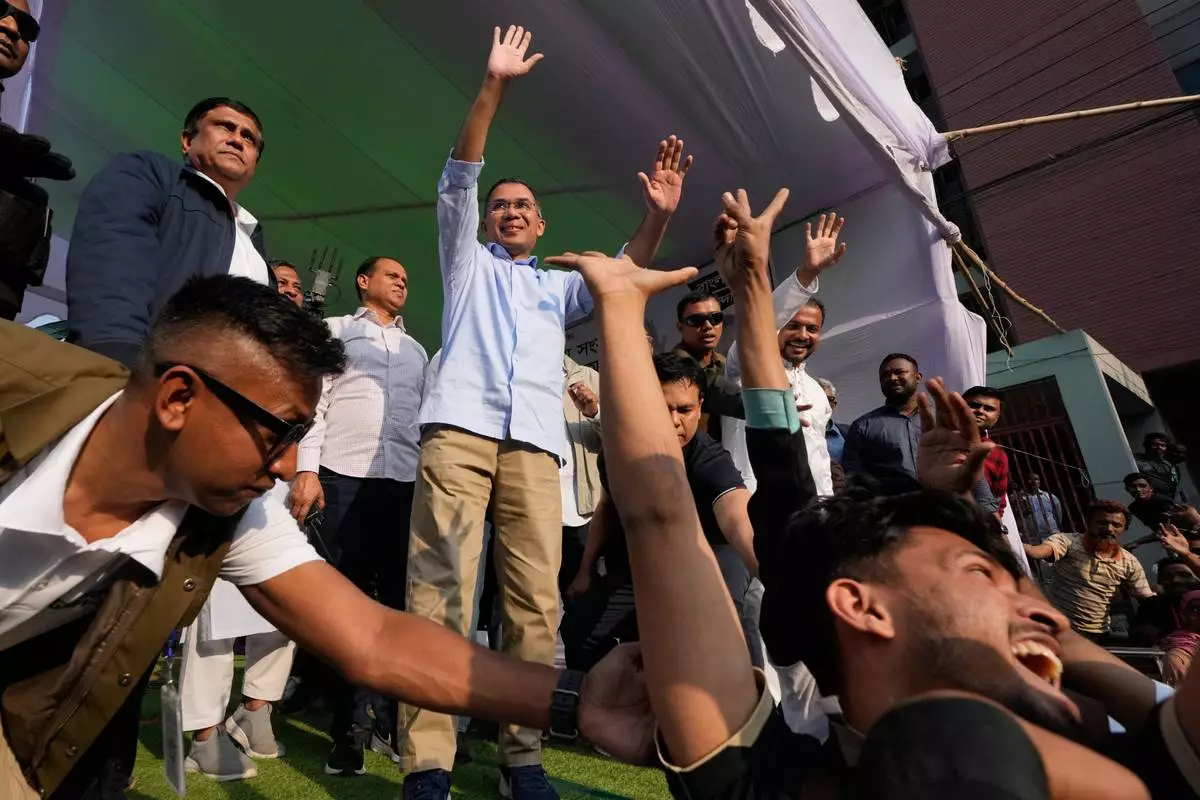
Tarique Rahman, the son of former Prime Minister Khaleda Zia and chairman of the Bangladesh Nationalist Party (BNP), attends an election rally ahead of national election in Dhaka, Bangladesh, on Feb. 8, 2026. (AP Photo/Anupam Nath)