- Gen Z singles spend 156 hours per year on dating apps for only six connections
- Knorr is turning up the heat on dating culture by blending food and friendship
- #ServingSingles encourages friends to recommend single cooks
ROTTERDAM, Netherlands, Feb. 12, 2026 /PRNewswire/ -- After clocking up roughly 156 hours a year on dating apps, equivalent to six and a half days, yet securing on average just six meaningful connections, Gen Z and young Millennial singles are officially breaking up with the "swipe-by" culture that leaves them feeling burnt out.
This cultural shift reflects a growing trend among young singles who are embracing more authentic dating methods, such as friend referrals and shared experiences, instead of relying on the impersonal nature of dating apps.
New research commissioned by the food company, Knorr, found that nearly three quarters (72%) of Gen Z singles question the authenticity of dating profiles, while two thirds (65%) admit they struggle finding someone whose priorities match their own. Swipe-fatigue is sky high, but one thing is sizzling through the noise: the irresistible charm of cooking.
According to the survey, more than four fifths (82%) find an interest in cooking highly attractive in a potential partner, with 78% charmed by kitchen confidence and 76% melting for anyone who cooks for others. In fact, for three quarters (74%) of Gen Z singles, cooking tops the list of attractive traits, beating those who own a flashy car (47%) and fitness fanatics (59%).
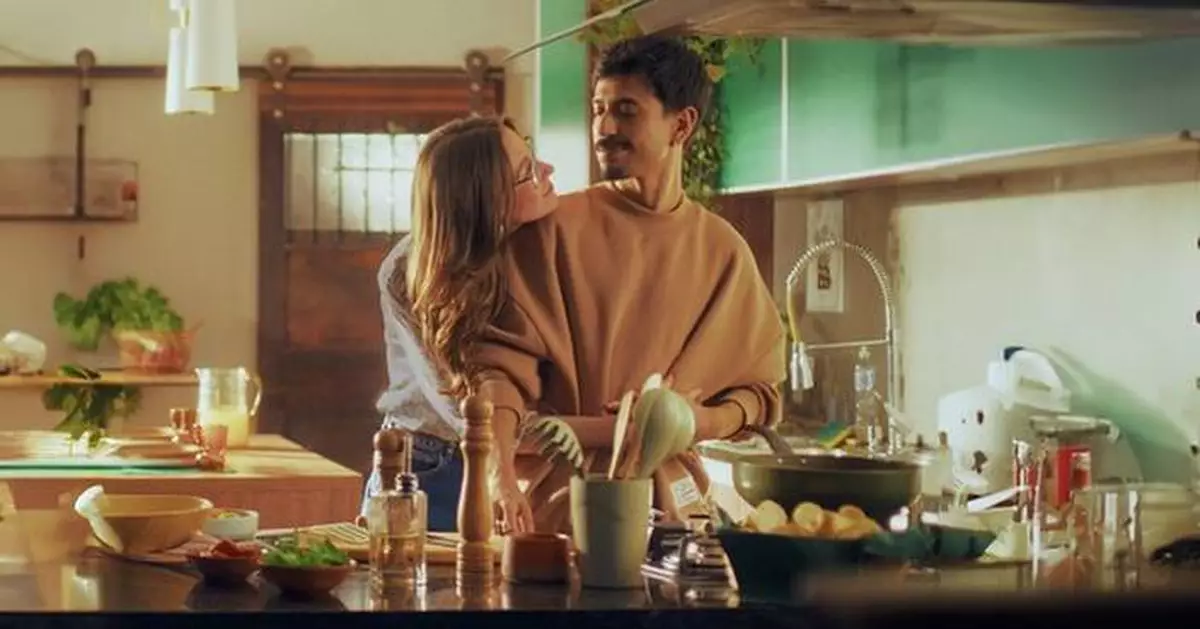
Check out #ServingSingles, where Knorr is empowering people to spotlight their single foodie friends. Flipping the script on "swipe-by" culture, it champions cooking as the new secret ingredient to real romance, swapping endless scrolling for trusty friend referrals. By blending food, friendship and modern love, it keeps authenticity at the heart of modern dating.
Inspired by the viral #DateMyFriend trend #ServingSingles invites people to hype up their single friends with a passion for cooking, to prove love truly starts in the kitchen.
Gen Zs can refer their single friends who love to cook on TikTok, sharing their first name, age range, and signature dish using the #ServingSingles hashtag and branded filter. Knorr will boost standout referral videos to reach even more singles turning the kitchen into the ultimate stage for romance.
The survey further revealed that cooking is seen as appealing because it brings you closer together (35%) shows genuine effort (32%) and heats up the romance (34%) - qualities that no dating profile can capture.
Additionally, friends and family play a bigger role in modern dating than ever before, with nearly two thirds (64%) of singles saying they'd trust a date recommendation from a friend while more than a third (36%) look to siblings for love life advice.
Evidently, the need for a dating sidekick has never been higher as the research shows Gen Z singles swipe past more than 29 profiles a week, on average. Over the past 12 months, nearly half (48%) have been on less than 5 first dates, while the average relationship from a dating app lasts just six months.
Nicky Neerscholten, Global Head of Digital and Masterbrand at Knorr, said: "With #ServingSingles, Knorr is championing singles by spotlighting cooking as the ultimate dating superpower. We're on a mission to make single cooks unmissable - because whether you're a seasoned chef or just starting your cooking journey, sharing a homemade meal is a powerful way to show creativity, care, and individuality - traits that go far beyond a filtered profile picture.
"Our research proves that simply highlighting your love of cooking can dramatically boost your chances of landing a date. Food has always been the universal language of love, so if you're looking for sparks join the #ServingSingles movement and let your signature dish do the talking."
Got a single best friend who cooks?! Create a video introducing them and their tastiest signature dish, using Knorr's #ServingSingles branded filter on TikTok (@knorr). Don't forget to tag #ServingSingles and @Knorr, who will boost profiles of everyday single cooks, giving them a better shot at finding a romantic connection.
Survey info: The research was conducted by Censuswide, among a sample of 14,503 respondents (aged 18-35) who are open to dating and using dating apps, across the UK, US, Germany, Mexico, France, Benelux (Netherlands & Belgium), Philippines, Indonesia, Argentina, South Africa, Brazil, Nigeria and Italy. The data was collected between 24.12.2025 – 30.01.2026. Censuswide abides by and employs members of the Market Research Society and follows the MRS code of conduct and ESOMAR principles.
ROTTERDAM, Netherlands, Feb. 12, 2026 /PRNewswire/ -- After clocking up roughly 156 hours a year on dating apps, equivalent to six and a half days, yet securing on average just six meaningful connections, Gen Z and young Millennial singles are officially breaking up with the "swipe-by" culture that leaves them feeling burnt out.
This cultural shift reflects a growing trend among young singles who are embracing more authentic dating methods, such as friend referrals and shared experiences, instead of relying on the impersonal nature of dating apps.
New research commissioned by the food company, Knorr, found that nearly three quarters (72%) of Gen Z singles question the authenticity of dating profiles, while two thirds (65%) admit they struggle finding someone whose priorities match their own. Swipe-fatigue is sky high, but one thing is sizzling through the noise: the irresistible charm of cooking.
According to the survey, more than four fifths (82%) find an interest in cooking highly attractive in a potential partner, with 78% charmed by kitchen confidence and 76% melting for anyone who cooks for others. In fact, for three quarters (74%) of Gen Z singles, cooking tops the list of attractive traits, beating those who own a flashy car (47%) and fitness fanatics (59%).
Check out #ServingSingles, where Knorr is empowering people to spotlight their single foodie friends. Flipping the script on "swipe-by" culture, it champions cooking as the new secret ingredient to real romance, swapping endless scrolling for trusty friend referrals. By blending food, friendship and modern love, it keeps authenticity at the heart of modern dating.
Inspired by the viral #DateMyFriend trend #ServingSingles invites people to hype up their single friends with a passion for cooking, to prove love truly starts in the kitchen.
Gen Zs can refer their single friends who love to cook on TikTok, sharing their first name, age range, and signature dish using the #ServingSingles hashtag and branded filter. Knorr will boost standout referral videos to reach even more singles turning the kitchen into the ultimate stage for romance.
The survey further revealed that cooking is seen as appealing because it brings you closer together (35%) shows genuine effort (32%) and heats up the romance (34%) - qualities that no dating profile can capture.
Additionally, friends and family play a bigger role in modern dating than ever before, with nearly two thirds (64%) of singles saying they'd trust a date recommendation from a friend while more than a third (36%) look to siblings for love life advice.
Evidently, the need for a dating sidekick has never been higher as the research shows Gen Z singles swipe past more than 29 profiles a week, on average. Over the past 12 months, nearly half (48%) have been on less than 5 first dates, while the average relationship from a dating app lasts just six months.
Nicky Neerscholten, Global Head of Digital and Masterbrand at Knorr, said: "With #ServingSingles, Knorr is championing singles by spotlighting cooking as the ultimate dating superpower. We're on a mission to make single cooks unmissable - because whether you're a seasoned chef or just starting your cooking journey, sharing a homemade meal is a powerful way to show creativity, care, and individuality - traits that go far beyond a filtered profile picture.
"Our research proves that simply highlighting your love of cooking can dramatically boost your chances of landing a date. Food has always been the universal language of love, so if you're looking for sparks join the #ServingSingles movement and let your signature dish do the talking."
Got a single best friend who cooks?! Create a video introducing them and their tastiest signature dish, using Knorr's #ServingSingles branded filter on TikTok (@knorr). Don't forget to tag #ServingSingles and @Knorr, who will boost profiles of everyday single cooks, giving them a better shot at finding a romantic connection.
Survey info: The research was conducted by Censuswide, among a sample of 14,503 respondents (aged 18-35) who are open to dating and using dating apps, across the UK, US, Germany, Mexico, France, Benelux (Netherlands & Belgium), Philippines, Indonesia, Argentina, South Africa, Brazil, Nigeria and Italy. The data was collected between 24.12.2025 – 30.01.2026. Censuswide abides by and employs members of the Market Research Society and follows the MRS code of conduct and ESOMAR principles.
** The press release content is from PR Newswire. Bastille Post is not involved in its creation. **

Are dating apps over? Gen Z is ditching 'swipe-by' culture for meaningful connections in the kitchen