WELLINGTON, New Zealand (AP) — When the white supremacist who committed New Zealand’s deadliest mass shooting pleaded guilty six years ago, it was a relief for his victims and a justice system bracing for a high-profile trial that many feared could provide a platform for his racist views.
Many New Zealanders were determined to forget the face and name of Brenton Tarrant, who murdered 51 Muslim worshippers at two mosques in Christchurch in 2019. But he returned to national headlines this week with a bid in New Zealand’s Court of Appeal to recant his guilty pleas.
Click to Gallery
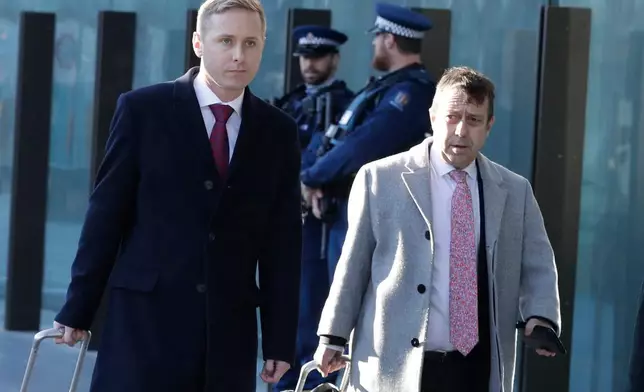
FILE - Jonathan Hudson, left, and Shane Tait, then defense lawyers for Brenton Tarrant, arrive at the Christchurch District Court in Christchurch, New Zealand, Aug. 15, 2019. (AP Photo/Mark Baker, File)
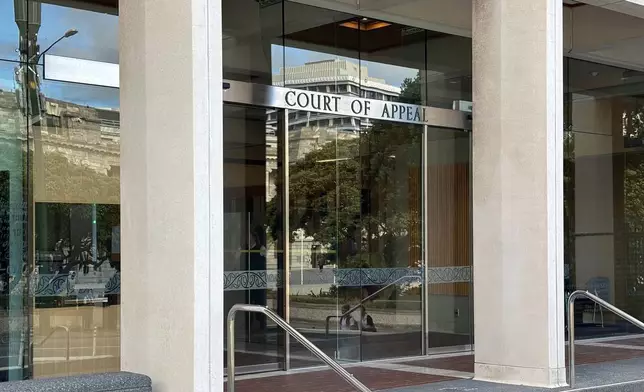
The Court of Appeal in Wellington, New Zealand, is photographed on Wednesday, Feb. 11, 2026. (AP Photo/Charlotte Graham-McLay)
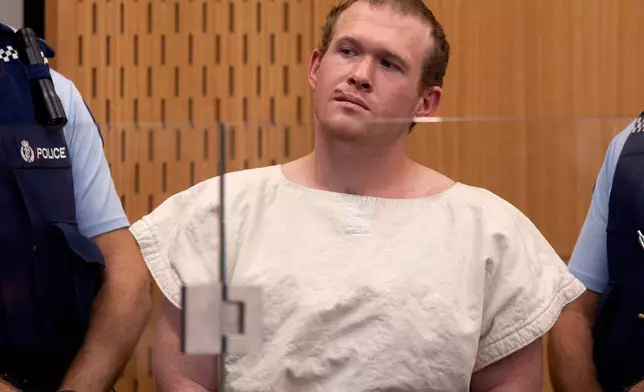
FILE - Brenton Tarrant appears in the Christchurch District Court, in Christchurch, New Zealand, March 16, 2019. (Mark Mitchell/Pool Photo via AP, File)
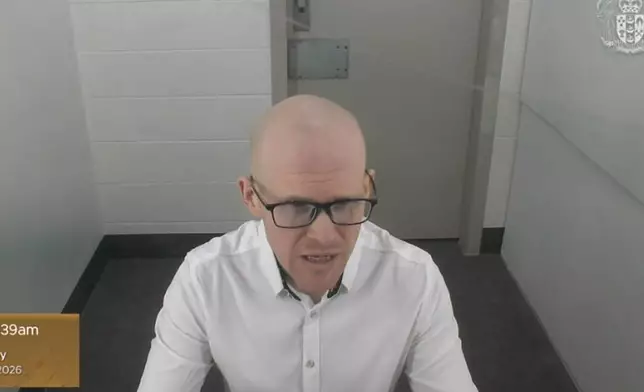
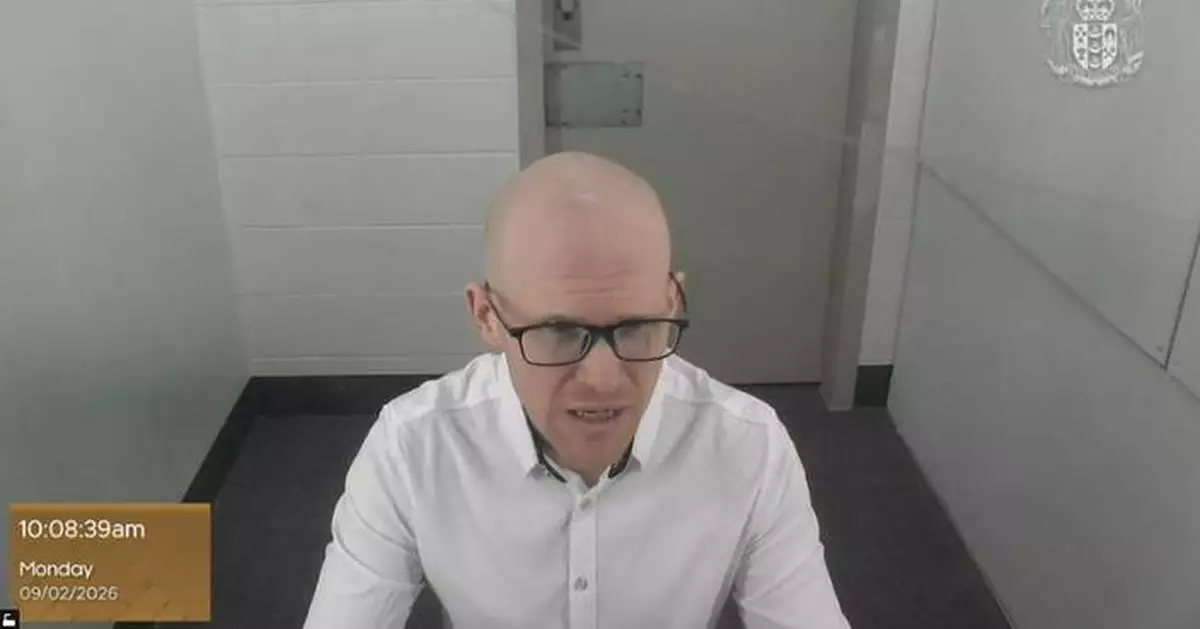
In this photo made from video and provided by the New Zealand Court of Appeal, Monday, Feb. 9, 2026, Brenton Tarrant appears before the court by video from Auckland Prison in Auckland. (New Zealand Court of Appeal via AP)
In the aftermath of Tarrant's hate-fueled massacre, New Zealand sought to curb his influence by banning his racist manifesto and a video of the slaughter that he livestreamed on Facebook in an apparent attempt to perform the hateful crime for an online audience.
Tarrant previously expressed a desire to spread his ideology through the legal process, so it was a surprise in 2020 when he quietly admitted to all of the terrorism, murder and attempted murder charges he faced. Months later he accepted, without opposition, a record sentence of life in prison with no chance of parole.
Now his lawyers argue he made the admissions during a nervous breakdown induced by oppressive prison conditions, which made him temporarily doubt his identity and ideology.
If his bid to discard the guilty pleas is successful, the man described by one of his lawyers Thursday as “the most reviled person in New Zealand” would return to court for a full trial. The prospect is dreaded by his victims and a country that has tried to limit his notoriety.
Appearing from prison by video conference, Tarrant told the appeals court in Wellington he was “irrational” when he pleaded guilty and relinquished the opportunity for a trial at which he apparently wanted to mount a racist defense that was invalid under New Zealand law.
His former lawyers say his eventual acceptance that no judge would allow a jury to hear such a defense, combined with the overwhelming evidence against him, meant guilty pleas were inevitable.
Tarrant's current lawyers reject that, saying he intended to represent himself at a trial and first entered not guilty pleas before changing his mind repeatedly, on his guilt and other legal matters, due to his mental health. The Australian, who migrated to New Zealand with a plan to amass semiautomatic weapons and carry out the killings, has not denied committing the attack.
But he now claims to have been "so eroded by the extreme conditions” in prison that he “lost his sense of self,” one of his lawyers told the court Thursday. The name of the lawyer has been suppressed because they said representing Tarrant could endanger their safety.
Tarrant's claims of severe mental illness weren't supported by evidence from mental health experts, his former lawyers or prison staff. The 35-year-old says he deliberately hid his symptoms.
Tarrant's lawyers say his unusually lengthy isolation induced a state that made him feel unable to engage in the court process and willing to plead guilty in the hope of easing restrictions he faced.
One of the shooter's current lawyers said the “shocking and unprecedented” nature of his crimes, which included cold-blooded and racist murders of men, women and children as young as 3, resulted in Tarrant facing the harshest conditions of any prisoner in New Zealand's modern history.
Tarrant admitted his crimes during the first year of incarceration spent entirely in solitary confinement, which is normally only permitted for up to two weeks at a time under New Zealand law. Tarrant experienced sleep and sensory deprivation and was given few clothes and little to occupy him, the lawyers said.
Prison standards, they added, must apply to everyone.
Those who survived Tarrant's massacre took a dim view of such arguments.
“He got what he deserved,” Temel Ataçocuğu, who was shot nine times by Tarrant, told reporters outside a Christchurch courthouse where the bereaved and injured watched a livestream of this week's hearing. “He has to deal with it as a man.”
Tarrant now resides in a facility built specifically to house him, which was lambasted in a 2024 prison watchdog report as falling short of New Zealand legal standards. But his lawyers said the unit, which houses other high-risk prisoners too, was an improvement on where Tarrant was kept earlier when he made the guilty pleas.
Tarrant appeared pale, shaven-headed and bespectacled when he gave video evidence. Fears lingered that he might try to use the weeklong appeals court process as a political stage. But topics were limited during his questioning and courthouse security was so strict that almost nobody saw his evidence.
Crown lawyers were due to make their case Friday about why Tarrant shouldn’t be permitted to recant his pleas. Earlier, they put to the killer that he had many opportunities to raise concerns about his mental health or seek a trial postponement.
The three-judge panel is expected to release a decision later. If they deny Tarrant's bid to discard his guilty pleas, another hearing will be scheduled to hear his request to appeal the life sentence.

FILE - Jonathan Hudson, left, and Shane Tait, then defense lawyers for Brenton Tarrant, arrive at the Christchurch District Court in Christchurch, New Zealand, Aug. 15, 2019. (AP Photo/Mark Baker, File)
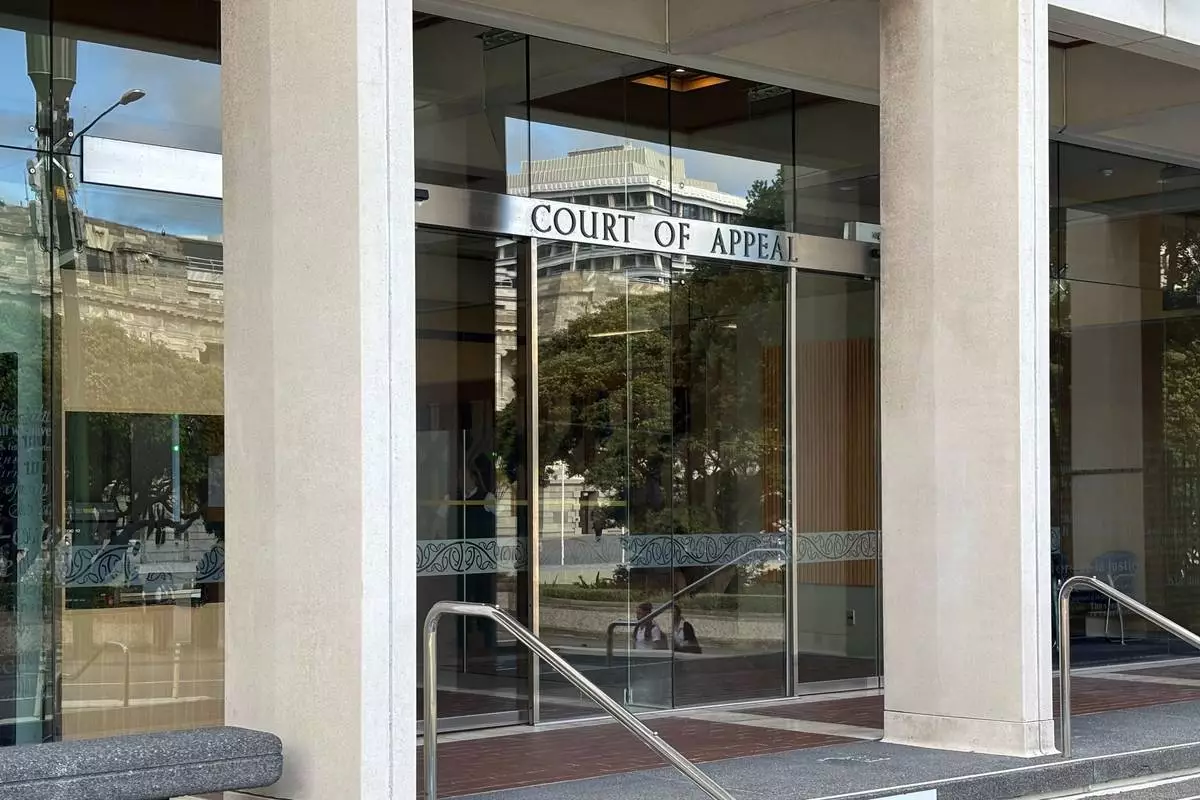
The Court of Appeal in Wellington, New Zealand, is photographed on Wednesday, Feb. 11, 2026. (AP Photo/Charlotte Graham-McLay)
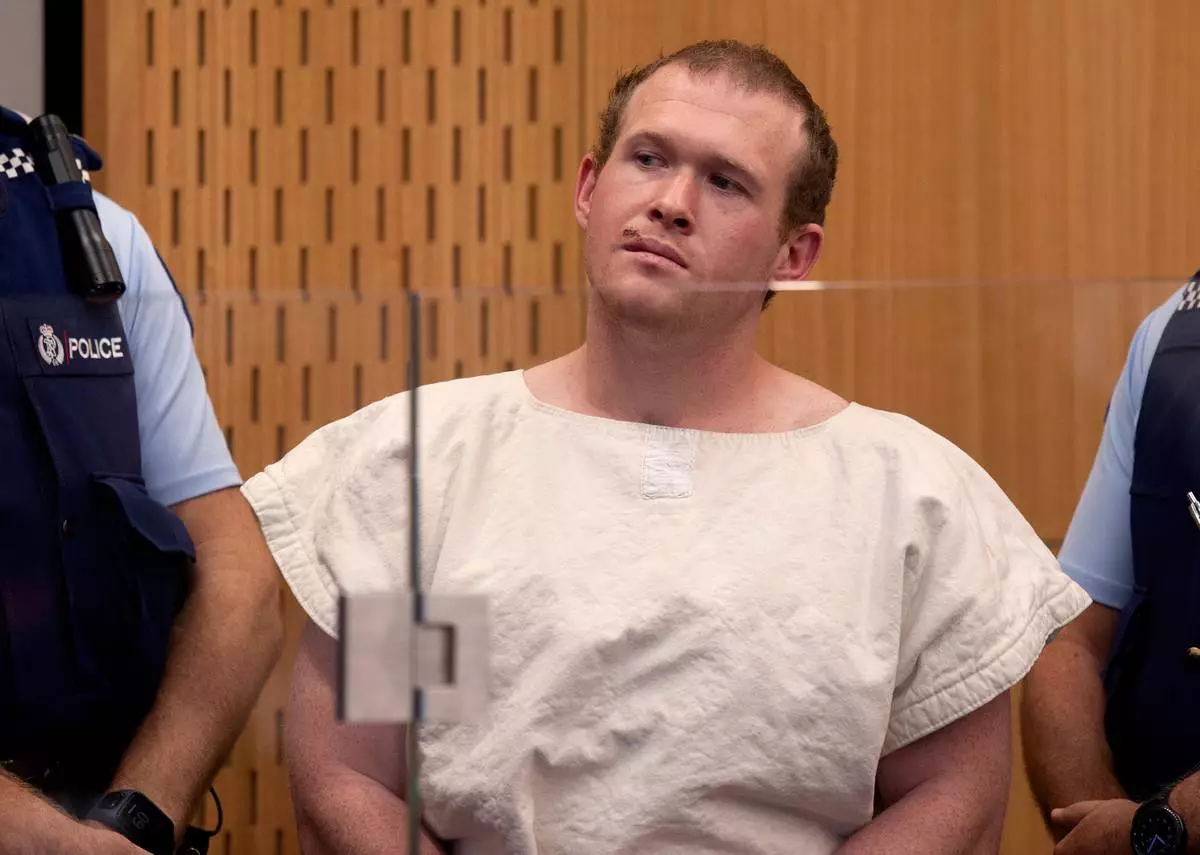
FILE - Brenton Tarrant appears in the Christchurch District Court, in Christchurch, New Zealand, March 16, 2019. (Mark Mitchell/Pool Photo via AP, File)
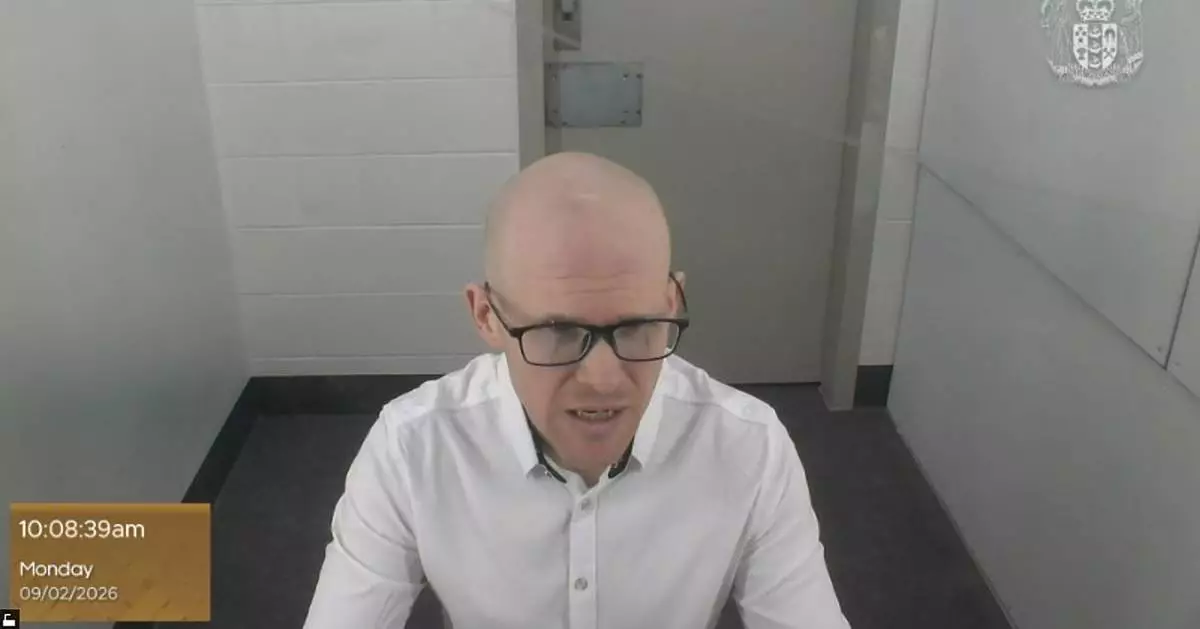
In this photo made from video and provided by the New Zealand Court of Appeal, Monday, Feb. 9, 2026, Brenton Tarrant appears before the court by video from Auckland Prison in Auckland. (New Zealand Court of Appeal via AP)