HKMA 2026 Chinese New Year anti-fraud and electronic lai-see campaign
The following is issued on behalf of the Hong Kong Monetary Authority:
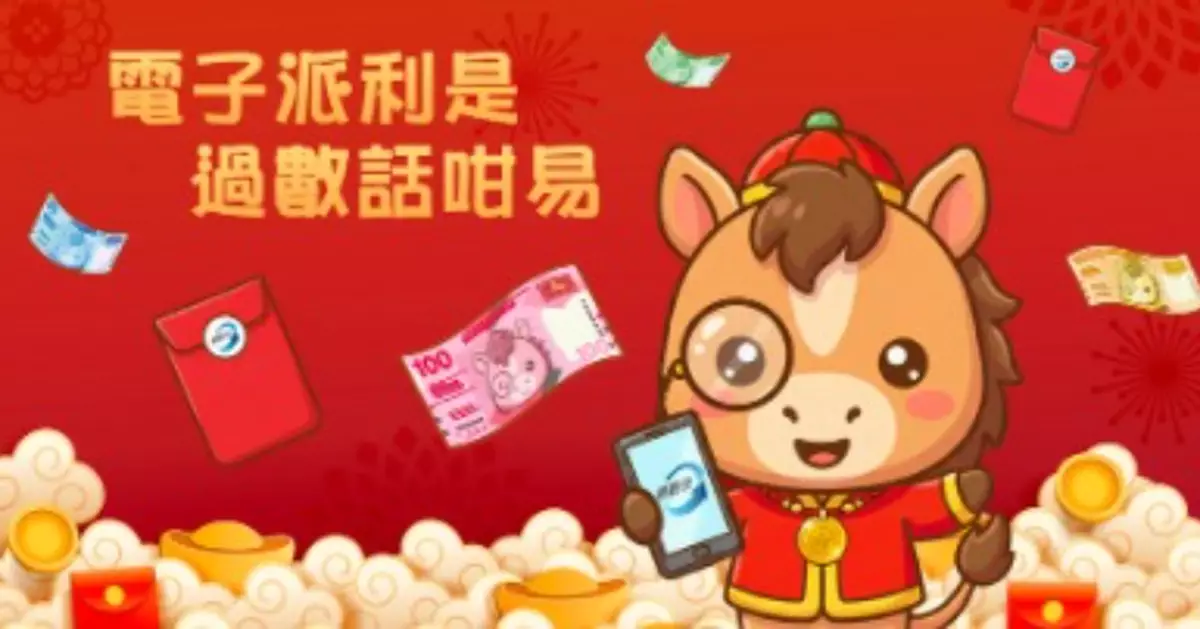
The Hong Kong Monetary Authority (HKMA) today (February 12) launched the 2026 anti-fraud public education campaign themed "Unite to Fight Scams", and introduced a new series of animated Year of the Horse stickers, "Horse Butler", as the Chinese New Year approaches, integrating anti-fraud messages into the everyday scenario of distributing electronic red packets (lai-see).
(1) Anti-Fraud Public Education Campaign 2026 (Annex)
The first campaign project utilises artificial intelligence technology to create a brand-new anti-fraud music video. Based on the concept of Kung Fu (martial arts) game, Deputy Chief Executive of the HKMA Mr Arthur Yuen transforms into a game character, facing off against the original fraudster character "Lachachu" (despicable banana in Cantonese) in a battle between good and evil.
In the music video, the "Lachachu" utilises the myriads of changing identities to swindle members of the public out of their trust, personal information, and money. Through this "good versus evil" duel, the HKMA aims to rally public attention and collective efforts to combat scams.
The trailer has been released on the HKMA social media platforms, with the full version to be launched soon.
(2) "Horse Butler" Animated Stickers (Annex)
The new series features the HKMA’s original character, "Horse Butler", and includes 10 animated stickers covering themes such as festive greetings, daily transfers, financial innovation, and fraud prevention.
The HKMA encourages the public to distribute lai-see via the Faster Payment System or other e-wallets, and wishes to remind the public to protect their savings and guard against fraud when sending festive greetings to relatives and friends.
The sticker series has been uploaded to official platforms (Chinese version only); the public should download it only through official channels. WhatsApp users can visit: whatsticker.online/p/781320YRPwk4T/HK/zh, or search for " – 2026" in the WhatSticker app to download; WeChat users can download it from the "" WeChat official account.
(3) Beware of Chinese New Year Sticker Scams
Lately, there have been fraudsters distributing fraudulent Chinese New Year stickers or electronic lai-see with phishing QR codes or hyperlinks via instant messaging software, tricking users into receiving lai-see or greeting cards, and attempting to steal personal information or money. Members of the public should stay highly vigilant during the festive season.
The HKMA reiterates that it will not contact individualmembers of the public regarding personal financial matters, nor will it direct them to conduct transactions or provide any sensitive personal information via SMS or hyperlinks.
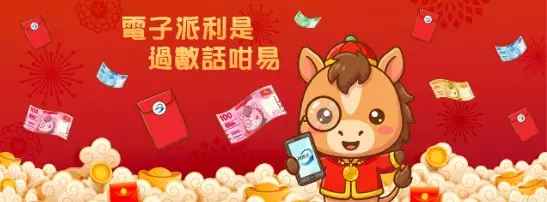
Photo source: whatsticker.online
Hong Kong Customs detects two dangerous drugs cases and seizes suspected drugs worth about $3.4 million
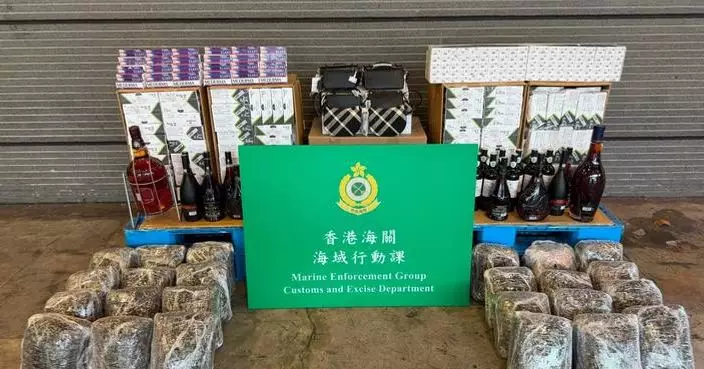
Hong Kong Customs detected two dangerous drugs cases in Hong Kong International Airport and Yau Ma Tei respectively on April 1 and yesterday (April 2), and seized a total of about 3.1 kilograms of suspected ketamine, about 1.7 kilograms of suspected cocaine and about 1.7 kilograms of suspected methamphetamine with a total estimated market value of about $3.4 million. Two persons suspected to be connected with the cases were arrested.
In the first case, a 43-year-old male passenger arrived in Hong Kong from Bangkok, Thailand on April 1. During customs clearance, Customs officers found about 3.1 kilograms of suspected ketamine concealed inside food packaging in his baggage. The man was subsequently arrested.
In the second case, during an anti-narcotics operation conducted in Yau Ma Tei on April 2, Customs officers intercepted a 41-year-old man and later escorted him to a hotel room nearby for a search and seized about 1.7 kilograms of suspected cocaine, about 1.7 kilograms of suspected methamphetamine, a drug inhaling apparatus and a batch of drug packaging paraphernalia. The man was subsequently arrested.
The arrested persons have been charged with one count of trafficking in a dangerous drug respectively and will appear at the Kwun Tong Magistrates' Courts tomorrow (April 4).
Customs will continue to step up enforcement against drug trafficking activities through intelligence analysis. The department also reminds members of the public to stay alert and not to participate in drug trafficking activities for monetary return. They must not accept hiring or delegation from another party to carry controlled items into and out of Hong Kong. They are also reminded not to carry unknown items for other people, nor to release their personal data or home address to others for receiving parcels or goods.
Customs will continue to apply a risk assessment approach and focus on selecting passengers from high-risk regions for clearance to combat transnational drug trafficking activities.
Under the Dangerous Drugs Ordinance, trafficking in a dangerous drug is a serious offence. The maximum penalty upon conviction is a fine of $5 million and life imprisonment.
Members of the public may report any suspected drug trafficking activities to Customs' 24-hour hotline 182 8080 or its dedicated crime-reporting email account (crimereport@customs.gov.hk) or online form (eform.cefs.gov.hk/form/ced002).
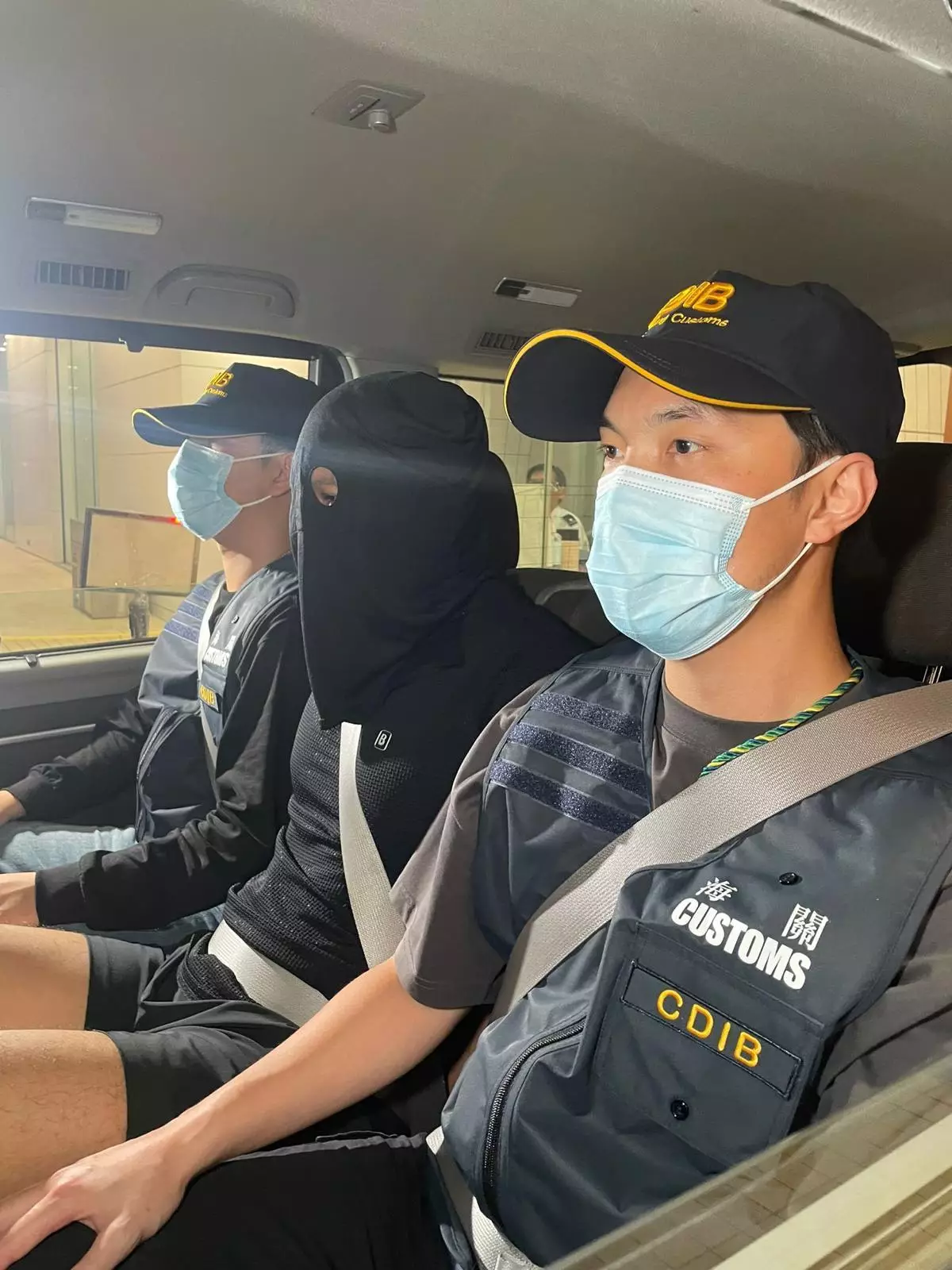
Hong Kong Customs detects two dangerous drugs cases and seizes suspected drugs worth about $3.4 million Source: HKSAR Government Press Releases
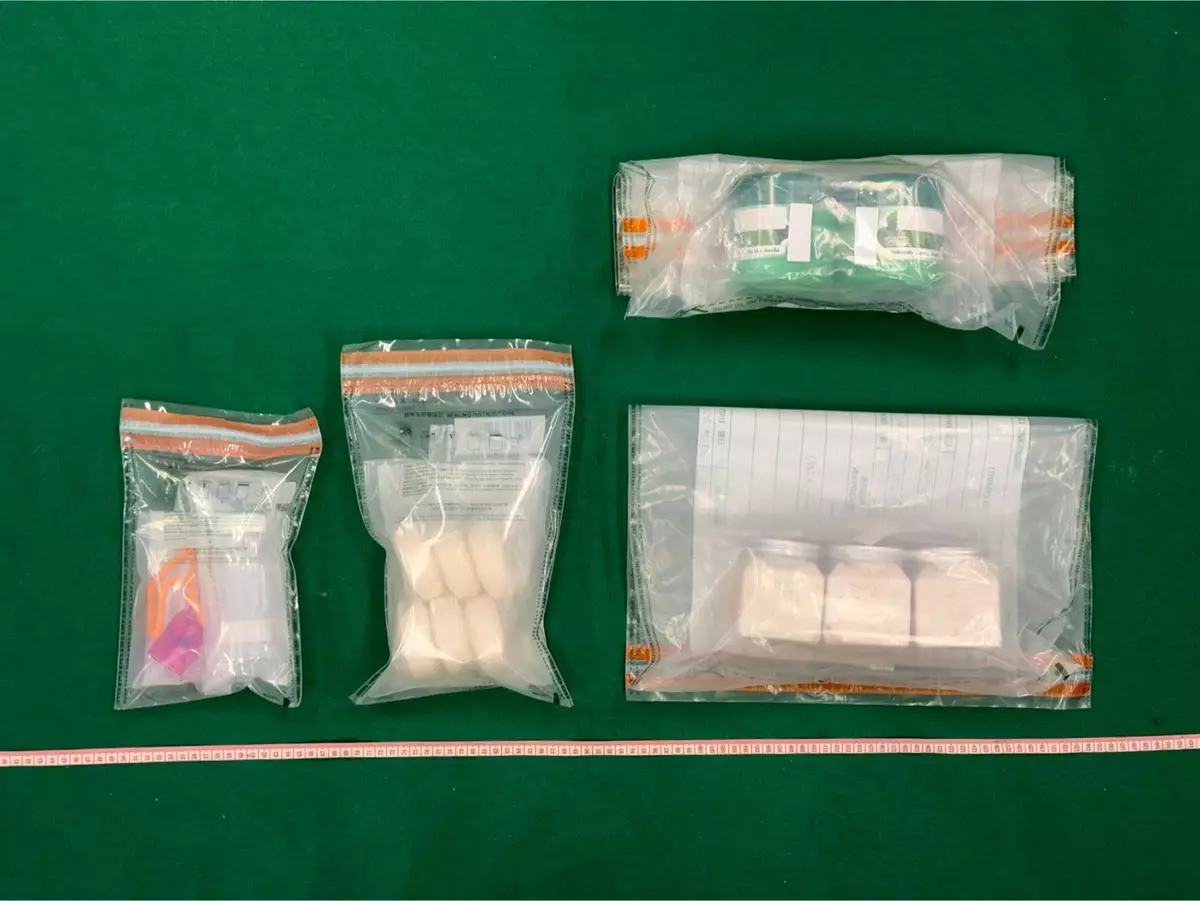
Hong Kong Customs detects two dangerous drugs cases and seizes suspected drugs worth about $3.4 million Source: HKSAR Government Press Releases
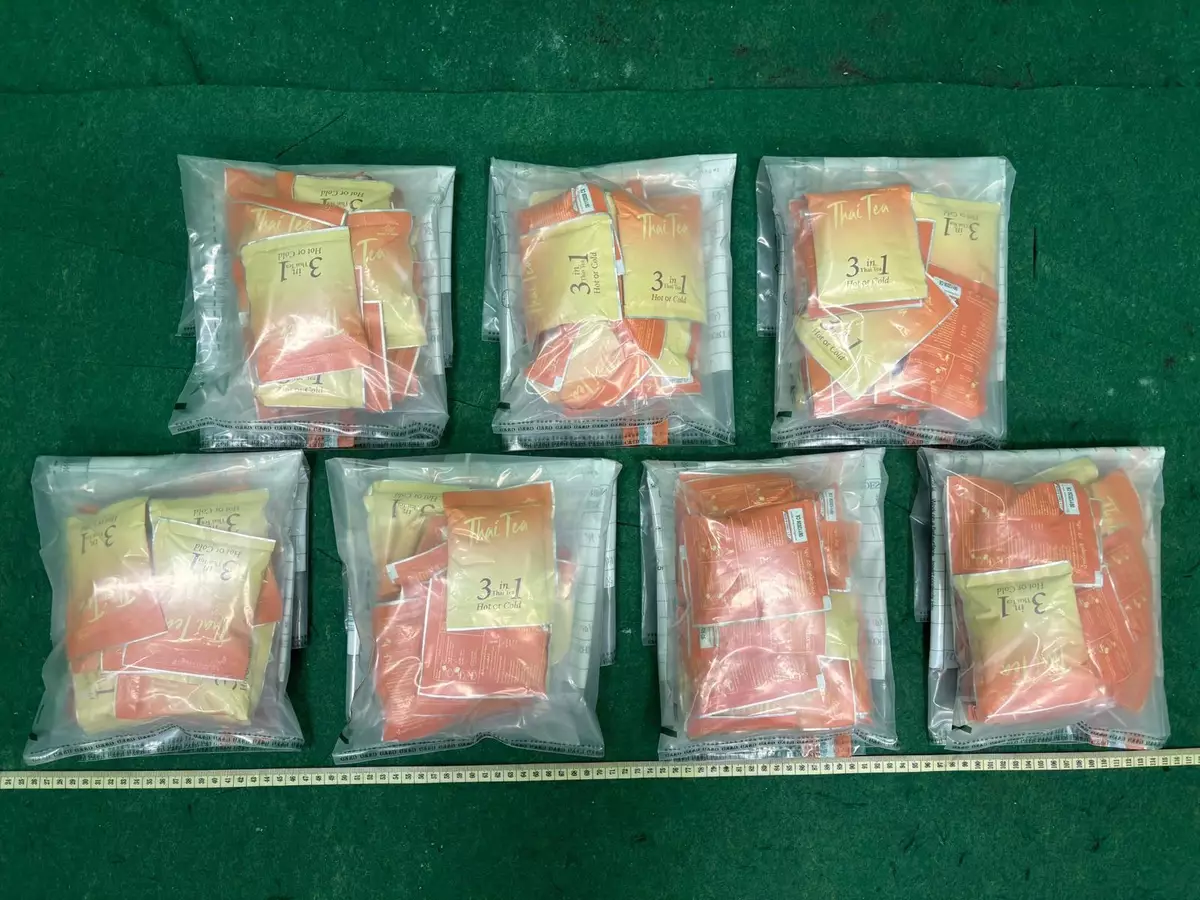
Hong Kong Customs detects two dangerous drugs cases and seizes suspected drugs worth about $3.4 million Source: HKSAR Government Press Releases