Two Syrian culture workers have underscored the rich cultural heritage behind the Spring Festival, also known as the Chinese New Year, highlighting its long history and cultural significance.
The Spring Festival, China's most important traditional celebration, arrives each year bearing rituals passed down for thousands of years, along with social and cultural scenes reenacted each year. A key spirit centers on family reunions, as hundreds of millions of migrant workers and residents who have settled elsewhere return to their hometowns with gifts and favorite foods, creating the world's largest annual human migration.
At the beginning of a new cycle of life, the festival holds a central place in the collective memory of the Chinese people, shaping their cultural and social identity.
This year, the festival falls on Feb 17, ushering in the Year of the Horse, the seventh of the 12 animals in the Chinese zodiac.
As China's influence rises, the festival's domestic celebration has gradually taken on broader global and cultural significance.
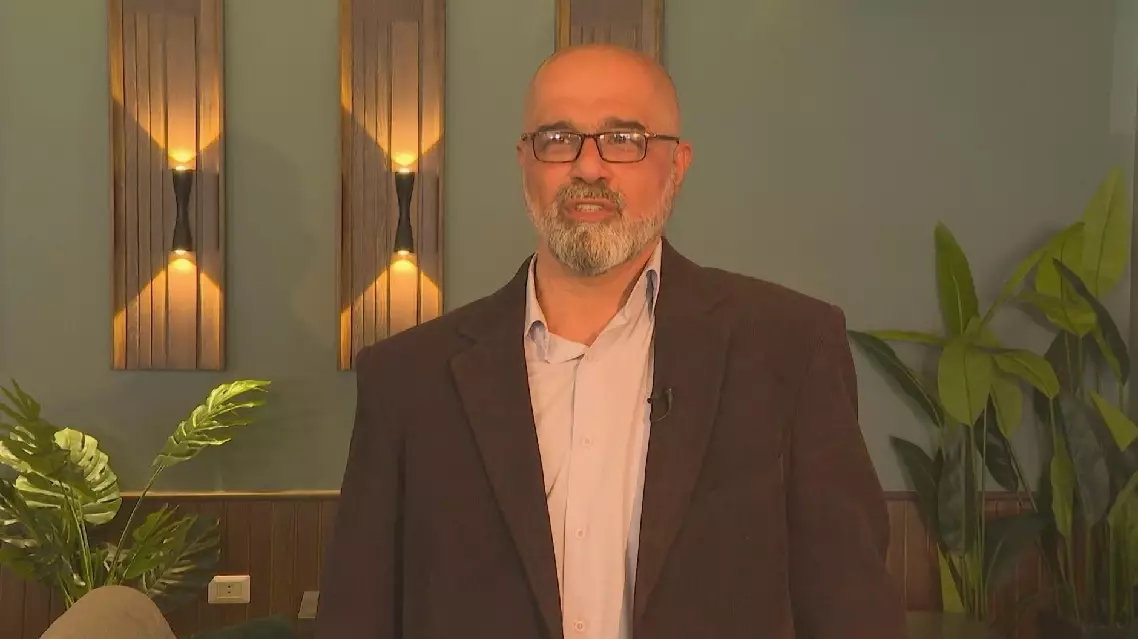
"Chinese culture has been present and transcending continents for thousands of years. The Chinese people celebrate the festival according to the lunar calendar, a tradition dating back to 104 BC. This year is the Year of the Horse, which is considered one of the strongest years as horse symbolizes strength, courage, and speed. This festival is a cultural heritage that reflects Chinese civilization through the preservation of its traditional customs. It serves as a bridge linking the past, present, and future. I wish everyone a happy New Year!" said Iyad Nasser, a Syrian virtual artist.
The spirit of the Spring Festival is reflected in streets and markets through the color red decorations, fireworks, and symbols of good fortune and prosperity. At the heart of the celebration is the "reunion dinner," regarded as the most sacred ritual of the festival. Over the 15 days of festivities, customs will range from exchanging gifts and visiting temples to watching dragon and lion dances, forming a vivid scene that reflects the festival’s deep connection with mythology, astronomy and the lunar cycle that precisely determines its dates.
"First of all, I am delighted and honored to participate as a Syrian artist with my artwork. I would like to extend my love and greetings to my friends in China on the occasion of the Chinese New Year, the Spring Festival. Happy New Year! The Chinese New Year ushers in the Year of the Horse this year, which symbolizes strength, courage, authenticity, and forward momentum. These qualities characterize the Chinese people today and throughout thousands of years, across economic, urban and cultural development. Even now, they continue to preserve their cultural heritage. The Spring Festival is the beginning of a new cycle of life for the Chinese people. I hope it brings positive energy and peace among peoples, and that art remains a space for connection and love among us all," said Ola Ibrahim, a Syrian fine arts academic.
Beyond China's borders, the Spring Festival has become a global event celebrated by Chinese communities worldwide. China also embraced the festival as a cultural and tourism platform to promote its rich heritage. Balancing tradition and modernity, the festival continues to maintain its traditional spirit, even as its expressions extend into the digital sphere, where virtual greetings and gifts have become part of the new landscape of celebration.
From Syria, where cultures intersect and traditions differ, the Spring Festival stands as a vivid example and model of people's ability to preserve their collective memory and hold on to their diverse history, despite changing times and geography.
Syrian artists explore cultural heritage behind Chinese New Year