President Donald Trump has nominated for director of the National Park Service an executive from a hospitality company that holds extensive contracts with the agency he would lead.
The nomination of Scott Socha late Wednesday follows widespread firings within the Park Service as part of efforts by Trump's Republican administration to sharply reduce its size. The administration also has faced blowback for the removal or planned removal of national park exhibits about slavery, climate change and the destruction of Native American culture.
Administration officials have said they are removing “disparaging” messages under an order last year from Trump. Critics accuse it of trying to whitewash the nation’s history.
Socha is a president for parks and resorts at Delaware North, which describes itself as one of the world's largest privately owned hospitality and entertainment companies, with more than $4 billion in revenue in 2022. The company provides hospitality services in at least six national parks, including Grand Canyon, Yellowstone and Shenandoah, said spokesperson Cait Zulewski.
The Buffalo, New York-based company has more than 40,000 employees, according to its website. Socha has been with it since 1999 and will continue in his role there while his nomination is pending, Zulewski said.
The Senate must confirm Socha's nomination.
White House spokesperson Taylor Rogers said Socha was “totally qualified” to execute Trump’s plans for the park system.
“Scott looks forward to implementing America First initiatives, such as increasing park access for American families, reducing permitting burdens, and raising money for conservation projects,” she said.
Trump last year proposed cutting the Park Service's $2.9 billion operating budget by more than $900 million. Park supporters and former employees said that would effectively gut the agency.
The cuts were blocked by lawmakers in Congress who recently voted to keep the service's budget at about the same amount as the last two years. However the parks already lost almost a quarter of their employees, or more than 4,000 positions, due to firings and other changes since Trump took office, according to the National Parks Conservation Association, an advocacy group.
Association director Theresa Pierno said Thursday it was ready to work with Socha, but he must reverse course on recent policies. The Park Service has gone more than a year without a confirmed director.
“If confirmed, he must put the Park Service’s mission first, stand up for park staff, fill critical vacancies and halt attacks on our nation’s history,” Pierno said. “Given Mr. Socha’s years of experience working with the Park Service, we hope he will be that leader.”
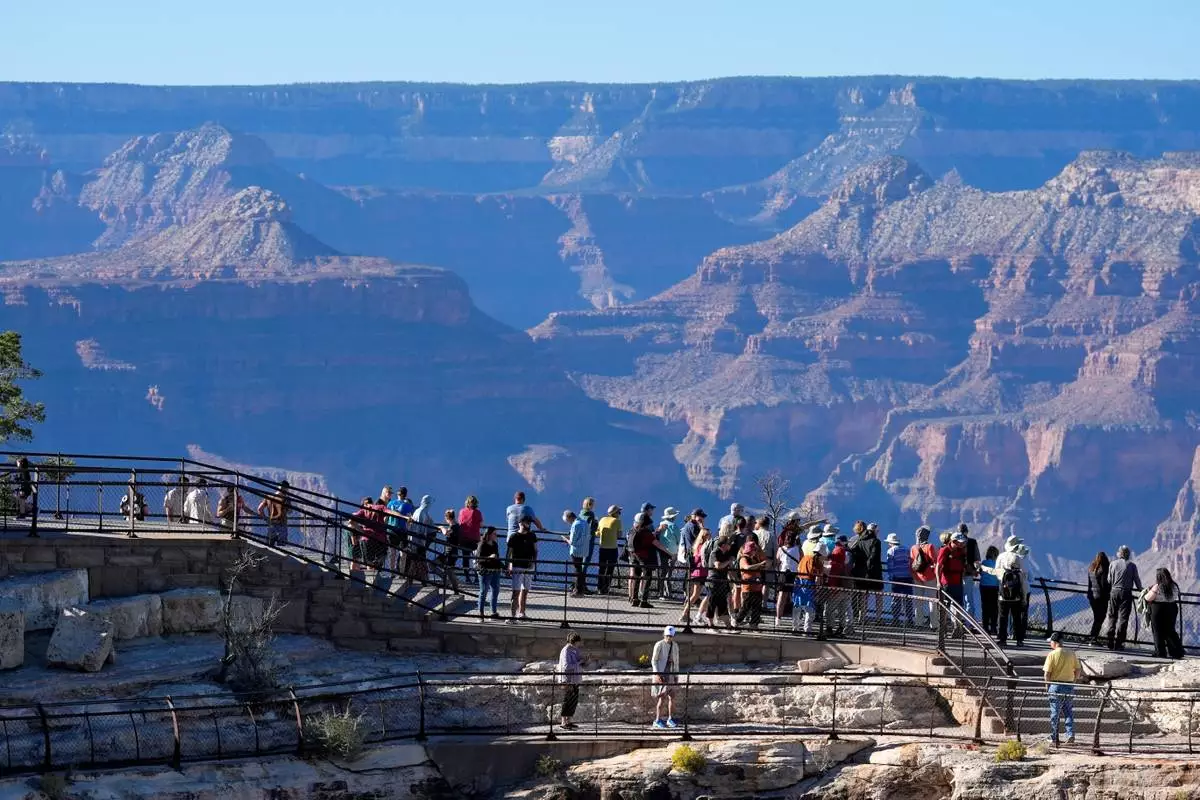
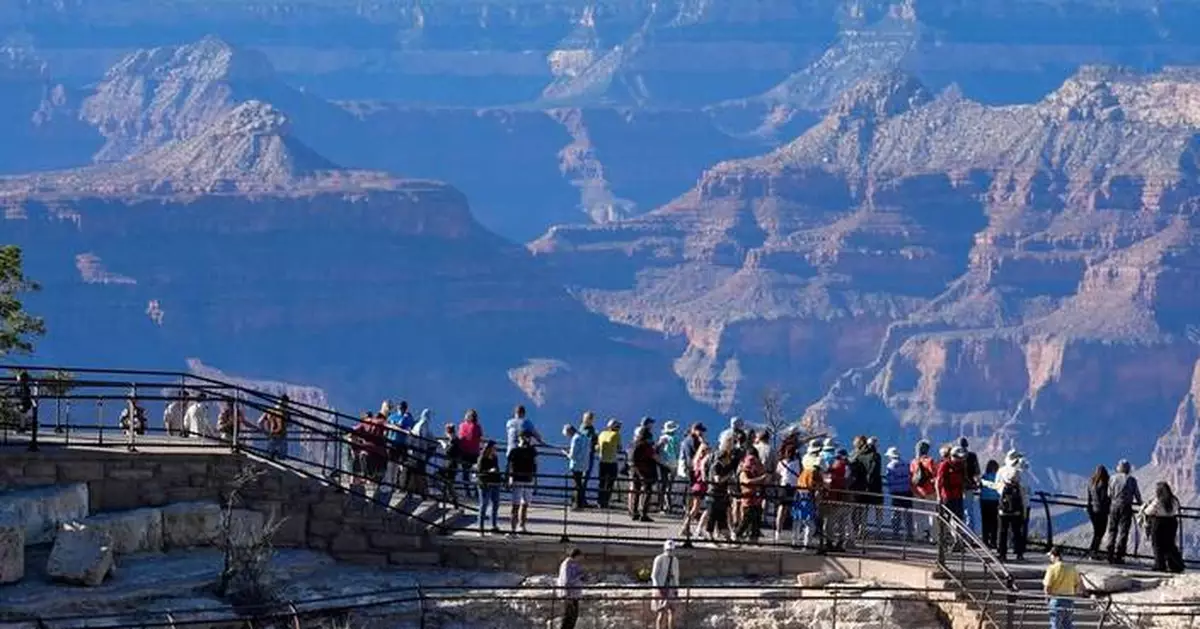
FILE - Tourists flock to Mather Point at Grand Canyon National Park, Oct. 1, 2025, in Grand Canyon, Ariz. (AP Photo/Ross D. Franklin, File)
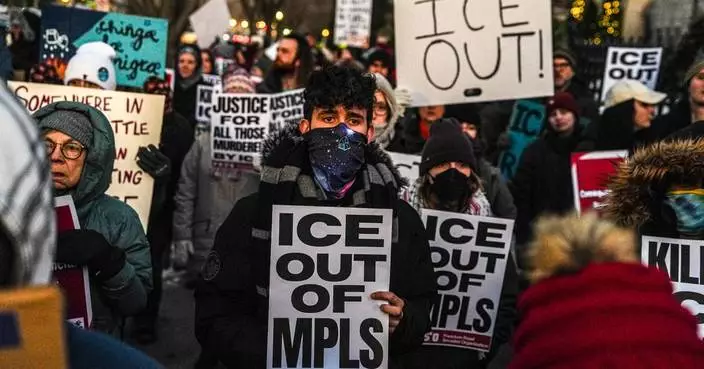
MINNEAPOLIS (AP) — The Trump administration is ending a massive immigration crackdown that swept across the Minneapolis-St. Paul area and other Minnesota communities, border czar Tom Homan said Thursday, concluding an operation that led to thousands of arrests, angry mass protests and the fatal shootings of two U.S. citizens.
The crackdown, which the Department of Homeland Security called its “ largest immigration enforcement operation ever,” became the most prominent flashpoint in the debate over President Donald Trump’s mass deportation efforts.
The surge of thousands of federal officers changed life across the Twin Cities. Convoys of unmarked SUVs became commonplace in some immigrant neighborhoods, where residents could stumble onto masked men in body armor making arrests and throngs of protesters who filled the air with taunts, insults and shrieking whistles.
The U.S. Immigration and Customs Enforcement operation, which flared up into street clashes after federal officers killed Renee Good and Alex Pretti in Minneapolis, became a major political distraction for the Trump administration. The announcement of a drawdown marked a significant retreat as a new AP-NORC poll found that most U.S. adults say Trump’s immigration policies have gone too far.
Operation Metro Surge, which started in December, resulted in more than 4,000 arrests, Homan told reporters Thursday morning, declaring it a success.
“The surge is leaving Minnesota safer,” he said. “I’ll say it again: It’s less of a sanctuary state for criminals.”
But while the administration portrayed its Minnesota targets as dangerous criminals, many had no criminal records and they included working families, children like 5-year-old Liam Conejo Ramos and U.S. citizens.
In a city with a long history of progressive politics, there was skepticism, along with relief, at Homan's announcement.
“We will believe it when we see it — and any ICE presence is a threat to everyone's safety,” Minneapolis City Council Member Aurin Chowdhury said in a statement. “We will be left in the aftermath of destruction, and we will have to pick up the pieces of our communities.”
The surge sent waves of fear through immigrant communities, with children staying home from school or learning remotely, immigrant businesses temporarily shutting down and church pews left empty. Residents delivered thousands of meals to families too afraid to leave home.
A sprawling activist network pushed back against the surge, with thousands of volunteers tracking the convoys of heavily armed federal agents. Clashes were commonplace for a time, with protesters throwing snowballs and spraying graffiti and officers sometimes using tear gas and pepper spray.
Trump initially said the surge was an effort to root out fraud in publicly funded programs, which he blamed on the state's large Somali community, most of whom are U.S. citizens. But it soon shifted gears toward other ethnic groups, such as Latinos and West Africans.
State and local officials, who frequently clashed with federal authorities, say the swarm of immigration officials has inflicted long-term damage on Minnesota's economy and immigrant community.
Russ Adams of the Lake Street Council, a nonprofit serving the largely immigrant neighborhood of the same name, estimated that businesses there lost tens of millions of dollars in December and January.
“We’re not going to recover in March, even if 2,000 ICE agents leave tomorrow,” he said last week. “You don’t come back from that.”
Democratic Gov. Tim Walz urged residents to remain vigilant in the coming days as immigration officers prepare to leave and said he will not express gratitude for the Trump administration officials who caused “this unnecessary, unwarranted and in many cases unconstitutional assault on our state.”
“It’s going to be a long road,” Walz said at a news conference. “Minnesotans are decent, caring, loving neighbors and they’re also some of the toughest people you’ll find. And we’re in this as long as it takes.”
The governor proposed a $10 million aid package for businesses that have suffered, and he called on Washington to help fund the recovery.
“You don’t get to break things and then just leave without doing something about it,” he said.
Homan was vague about a timeline for the drawdown, but Walz said Homan assured him that officers would start leaving immediately.
“We will help you get to the airport,” the governor said. “We will clear the road to get to the airport. I will pack your damn bags if that’s what it takes.”
Homan's announcement came as Democratic lawmakers are demanding restraints on immigration officers before agreeing to fund DHS. The Trump administration is trying to secure votes in Congress to prevent federal funding from expiring at the end of the week.
Walz, a former congressman, said the announcement does not make him any readier to support restoring DHS funding. He added that he has been in contact with Democratic leaders in both houses of Congress and urged them to “hold the line until you get the at least minimum reforms necessary in this rogue agency.”
In Washington, Republican Sen. Rand Paul said the shootings in Minneapolis changed how some Americans saw the immigration crackdown.
“It’s clearly evident that the public trust has been lost,” the Kentucky senator said at a Thursday hearing. “To restore trust in ICE and Border Patrol, they must admit their mistakes, be honest and forthright with their rules of engagement and pledge to reform.”
“President Trump made a promise of mass deportation, and that’s what this country is going to get,” Homan said.
Todd Lyons, the acting director of ICE, said during the hearing that the agency is still looking for about 16,840 people in Minnesota with final orders of removal.
Homan took over the operation in late January after the second fatal shooting, of Pretti, and amid growing political backlash about how the operation was being run by Gregory Bovino, a proudly norm-breaking senior Border Patrol official who became the public face of the crackdown.
Later Thursday, Sheila Rzepecki was among people visiting a makeshift memorial for Renee Good, an array of candles, posters, flowers and cards left at the scene of her shooting.
Her son is disabled, she said, and his health aide, who is from Colombia, has been too scared to leave her home even though she is in the U.S. legally.
“This is the fear they put into such wonderful people in our community,” Rzepecki said.
She dismissed the claim that the surge left the region safer, saying: “The people they are rounding up are the people that are so important to our community. Don't believe what they say.”
Many activists said the fight is not over. Lisa Erbes, a leader of the protest group Indivisible Twin Cities, said officials must be held accountable.
“People have died. Families have been torn apart,” Erbes said. “We can’t just say this is over and forget the pain and suffering that has been put on the people of Minnesota.”
In New York, Mayor Zohran Mamdani met in the afternoon with Minneapolis Mayor Jacob Frey to discuss ways to protect immigrants.
“They thought they could break us, but a love for our neighbors and a resolve to endure can outlast an occupation,” Frey said on social media. “These patriots of Minneapolis are showing that it’s not just about resistance — standing with our neighbors is deeply American.”
Associated Press reporters Mark Vancleave in Minneapolis; John Seewer in Toledo, Ohio; Russ Bynum in Savannah, Georgia; Elliot Spagat in San Diego; Rebecca Santana and Nathan Ellgren in Washington; and Jake Offenhartz in New York contributed.
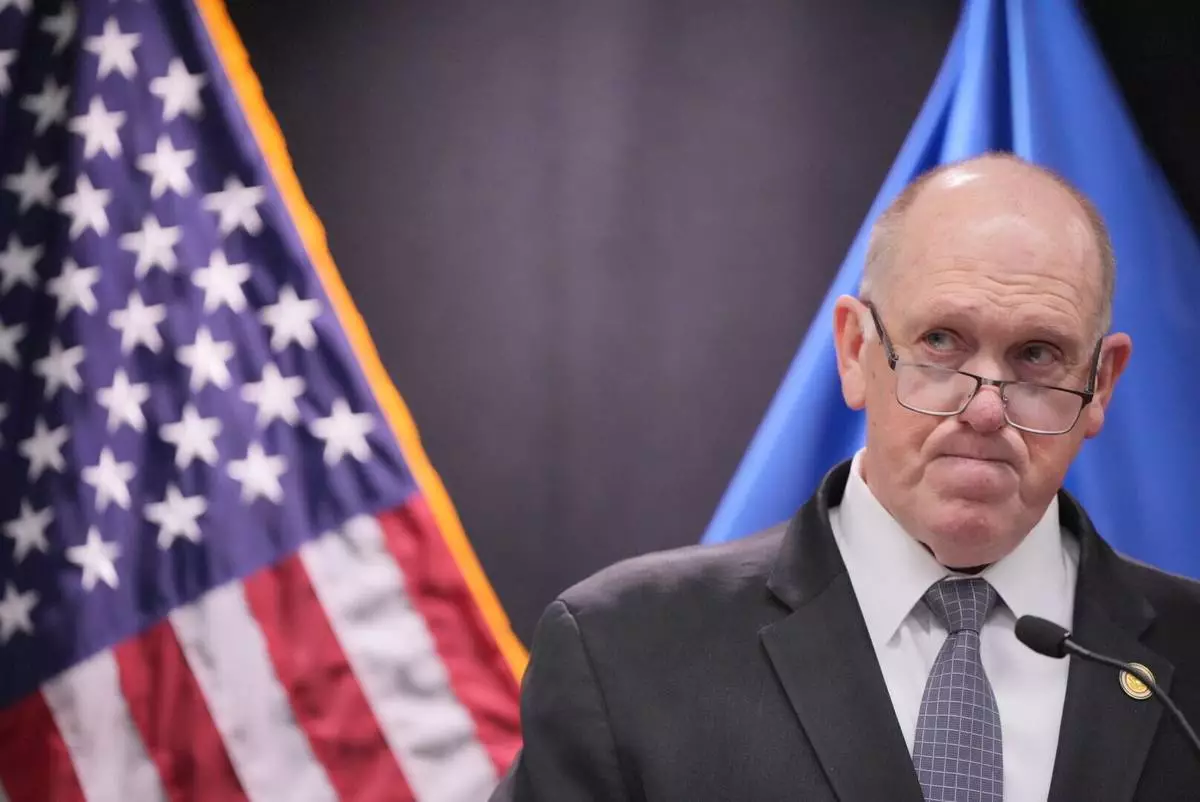
White House border czar Tom Homan holds a news conference at the Bishop Whipple Federal building on Thursday, Feb. 12, 2026 in Minneapolis. (Leila Navidi /Star Tribune via AP)
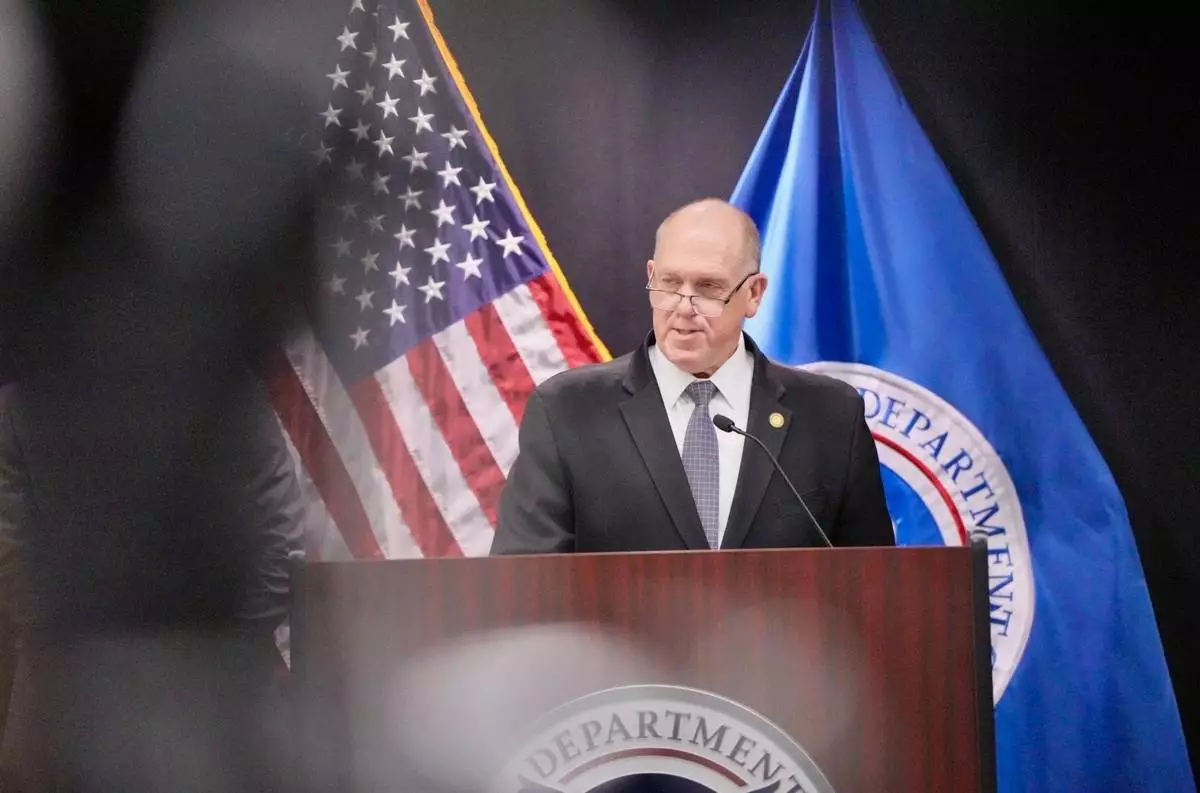
White House border czar Tom Homan holds a news conference at the Bishop Whipple Federal building on Thursday, Feb. 12, 2026 in Minneapolis. (Leila Navidi /Star Tribune via AP)
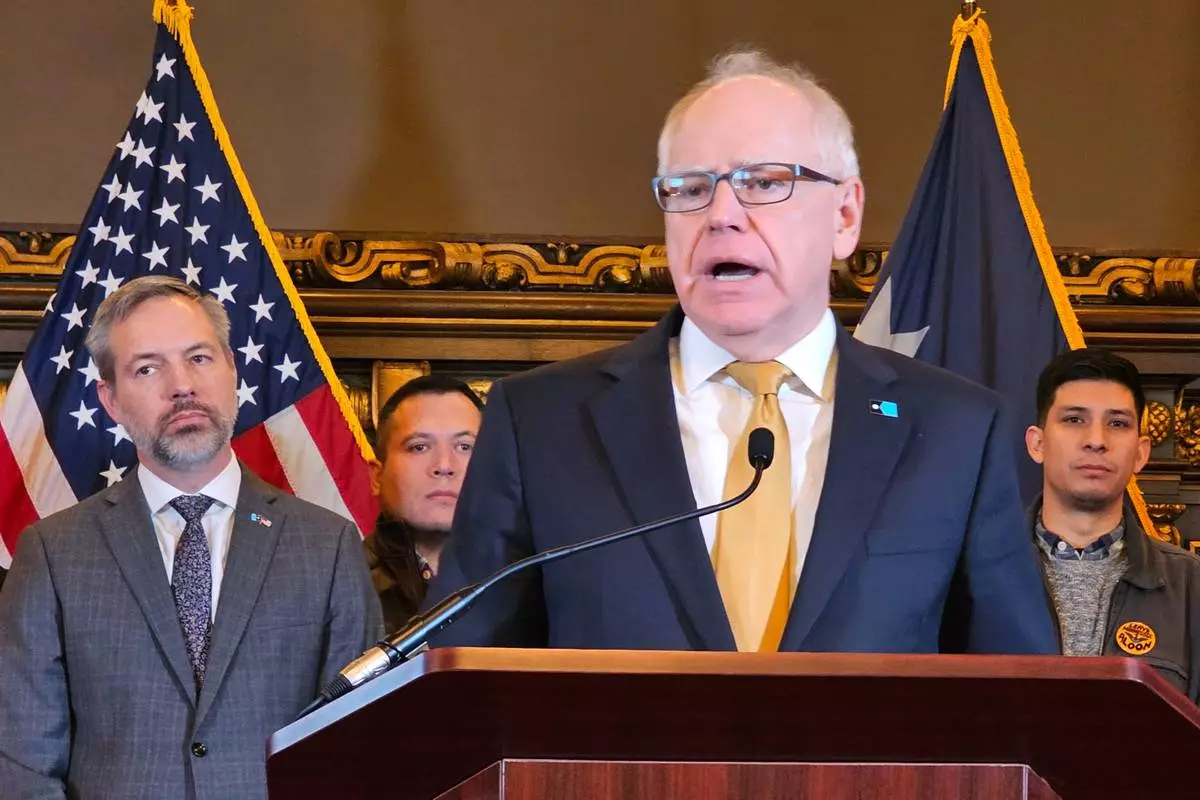
Gov. Tim Walz holds a news conference at the State Capitol in St. Paul, Minn., on Thursday, Feb. 12, 2026. (AP Photo/Steve Karnowski)
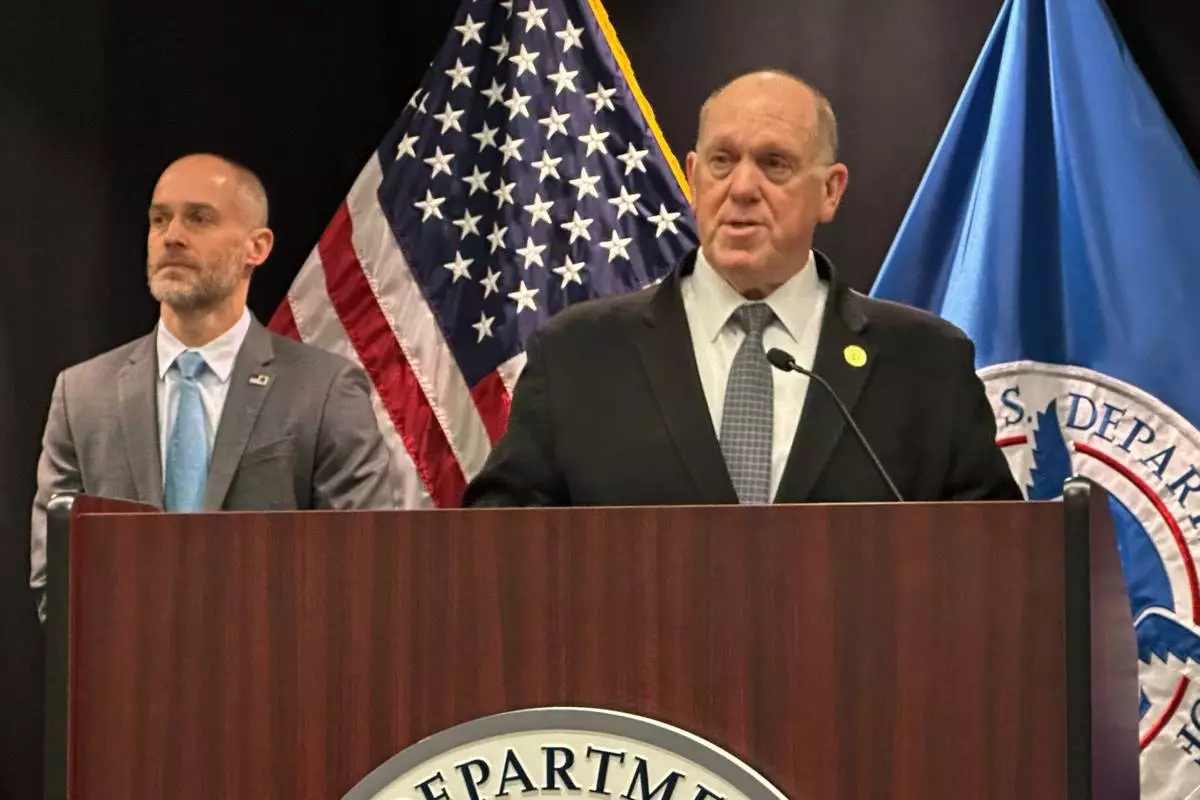
CORRECTS CREDIT TO STEVE KARNOWSKI - White House border czar Tom Homan holds a news conference at the Bishop Whipple Federal building on Thursday, Feb. 12, 2026 in Minneapolis. (AP Photo/Steve Karnowski)