DETROIT (AP) — Valentine's Day dinner at White Castle with candles, attentive wait staff and white tablecloths was a treasured experience for Krystal Gray and her mother, Cornelia Murphy.
This year, Gray will bring along a photo of her mother, who died last spring at age 80, and place it on the table she has still reserved at one of the fast-food chain restaurants in the Detroit suburb of Ferndale.
“It wouldn't be the same without her,” Gray said. “I wanted something to make me feel better about her not physically being able to come.”
For 35 years, White Castle has invited lovers, loved ones and the soon-to-be in love to have an intimate meal at its restaurants. This year the 325 White Castles with a dining room in the U.S. are taking part in the promotion, according to Jamie Richardson, chief marketing officer of the Columbus, Ohio-based restaurant chain.
“That one day White Castle becomes love castle,” Richardson said. “It’s something our customers look forward to. Many are repeat visitors on Valentine’s Day.”
The promotion started in 1991 and was only offered at White Castles in St. Louis and Minneapolis. Richardson said the goal was to offer “something kind of fun and quirky and see if anyone wants to come out have a fancy Valentine’s Day dinner at White Castle.”
Each participating eatery is given a budget for decorations which can include red balloons, garland and flowers. Reservations are required and opened in early January. About 32,000 people celebrated Valentine’s Day dinner at a White Castle in 2025. Richardson says they are on target for more than 35,000 this year.
“Some people show up in limousines,” he said. “We’ll have people dress like it’s their wedding. We had over 200 White Castle weddings over the years.”
There's just something about the thin slice of steam-grilled beef, slathered in mustard and ketchup with diced onions, cheese and a pickle slice on a dinner roll that many can't resist. Crinkle-cut French fries and a soft drink typically fill out orders. The onion chips and chicken rings also are popular.
“It’s all the ambiance, all the love and all the great memories for a fraction of the price,” Richardson said. “For a couple, if they are really splurging, it’s right around $20, or $25 if you’re getting dessert on a stick.”
Ann Tubbs, district supervisor of nine “Castles” in the Detroit and mid-Michigan areas, said customers tell her that the affordable cost helps but people keep coming because of the tradition and memories.
“I've had a couple who announced their pregnancy,” Tubbs said. “We've had people come in with their children just to make those moments, and others who have gotten engaged.”
Amy Richardson, 41, of Lincoln Park near Detroit, makes sure that she, her three children and her significant other also dress the part, wearing something pink or red and at times matching each other.
She said she has spent Valentine's Day at a White Castle every year since 2012.
“I had just gotten into a new relationship and I had a 3-year-old daughter,” she said of the first time. “We wanted to make it somewhere kid-friendly. All three of us packed up and went out on our date.”
The couple has since added two younger children and spend about $30 on their Valentine's Day meals for a family of five.
“We usually get the sliders and the chicken rings and the mozzarella cheese sticks,” Amy Richardson added. “It's more of a nostalgia thing. It may be fancied up, but it's not a fancy restaurant where people frown on you bringing a young child or children.”
Waffle House, another national restaurant chain, also will mark its 18th year of offering a special themed dinner on Valentine's Day. This was the first year online reservations were taken and many of the 218 Waffle House locations taking part were booked by the end of last week, according to spokesperson Kelly Bruner.
Gray has made Valentine's Day at White Castle sort of a tradition, having done it about 10 times. Gray will be among 14 fans inducted in May into the White Castle “Craver’s Hall of Fame.” They were selected after submitting their White Castle stories.
This year, she also will share the day with her two young daughters as a tribute to her mother's memory.
“I just like the simplicity of it all — sit there and spend time with each other,” she said. “Sometimes, we can do too much and it goes overboard to the point where you can't really enjoy it — spending so much money.”
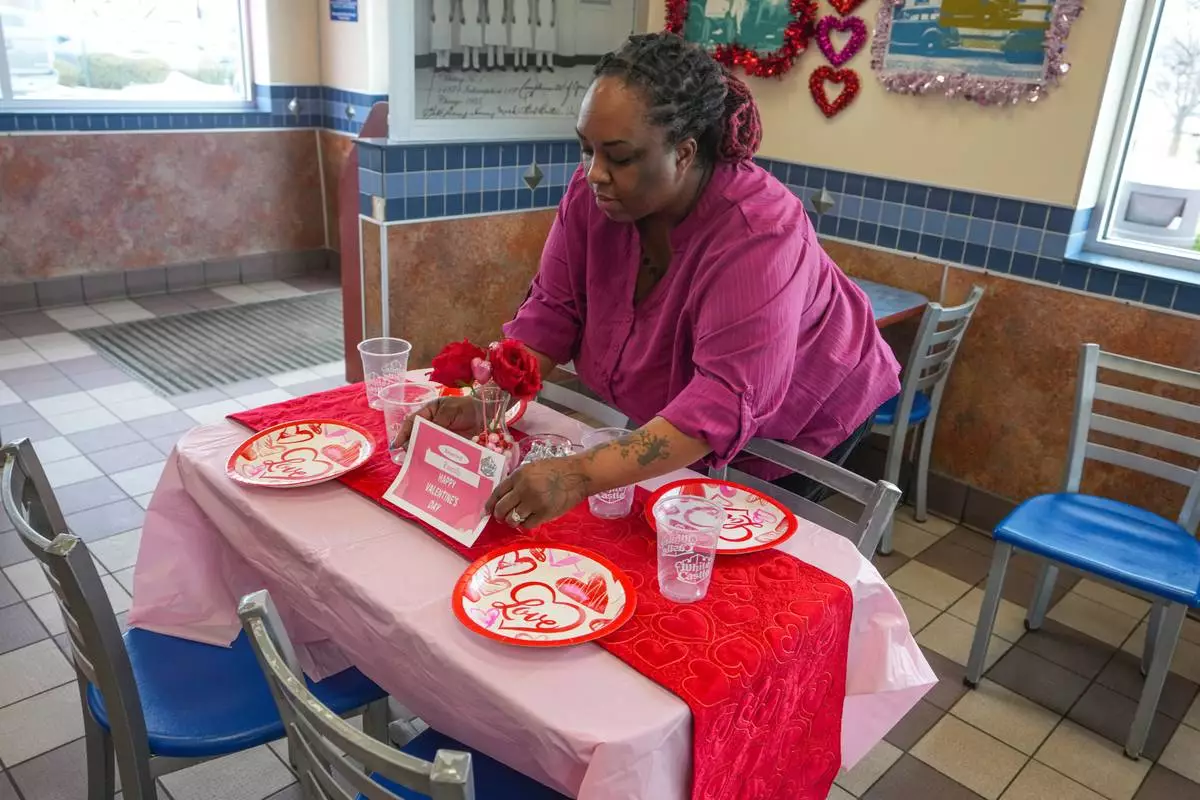
White Castle store manager Alisha Porter sets up a sample table that will be used for the store's Valentine's Day celebration in Indianapolis, Thursday, Feb. 12, 2026. (AP Photo/Michael Conroy)
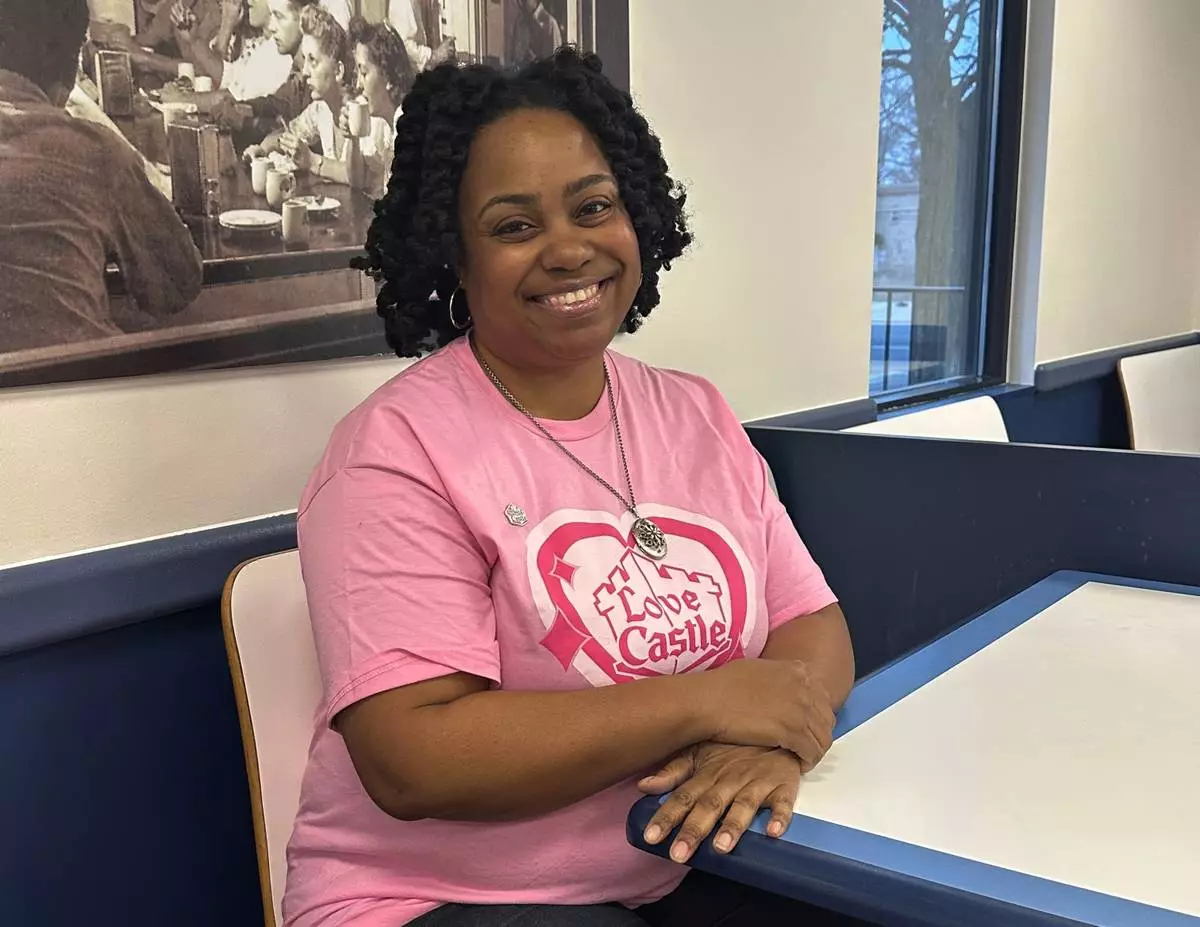
Krystal Gray, 43, of Detroit, sits at a table inside a White Castle in Ferndale, Mich., on Wednesday, Feb. 11, 2026. (AP Photo/Corey R Williams)

Valentine's decorations are shown at a White Castle location in Indianapolis, Thursday, Feb. 12, 2026. (AP Photo/Michael Conroy)
GUATEMALA CITY (AP) — The United States has deported nearly 2,300 Mexicans to Guatemala this year and sent at least dozens more to Honduras, according to official data, a shift from the beginning of U.S. President Donald Trump’s second term when such transfers were minimal.
Until now, Mexicans deported from the United States were sent almost exclusively back to their country by air and land. Only a handful arrived in other countries.
Some civil organizations believe this change reported in recent days is a way to increase pressure on Mexico, whose government has protested the deaths of 17 Mexicans in immigration custody or during enforcement operations. This also comes as Trump has expanded agreements with allied Latin American countries to conduct joint operations in the region against criminal groups and has increased its security demands to Mexico.
Guatemalan President Bernardo Arévalo confirmed Wednesday night that, so far this year, 2,284 Mexicans deported from the U.S. have arrived in the country as part of a “transit stopover” before being taken to Mexico as part of an “arrangement” with the Mexican government, and without these individuals being under any refugee or asylum status.
“They are arriving on planes carrying Guatemalan returnees, and what we have done is bring them in transit so that, in coordination with Mexican immigration authorities, we can return them to Mexican territory within 24 hours of their arrival in the country,” he explained at a press conference.
The costs of these operations are covered by the Mexican government or, in some cases, by U.S. funding, he added.
Mexico’s National Migration Institute (INM) confirmed to The Associated Press in a brief message that Mexicans have been deported by the Trump administration to Guatemala and Honduras, primarily since April, and are then transported by bus to southern Mexico.
“The reason is that the United States wants to prevent them from crossing back into its territory,” the institution said. The INM did not provide figures or further details.
Asked about why the Mexicans were sent to Central America and not their own country, and for more details, the U.S. Department of Homeland Security, which oversees immigration enforcement, said in an emailed statement that the administration “is utilizing all lawful options to carry out the largest deportation operation in history, just as President Trump promised.”
“The Mexican government has expressed its opposition to this practice to U.S. authorities and has reiterated that every Mexican citizen has the right to enter the country,” the Mexican Foreign Ministry said in a statement on Thursday. It added that Mexico is coordinating with the countries involved to ensure the safe return of Mexican citizens.
Historically, Mexico has always been willing to receive its deported citizens.
Since Trump’s first term, it has also accepted deportees from third countries, although the details of immigration agreements with Washington have usually been opaque. In 2025, Mexico received some 12,000 deported foreigners, mostly Cubans and Venezuelans, according to figures provided by Mexican President Claudia Sheinbaum. The government has not updated these figures since December although the practice has continued.
Authorities in Honduras also did not respond to requests for comment, but according to official documents from the country accessed by The Associated Press, 82 Mexicans deported from the United States arrived in the Honduran city of San Pedro Sula on two flights on August 13 and 15. An additional 35 arrived on Thursday.
Another 165 Mexicans were deported to Honduras between May and mid-July, according to the website Third Country Deportation Watch, run by the NGOs Human Rights First and Refugees International, which track U.S. deportation flights to third countries.
The website does not clarify the source of its nationality figures, but both organizations have expressed concern because these transfers could endanger migrants who possibly sought asylum in the U.S. or have few resources in an unknown country.
The deportation tactic “seems to be to put pressure on the Mexican government,” said Savitri Arvey of Human Rights First. “They really don’t want any Mexicans crossing the border.” Some of those deported arrived in Honduras on U.S. military flights, she added.
At the beginning of his second term, with immigration control as one of his priorities, Trump reached agreements with Mexico, Guatemala, El Salvador, Honduras, Costa Rica and Panama to act as “bridge” or destination countries for migrants from third countries expelled from U.S. territory. These agreements gradually expanded to more countries, including some African ones, most recently Liberia.
Until recently, only a handful of Mexicans had been expelled from the U.S. to countries other than Mexico.
Arévalo said on Wednesday that Guatemala received 15 Mexicans in 2025. As of February 2026, Honduras had officially reported the arrival of six. Costa Rica has received 11 Mexicans since Trump’s return to the White House, and according to local immigration authorities, they remain in the country. Presumably, these individuals may have requested not to be returned to Mexico out of fear.
Immigration lawyers believe that the Trump administration is using deportations to third countries as a legal loophole to indirectly force asylum seekers to return to Mexico when the government cannot send them there because it would violate court orders from immigration judges that recognize the dangers. Organizations and politicians both inside and outside the U.S. have also questioned the use of force by U.S. immigration authorities.
Verza reported from Mexico City and González from Tegucigalpa.
Follow AP’s Latin America coverage at https://apnews.com/hub/latin-america
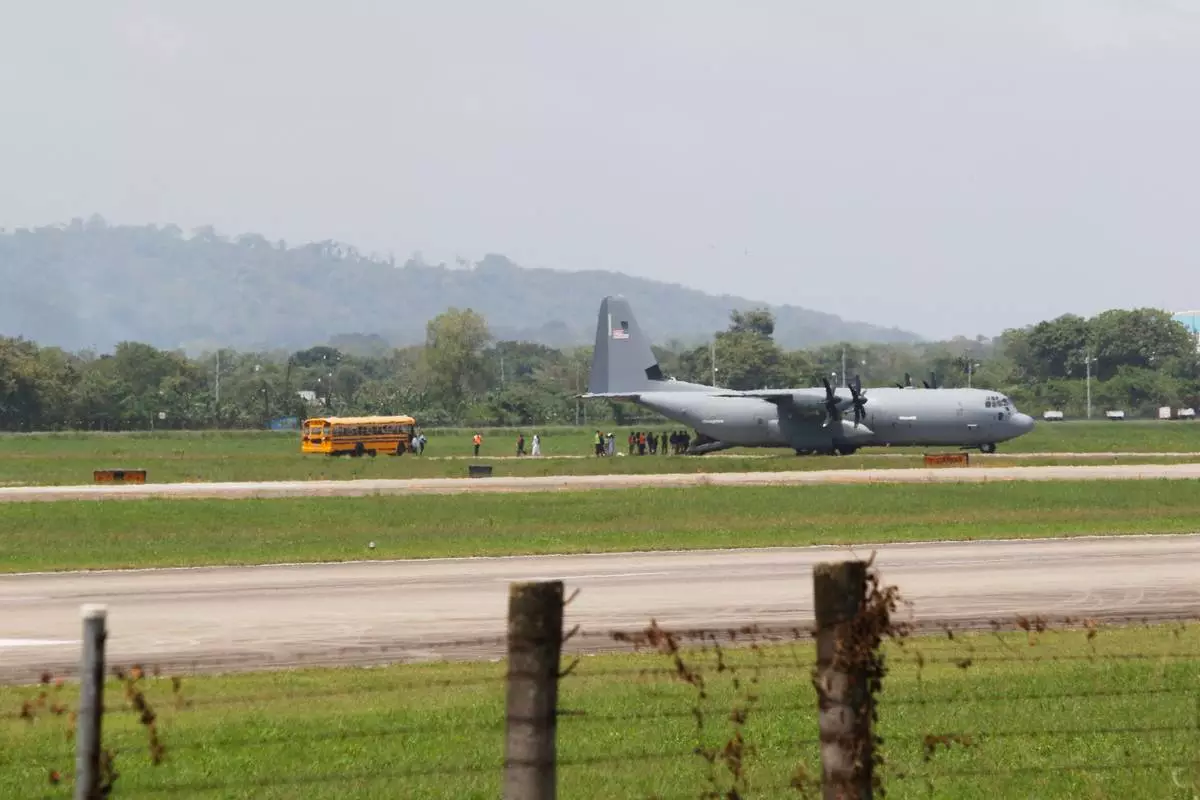
Migrants deported from the United States walk to a waiting bus after deplaning at the Ramon Villeda Morales Airport in San Pedro Sula, Honduras, Thursday, Aug. 20, 2026. (AP Photo/Delmer Martinez)
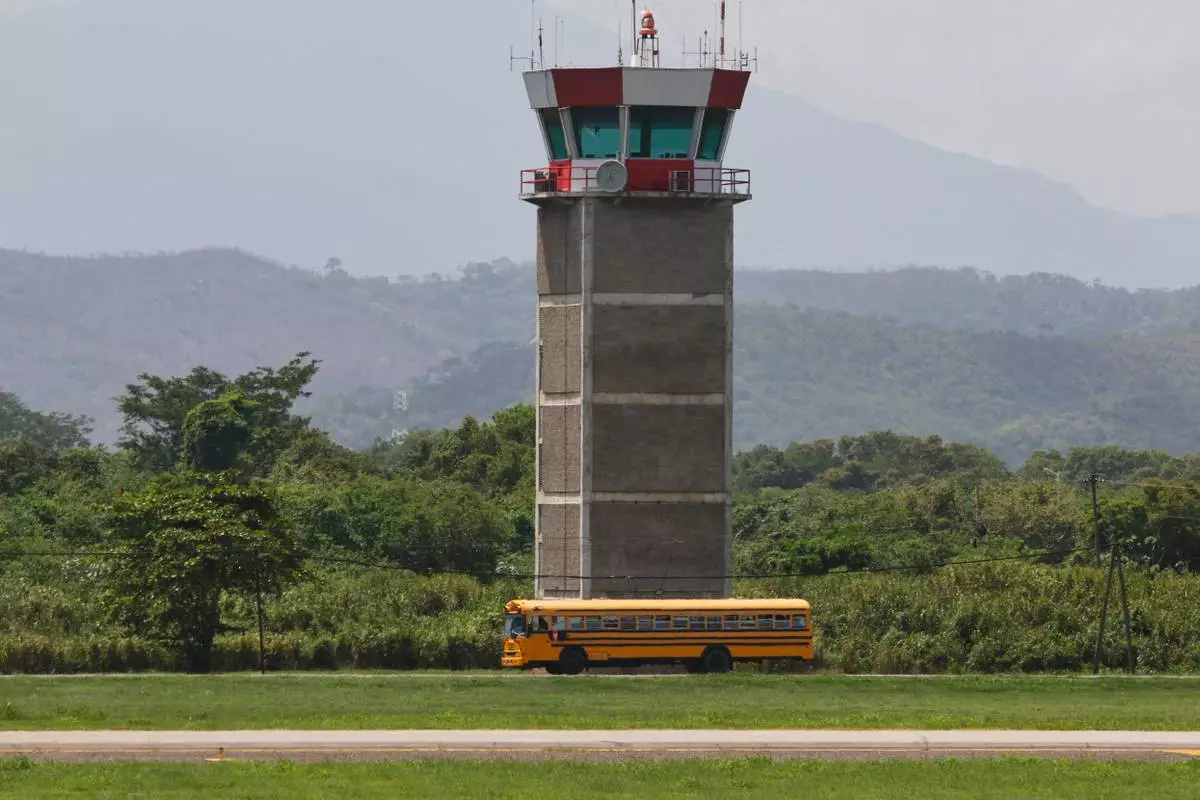
Migrants deported from the United States are transported in a bus after arriving on plane at the Ramon Villeda Morales Airport in San Pedro Sula, Honduras, Thursday, Aug. 20, 2026. (AP Photo/Delmer Martinez)
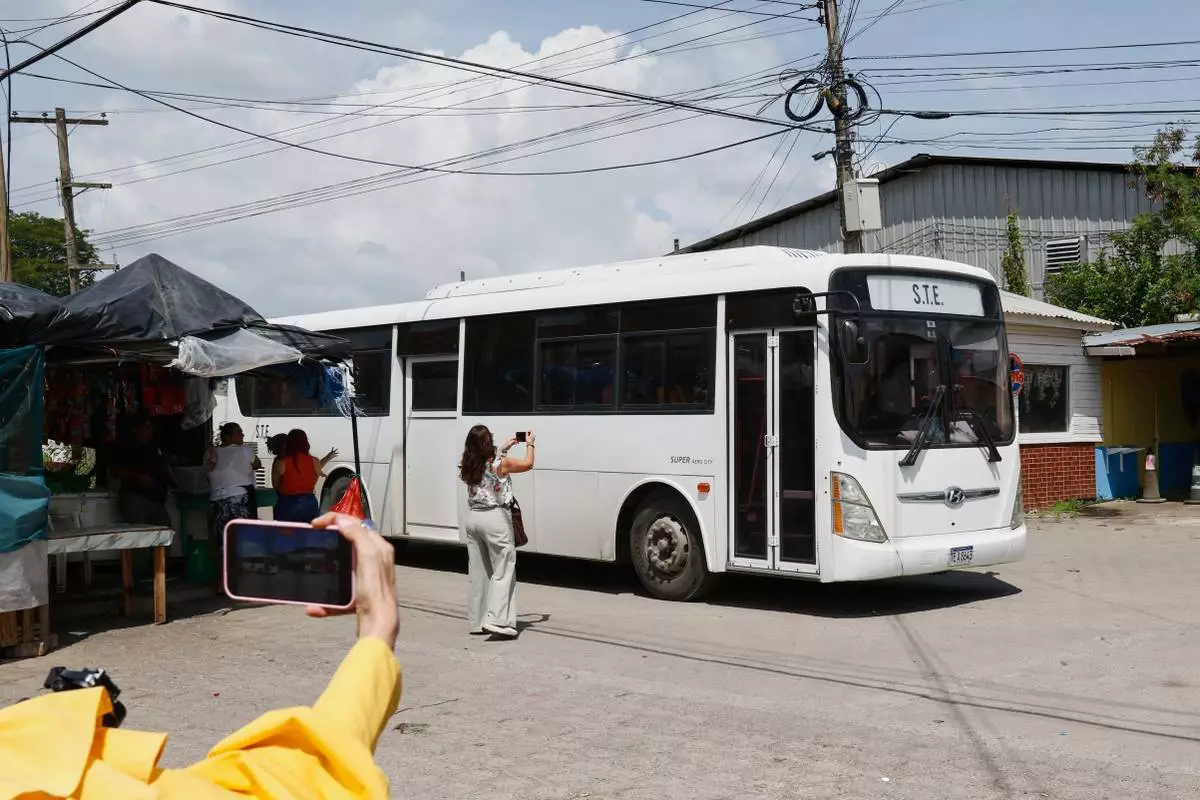
Journalists take images of a bus transporting migrants deported from the United States following their arrival at the Ramón Villeda Morales Airport in San Pedro Sula, Honduras, Thursday, Aug. 20, 2026. (AP Photo/Delmer Martinez)
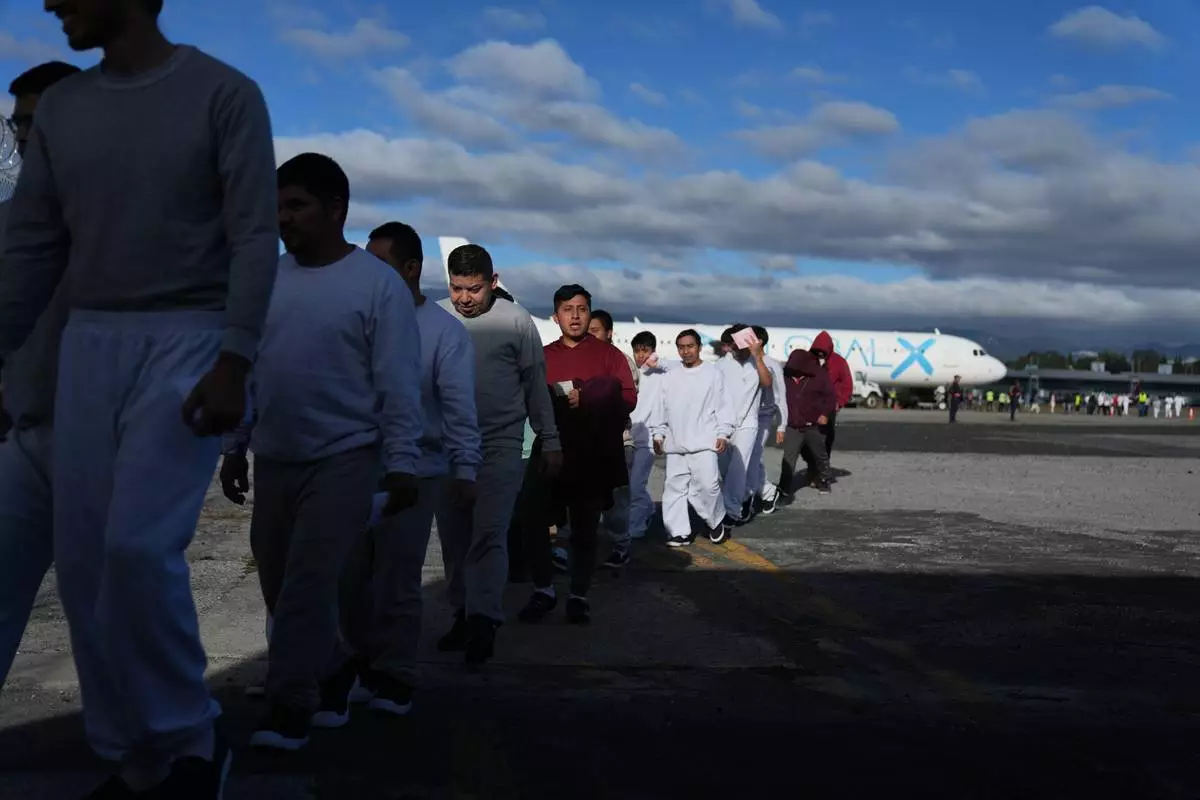
FILE - Guatemalans deported from the U.S. arrive at La Aurora airport in Guatemala City, Dec. 30, 2025, after deplaning a repatriation flight. (AP Photo/Moises Castillo, File)