European leaders on Saturday called for greater strategic autonomy amid mounting geopolitical tensions and strained transatlantic relations, as the 62nd Munich Security Conference entered its second day.
Speaking at the conference, European Commission President Ursula von der Leyen warned that Europe faces clear threats from external forces seeking to weaken the European Union from within. She pointed to territorial disputes, tariff barriers and technology regulations as key challenges confronting the bloc.
"Europe must become more independent. There is no choice," she said, stressing that autonomy must span all areas affecting Europe's security and prosperity, including defense, energy, trade, raw materials and digital technology.
British Prime Minister Keir Starmer emphasized that "hard power is the currency of the age."
Saying the continent must be capable of deterring aggression and be prepared to fight if necessary, he noted that while Europe possesses significant defense capabilities, they are often fragmented.
Starmer called for closer cooperation between the United Kingdom and the European Union, advocating the integration of capabilities, spending and procurement to develop a more unified European defense industry.
Spanish Prime Minister Pedro Sanchez underscored the importance of strengthening the "European pillar" within NATO. He urged greater investment in Europe's own defense industrial capacity, warning against deepening reliance on the U.S. defense industry through a narrow focus on military spending targets.
Sanchez also called for the immediate creation of a "true European army," rather than delaying such efforts further.
German Vice Chancellor and Federal Minister of Finance, as well as Chairman of the Social Democratic Party, Lars Klingbeil, said during the Munich Security Conference that many problems and differences still exist in transatlantic relations, making effective cooperation between Europe and the United States difficult in several areas.
He emphasized that Europe must continue to firmly leverage its own strengths. Referring to the remarks delivered earlier that day by German Chancellor Friedrich Merz, Klingbeil expressed his full support. He said that the close transatlantic relationship that has lasted for decades "is indeed undergoing changes," and that Europe needs to remain clear-eyed about this reality.
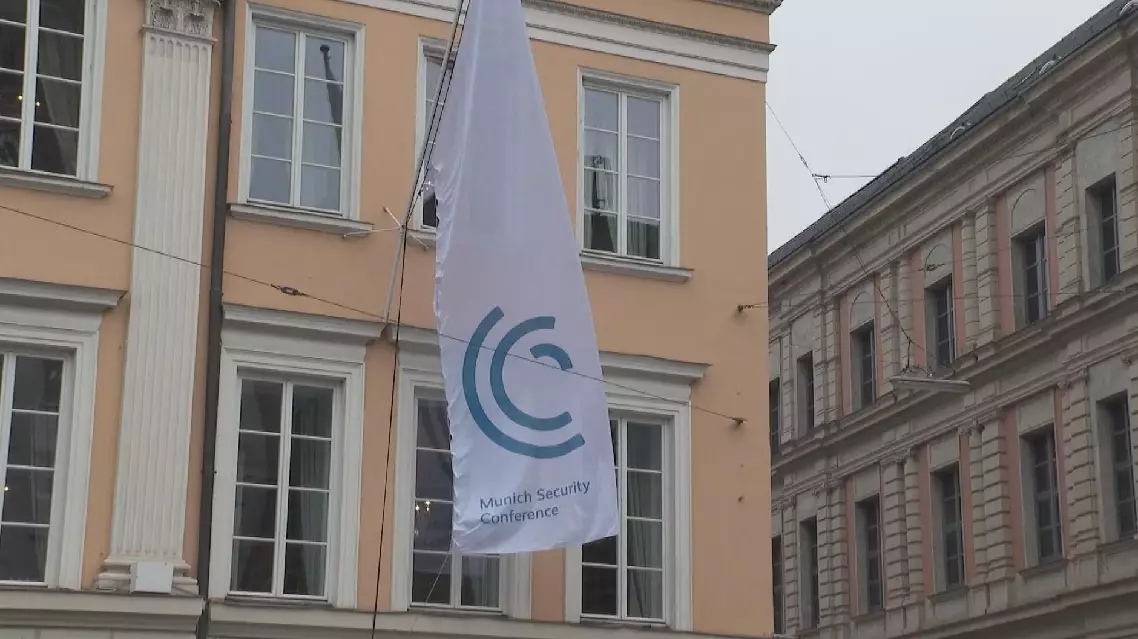
European leaders urge stronger strategic autonomy at MSC