The Xinghuafu historical and cultural zone, the core area of Putian in Fujian Province, is attracting huge turnouts of travelers during the Spring Festival holiday season with cultural immersion activities.
The Spring Festival, also known as the Chinese New Year, falls on February 17 this year. In celebration of the grand festival, Xinghuafu, with its freshly renovated buildings adorned with traditional oil-paper lanterns and holiday decorations, has staged a variety of evening performances for visitors since February 4. Holiday travelers here can also enjoy an interactive experience with performers dressed up as ancient characters across the cultural zone -- a cultural immersion activity Xinghuafu has introduced this year to enrich the traveling experience. Visitors can play games with performers and win ancient style paper bills which can be redeemed for discounts at local shops.
The cultural zone has seen the daily number of visitors exceed 60,000 since February 10, doubling compared to the same period of last year. With its restored ancient mansions and alleyways becoming popular backdrops for hanfu (traditional Chinese clothing) photography enthusiasts, traveling photography is also expanding in Xinghuafu, boosting the overall economy of the area.
"This is my first time coming to this ancient street to take photos. The scenery here is really photogenic. It was such a pleasant surprise," said a tourist dressed in hanfu.
What began with two or three photo studios has now grown to over a dozen, with social media fame driving demand. The trend has subsequently boosted cultural creative products and food and beverage sales in the cultural zone.
Tourists are also drawn to Xinghuafu's authentic Putian cuisine such as lor mee and flat wontons. Some stores are treating visitors with special activities for the holiday.
A highlight this year is the hands-on red rice cake making experience. The red rice cake, a glutinous rice delicacy, typically stuffed with sweet fillings, is a key festive treat for the Spring Festival in Putian. Shops are also rolling out to-go packages for visitors to bring Putian's flavors back home. Food parcels shipping out from Xinghuafu has doubled during the holiday season, according to express delivery workers.
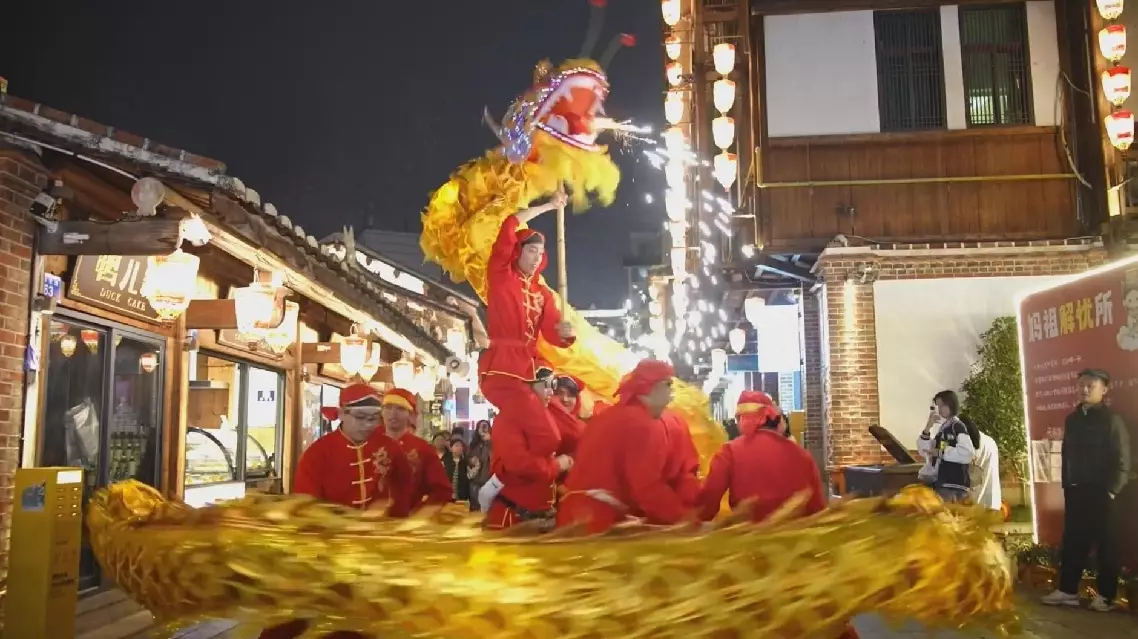
Historical zone in Fujian welcomes holiday tourists with night economy, cultural immersion

As young Chinese consumers prepare for the upcoming Spring Festival, they are driving a shift in traditional shopping habits, adding emotional and cultural meaning to their holiday purchases.
Falling on Feb 17 this year, the Spring Festival marks the start of the Chinese New Year and ushers in the Year of the Horse, the seventh animal in the Chinese zodiac.
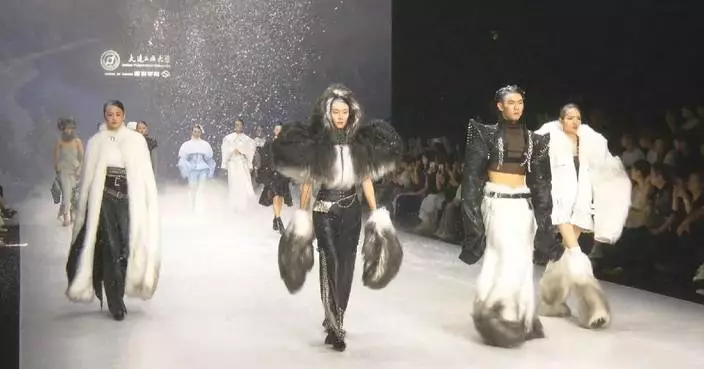
Buying new clothes has long been part of the cultural customs surrounding Chinese New Year. But among younger shoppers, there is a growing demand for designs that are not only festive but culturally rooted, blending traditional Chinese elements with modern flair. This movement has given rise to a major trend in domestic fashion known as "New Chinese Style."
According to recent industry estimates, China's new Chinese-style fashion market is now valued at approximately 36 billion U.S. dollars, with the Chinese New Year season marking its strongest sales period.
Yang Lingling, founder of Mi Dong Fang, a brand for new Chinese-style clothing said that the visitor flow of the store has been steadily increasing since the first of January.
With the Year of the Horse approaching, items featuring horse motifs -- along with designs carrying auspicious meanings -- are among the best-sellers.
"This piece is called Galloping Horse Welcoming Spring. This one is in festive New Year red. The cuffs feature tiny horses carrying money bags," Yang said.
But the store owner believes the emotional satisfaction of buying New Chinese Style goes beyond simply wishing for good fortune.
"Customers have a deep recognition of traditional Chinese culture," she noted.
This sense of cultural pride is also echoed by designer Li Guanyu. The Year of the Horse cultural and creative products created by him and his team have been well received by younger consumers.
"China is already very strong when these young people were born, so they fully embrace the beautiful aspects of our traditional culture," said Li Guanyu, General Manager of Bushes Culture.
Li says sales of Year of the Horse products are particularly strong compared with previous years, thanks to growing interest among young people in cultural and creative products. And the best-selling products are those that combine traditional elements with playful or fun features.
"For example, this one is inspired by the rocking horse that children play on. We then added traditional Chinese symbols of good luck -- a chubby god of wealth holding a big gold ingot, sitting on the horse," explained Li.
From traditional motifs to creative designs, these products let young shoppers connect with Chinese heritage in a fun and meaningful way -- giving them a strong emotional satisfaction as they express their personality and cultural identity during the Chinese New Year.
Young Chinese consumers add emotional value to Spring Festival shopping