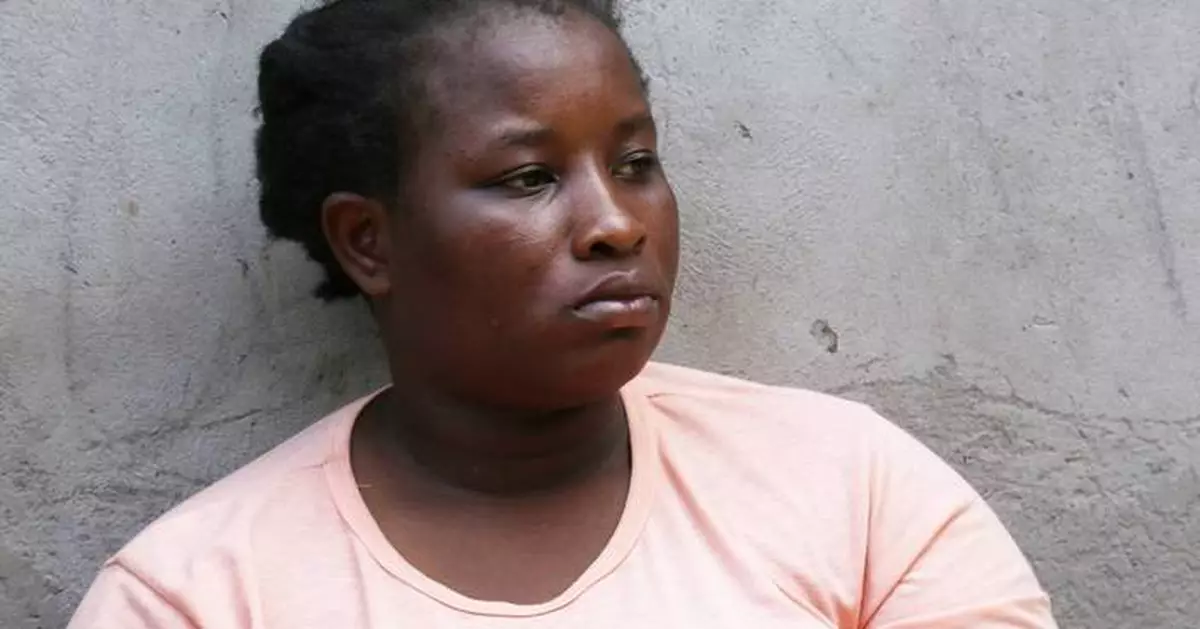
LUSAKA, Zambia (AP) — She says she was let down at every step. By a partner who abandoned her when she was pregnant. By a health service that denied her a legal abortion. And by a justice system that sent her to a maximum-security prison for illegally terminating her pregnancy on her own.
Violet Zulu, a house cleaner in Zambia earning $40 a month, was sentenced to seven years in prison in 2024 after representing herself in court with little understanding of the consequences of her actions. She didn't see her two children or other family members for nearly two years.
After word of her case reached international rights groups that helped her file an appeal, Zulu was freed last month. Activists say she represents many women in Africa who take desperate decisions when facing barriers to legal abortion services.
Her story has drawn little sympathy in her southern African nation, where parts of society view abortion harshly. Her own mother said she agreed with her daughter's prison sentence, but said it should have been shorter.
Zulu spoke with The Associated Press as she pieces her life together again at the age of 26.
She said she first attempted to access legal abortion services at a public clinic, which should have given her advice or services but turned her away. She then tried a private pharmacy, which requested 800 Zambian kwacha ($43) for abortion drugs, a month's salary for her.
She was already struggling to feed her two young sons, and she sometimes had to beg food from relatives.
She said her decision to drink an herbal concoction she prepared herself, one known for terminating pregnancies, was taken out of despair. She couldn't bear for her boys to have even less food if she had another child.
“I never wanted to abort my pregnancy, but it is the circumstances at home that forced me to do it," Zulu said in the interview at the two-room rented home with no running water that she shares with her children and parents.
“I was scared (when I took the concoction), but I didn’t really care what would happen to me," she added.
In her court testimony, she explained what happened next: She delivered the fetus in a toilet, placed it in a sack and dropped it in a nearby stream. She said she confided in a friend, but word got out and neighbors reported her to police.
Zulu, who left school in the eighth grade, was never offered free legal counsel despite the right to request it. She represented herself in court and pleaded guilty to the offense of procuring her own abortion. She said she didn’t understand the legality of abortion and thought she would receive a warning.
“This is a system that failed Violet,” said Rosemary Kirui, a legal adviser for Africa for the abortion rights group Center for Reproductive Rights, which campaigned for Zulu’s release and helped with her appeal. “It is not that she did not try. It is that she could not afford the services, yet she should be able to access them as a citizen of Zambia.”
Zulu should have been eligible for a free abortion under a provision that allows doctors in Zambia to consider risks to the well-being of her existing children, said Sharon Williams, country director for the Women and Law in Southern Africa advocacy group.
But Zulu was not aware of that, largely because of the secrecy, stigma and shame around abortion, which is not advertised by Zambia's public health system.
Zambia's health ministry did not respond to questions about her case.
Part of the problem, Williams said, is that Zambia has legalized abortion while also defining itself in its constitution as a strongly Christian country.
Abortions are still largely restricted in Africa, with few countries allowing them for reasons other than threats to the health of the mother or the fetus. Even in countries like Zambia, religious beliefs, conservative values rooted in local cultures or a lack of information make access to legal procedures difficult, according to health and rights groups.
Williams said Zulu’s case ought to lead to a national conversation over whether Zambian authorities should better educate communities over the legal right to abortion.
“I think now that we have this judgment, we’re ready for the conversation," she said.
Activists say desperate women turn to unsafe abortions. Africa and Latin America have the highest proportions of them, with approximately 75% of all abortions in Africa deemed unsafe, according to the World Health Organization.
The Guttmacher Institute health rights organization estimated in a 2019 report that over 6 million unsafe abortions a year occurred in sub-Saharan Africa. It noted that Zambia's abortion law “tended to be a ‘paper law’ rather than one that ensures widespread access.”
In South Africa, which claims to have the most progressive laws on the continent, abortion has been legal for nearly 30 years. It is allowed on request before 13 weeks of pregnancy and for several reasons before 21 weeks.
But studies estimate only 7% of public health facilities there offer abortion services.
In 2023, the case of a 14-year-old who was denied an abortion by South African health workers three times for reasons that were not valid prompted a national reality check. After an urgent court case, a judge ordered that the girl be allowed to have an abortion, which was performed on the last day eligible by law.
At the time, a representative of the social justice group that represented the girl said South Africa's abortion laws were being undermined by "the abuse of medical knowledge by health care professionals" in trying to prevent abortions.
In Zambia, Zulu said she still felt bad about what she did but must now provide for her sons. She was looking for work again, she said.
Imray reported from Cape Town, South Africa.
For more on Africa and development: https://apnews.com/hub/africa-pulse
The Associated Press receives financial support for global health and development coverage in Africa from the Gates Foundation. The AP is solely responsible for all content. Find AP’s standards for working with philanthropies, a list of supporters and funded coverage areas at AP.org.
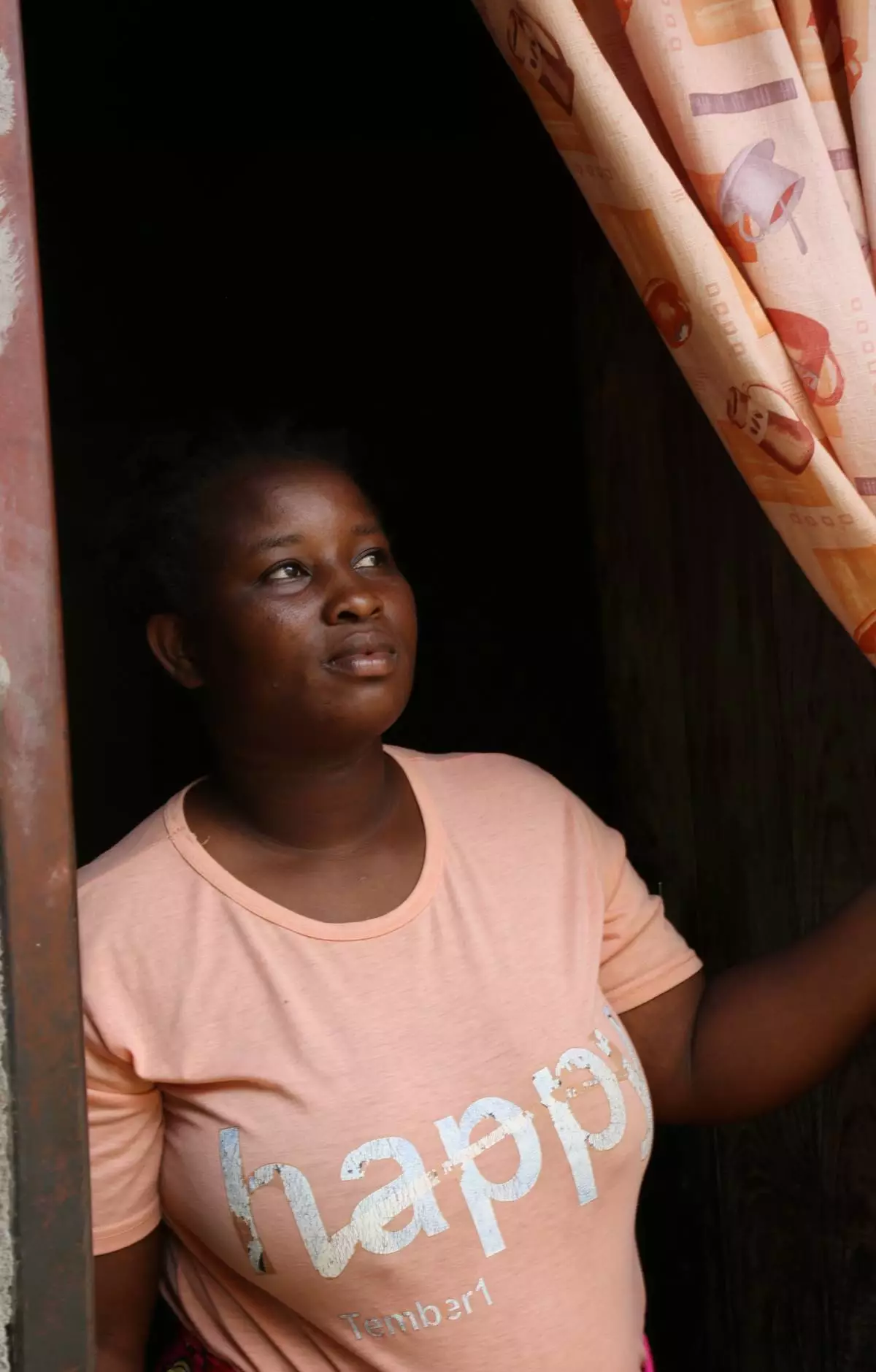
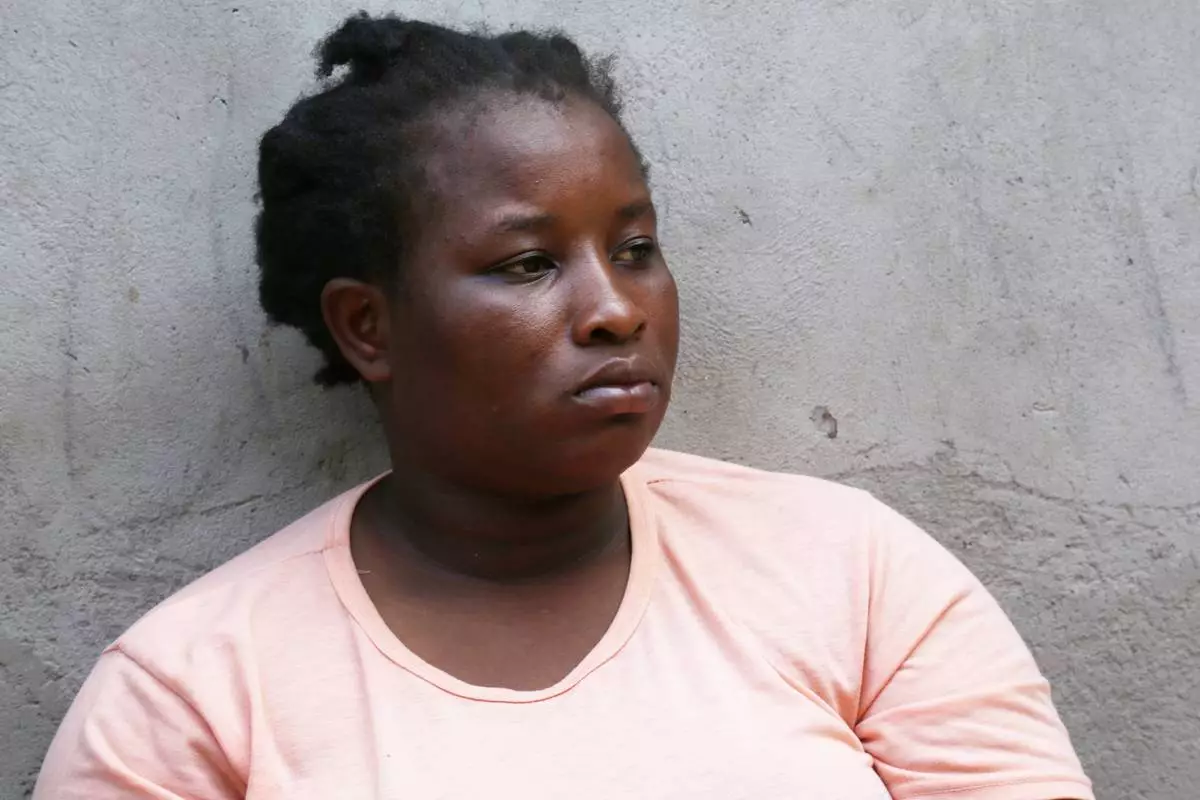
Violet Zulu, who was sent to a maximum-security prison after she was denied a legal abortion and ended her pregnancy on her own, poses for a photograph in Lusaka, Zambia, Jan. 21, 2026. (AP Photo/Richard Kille)
Violet Zulu, who was sent to a maximum-security prison after she was denied a legal abortion and ended her pregnancy on her own, poses for a photograph in Lusaka, Zambia, Jan. 21, 2026. (AP Photo/Richard Kille)