Omani and Iranian top diplomats met in Geneva, Switzerland, on Monday to finalize preparations for a second round of indirect talks between Tehran and Washington, amid high tension in the Gulf and the Middle East.
Omani Foreign Minister Sayyid Badr bin Hamad bin Hamood Albusaidi and Iranian counterpart Seyed Abbas Araghchi coordinated logistics for Tuesday's session, the state-run Oman News Agency reported. The meeting follows high-level talks in Muscat on Feb. 6, the first engagement between Iran and the United States since the U.S. attacks on Iranian nuclear facilities in June 2025.
According to a statement issued by Omani Foreign Ministry, both sides agreed to promote understanding and consensus among all parties to strive for an agreement that meets the interests and expectations of all parties.
Sayyid Badr stated that Oman will continue to support resolving differences through dialogue and diplomacy.
Rafael Mariano Grossi, director general of the International Atomic Energy Agency, said in a post on social media that he has "completed in-depth technical discussions with Iran's Foreign Minister Araghchi" in preparation for negotiations to be held in Geneva on Feb. 17.
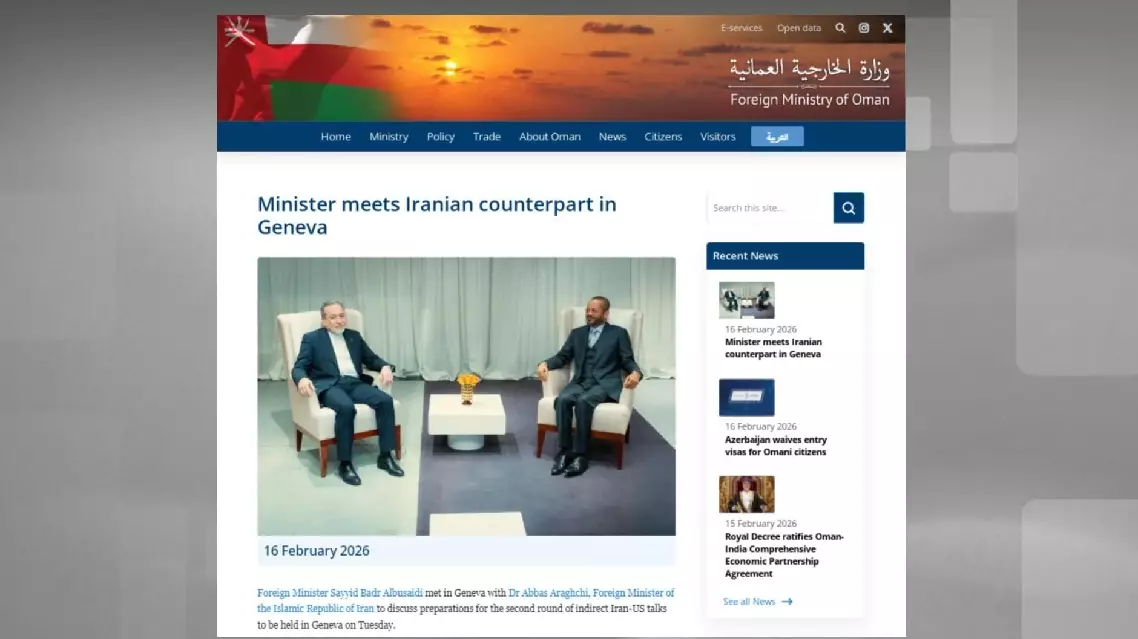
Omani, Iranian top diplomats meet in Geneva ahead of US-Iran talks
Hamas on Monday accused Israel of committing a "blatant violation" of the agreed mechanisms for operating the Rafah crossing, which were stipulated in the ongoing ceasefire agreement.
In a press statement, the movement said that despite the reopening of the crossing in both directions, Israel has violated its operational framework and carried out systematic abuses against Palestinians returning to Gaza, including physical and psychological mistreatment and harsh interrogation.
According to Hamas, Israel has failed to adhere to daily quotas for those exiting or entering Gaza, endangering thousands of patients and wounded individuals with medical referrals abroad.
It urged mediators and guarantor states to intervene and compel Israel to open the crossing in accordance with international humanitarian law.
The office of the Coordinator of Government Activities in the Territories (COGAT), a body under Israel's Defense Ministry, said Sunday that about 320 patients and escorts had exited Gaza through the crossing over the past two weeks, and a similar number of people had entered the enclave during this period.
"Gazans passing through the Rafah crossing are contingent upon the submission of approved passenger lists by the Egyptian authorities and the World Health Organization and the crossing's capacity," COGAT said on social media, claiming that Israel continues to "facilitate the entry and exit of Gazans" through the crossing "in line with the agreed framework".
The Rafah crossing had remained largely closed since Israeli forces seized control of it in May 2024, worsening Gaza's humanitarian situation. Its limited operation resumed on Feb. 2 under the latest ceasefire agreement taking effect on Oct. 10, 2025.
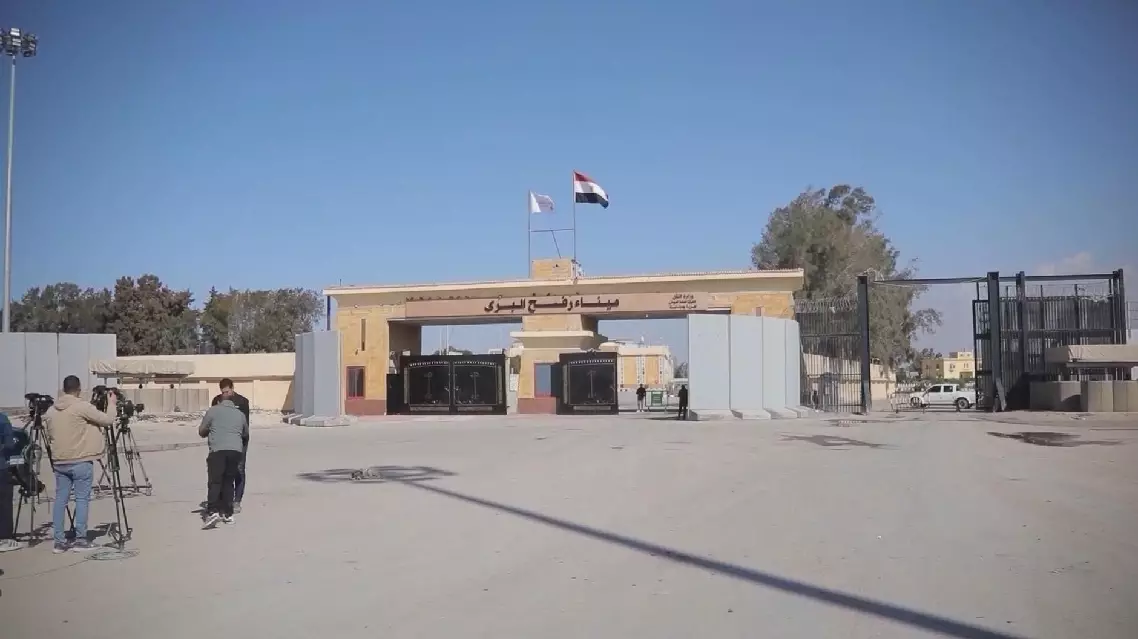
Hamas accuses Israel of violating Rafah crossing operational mechanisms