ROME (AP) — Pope Leo XIV will visit ground zero of Europe’s migration drama, the Sicilian island of Lampedusa, in May and also minister to Italians poisoned by years of toxic dumping by the mafia, according to travel plans announced on Thursday by the Vatican.
The Vatican released Leo's agenda for day trips to a half-dozen Italian cities over the next six months, including a visit to the tomb of St. Augustine, the inspiration of his religious order. The Vatican has rarely released such plans together and so far in advance, but word of the visits was starting to filter out.
Click to Gallery
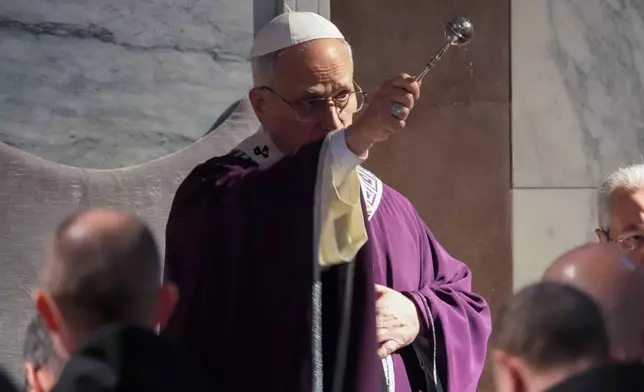
Pope Leo XIV blesses the ashes during Ash Wednesday Mass, marking the start of Catholic Lent, inside the Basilica of Santa Sabina in Rome, Wednesday, Feb. 18, 2026. (AP Photo/Gregorio Borgia)
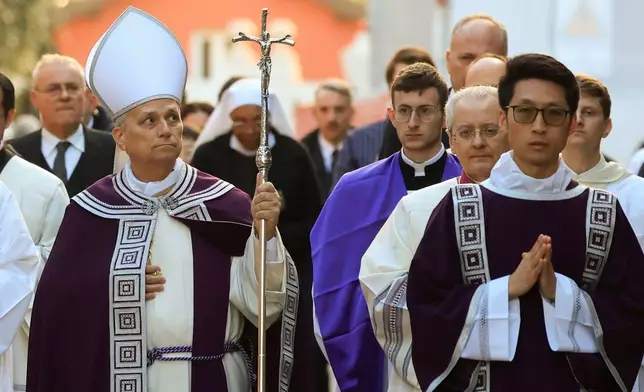
Pope Leo XIV, left, arrives, with bishops and cardinals in a penitential procession marking the start of the Catholic Lent, at the Basilica of Santa Sabina in Rome, Wednesday, Feb. 18, 2026, where he will preside over Ash Wednesday Mass. (AP Photo/Riccardo De Luca)
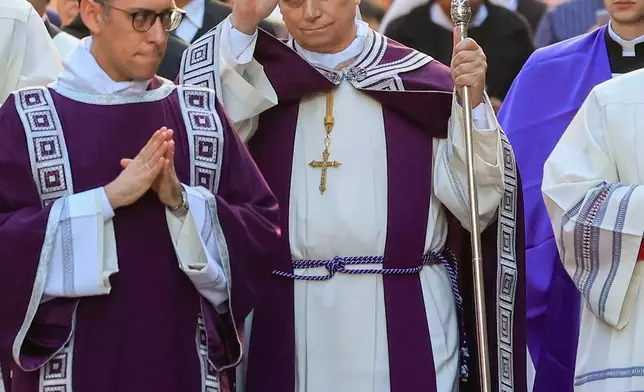
Pope Leo XIV arrives in a penitential procession marking the start of the Catholic Lent, at the Basilica of Santa Sabina in Rome, Wednesday, Feb. 18, 2026, where he will preside over Ash Wednesday Mass. (AP Photo/Riccardo De Luca)
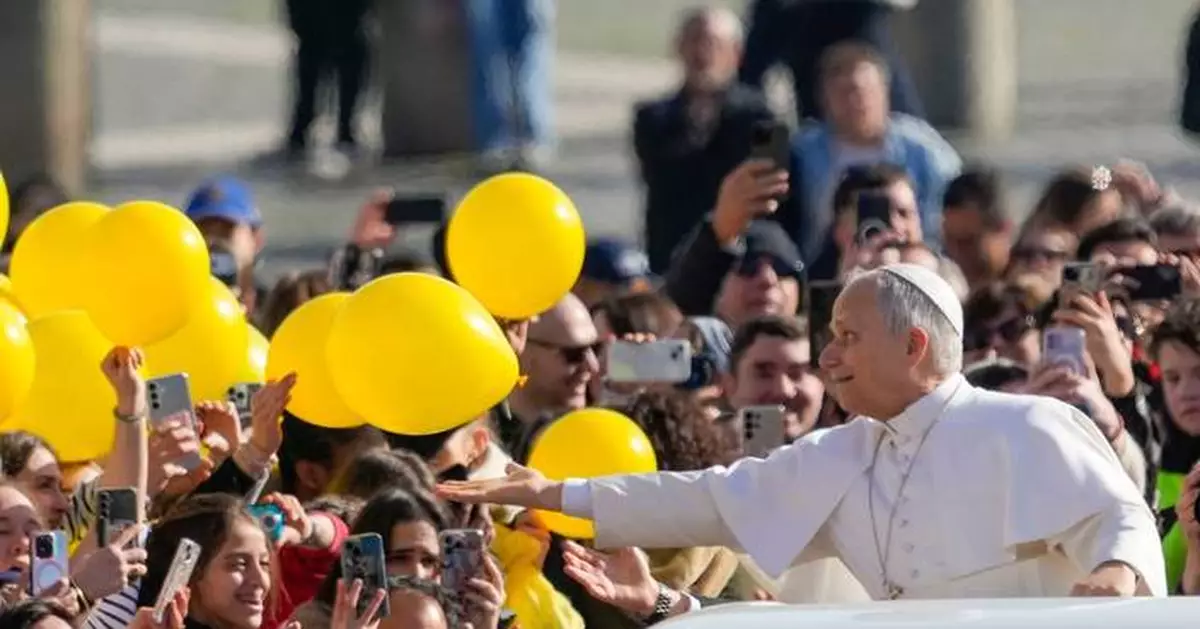
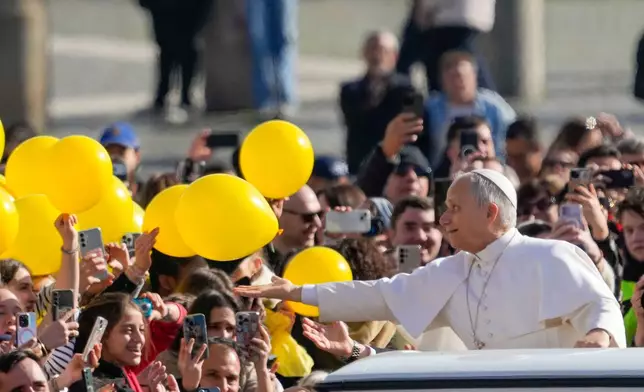
Pope Leo XIV arrives in St. Peter's Square at the Vatican for his open-air weekly general audience, Wednesday, Feb. 18, 2026. (AP Photo/Gregorio Borgia)
The busy itinerary, which will take Leo up and down the Italian peninsula, is in addition to plans for some intense foreign travel in 2026. There are plans under study for a four-nation trip to Africa after Easter that would take Leo to Algeria, Equatorial Guinea, Angola and Cameroon. Leo himself has said he hopes to visit his beloved Peru, as well as Argentina and Uruguay, trips that could happen toward the end of the year.
The Vatican previously confirmed that one foreign trip not on the agenda this year is to Leo’s native United States.
History’s first U.S.-born pope was limited in his ability to leave Rome during his first year as pontiff because of the busy 2025 Holy Year agenda, which saw millions of pilgrims coming to the Vatican for special Masses and papal audiences.
With the Jubilee behind him, Leo can now get out of town more easily: He has begun a series of parish visits within his Roman diocese each Sunday throughout Lent, the period leading up to Easter.
And the Italy itinerary announced Thursday will take Leo near and far as he gets to know the Italian church and faithful better.
The travels begin on May 8 with a visit to Naples and the nearby ancient city of Pompeii. He’ll return to the region later that month, on May 23, to meet with the faithful of Acerra. The area is known as the “Land of Fires,” for the years of toxic-waste dumping by the local mafia that has led to increased rates of cancer and other ailments for its residents.
Leo will go north to Pavia, near Milan, on June 20. The tomb of St. Augustine is located in a Pavia basilica, suggesting the visit will be of great personal importance to a pope who has described himself as a son of the 5th century saint.
On July 4, he travels to Lampedusa, an Italian island that is closer to Africa than the Italian mainland. Pope Francis had made Lampedusa his first trip outside Rome after his 2013 election to show solidarity with migrants who landed there after being smuggled from north Africa.
Francis famously celebrated Mass on the island on an altar made of shipwrecked migrant boats and denounced the "globalization of indifference” that greets migrants who risk their lives trying to reach Europe — a mantra that would come to define his papacy.
On Aug. 6 Leo will visit the Umbrian hilltop town of Assisi, which this year is celebrating the 800th anniversary of the death of its most famous resident, St. Francis. And later that month, Aug. 22, Leo will take part in an annual Italian political and religious conference in the Adriatic seaside resort of Rimini.
Leo, who was born in Chicago and spent two decades as a missionary in Peru, has said he loves to travel. He spent many years on the road when he served two, six-year terms as the superior of his Augustinian religious order, which required him to visit Augustinian communities around the world.
Associated Press religion coverage receives support through the AP’s collaboration with The Conversation US, with funding from Lilly Endowment Inc. The AP is solely responsible for this content.
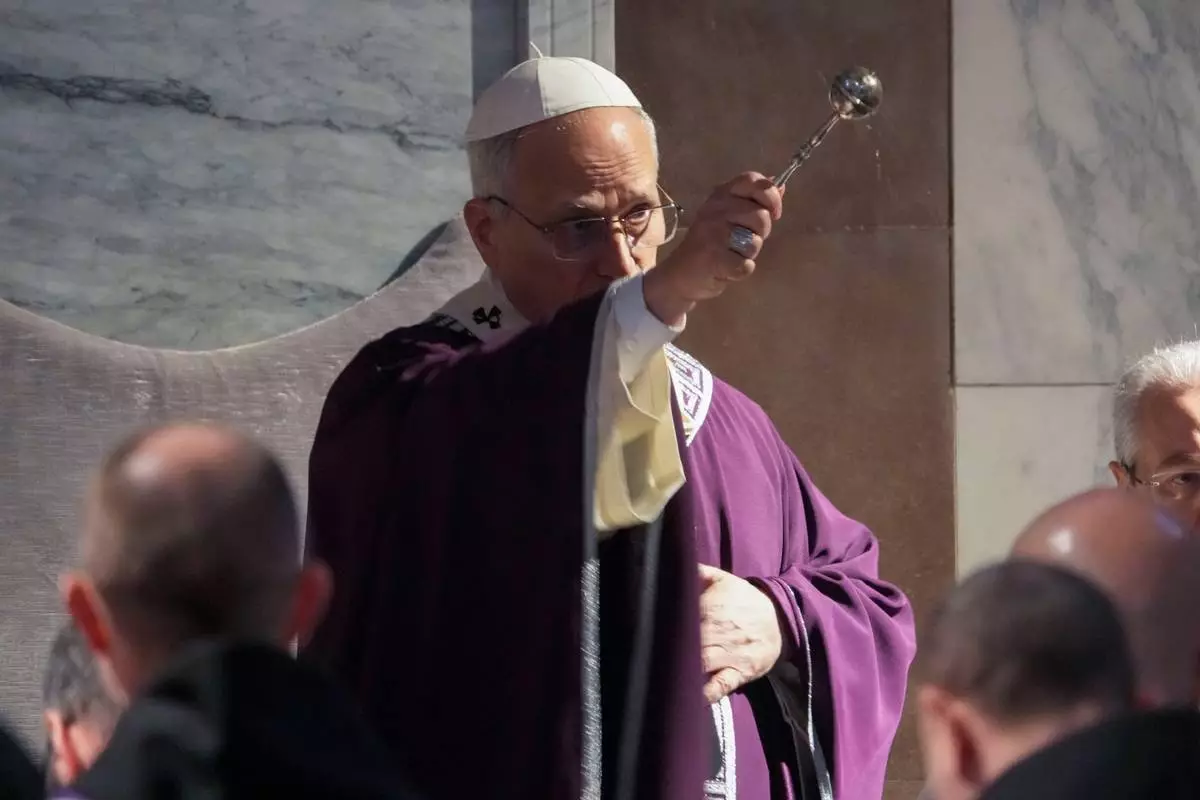
Pope Leo XIV blesses the ashes during Ash Wednesday Mass, marking the start of Catholic Lent, inside the Basilica of Santa Sabina in Rome, Wednesday, Feb. 18, 2026. (AP Photo/Gregorio Borgia)
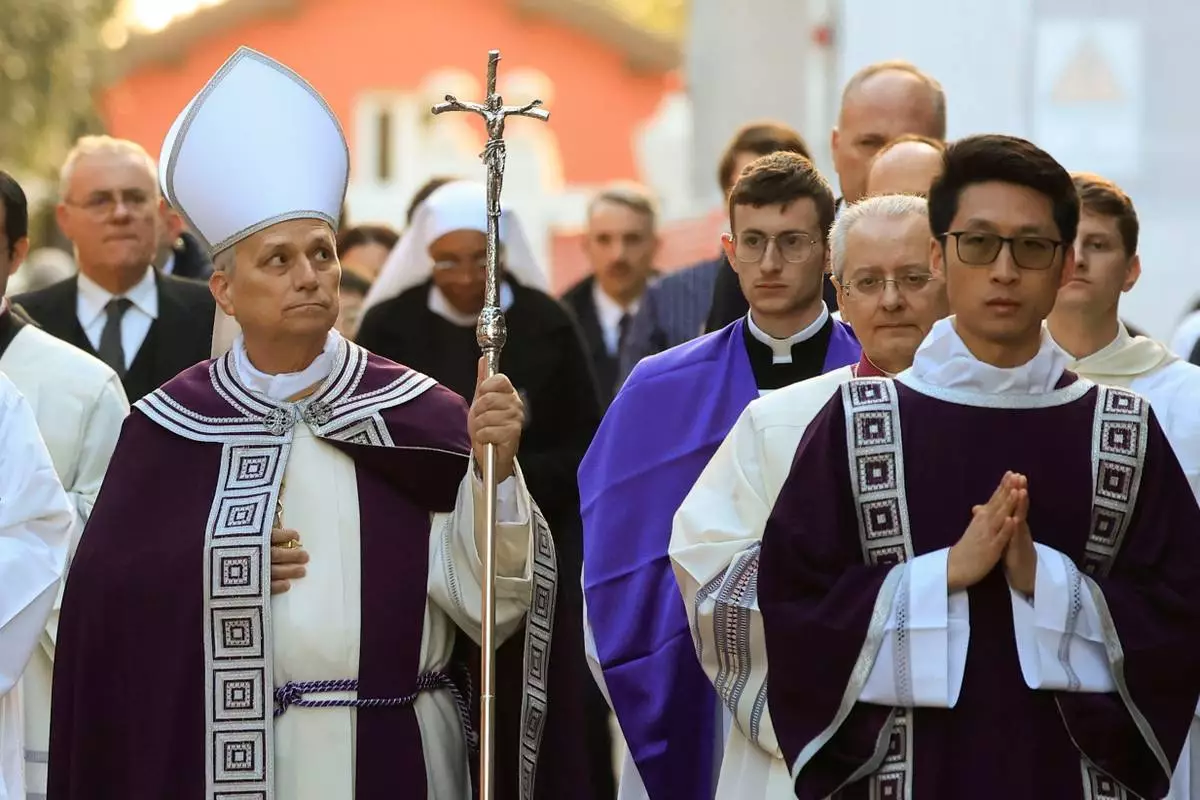
Pope Leo XIV, left, arrives, with bishops and cardinals in a penitential procession marking the start of the Catholic Lent, at the Basilica of Santa Sabina in Rome, Wednesday, Feb. 18, 2026, where he will preside over Ash Wednesday Mass. (AP Photo/Riccardo De Luca)
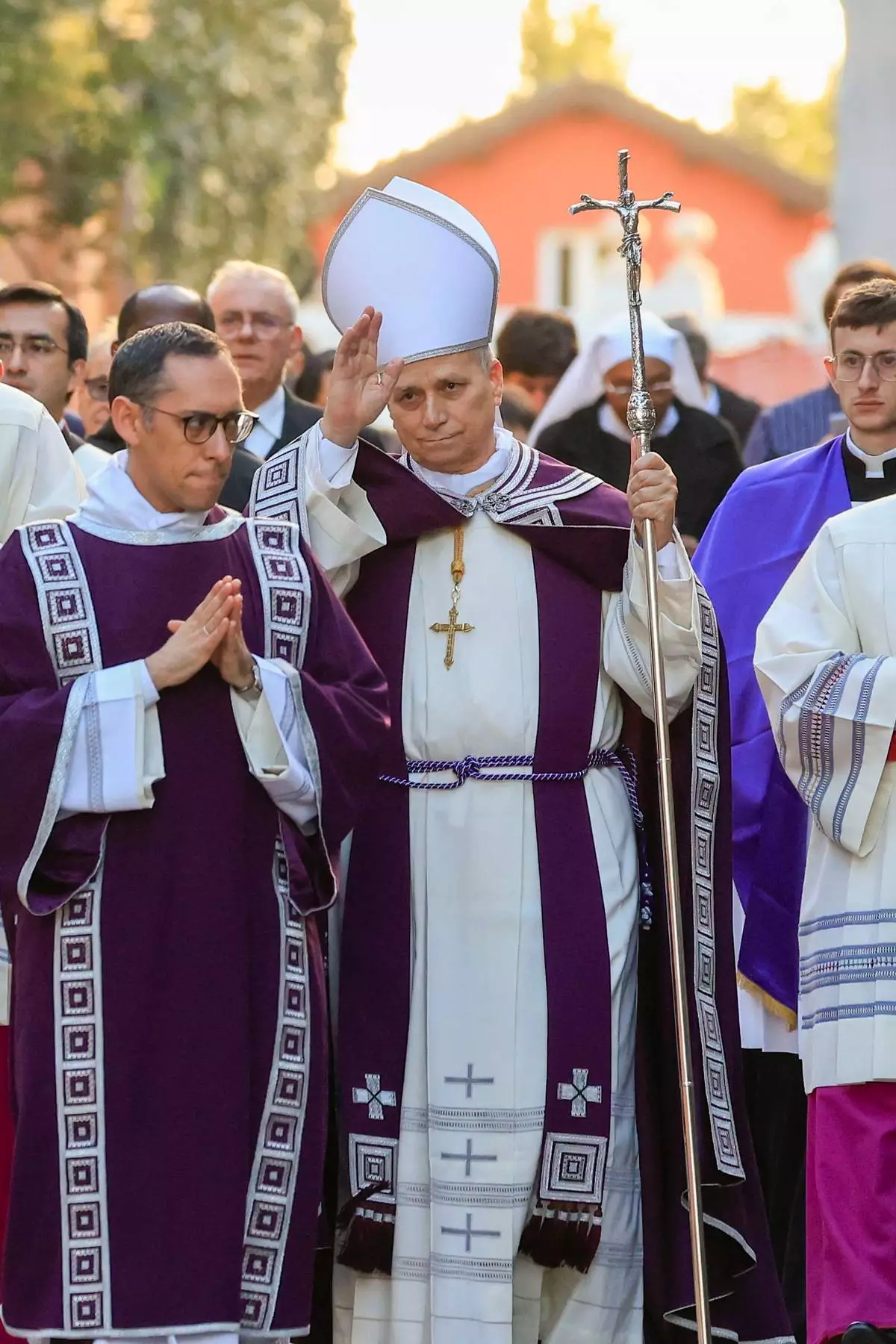
Pope Leo XIV arrives in a penitential procession marking the start of the Catholic Lent, at the Basilica of Santa Sabina in Rome, Wednesday, Feb. 18, 2026, where he will preside over Ash Wednesday Mass. (AP Photo/Riccardo De Luca)
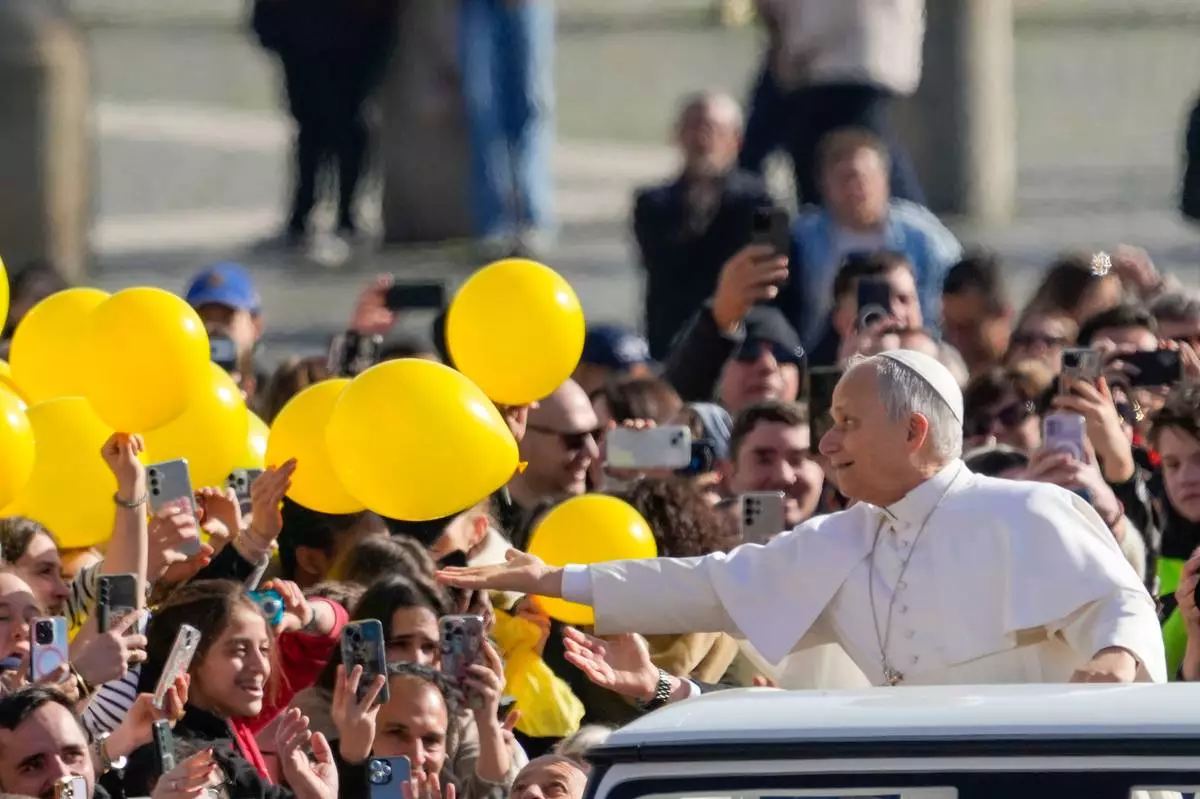
Pope Leo XIV arrives in St. Peter's Square at the Vatican for his open-air weekly general audience, Wednesday, Feb. 18, 2026. (AP Photo/Gregorio Borgia)
WASHINGTON (AP) — President Donald Trump announced Thursday at the inaugural Board of Peace meeting that nine members of the body have agreed to pledge $7 billion toward a Gaza relief package and that five countries have agreed to deploy troops to take part in an international stabilization force to the war-battered Palestinian territory.
Indonesia, Morocco, Kazakhstan, Kosovo and Albania have pledged to send troops for Gaza stabilization force, while Egypt and Jordan have committed to train police for the efforts.
Troops will initially be deployed to Rafah, a major population center where the U.S. administration hopes to first focus reconstruction efforts.
Meanwhile, Kazakhstan, Azerbaijan, the United Arab Emirates, Morocco, Bahrain, Qatar, Saudi Arabia, Uzbekistan and Kuwait are the countries that are making pledges, Trump said.
“Every dollar spent is an investment in stability and the hope of new and harmonious (region),” said Trump in thanking the donors. He added, “The Board of Peace is showing how a better future can be built right here in this room."
The dollars pledged, while significant, represents a fraction of the estimated $70 billion needed to rebuild the Palestinian territory decimated after two years of war.
Trump also announced the U.S. was pledging $10 billion for the Board of Peace, but didn’t specify what the money will be used for.
Maj. Gen. Jasper Jeffers, the leader of the newly-created International Stabilization Force said the plans call for 12,000 police and 20,000 soldiers for Gaza.
“With these first steps, we help bring the security that Gaza needs for a future of prosperity and enduring peace,” Jeffers said.
The board was initiated as part of Trump's 20-point peace plan to end the conflict in Gaza. But since the October ceasefire, Trump's vision for the board has morphed and he wants it to have an even more ambitious remit — one that will not only complete the Herculean task of bringing lasting peace between Israel and Hamas but will also help resolve conflicts around the globe.
But the Gaza ceasefire deal remains fragile and Trump's expanded vision for it has triggered fears the U.S. president is looking to create a rival to the United Nations.
Trump, pushing back against the criticism, said the creation of his board would help make the U.N. viable in the future.
“Someday I won’t be here. The United Nations will be,” Trump said. “I think it is going to be much stronger, and the Board of Peace is going to almost be looking over the United Nations and making sure it runs properly.”
Most countries sent high-level officials, but a few leaders—including Indonesian President Prabowo Subianto, Argentine President Javier Milei, and Hungarian President Viktor Orbán—traveled to Washington for the gathering.
More than 40 countries and the European Union confirmed they were sending officials to Thursday’s meeting. Germany, Italy, Norway, Switzerland and the United Kingdom are among more than a dozen countries that have not joined the board but are taking part as observers.
“Almost everybody’s accepted, and the ones that haven’t, will be," Trump predicted. "And some are playing a little cute -- it doesn’t work. You can’t play cute with me.”
The U.N. Security Council held a high-level meeting Wednesday on the ceasefire deal and Israel’s efforts to expand control in the West Bank. The U.N. session in New York was originally scheduled for Thursday but was moved up after Trump announced the board’s meeting for the same date and it became clear that it would complicate travel plans for diplomats planning to attend both.
Vatican Secretary of State Cardinal Pietro Parolin told reporters earlier this week that “at the international level it should above all be the U.N. that manages these crisis situations.” The Trump administration on Wednesday pushed back on the Vatican's concerns.
Central to Thursday's discussions was creating an armed international stabilization force to keep security and ensure the disarming of the militant Hamas group, a key demand of Israel and a cornerstone of the ceasefire deal.
Hamas has provided little confidence that it is willing to move forward on disarmament. The administration is “under no illusions on the challenges regarding demilitarization” but has been encouraged by what mediators have reported back, according to a U.S. official who was not authorized to comment publicly and spoke on condition of anonymity.
“We have a long ways to go,” Secretary of State Marco Rubio said in remarks to the gathering. “There’s a lot of work that remains that will require the contribution of every nation state represented here today.”
Associated Press writers Didi Tang in Washington, Farnoush Amiri at the United Nations and Nicole Winfield in Rome contributed reporting.
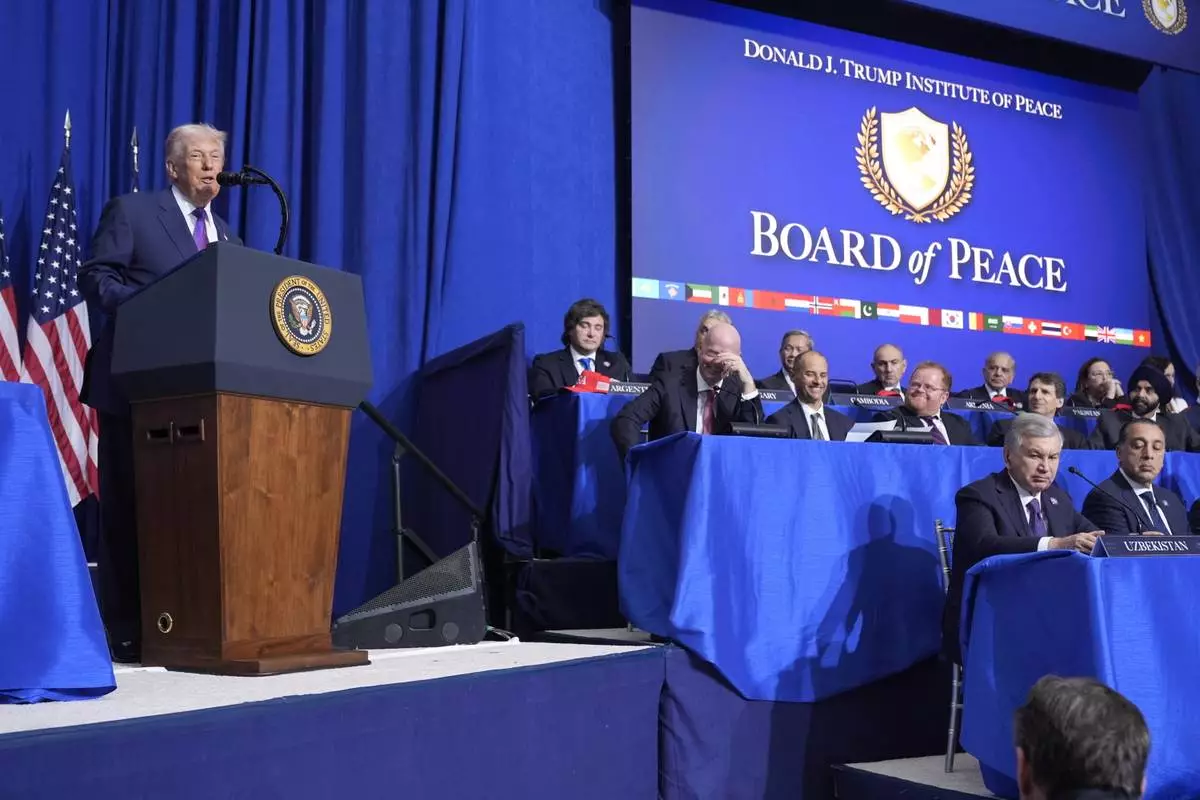
President Donald Trump speaks during a Board of Peace meeting at the U.S. Institute of Peace, Thursday, Feb. 19, 2026, in Washington. (AP Photo/Mark Schiefelbein)
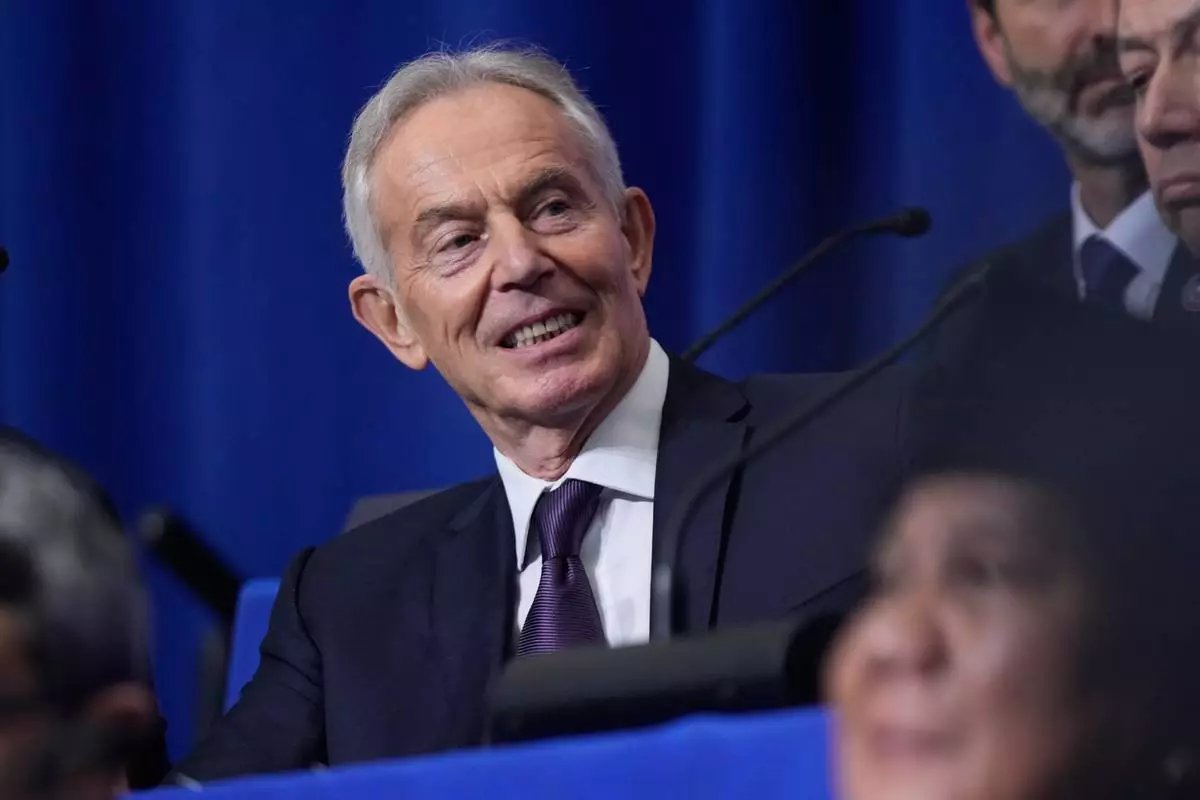
Tony Blair, former Prime Minister of the United Kingdom, attends a Board of Peace meeting at the U.S. Institute of Peace, Thursday, Feb. 19, 2026, in Washington. (AP Photo/Mark Schiefelbein)
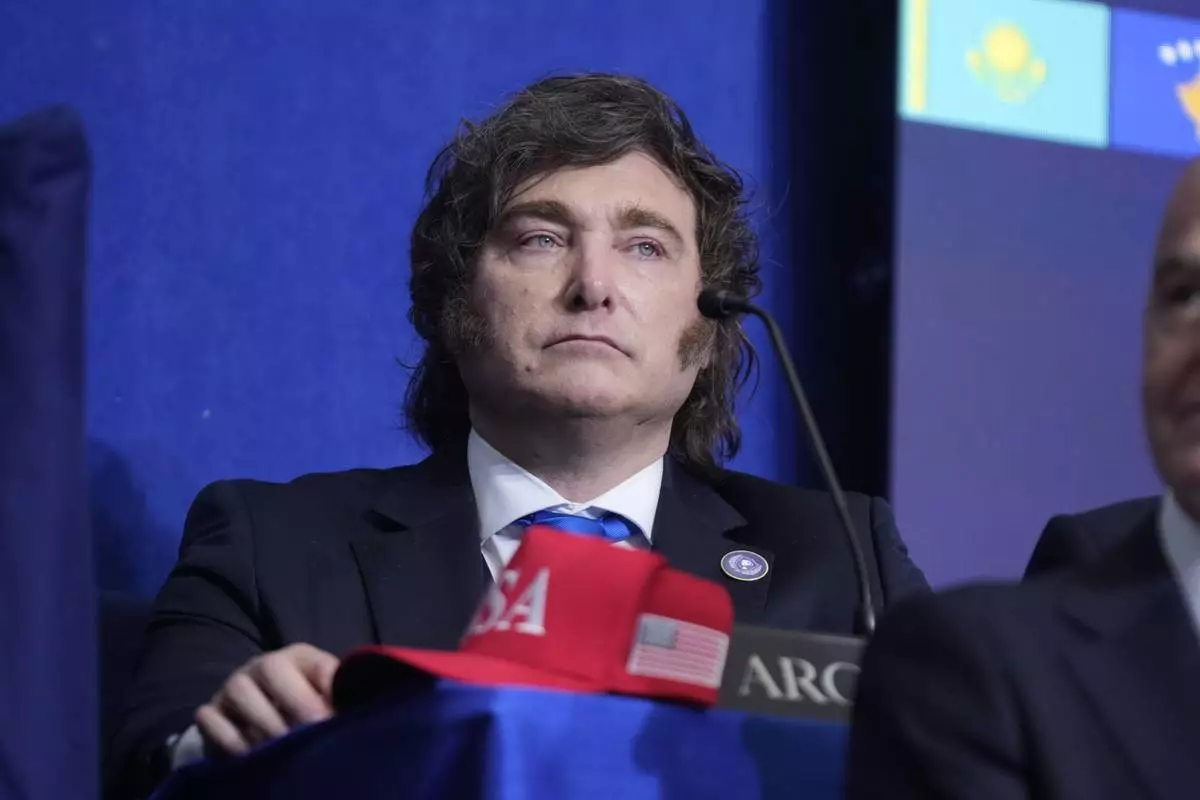
Argentina's President Javier Milei is seen during a Board of Peace meeting at the U.S. Institute of Peace, Thursday, Feb. 19, 2026, in Washington. (AP Photo/Mark Schiefelbein)
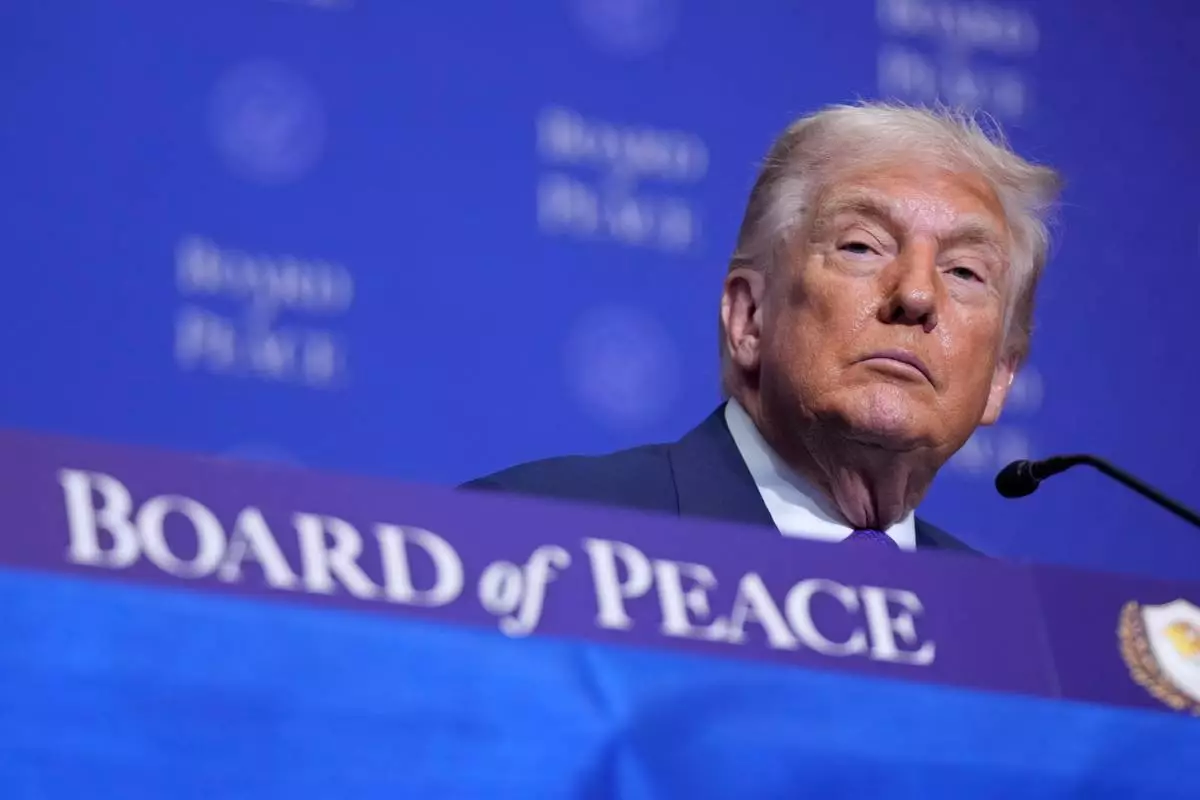
President Donald Trumpl listens during a Board of Peace meeting at the U.S. Institute of Peace, Thursday, Feb. 19, 2026, in Washington. (AP Photo/Mark Schiefelbein)
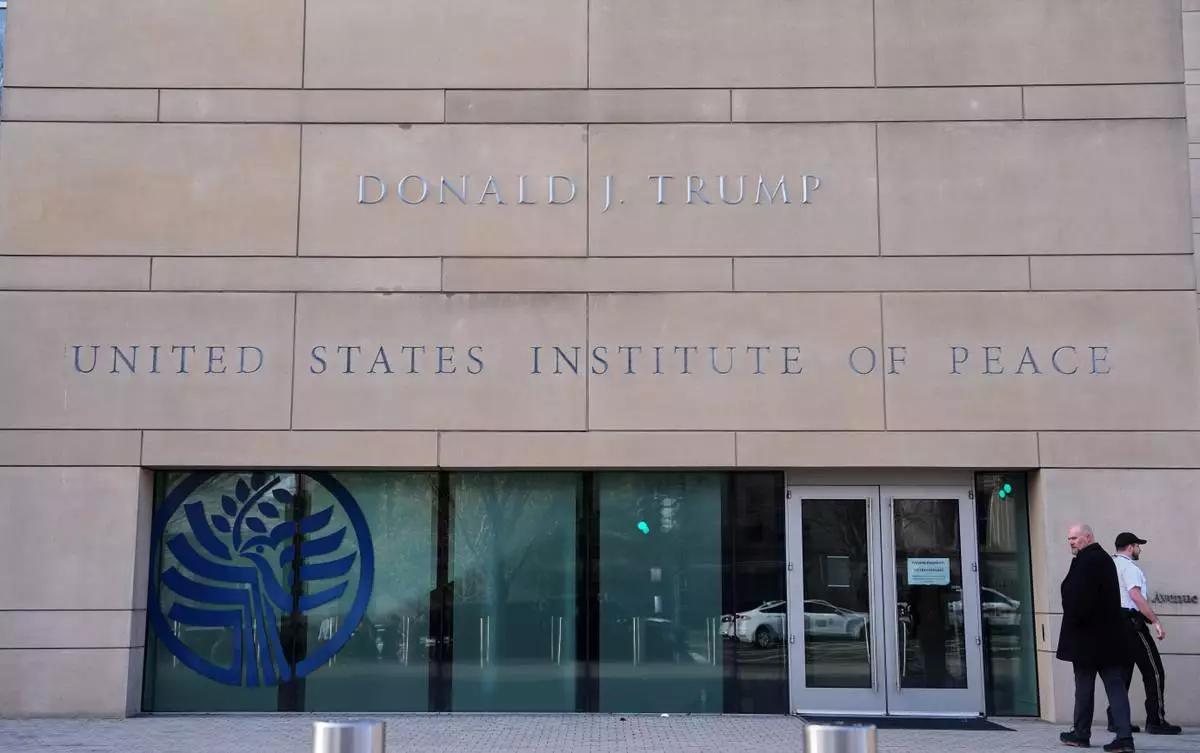
FILE - President Donald Trump's name is seen on the U.S. Institute of Peace building, Dec. 4, 2025, in Washington. (AP Photo/Evan Vucci, File)