Skip to Content Facebook Feature Image

China-UK tourism on rise as visitors keen to explore culture, cuisine of both sides

China

China

China

China-UK tourism on rise as visitors keen to explore culture, cuisine of both sides

2026-02-19 21:53 Last Updated At:22:27

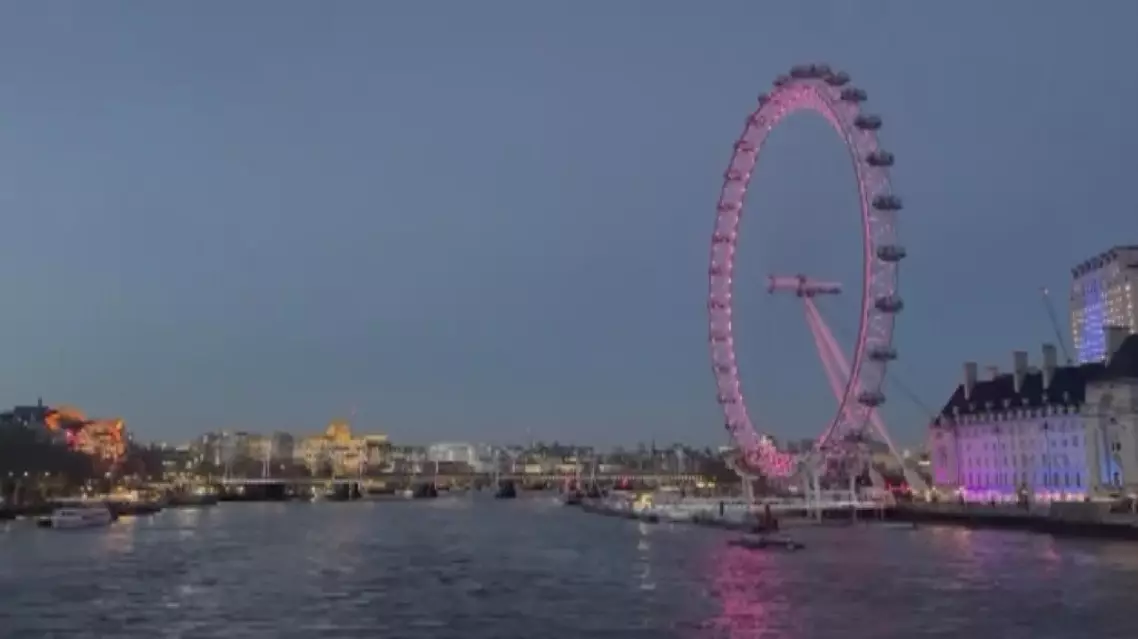
Tourism between the UK and China is on the up amid a growing curiosity about the respective cultures, cuisine, and history of both sides, as tourists say they are continually drawn by a desire to explore the iconic sites and experience all that the two countries have to offer.

Ties and exchanges between the two nations have been boosted by British Prime Minister Keir Starmer's official visit to China last month, with one of the most fruitful outcomes being the announcement that China would introduce a unilateral visa-free policy for UK nationals.

The measure, which officially came into force on Tuesday, allows eligible passport holders to stay for up to 30 days for various purposes, and will be effective through December 31.

Meanwhile, tourists going in the other direction are considered crucially important to the British economy, with China remaining one of the UK's most valuable overseas tourism markets.

According to the UK Government's Office for National Statistics, in 2024, more than 670,000 visits to Britain were made by residents of the Chinese mainland, Hong Kong and Taiwan, a huge rise from the 185,000 visits made in 2022.

Chinese visitors point towards the UK's culture and even its cuisine as being among the main attractions.

"For me, London is more like a melting pot with a lot of different cultures. You can experience a lot of different things here," said a Chinese visitor.

"I really like to eat fish and chips and sausage. I've also had hash browns," said another Chinese visitor.

There's also a growing enthusiasm among British travelers towards China, with data showing that residents of England, Scotland, and Wales made 988,000 trips to the Chinese mainland, Hong Kong and Taiwan in 2024.

Residents pick out the numerous reasons why they'd like to make the long trip to China.

"Everybody wants to see the Great Wall. It's a phenomenal piece of architecture. You can see it from space," said one resident.

"I guess I'd want go Shanghai, because honestly, I just love the food," said another local.

"I'd like to go to China to see the Great Wall of China. I teach martial arts, so it's that kind of thing [that I'm interested in] - that's why I'd like to see, because it's supposed to be one of the wonders of the world isn't it, so ideal," said another Londoner.

Tour companies who work on both sides of the travel relationship have seen interest growing in both directions, with the new visa-waiver policy likely to spur greater interest among UK tourists about making the journey to China.

"We always receive phone calls, inquiries from UK people who want to go to China. It's almost on their bucket list to go to China at least once in their lifetime to see the Great Wall and Forbidden City in Beijing, to see pandas in Chengdu, to see the Terracotta Warriors in Xi'an and also to experience the local culture, the local cuisine," said Jean Dong, marketing director of Cultural Tours.
China-UK tourism on rise as visitors keen to explore culture, cuisine of both sides

China-UK tourism on rise as visitors keen to explore culture, cuisine of both sides
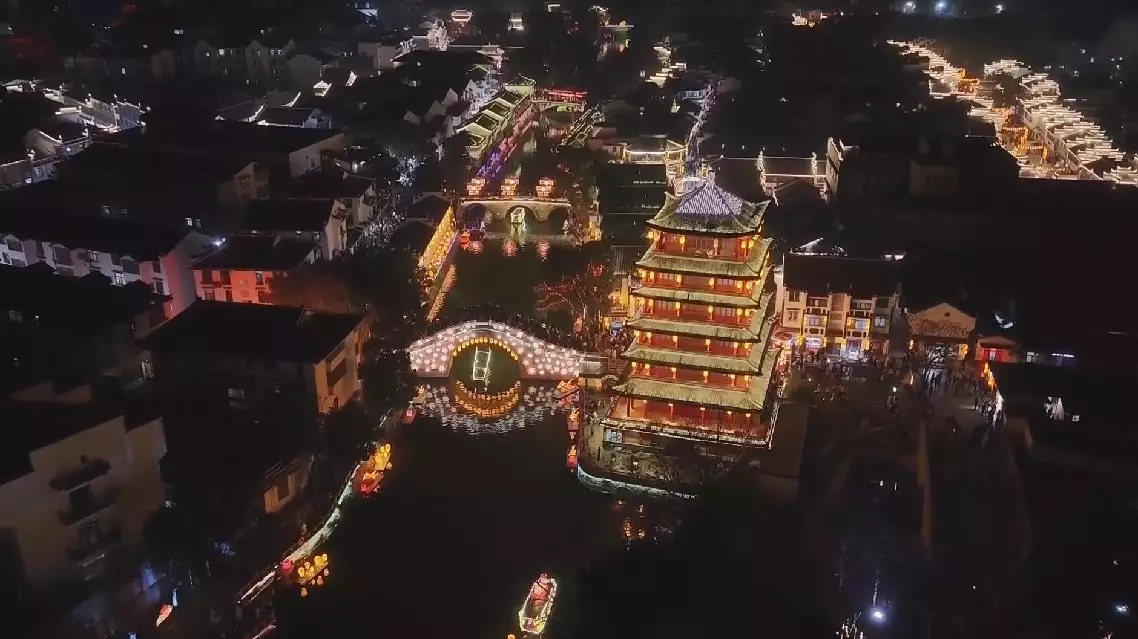
Sanhe Ancient Town in Hefei City of east China's Anhui Province has launched a series of Spring Festival celebrations featuring traditional fish-shaped lantern garden parties and night tours, offering visitors an immersive cultural tourism experience.

The ancient town served as a key filming location for the Hefei sub-venue of China Media Group (CMG)'s 2026 Spring Festival Gala, which kicked off at the prime viewing time of 20:00 on Monday night, the eve of the Chinese New Year.

Every evening from 18:00 to 21:00 during the Spring Festival holiday, a procession of hundreds of people parades through the town's streets, waving handcrafted traditional fish-shaped lanterns, a provincial intangible cultural heritage.

In the traditional fish-shaped lantern parade known as "Thousand Fish Leaping in Sanhe," the largest lantern measures eight meters long and requires six people to carry simultaneously, while the smallest is only about 10 centimeters, with visitors allowed to join the procession.

After the filming, the exquisite stage settings for this year's gala have been fully preserved by local authorities.

The ancient town has also repurposed the fish-shaped lanterns of various sizes that appeared in the gala and carried out comprehensive lighting upgrades and nighttime scene renovations in the core scenic area, in efforts to boost tourism in the wake of the gala filming.

At night during the holiday season, nearly 3,000 traditional fish-shaped lanterns and various colorful lights illuminate the entire ancient town in a dazzling display.

Visitors can also choose to explore the town by boat, taking a nighttime cruise along the waterways.

At the six filming locations in Sanhe used for the Gala, the town has scheduled diverse cultural tourism activities, with multiple traditional Chinese-style street performances throughout the day, allowing visitors to immerse themselves in the holiday experience.

During the first two days of the holiday, over 100,000 visits were recorded as people flocked to the ancient town, with a particularly strong draw for young visitors.

According to local tourism authorities, the proportion of young tourists is expected to increase by over 80 percent throughout the entire official Spring Festival holiday season from February 15 to 23.

The garden party program runs from February 17 to 23, lasting seven days, according to organizers.

Besides Hefei, the other three sub-venues for the gala are Harbin, the provincial capital of Heilongjiang in northeast China known as the "ice city," Yiwu in east China's Zhejiang, which has been dubbed "the world's supermarket," and Yibin in southwest China's Sichuan Province, a city renowned for its bamboo sea and liquor culture.

Commonly known as "Chunwan" in Chinese, the Gala has aired live every Chinese New Year's Eve since 1983, and is widely seen as a major cultural symbol of the festival.

East China's ancient town launches fish-shaped lantern celebrations for Spring Festival

East China's ancient town launches fish-shaped lantern celebrations for Spring Festival

Recommended Articles