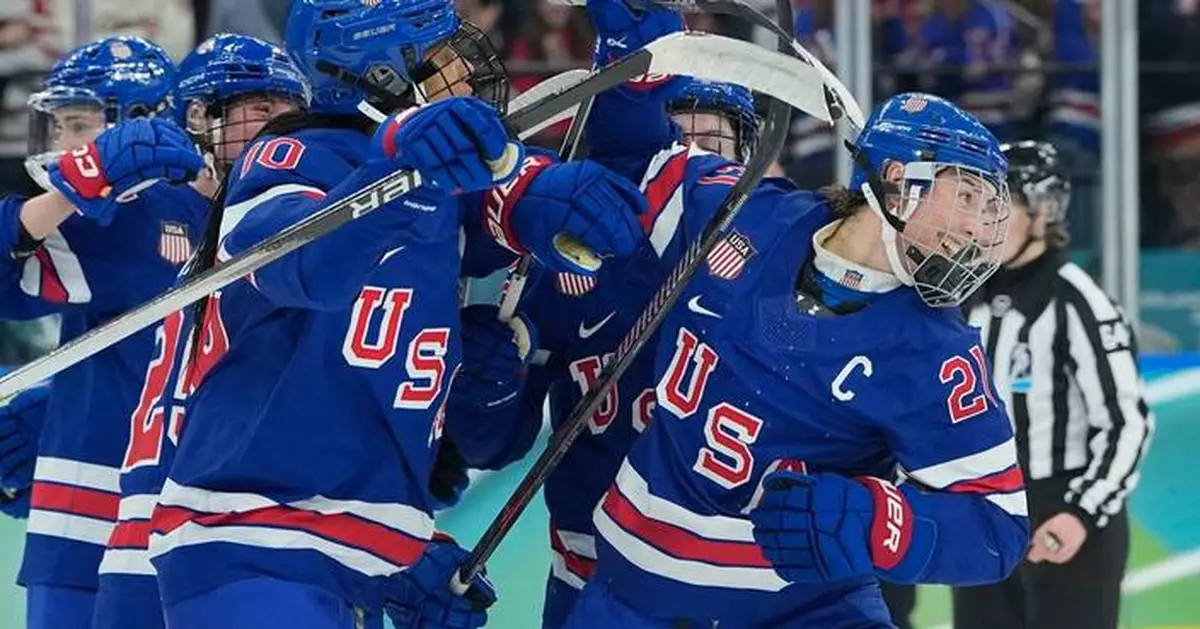
MILAN (AP) — Hilary Knight is in her last Olympics, wrapping up a stretch as the face of women's hockey in the United States. Laila Edwards is in her first and could very well be Knight's successor.
The present and future of the sport combined on a spectacular tying goal late in the gold-medal game against Canada. Knight tipped Edwards' shot in with just over two minutes left in regulation, and Megan Keller's overtime goal sent the U.S. home with gold in its beloved 36-year-old captain's swan song at the Games.
Click to Gallery
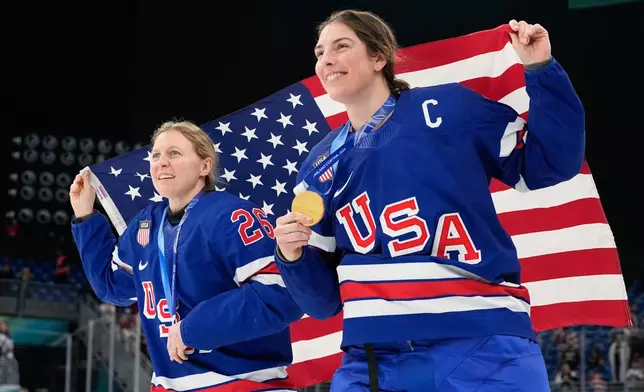
United States' Kendall Coyne, left, and United States' Hilary Knight celebrate after victory ceremony for women's ice hockey at the 2026 Winter Olympics, in Milan, Italy, Thursday, Feb. 19, 2026. (AP Photo/Hassan Ammar)
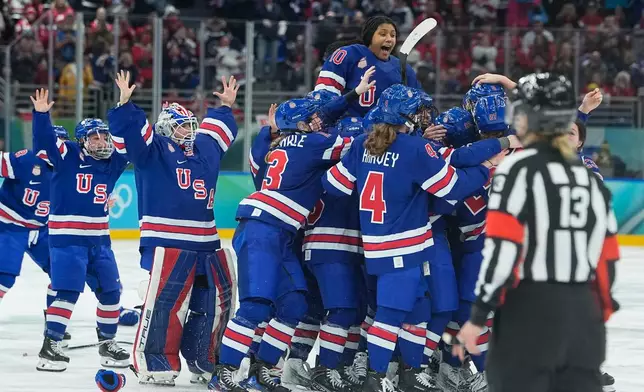
United States' players celebrate after a women's ice hockey gold medal game between the United States and Canada at the 2026 Winter Olympics, in Milan, Italy, Thursday, Feb. 19, 2026. (AP Photo/Petr David Josek)
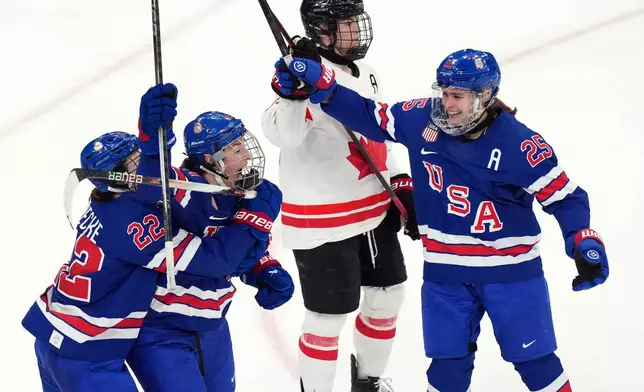
United States' Hilary Knight, second from left, celebrates after scoring a goal against Canada during the third period of the women's ice hockey gold medal game at the 2026 Winter Olympics, in Milan, Italy, Thursday, Feb. 19, 2026. (AP Photo/Carolyn Kaster)
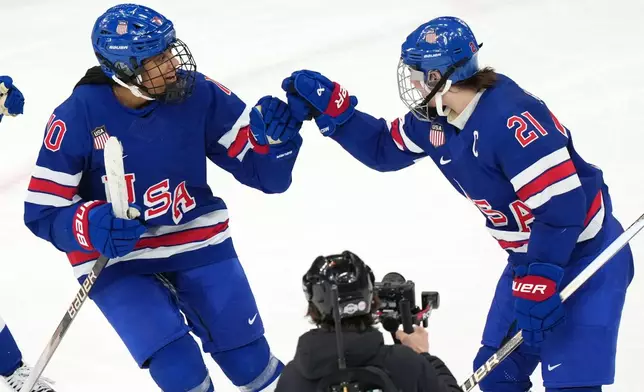
United States' Hilary Knight (21) celebrates with Laila Edwards (10) after Knight deflected a shot by Edwards for a goal against Canada during the third period of the women's ice hockey gold medal game at the 2026 Winter Olympics, in Milan, Italy, Thursday, Feb. 19, 2026. (AP Photo/Carolyn Kaster)
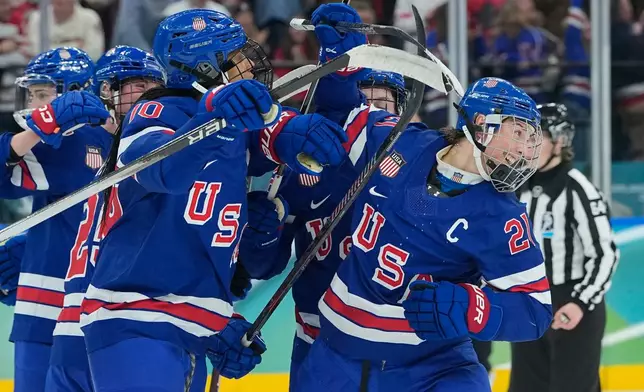
United States' Hilary Knight (21) celebrates after scoring an equalizer during a women's ice hockey gold medal game between the United States and Canada at the 2026 Winter Olympics, in Milan, Italy, Thursday, Feb. 19, 2026. (AP Photo/Petr David Josek)
"Couldn’t script it any better than that," teammate Rory Guilday said. “It’s pretty amazing.”
It was a storybook ending for Knight, who proposed to American speedskater Brittany Bowe on Wednesday. She acknowledged being more nervous about getting engaged than playing hockey.
Against Canada in the final, the nerves built up as the game went on and the U.S. trailed with time ticking off the clock. Knight did not want to settle for silver in her Olympic finale, and when the play was decided on before the next faceoff she thought: “Yeah, this is our moment. Here we go.”
The puck went to Edwards, and Knight knew she needed to get in front of the net because the defenseman was either going to shoot for a tip or right into the net. Fearing she'd miss again, Edwards aimed at Knight's stick and the veteran star sent the puck spinning through her legs and into the net.
“I knew I took a lot of high shots that game and it wasn’t going my way," Edwards said. "I knew we had a lot of traffic there, and so I get it to the net and Hilary’s there and she’ll take care of it, which she did.”
Edwards called it unbelievable to play a role in Knight's final goal at the Olympics, her 15th to give her sole possession of the U.S. record.
“Just to even be a very small part of what Hilary’s accomplished, I’m so honored,” Edwards said. "And to learn from her every day, it’s just been such a blessing.”
Knight won her second Olympic gold medal to go with three silvers. In many sports, finishing second is a major accomplishment, but for the U.S. and Canada in women's hockey it means a devastating loss in a bitter rivalry.
When the puck went in the net past goaltender Ann-Renee Desbiens, Knight said to herself, “We’re going to win the game." Now Knight gets to skate off into the sunset a champion again.
“I’ve said this is my last Games," Knight said. “I’ve had a heck of a week personally. It’s been an incredible ride. I have to soak this all in.”
Edwards is, too, with her family in attendance, but she's just 22 and should have many more Olympics ahead of her. That's the part that excites Knight as she passes the torch to Edwards and the next generation of Americans.
“Laila is just such a special person and means so much to this group and I’m so excited that everybody got to see her unleash her talents on the world stage,” Knight said. “It’s only fitting that there’s more of that to come with her.”
AP Winter Olympics: https://apnews.com/hub/milan-cortina-2026-winter-olympics
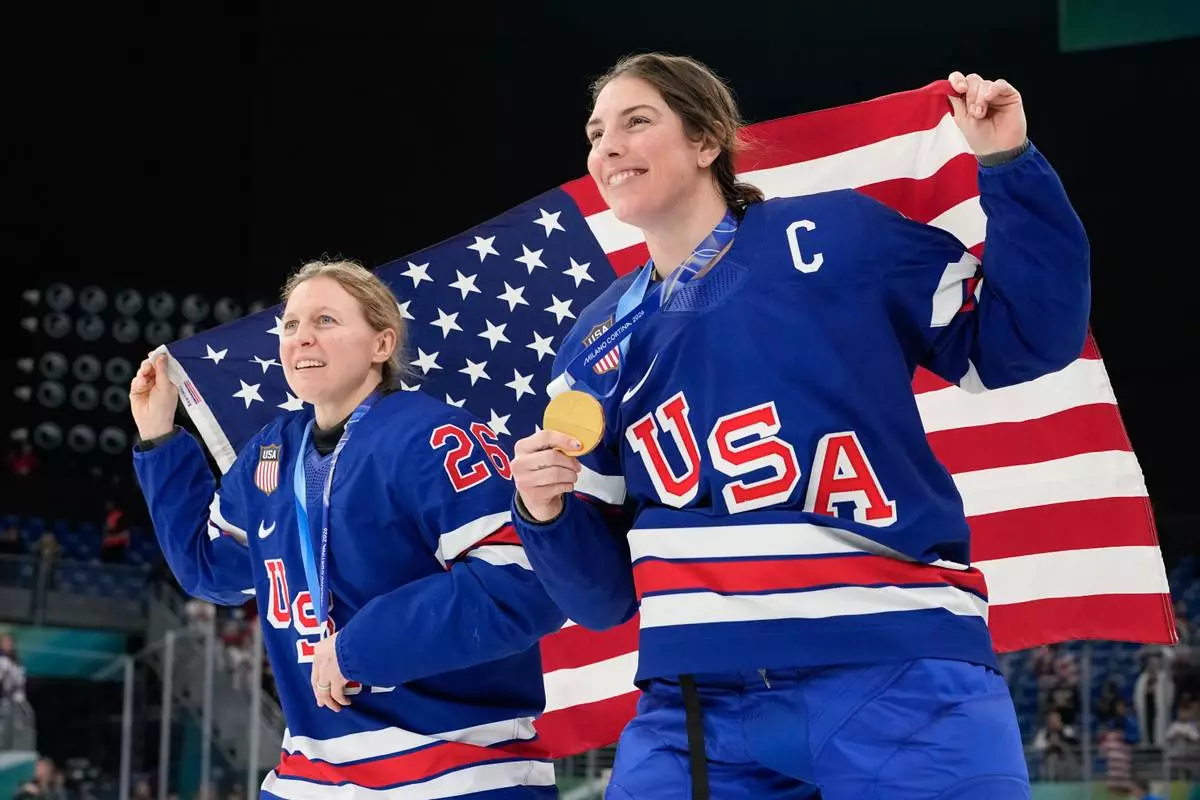
United States' Kendall Coyne, left, and United States' Hilary Knight celebrate after victory ceremony for women's ice hockey at the 2026 Winter Olympics, in Milan, Italy, Thursday, Feb. 19, 2026. (AP Photo/Hassan Ammar)
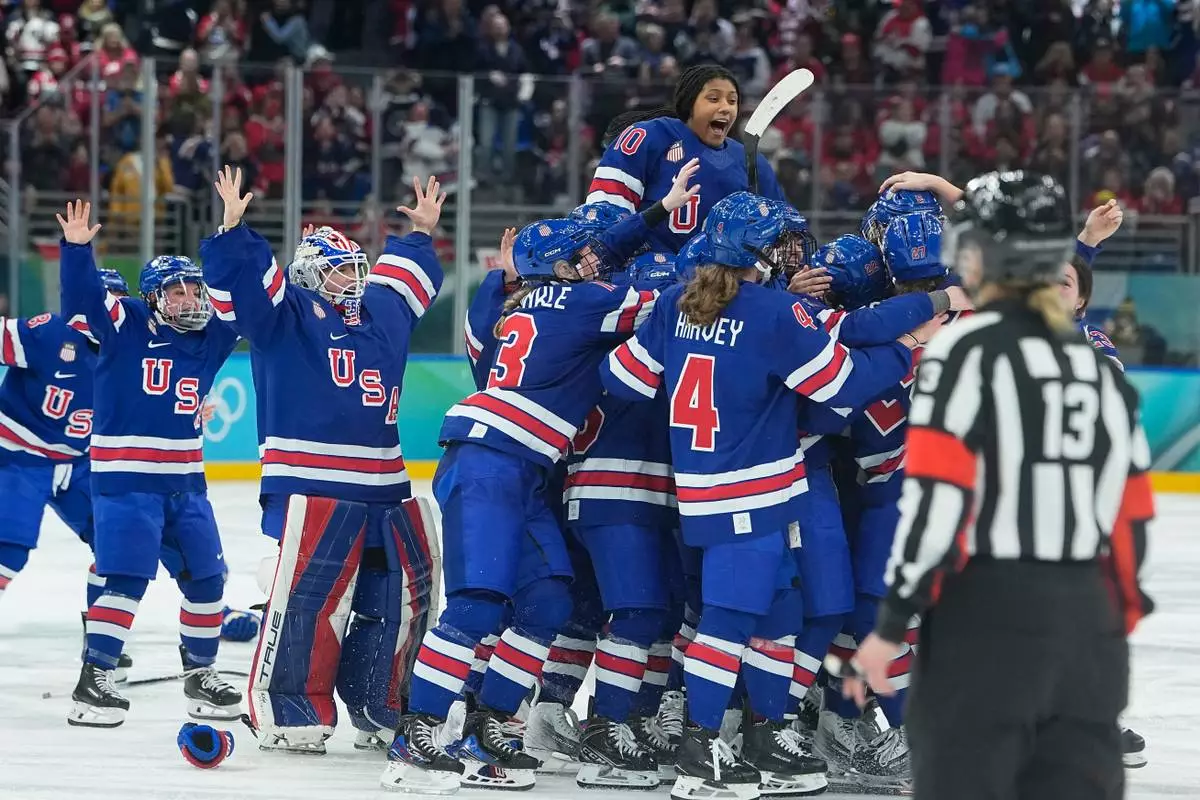
United States' players celebrate after a women's ice hockey gold medal game between the United States and Canada at the 2026 Winter Olympics, in Milan, Italy, Thursday, Feb. 19, 2026. (AP Photo/Petr David Josek)
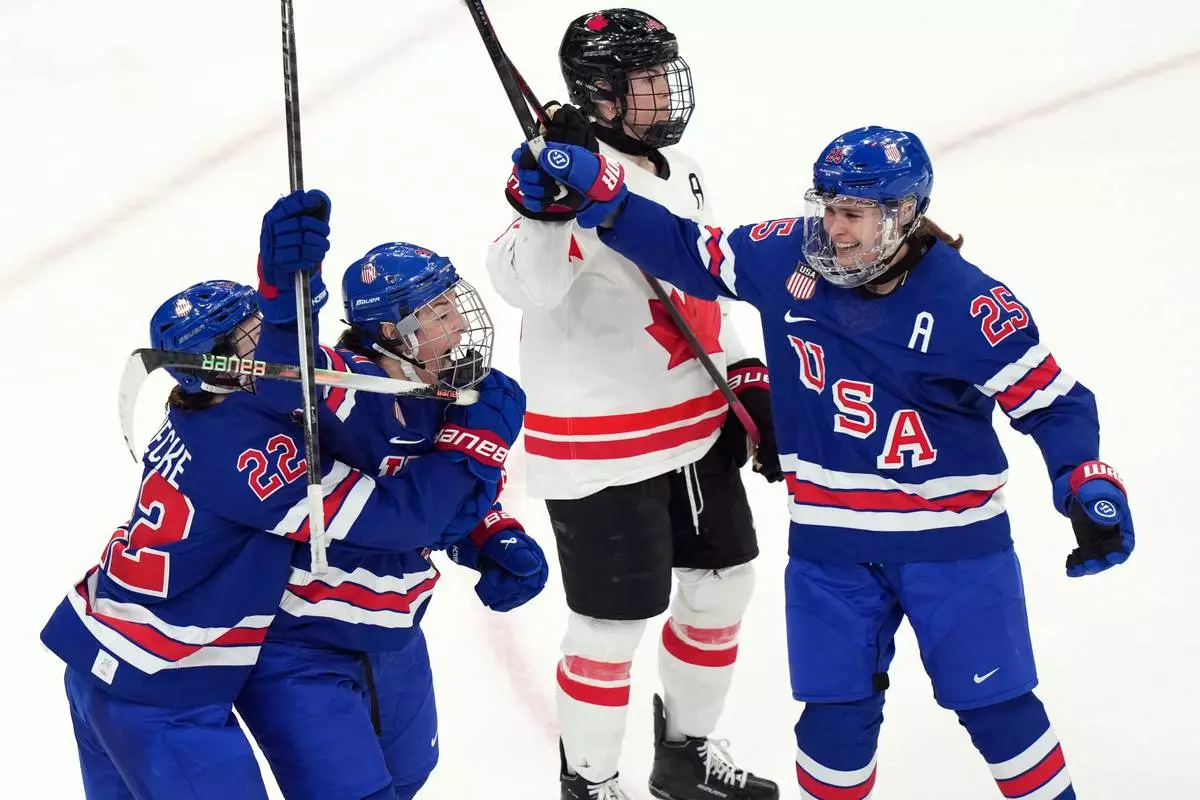
United States' Hilary Knight, second from left, celebrates after scoring a goal against Canada during the third period of the women's ice hockey gold medal game at the 2026 Winter Olympics, in Milan, Italy, Thursday, Feb. 19, 2026. (AP Photo/Carolyn Kaster)
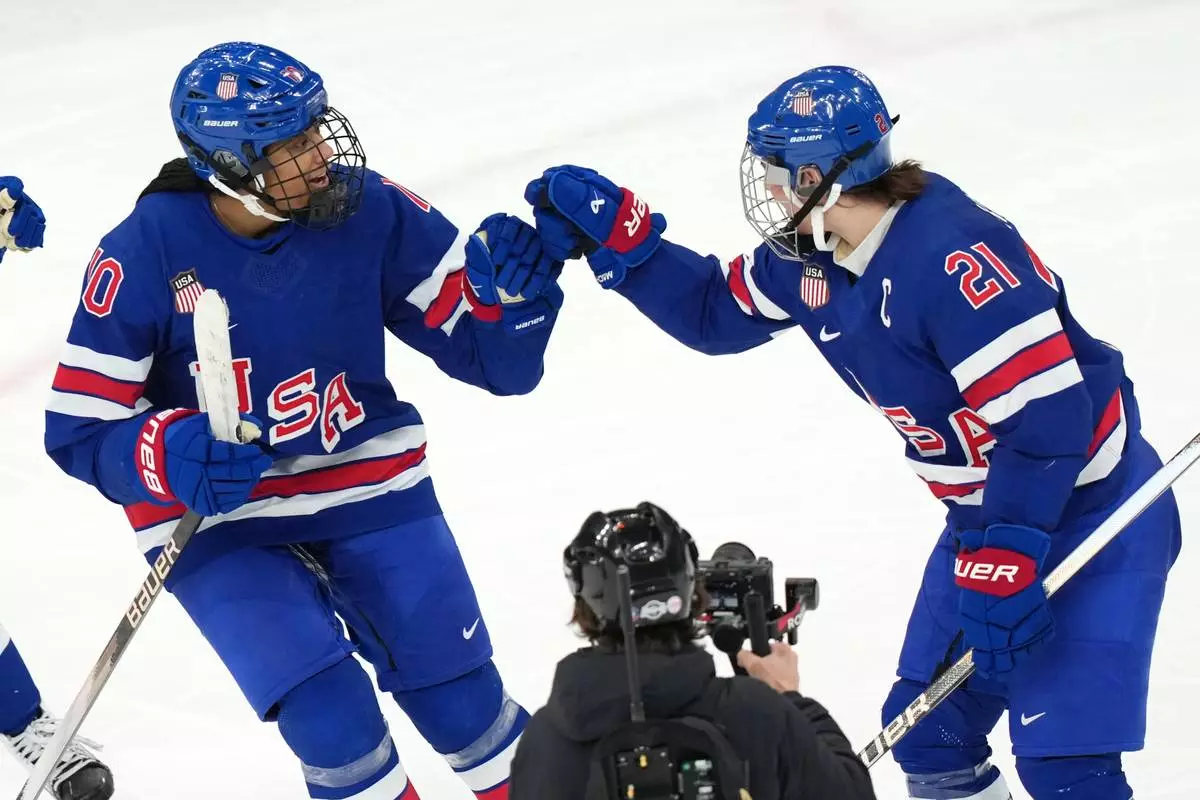
United States' Hilary Knight (21) celebrates with Laila Edwards (10) after Knight deflected a shot by Edwards for a goal against Canada during the third period of the women's ice hockey gold medal game at the 2026 Winter Olympics, in Milan, Italy, Thursday, Feb. 19, 2026. (AP Photo/Carolyn Kaster)
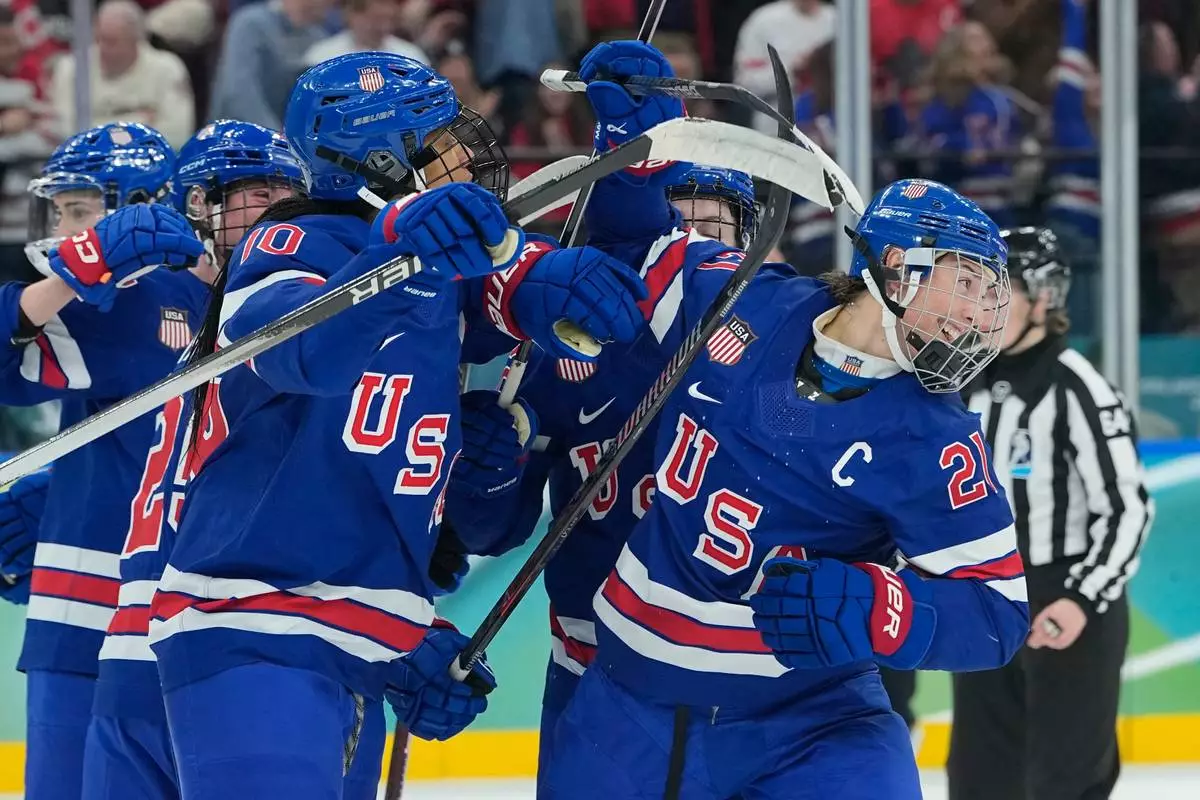
United States' Hilary Knight (21) celebrates after scoring an equalizer during a women's ice hockey gold medal game between the United States and Canada at the 2026 Winter Olympics, in Milan, Italy, Thursday, Feb. 19, 2026. (AP Photo/Petr David Josek)