Deep divisions between Russia and Ukraine over key issues such as territory, demilitarization remain persistent following Wednesday's trilateral Geneva Talks, said experts.
The trilateral talks among Russia, the United States and Ukraine took place behind closed doors and concluded in Switzerland's Geneva on Wednesday.
In total, the latest round of Geneva talks lasted about eight hours. Information about the two-day meeting is minimal, with virtually no leaks from sources.
Although the talks have delivered a positive signal expanding topics from military, security issues to political issues, it still failed to make breakthrough to bridge the differences between Russia and Ukraine, according to Russian experts.
"Everyone talked about tension, but there was a desire to discuss as many issues as possible. It differed from the meeting in Abu Dhabi in that here [were] not only military security issues, but also political ones. We were prepared to discuss a fairly broad range of issues. Everything was aimed at achieving certain constructive results," said Andrey Koshkin, head of the Department of Political Analysis and Socio-Psychological Processes under the Plekhanov Russian University of Economics.
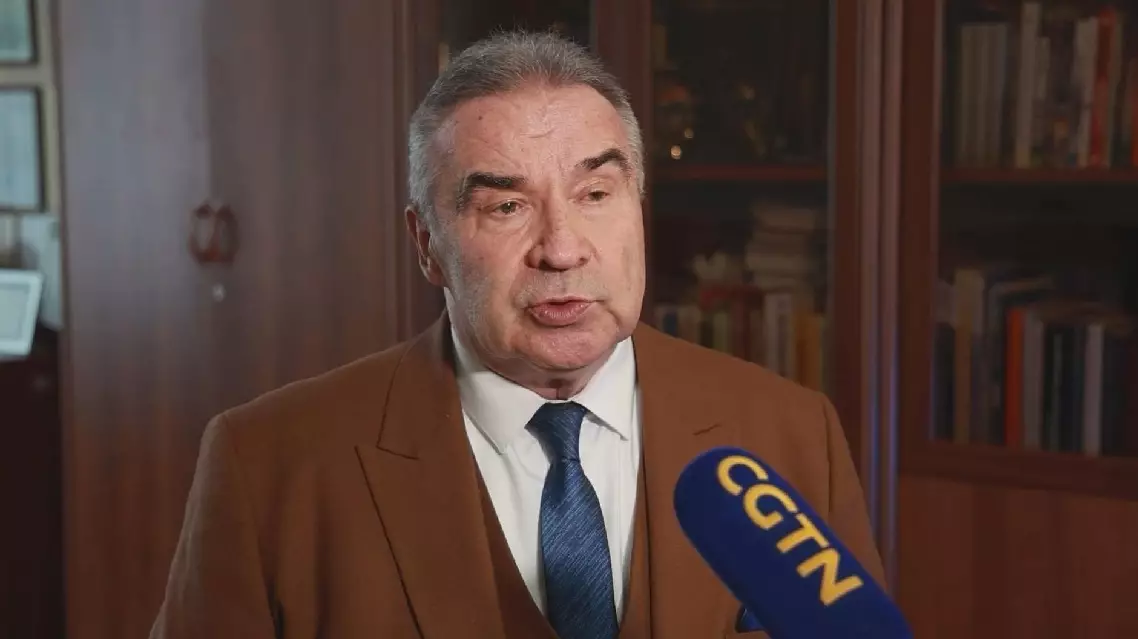
"This is, in fact, due to very serious differences in the positions of Russia, Ukraine, and other parties involved. The most fundamental and contentious issue concerns territory. Russia and Ukraine fundamentally differ in their views on how these tasks should be resolved. There is still much to discuss, and we've only discussed territories, but there's also, for example, the issue of demilitarization," said Associate Professor Ivan Pyatibratov at Financial University under Government of Russian Federation.
Ukrainian media outlets have expressed a rather reserved assessment of the meeting's results, noting the lack of specifics on key political issues. At the same time, most Ukrainian experts believe it's too early to talk about real progress at this stage.
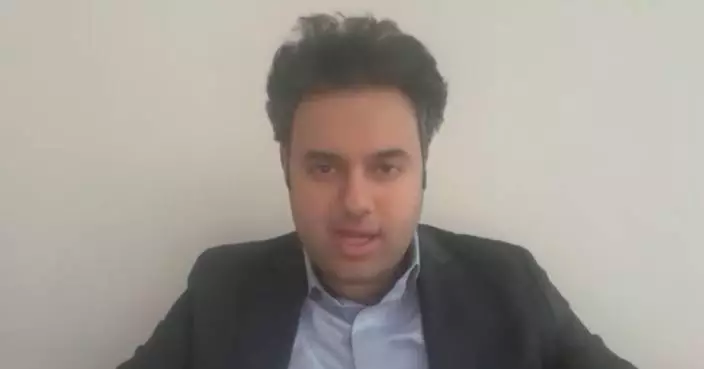
"Unfortunately, there are no agreements or specific contracts on strategic issues yet. Political issues have not been considered at all. Issues of territorial control, issues of military-political security guarantees - these are matters that remain at the discretion of the heads of state. Moreover, the Ukrainian side stated that even if these issues are resolved, they will most likely be resolved in the form and following the example of what was done during the grain deal - in the form of agreements between Ukraine and the United States and the agreements between the United States and Russia," said Ruslan Bortnik, director of Ukrainian Institute of Politics.
Deep differences between Russia, Ukraine remain after Geneva talks: experts